Top 6 Natural Monuments around Bishopbriggs
Best natural monuments around Bishopbriggs include diverse natural spaces and green areas. This suburban town offers opportunities to connect with nature, observe wildlife, and enjoy outdoor activities. These areas serve as important local natural monuments due to their ecological value and recreational offerings, providing a refreshing escape from urban life. The region features a mix of local nature reserves, canal towpaths, and well-maintained public parks.
Best natural monuments around Bishopbriggs
- The most popular natural monuments is Mugdock Castle, a…
Last updated: June 30, 2026
Mugdock Castle
Highlight • Castle
Tip by

West Highland Way: Southern Section in Loch Lomond and The Trossachs National Park
Highlight (Segment) • Viewpoint
In addition, a pause at the distillery Glengoyne worthwhile :)
Translated by Google •
Tip by

Sign up now to discover places like this
Get recommendations on the best single tracks, peaks, & plenty of other exciting outdoor places.
Sign up for free
Cort-ma-Law Summit
Highlight • Viewpoint
Tip by

Glasgow Green
Highlight • Historical Site
Translated by Google •
Tip by

Auchinstarry Quarry
Highlight • Natural Monument
Tip by

Sign up for free to discover even more natural monuments around Bishopbriggs.
Sign up for free
Already have an account?
Start today with a free account
Your next adventure awaits.
Login or Signup
Tips from the Community

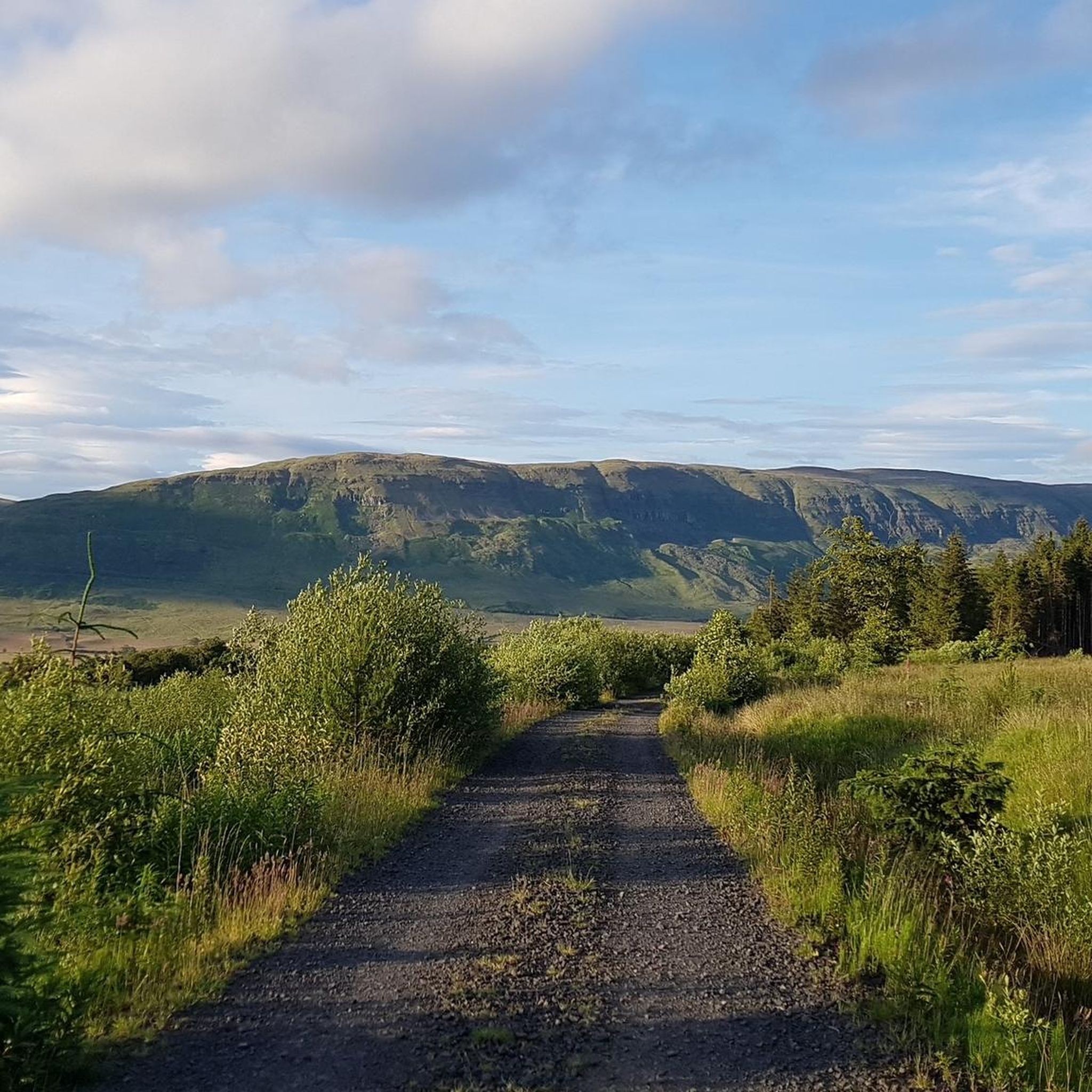
Solid starting stage of the West Highland Way. Every day heading north, it becomes more "typically Scottish".
0
0
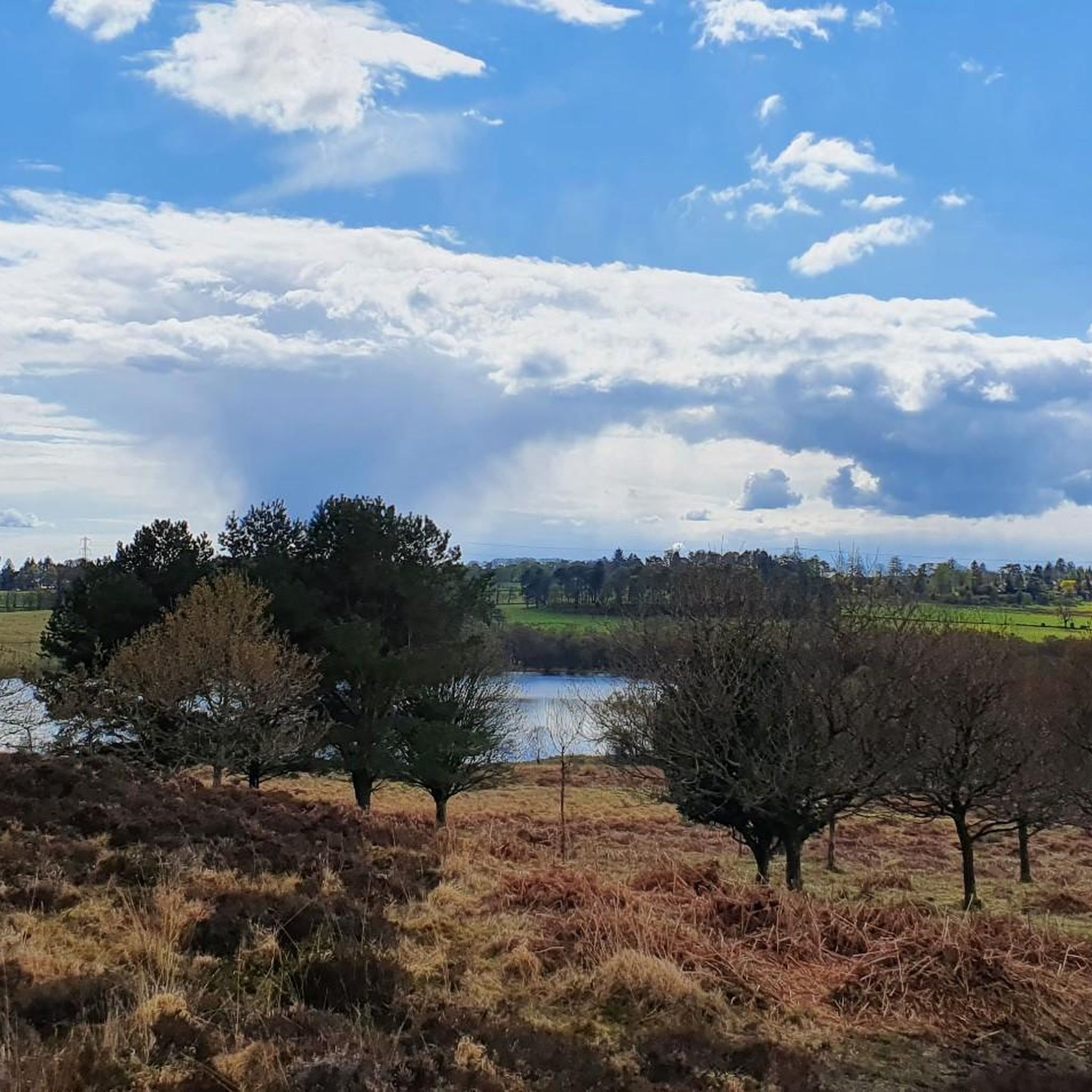
Above all, the path through Mugdock-Forest is worth it.
0
0

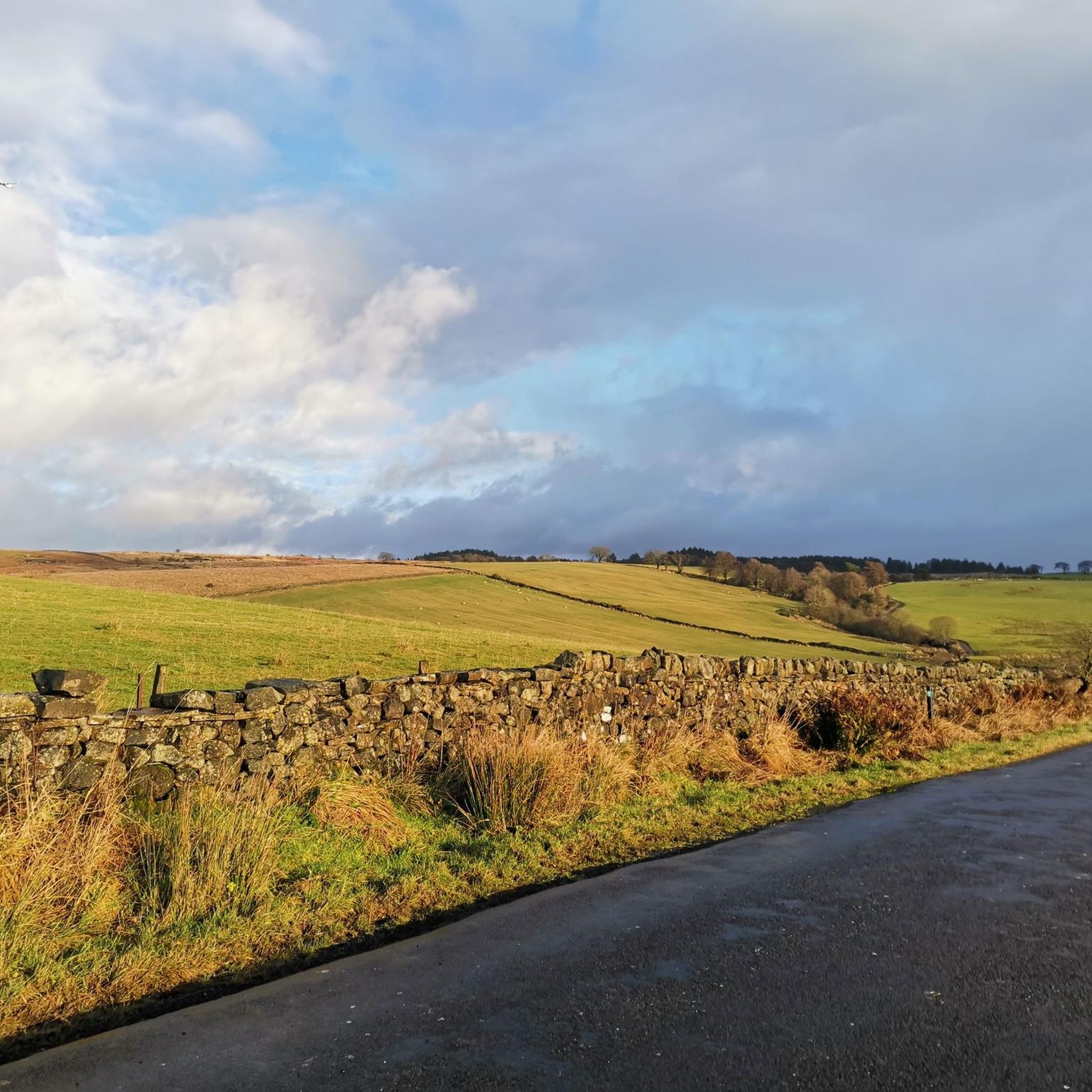
The original Castle on this site was built in the 13th century by the Graham family. The Grahams were a family on the rise and the family were made the Earls of Montrose in 1505. The most famous Graham resident of Mugdock Castle was James Graham (1612-1650) known as The Great Montrose. He was a poet and soldier who fought for the cause of King Charles I during the Wars of The Three Kingdoms (more commonly referred to as The English Civil Wars) and was marked as one of the greatest soldiers of the time. So great was his military fame that King Louis XIV offered him the role as Marshal of France. His success ultimately ran out in 1650 with the loss of The Battle of Carbisdale in Rosshire. Montrose was betrayed by a fellow Scotsman and was ultimately Hung, Drawn and Quartered for his part in the war. His campaigns were immortalised by Sir Walter Scott in his 1819 novel A Legend of Montrose.
0
0

The oldest of Glasgow's city parks, a short walk from the centre, Glasgow Green is a great place to spend a day outdoors, enjoy a picnic or go for a walk. Attractions include: • The People's Palace, a museum dedicated to the history of Glasgow's working class • The Nelson Monument, a 130-foot (40-metre) column dedicated to Admiral Lord Nelson • The McLennan Arch, a 19th-century archway • The St. Andrew's Suspension Bridge, connecting Glasgow Green to the south side of the River Clyde
0
0


Tip: Especially at the beginning of the WHW you can make a very good route, because the WHW goes along an old railway line, so there is hardly any incline.
3
0

If it's too crowded at the start: keep calm. You never walk alone at the WHW, but it pulls you apart
3
1

Frequently Asked Questions
What are some of the most popular natural monuments around Bishopbriggs?
Visitors frequently enjoy exploring Mugdock Castle, a historical site set on a rocky promontory with natural defenses. Another highly rated spot is the West Highland Way: Southern Section in Loch Lomond and The Trossachs National Park, offering beautiful landscapes along an old railway line. Glasgow Green, a large historical park, is also a popular choice for its natural beauty and as a starting point for activities.
Are there family-friendly natural monuments in Bishopbriggs?
Yes, several natural monuments around Bishopbriggs are suitable for families. Mugdock Castle and Glasgow Green are both listed as family-friendly. Additionally, Bishop Loch Local Nature Reserve and the Forth and Clyde Canal towpaths offer accessible paths and opportunities for nature observation that families can enjoy together.
What kind of natural features can I expect to see at these monuments?
You'll find a diverse range of natural features. Bishop Loch Local Nature Reserve boasts woodland, grassland, and marshland habitats, with views across Bishop Loch. The Forth and Clyde Canal offers scenic waterways and towpaths. Public parks like Bishopbriggs Town Centre Public Park (Kenmure Estate) provide lush greenery and mature woodlands. You can also find viewpoints like Cort-ma-Law Summit and the West Highland Way: Southern Section, offering expansive views.
Are there historical or cultural sites integrated with Bishopbriggs' natural monuments?
Absolutely. The Mugdock Castle is a prominent historical site. The Forth and Clyde Canal, opened in 1775, is a historical monument itself, with interpretation panels along routes like the Cadder & Mavis Valley Trail providing insights into the area's heritage. Glasgow Green is also a significant historical park.
What outdoor activities can I do near these natural monuments?
The area around Bishopbriggs offers a variety of outdoor activities. You can enjoy running trails, including routes along the Forth and Clyde Canal Towpath, as detailed in the Running Trails around Bishopbriggs guide. There are also easy hikes like the Hogganfield Loch loop, which you can find in the Easy hikes around Bishopbriggs guide. For mountain biking enthusiasts, there are challenging MTB trails around Craigallian Loch, accessible via the MTB Trails around Bishopbriggs guide.
Are the trails around Bishopbriggs' natural monuments generally difficult?
The difficulty varies, but many trails are quite accessible. The Forth and Clyde Canal towpath is known for being relatively flat and easy, suitable for walking, jogging, and cycling. Bishop Loch Local Nature Reserve has clearly marked footpaths for exploring. While some routes, like those to Cort-ma-Law Summit, can be boggy and more challenging, there are plenty of easy and moderate options available, such as those listed in the Easy hikes around Bishopbriggs guide.
Is it easy to find parking at Bishopbriggs' natural monuments?
Yes, parking is generally available. For instance, Mugdock Castle and its country park offer free parking. Public parks and nature reserves in the area typically have designated parking facilities, though it's always good to check specific locations beforehand.
Can I reach Bishopbriggs' natural monuments using public transport?
Bishopbriggs is a suburban town with public transport links. Many local nature reserves and parks, including the Forth and Clyde Canal, are accessible via bus routes or are within walking distance from train stations in and around Bishopbriggs. Specific routes would depend on your exact destination within the area.
Are Bishopbriggs' natural monuments suitable for dogs?
Most natural monuments and green spaces in Bishopbriggs, including the Forth and Clyde Canal towpaths and local parks, are dog-friendly. It's generally expected that dogs are kept on a lead, especially in nature reserves to protect wildlife, and that owners clean up after their pets. Always check local signage for specific regulations.
When is the best time of year to visit the natural monuments in Bishopbriggs?
The natural monuments in Bishopbriggs can be enjoyed year-round. Spring and summer offer vibrant flora and active wildlife, making them ideal for nature observation and walks. Autumn provides beautiful foliage, while winter, especially after a hard frost, can make some boggy paths more accessible, such as those leading to Cort-ma-Law Summit.
Where can I observe wildlife around Bishopbriggs?
Bishop Loch Local Nature Reserve is a prime spot for wildlife observation, known as a biodiversity hotspot. You might spot woodland birds, butterflies, bees, and various wetland birds like Great Crested Grebe and Tufted Duck. The Forth and Clyde Canal and its banks also support diverse flora and fauna, offering opportunities to see local wildlife in a semi-urban setting. Woodhill and Etive Parks are undergoing enhancements to attract pollinators and provide habitats.
What do visitors particularly enjoy about the natural monuments in Bishopbriggs?
Visitors appreciate the refreshing escape from urban life that these natural spaces provide. They enjoy the diverse habitats, serene atmosphere, and opportunities for walking and exploring. The historical context of sites like the Forth and Clyde Canal and the beauty of places like Glasgow Green are also highly valued. Many find the trails, such as those along the West Highland Way: Southern Section, to be very beautiful and interesting.
Are there any accessible natural monuments in Bishopbriggs?
The Forth and Clyde Canal towpath is generally flat and well-maintained, making it a good option for accessible walks. Public parks like Bishopbriggs Town Centre Public Park also offer paved or well-surfaced pathways. While specific accessibility features can vary, these areas provide relatively easy access for a wider range of visitors.
Most popular routes around Bishopbriggs
Most popular attractions around Bishopbriggs

Get inspired with the komoot mobile app


Explore more
Extend your search for the best caves by checking out these guides of the top ones around Bishopbriggs:
