Shared Cadder/Milton/Lambhill/Maryhill/Summerston
Shared Cadder/Milton/Lambhill/Maryhill/Summerston
Top 5 Natural Monuments around Shared Cadder/Milton/Lambhill/Maryhill/Summerston
Best natural monuments around Shared Cadder/Milton/Lambhill/Maryhill/Summerston offer a blend of urban green spaces and historic waterways. This area of Glasgow features diverse natural landscapes, from marshlands and woodlands to the historic Forth and Clyde Canal. Visitors can explore a variety of natural features, providing opportunities for walking, cycling, and wildlife observation. The region's green infrastructure supports diverse flora and fauna, making it a valuable natural resource.
Best natural monuments around Shared Cadder/Milton/Lambhill/Maryhill/Summerston
- The most popular natural monuments is Mugdock Castle, a castle that stands on a rocky promontory with natural defenses. It is known for its historical significance and the surrounding country park.
- Another must-see spot is West Highland Way: Southern Section in Loch Lomond and The Trossachs National Park, a viewpoint and trail. This section offers scenic landscapes and is a good entry stage for the West Highland Way, often following an old railway line with minimal incline.
- Visitors also love Glasgow Green, a historical site and park. This large park provides green spaces for relaxation and recreation within the city.
- Shared Cadder/Milton/Lambhill/Maryhill/Summerston is known for its historical sites, parks, and natural monuments. The area offers a variety of natural monuments to see and explore, including marshlands, canals, and woodlands.
- The natural monuments around Shared Cadder/Milton/Lambhill/Maryhill/Summerston are appreciated by the komoot community, with more than 140 upvotes and 97 photos shared by visitors.
Last updated: October 17, 2026
Mugdock Castle
Highlight • Castle
Tip by

West Highland Way: Southern Section in Loch Lomond and The Trossachs National Park
Highlight (Segment) • Viewpoint
Showing Translation
Tip by

Sign up now to discover places like this
Get recommendations on the best single tracks, peaks, & plenty of other exciting outdoor places.
I Remember – Scotland's Covid Memorial Walk, Pollok Country Park
Highlight • Monument
Tip by

Scholars Rocks
Highlight • Structure
Translated by Google •
Tip by

Blairskaith Linn Waterfall
Highlight • Waterfall
Tip by

Sign up for free to discover even more natural monuments around Shared Cadder/Milton/Lambhill/Maryhill/Summerston.
Already have an account?
Start today with a free account
Your next adventure awaits.
Popular around Shared Cadder/Milton/Lambhill/Maryhill/Summerston
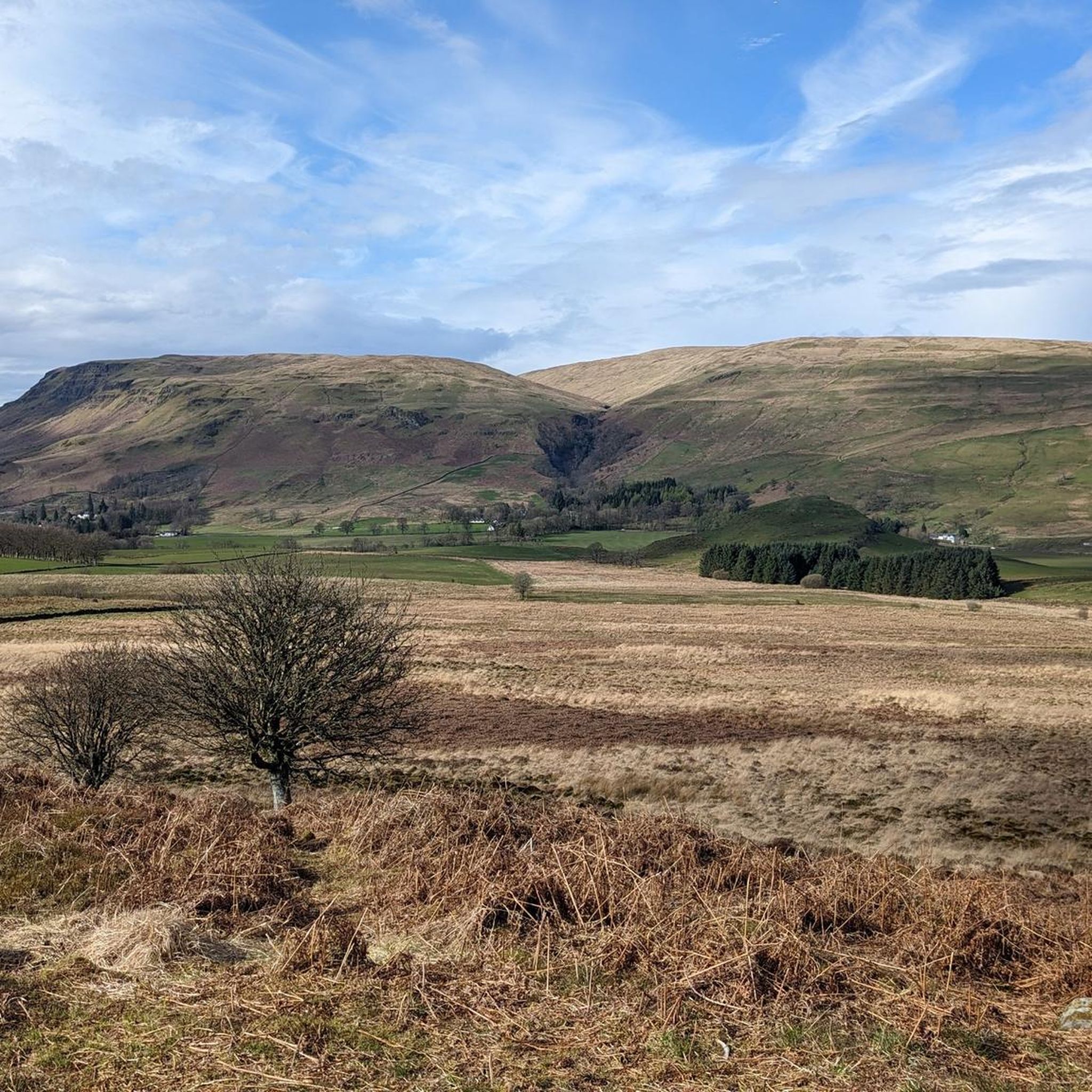
Road Cycling Routes around Shared Cadder/Milton/Lambhill/Maryhill/Summerston
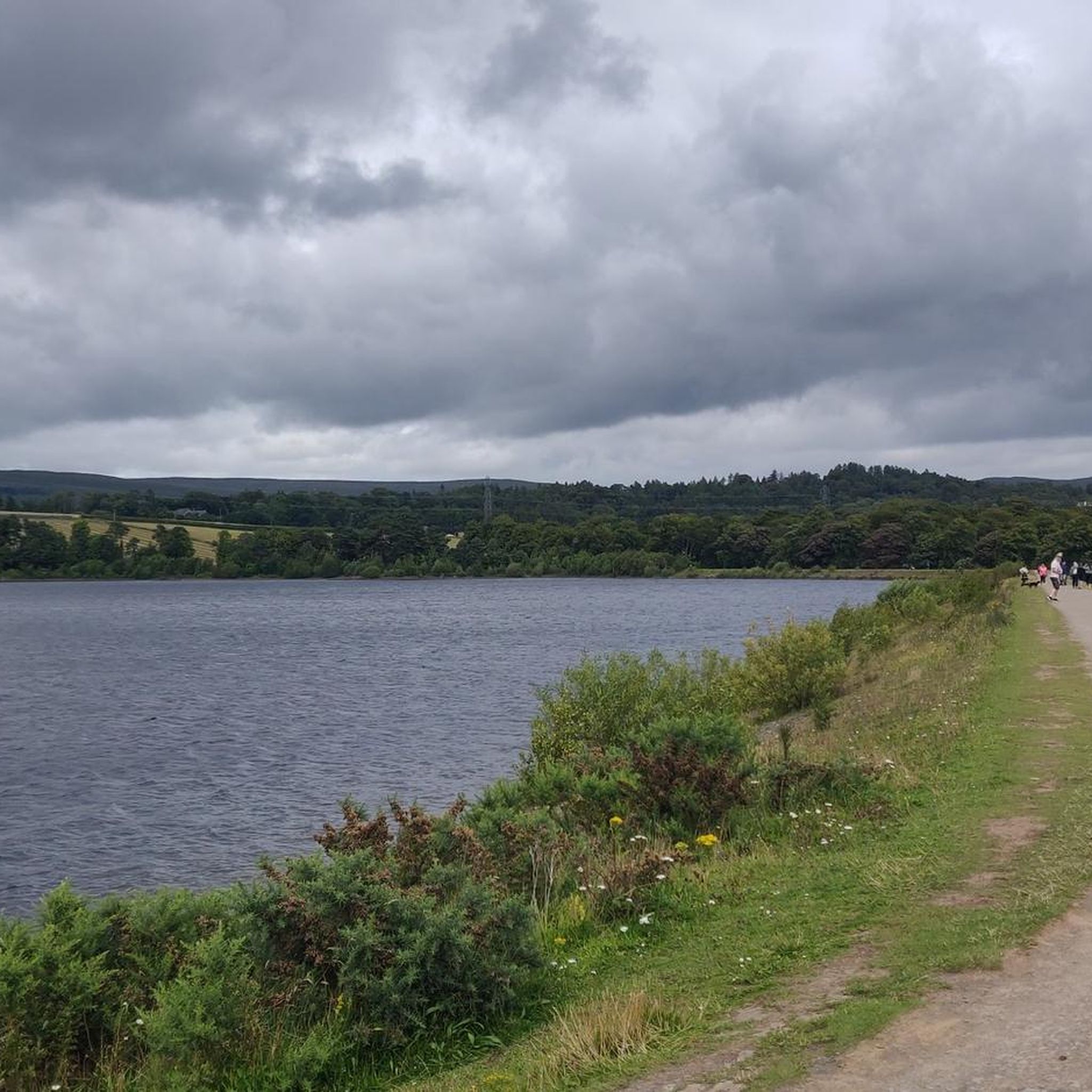
Hiking around Shared Cadder/Milton/Lambhill/Maryhill/Summerston
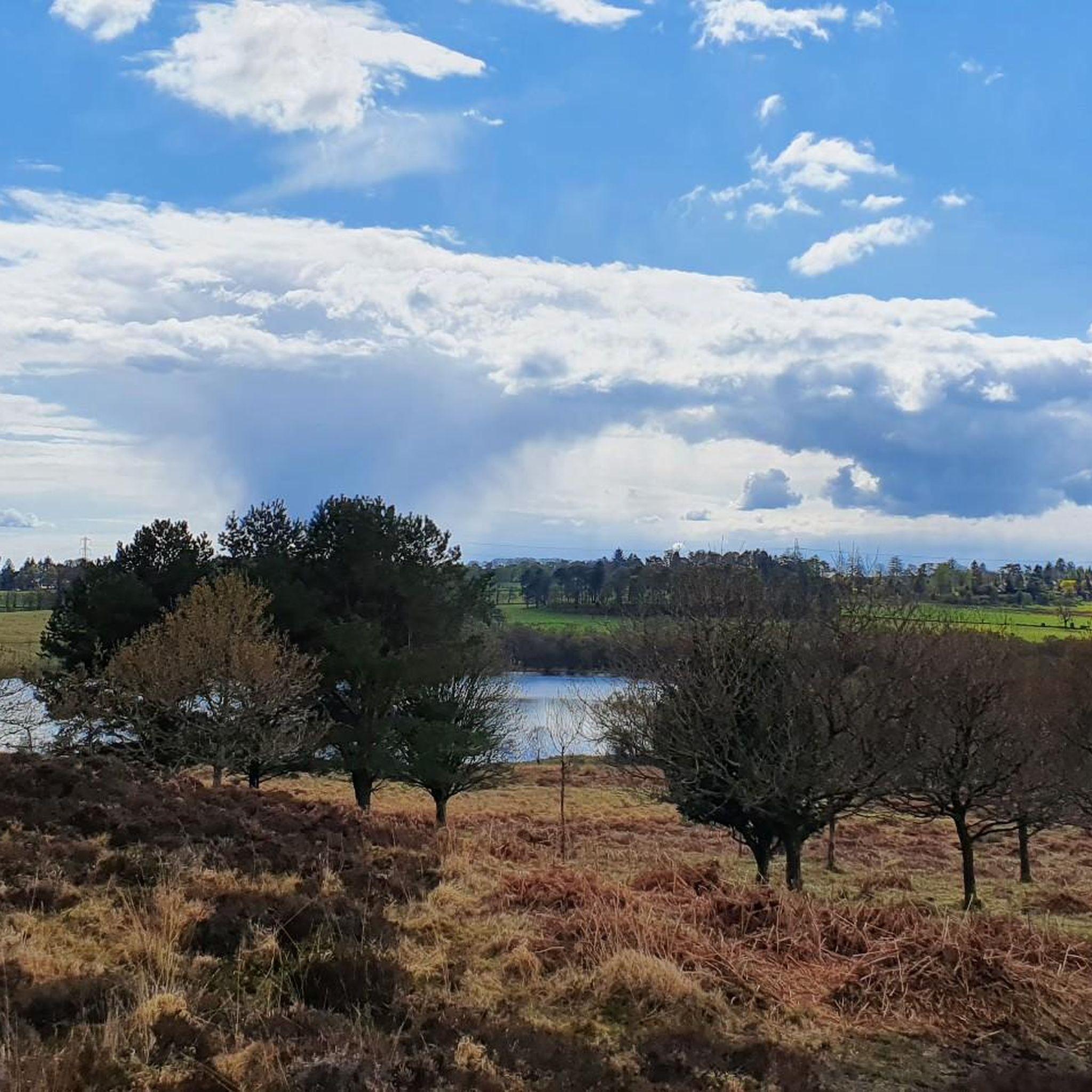
Running Trails around Shared Cadder/Milton/Lambhill/Maryhill/Summerston
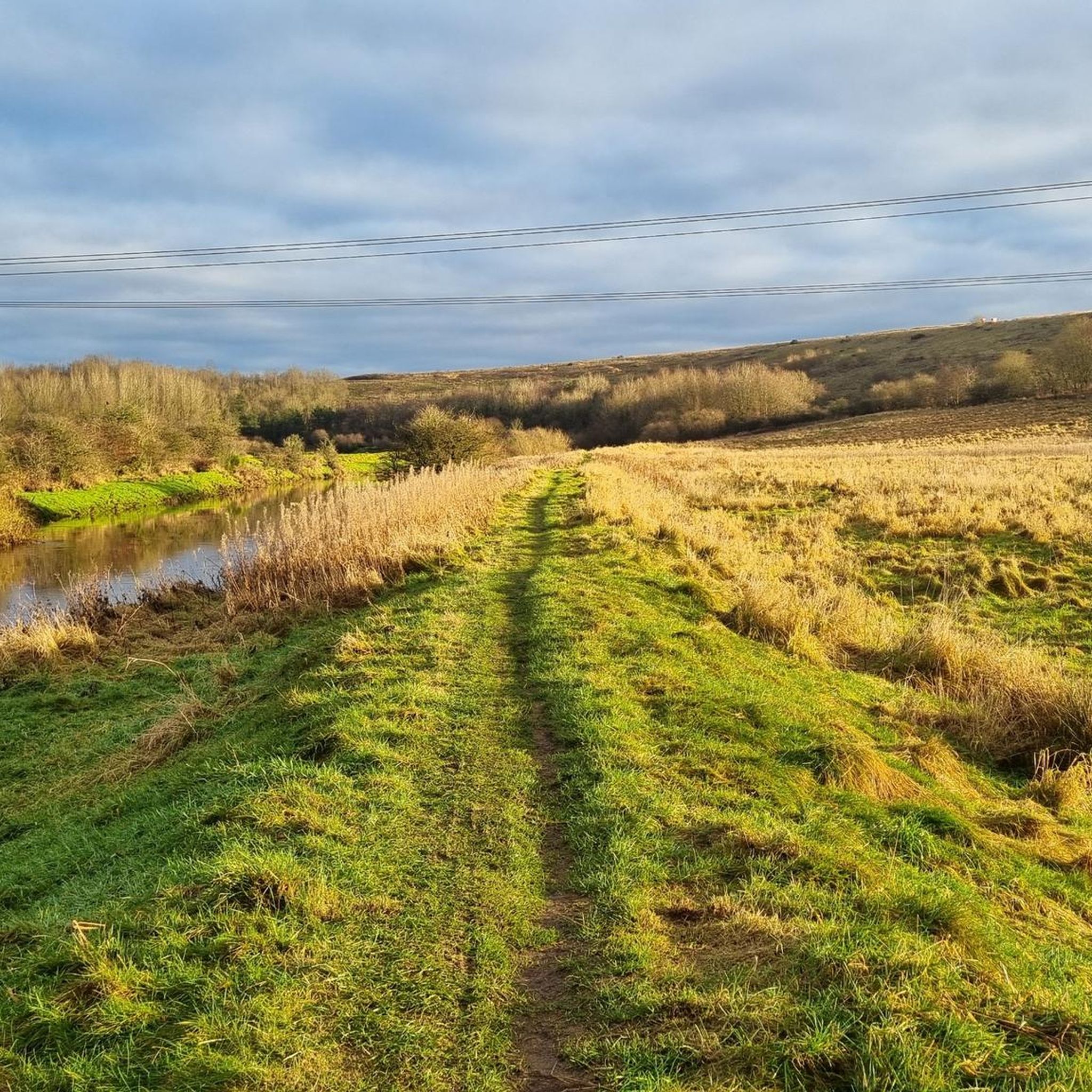
MTB Trails around Shared Cadder/Milton/Lambhill/Maryhill/Summerston
Gravel biking around Shared Cadder/Milton/Lambhill/Maryhill/Summerston
Cycling around Shared Cadder/Milton/Lambhill/Maryhill/Summerston
Tips from the Community


Solid starting stage of the West Highland Way. Every day heading north, it becomes more "typically Scottish".
1
0
Above all, the path through Mugdock-Forest is worth it.
2
0

The original Castle on this site was built in the 13th century by the Graham family. The Grahams were a family on the rise and the family were made the Earls of Montrose in 1505. The most famous Graham resident of Mugdock Castle was James Graham (1612-1650) known as The Great Montrose. He was a poet and soldier who fought for the cause of King Charles I during the Wars of The Three Kingdoms (more commonly referred to as The English Civil Wars) and was marked as one of the greatest soldiers of the time. So great was his military fame that King Louis XIV offered him the role as Marshal of France. His success ultimately ran out in 1650 with the loss of The Battle of Carbisdale in Rosshire. Montrose was betrayed by a fellow Scotsman and was ultimately Hung, Drawn and Quartered for his part in the war. His campaigns were immortalised by Sir Walter Scott in his 1819 novel A Legend of Montrose.
2
0

Just off the road. Video by SeeScotland on YouTube. https://www.youtube.com/watch?v=huTD5TCQbiA
0
0

"I Remember" is a memorial walk through Pollok Country Park. There are 40 tree supports installed alongside the paths. The idea was to create a safe place for anyone affected by the pandemic to walk in nature and remember, reflect and hope for healing.
0
0

Some of these sculptures stand here along the way.
7
0

Frequently Asked Questions
What are some of the most popular natural monuments to visit in the Shared Cadder/Milton/Lambhill/Maryhill/Summerston area?
Visitors frequently enjoy Mugdock Castle, which stands on a rocky promontory and is known for its historical significance and surrounding country park. Another highly rated spot is the West Highland Way: Southern Section in Loch Lomond and The Trossachs National Park, offering scenic landscapes and an easy entry stage for the famous trail. Glasgow Green is also a beloved historical park providing expansive green spaces within the city.
Are there family-friendly natural monuments in this region?
Yes, several natural monuments are suitable for families. Mugdock Castle and its country park offer free entry and parking, making it an accessible option. Glasgow Green is a large park with plenty of space for relaxation and recreation, often featuring an ice cream truck. Maryhill Park also includes upgraded play facilities and a community garden, perfect for a family outing.
What kind of wildlife can I expect to see at these natural monuments?
The region is rich in wildlife. Possil Marsh, a Site of Special Scientific Interest, is a crucial staging post for migrating warblers and waterfowl, hosting approximately 150 bird species. You might also spot roe deer, otters, dragonflies, and butterflies there. The Forth and Clyde Canal corridor supports diverse flora and fauna, including water voles, otters, Daubenton's bats, and various amphibians.
Are there good walking and cycling routes near the natural monuments?
Absolutely. The Forth and Clyde Canal towpaths provide excellent routes for both walking and cycling, blending natural beauty with industrial heritage. You can find numerous routes, such as those listed in the Cycling around Shared Cadder/Milton/Lambhill/Maryhill/Summerston guide, including a moderate loop from Gilshochill to Stockingfield Junction Bridge. For runners, there are trails like the difficult Maryhill Locks – Kelvin Aqueduct loop from Gilshochill, detailed in the Running Trails guide.
What historical or geological features can be found among the natural monuments?
The area boasts significant historical and geological points of interest. The Forth and Clyde Canal itself is a historic waterway with impressive features like the Kelvin Aqueduct and Maryhill Locks. Possil Marsh contains a monument marking the fall of the High Possil meteorite in 1804. Scholars Rocks also features arrangements of stones and old traces of settlement, offering a glimpse into the region's past.
Are there any natural monuments that are wheelchair accessible?
Possil Marsh has undergone updates to make the reserve accessible to individuals with mobility impairments and buggies, with well-signposted circular walks around its perimeter. Once completed, the Milton Discovery Wood project aims to include all-abilities active travel routes, enhancing accessibility for the local community.
What is the best time of year to visit the natural monuments in this region?
The natural monuments can be enjoyed year-round, but each season offers unique experiences. Spring and summer are ideal for birdwatching at Possil Marsh and enjoying vibrant wildflowers. The canal towpaths are pleasant for walking and cycling in milder weather. Autumn brings beautiful foliage to areas like Cadder Woods, while winter walks can offer a peaceful, crisp experience, especially along the Forth and Clyde Canal.
Where can I find green spaces or parks for relaxation within the urban setting?
Maryhill Park offers a quiet retreat with panoramic views towards the Campsie and Kilpatrick hills from its highest point. It features a community garden and green spaces for relaxation. Glasgow Green is another excellent option, providing a large historical park for recreation within the city.
Are there any natural monuments that are suitable for dog walking?
Many of the green spaces and natural areas are dog-friendly. The towpaths along the Forth and Clyde Canal are popular for dog walks. I Remember – Scotland's Covid Memorial Walk, Pollok Country Park is also explicitly listed as dog-friendly, offering a peaceful trail through nature.
What amenities are available near these natural monuments, such as cafes or parking?
While specific cafes are not detailed for every location, areas like Maryhill Park and Glasgow Green are within urban settings, suggesting nearby facilities. Mugdock Castle and its country park offer free parking. For more detailed information on local amenities, it's advisable to check local listings for the specific area you plan to visit.
What are the plans for future development or regeneration of these natural areas?
Cadder Woods is undergoing regeneration to become a safe and attractive community resource, with plans for improved path networks and potential designation as a Local Nature Reserve. Milton Discovery Wood is also set to be transformed from a derelict woodland into a vital community green space, including a natural play area, outdoor learning amenities, and accessible routes.
Can I find easy walking trails suitable for beginners?
Yes, the Forth and Clyde Canal towpaths offer relatively flat and easy walking options, perfect for beginners. Possil Marsh also features well-signposted circular walks around its perimeter that are generally easy to navigate. The southern section of the West Highland Way, following an old railway line, has minimal incline, making it a good entry stage for those new to longer trails.
Most popular routes around Shared Cadder/Milton/Lambhill/Maryhill/Summerston
Most popular attractions around Shared Cadder/Milton/Lambhill/Maryhill/Summerston

Get inspired with the komoot mobile app


Explore more
Extend your search for the best caves by checking out these guides of the top ones around Shared Cadder/Milton/Lambhill/Maryhill/Summerston:
