Top 5 Natural Monuments around East Nairnshire
Best natural monuments around East Nairnshire are found within a landscape characterized by its Moray Firth coastline, river valleys, and rising hills towards the Grampian Mountains. The region features diverse geology, including Old Red Sandstone along the coast and glacial formations in the river valleys. These natural features offer varied scenic beauty and opportunities for outdoor activities. The area provides a range of natural settings for exploration and observation.
Best natural monuments around East Nairnshire
- The most popular natural monuments…
Last updated: July 14, 2026
Sueno's Stone
Highlight • Historical Site
Translated by Google •
Tip by

Randolph's Leap
Highlight • Gorge
Tip by

Sign up now to discover places like this
Get recommendations on the best single tracks, peaks, & plenty of other exciting outdoor places.
Sign up for free
Sueno's Stone and Witches Stone, Forres
Highlight • Historical Site
The seven-metre high Pictish stone monolith the Sueno's Stone confirms this ancient history …
Tip by

Grant Park Floral Sculptures
Highlight • Structure
Forres has a proud history of …
Tip by
Creag Liath
Highlight • Viewpoint
Tip by

Sign up for free to discover even more natural monuments around East Nairnshire.
Sign up for free
Already have an account?
Start today with a free account
Your next adventure awaits.
Login or Signup

Tips from the Community


Difficult to appreciate how impressive this is from the description and numbers. Great that this amazing piece of ancient history is being well looked after now.
0
0

Impressive 7 m high Pictish stone monolith from the 5th-9th century under a glass case.
3
0

Have visited the stone 1991 - there it was not behind glass yet. I had put up my tent at the edge of the meadow near the stone. ---------------------------------------------------- Sueno's Stone is a Picto-Scottish standing stone on the north-easterly edge of Forres in Moray and is the largest surviving Pictish style cross-slab stone of its type in Scotland, standing 6.5 metres in height. It is situated on a raised bank on a now isolated section of the former road to Findhorn. The stone is named after Sweyn Forkbeard, but this association has been challenge and it has also been associated with the killing of King Dubh mac Ailpin in Forres in 966. The stone was erected c. 850–950 but by whom and for what, is unknown. https://en.wikipedia.org/wiki/Sueno%27s_Stone --------------------------------------------------- About 5 km south of the Sueno's Stone stands another similar stone. The Cross-Slab from Altyre House. https://www.komoot.com/de-de/highlight/1336285
0
0

Really interesting piece of Pictish sculpture dating probably from 9th century depicting battle scenes. Well worth a visit if you’re in Forres.
0
0

Randolph's Leap is a narrow gap that the river Findhorn flows through between two large rocky outcrops. The leap refers to 4 soldiers who escaped by jumping this gap while being pursued by Randolph's men in the 14th century. The river and the gap are a short walk from the car park, it's worth a look but you can't ride.
0
0
Randolph's Leap is a narrow gap that the river Findhorn flows through between two large rocky outcrops. The leap refers to 4 soldiers who escaped by jumping this gap while being pursued by Randolph's men in the 14th century.
2
0

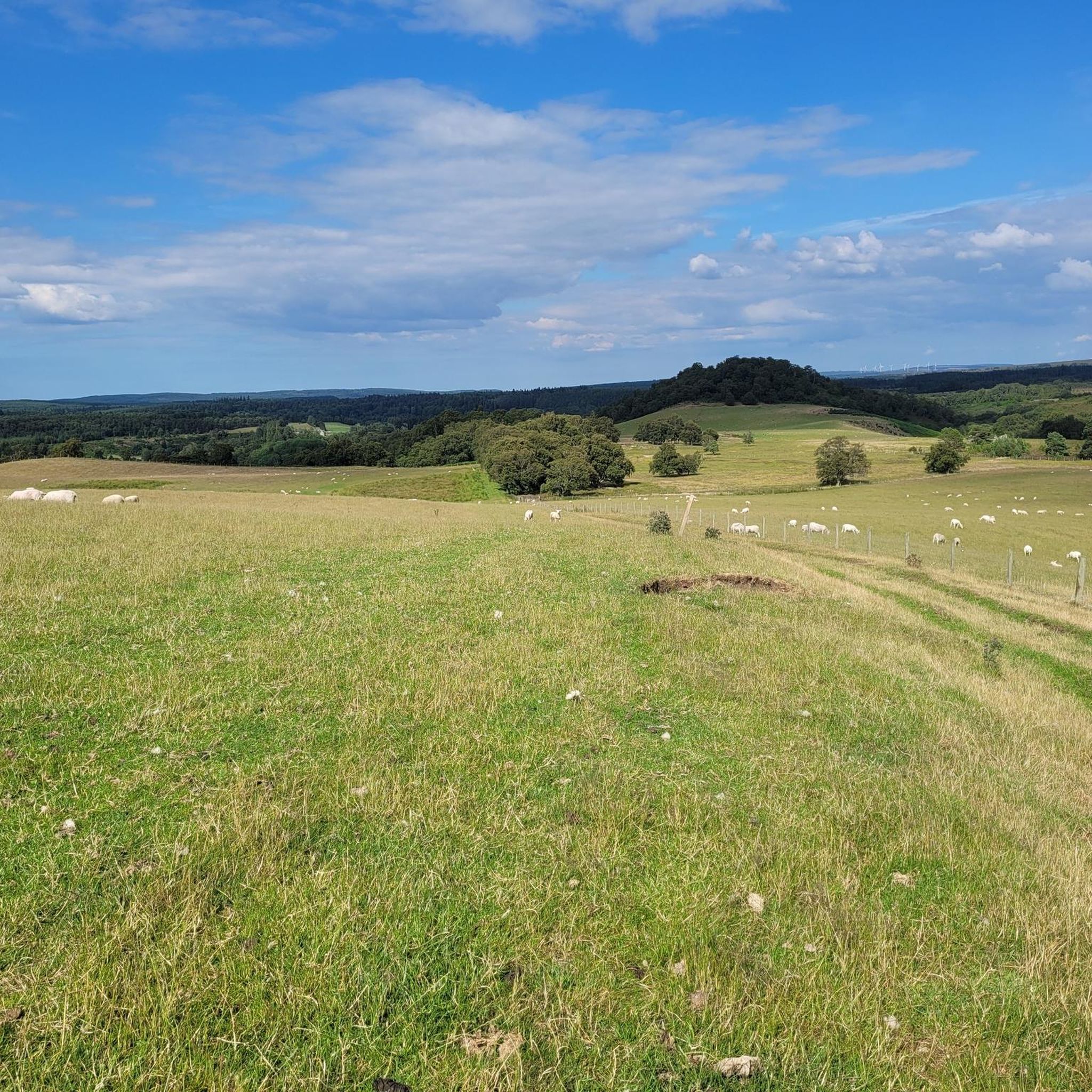
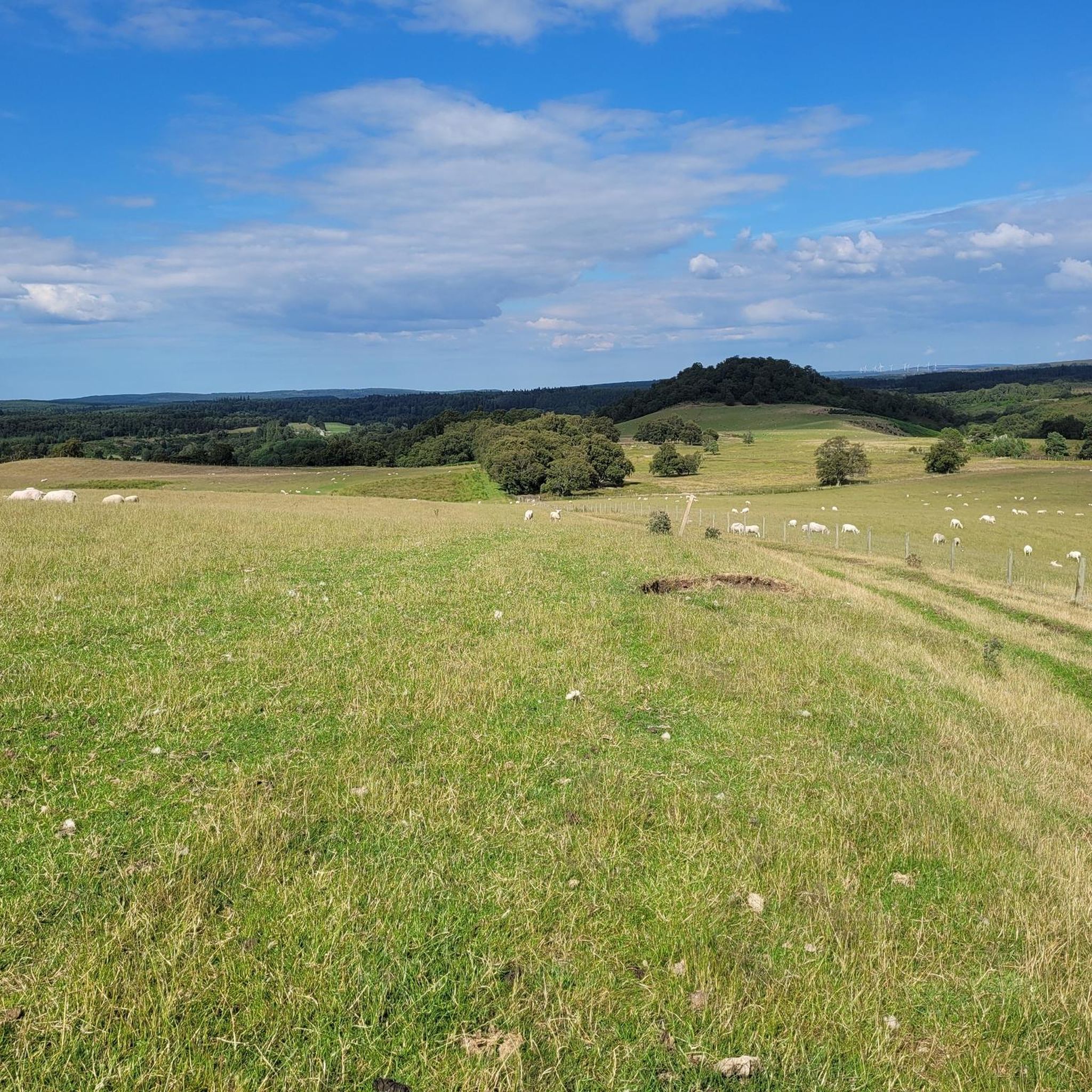
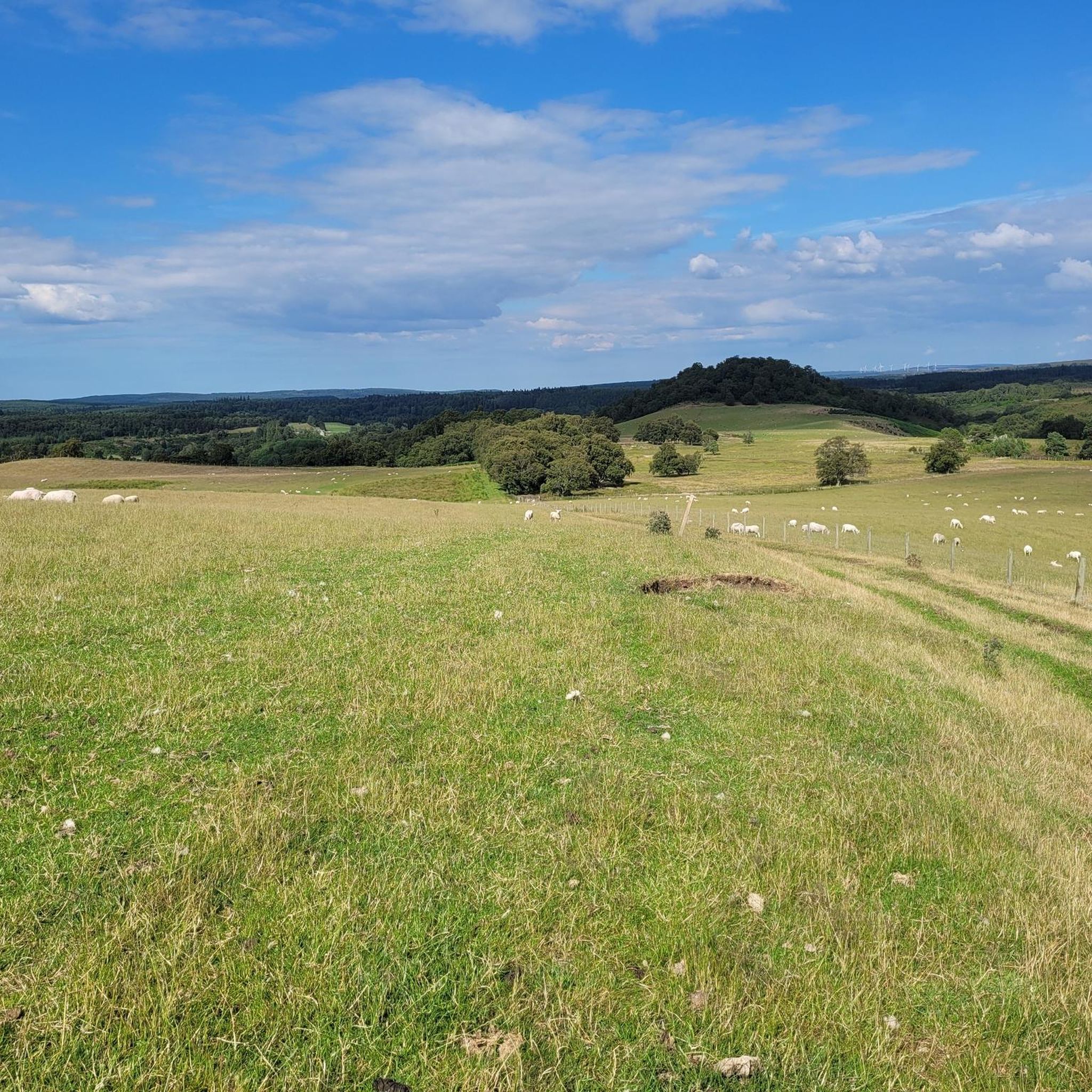
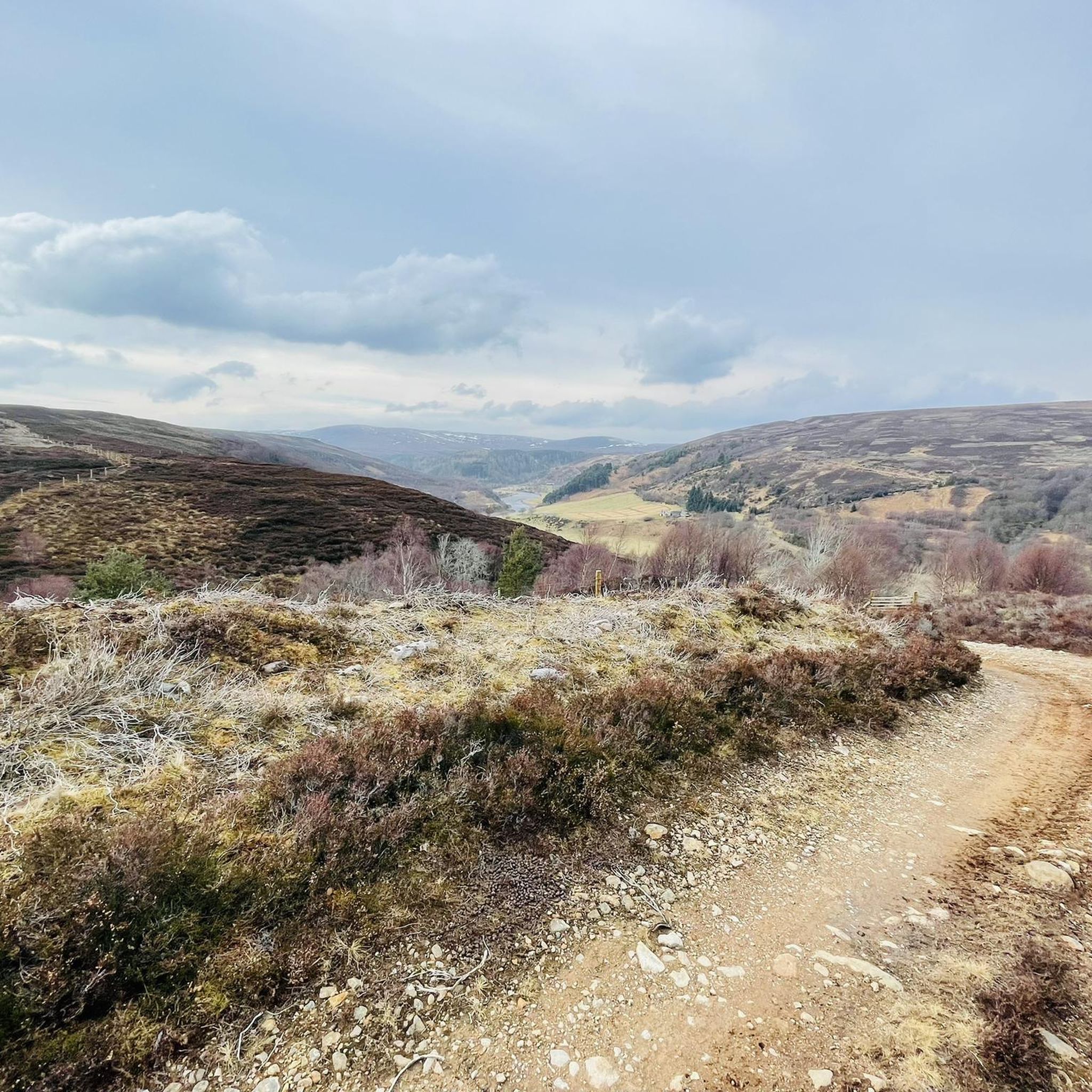
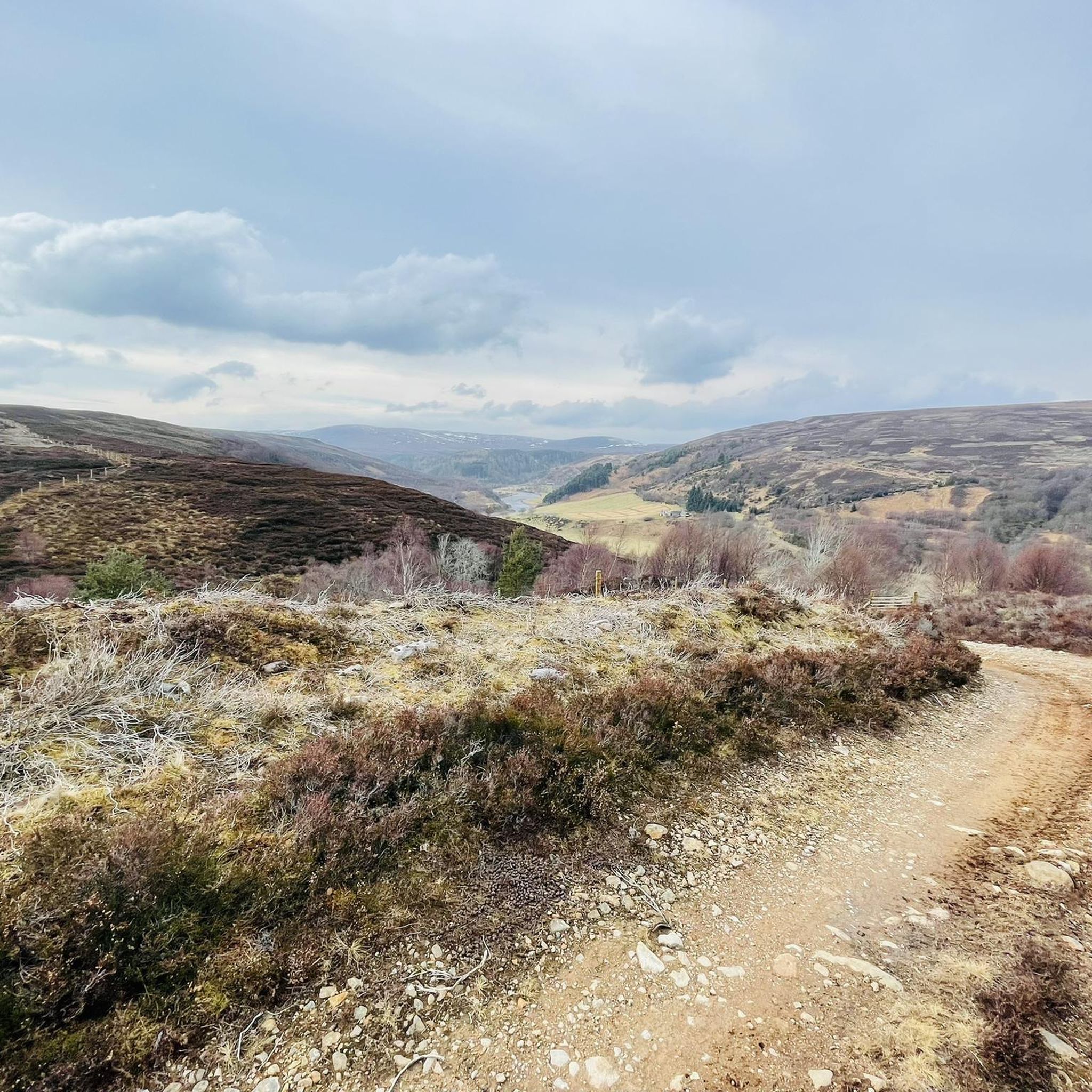
Beautiful all-round panorama. Way up leads through a sea of heather
0
0
Frequently Asked Questions
What are some popular natural features to explore in East Nairnshire?
East Nairnshire offers a diverse landscape. You can explore the dramatic gorge at Randolph's Leap, where the River Findhorn carves through rocky outcrops. For panoramic views, head to Creag Liath, offering vistas of the Northern Cairngorms. The region's coastline along the Moray Firth also features charming beaches and dunes, ideal for walks.
Are there any natural monuments with historical significance in East Nairnshire?
Yes, Sueno's Stone is a prominent example. While primarily a historical site, this impressive 7-meter high Pictish stone monolith from the 5th-9th century is a significant landmark. Randolph's Leap also has a historical tale associated with its geological formation.
What kind of geological features can I find in East Nairnshire?
East Nairnshire is rich in geological interest. The Moray Firth coast features Old Red Sandstone, while the River Findhorn valley, particularly around Randolph's Leap, showcases coarse angular conglomerate cliffs and spectacular ice-contact kames, kame terraces, and other glacial formations from the decay of the Findhorn valley glacier. The region's diverse rocks contribute to its varied landscape.
Are there family-friendly natural attractions in East Nairnshire?
Many of the natural settings are suitable for families. Coastal walks along the Moray Firth beaches are great for all ages. While Sueno's Stone is a historical monument, its impressive size can capture children's imagination. Exploring the riverbanks of the River Nairn and River Findhorn also offers gentle outdoor experiences.
What outdoor activities can I do near these natural monuments?
The region offers various outdoor activities. You can enjoy hiking on trails like those found in the Hiking around East Nairnshire guide, including routes near Randolph's Leap. The hilly interior provides opportunities for more challenging hikes and enjoying panoramic views. The Moray Firth coastline is perfect for walks and birdwatching.
Are there hiking trails near the natural monuments in East Nairnshire?
Yes, there are several hiking opportunities. For instance, you can find easy hiking loops around Randolph's Leap, as detailed in the Easy hikes around East Nairnshire guide. The ascent to Creag Liath also involves a scenic trail through heather.
What are the best times to visit East Nairnshire's natural monuments?
The natural monuments in East Nairnshire can be enjoyed year-round. Spring and summer offer pleasant weather for coastal walks and exploring river valleys, with vibrant flora. Autumn brings beautiful colours to the hilly interior. Even in winter, the landscapes offer a tranquil beauty, though some trails might be more challenging.
Can I spot wildlife near the natural monuments?
Yes, East Nairnshire provides opportunities for wildlife spotting. The Moray Firth coastline is known for its marine life and birdwatching. The serene lochs, such as Loch Loy and Cran Loch, and the river valleys of the Nairn and Findhorn, are also habitats for various local flora and fauna, offering a peaceful escape to observe nature.
What kind of views can I expect from viewpoints in the region?
From viewpoints like Creag Liath, you can expect glorious panoramas. This specific spot offers extensive views of the Northern Cairngorms and local trails. Generally, the rising hills towards the Grampian Mountains provide scenic vistas across the diverse landscape of coast, river valleys, and moorlands.
Are there any hidden natural wonders in East Nairnshire?
While not 'hidden' in the sense of being unknown, the intricate glacial formations within the River Findhorn valley, beyond the well-known Randolph's Leap, offer fascinating geological insights that might be less explored by casual visitors. The diverse rock formations throughout the region also hold many subtle wonders for those with an interest in geology.
What should I wear when visiting East Nairnshire's natural monuments?
Given Scotland's variable weather, it's always best to dress in layers. Waterproof and windproof outer layers are advisable, especially for coastal or elevated areas. Comfortable walking shoes or hiking boots are essential for exploring trails and uneven terrain. Even in summer, a warm layer can be beneficial.
What do visitors enjoy most about East Nairnshire's natural monuments?
Visitors frequently appreciate the diverse scenic beauty, from the dramatic gorge at Randolph's Leap to the panoramic views from Creag Liath. The historical significance of sites like Sueno's Stone also draws considerable interest. Many enjoy the tranquility and opportunities for outdoor activities like walking and observing nature.
Most popular routes around East Nairnshire
Most popular attractions around East Nairnshire

Get inspired with the komoot mobile app


Explore more
Extend your search for the best caves by checking out these guides of the top ones around East Nairnshire:
