Top 4 Natural Monuments around Sinclairs Bay
Best natural monuments around Sinclairs Bay include dramatic coastal formations and expansive beaches. Sinclairs Bay, located in Caithness, Scotland, features a diverse natural landscape with significant geological formations and scenic coastal areas. The region is characterized by its long stretches of sand, high cliffs, and opportunities for wildlife observation. These natural features collectively offer a worthwhile destination for outdoor enthusiasts.
Best natural monuments around Sinclairs Bay
- The most popular natural monuments is Duncansby Stacks, a natural monument that consists…
Last updated: August 24, 2026
Duncansby Stacks
Highlight • Natural Monument
Duncansby Stacks are two visually-impressive …
Tip by

Castle Sinclair Girnigoe
Highlight • Natural Monument
Tip by

Sign up now to discover places like this
Get recommendations on the best single tracks, peaks, & plenty of other exciting outdoor places.
Sign up for free
Old Wick Castle
Highlight • Castle
Tip by

View of Duncansby Stacks
Highlight (Segment) • Viewpoint
Translated by Google •
Tip by

Dunnet Bay Beach
Highlight • Viewpoint
Good surf break although it's pretty hard to carry a surfboard on a bike :-)
The …
Tip by

Sign up for free to discover even more natural monuments around Sinclairs Bay.
Sign up for free
Already have an account?
Start today with a free account
Your next adventure awaits.
Login or Signup
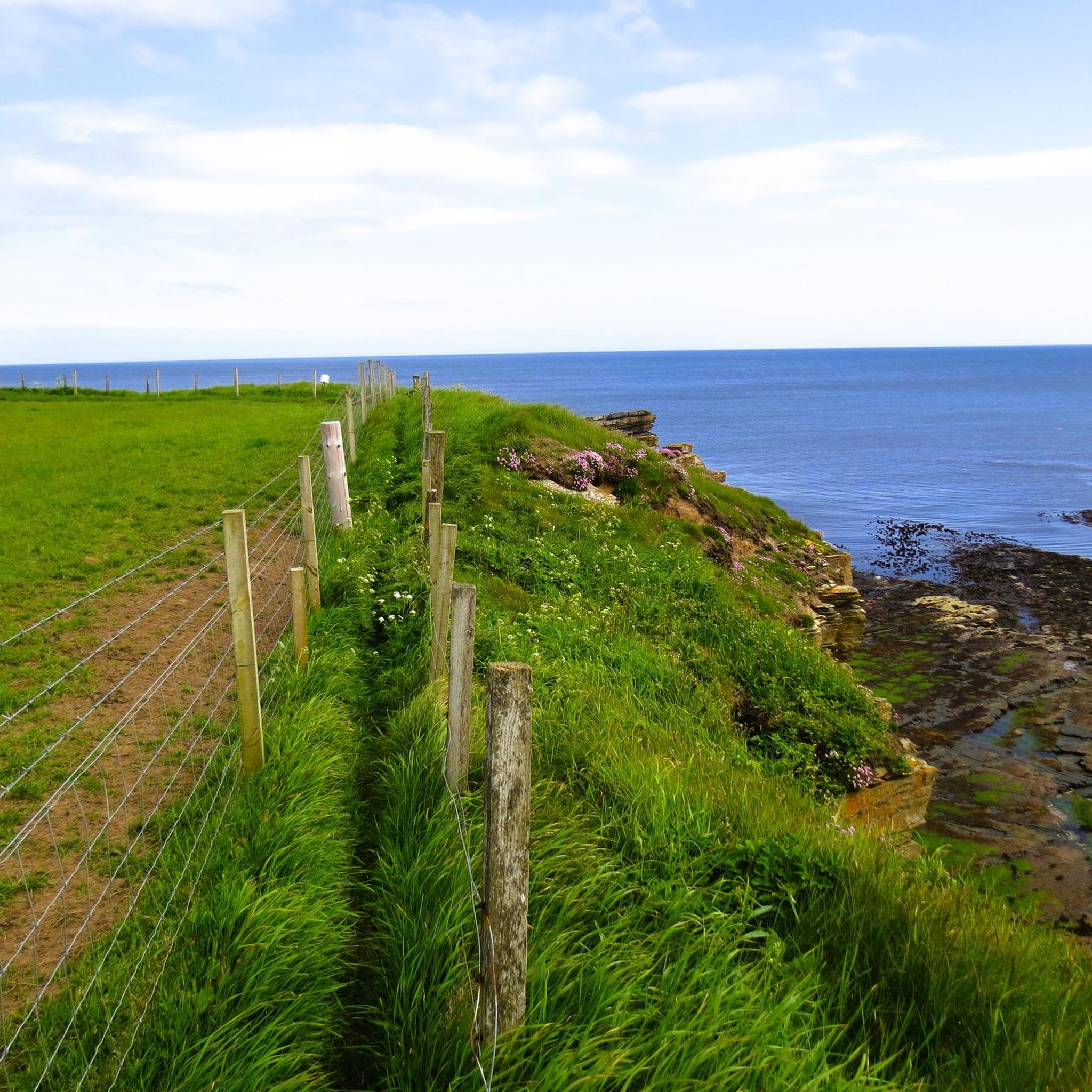
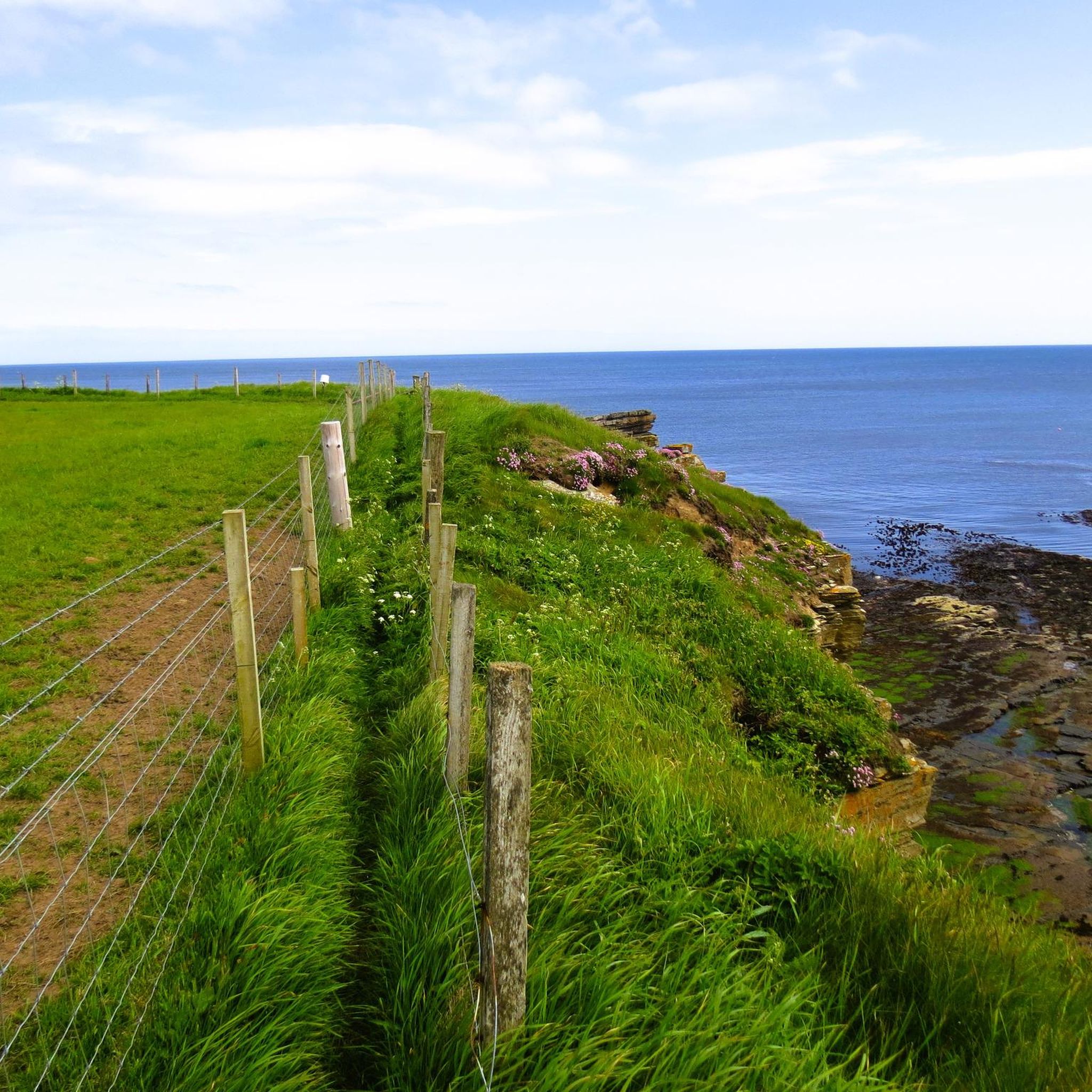
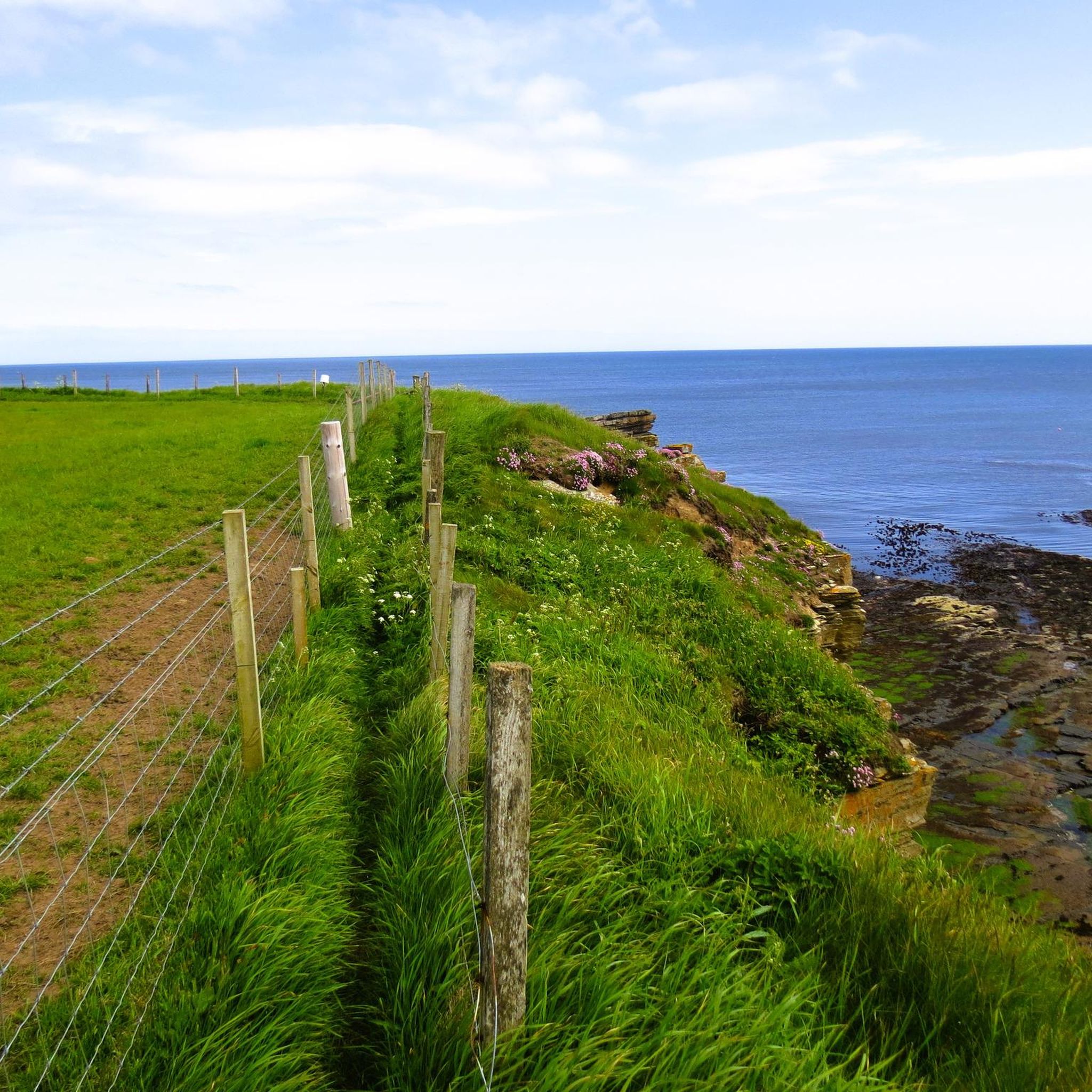
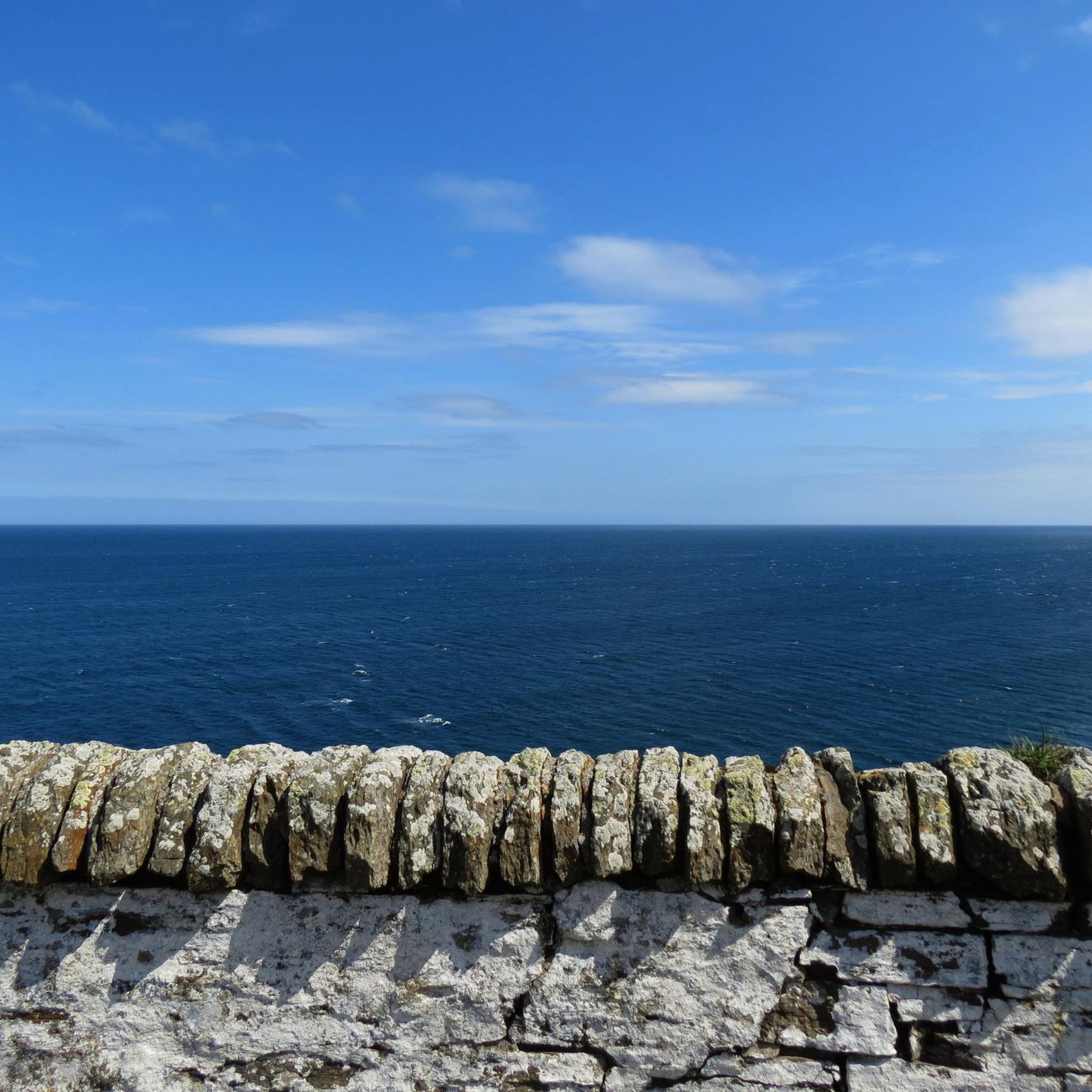
Tips from the Community

Not much to see anymore, but you can get in.
0
0
A well-preserved ruin with numerous information boards.
0
0

What a great little castle. Amazing to see it still standing after so many years. Very cool little place to visit and explore the ruins - never quite seen anything like it.
2
0

Good hiking trail with views.
5
2

Lovely view of the coast and bring your binoculars to try and see the birds
0
0

From the car park at the lighthouse you can walk along the coast and enjoy the great views of the cliffs. Here you can also observe numerous seabirds.
3
0
From the paid parking lot, you can reach the ruins via an easy path. Access to the ruins is generally free, and there is a donation box at the entrance. After exploring, you should also pay a visit to the lighthouse.
4
1
Frequently Asked Questions
What are the most notable natural monuments to visit around Sinclairs Bay?
The region boasts several impressive natural monuments. Don't miss the dramatic sea stacks of Duncansby Stacks, which rise 60 meters high and are remnants of the ancient coastline. Another unique formation is the Stack o' Brough Natural Arch, locally known as "Scorrie's Island," featuring a large tunnel hole. While not strictly natural, the historic Castle Sinclair Girnigoe is set on a stunning natural promontory, offering panoramic views over the North Sea.
Are there family-friendly natural monuments or activities in Sinclairs Bay?
Yes, Sinclairs Bay offers several family-friendly options. The expansive white sands of Reiss Beach and Keiss Beach are perfect for walks, beachcombing, and spotting seabirds. The historical site of Castle Sinclair Girnigoe is also considered family-friendly, offering an engaging historical experience amidst dramatic coastal scenery.
What kind of wildlife can I expect to see around Sinclairs Bay's natural monuments?
Sinclairs Bay is excellent for wildlife spotting, especially seabirds. The Duncansby Stacks are often covered by large seabird colonies, depending on the season. Along Reiss Beach and Keiss Beach, you can frequently spot seals, and there are occasional sightings of orcas from Keiss Beach. The rugged coastal landscape around Noss Head Lighthouse is also a prime spot for birdwatching.
What are the best times of year to visit the natural monuments in Sinclairs Bay?
The best time to visit depends on your interests. Summer offers late sunsets and pleasant weather for coastal walks and beach activities. In winter, there's a chance to witness the Northern Lights from the beaches. For seabird colonies, spring and early summer are generally ideal. The dramatic coastal scenery is impressive year-round, but be prepared for potentially strong winds and changeable weather.
Are there hiking trails near the natural monuments in Sinclairs Bay?
Yes, there are several hiking opportunities. You can find easy hikes like the route from Noss Head Lighthouse to Ackergil Harbour via Castle Sinclair Girnigoe, or the trail from Wick Centre to Stack o' Brough. For more options, explore the easy hikes around Sinclairs Bay guide.
What other outdoor activities can I do near Sinclairs Bay's natural monuments?
Beyond hiking, Sinclairs Bay offers various outdoor activities. The beaches are suitable for horse riding, dog walking, and picnics. Surfing is occasionally possible in the more sheltered parts of the bay. You can also find numerous running trails and road cycling routes in the wider area, catering to different fitness levels.
Is there parking available for visiting the natural monuments?
Parking is generally available at key access points. For Duncansby Stacks, there's parking at Duncansby Head lighthouse. Castle Sinclair Girnigoe has a paid parking lot, from which you can reach the ruins via an easy path. Access to the beaches also typically has nearby parking facilities.
Are there any historical natural monuments in the area besides castles?
Yes, the Grey Cairns of Camster are significant historical natural monuments. These two large Neolithic chambered cairns are among Scotland's oldest structures, dating back about 5,000 years. They showcase complex ancient architecture and are open to the public for exploration.
What are the main natural features that define Sinclairs Bay?
Sinclairs Bay is characterized by its dramatic coastal scenery, including long stretches of white sand beaches (Reiss Beach and Keiss Beach), high cliffs, and unique geological formations. These include impressive sea stacks like Duncansby Stacks and natural arches such as the Stack o' Brough Natural Arch. The bay also offers vast open skies and opportunities for observing marine life.
What do visitors enjoy most about the natural monuments around Sinclairs Bay?
Visitors frequently praise the dramatic and rugged coastal beauty, the unique geological formations, and the tranquility of the expansive beaches. The opportunity for stunning photography, especially of the Duncansby Stacks, is a major draw. Many also appreciate the rich history intertwined with the natural landscape, as seen at sites like Castle Sinclair Girnigoe.
Are there any less-known natural monuments or 'hidden gems' in Sinclairs Bay?
While the main natural monuments are well-known, exploring the full length of Keiss Beach at low tide can reveal a wilder, more desolate landscape with unique rock formations and vast reflections. The walk to Noss Head Lighthouse, though a man-made structure, offers a peaceful journey through grasslands and dramatic coastline, providing serene views often overlooked by those focusing solely on the major landmarks.
How long should I plan to explore the natural monuments in Sinclairs Bay?
To fully appreciate the main natural monuments like Duncansby Stacks, Castle Sinclair Girnigoe, and the beaches, a full day is recommended. This allows time for walks, photography, and soaking in the scenery. If you plan to include historical sites like Grey Cairns of Camster or extended hikes, consider dedicating two days.
Most popular attractions around Sinclairs Bay

Get inspired with the komoot mobile app


Explore more
Extend your search for the best caves by checking out these guides of the top ones around Sinclairs Bay:
