Top 6 Natural Monuments around Cumbrae
Best natural monuments around Cumbrae include diverse geological features and scenic viewpoints across this island in the Firth of Clyde. The island's landscape offers a blend of geological interest and natural beauty, characterized by unique rock formations and varied ecosystems. These natural features contribute to Cumbrae's appeal as a destination for nature enthusiasts. The island's topography provides opportunities to explore its natural heritage.
Best natural monuments around Cumbrae
- The most popular natural monuments is Lion Rock, a viewpoint that…
Last updated: October 4, 2026
Lion Rock
Highlight • Viewpoint
Tip by

View of Loch Fad
Highlight • Viewpoint
Tip by

Sign up now to discover places like this
Get recommendations on the best single tracks, peaks, & plenty of other exciting outdoor places.
Quadrocks
Highlight • Natural Monument
Gives some great views over the coastline and bay, as well as some pretty good rock-climbing too.
A new path has been …
Tip by

View of the Isle of Arran and Western Isle of Bute
Highlight • Viewpoint
Tip by

Goldenberry Hill Cairn and View
Highlight • Viewpoint
Tip by

Start today with a free account
Your next adventure awaits.
Tips from the Community

A truly idyllic place that you should definitely plan into your tour! The location is fantastic and it is definitely worth making a short stop here to enjoy the view or simply take a breather. Highly recommended for anyone traveling in the area. Thank you for sharing this highlight!
1
0

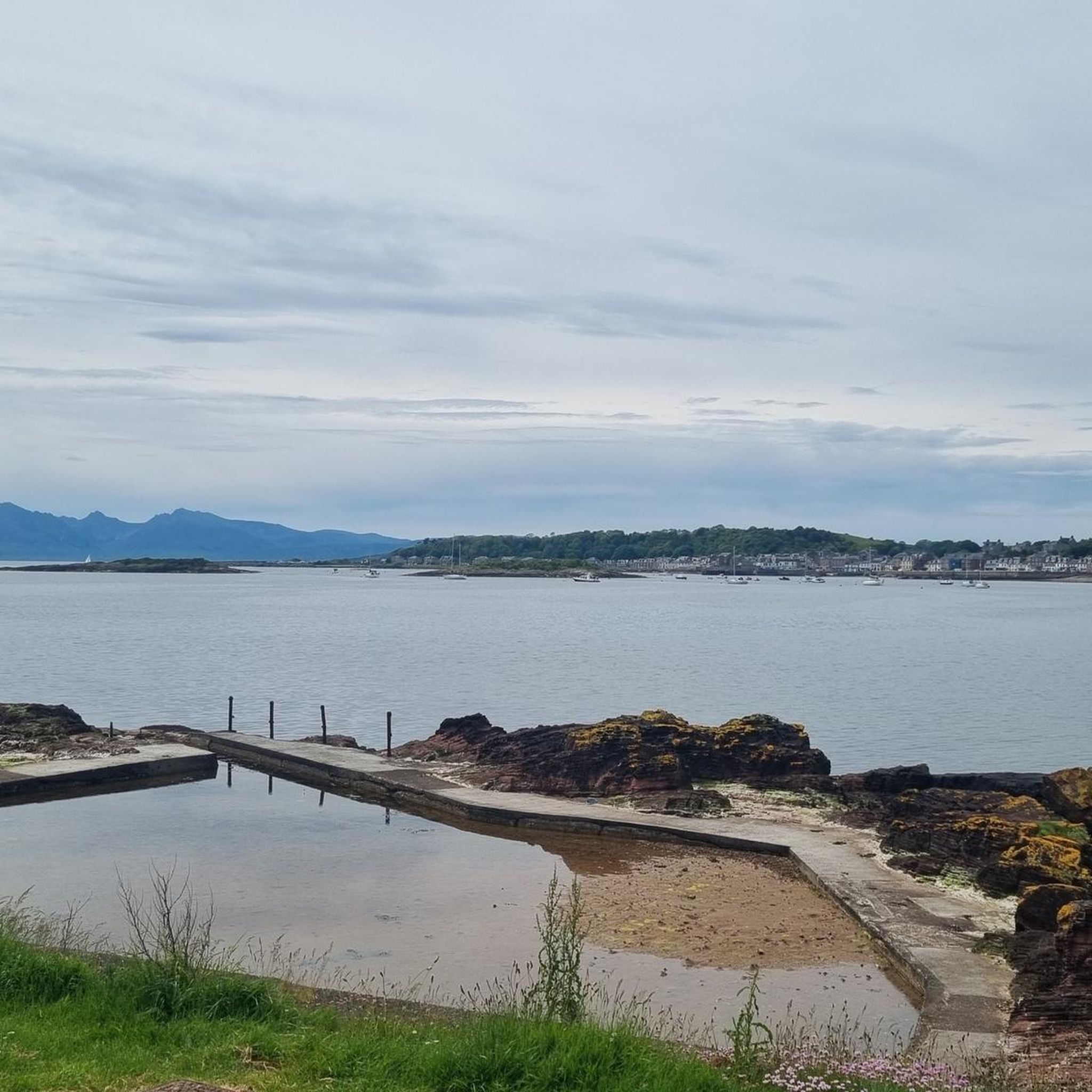
A rocky basalt outcrop, above the Clyde Coast. Gives some great views over the coastline and bay, as well as some pretty good rock-climbing too. A new path has been built recently, which connects the town of Largs, making access fairly straightforward.
2
0

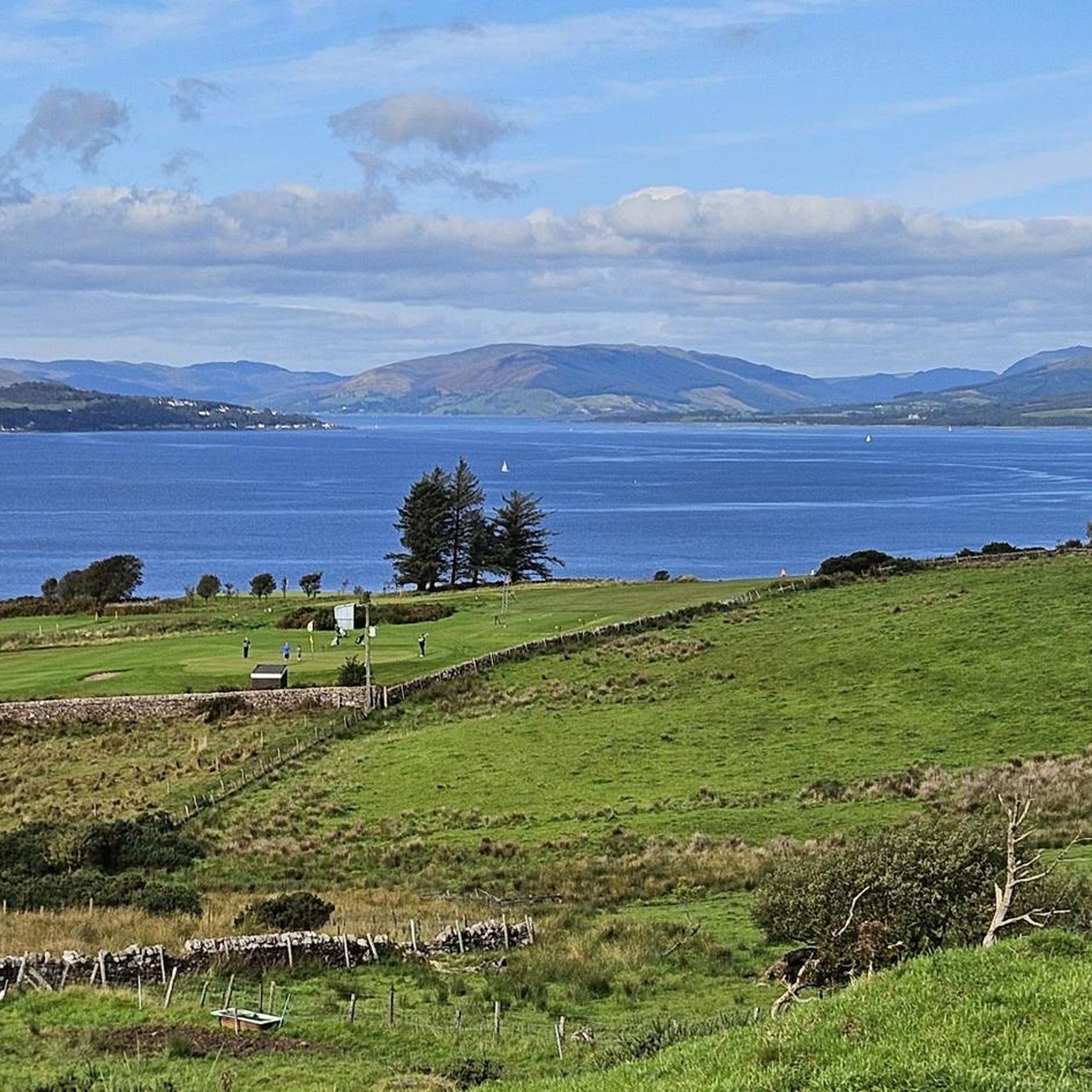
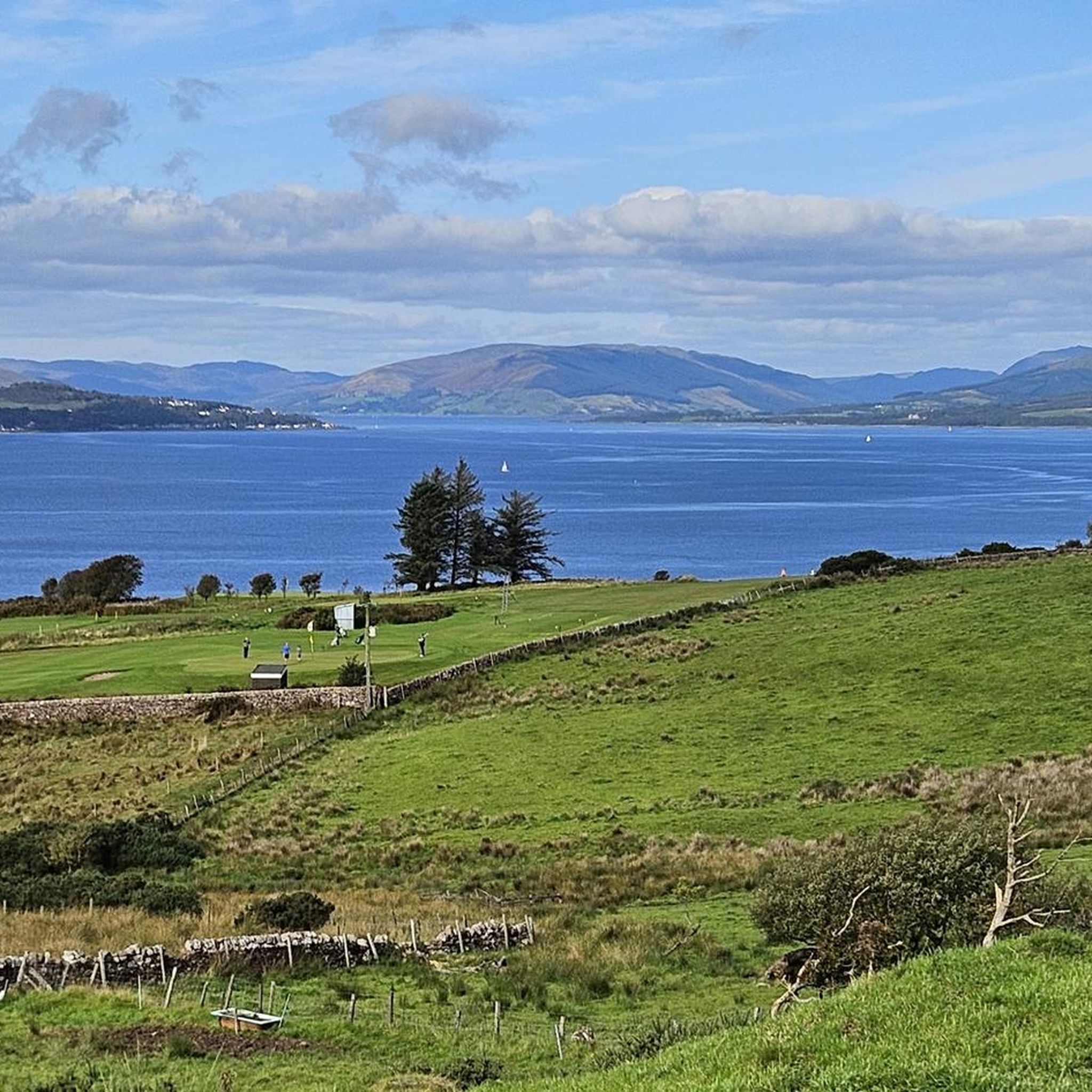
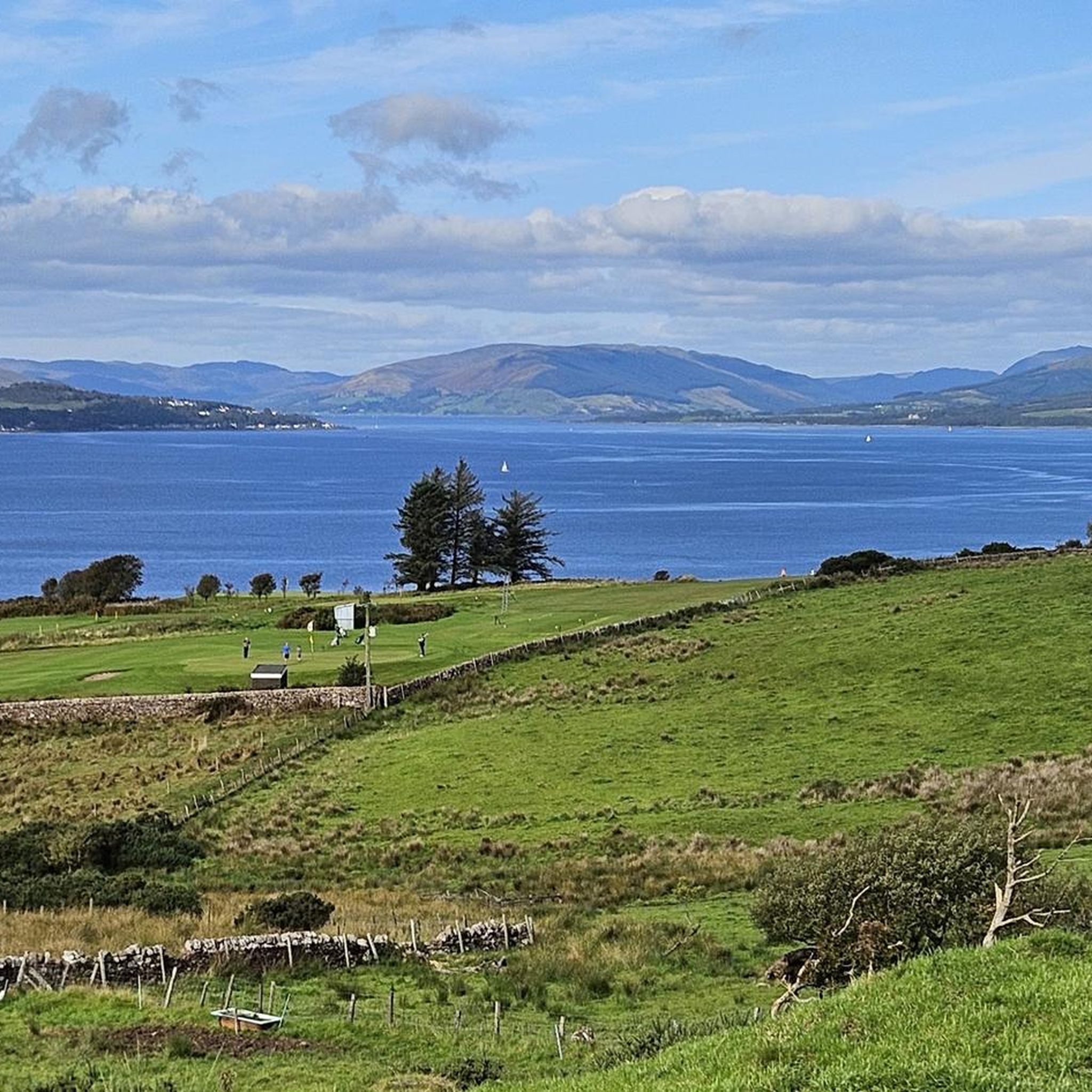
Near this highlight you will find a cairn and a bench where you can sit and enjoy the sensational views across the western side of the Isle of Bute and across the water to the Isle of Arran. This is natural Scotland at its best.
2
0

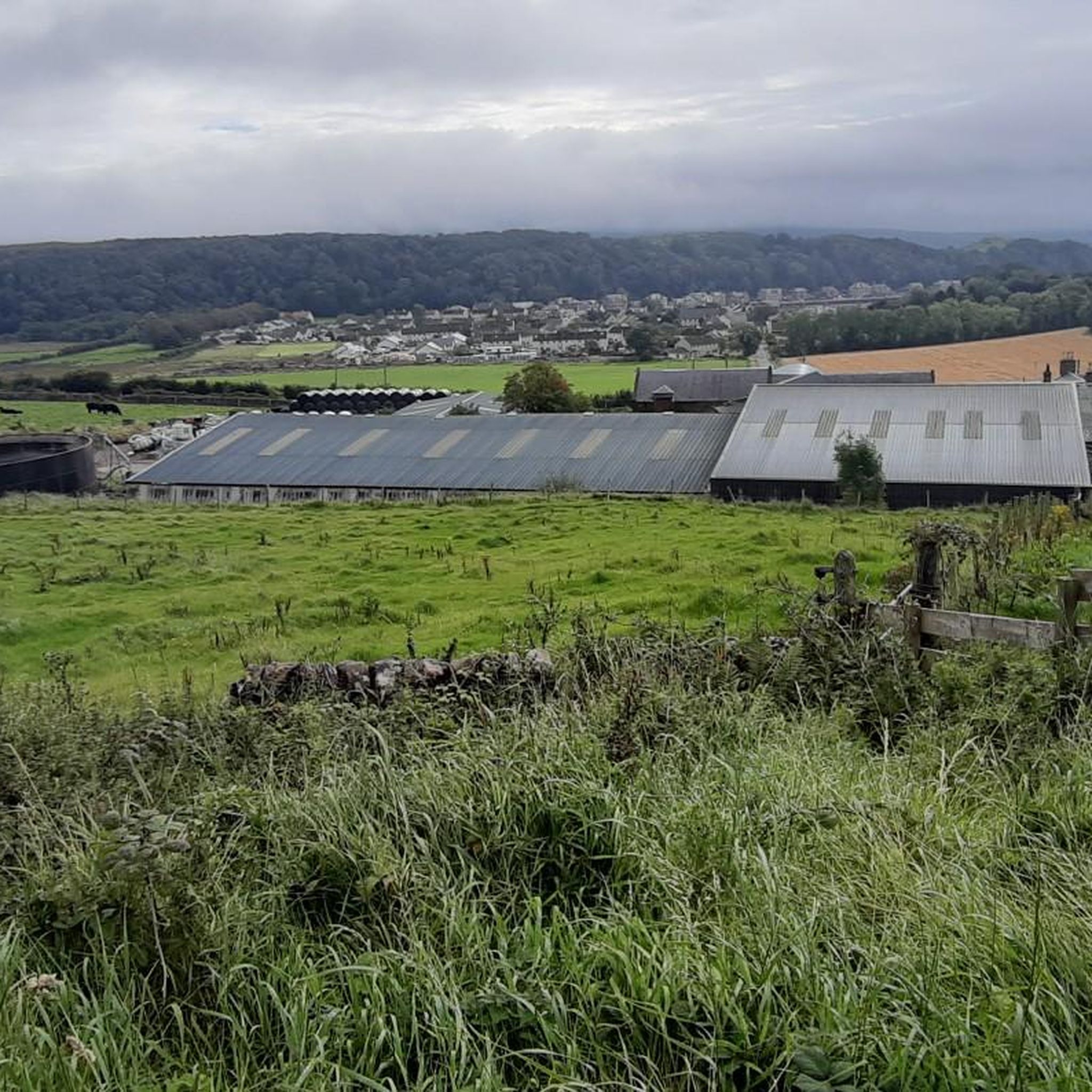
Loch Fad (which translates as ‘long loch’) is a freshwater lake on the Isle of Bute that lies directly along the Highland Fault Line. The loch is classed as a Site of Special Scientific Interest due to its birdlife and vegetation. From this spot on the causeway, you get a wonderful view over the loch nestled between rugged hills.
1
0

There is an electric fence over gate you climb over at summit to get to cairn with no signage. Not sure it is love or not.
0
0

Follow the West Island Way uphill from where it crosses the Kingarth-Scalpsie Road
0
0
This is part of the West Island Way, just below the summit where there is a cairn and a bench to enjoy the view. From here Arran seems to float in the air.
0
0

Frequently Asked Questions
What unique rock formations can I discover on Cumbrae?
Cumbrae is home to several distinctive rock formations. The most prominent is Lion Rock, a massive prehistoric formation resembling a prowling lion, standing 10 meters tall and over 50 meters long. You can also find the iconic Crocodile Rock, painted to resemble a smiling crocodile, and Indian Rock, another striking painted formation on the island's west coast.
Where can I find the best panoramic views of Cumbrae and the surrounding islands?
For breathtaking 360-degree panoramic views, head to the Glaidstone Viewpoint, the highest point on Great Cumbrae. From here, you can see across the River Clyde to Wee Cumbrae, Arran, Bute, and the mainland coast. Another excellent spot is Goldenberry Hill Cairn and View, which offers rewarding vistas after a climb.
Are there any Sites of Special Scientific Interest (SSSIs) on Cumbrae?
Yes, Cumbrae features two notable Sites of Special Scientific Interest. Ballochmartin Bay is recognized for its glacial deposits and diverse invertebrate fauna, which supports various wildfowl. Kames Bay is scientifically renowned for its classic sandy beach and a unique freshwater upwelling that creates an estuarine character, considered unique in Britain.
What natural features can I explore on Wee Cumbrae Island?
Wee Cumbrae Island, accessible by boat, offers a serene environment with scenic hiking trails for various skill levels. It's a haven for wildlife enthusiasts, providing opportunities to spot seals, otters, seabirds, and even dolphins. Wild swimming is also an option for experienced individuals.
Does Cumbrae have any historical natural monuments?
Yes, Cumbrae has the Cumbrae Standing Stone, also known as the Gouklan Pillar, located in Craigengour Wood. This ancient stone represents the island's rich prehistoric archaeology, offering a glimpse into its past.
Are there family-friendly natural monuments to visit on Cumbrae?
Many of Cumbrae's natural monuments are family-friendly. The painted Crocodile Rock on Millport's beach is a popular spot for photos and easily accessible. Lion Rock is also impressive for all ages. Additionally, the View of Loch Fad offers a pleasant stop with views over a freshwater lake.
What kind of wildlife can I expect to see around Cumbrae's natural monuments?
Cumbrae is a paradise for nature lovers. You can spot local wildlife such as owls, polecats, rabbits, and various seabirds like northern fulmars and Eurasian oystercatchers. The marine environment is equally vibrant, with opportunities to see seals, porpoises, dolphins, and occasionally even minke and orca whales. The small islets in Millport Bay, 'The Eileans', host a resident seal colony.
What outdoor activities can I do near Cumbrae's natural monuments?
Cumbrae offers various outdoor activities. You can explore running trails, with options like the 'Millport Beach – Lion Rock loop from Great Cumbrae' which is around 9.6 km. For cyclists, there are road cycling routes, including the 'Great Cumbrae island loop from Largs' which is about 22 km. Mountain biking trails are also available, such as the 'Fairlie and Ayrshire Coastal Loop'. You can find more details on these activities in the Running Trails around Cumbrae, Road Cycling Routes around Cumbrae, and MTB Trails around Cumbrae guides.
Are there any challenging climbs or viewpoints for experienced hikers?
Yes, for those seeking a more challenging experience, Quadrocks offers a rocky basalt outcrop with great views over the coastline and bay, along with opportunities for rock-climbing. The climb to Goldenberry Hill Cairn and View also provides a rewarding ascent.
What is the best time of year to visit Cumbrae's natural monuments?
Cumbrae's natural monuments can be enjoyed year-round, but the spring and summer months (April to September) generally offer the most pleasant weather for walking and outdoor activities. During these times, you'll experience longer daylight hours and milder temperatures, ideal for exploring the island's diverse landscapes and spotting wildlife.
How can I reach Cumbrae to visit its natural monuments?
Cumbrae is an island, primarily accessed by ferry from Largs on the mainland. Once on the island, many natural monuments are accessible by walking or cycling along the coastal road or via short walks from nearby car parks. Public transport options on the island are limited, so bringing a bike or being prepared to walk is recommended for exploring.
Most popular attractions around Cumbrae

Get inspired with the komoot mobile app


Explore more
Extend your search for the best caves by checking out these guides of the top ones around Cumbrae:
