Top 7 Natural Monuments around East Strathearn
Best natural monuments around East Strathearn showcase a landscape shaped by millennia of geological activity, particularly the Ice Age. This region in Perth and Kinross, Scotland, features prominent Munros, glacial erratics, and ancient geological formations. These sites provide insight into the area's natural history and offer diverse landscapes. The natural monuments here are a testament to the powerful forces that shaped Scotland's terrain.
Best natural monuments around East Strathearn
- The most popular natural monuments is Ben Chonzie Summit, a…
Last updated: October 4, 2026
Ben Chonzie Summit
Highlight • Viewpoint
Tip by

Acharn Stone Circle
Highlight • Historical Site
Tip by

Sign up now to discover places like this
Get recommendations on the best single tracks, peaks, & plenty of other exciting outdoor places.
Deil's Cauldron Waterfall
Highlight • Viewpoint
Tip by

Lord Melville's Monument
Highlight • Viewpoint
Tip by
Waterfall Near Comrie Croft
Highlight • Viewpoint
Tip by
Sign up for free to discover even more natural monuments around East Strathearn.
Already have an account?
Start today with a free account
Your next adventure awaits.
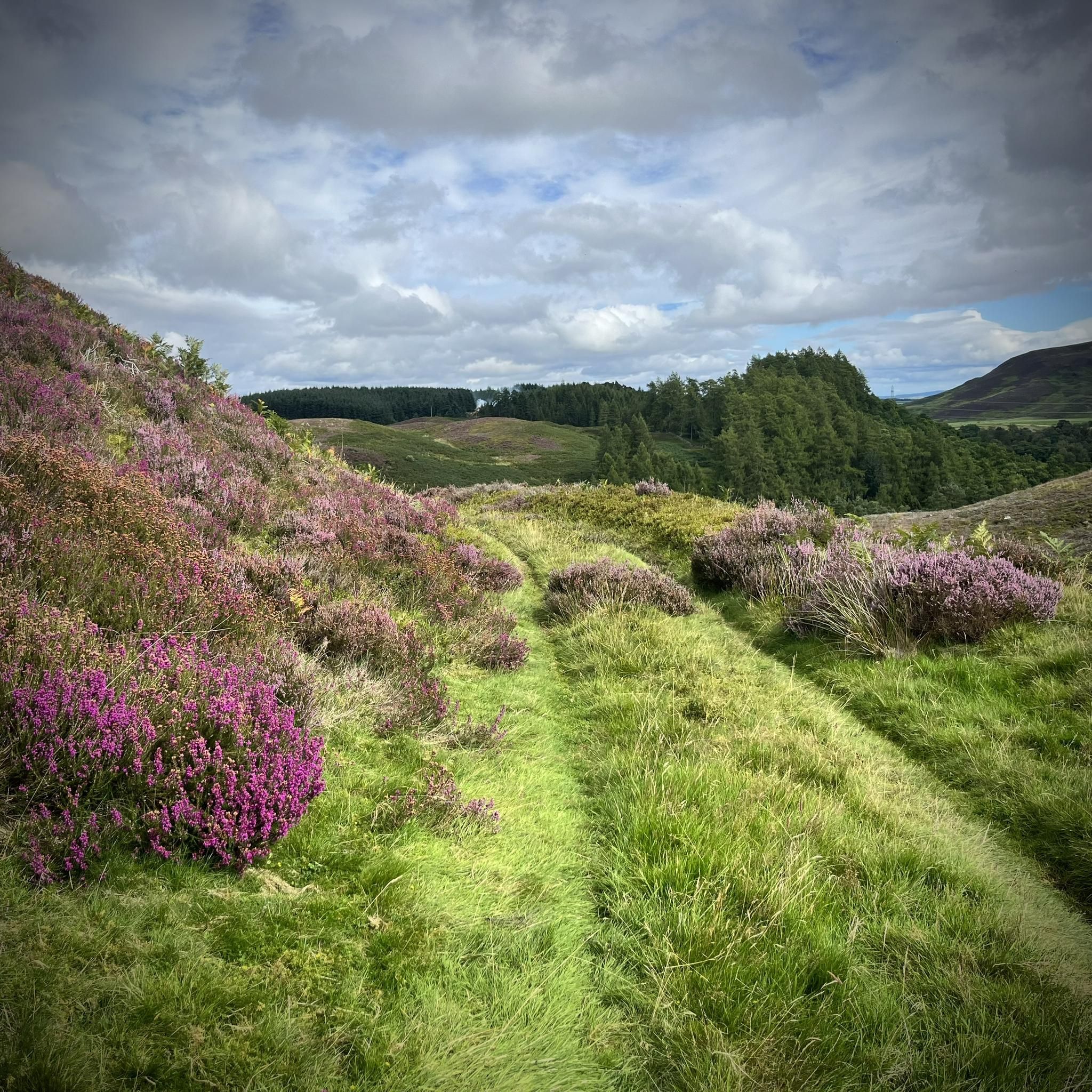
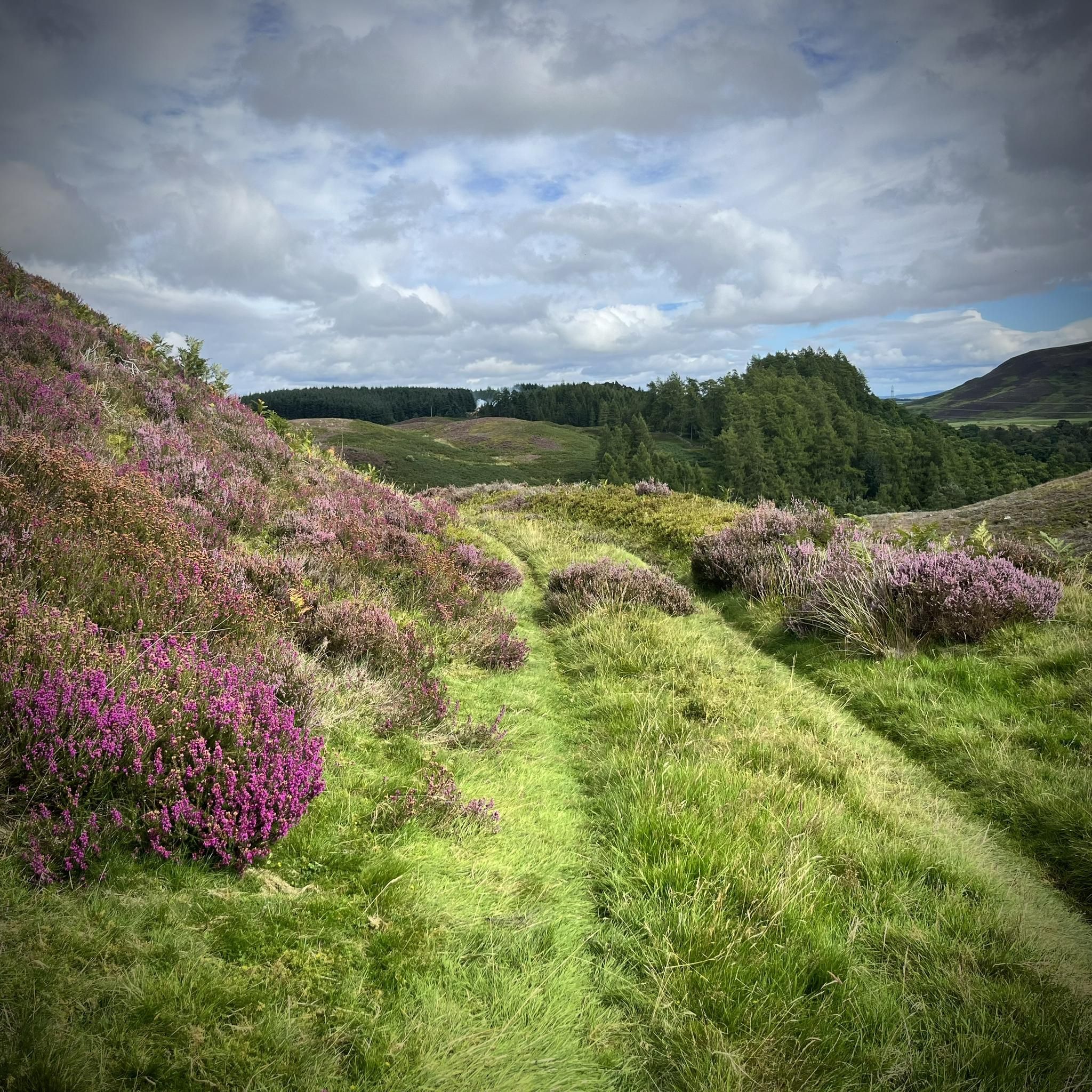
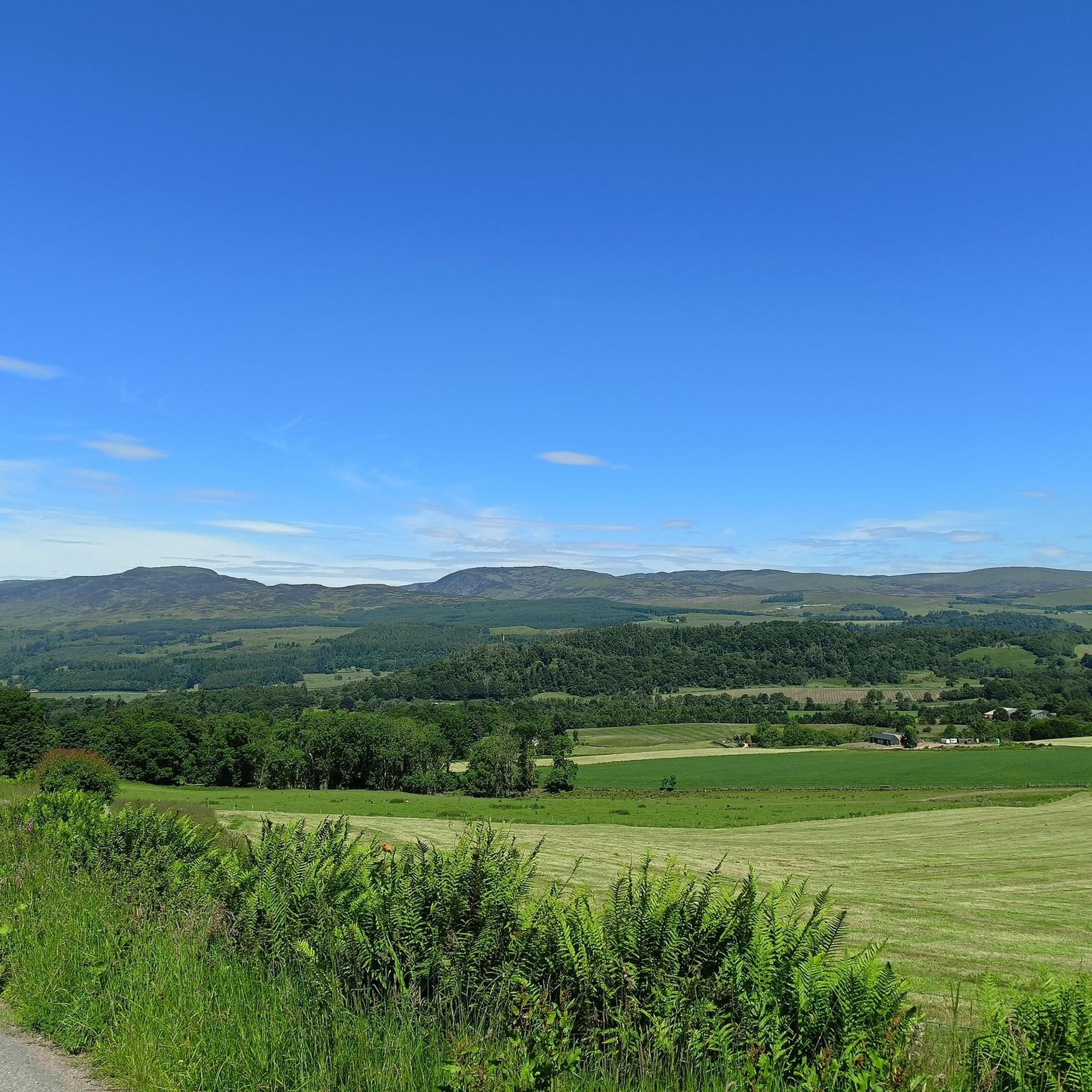
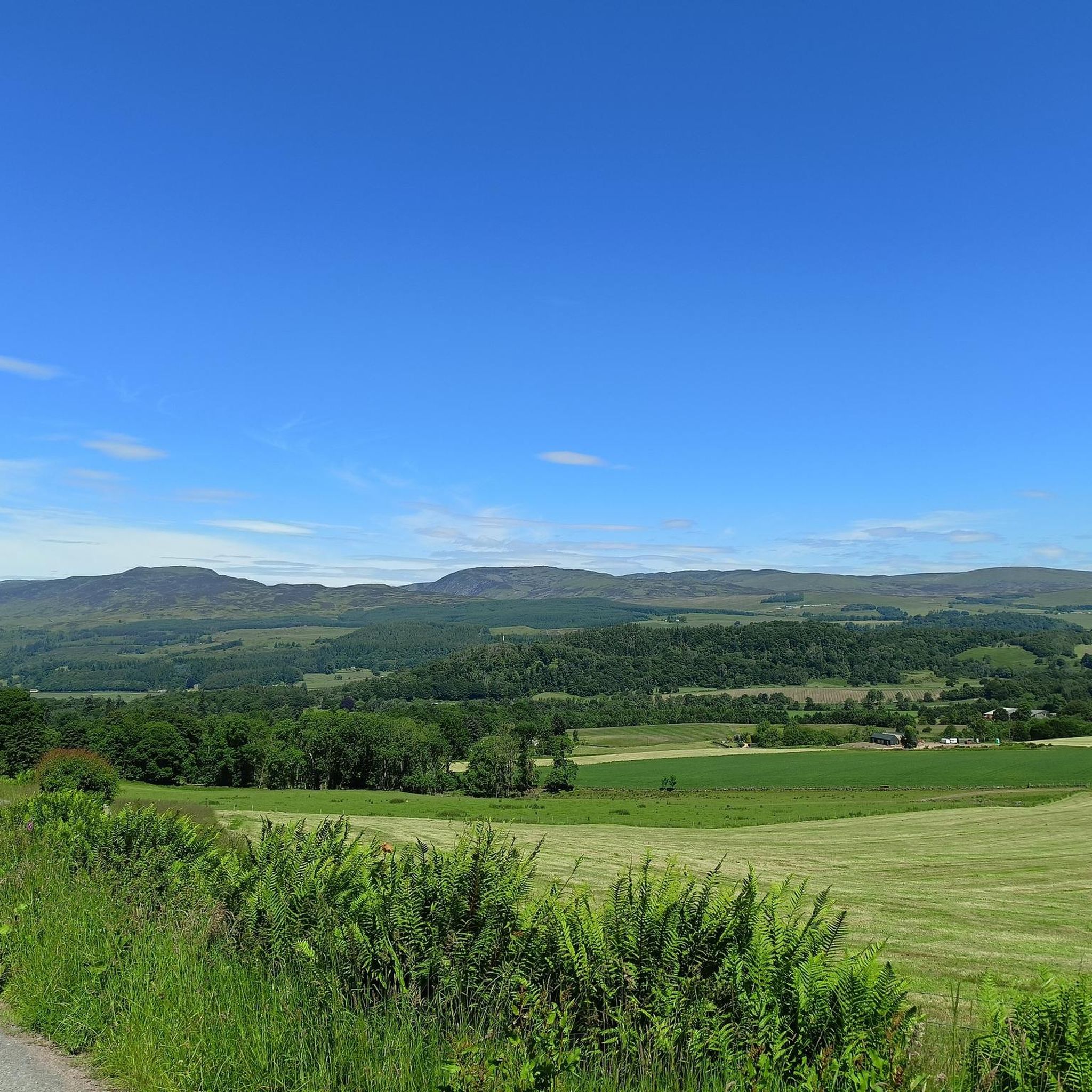

Tips from the Community


This ancient stone circle from the Bronze Age, built several millennia before the beginning of the Christian era, is neither as impressive nor nearly as famous as the legendary English "Stonehenge" on the plains near Amesbury (which is, after all, a UNESCO World Heritage Site; if you're interested, see =>> https://www.komoot.com/de-de/highlight/960007 ). But it can be visited without the tourist crowds that are typical there.
2
0

Always worth a viist when there has been a lot of rain. A huge amount of water gushes through the narrow rocks.
0
0

A stunning waterfall that's just a short walk from Comrie Croft. Sit and enjoy the soothing sound as the water cascades over the rocks. It's at its best after rainfall and is stunning in every season.
0
0
The Deil’s Cauldron (Devil’s Kettle) is a dramatic waterfall that roars down a narrow gorge on the River Lednock, boiling and hissing as it plunges into a deep pool. Legend has it that it was the haunt of a water elf who lured victims to their doom. You need to leave you bike at the top and go down the wooden steps. They lead you to the viewpoint. Be careful, the steps are slippery in the wet.
0
0
When cresting the summit of Dun More, you're rewarded with stunning views south. The trig point details the hills that can be seen on the skyline. It's very obvious standing here that you are on the very edge of the Highlands. The lowlands span the south; look north and the Southern Highlands rise up.
1
0

It is possible to ride all the way to the summit. The summit plateau is a SSSI (Site of Special Scientific interest) for the flora and fauna. Riding along the plateau to the summit is fantastic, the views are stunning.
2
0
Frequently Asked Questions
What unique geological features can I explore in East Strathearn?
East Strathearn's landscape is significantly shaped by the Ice Age, featuring impressive glacial erratics. You can visit sites like The Huge Stone at Glen Tarken, which is described as being the size of a house and dramatically poised overlooking Loch Earn, or Samson's Stone near Comrie, another large boulder transported by ice sheets. These offer a tangible connection to the powerful geological history of the region.
Are there any natural monuments in East Strathearn with historical or archaeological significance?
Yes, East Strathearn boasts several sites where natural features intersect with ancient human activity. The Acharn Stone Circle is a prehistoric monument from the Bronze Age. Additionally, the Cup-marked Stone at Cowden Farm is a glacial erratic featuring ancient cup-marks, indicating early human interaction. The Standing Stones at Tullybannocher, while natural boulders, were likely adopted and possibly arranged by prehistoric peoples, with some also bearing cup-marks.
What kind of wildlife can I expect to see around East Strathearn's natural monuments?
The natural monuments in East Strathearn are home to diverse wildlife. For instance, the ascent of Ben Chonzie Summit offers opportunities to spot mountain hares, red kites, peregrine falcons, and deer, making it a point of interest for nature enthusiasts.
What are some popular natural monuments for scenic views in East Strathearn?
For panoramic vistas, the Ben Chonzie Summit, a prominent Munro, offers rewarding views of the Scottish Highlands. Another excellent spot is Lord Melville's Monument on Dun More, which provides extensive views to the south and highlights the transition from the lowlands to the Southern Highlands.
Are there family-friendly natural monuments or activities in East Strathearn?
Many of East Strathearn's natural monuments are accessible for families, offering opportunities for walks and exploration. While specific 'family-friendly' categories aren't always assigned, sites like the Avenue of Giant Redwoods provide a unique and engaging natural experience. The geological sites, such as The Huge Stone at Glen Tarken, can also spark curiosity in younger visitors about the region's ancient past.
What outdoor activities can I do near these natural monuments?
East Strathearn offers a variety of outdoor activities near its natural monuments. You can find numerous running trails, including challenging loops around Ben Chonzie and Auchnafree Hill. For cyclists, there are gravel biking and cycling routes that explore the scenic landscapes, such as the Loch Lubnaig Cycle Path or routes around The Glenturret Distillery.
Are there any waterfalls or dramatic natural formations to visit?
Yes, the Deil's Cauldron Waterfall is a dramatic natural formation in East Strathearn. This waterfall roars down a narrow gorge on the River Lednock, plunging into a deep pool. Steps lead down to a viewpoint, offering a close-up experience of its power and beauty.
What is the best time to visit the natural monuments in East Strathearn?
The best time to visit East Strathearn's natural monuments generally depends on your preferred activity. Spring and summer offer milder weather, making hiking and exploring more comfortable, with lush landscapes. Autumn brings beautiful foliage. While winter hiking is possible, be prepared for colder conditions and potentially challenging terrain, especially on higher Munros like Ben Chonzie.
What do visitors enjoy most about the natural monuments in East Strathearn?
Visitors frequently appreciate the stunning panoramic views from summits like Ben Chonzie and Lord Melville's Monument. The sense of connection to ancient history at sites like the Acharn Stone Circle and the geological wonder of the glacial erratics also captivate many. The diverse wildlife and the opportunity for varied outdoor activities are also highly valued.
Are there any natural monuments featuring ancient trees or forests?
Yes, you can visit the Avenue of Giant Redwoods. This unique natural monument features towering redwood trees, providing a distinct and impressive forest experience within East Strathearn.
Are there accessible natural monuments in East Strathearn for all abilities?
While many natural monuments in East Strathearn involve walking on varied terrain, some areas offer easier access. For instance, paths leading to viewpoints or around certain historical sites might be more manageable. However, specific accessibility information for each site should be checked individually, as many involve natural, uneven ground. Munros like Ben Chonzie, while considered more accessible for climbing, still require a good level of fitness.
What should I wear when visiting natural monuments in East Strathearn?
Given the varied terrain and Scottish weather, it's advisable to wear layers, waterproof outerwear, and sturdy hiking boots. Even on clear days, conditions can change quickly, especially at higher elevations. For sites like the Deil's Cauldron Waterfall, steps can be slippery, so appropriate footwear is essential.
Most popular routes around East Strathearn
Most popular attractions around East Strathearn

Get inspired with the komoot mobile app


Explore more
Extend your search for the best caves by checking out these guides of the top ones around East Strathearn:
