Top 4 Natural Monuments around Douglas
Natural monuments around Douglas feature a diverse landscape of summits, waterfalls, and lochs. The area offers opportunities to explore scenic woodlands, rivers, and elevated viewpoints. Visitors can experience varied terrain, from rocky paths to tranquil waters, providing a range of outdoor activities. This region is characterized by its natural beauty and geological formations.
Best natural monuments around Douglas
- The most popular natural monuments is View of Corra Linn from the north viewpoint, a viewpoint that offers a perspective of…
Last updated: October 4, 2026
Cairn Table Summit Cairn
Highlight • Natural Monument
Incredible 360 degree views of Ayrshire.
Tip by

Falls of Clyde (Waterfalls)
Highlight • Waterfall
Tip by

Sign up now to discover places like this
Get recommendations on the best single tracks, peaks, & plenty of other exciting outdoor places.
View of Corra Linn from the north viewpoint
Highlight • Viewpoint
Translated by Google •
Tip by

Glenbuck Loch
Highlight • River
Tip by
Start today with a free account
Your next adventure awaits.

Other adventures around Douglas

Tips from the Community

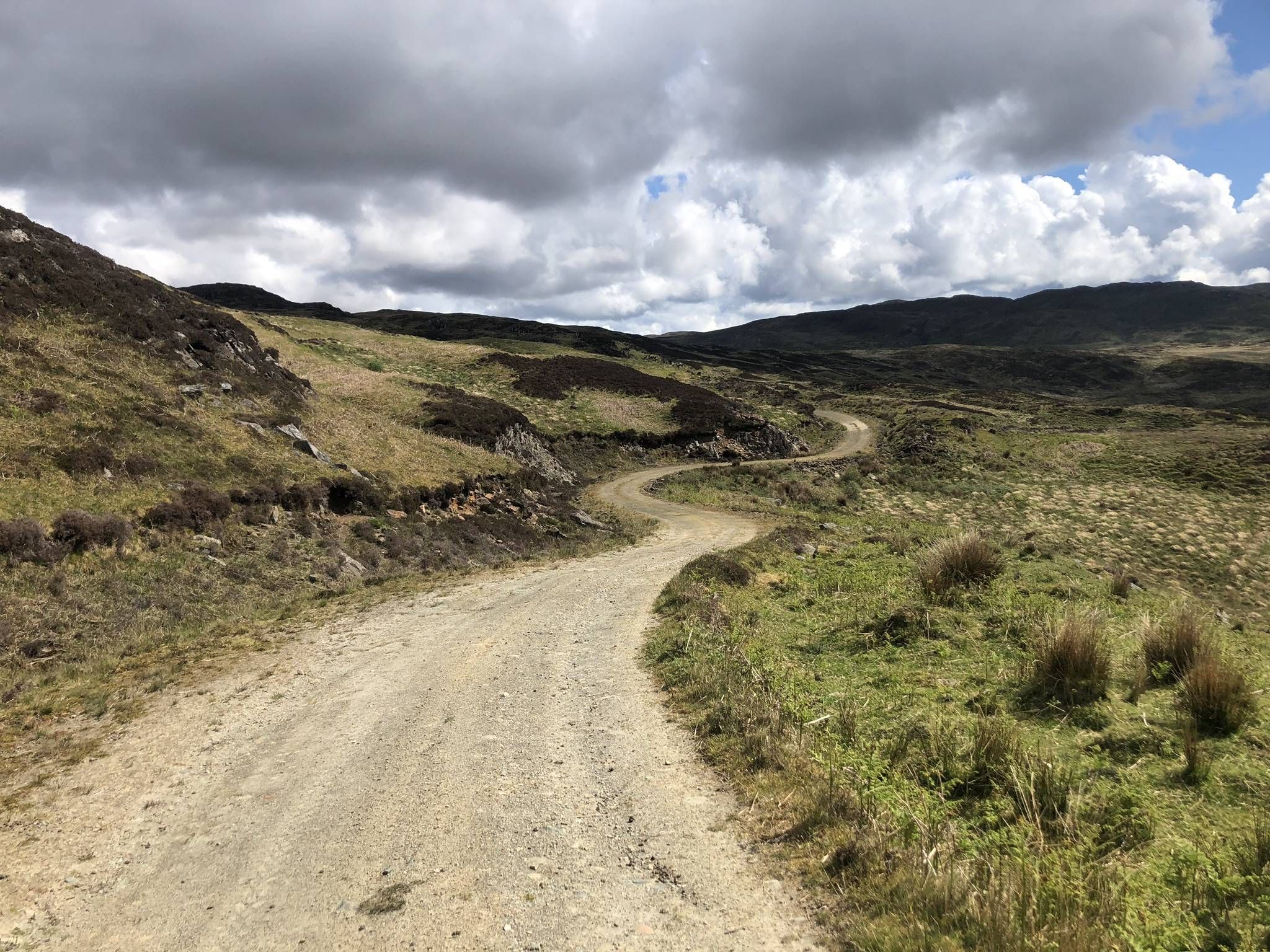
It's a straightforward hike to to the summit, need to avoid the wetter parts on the path and can be a little rocky in places but no scrambling required. Views from the top a very good - we could just about make out Ben Lomond to the north through the heat haze, and Arran to the west.
0
0

The north viewpoint here is much closer to the falls but harder to really appreciate them. The larger viewpoint on the south east side of the river gives a better view.
0
0

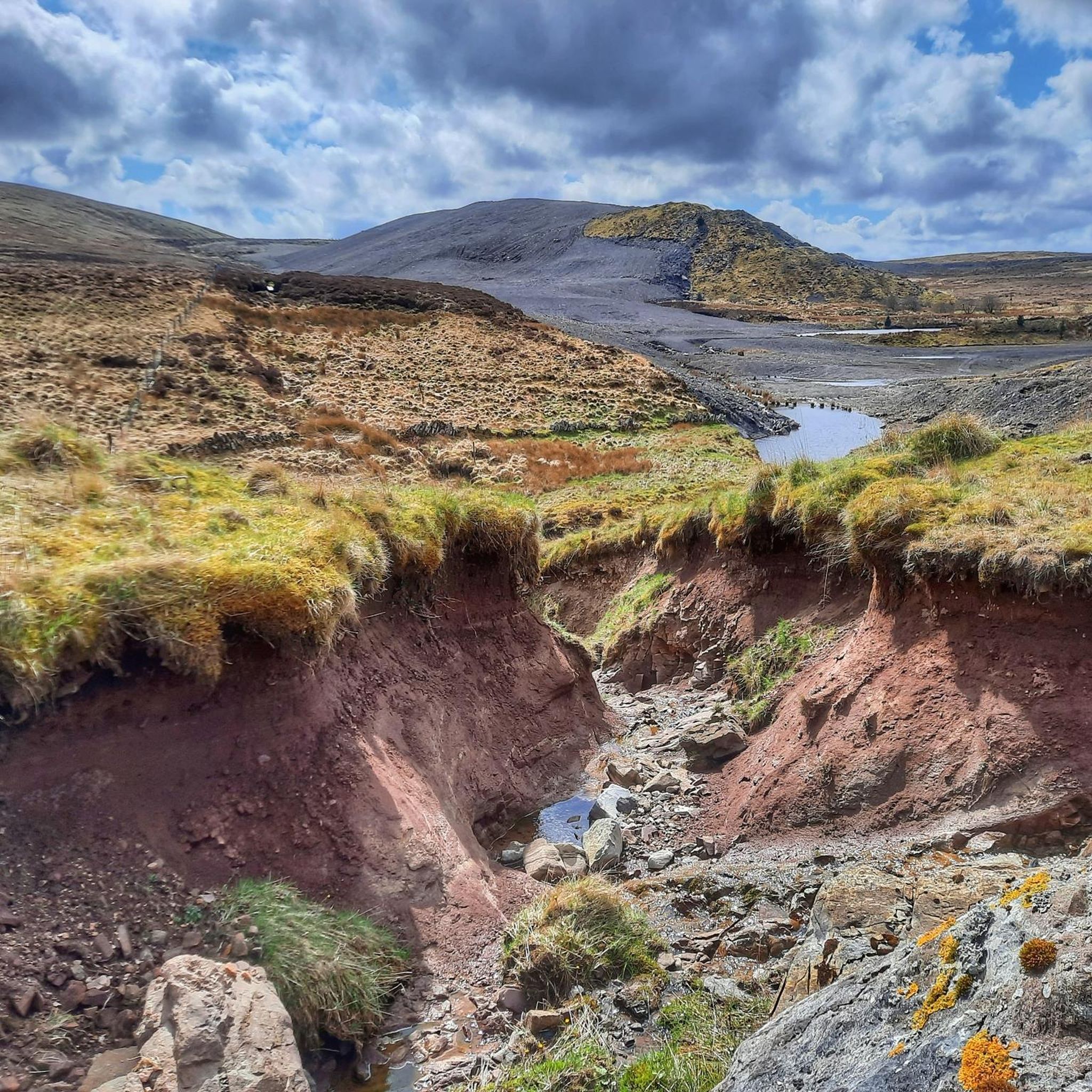
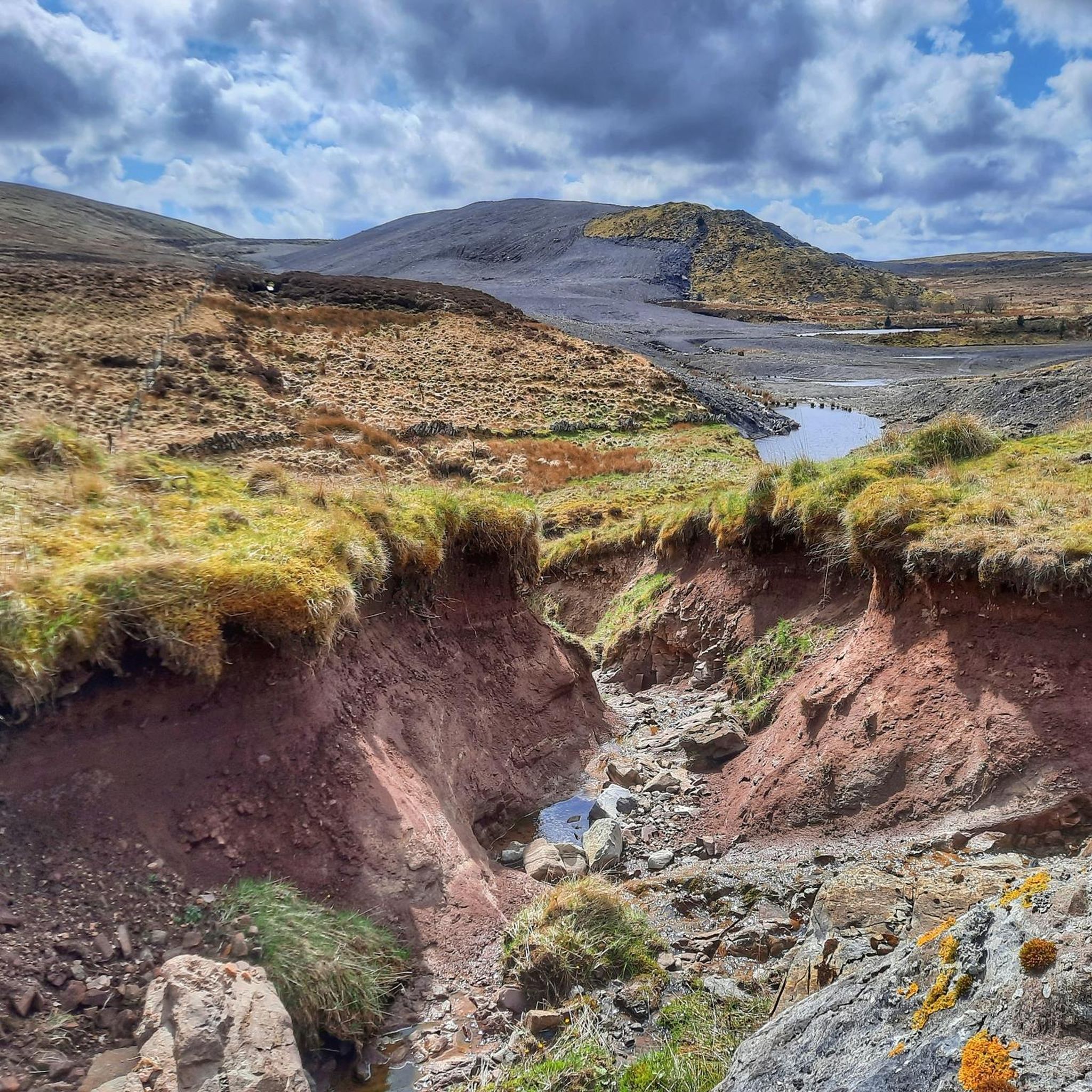
Glenbuck Loch is a pretty reservoir on the border of East Ayrshire and South Lanarkshire. It is the source of the River Ayr. The loch was formed in 1802 with the construction of two earthen dams at either end of the narrow glen and was built to power the cotton mills. Glenbuck Loch is a Site of Special Scientific Interest (SSSI).
1
0
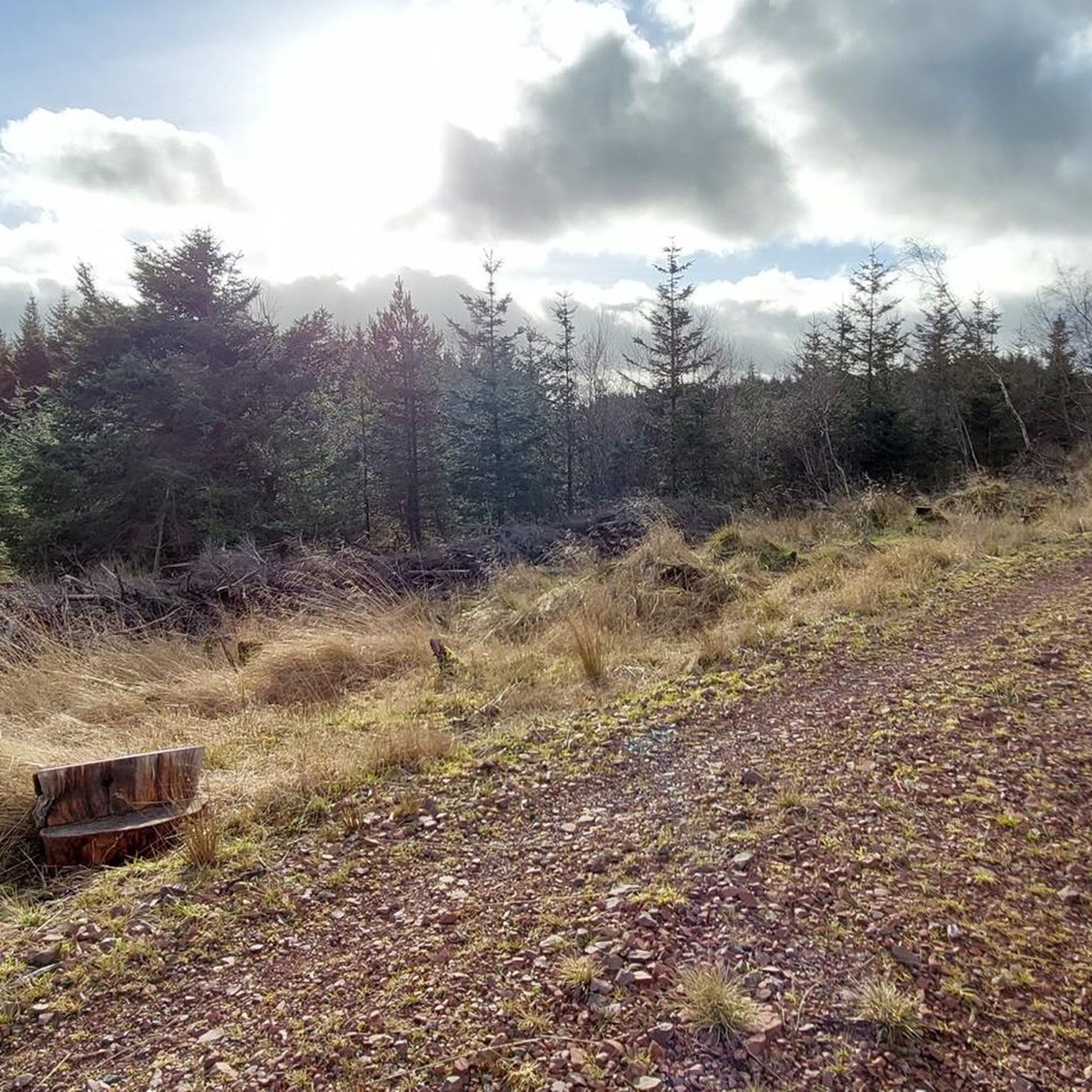
Falls of Clyde Nature Reserve is famous for stunning waterfalls and scenic woodland. Over 100 bird species have been recorded in the reserve, as well as Daubenton’s bats, badgers, otters, and many insect species. For more information, visit: https://scottishwildlifetrust.org.uk/reserve/falls-of-clyde.
1
0

1
0

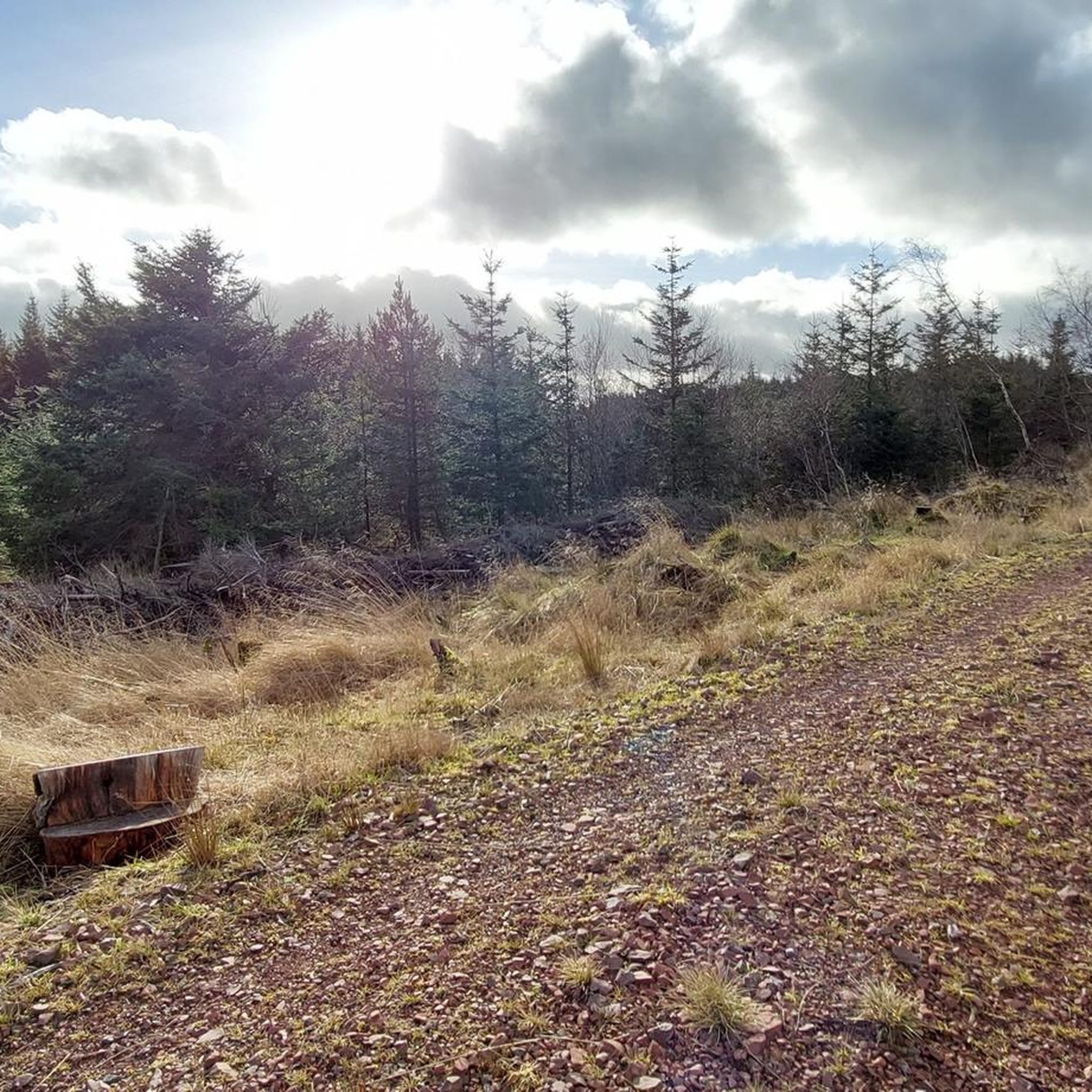
A little swampy at the start but this gives way to rocky paths when the steeper ascent begins. Incredible 360 degree views of Ayrshire.
2
0

This reserve is famous for its spectacular waterfalls, historic visitors and scenic forest trails. Over 100 species of birds have been recorded, including the dipper, raven and kingfisher. Daubenton bats can be fed across the river in the evening. Badgers look under the undergrowth and otters are sometimes seen along the riverbank (Source: Scottish Wildlife Trust).
3
3
Frequently Asked Questions
What kind of natural features can I expect to see around Douglas?
The natural monuments around Douglas feature a diverse landscape, including spectacular waterfalls like the Falls of Clyde and its associated viewpoints such as the View of Corra Linn from the north viewpoint. You'll also find summits offering panoramic views, like Cairn Table Summit Cairn, and tranquil lochs such as Glenbuck Loch. The area is characterized by scenic woodlands, rivers, and varied terrain.
Are there hiking trails near the natural monuments around Douglas?
Yes, there are several hiking opportunities. For example, you can explore the scenic woodland trails around the Falls of Clyde Nature Reserve. If you're looking for specific routes, you can find easy hikes around Douglas, including loops around the Falls of Clyde, by visiting the Easy hikes around Douglas guide.
What wildlife can be observed at the natural monuments?
The Falls of Clyde Nature Reserve is particularly rich in wildlife. Over 100 bird species have been recorded there, including dippers, ravens, and kingfishers. You might also spot Daubenton’s bats, badgers, and otters along the riverbank. The diverse ecosystems, including blackwater streams and woodlands, support a variety of plant and animal species.
Where can I find the best panoramic views around Douglas?
For incredible 360-degree views, head to Cairn Table Summit Cairn. From the top, you can often see across Ayrshire and even make out distant landmarks like Ben Lomond and Arran on a clear day. The View of Corra Linn from the north viewpoint also offers a distinct perspective of the powerful waterfall.
Are there family-friendly natural monuments or activities around Douglas?
Absolutely. The Falls of Clyde Nature Reserve offers scenic forest trails that are suitable for families. Glenbuck Loch is another family-friendly natural monument, providing a tranquil setting for leisurely walks. These locations offer opportunities to enjoy nature together.
Are there any historical aspects associated with the natural monuments?
Yes, some natural monuments have historical significance. The Falls of Clyde Nature Reserve is known for its historic visitors and the nearby ruins of Corra Castle. Glenbuck Loch itself was formed in 1802 with the construction of dams to power cotton mills, reflecting the region's industrial past.
What are the difficulty levels of hikes to these natural monuments?
Hikes to these natural monuments vary in difficulty. The ascent to Cairn Table Summit Cairn involves rocky paths after an initial swampy section, but it's generally a straightforward hike without scrambling. Trails around the Falls of Clyde are typically intermediate, offering scenic woodland walks. You can find more details on specific routes in the Easy hikes around Douglas guide.
What other outdoor activities can I do near these natural monuments?
Beyond hiking, the Douglas area offers opportunities for gravel biking and road cycling. You can explore routes like the 'View of Wind Farm – View of Wind Turbines loop' for gravel biking, or 'Dalveen Pass – Sanquhar Castle Ruins loop' for road cycling. For more information and specific routes, check out the Gravel biking around Douglas guide and the Road Cycling Routes around Douglas guide.
What is the best time to visit the natural monuments around Douglas?
The natural monuments around Douglas can be enjoyed year-round, but spring and autumn often offer pleasant weather for hiking and exploring, with vibrant foliage or blooming wildflowers. Summer provides longer daylight hours, while winter can offer a different, often quieter, experience, though some paths might be wet or icy. Always check local weather conditions before your visit.
Are there any significant geological features among Douglas's natural monuments?
Yes, the area boasts interesting geological formations. The dramatic waterfalls at the Falls of Clyde are a result of geological processes. Glenbuck Loch, formed by the construction of dams, also represents a significant alteration of the natural landscape for historical purposes. The rocky paths leading to Cairn Table Summit Cairn also showcase the region's underlying geology.
What should I wear when visiting the natural monuments around Douglas?
Given the varied terrain and potential for wet conditions, especially at the start of some paths like those leading to Cairn Table Summit Cairn, it's advisable to wear waterproof hiking boots. Layered clothing is recommended to adapt to changing weather, and a waterproof jacket is always a good idea in Scotland.
Can I bring my dog to the natural monuments?
Many natural areas in Scotland are dog-friendly, especially on trails. However, it's always best to keep dogs on a lead, particularly in nature reserves like the Falls of Clyde, to protect wildlife and ensure the safety of other visitors. Always check specific signage at each location for any restrictions.
Most popular attractions around Douglas

Get inspired with the komoot mobile app


Explore more
Extend your search for the best caves by checking out these guides of the top ones around Douglas:
