Top 10 Natural Monuments around Buchlyvie
Natural monuments around Buchlyvie offer diverse natural landscapes in the Stirling council area of Scotland. The village serves as a gateway to significant natural attractions, including the expansive Flanders Moss Nature Reserve, one of Britain's largest raised bogs. This region features a mix of wetlands, forest parks, and scenic hill ranges, providing varied opportunities for outdoor exploration. The area is also within a short distance of Loch Lomond & The Trossachs National Park.
Best natural monuments around Buchlyvie
- The most…
Last updated: October 4, 2026
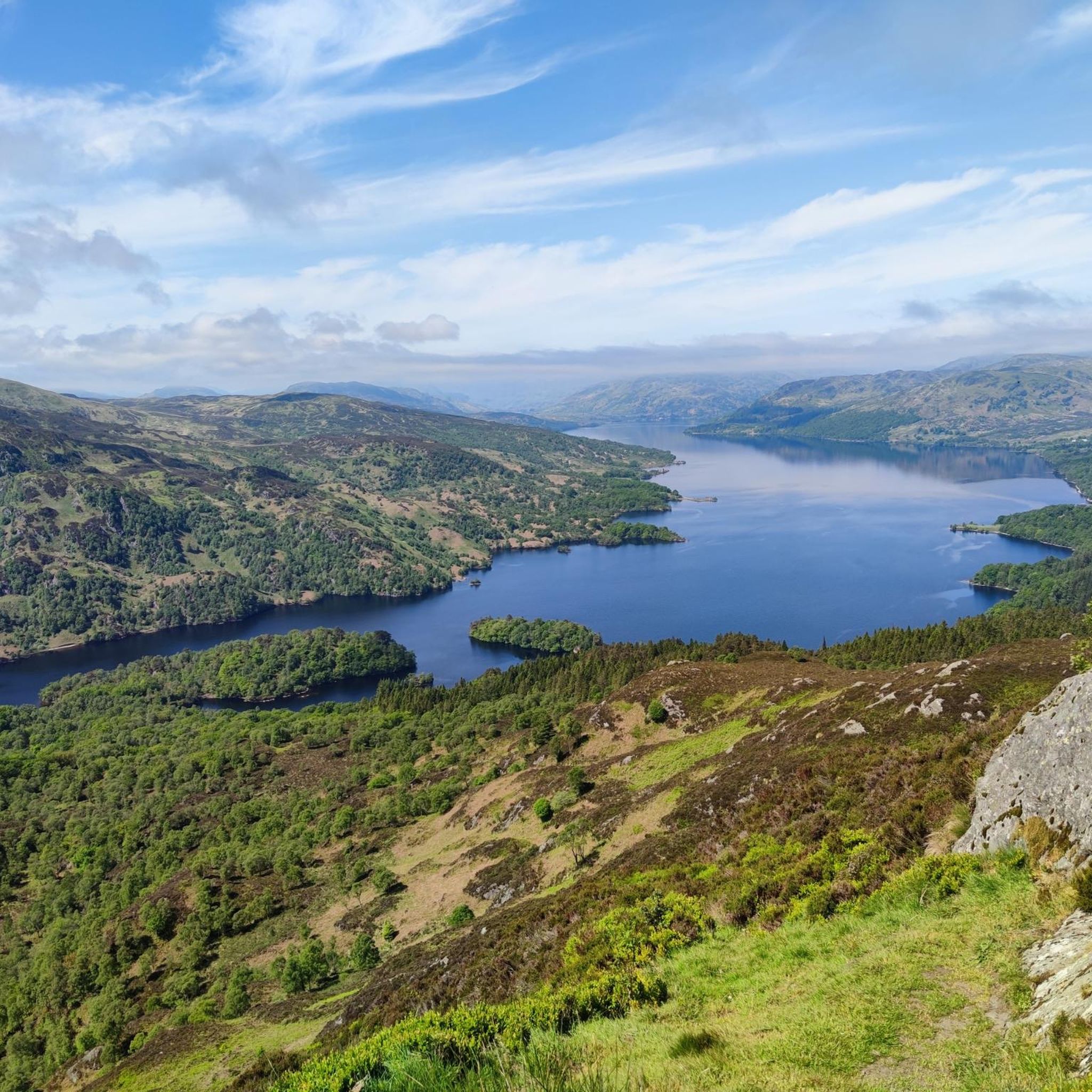
View of Loch Lomond from Conic Hill
Highlight • Viewpoint
Sometimes it can …
Translated by Google •
Tip by

West Highland Way: Southern Section in Loch Lomond and The Trossachs National Park
Highlight (Segment) • Viewpoint
Showing Translation
Tip by

Sign up now to discover places like this
Get recommendations on the best single tracks, peaks, & plenty of other exciting outdoor places.
Devil's Pulpit (Finnich Glen)
Highlight • Natural Monument
Tip by

Doon Hill Fairy Trail
Highlight • Natural Monument
en.wikipedia.org/wiki/Robert_Kirk_(folklorist)
Tip by

Little Fawn Waterfall
Highlight • Waterfall
Tip by

Sign up for free to discover even more natural monuments around Buchlyvie.
Already have an account?
Start today with a free account
Your next adventure awaits.

Tips from the Community


Solid starting stage of the West Highland Way. Every day heading north, it becomes more "typically Scottish".
1
0

The waterfall of the little fawn is hidden in the forest but easily reached on the cycle route. Expect to see the fall flowing all year round.
0
0


Sturdy shoes are highly recommended, as it is usually very wet and slippery. Not recommended for small children or people with walking problems!
1
0
Great gorge, brown-red water. In warmer seasons, the Devils Pulpit is also perfect for a swim. Be sure to park a few meters further north at the intersection (small parking lot). The actual path to the pulpit is south, just behind the bridge. STURDY footwear is a must
1
0
The steps collapsed, access was not possible in rainy weather that was too slippery and too steep
1
0

Conic Hill, a picturesque peak on Scotland's famous West Highland Way, offers walkers the first real challenge on their route north. Sitting as a sentinel over Loch Lomond, the 361 meter climb is a steep and strenuous stage, with gradients of up to 24%. However, anyone who makes the effort will be rewarded with magnificent views over Loch Lomond, and on a clear day the summit of Ben Lomond, Scotland's southernmost Munro, can even be seen. The beauty of the view of the lake and the Highlands is a motivating start to the rest of the West Highland Way. Despite the popularity and the associated overcrowding of the route, especially by day tourists from Balmaha, the climb up Conic Hill remains worthwhile. The views from the top of the southern end of Loch Lomond are breathtaking, and the vastness of the summit offers enough space for a relaxing picnic. While the climb may be steep and busy, alternative paths such as the routes suggested by Komoot offer quieter and more scenic paths. However, access can sometimes be restricted by locked gates, which can create challenges. The best time to climb is outside the peak season, June to September, to avoid the crowds and associated erosion of the slope. Still, even on a busy Saturday morning, the climb is worth the effort, especially for the rewarding view from the summit. Celebrate reaching the summit with a 360-degree spin and take in the truly breathtaking views. If you're lucky, the waters of Loch Lomond sparkle at your feet and the view to the north reveals the majestic Ben Lomond. As part of Scotland's Munro heritage - named after Sir Hugh Munro, who first cataloged them - this is a moment not easily forgotten.
4
0
Frequently Asked Questions
What are some of the most popular natural monuments to visit near Buchlyvie?
Visitors frequently enjoy the stunning View of Loch Lomond from Conic Hill, which offers expansive views over Loch Lomond and the Highlands. Another must-see is Devil's Pulpit (Finnich Glen), a challenging gorge with unique geological formations. For a more mystical experience, the Doon Hill Fairy Trail is also very popular.
What kind of natural features can I explore around Buchlyvie?
The area around Buchlyvie offers diverse natural features. You can explore the unique wetland ecosystem of Flanders Moss Nature Reserve, one of Britain's largest raised bogs. There are also dramatic gorges like Devil's Pulpit (Finnich Glen), scenic waterfalls such as Little Fawn Waterfall, and numerous viewpoints offering vistas over lochs and forests, particularly within Loch Lomond & The Trossachs National Park.
Are there family-friendly natural monuments or walks near Buchlyvie?
Yes, the Doon Hill Fairy Trail is particularly family-friendly, offering a magical woodland experience with folklore. Flanders Moss Nature Reserve also features a boardwalk, making it accessible for a gentle stroll with children. For more easy walks, you can explore the easy hikes around Buchlyvie.
What outdoor activities can I do near these natural monuments?
Beyond visiting the monuments themselves, the region offers excellent opportunities for hiking and running. You can find various hiking trails around Buchlyvie, ranging from easy to challenging. For runners, there are also dedicated running trails. The proximity to Loch Lomond & The Trossachs National Park also opens up possibilities for cycling and water sports.
What is the best time of year to visit the natural monuments around Buchlyvie?
Spring and autumn generally offer pleasant weather for exploring, with vibrant foliage in autumn and blooming flora in spring. Summer is also popular, though some areas might experience midges, especially near water. Winter can be beautiful with snow, but conditions can be challenging, particularly on higher ground like Conic Hill.
Are there any historical or cultural sites integrated with the natural monuments?
Yes, the Doon Hill Fairy Trail is steeped in local folklore and history, with tales of fairies and a minister who wrote about them. While primarily natural, these sites often carry local legends and historical significance, adding another layer to your visit.
What should I wear or bring when visiting natural monuments in this area?
Given the varied terrain and Scottish weather, it's advisable to wear sturdy, waterproof footwear, especially for sites like Devil's Pulpit (Finnich Glen). Layered clothing is recommended to adapt to changing conditions. Bringing insect repellent, particularly in warmer months, is also a good idea.
Are there any viewpoints offering panoramic views of the region?
Absolutely. The View of Loch Lomond from Conic Hill is renowned for its spectacular panoramic views over Loch Lomond and the surrounding Highlands. Many trails within Queen Elizabeth Forest Park and Loch Lomond & The Trossachs National Park also lead to elevated spots with impressive vistas.
What makes Flanders Moss Nature Reserve a significant natural monument?
Flanders Moss Nature Reserve, located very close to Buchlyvie, is one of the largest remaining raised bogs in Britain. It's ecologically significant as a rare wetland ecosystem, supporting diverse plant and animal life. Its unique landscape and the opportunity to observe this rare habitat make it a worthwhile destination for nature enthusiasts.
Can I bring my dog to the natural monuments around Buchlyvie?
Many natural areas and trails in Scotland are dog-friendly, provided dogs are kept under control, especially around livestock and wildlife. The Doon Hill Fairy Trail and general walking routes are usually suitable for dogs. Always check specific site regulations, particularly in nature reserves like Flanders Moss, to ensure responsible pet ownership.
What kind of terrain difficulty can I expect on trails near these natural monuments?
The terrain varies significantly. While some areas like Flanders Moss offer relatively flat boardwalks, others present challenging conditions. For instance, the descent to Devil's Pulpit (Finnich Glen) is very steep, requiring good footwear. Climbing Conic Hill also involves a strenuous, steep ascent. Many trails in Loch Lomond & The Trossachs National Park and the Campsie Fells range from moderate to difficult, often involving uneven paths and ascents.
Are there any hidden natural gems worth discovering near Buchlyvie?
While not widely publicized, exploring the various forest trails within Queen Elizabeth Forest Park can lead to secluded spots and smaller waterfalls like Little Fawn Waterfall. The Carse of Forth, the flat alluvial plain where Buchlyvie sits, also offers a distinct natural character often overlooked by those seeking dramatic landscapes.
Most popular attractions around Buchlyvie

Get inspired with the komoot mobile app


Explore more
Extend your search for the best caves by checking out these guides of the top ones around Buchlyvie:
