Top 8 Natural Monuments around Ercall Magna
Best natural monuments around Ercall Magna include significant geological formations and rich biodiversity. The area features The Ercall, a hill with international geological importance, showcasing ripple beds formed over 500 million years ago and ancient Precambrian lava flows. This landscape is recognized as a Site of Special Scientific Interest and a Local Nature Reserve, supporting diverse flora and fauna. Visitors can explore ancient woodlands and disused quarries that reveal Earth's history.
Best natural monuments around Ercall Magna
- The most popular…
Last updated: July 1, 2026
The Wrekin summit
Highlight • Summit
Tip by

The Wrekin Hillfort
Highlight • Viewpoint
Tip by

Sign up now to discover places like this
Get recommendations on the best single tracks, peaks, & plenty of other exciting outdoor places.
Sign up for free
Needle's Eye, The Wrekin
Highlight • Summit
Tip by

The Ercall Bluebell Woods
Highlight • Natural Monument
Tip by
Grinshill Hill Viewpoint
Highlight • Natural Monument
Tip by
Sign up for free to discover even more natural monuments around Ercall Magna.
Sign up for free
Already have an account?
Start today with a free account
Your next adventure awaits.
Login or Signup
Tips from the Community

Grinshill Hill 192m P102 (630ft) [List Objective: English Humps] (DoBIH Hill ID: 5361) [JNSA 20353]
0
0


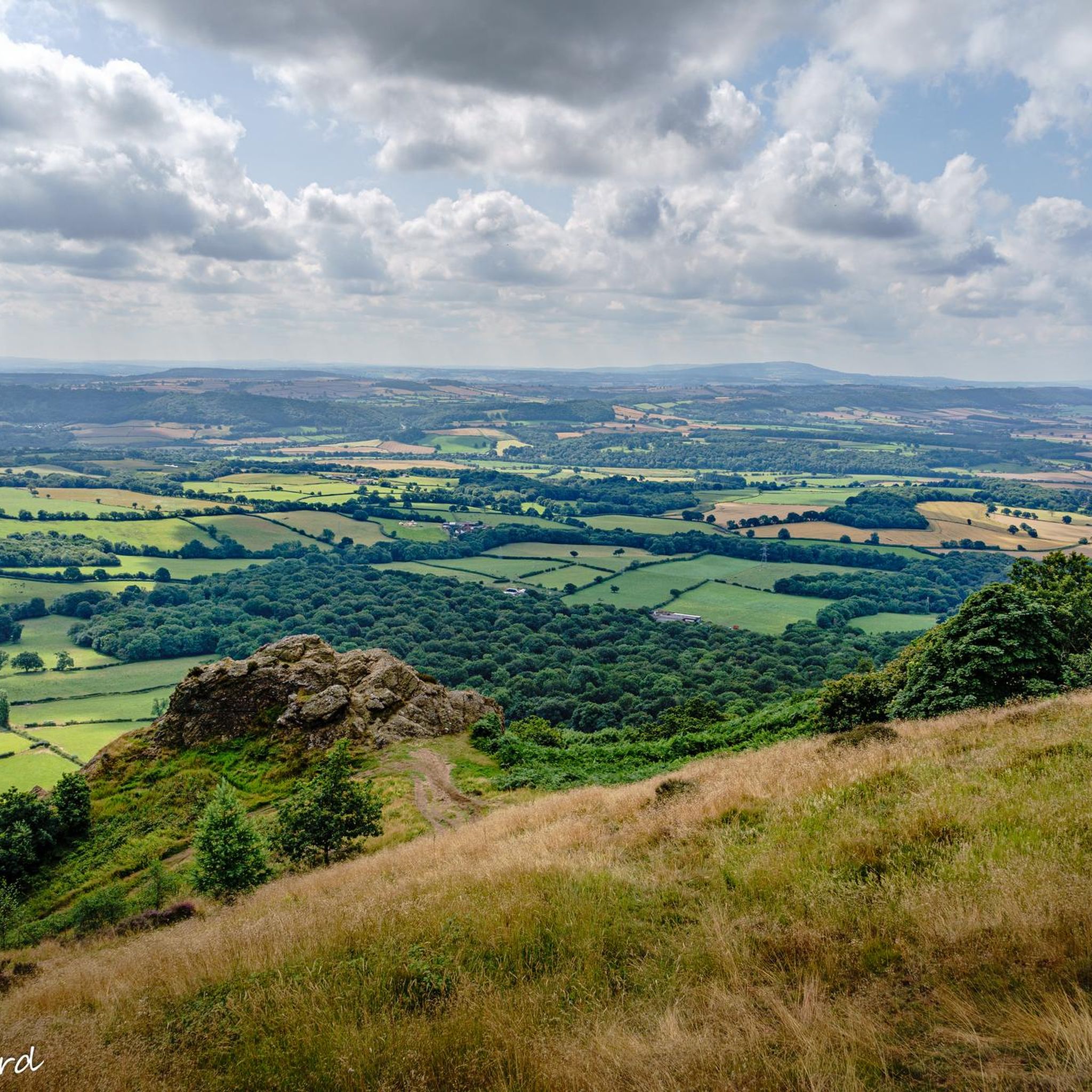
Great views from the toposcope and trig point.
0
0

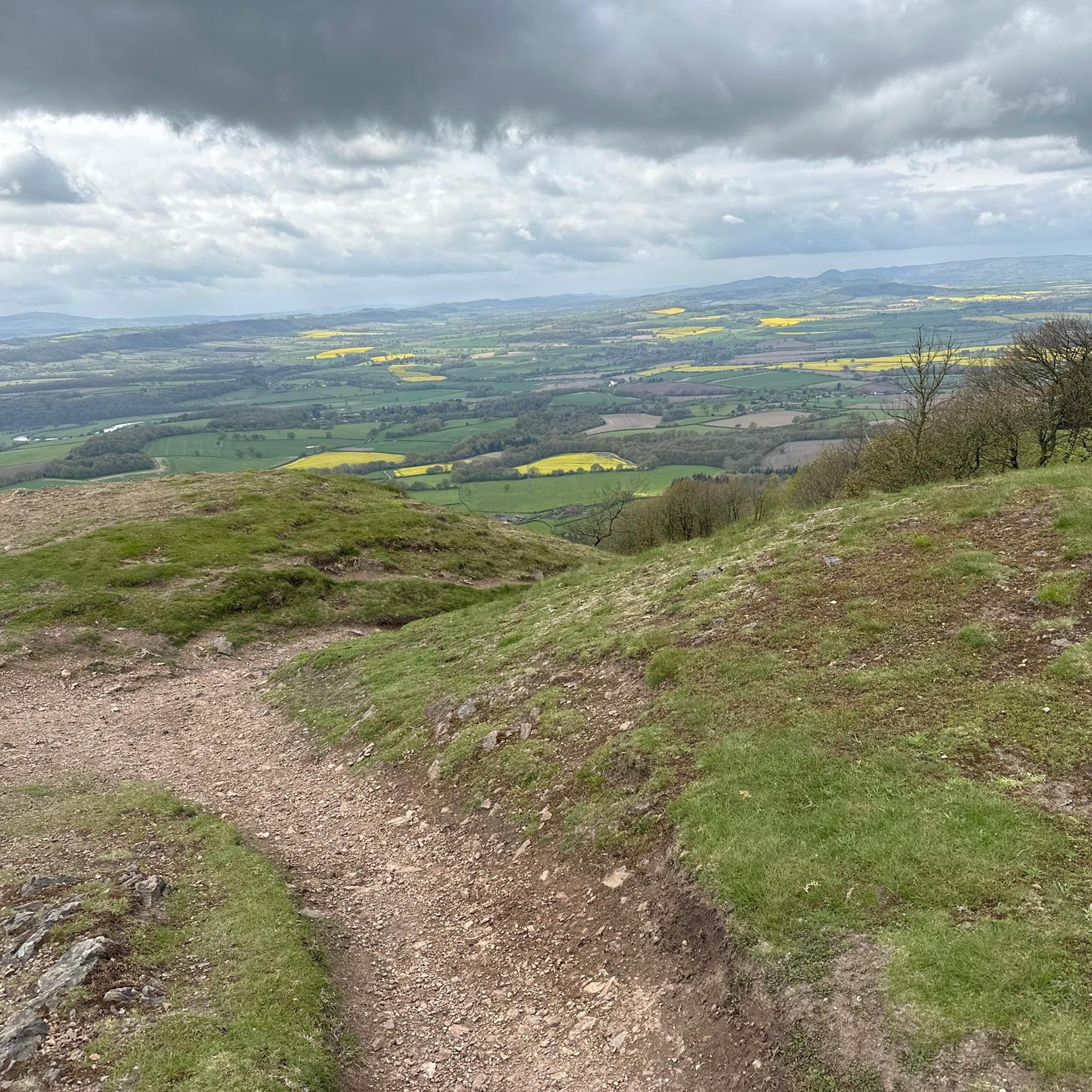
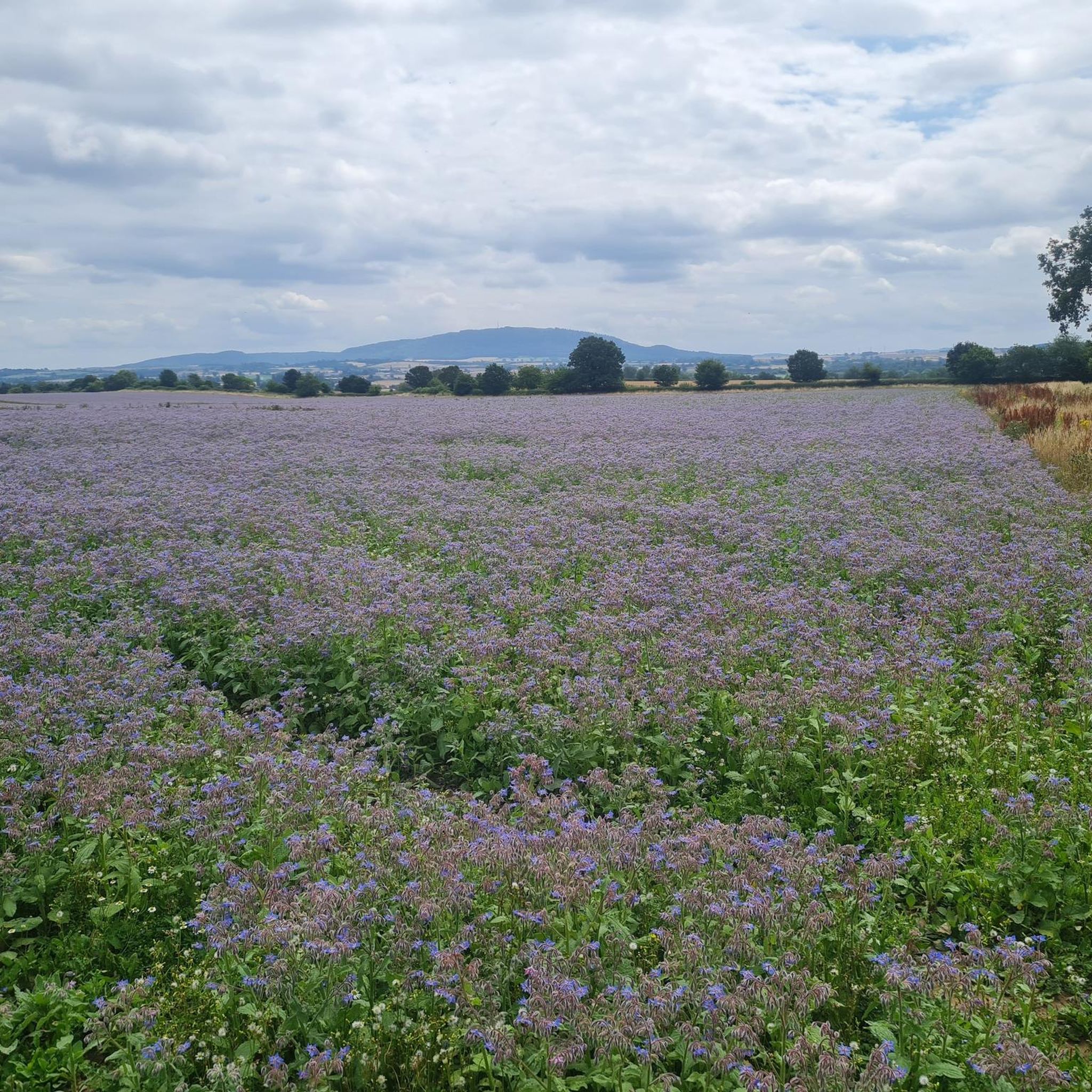
Rising to 407 metres, The Wrekin is a prominent landmark, its visibility from the M54 signalling the entrance to Shropshire. Unlike some of the local hills, The Wrekin was never a volcano in its own right, despite its conical shape, but is composed of various igneous rocks and volcanic processes. The ridgeline either side of The Wrekin makes for some great running, with fabulous views in every direction.
0
0

When I was at University in Brum in my first year I stayed with a lovely couple in Ward End. They used the local expression "all round the Wrekin". It was used to describe someone explaining something in a convoluted or complex way. Since then, I have had a fascination with the place and wanted to visit. Anyway, that was in the early 1970s - I finally got there in 2021 - better late than never!
1
0

Frequently Asked Questions
What makes The Ercall an important natural monument?
The Ercall is a Site of Special Scientific Interest (SSSI) due to its international geological importance. It features exposed quarries revealing ripple beds formed 540 million years ago, ancient Precambrian lava flows, and the junction between Precambrian and Cambrian eras. This site offers a unique glimpse into Earth's history, including an 'unconformity' where pink granite meets pale grey rock, marking a significant geological transition.
What kind of wildlife can I expect to see at The Ercall?
The Ercall is part of a Local Nature Reserve with rich biodiversity. Its ancient oak woodlands and regenerated grasslands support various species. You might spot butterfly species like the speckled wood, dingy skipper, green hairstreak, and wall. Woodland birds such as redstarts and green woodpeckers are also present, and the area is known for a remarkable diversity of invertebrate species.
When is the best time to visit The Ercall Bluebell Woods?
The best time to visit The Ercall Bluebell Woods is in spring, when the woodlands are abundant with spectacular bluebell displays. This season also brings out various flowering spikes of orchids and a vibrant array of plant and insect life.
Are there historical sites among the natural monuments in Ercall Magna?
Yes, the area features significant historical sites. For example, The Wrekin Hillfort is an Iron Age hillfort that was once home to the Cornovii tribe and holds significant strategic importance, with ramparts and historical features still visible today.
What are the views like from the natural monuments in Ercall Magna?
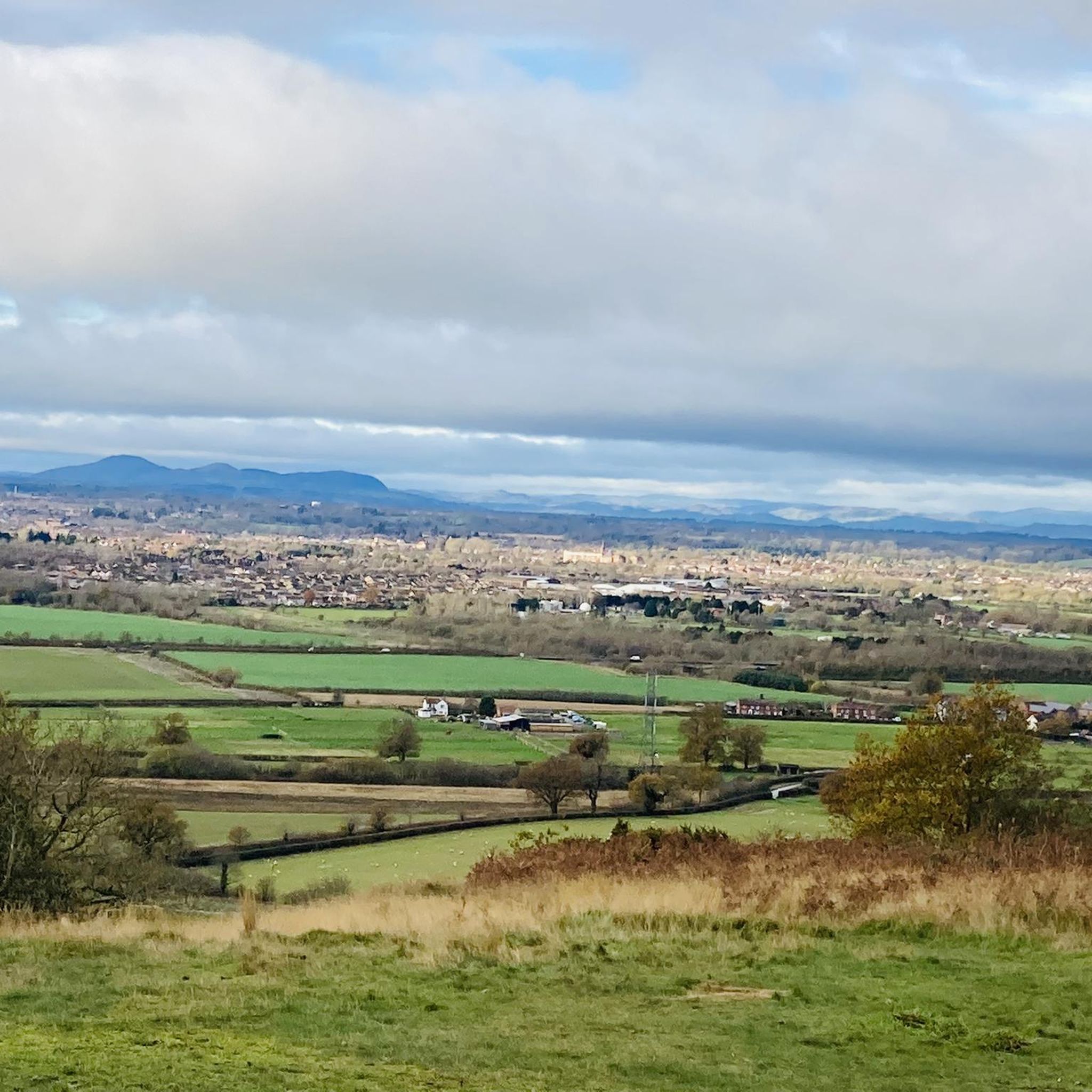
Many natural monuments in the area offer impressive views. From The Wrekin summit, you can enjoy spectacular panoramic views of the surrounding countryside. Similarly, Grinshill Hill Viewpoint provides fantastic vistas of the low-lying north Shropshire countryside.
Are there family-friendly natural attractions around Ercall Magna?
Yes, several natural attractions are suitable for families. The Ercall itself offers accessible trails, with an easy, gentle walk leading to the quarry floor. Grinshill Hill Viewpoint is also noted as being family-friendly, offering a rewarding hike with great views.
What kind of outdoor activities can I do near these natural monuments?
The Ercall Magna area offers a variety of outdoor activities. You can explore numerous routes for road cycling, running, and gravel biking. For instance, you can find detailed guides for Road Cycling Routes, Running Trails, and Gravel Biking around Ercall Magna.
What geological features can be observed at The Ercall?
The Ercall is a prime location for geological observation. Its disused quarries expose ripple beds from ancient seas 540 million years ago, Precambrian lava flows, and a clear 'unconformity' where 540-million-year-old pink granite meets younger pale grey rock, marking the transition between the Precambrian and Cambrian eras.
Are there easy walks available at the natural monuments?
While some areas require a steep climb for extensive exploration and views, The Ercall offers an easy, gentle walk that leads directly to the quarry floor, making it accessible for a less strenuous experience. The main path up The Wrekin summit from the Forest Glen is also well-surfaced and easy to follow for much of its length.
What is the 'Needle's Eye' on The Wrekin?
The Needle's Eye, The Wrekin is a distinctive feature on a large rocky outcrop atop The Wrekin. It's a gap in the rocks that allows visitors to squeeze through. Local folklore suggests that one isn't a true Salopian (someone from Shropshire) until they've walked through the Needle's Eye.
What kind of flora can be found in the woodlands of The Ercall?
The Ercall's woodlands are botanically rich. In spring, you'll find abundant bluebells and flowering spikes of orchids. The tree canopy consists of ash, oak, and sycamore, with an understory of hazel and hawthorn. On the upper slopes, acidic soils support plants like bilberry, climbing corydalis, and heath bedstraw.
Where can I find more information about The Ercall's natural reserve status?
The Ercall is part of a Local Nature Reserve managed by Shropshire Wildlife Trust. You can find more details about its management and features on the Telford & Wrekin Council website: telford.gov.uk.
Most popular attractions around Ercall Magna

Get inspired with the komoot mobile app


Explore more
Extend your search for the best caves by checking out these guides of the top ones around Ercall Magna:
