Top 14 Natural Monuments around Holme
Best natural monuments around Holme include a variety of geological formations, scenic viewpoints, and unique natural reserves. The region, likely situated in the UK, features limestone outcrops, fells, and woodlands, providing diverse natural landscapes. These areas offer opportunities to observe local wildlife, explore historical sites, and enjoy panoramic vistas. Visitors can discover a range of natural attractions, from ancient woodlands to significant geological features.
Best natural monuments around Holme
- The most popular natural monuments is Arnside Knott, a summit…
Last updated: July 1, 2026
Arnside Knott
Highlight • Summit
Tip by

Fairy Steps
Highlight • Natural Monument
Tip by

Sign up now to discover places like this
Get recommendations on the best single tracks, peaks, & plenty of other exciting outdoor places.
Sign up for free
The Helm Trig Point
Highlight • Natural Monument
Tip by
Hawes Water
Highlight • Lake
Tip by

Warton Crag Road Climb
Highlight • Natural Monument
It's managed by the Wildlife Trust due to the important habitat for …
Tip by

Sign up for free to discover even more natural monuments around Holme.
Sign up for free
Already have an account?
Start today with a free account
Your next adventure awaits.
Login or Signup
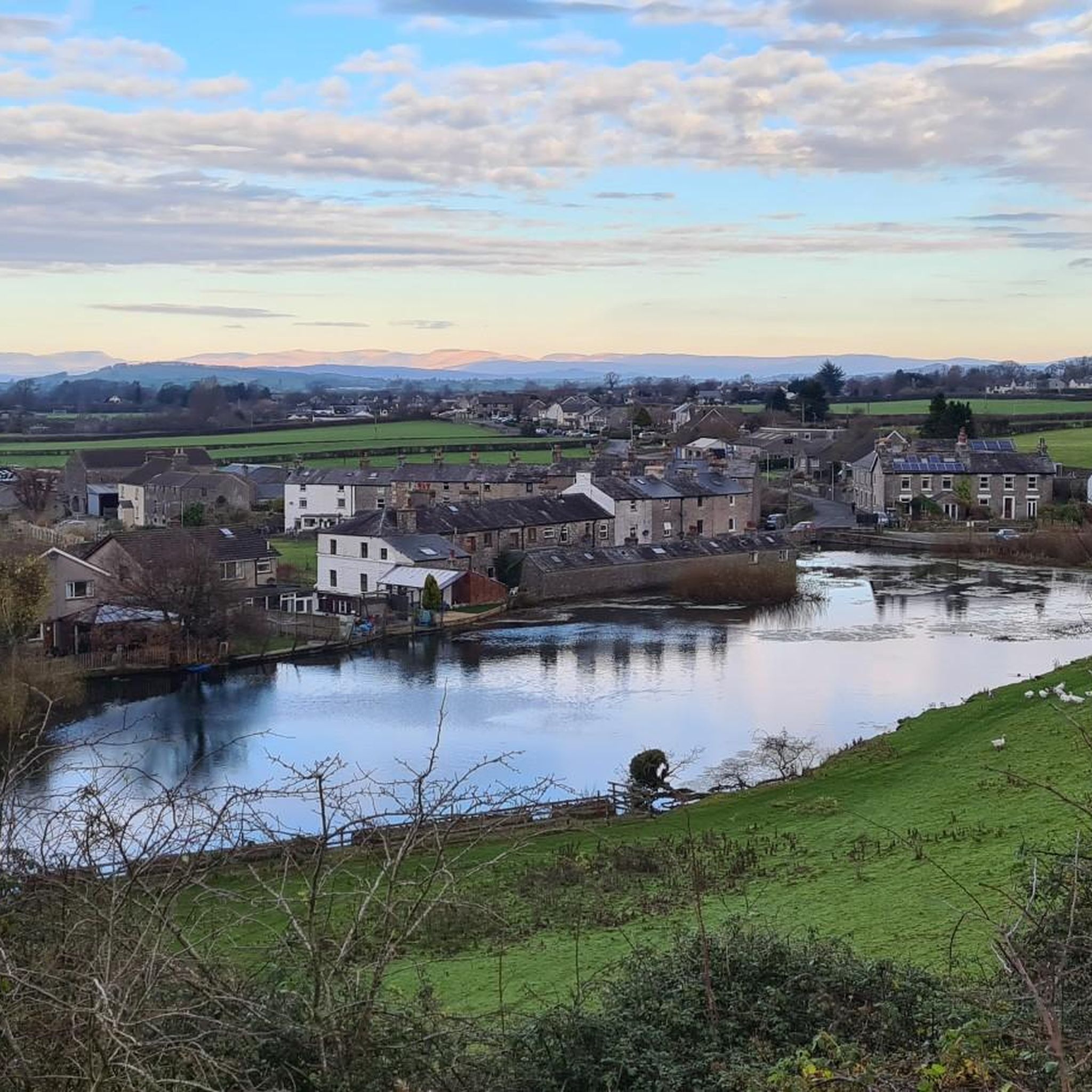
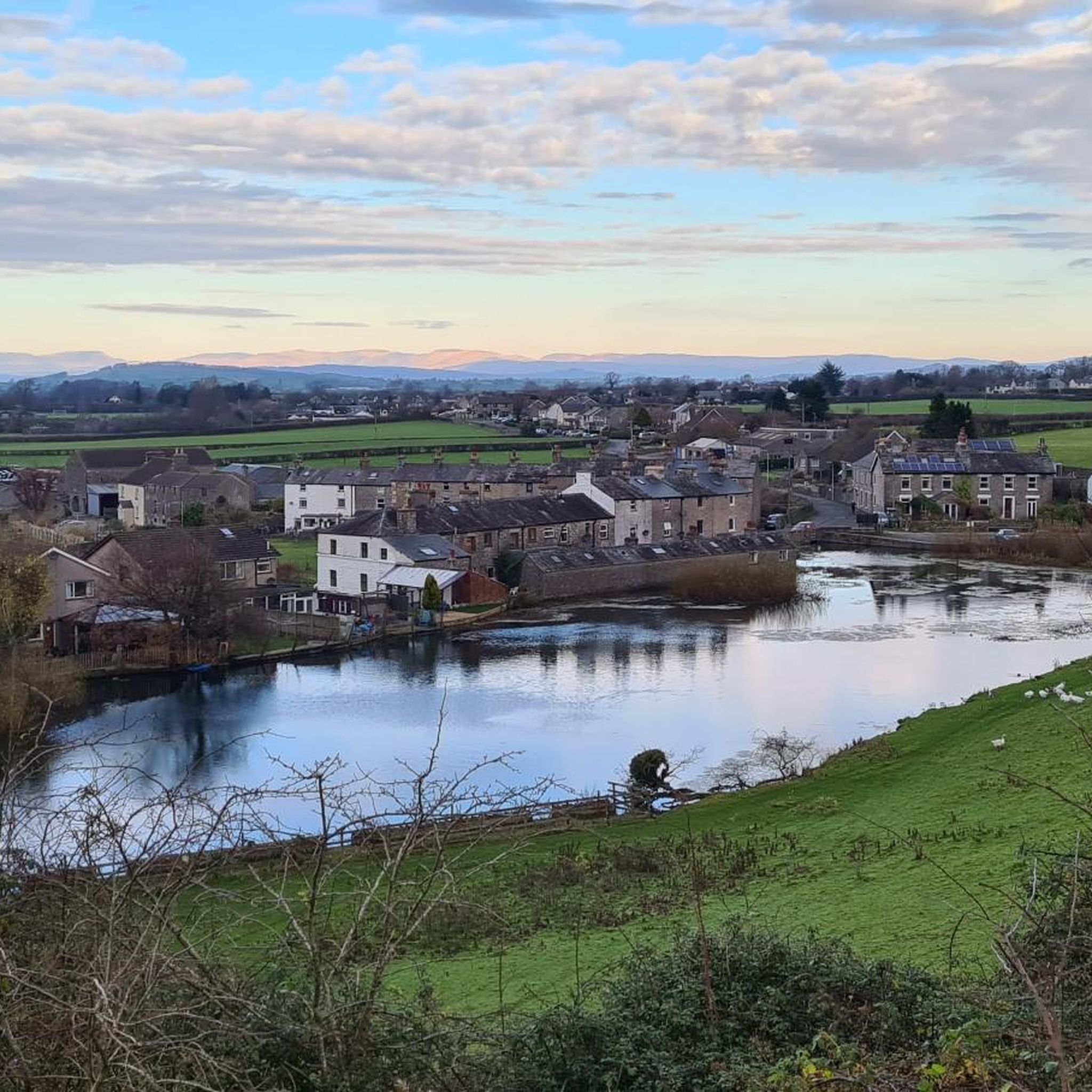
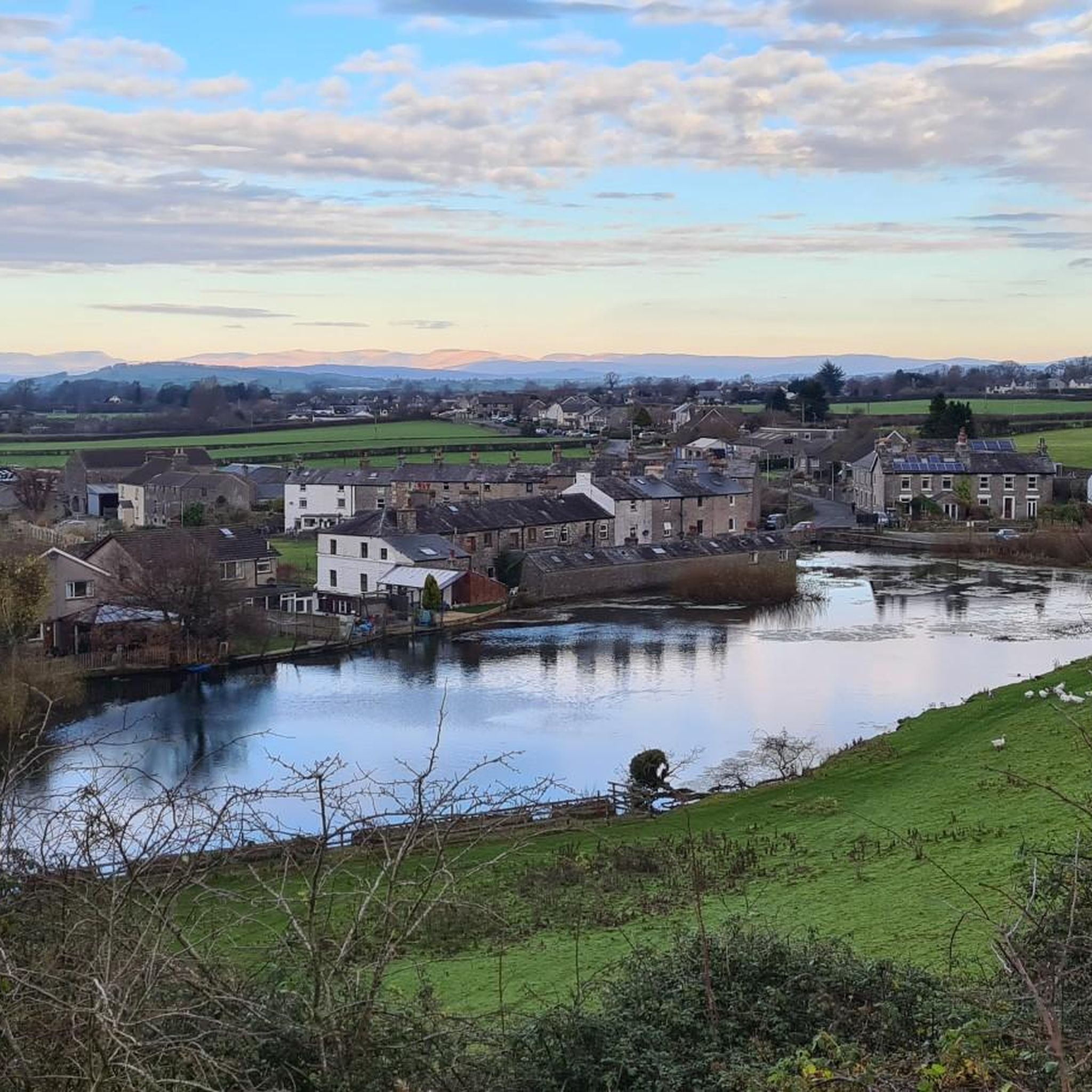
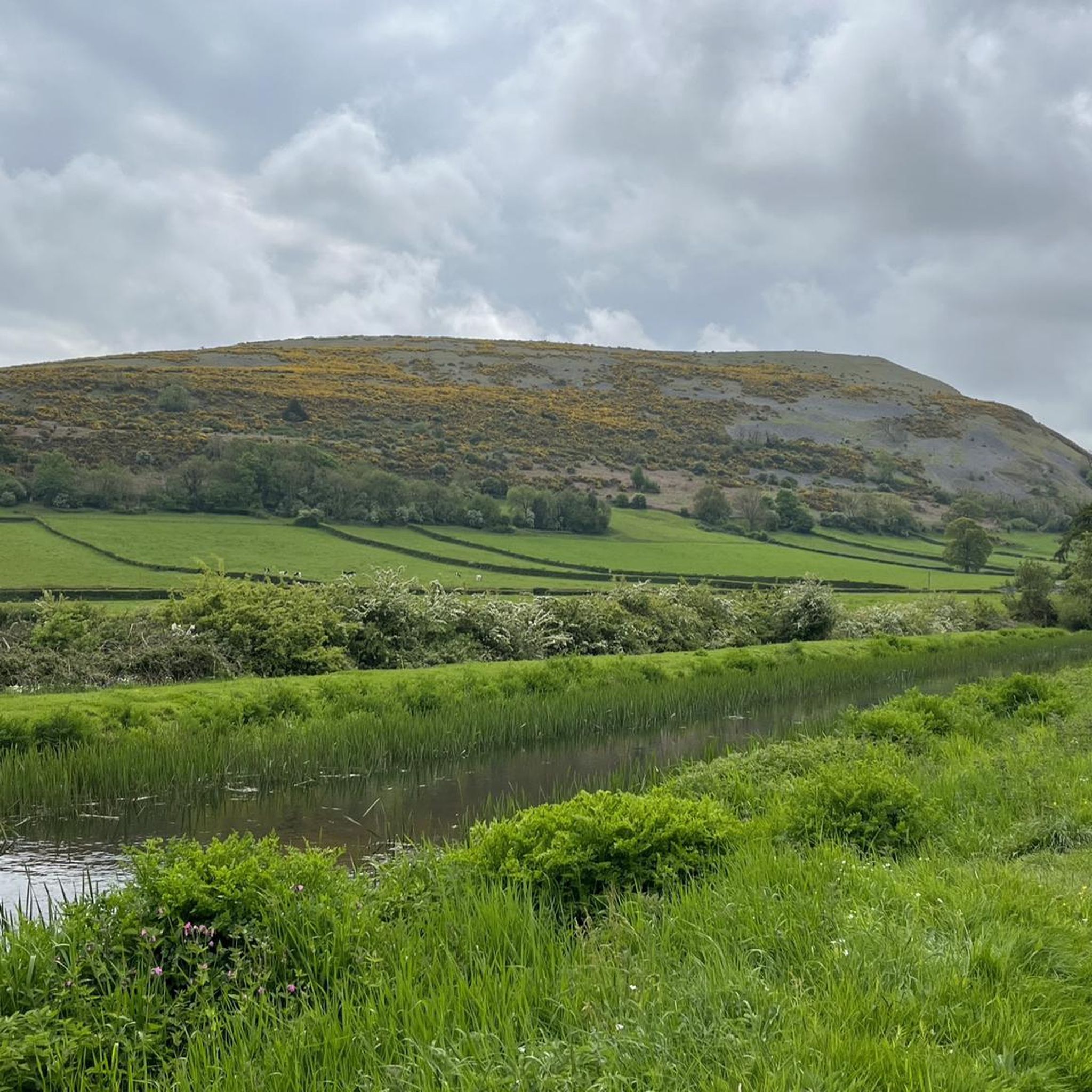
Tips from the Community


The Helm 185m P55 (607ft) [Tump 1] (DoBIH Hill ID: 16219) [JNSA 19230] County of Westmorland Definitive List summit. County of Westmorland Trig Pillar.
0
0

Good fun but a bit of a squeeze. You can walk around instead.
0
0

good fun! just beware, going down, it can be a bit slippy. Down is in the south west direction.
0
0
Easy walk if you from the Station Inn but a lot steeper coming the other way. Great views over Kendal and out into Morecambe Bay .
0
0

Frequently Asked Questions
What are some of the most popular natural monuments to visit around Holme?
Visitors frequently enjoy Arnside Knott, known for its diverse plant communities, wildlife, and extensive views of the Lakeland Fells and Yorkshire Dales. Another favorite is Fairy Steps, a unique narrow gorge with a local legend about granting wishes. The Helm Trig Point is also highly regarded for its historical significance as an Iron Age hillfort and panoramic views towards the Lake District mountains and Howgill Fells.
Are there family-friendly natural monuments around Holme?
Yes, several natural monuments are suitable for families. Arnside Knott is considered family-friendly, offering various paths through beautiful woodland. Hawes Water, particularly the smaller Hawes Tarn on Gait Barrows National Nature Reserve, is also a family-friendly spot, ideal for birdlife and insects.
What kind of geological features can I expect to see in the natural monuments near Holme?
The region around Holme is rich in diverse geological features. You can explore limestone outcrops at places like Arnside Knott and Warton Crag Road Climb. The unique narrow gorge of Fairy Steps is another notable geological formation. Additionally, the area features fells and flat-topped uplands such as The Helm Trig Point.
Are there any natural monuments with historical significance near Holme?
Yes, The Helm Trig Point is a notable site, home to an Iron Age hillfort. While primarily a natural monument, Warton Crag Road Climb also features a small hill fort at its summit, blending natural beauty with historical elements. The broader region, such as Holme Dunes in Norfolk, has historical intrigue with discoveries like 'Seahenge', though this is further afield.
What outdoor activities can I do near these natural monuments?
The area around Holme offers excellent opportunities for outdoor activities. You can find numerous hiking trails, ranging from easy to moderate, such as the 'Farleton Fell Summit loop' or the 'Holme to Milnthorpe loop'. For cycling enthusiasts, there are routes like the 'Mabbin Road Climb' or 'Arnside Knott Trails'. You can explore more options and detailed routes in the Hiking around Holme and Cycling around Holme guides.
Are there easy walks or beginner-friendly trails to natural monuments?
Absolutely. For easy walks, consider routes around Arnside Knott, which has many paths through its beautiful woodland. The 'Farleton Fell Summit loop from Holme' is an easy hiking option, as is the 'View of Holme Mills – Wharfinger's Cottage loop'. More easy routes can be found in the Easy hikes around Holme guide.
What are the best viewpoints to experience the natural beauty around Holme?
Many natural monuments offer stunning viewpoints. Arnside Knott provides extensive views of the Lakeland Fells and Yorkshire Dales. From The Helm Trig Point, you can enjoy tremendous views towards the Lake District mountains and the Howgill Fells. Warton Crag Road Climb also offers great views across Morecambe Bay to the southern Lake District.
Can I find natural reserves or areas for wildlife observation near Holme?
Yes, the region is home to several important natural reserves. Arnside Knott is part of the Arnside and Silverdale Area of Natural Beauty, known for its mixed woodland and limestone grassland, attracting butterflies and wildflowers. Warton Crag is managed by the Wildlife Trust due to its important habitat for small animals, birds, and butterflies. The smaller Hawes Water (Hawes Tarn) on the Gait Barrows National Nature Reserve is also a great center for birdlife and insects.
What do visitors enjoy most about the natural monuments around Holme?
Visitors frequently highlight the stunning views, the diverse range of paths and trails for exploration, and the rich wildlife. Many appreciate the sense of tranquility and the opportunity to connect with nature. The unique geological features, like the narrow gorge of Fairy Steps, and the historical elements, such as the Iron Age hillfort at The Helm, also add to the appeal.
Are there any lakes or water features among the natural monuments?
Yes, Hawes Water is a notable lake in the area. While there's a larger Haweswater in the Lake District, the one near Holme, sometimes called Hawes Tarn, is one of only two natural freshwater lakes in Lancashire, known for its birdlife and insects.
What should I wear when visiting natural monuments around Holme?
Given the varied terrain, which includes fells, woodlands, and potentially uneven paths, it's advisable to wear sturdy walking shoes or hiking boots. Layers of clothing are recommended to adapt to changing weather conditions, as well as waterproof outerwear, especially if exploring during cooler or wetter seasons. Sun protection is also wise during sunnier months.
Most popular attractions around Holme

Get inspired with the komoot mobile app


Explore more
Extend your search for the best caves by checking out these guides of the top ones around Holme:
