Top 11 Natural Monuments around Reighton
Best natural monuments around Reighton include dramatic coastal cliffs, serene bays, and significant wildlife habitats. The region's landscape features chalk formations, rolling hills, and expansive views over the North Sea. These natural attractions offer opportunities for coastal walks, wildlife spotting, and exploring geological features. Reighton and its surroundings provide a diverse range of natural settings for outdoor exploration.
Best natural monuments around Reighton
- The most popular natural monuments is Flamborough Cliffs, a natural monument offering extensive views. This location…
Last updated: July 1, 2026
Flamborough Lighthouse
Highlight • Monument
Tip by

RSPB Bempton Cliffs Nature Reserve
Highlight (Segment) • Viewpoint
Tip by

Sign up now to discover places like this
Get recommendations on the best single tracks, peaks, & plenty of other exciting outdoor places.
Sign up for free
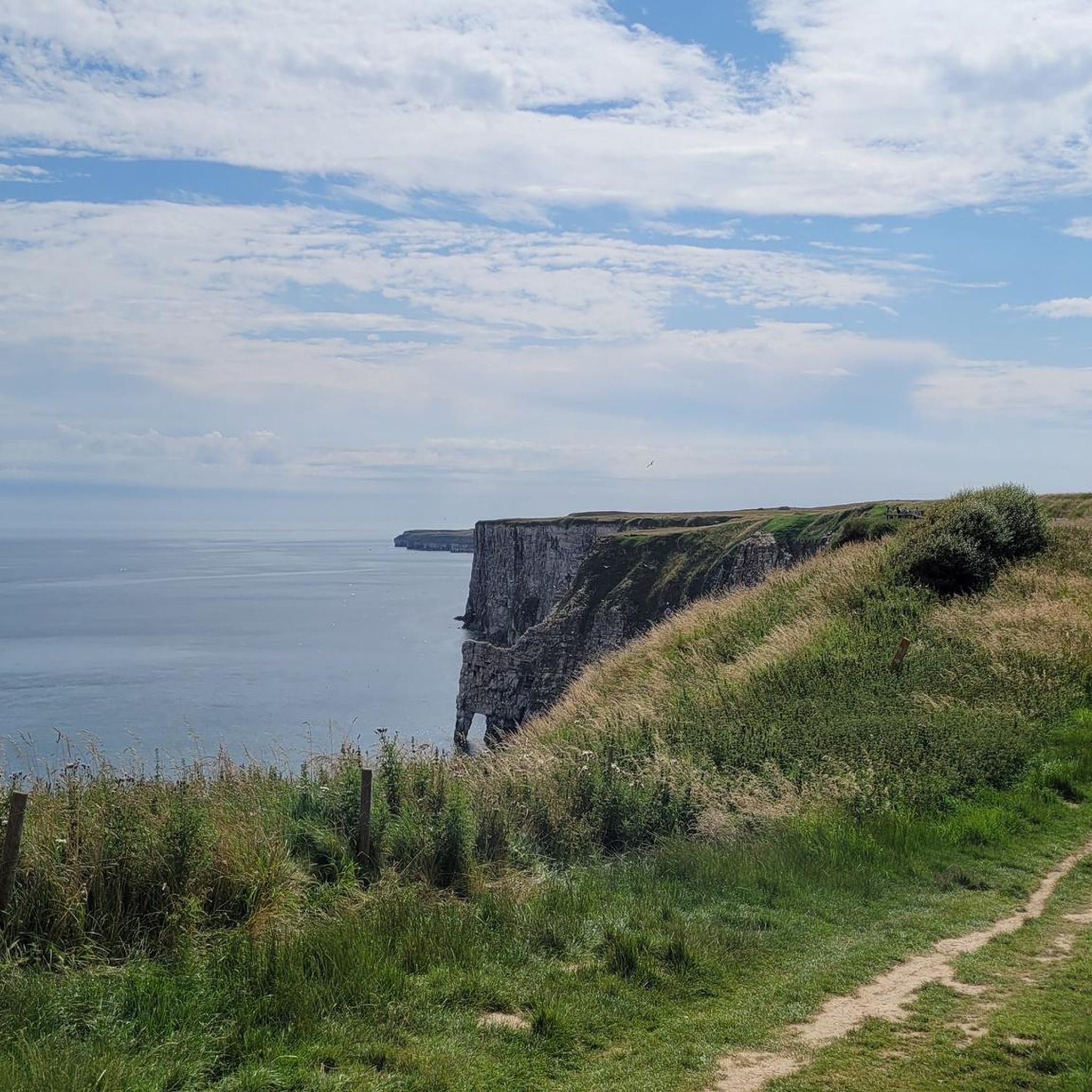
Flamborough Cliffs
Highlight • Natural Monument
Tip by
Rudston Monolith
Highlight • Natural
Tip by

Smugglers' Caves at Thornwick Bay
Highlight • Natural Monument
Tip by
Sign up for free to discover even more natural monuments around Reighton.
Sign up for free
Already have an account?
Start today with a free account
Your next adventure awaits.
Login or Signup
Tips from the Community

Lots of viewing platforms along the clifftop public footpath, but early morning in December is definitely not the best time to view the birds, I didn't see many species or individual birds at all. Maybe I scared them off :). Summer probably much better when they are nesting.
3
0
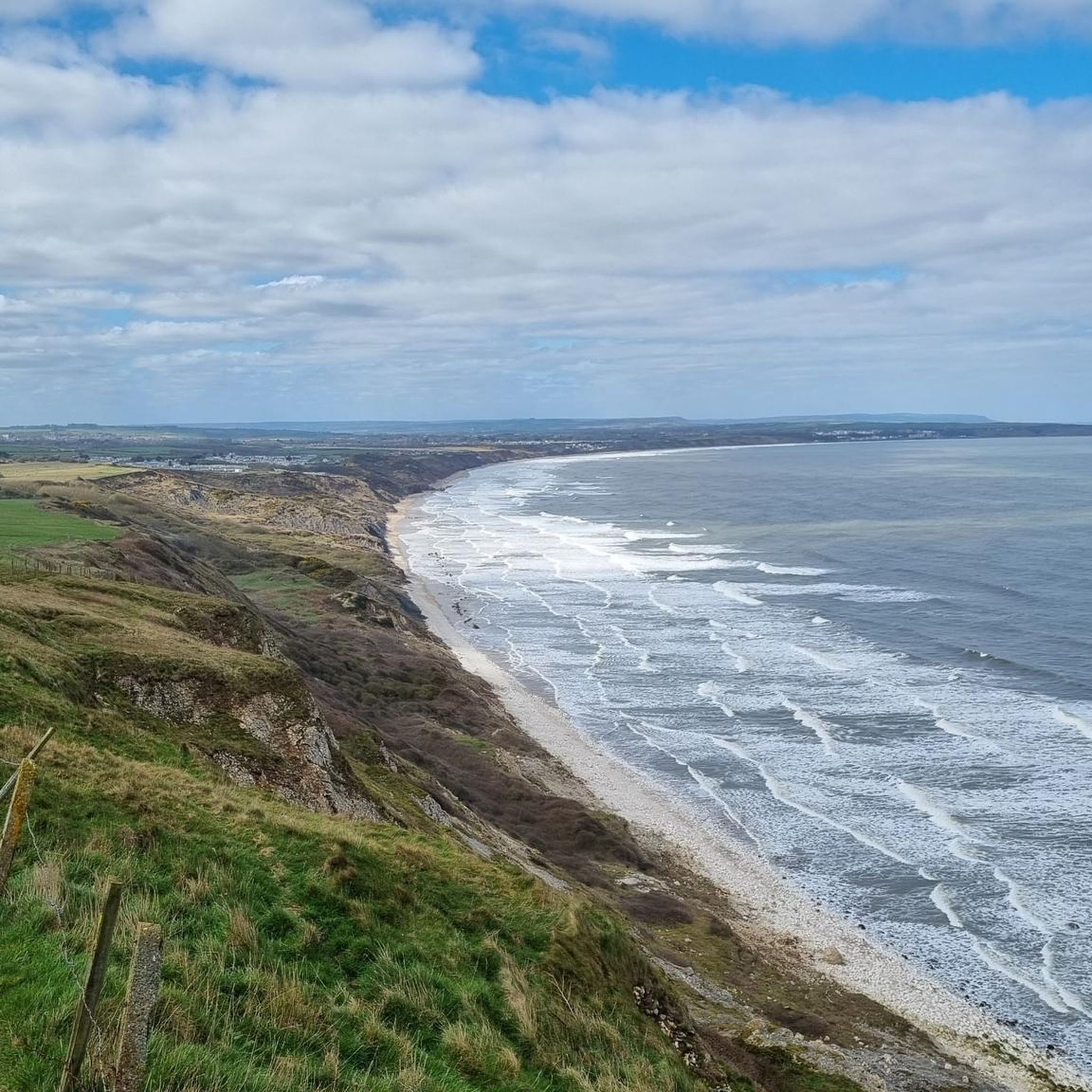
Lots of parking, very quiet in winter, and cracking routes along the south and north of Flamborough Head. Take the north route past North Landing and Thornwick Bay, much more scenic than the southerly route.
2
0
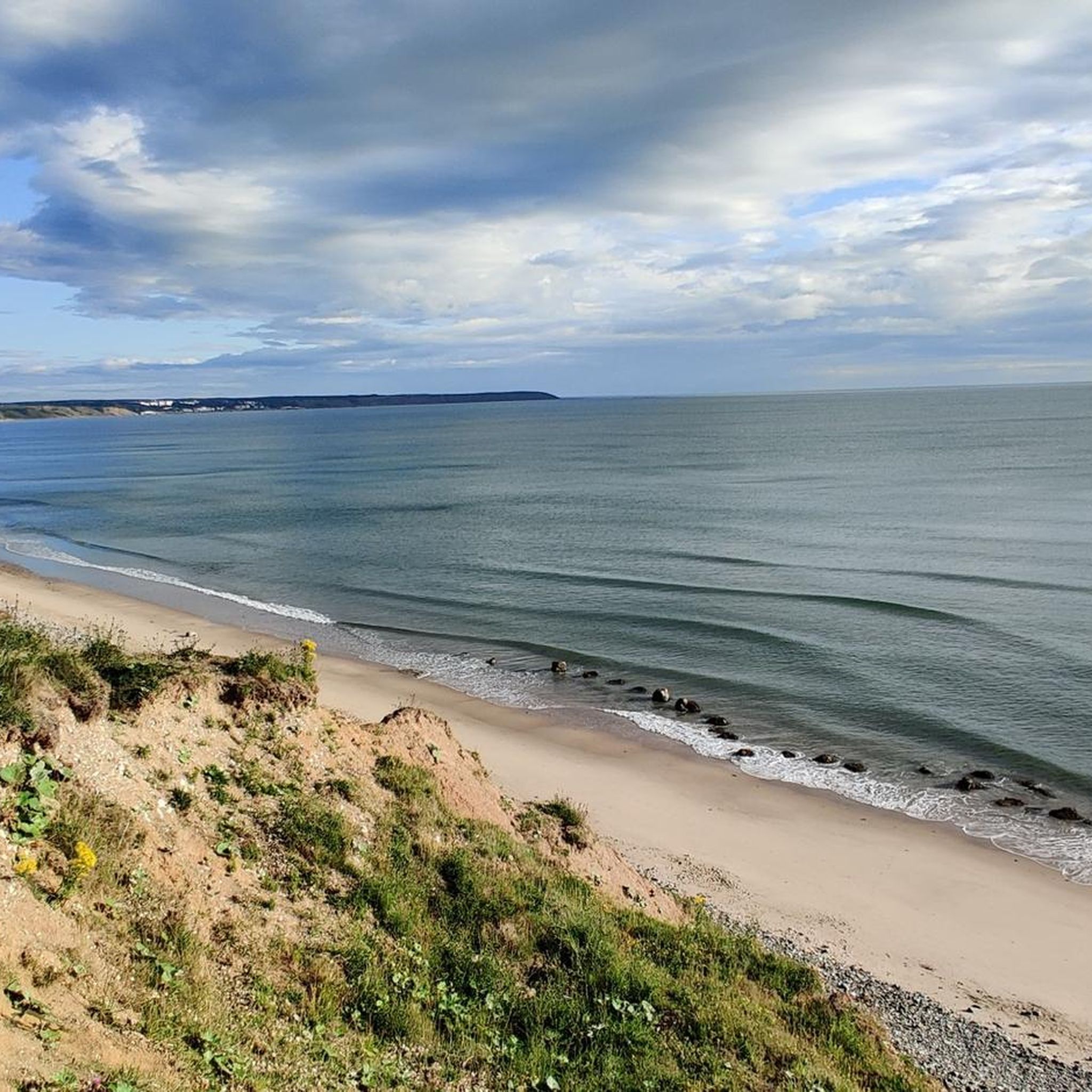
Narrow track runs down to this little bay, very quiet in winter and not as busy as North Landing. There is a metal staircase at the bottom of the track that drops you onto the beach, where the rocks are initially quite large. In Dec 24 the steps were still open, but part of the track right next to them was taped of by the council as part of the footpath has collapsed due to erosion. Still perfectly safe and accessible, just need to exercise caution.
2
0
If you can, walk the entire section between the lighthouse and Bempton Cliffs, there are many and varied little bays and rock formations. Footpath muddy in winter, but not terribly boggy. Cracking views and photo opportunities.
3
0

The Rudston monolith is the tallest prehistoric standing stone in Britain, measuring almost 8 metres high, nearly 2 metres wide, a metre thick and estimated to weigh somewhere in the region of a massive 26 tons. This giant block of grey sandstone or gritstone was errected here either in the late Neolithic or early Bronze Age and is thought to have been quarried more than 10 miles away in the Cayton Bay area south of Scarborough, although the glacial transportation of a large block of stone that was then shaped and utilised by the prehistoric residents of the area cannot be ruled out. The top of the stone has been weathered and eroded into a fluted peak similar to the stones of the Devil's Arrows and a lead cap was first added to try to preserve it in the 18th century. The churchyard of All Saints that it stands in is of course much younger and although the christianisation of the site took place around 1100AD the stone had already stood here for at least 3000 years. The monolith stands close to the Gypsey Race, an occasional stream that flows along the floor of the Great Wold Valley from close to the barrow of Duggleby Howe in the east, past another pair of barrows at Wold Newton and Willie Howe before turning south past the Argham Henge and Cursus down to Rudston itself where it bends sharply and heads eastwards to the sea at Bridlington. The whole of the Gypsey Race landscape was obviously important in prehistoric times and holds a rich selection of sites, most of which have been destroyed or badly damaged by ploughing, including many round barrows, several long barrows, four cursuses and at least one henge. It continued to retain its importance into the historic period - a major Roman villa was discovered to the southwest of Rudston village. In the corner of the churchyard is a much smaller stone presumably brought here from a local barrow and also the remains of a double cist that was removed from a nearby barrow on Rudston Beacon by the antiquarian Canon Greenwell in the late 19th century.
0
0

The monument is the former Flamborough Head lighthouse and includes an octagonal tower constructed of coursed chalk rubble with stone dressings. It was built in 1674 as a business venture by Sir John Clayton, but never used.
1
0

Situated in the churchyard in the village of Rudston, this monolith, which stands at over 25 feet, is the tallest megalith in the United Kingdom.
0
0

Frequently Asked Questions
What are some of the most popular natural monuments to visit around Reighton?
The region boasts several highly-rated natural monuments. Among the most popular are Flamborough Cliffs, known for extensive coastal paths and views, and RSPB Bempton Cliffs Nature Reserve, a significant seabird colony. Visitors also enjoy the historic Smugglers' Caves at Thornwick Bay, featuring chalk cliffs and rock pools.
Where can I go for wildlife spotting near Reighton?
For exceptional wildlife spotting, head to RSPB Bempton Cliffs Nature Reserve. It's one of the UK's top seabird colonies, where you can observe gannets, guillemots, and puffins up close, especially during nesting season. You might also spot barn owls. For a more serene experience, Nafferton Mere offers a peaceful environment to see local birdlife like ducks and swans.
Are there family-friendly natural monuments around Reighton?
Yes, several natural monuments are suitable for families. RSPB Bempton Cliffs Nature Reserve is family-friendly, offering an engaging experience with its seabird colonies and visitor center. Flamborough Lighthouse area also has a cafe and shop, making it a good stop for families. Additionally, Yorkshire Wolds Way End Monument offers great views and is accessible for families.
What kind of geological features can I explore in the Reighton area?
The Reighton area is rich in geological features, particularly along its coastline. You can explore dramatic chalk cliffs, such as those found at Smugglers' Caves at Thornwick Bay, which also features rock pools and a sea arch formed by erosion. The broader Yorkshire Wolds coastal area, including stretches near Flamborough Head, is known for its characteristic chalk landscapes and rolling hills.
What outdoor activities can I do near these natural monuments?
The natural monuments around Reighton are excellent starting points for various outdoor activities. You can enjoy coastal walks, birdwatching, and exploring beaches. For more structured activities, there are numerous hiking and mountain biking routes. For example, you can find easy hikes like the Bempton Cliffs loop or moderate to difficult hikes that take you from Reighton to RSPB Bempton Cliffs Nature Reserve and Gristhorpe Cliff Trig Point. You can find detailed routes for hiking and MTB in the guides for Hiking around Reighton and MTB Trails around Reighton.
Are there any natural monuments with historical significance?
Yes, the Smugglers' Caves at Thornwick Bay are steeped in history, known for their past use by smugglers. While not a natural monument itself, the Flamborough Lighthouse, built in 1806, stands near the natural cliffs and has historical significance as a waypoint for vessels. Additionally, the broader Yorkshire Wolds area has archaeological significance alongside its natural beauty.
What are some good spots for panoramic views near Reighton?
For fantastic panoramic views, consider visiting the Gristhorpe Cliff Trig Point, which offers expansive vistas of the surrounding landscape. Flamborough Cliffs also provide extensive views of the coastline. Further inland, Staxton Hill offers scenic views over the valley towards Scarborough, complete with parking and picnic benches.
Are there any hidden natural gems or tranquil spots to discover?
Nafferton Mere, located about 11 miles from Reighton, is described as a serene natural setting, offering picturesque views and local wildlife in a peaceful environment. It's an ideal spot for a relaxing day out or a tranquil stroll away from more bustling areas. Cayton Bay also offers a tranquil setting with its scenic expanse of sand and cliffs, perfect for a peaceful coastal walk.
What is the best time of year to visit the natural monuments around Reighton?
The best time to visit depends on your interests. For birdwatching at RSPB Bempton Cliffs Nature Reserve, late spring and summer (typically April to August) are ideal to see the seabirds during their nesting season. Coastal walks and general exploration are enjoyable during spring, summer, and early autumn when the weather is milder. Winter offers a different, often dramatic, perspective of the cliffs and can be very quiet, but requires preparation for colder, potentially windier conditions.
Are there accessible natural monuments for visitors with mobility challenges?
While many coastal paths can be challenging, RSPB Bempton Cliffs Nature Reserve has a visitor center and facilities that aim to be accessible. However, accessibility for wheelchairs can be limited on some of the cliff-top paths, such as those around Flamborough Cliffs. It's always advisable to check specific site information for the most up-to-date accessibility details before your visit.
What do visitors enjoy most about the natural monuments in Reighton?
Visitors frequently praise the dramatic coastal scenery, the abundance of wildlife, and the opportunities for invigorating walks. The sheer scale of the bird colonies at RSPB Bempton Cliffs Nature Reserve is often highlighted as a memorable experience. Many also appreciate the extensive views from locations like Flamborough Cliffs and the peaceful atmosphere of the bays and mere.
Are there specific trails for easy walks near Reighton's natural monuments?
Yes, there are several easy walking trails that allow you to enjoy the natural beauty. For instance, you can find easy loops around Bempton Cliffs, starting from the RSPB Bempton Cliffs visitor center. Another easy option is the Cayton Bay Beach Cafe loop. These trails are generally well-suited for a relaxed stroll to take in the scenery. More easy hikes can be found in the Easy hikes around Reighton guide.
Most popular routes around Reighton
Most popular attractions around Reighton

Get inspired with the komoot mobile app


Explore more
Extend your search for the best caves by checking out these guides of the top ones around Reighton:
