Top 7 Natural Monuments around Norton Canes
Best natural monuments around Norton Canes include diverse natural spaces and proximity to the Cannock Chase National Landscape. This area features elevated heaths, extensive forests, and historic parklands, offering varied ecosystems and scenic beauty. The region is characterized by its geological features, including Triassic sandstones and conglomerates, and supports diverse wildlife. These sites provide opportunities for outdoor activities and connection with nature.
Best natural monuments around Norton Canes
- The most popular natural monuments is The Butts Trig Point, a…
Last updated: November 14, 2026
Glacial Boulder, Cannock Chase
Highlight • Natural Monument
Tip by

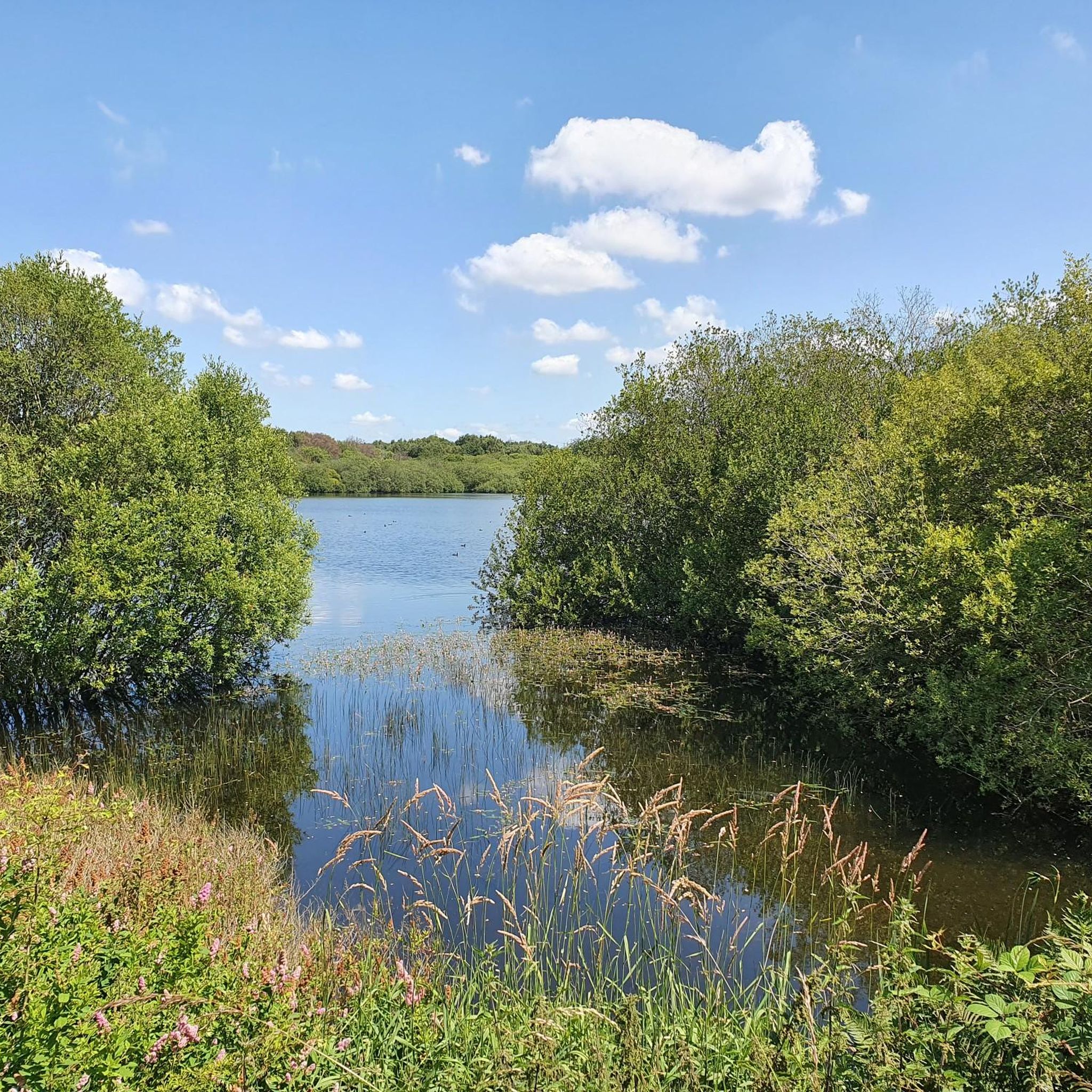
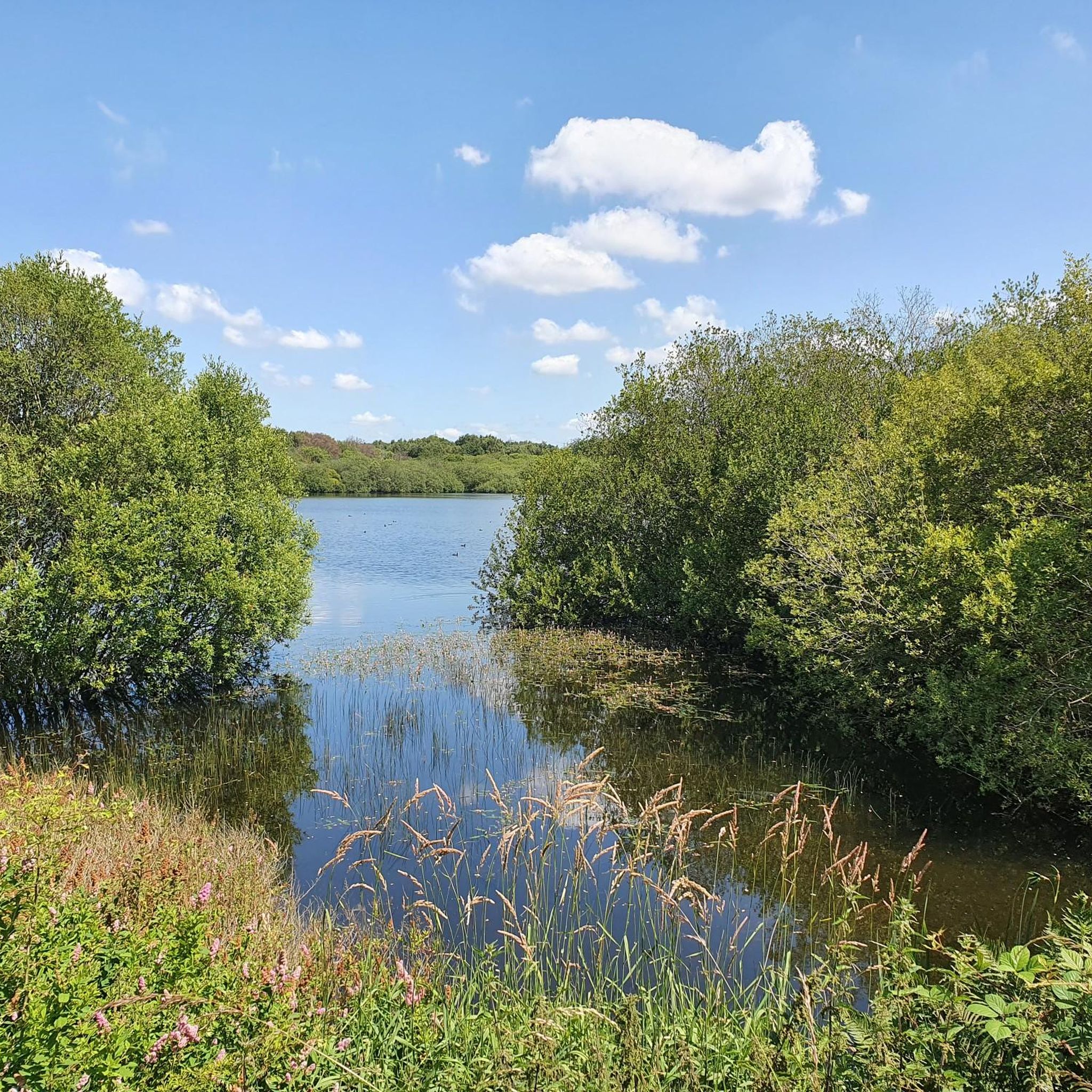
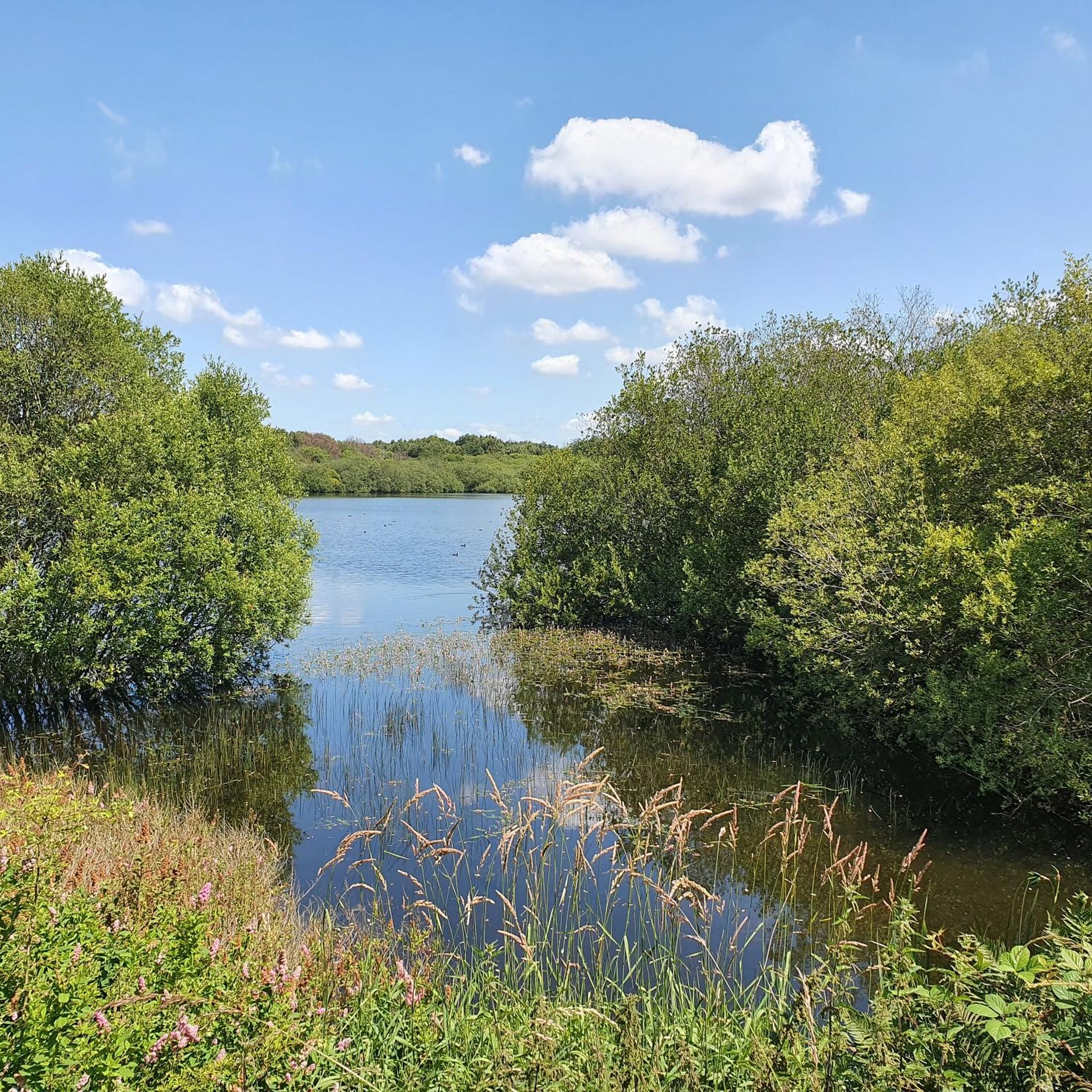
Fairoak Pools
Highlight • Lake
Tip by

Sign up now to discover places like this
Get recommendations on the best single tracks, peaks, & plenty of other exciting outdoor places.
The Butts Trig Point
Highlight • Natural Monument
Tip by

Minster Pool
Highlight • Viewpoint
Tip by
Castle Ring Iron Age Hill Fort
Highlight • Historical Site
Tip by
Sign up for free to discover even more natural monuments around Norton Canes.
Already have an account?
Start today with a free account
Your next adventure awaits.

Tips from the Community

may need to take detours due to festival dismantal or no access to other routes minor issue but amazing walk
0
0


This trig point (200m), the butt of so many jokes can be reached via several converging footpaths, the paths to the south and east offering a steeper route.
1
0

Good free car park to use as a starting point for longer walks
0
0

Minster Pool is a pretty reservoir situated to the south of Lichfield Catherdral. From the banks, you get a lovely view over the water and cathedral. The pool is fed by Leomansley and Trunkfield brooks.
1
0
Castle Ring is an Iron Age hill fort that occupies the highest spot in Cannock Chase. Roughly 2,500 years old, the fort would have been an important settlement in Iron Age Britain and is believed to have been occupied by Celtic tribe, the Cornovii. Castle Ring is listed as a Scheduled Ancient Monument.
2
0
The Glacial Boulder is a chunk of granite which travelled from Scotland to Staffordshire in an ice sheet during the last Ice Age. After being found in a pit in the 1950s, it was hauled atop a nearby hill to be displayed. After several incidents of people rolling the boulder down three different hills, it was finally cemented here. The boulder often makes ‘worst attraction’ lists and has been compared to the Holy Stone of Clonrichert, a fictional relic in the comedy series, Father Ted. It is a popular meeting point for hikers and cyclists, though, and is right next to a convenient car park.
1
0

Minster Pool is a reservoir located between Bird Street and Dam Street in the heart of the city of Lichfield, Staffordshire in the United Kingdom. The pool lies directly south of Lichfield Cathedral and historically has been important to the defence of the Cathedral Close. The pool was originally formed in the 11th century when a boggy stream was dammed at its eastern end to drive a mill on Dam Street. The pool was used as a mill pond and fishery until 1856 when the mill was demolished; it has since been retained for public amenity. It was originally thought that Minster Pool was created in 1310 when, under the orders of Bishop Langton, causeways were built on Bird Street and Dam Street to connect the Cathedral close to the town. However, after dredging works in the 19th century engineers discovered strata of red and white sandstone, which may indicate that the pool formed in the cavity created from quarrying of the sandstone to build the Norman Cathedral in around 1085. According to the Domesday Book, the Bishop had two mills in 1086, one of these is likely to have been on Dam Street and would have involved construction of the dam which would have formed Minster Pool. In 1310 Bishop Langton built a causeway on Bird Street splitting a much larger pool into two, these became known as Bishops Fish Pool on the west and Minster Pool on the east. At this time Langton paved the streets and improved the fortifications to the Close with high stone walls and towers built on the north bank of the pool. Langton is thought to have improved and enlarged the dam at the east end of the pool at this time. The south entrance to the Close was located at the east end of Minster Pool on Dam Street and consisted of a portcullis and drawbridge. The pool proved to be a significant defence during the siege of the Cathedral during the Civil War of 1643-46. The mill on Dam Street was known as Castle mill in the 14th and 15th centuries. In early 14th the mill ground malt only, in 1670 it consisted of a corn mill and a malt mill. It was described as a corn mill in 1696 and in 1716 it had been converted into an oil mill. By 1731 it was a wheat, rye and malt mill and remained in use as corn mill until 1856 when it was demolished by South Staffordshire Waterworks Co. The slow flowing nature of the streams caused a lot of siltation in the pool, this combined with it being used as a sewer for the Close caused it to become dirty. In 1772 the pool was cleaned and landscaped by the Corporation. Poet Anna Seward was instrumental in landscaping the pool into a serpentine shape and developing a ‘New Walk’ along its southern bank. By the mid 19th century it had become dirty again and five feet of mud was dredged in 1855. During these works cannonballs and shells from the Civil War were found in the mud. In 1816-17 Bishop Langtons 14th-century bridge on Bird Street was replaced with the current bridge. The 14th-century bridge was very narrow and could not take coaches across it, causing them to be diverted around Stowe Pool and back onto Beacon Street. The new bridge designed by Joseph Potter, was built of ashlar stone and comprises 3 elliptical arches, a low parapet and iron railings with two pylons surmounted by lamp irons. Parts of Bishop Langtons original Causeway were left below the new bridge. This new bridge could now carry the main road from London to Chester. Causeway bridge is now a Grade II Listed building. In 1857 the South Staffordshire Waterworks Co. proposed to fill in the pool and replace it with a public gardens. This was proposed, as it was undesirable to have an open area of water in the middle of a city, which would be used for domestic supply. This proposal was very unpopular among the citizens and the proposal was amended to retain the pool. Instead a cast iron pipe supported by brick piers was laid along the bed of the pool extending under Dam Street and into Stowe Pool. The pipe would carry water from Leamonsley and Trunkfield Brooks through the Museum Gardens in Beacon Park, under Bird Street through Minster Pool and into Stowe Pool. When water was being conveyed in the opposite direction from Stowe Pool to Sandfields Pumping Station the outflow of the brooks would be turned into Minster Pool from where it would outflow into Stowe Pool. South Staffordshire Waterworks Co. passed ownership of the pool back to Lichfield District Council in 1968 when the water supply from Stowe Pool was no longer needed. The pool remains an important public amenity to the city and memorial gardens have been laid out on both sides of the pool. The Garden of Remembrance was laid out on the north bank in 1920 to commemorate World War I and the small memorial gardens that lie alongside Minster Walk were opened in 1955 in memory of Lichfield citizens that lost their lives in World War II. In 2010, with funding from the Heritage Lottery Fund and Big Lottery Fund the pool underwent restoration works. Works were completed in July 2011 and included dredging the pool, reinforcing the pool's bank with local red sandstone, installing new railings, seats and benches, and creating a new Speakers' Corner adjacent to Dam Street. New trees were also added to the ancient avenue of limes and up-lighters were installed at the base of the trees, creating a beautiful night time vista.
0
0
Frequently Asked Questions
What are some of the most popular natural monuments and areas to visit around Norton Canes?
Beyond the well-known spots, visitors frequently enjoy the panoramic views from The Butts Trig Point. Another favorite is Fairoak Pools, offering a peaceful setting for relaxation. The unique Glacial Boulder, Cannock Chase is also a popular meeting point for hikers and cyclists.
Are there family-friendly natural monuments or parks in the Norton Canes area?
Yes, several natural spots are great for families. Fairoak Pools is a peaceful lake ideal for a family stroll. Lakeside Park and The Mount in Norton Canes offer tranquil settings with well-maintained trails suitable for all ages. Additionally, the Castle Ring Iron Age Hill Fort provides both historical interest and open space for families to explore.
What kind of outdoor activities can I do near the natural monuments around Norton Canes?
The area around Norton Canes, particularly within the Cannock Chase National Landscape, offers extensive opportunities for outdoor activities. You can find numerous trails for walking, running, and cycling. For specific routes, explore the easy hikes around Norton Canes, running trails, or cycling routes available.
Are there any significant geological sites near Norton Canes?
Absolutely. The most notable geological feature is the Glacial Boulder, Cannock Chase, a large granite rock transported from Scotland by an ice sheet during the last Ice Age. The broader Cannock Chase area itself is geologically interesting, primarily underlain by Triassic sandstones and conglomerates.
Where can I go for wildlife spotting near Norton Canes?
Fair Lady Coppice near Heath Hayes is an excellent spot for wildlife, particularly known for its rich array of butterfly species and heathland recreation areas with wetland zones. Cannock Chase National Landscape is home to diverse wildlife, including rare birds like the nightjar and woodlark, and herds of fallow deer. The Cannock Extension Canal is also a Site of Special Scientific Interest (SSSI) due to its population of the protected Floating Water Plantain.
Are there historical sites combined with natural beauty in the area?
Yes, Castle Ring Iron Age Hill Fort on Cannock Chase is a 2,500-year-old ancient monument offering historical insights alongside panoramic views. Additionally, Minster Pool in Lichfield, while a natural water body, has a rich history tied to Lichfield Cathedral and played a role in the Civil War.
What are some lesser-known natural gems or hidden spots around Norton Canes?
While not entirely 'hidden,' Fair Lady Coppice is a reclaimed colliery site that has transformed into a serene natural haven with diverse habitats, including heathland and wetlands. The Cannock Extension Canal, designated an SSSI, is also a unique ecological gem, though perhaps less widely known than the main Cannock Chase attractions.
What is the best time of year to visit the natural monuments and parks?
The mild climate typically allows for year-round outdoor pursuits. Spring and summer offer lush greenery and vibrant wildlife, ideal for walking and spotting butterflies. Autumn brings beautiful foliage to the woodlands of Cannock Chase. Even in winter, many trails remain accessible for those interested in winter hiking, offering a tranquil experience.
Are there any natural areas suitable for dog walking near Norton Canes?
Many of the natural spaces in and around Norton Canes are dog-friendly, particularly the expansive Cannock Chase National Landscape. Lakeside Park, The Mount, and Fair Lady Coppice also welcome dogs, though it's always advisable to check local signage for specific rules regarding leads and waste disposal.
What kind of natural features can I expect to see in the Norton Canes region?
The region boasts a variety of natural features. You'll find elevated heaths, extensive forests, and historic parklands within Cannock Chase. There are also tranquil lakes and pools like Fairoak Pools and Minster Pool. Geological points of interest include the Triassic sandstones and conglomerates underlying the area, and the unique Glacial Boulder.
Are there any natural monuments or parks with good viewpoints?
Yes, several locations offer inspiring views. The Butts Trig Point is specifically noted for its nice views around the area. Castle Ring Iron Age Hill Fort, being on the highest spot in Cannock Chase, also provides excellent vistas across the Midlands. Fairoak Pools and Minster Pool offer picturesque lakeside views.
What do visitors enjoy most about the natural monuments and areas around Norton Canes?
Visitors frequently appreciate the tranquility and scenic beauty of the natural spaces, providing a serene escape. The diverse ecosystems and opportunities for various outdoor activities like walking, running, and cycling are also highly valued. Many enjoy the historical context of sites like Castle Ring and the unique geological story of the Glacial Boulder.
Most popular routes around Norton Canes
Most popular attractions around Norton Canes

Get inspired with the komoot mobile app


Explore more
Extend your search for the best caves by checking out these guides of the top ones around Norton Canes:
