Top 4 Natural Monuments around Tatenhill
Best natural monuments around Tatenhill include diverse natural features and historical sites. The area offers opportunities for outdoor enjoyment, from mature woodlands to restored wetlands and tranquil canal paths. These locations provide varied landscapes for exploration, including significant natural areas and sites of historical interest.
Best natural monuments around Tatenhill
- The most popular natural monuments is Fauld Explosion Crater Memorial, a historical site and natural monument that marks the location of a significant wartime explosion. This site features a…
Last updated: July 14, 2026
National Memorial Arboretum
Highlight • Natural
Tip by

Fauld Explosion Crater Memorial
Highlight • Historical Site
Tip by

Sign up now to discover places like this
Get recommendations on the best single tracks, peaks, & plenty of other exciting outdoor places.
Sign up for free
Diana, Princess of Wales Memorial Woodland
Highlight • Forest
Tip by

Branston Water Park – The Gravs
Highlight (Segment) • Lake
Tip by

Toot Hill Bowl Barrow
Highlight • Natural Monument
Bowl barrows, the most numerous form of round barrow, are funerary monuments dating from the Late Neolithic period to the Late Bronze Age, with most examples belonging …
Tip by

Start today with a free account
Your next adventure awaits.
Login or Signup

Tips from the Community

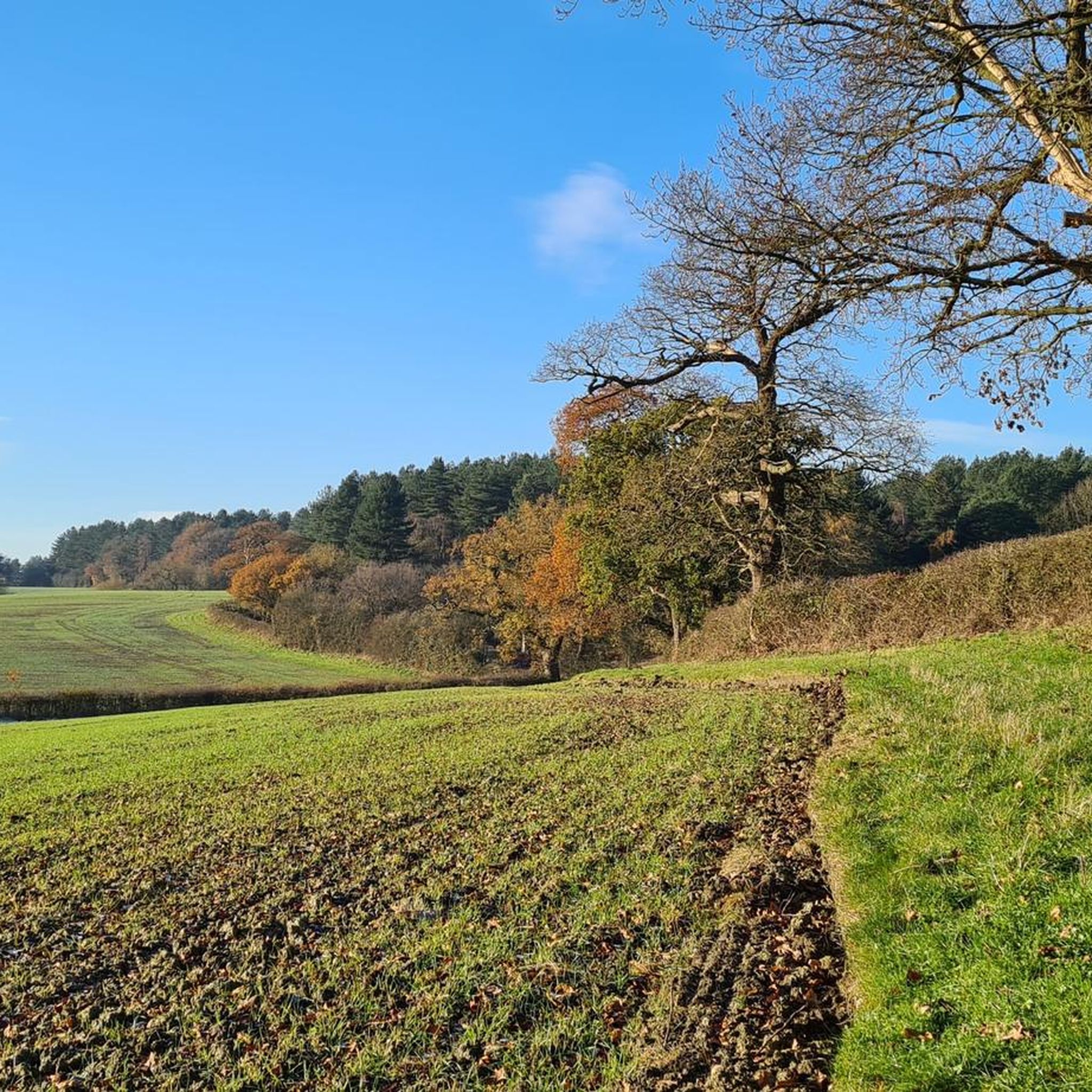
Reasons for Designation Bowl barrows, the most numerous form of round barrow, are funerary monuments dating from the Late Neolithic period to the Late Bronze Age, with most examples belonging to the period 2400-1500 BC. They were constructed as earthen or rubble mounds, sometimes ditched, which covered single or multiple burials. They occur either in isolation or grouped as cemeteries and often acted as a focus for burials in later periods. Despite limited antiquarian investigation the bowl barrow on Toot Hill survives well. This investigation located pottery dating to Prehistoric and Roman periods and confirmed this monument as a rare example in Staffordshire of a bowl barrow re-used in Roman times. Further evidence of interments and grave goods will exist within the mound and upon the old landsurface. The monument includes a bowl barrow located on a hill top on the north-east side of a plateau 150m north of Forest View. It survives as a flat-topped oval earthen mound up to 2.3m high with maximum dimensions of 27.5m by 23m. Limited antiquarian investigation of the barrow located pottery sherds identified as a collared urn and a Roman storage jar, and a number of flint flakes. https://historicengland.org.uk/listing/the-list/list-entry/1008710?section=official-list-entry
0
0

At 11:11 am on 27 November 1944 a huge explosion occurred at the RAF Fauld underground munitions facility. The accident caused over 3,500 tonnes of bomb and ammunition to explode, which resulted in this massive crater. The site is still considered dangerous with possible unexploded ordnance, so please obey the signs and stay on the path.
0
0

A nice place for a walk in the sunshine
0
0

For Covid-19 period, a one way (clockwise) circuit of the lake has been introduced. Please follow the signs
0
0

It is an incredibly wet, boggy area. Even when all the other paths in the surrounding woods are bone dry, this part of the woodlands stays wet and boggy. Boots are needed.
1
0

Built to honour the lives of those who died during conflicts, the National Memorial Arboretum is an interesting place to visit, especially if you are interested in military history. You can learn more about Britain's conflicts at the exhibition galleries or reflect on the tyranny of war at the restaurants, cafe and courtyard garden. The arboretum has over 30,000 trees and 350 memorials. A church service takes place in the Millenium Chapel of Peace every morning at 11am, when the Last Post is played. The arboretum is open from 10am - 4pm. You can find more information here: http://www.thenma.org.uk/
0
0


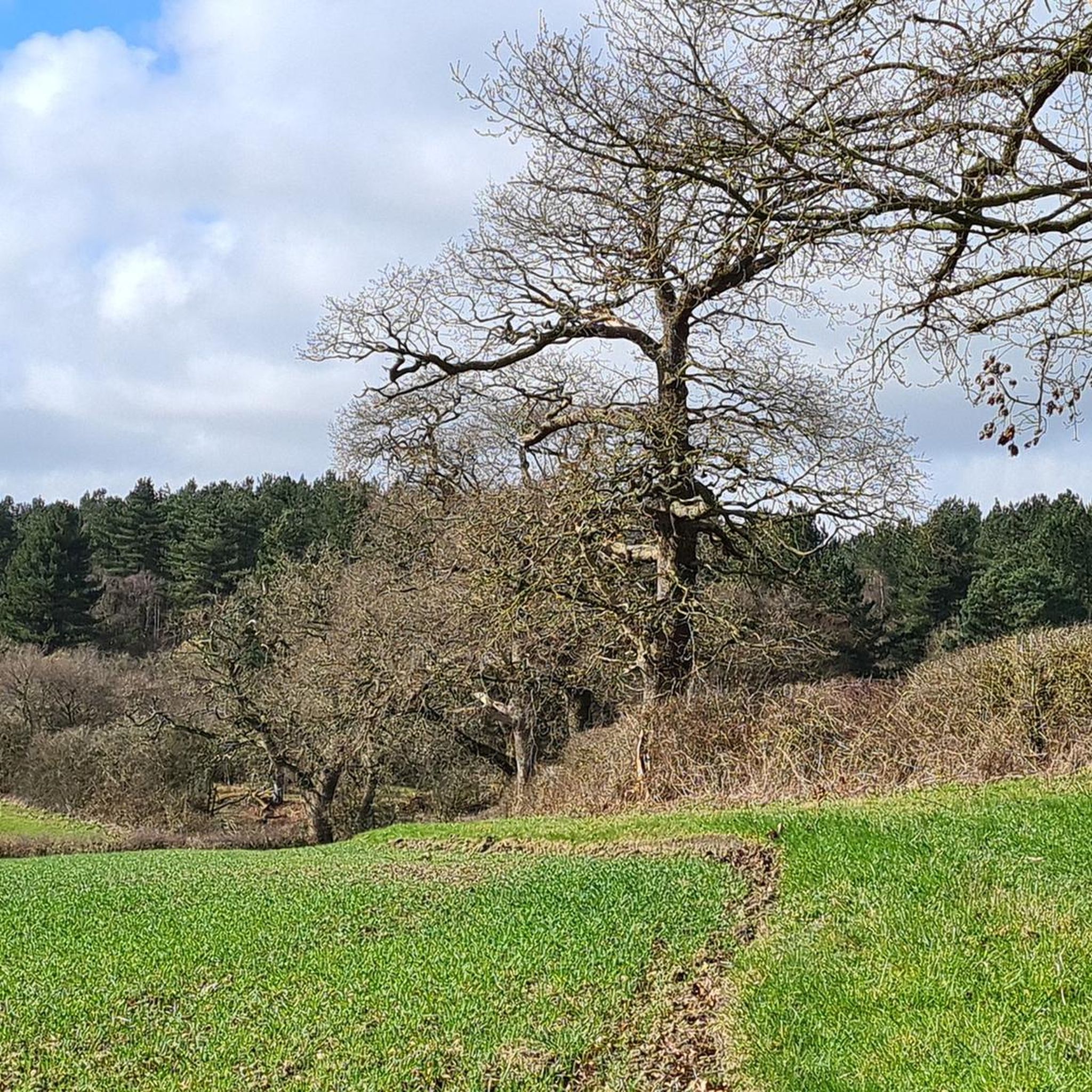
It's woodland. There's footpaths. It links to the Ashby Heritage trail and the National Forest Trail. ... and there's a memorial plaque.
2
0
Frequently Asked Questions
What natural features can I explore around Tatenhill?
The Tatenhill area offers a variety of natural features. You can visit Branston Water Park – The Gravs, which features restored gravel pits with extensive reedbeds, wet woodland, and wildflower meadows, attracting diverse wildlife. Another significant natural area is Battlestead Hill, a mature woodland known for its seasonal wildflowers like primroses and bluebells, and wide-ranging views over the Trent Valley. The Trent & Mersey Canal also provides tranquil waterside scenery and walking routes.
Are there historical natural monuments in the Tatenhill area?
Yes, the region has natural monuments with significant historical context. The Fauld Explosion Crater Memorial marks the site of a massive wartime explosion in 1944, leaving a dramatic crater. Additionally, Toot Hill Bowl Barrow is a prehistoric funerary monument dating from the Late Neolithic to Late Bronze Age, which was also re-used in Roman times.
What kind of terrain can I expect at the natural monuments around Tatenhill?
The terrain varies across the natural monuments. At Battlestead Hill, you'll find grassy paths and woodland trails, some of which can be steep. In contrast, Branston Water Park – The Gravs offers easy, level walks around the water. The Fauld Explosion Crater Memorial involves intermediate to challenging terrain, and visitors are advised to stay on marked paths due to the historical nature of the site.
Are there family-friendly natural monuments around Tatenhill?
Yes, Branston Water Park – The Gravs is considered family-friendly, offering easy, level walks suitable for various fitness levels and a great spot for wildlife observation. The National Memorial Arboretum is also family-friendly, with expansive grounds and memorials to explore.
What outdoor activities can I do near these natural monuments?
You can enjoy various outdoor activities. For running, there are trails like the 'Branston Water Park loop' or 'Tatenhill Village – Branston Water Park loop' which are moderate. Cycling enthusiasts can explore routes such as 'Trent and Mersey Canal Towpath – Fradley Junction loop' or 'Branston Water Park – Sunset View at Barton Marina loop'. You can find more details on these activities in the Running Trails around Tatenhill and Cycling around Tatenhill guides.
Is parking available at the natural monuments?
Parking is available near some natural monuments. For instance, Battlestead Hill has parking available nearby, and public footpaths crisscross the area. For other locations, it's advisable to check specific visitor information before your trip.
What do visitors enjoy most about the natural monuments around Tatenhill?
Visitors appreciate the peaceful settings and opportunities for reflection. The National Memorial Arboretum is noted as a very peaceful place, well worth a visit, especially for those interested in military history. The Diana, Princess of Wales Memorial Woodland is enjoyed for walks, though visitors note it can be wet and boggy.
Are there any natural monuments suitable for birdwatching?
Yes, Branston Water Park – The Gravs, with its extensive reedbeds and varied habitats, attracts a diverse range of birds, butterflies, and other insects, making it an excellent spot for wildlife observation. Blithfield Reservoir, though not directly in Tatenhill, is also a significant natural area designated as a Site of Special Scientific Interest (SSSI) due to its important bird life, ideal for birdwatching.
Can I find woodland areas for walks near Tatenhill?
Absolutely. Battlestead Hill is a mature woodland offering peaceful walks, especially beautiful in spring with its carpet of wildflowers. The Diana, Princess of Wales Memorial Woodland also provides footpaths and links to other trails like the Ashby Heritage trail and the National Forest Trail.
What is the best time to visit the natural monuments around Tatenhill?
Spring is particularly recommended for visiting woodlands like Battlestead Hill, when primroses, bluebells, and violets are in bloom. Generally, the natural monuments offer enjoyable experiences throughout the warmer months for walking and wildlife observation. For specific sites like the National Memorial Arboretum, it is open from 10 am to 4 pm daily.
Are there any natural monuments with expansive views?
Yes, Battlestead Hill is particularly notable for its wide-ranging views over the Trent Valley. Blithfield Reservoir also offers expansive views across the water and surrounding natural landscape from its causeway.
Are there any natural monuments that are part of a larger network of trails?
The Diana, Princess of Wales Memorial Woodland links to the Ashby Heritage Trail and the National Forest Trail, providing opportunities for longer walks and connecting to a broader network of paths.
Most popular attractions around Tatenhill

Get inspired with the komoot mobile app


Explore more
Extend your search for the best caves by checking out these guides of the top ones around Tatenhill:
