Top 5 Natural Monuments around Witton Gilbert
Best natural monuments around Witton Gilbert are found within a village in County Durham, offering a blend of natural havens and scenic walking paths. The area features ancient woodlands, river valleys, and converted railway lines, providing diverse opportunities to experience local natural beauty. These landscapes are characterized by gentle gradients and rich biodiversity, making them suitable for various outdoor activities. Visitors can explore unique natural and man-made features that highlight the region's ecological and historical significance.
Best natural monuments around…
Last updated: July 1, 2026
Causey Arch
Highlight • Natural Monument
Tip by

Brasside Pond
Highlight • Lake
Tip by

Sign up now to discover places like this
Get recommendations on the best single tracks, peaks, & plenty of other exciting outdoor places.
Sign up for free
Stone Spiral, Low Burnhall Woods
Highlight • Viewpoint
Tip by

Tree Carvings on the C2C Cycle Path at Stanley
Highlight • Cycleway
Tip by

Freemen's Beacon Viewpoint, Beacon Hill
Highlight • Natural Monument
Tip by
Start today with a free account
Your next adventure awaits.
Login or Signup

Tips from the Community

It can be zla lovely short varied walk, in nice place, if you pick the right weather & time of year but remember it's popular with dog walkers & the Tanfield railway runs a long the top. This can make for a good day out traveling the line & walking the alley to have a picnic or visit the cafe in the summer.
0
0

This stone spiral at Durham's Low Burnhall Woods marks the turning point of the 2.2-mile (3.2km) Riverside Trail walk.
0
1

The Beacon - a lovely vantage point with great views of Durham Cathedral.
0
0

Perfect if you want to spend a couple of hours surrounded by nature and see some lovely views. Wear comfortable shoes, take some water. I hiked it in shorts but I think you’d be more comfortable wearing longer pants. Enjoy!
1
0

At 94m this little hill just north of central Durham gives great views across the city to the south. You can see the Durham Obelisk in William Wharton Park to your west, or look northeast across the Aykley Heads Nature Reserve. The popular Jubilee Walk loop crosses this point and makes a good run loop close to the city.
0
0
Causey Arch is the oldest surviving single span railway bridge in the world. It was built in 1727 and at the time was also the widest single span bridge. It used to carry the coal trains from a nearby colliery but that's long closed.
2
0

Animal shapes carved from the trees, Nightlight and Gordon, the owls, Rustle, he hedgehog and Hedley, the hare. plus a repainted signpost.
0
0

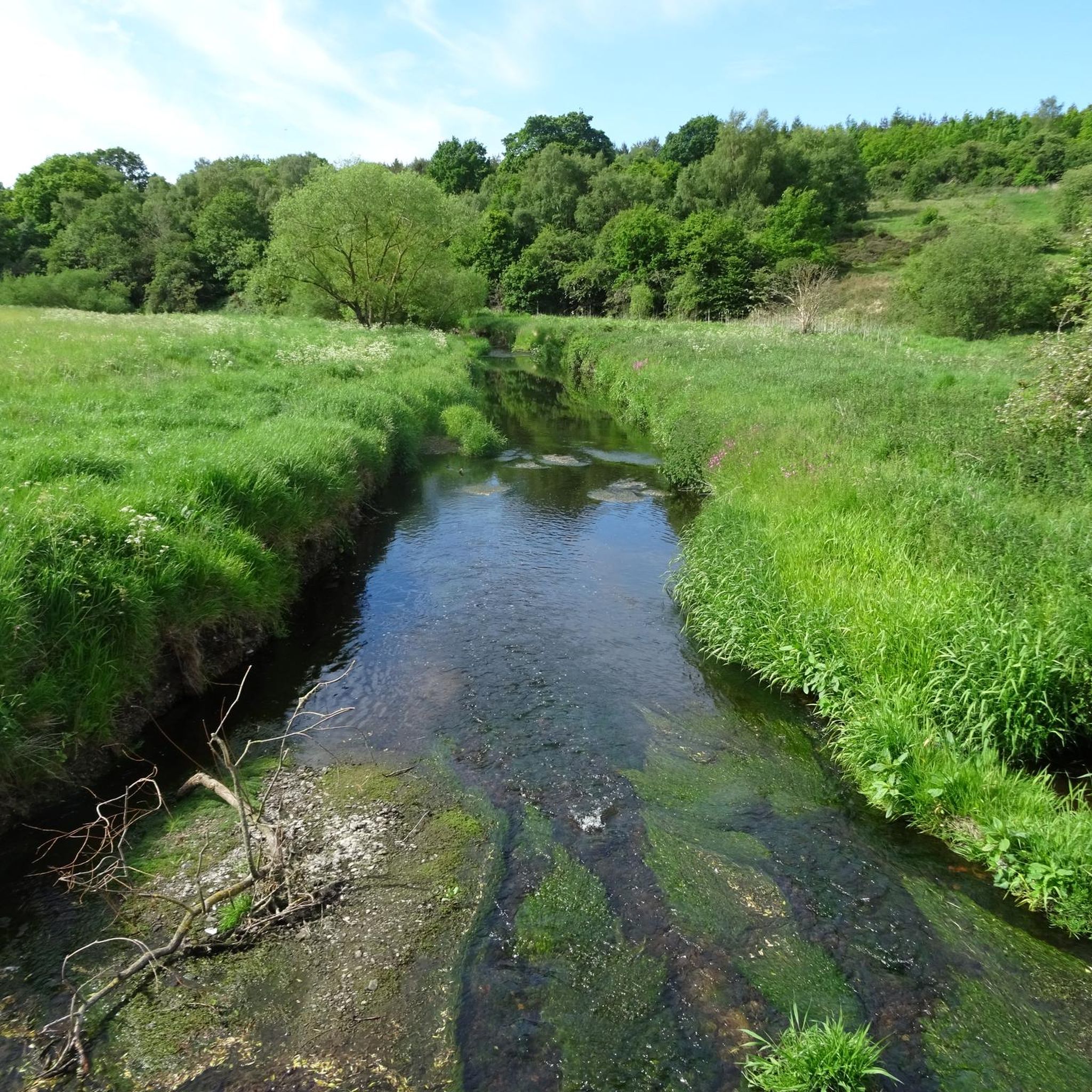
Look above from a tranquil valley to see the oldest surviving single-arch railway viaduct in the world
0
0
Frequently Asked Questions
What kind of natural landscapes can I expect to see around Witton Gilbert?
Witton Gilbert is characterized by diverse natural landscapes, including ancient woodlands, river valleys, and converted railway lines. The area is home to the Witton Dene Local Nature Reserve, a steep-sided, wooded dene with trees flourishing for hundreds of years, and rich biodiversity. You'll also find scenic walking paths along river valleys like the River Wear and River Browney, and former railway lines such as the Lanchester Valley Railway Path.
Are there any natural monuments with historical significance in the area?
Yes, one prominent natural monument with significant historical value is Causey Arch. Built in 1727, it holds the distinction of being the oldest surviving single-span railway bridge in the world, originally used to carry coal trains. It offers a unique blend of natural beauty and industrial heritage.
What are some family-friendly natural monuments or activities around Witton Gilbert?
Several natural monuments and areas are suitable for families. Brasside Pond is a Site of Special Scientific Interest and an important breeding site for wildfowl, offering a chance to observe nature. The Stone Spiral, Low Burnhall Woods, marks a turning point on a pleasant Riverside Trail walk. Additionally, the Tree Carvings on the C2C Cycle Path at Stanley feature delightful animal shapes carved from trees, adding an artistic element to a family outing.
Where can I find good viewpoints to appreciate the natural scenery?
For panoramic views, consider visiting Freemen's Beacon Viewpoint, Beacon Hill. At 94 meters, this spot just north of central Durham provides excellent vistas across the city and towards the Durham Obelisk and Aykley Heads Nature Reserve. The Witton Dene Local Nature Reserve also offers tranquil views of ancient woodland.
What kind of wildlife can I spot in the natural monuments around Witton Gilbert?
The Witton Dene Local Nature Reserve is a vital wildlife oasis. You can spot various bird species, including pheasants, pied wagtails, willow warblers, chiff-chaffs, reed buntings, and yellowhammers. Birds of prey like barn owls, tawny owls, kestrels, and sparrowhawks are present year-round. Field mice and shrews can also be found, and migrating frogs visit the wetlands to spawn in spring. Brasside Pond is particularly noted as an important wildfowl breeding spot.
Are there accessible paths for visitors with limited mobility or wheelchairs?
Yes, Witton Dene Local Nature Reserve offers easily accessible paths, with some sections specifically suitable for wheelchair users. The gentle gradients along converted railway lines, such as parts of the Lanchester Valley Railway Path, also provide more accessible options for enjoying the natural surroundings.
What are the best times of year to visit the natural monuments in Witton Gilbert?
The natural monuments around Witton Gilbert offer beauty throughout the year. Spring is ideal for seeing vibrant flora like primroses, wild daffodils, and bluebells in Witton Dene. Autumn provides rich colours from the ancient woodland. The area's paths are suitable for walking in various seasons, but checking local conditions is always recommended.
What outdoor activities, like hiking or cycling, can I do near these natural monuments?
The region around Witton Gilbert is excellent for outdoor activities. You can explore a network of scenic walking paths and converted railway lines. Popular options include the Lanchester Valley Railway Path and riverside trails. For hiking, routes like the 'Blackberry Bushes Trail – Lanchester Valley Way loop from Witton Gilbert' or the 'Lanchester Valley Path – River Deerness loop from Witton Gilbert' are available. Cyclists can enjoy sections of the C2C Cycle Path. You can find more details on specific routes in the Hiking around Witton Gilbert guide.
Are there any easy hiking trails suitable for beginners near Witton Gilbert's natural monuments?
Yes, there are several easy hiking trails. The 'Blackberry Bushes Trail – Lanchester Valley Way loop from Witton Gilbert' and the 'Lanchester Valley Path – Lanchester Valley Path loop from Witton Gilbert' are both rated as easy. These routes often follow gentle gradients along former railway lines, making them suitable for beginners or those looking for a relaxed walk. More options can be found in the Easy hikes around Witton Gilbert guide.
What do visitors enjoy most about the natural monuments and areas around Witton Gilbert?
Visitors frequently appreciate the tranquil escape offered by places like Witton Dene Local Nature Reserve, perfect for nature lovers and walkers. The historical significance of Causey Arch and the unique artistic touch of the Tree Carvings on the C2C Cycle Path are also highly valued. The overall appeal lies in the blend of natural beauty, historical context, and diverse outdoor recreation opportunities.
Are there any specific resources for more information about Witton Dene Local Nature Reserve?
Yes, for more detailed information about the Witton Dene Local Nature Reserve, including its features and ecological significance, you can refer to resources provided by the local council. A comprehensive PDF guide is available at durham.gov.uk.
Most popular routes around Witton Gilbert
Most popular attractions around Witton Gilbert

Get inspired with the komoot mobile app


Explore more
Extend your search for the best caves by checking out these guides of the top ones around Witton Gilbert:
