Top 10 Natural Monuments around Chatton
Natural monuments around Chatton, a village in Northumberland, England, are characterized by a landscape rich in both natural beauty and ancient history. The region offers diverse geological formations and sites of early human presence, providing insights into its past. These natural landmarks often feature prehistoric rock art, significant caves, and prominent hill formations, making the area notable for its blend of natural and historical interest. Visitors can explore a variety of natural features that showcase the geological and cultural heritage…
Last updated: July 1, 2026
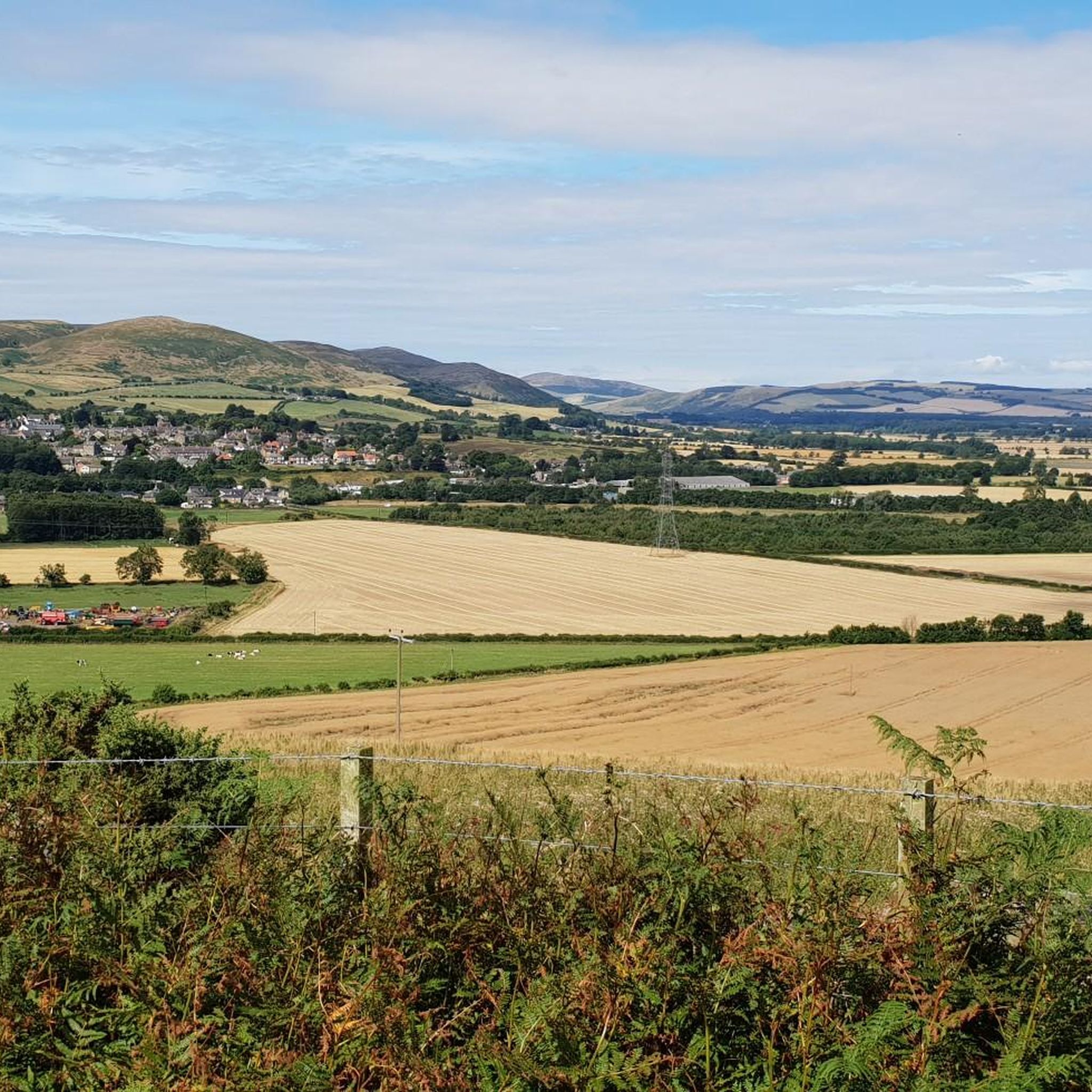
Ros Castle Hill Fort
Highlight • Viewpoint
Tip by

Holy Island (Lindisfarne)
Highlight • Historical Site
Tip by

Sign up now to discover places like this
Get recommendations on the best single tracks, peaks, & plenty of other exciting outdoor places.
Sign up for free
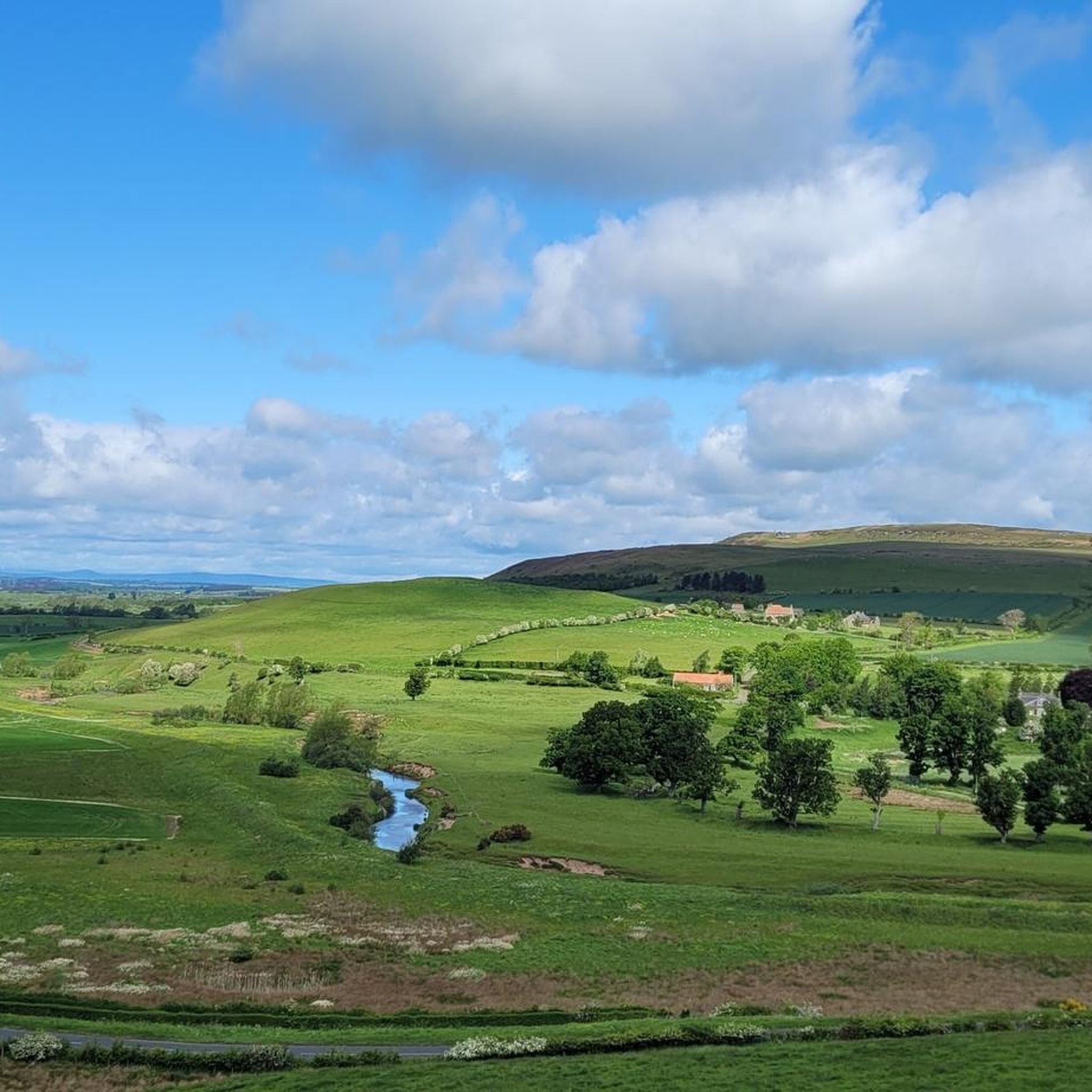
Budle Bay
Highlight • Viewpoint
Tip by

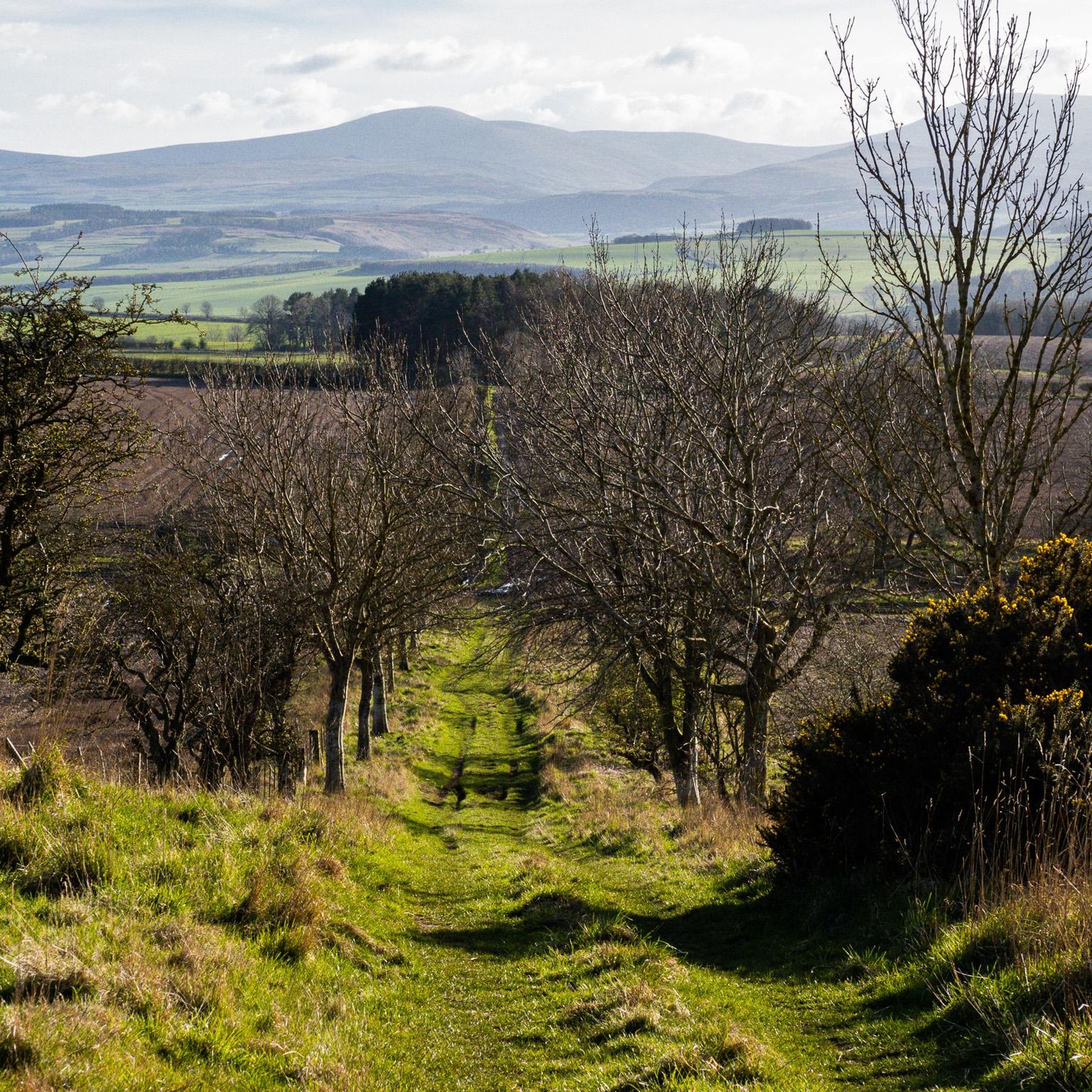
St Cuthbert's Cave
Highlight • Cave
Tip by

View of Bamburgh Lighthouse and Harkess Rocks
Highlight • Viewpoint
Tip by

Sign up for free to discover even more natural monuments around Chatton.
Sign up for free
Already have an account?
Start today with a free account
Your next adventure awaits.
Login or Signup
Tips from the Community

Ros Castle (Ros Hill) 316m P221 (1037ft) (DoBIH Hill ID: 2317) [JNSA 12818] County of Northumberland Definitive List summit.
0
0


Make sure you stay on the main path else it's easy to miss it
0
0

amazing experince, when you need to check tides time before any trip
1
0

This charming Lighthouse was built by Trinity House in 1910 to guide shipping along the Northumberland coast and in the waters around the Farne Islands.
0
0

Harkess rocks consists of dolerite rock flats to the south, and the more dramatic layers of Harkess gut where the stag painting is found.
0
0
Budle Bay is a square-shaped bay extending 1 mile wide along the North Sea coast of Northumberland, England. Positioned between Bamburgh and Lindisfarne, it features Budle Point on the eastern end. The bay is notable for its association with Bamburgh Castle Golf Club, the Northumberland Coast Path, and St Oswald's Way. Waren Burn and Ross Low are streams that converge into the bay, forming Budle Water as they flow eastward. The area is part of the Lindisfarne National Nature Reserve and is significant in geological conservation. The bay's geological composition includes limestone, Alston Formation rocks, and the quartz-microgabbro of the Whin Sill. Blown sand deposits shape the landscape, with Ross Links on one side. Historically, Budle Bay had a seaport named Waren, which operated until the early 20th century.
1
0
Bamburgh Lighthouse, also known as Black Rocks Point Lighthouse, was constructed by Trinity House in 1910 to guide ships along the Northumberland coast and around the Farne Islands. It underwent significant modernization in 1975 and is now managed from the Trinity House Operations and Planning Centre. Routine upkeep is performed by a local attendant. This lighthouse is England's northernmost land-based one, with a white building and black lantern. Originally, it had a lamp on a skeletal steel tower, later replaced by a lantern atop the acetylene building, which was also connected to mains electricity. The light has a characteristic pattern of two eclipses every 15 seconds, and it has a range of 14 nautical miles for white light and 11 nautical miles for red and green lights.
1
0
Frequently Asked Questions
What unique natural monuments can I explore around Chatton?
Chatton is particularly known for its prehistoric rock art sites, such as Ketley Crag and Chatton Park Hill, which feature ancient 'cup and ring' marks. You can also visit St Cuthbert's Cave, a striking sandstone formation with historical significance, or experience the vast landscapes of the Cheviot Hills.
Which natural monuments offer the best panoramic views?
For breathtaking panoramic views, consider visiting Ros Castle Hill Fort, which offers extensive vistas from its 315m summit. The prehistoric rock art sites like Ketley Crag also provide stunning views of the Northumberland countryside, including the Cheviot Hills. Additionally, View of Bamburgh Lighthouse and Harkess Rocks offers coastal views.
Are there family-friendly natural monuments or walks suitable for dogs?
Yes, several natural monuments are suitable for families and dogs. Holy Island (Lindisfarne) and Budle Bay are both listed as family-friendly and offer coastal walks. Many of the walking routes around natural monuments are also dog-friendly, though it's always advisable to keep dogs on a lead, especially near wildlife or livestock.
What kind of hiking trails can I find near Chatton's natural monuments?
You'll find a variety of hiking trails. For moderate hikes, consider routes like 'St Cuthberts Cave & Greensheen Hill loop' or 'View of The Cheviot – St Cuthbert's Cave loop'. If you prefer easier walks, there are options such as 'St Cuthbert's Cave loop from Fenwick' or 'Ros Castle loop from Ros Castle'. You can find more details on these and other routes in the Hiking around Chatton guide and the Easy hikes around Chatton guide.
When is the best time of year to visit the natural monuments around Chatton?
The spring and summer months (April to September) generally offer the most pleasant weather for exploring the natural monuments and enjoying outdoor activities. However, the autumn can also be beautiful with changing foliage, and winter offers a stark, dramatic landscape, though some paths may be muddy or icy.
Are there any natural monuments with significant historical or archaeological importance?
Absolutely. Chatton is rich in historical natural monuments. The prehistoric rock art sites, such as Ketley Crag, date back to the Neolithic and early Bronze Age, offering insights into ancient communities. St Cuthbert's Cave is historically significant as a reputed refuge for monks carrying St Cuthbert's body. Ros Castle Hill Fort is a 3000-year-old Iron Age site.
What unique wildlife experiences can I have near Chatton's natural monuments?
A truly unique wildlife experience can be found at Chillingham Wild Cattle Park, located on the outskirts of Chatton. It is home to the world's only herd of wild cattle, offering a rare opportunity to observe these ancient, untamed animals in their natural habitat. Access is typically with a warden.
Can I find mountain biking trails near these natural monuments?
Yes, there are mountain biking opportunities in the wider Chatton area. You can explore trails like 'The Cheviot Summit & Ingram from Langleeford' for a challenging ride, or 'Coldgate Mill Bridge – Earl Whin Descent loop'. More options are available in the MTB Trails around Chatton guide.
What do visitors enjoy most about the natural monuments around Chatton?
Visitors frequently highlight the stunning views, the sense of history, and the peaceful atmosphere. For instance, Ros Castle Hill Fort is praised for its 'amazing views from the top on a clear day'. The unique blend of natural beauty and ancient heritage, like the rock art sites, also makes for a memorable experience.
Are there any coastal natural monuments near Chatton?
Yes, the region offers beautiful coastal natural monuments. Holy Island (Lindisfarne) is a prominent historical site, beach, and viewpoint. Budle Bay is another notable coastal natural monument, part of the Lindisfarne National Nature Reserve, known for its scenic views and geological significance.
What should I wear when visiting natural monuments in Chatton?
Given the varied terrain and often exposed locations of these natural monuments, it's advisable to wear sturdy walking shoes or boots. Layered clothing is recommended to adapt to changing weather conditions, and waterproofs are always a good idea, especially when exploring the Cheviot Hills or coastal areas.
Are there any hidden or less-known natural monuments worth discovering?
While not 'hidden' in the sense of being secret, the numerous prehistoric rock art sites scattered across the landscape, such as those at Buttony Wood and Weetwood Moor, offer a sense of discovery. These ancient carvings on natural rock outcrops provide a unique glimpse into the past and are often found amidst scenic walking routes.
Most popular attractions around Chatton

Get inspired with the komoot mobile app


Explore more
Extend your search for the best caves by checking out these guides of the top ones around Chatton:
