Top 8 Natural Monuments around Rennington
Best natural monuments around Rennington are characterized by their coastal features and unique geological formations. This area in Northumberland, UK, offers a diverse landscape ranging from beaches to limestone escarpments. Visitors can explore a variety of natural sites that showcase the region's geological history and scenic beauty.
Best natural monuments around Rennington
- The most popular natural monuments is Low Newton Beach, a beach that offers walks along the coast or through a nature reserve. It is known for its…
Last updated: July 1, 2026
Low Newton Beach
Highlight • Beach
Tip by

Long Heugh Limestone Escarpment
Highlight • Natural Monument
Tip by

Sign up now to discover places like this
Get recommendations on the best single tracks, peaks, & plenty of other exciting outdoor places.
Sign up for free
Greymare Rock
Highlight • Natural Monument
Comprised of a series of limestone beds extending into the …
Tip by

Howick Haven Rock Formations
Highlight • Viewpoint
Tip by
Howick Hall Gardens & Arboretum
Highlight • Historical Site
Tip by
Sign up for free to discover even more natural monuments around Rennington.
Sign up for free
Already have an account?
Start today with a free account
Your next adventure awaits.
Login or Signup


Tips from the Community

Howick Hall, a Grade II listed building in the village of Howick, Northumberland, England, is the ancestral seat of the Earls Grey. It was the home of the Prime Minister Charles, 2nd Earl Grey (1764–1845), after whom Earl Grey tea is named. Howick Hall is the location of the Howick Hall Gardens & Arboretum
0
0

In the mid-13th century, Newton-by-the-Sea was part of the barony of Vesci, initially held by John Viscount for one knight's fee. Ownership passed through notable figures including Simon de Montfort and Edmund of Lancaster. By 1725, it became part of the Barony of Embleton and saw ownership by the Forster family, who built Newton Hall in the late 18th century for Joseph Forster. Low Newton, or Newton Seahouses, emerged in the early 19th century as a community for fishermen. The National Trust now manages some of these cottages, as well as the Coastguard Station, built around 1828. In the 19th century, Newton-by-the-Sea had around 250 residents. By 1895, it was a township of 1,211 acres with a population of 220. Today, the parish has about 135 dwellings, home to a mix of residents, holiday homeowners, and visitors. Many residents commute to nearby towns or Newcastle. The National Trust owns much of the coastal land and part of The Square at Low Newton.
0
0

The rocks on the North side of the haven reveal distinct layers of pale and black rock, formed in calm estuarine conditions. The black rock, made of shale or mudstone, settled in slow-moving water, while the paler rock, composed of fine-grained sandstone or siltstone, formed in slightly faster currents. Keep an eye out for remnants of a marine sandbank and a thin coal seam, offering glimpses into the area's past. As you continue, notice the tabular crossbedding in the sandstone, resembling patterns formed by flowing water around obstacles. These layers showcase the dynamic forces that have shaped this remarkable landscape. On the South side, a similar sequence can be observed, sans the coal. The sandstones, with their warm yellow to brown colors, owe their hues to ferric hydroxide, adding a touch of vibrancy to the scenery. Pay attention to the subtle differences in the rock layers' orientation. The varying strikes—around 50 degrees on the North side and 30 degrees on the South side—hint at a fault's presence, influencing the land and guiding the path of the Howick burn.
1
0
Discover Howick Hall Gardens & Arboretum, the historic residence of the Earls Grey since 1319. Learn about the fascinating life of the 2nd Earl, the inspiration behind the famous Earl Grey Tea. Explore the stunning gardens created by the 5th Earl Grey and his family, or venture into the expansive arboretum spanning 65 acres, showcasing a diverse collection of shrubs and trees from around the world. When you need a break, visit the Earl Grey Tea House for a delicious meal and a cup of Earl Grey Tea.
1
0

Strange formation of rock that looks bent and man made but it is natural
1
0
Just north of Dunstanburgh Castle, you'll find Greymare or Saddle Rock, a fascinating geological feature situated in a rocky bay. Comprised of a series of limestone beds extending into the sea amidst dolerite boulders, the rock's upper surface showcases a polished appearance due to wave action. This unique formation boasts a twisted, wave-like shape resulting from the heat and pressure generated during the creation of the nearby Whin Sill. Approximately 300 million years ago, a significant geological event occurred here, known as a Sill, where a horizontal sheet of magma, resembling a volcano's sideways flow, forcefully infiltrated between existing layers of rock strata. As you gaze upon the exposed rock, shaped like a wave, you may envision the grey mares or white horses described in folk tales, believed to gallop alongside breaking ocean waves or accompany the ancient pagan gods of the sea.
1
0
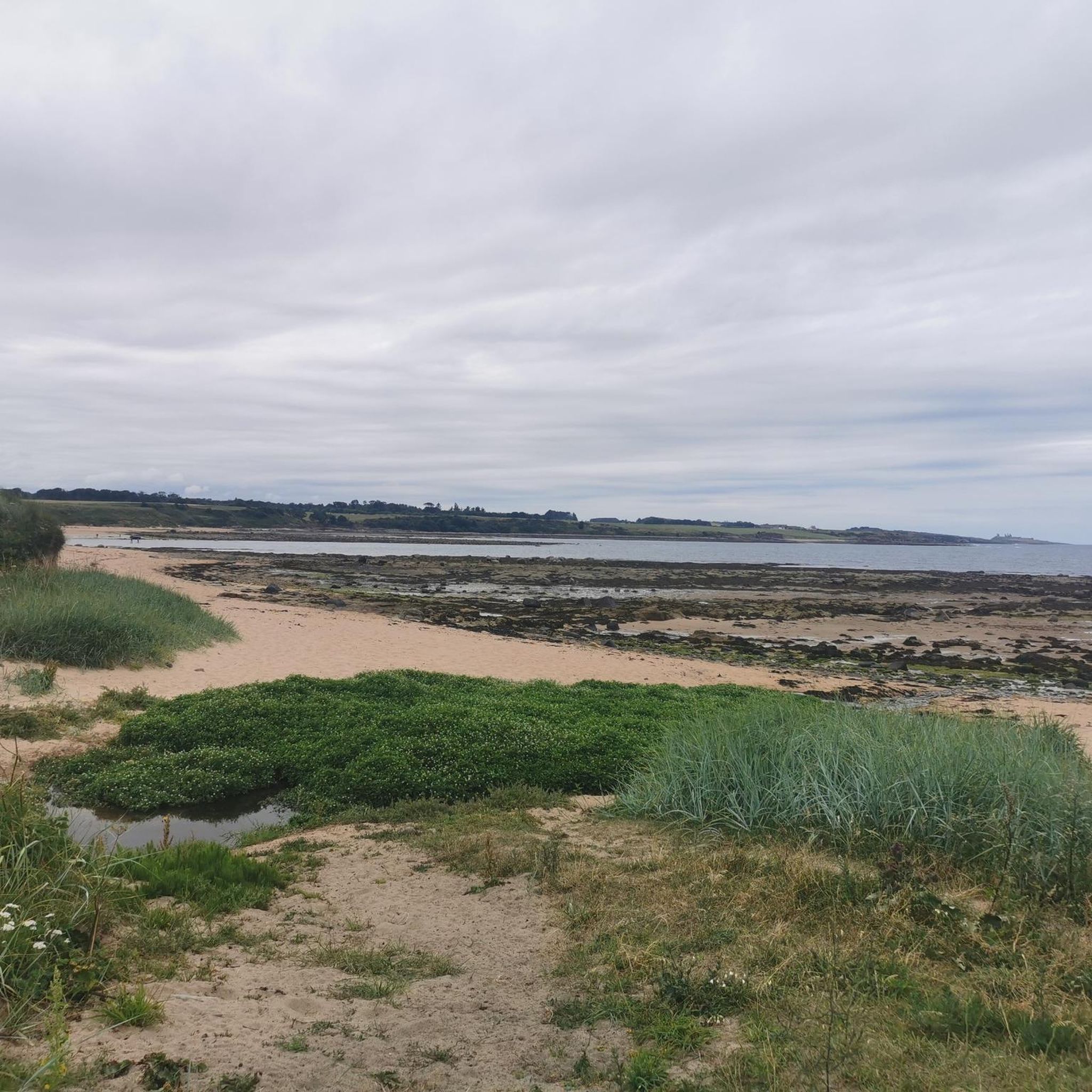
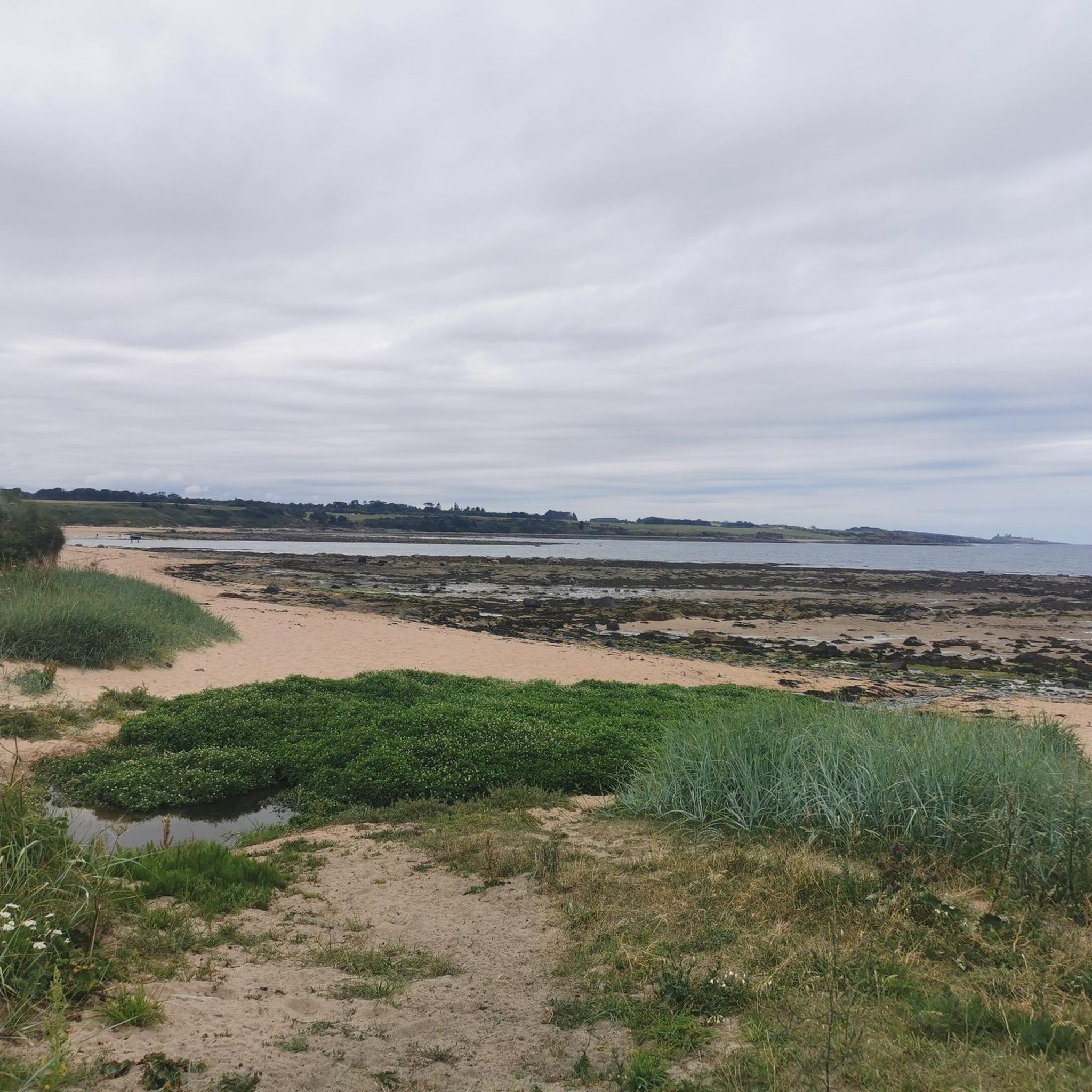
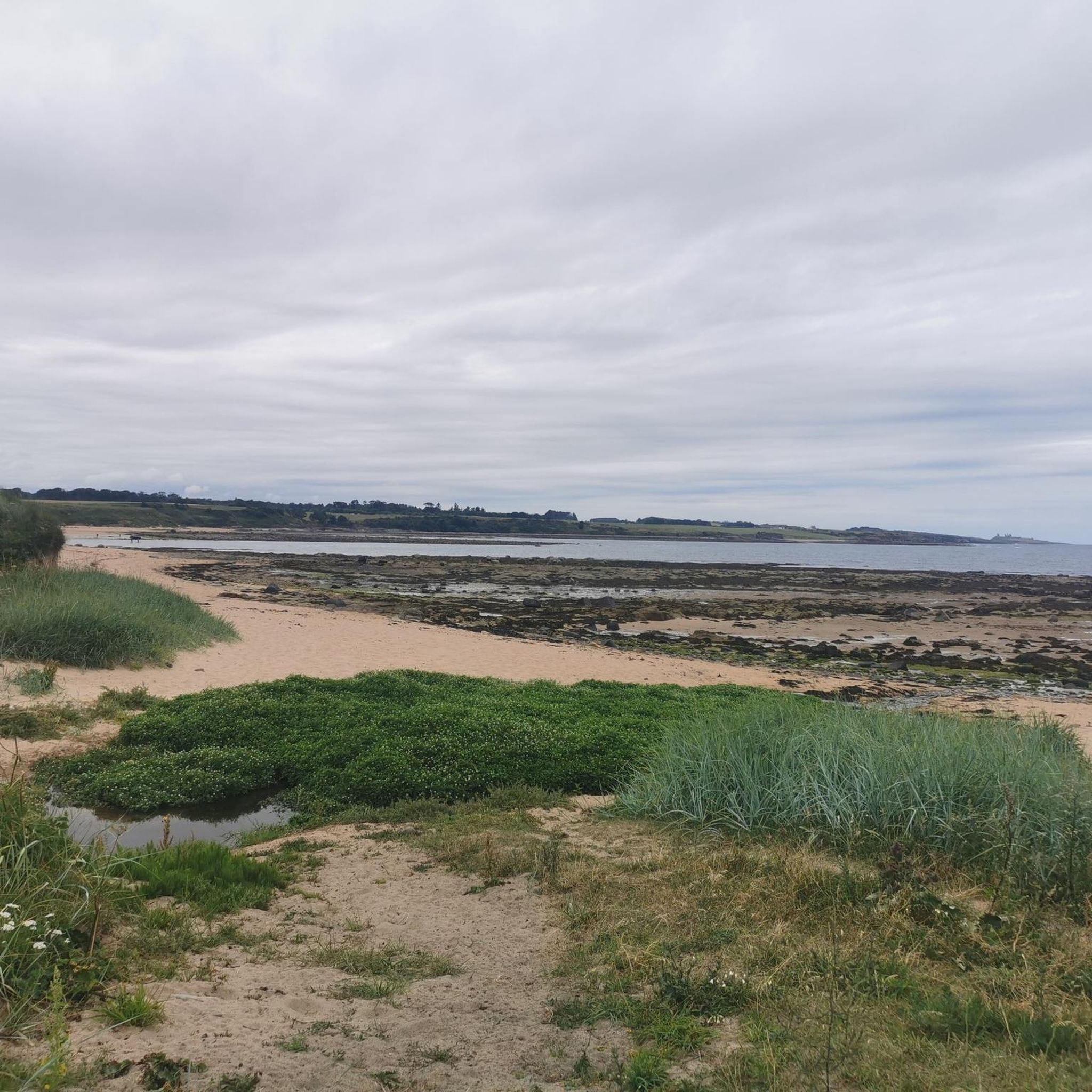
Lovely little village and beach which you can walk either on the beach to Embleton or through the nature reserve.
1
0
Frequently Asked Questions
What types of natural monuments can I expect to see around Rennington?
The natural monuments around Rennington are primarily characterized by their coastal features and unique geological formations. You'll find diverse landscapes including beautiful beaches like Low Newton Beach, impressive limestone escarpments such as Long Heugh Limestone Escarpment, and distinctive rock formations like Greymare Rock, which showcases a twisted, wave-like shape from ancient geological processes.
Are there any family-friendly natural monuments in the Rennington area?
Yes, Low Newton Beach is a great family-friendly option. It offers pleasant walks along the coast and through a nature reserve, with a charming village setting. Additionally, Howick Hall Gardens & Arboretum, while also a historical site, is categorized as family-friendly and offers expansive gardens and an arboretum to explore.
What kind of hiking trails are available near Rennington's natural monuments?
You'll find a variety of hiking trails near Rennington's natural monuments. For example, you can enjoy an easy Dunstanburgh Castle loop from Craster, or a more moderate Dunstanburgh Castle and Howick Hall loop from Craster. Some coastal paths, like those near Long Heugh Limestone Escarpment, can be muddy after rain, so appropriate footwear is recommended.
Are there options for cycling near the natural monuments?
Absolutely. The Rennington area offers several cycling routes. You can find road cycling routes like the 'Eleanor's Byre – Seahouses Harbour and Beach loop' or the 'Rennington Village Green – Ros Castle loop'. For touring, there are cycling routes such as the 'View of Dunstanburgh Castle – Craster Harbour loop' which is an easy option.
What are some notable geological features or viewpoints to explore?
Beyond the popular spots, you can explore the unique Howick Haven Rock Formations. Here, you'll see distinct layers of pale and black rock, remnants of a marine sandbank, and even a thin coal seam, all telling a story of ancient estuarine conditions and dynamic geological forces. The varying strikes in the rock layers also hint at the presence of a fault.
What is the best time of year to visit the natural monuments around Rennington?
The natural monuments around Rennington, particularly the coastal ones, can be enjoyed year-round. However, for the most pleasant walking and cycling conditions, spring and summer offer milder weather. Autumn can also be beautiful with changing colors. Be aware that coastal paths can become muddy after rain, especially in wetter seasons.
Are there cafes or pubs near the natural monuments for refreshments?
Yes, several natural monuments are close to amenities. For instance, Low Newton Beach is part of a village where you can find places to try local ales and enjoy light lunches like crab salads or kipper pate. Howick Hall Gardens & Arboretum also has the Earl Grey Tea House for meals and refreshments.
What are the parking options for visiting Rennington's natural monuments?
Parking availability varies by specific natural monument. For popular coastal areas and attractions like Low Newton Beach or near Dunstanburgh Castle (close to Greymare Rock), you will typically find designated parking areas, though they might be paid or have limited spaces during peak times. It's advisable to check specific location details before your visit.
Can I bring my dog to the natural monuments near Rennington?
Many natural areas and coastal paths around Rennington are dog-friendly, allowing you to enjoy walks with your canine companion. However, specific rules may apply in certain nature reserves, on beaches during peak seasons, or within private estates like Howick Hall Gardens & Arboretum. Always look for local signage regarding dog access and keep dogs on a lead where livestock are present, such as near Long Heugh Limestone Escarpment.
Do I need any permits to visit the natural monuments around Rennington?
Generally, you do not need permits for casual visits to most natural monuments and public access areas around Rennington, such as beaches or coastal paths. However, if you plan to visit specific attractions like Howick Hall Gardens & Arboretum, there will be an admission fee. Always check the official websites of specific sites for any entry requirements or fees.
What kind of wildlife might I encounter near Rennington's natural monuments?
The coastal and countryside settings around Rennington offer opportunities to spot various wildlife. Along the coast, you might see seabirds, and in the fields surrounding areas like Long Heugh Limestone Escarpment, you'll often find grazing sheep. The nature reserve near Low Newton Beach is also a good spot for birdwatching.
Are there any opportunities for wild swimming near Rennington's natural monuments?
The Northumberland coast, including areas near Rennington's natural monuments like Low Newton Beach and Howick Haven Rock Formations, offers opportunities for wild swimming in the North Sea. Always exercise caution, be aware of tides and currents, and check local conditions before entering the water. It's best to swim at designated safe spots or with local knowledge.
Most popular attractions around Rennington

Get inspired with the komoot mobile app


Explore more
Extend your search for the best caves by checking out these guides of the top ones around Rennington:
