Top 7 Natural Monuments around Chelmarsh
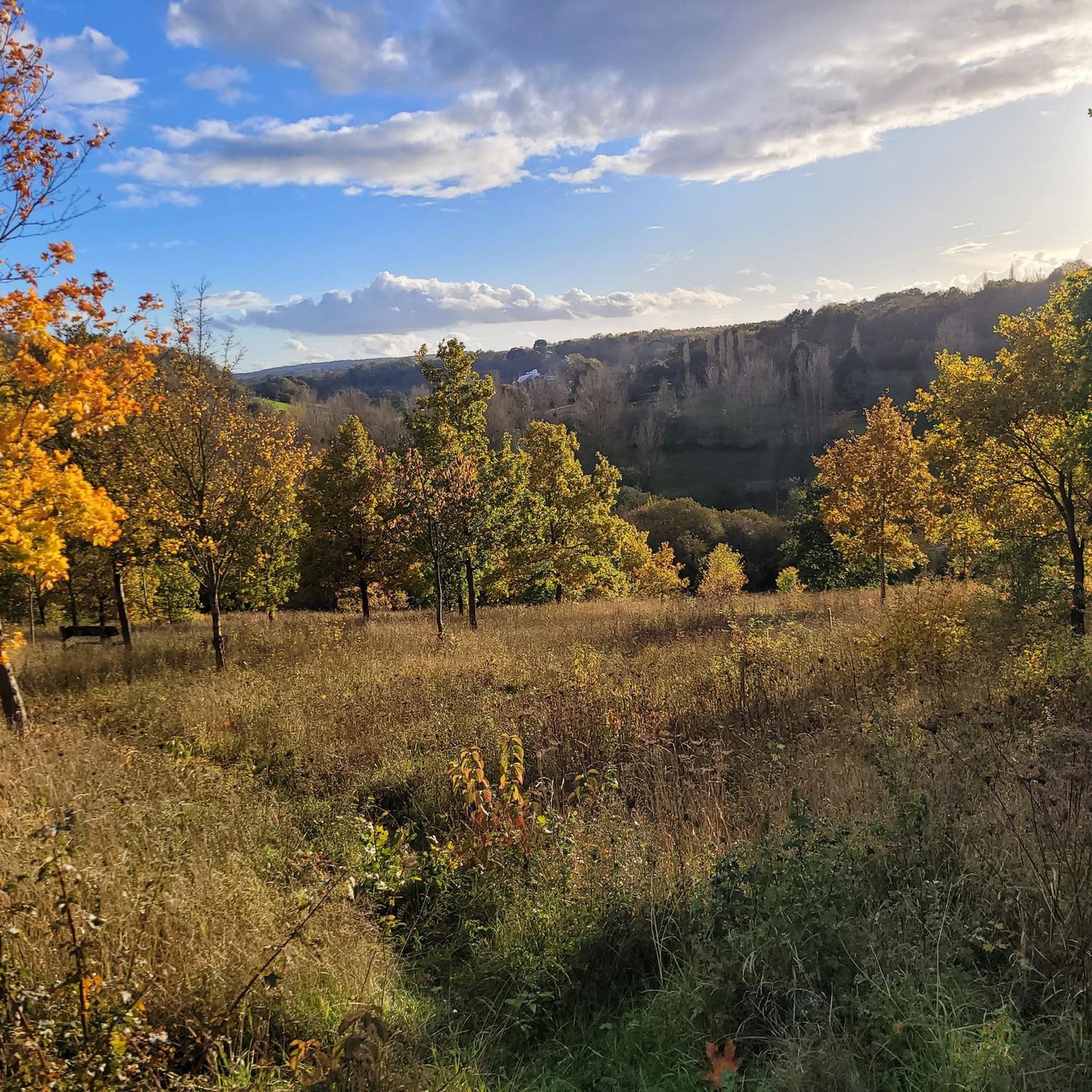
Best natural monuments around Chelmarsh feature a varied landscape, primarily influenced by the River Severn and its associated natural attractions. The area offers significant natural beauty, including a large reservoir, extensive woodlands, and unique sandstone formations. These features provide diverse habitats and opportunities for experiencing the local environment.
Best natural monuments around Chelmarsh
- The most popular natural monuments is Kinver Edge Toposcope and Viewpoint, a viewpoint that offers expansive vistas. From this 164-meter high point, visitors can see the…
Last updated: July 1, 2026
Kinver Edge
Highlight • Historical Site
Tip by

Worcestershire Natural Flood Management Project – Leaky Dams in Wyre Forest
Highlight • Natural Monument
The aim of this project is to reduce flooding in
the Dowles Brook catchment, by implementing at large number of …
Tip by

Sign up now to discover places like this
Get recommendations on the best single tracks, peaks, & plenty of other exciting outdoor places.
Sign up for free
Ruskin Land
Highlight • Forest
Tip by
Kinver Edge Toposcope and Viewpoint
Highlight • Monument
Tip by

Holly Austin Rock Houses
Highlight • Natural Monument
Tip by

Sign up for free to discover even more natural monuments around Chelmarsh.
Sign up for free
Already have an account?
Start today with a free account
Your next adventure awaits.
Login or Signup

Tips from the Community

The Wyre Forest Beaver enclosure is worth stopping at. Can't guarantee to see any but you never know 😁
0
0


The toposcope got a refresh a few years back with a granite replica of the original Welsh slate top that had weathered back. Now you can clearly work out where you are in relation to New York again! New York is a bit too far off on the horizon, but with the vantage that the 164m high point affords you, you will be treated to views of the Clent Hills, Shatterford Hill, Dudley, Wenlock Edge, Malvern Hills and the Shropshire Hills.
1
0

Worcestershire Natural Flood Management (NFM) Project in the Wyre Forest. The aim of this project is to reduce flooding in the Dowles Brook catchment, by implementing at large number of small scale, natural interventions in upstream areas to help slow the flow of water and hold it back during times of high flows. These measures involve working on the tributaries of the Dowles Brook and could include things such as planting hedges, creating wetland areas. attenuation ponds, leaky dams, soll aeration and other land management techniques The intention is to slow the flood peak on the Dowdes so it does not coincide with the flood peak on the River Severn at Bewdley. Water moving at speed through the landscape is incredibly destructive and leads to erosion, soil loss and widespread damage, therefore slowing down the water has a wealth of positive impacts. It is the intention that many more features will be installed over the riext few years with the aim of slowing the flow throughout the catchment. If you would like more information, or are a landowner who is keen to get involved. please contact the NFM Project Officer al Worcestershire County Council. www.worcestershire.gov.uk/NFM Natural Flood Management - Leaky Dams Trees are sourced from the immediate stream side and used to build a lattice. Over time, especially in high flow, smaller woody debris accumulates naturally, and this increases the effectiveness of the leaky dam. The dars are wedged behind living tree stumps to prevent them moving or floating away, over time they bed in and naturalise as part of the landscape. Leaky dams work with nature, providing a food source and habitat for wildlife. This timber lattice allows wildlife, such as fish, to move freely upstream and downstream. Leaky dams are constructed to allow free passage of water in normal flows, and only hold water back when required during high rainfall. The backed up water is pushed out of the channel into appropriate sites upstream where silts are deposited. A single structure has little impact, but a series of leaky dams at various locations can help reduce the risk of flooding downstream. Felling by the river bank allows more sunlight to reach the watercourse and its banks. This leads to the growth of marginal vegetation, creating further food sources and habitats for wildlife.
0
0
This area of the Wyre Forest Site of Special Scientific Interest belongs to John Ruskin's charity, the Guild of St George and is managed by the Wyre Community Land Trust. We are managing this area to support a mixture of high forest and heathland, which are valuable habitats for bats, birds and other species. In large areas of the woodland, the trees. are relatively young, and mainly comprise oak with bracken and bramble. This lack of diversity is a result of changes in woodland management following World War 1. when much of the woodland was no longer coppiced because of a collapse in the charcoal industry. In order to improve the habitat diversity, some trees have been removed to give those remaining more space to grow into large mature trees. The trees that are felled are extracted and processed at the Wyre Community land Trust's woodyard and sawmill at St George's Farm and used to make a variety of timber products and firewood. Volunteers have helped plant trees to ensure the forest has a diverse mixture of tree species that is more resilient to pests, disease and the effects of climate change.
0
0

Nice place to rest and look where you are in relation to New York for example. Yes it shows where New York is. Nice table top for lunch!
0
0
Frequently Asked Questions
What unique natural features can I explore near Chelmarsh?
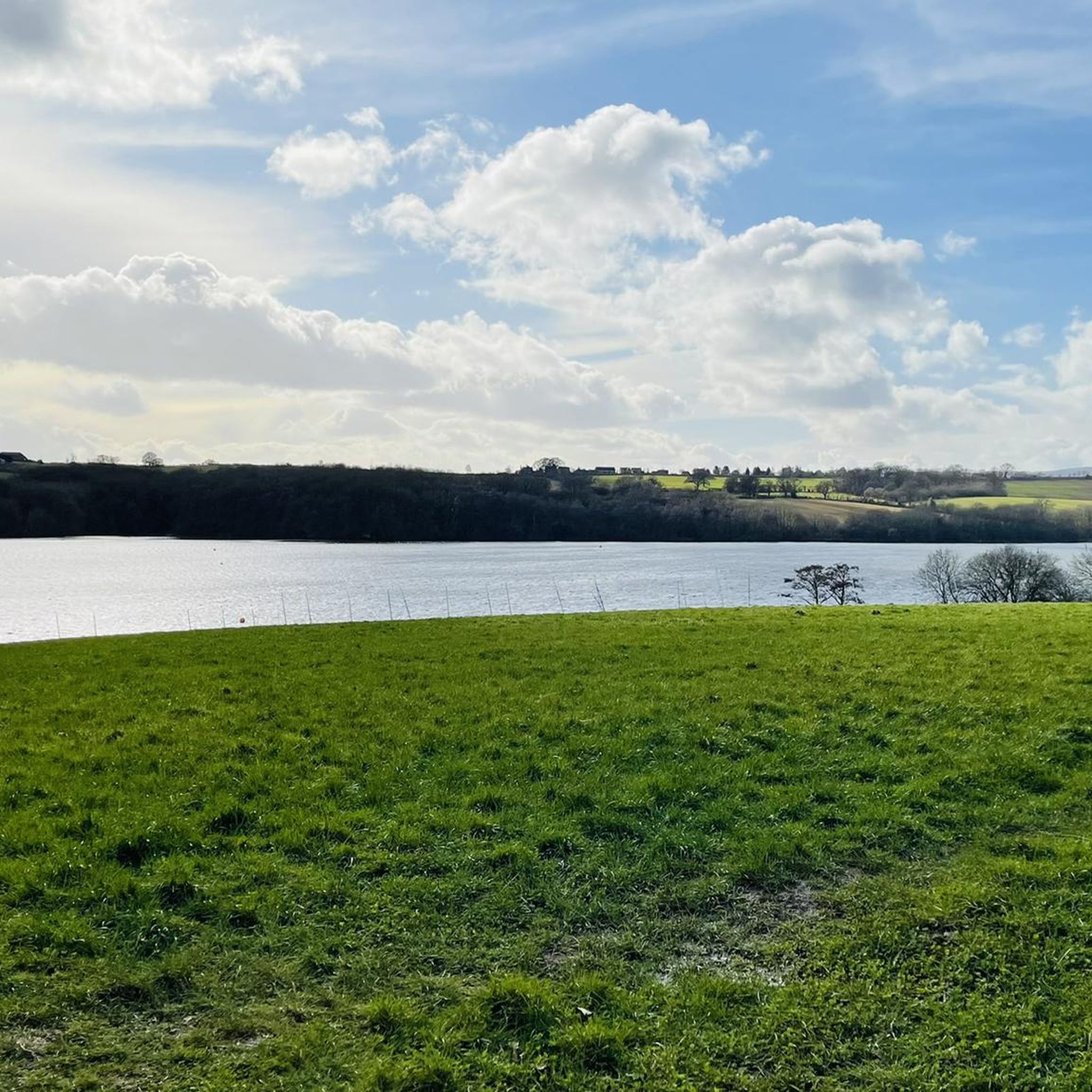
Near Chelmarsh, you can explore a variety of unique natural features. The area is characterized by the expansive Kinver Edge, a high sandstone ridge with heathland and woodland, offering dramatic views. The River Severn, Great Britain's longest river, also flows nearby, providing a vital ecological corridor. Additionally, Chelmarsh Reservoir offers diverse habitats including reedbeds and marshland, supporting a rich array of wildlife.
Are there any historical natural monuments around Chelmarsh?
Yes, Kinver Edge is a significant historical natural monument. It features two ancient hill forts and the unique Holly Austin Rock Houses, which are cave dwellings carved into the sandstone. These rock houses were inhabited as recently as the 1960s and are now managed by the National Trust, offering a glimpse into the area's past.
What kind of wildlife can I expect to see at the natural monuments near Chelmarsh?
The natural monuments around Chelmarsh are rich in wildlife. Chelmarsh Reservoir is a prime spot for birdwatching, attracting wildfowl, wading birds, kingfishers, and even passing ospreys. It's also excellent for observing dragonflies and damselflies. At Kinver Edge, you might spot adders, common lizards, skylarks, buzzards, and great spotted woodpeckers. Severn Valley Country Park is known for its ancient woodlands, which come alive with birdsong and wildflowers in spring, and its Riverside Meadows are home to rare invertebrates like the club-tailed dragonfly.
Are there family-friendly natural monuments to visit near Chelmarsh?
Absolutely. Several natural monuments near Chelmarsh are family-friendly. The Holly Austin Rock Houses at Kinver Edge are a fascinating historical site for all ages. Severn Valley Country Park offers an Easy Access Nature Trail, making it suitable for families with young children or those needing accessible paths. Dudmaston Estate, with its parkland, woodlands, and lake, also provides a variety of trails suitable for different fitness levels, perfect for a family outing.
What are the best places for scenic views near Chelmarsh?
For breathtaking scenic views, head to the Kinver Edge Toposcope and Viewpoint. From this 164-meter high point, you can enjoy expansive vistas that include the Clent Hills, Shropshire Hills, Wenlock Edge, and the Malvern Hills. Severn Valley Country Park also offers stunning views along the River Severn.
What outdoor activities can I do near these natural monuments?
The area around Chelmarsh offers a range of outdoor activities. You can enjoy riverside walks along the River Severn, or try kayaking, canoeing, and paddling to experience the Severn Valley from a unique perspective. For hiking, explore the trails at Dudmaston Estate or Severn Valley Country Park. There are also various hiking routes and MTB trails available, catering to different difficulty levels.
Are there accessible trails for visitors with limited mobility near Chelmarsh's natural monuments?
Yes, Severn Valley Country Park features an Easy Access Nature Trail, designed to be accessible for many visitors, including those with limited mobility or using wheelchairs. This trail allows everyone to enjoy the natural beauty and observe wildlife within the park.
What is the best time of year to visit the natural monuments around Chelmarsh?
The best time to visit depends on your interests. Spring brings ancient woodlands alive with birdsong and wildflowers, particularly at Severn Valley Country Park. Autumn is excellent for birdwatching at Chelmarsh Reservoir, with ospreys often seen passing through. Summer is ideal for observing dragonflies and damselflies at the reservoir and enjoying the blooming grasslands at Severn Valley Country Park. The views from Kinver Edge Toposcope and Viewpoint are impressive year-round, weather permitting.
Can I find walking trails suitable for dogs near Chelmarsh's natural monuments?
Many of the natural areas and parks around Chelmarsh are dog-friendly, though it's always advisable to check specific park rules regarding leash requirements. Places like Dudmaston Estate and Severn Valley Country Park offer extensive walking trails where dogs are generally welcome. Kinver Edge is also a popular spot for dog walkers, offering varied terrain and views.
What is the Worcestershire Natural Flood Management Project in Wyre Forest?
The Worcestershire Natural Flood Management Project in the Wyre Forest is a natural monument focused on reducing flooding in the Dowles Brook catchment. It involves implementing small-scale, natural interventions like leaky dams, planting hedges, and creating wetland areas to slow the flow of water during high rainfall. These measures work with nature, providing habitat for wildlife while protecting downstream areas.
Where can I find information about the River Severn and its activities?
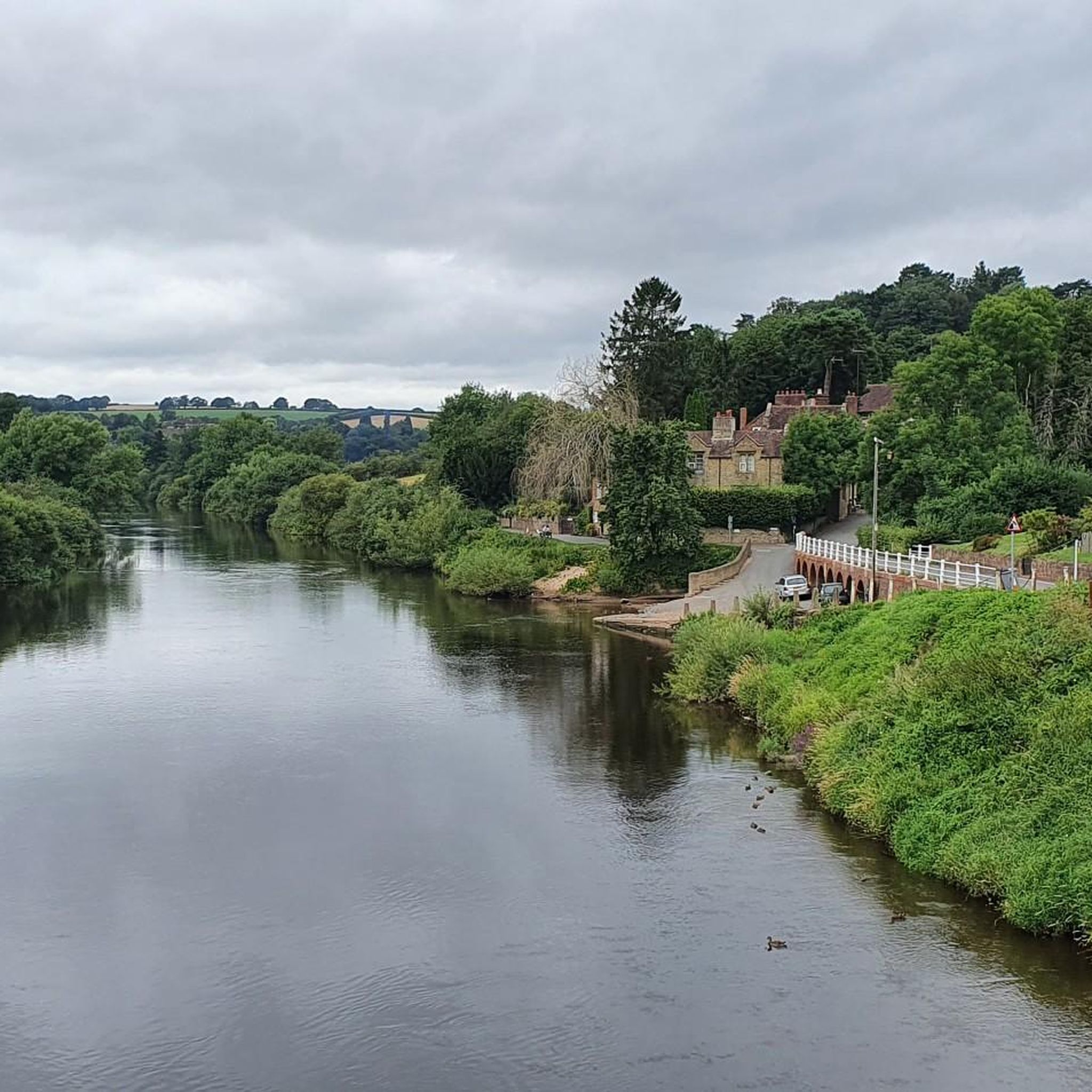
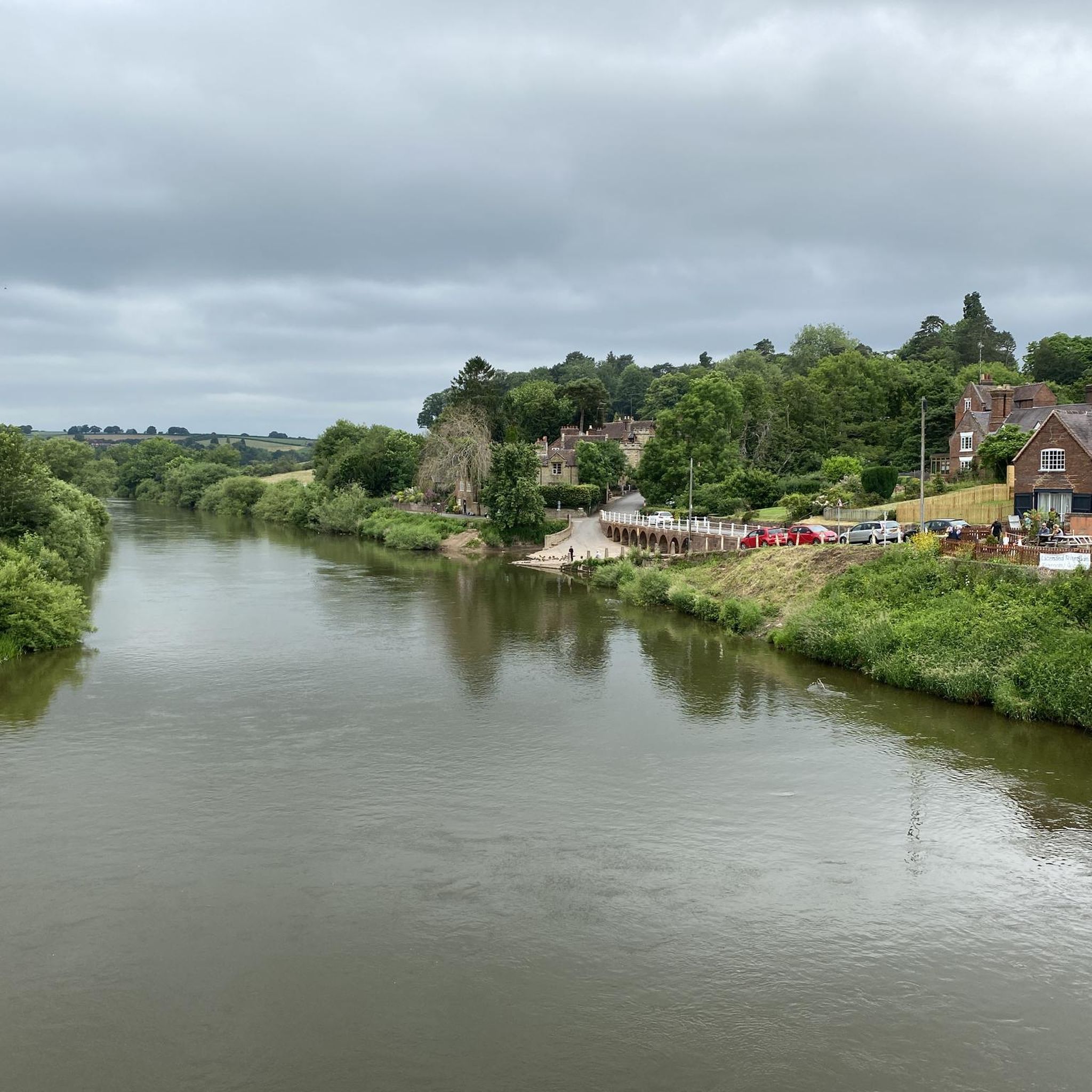
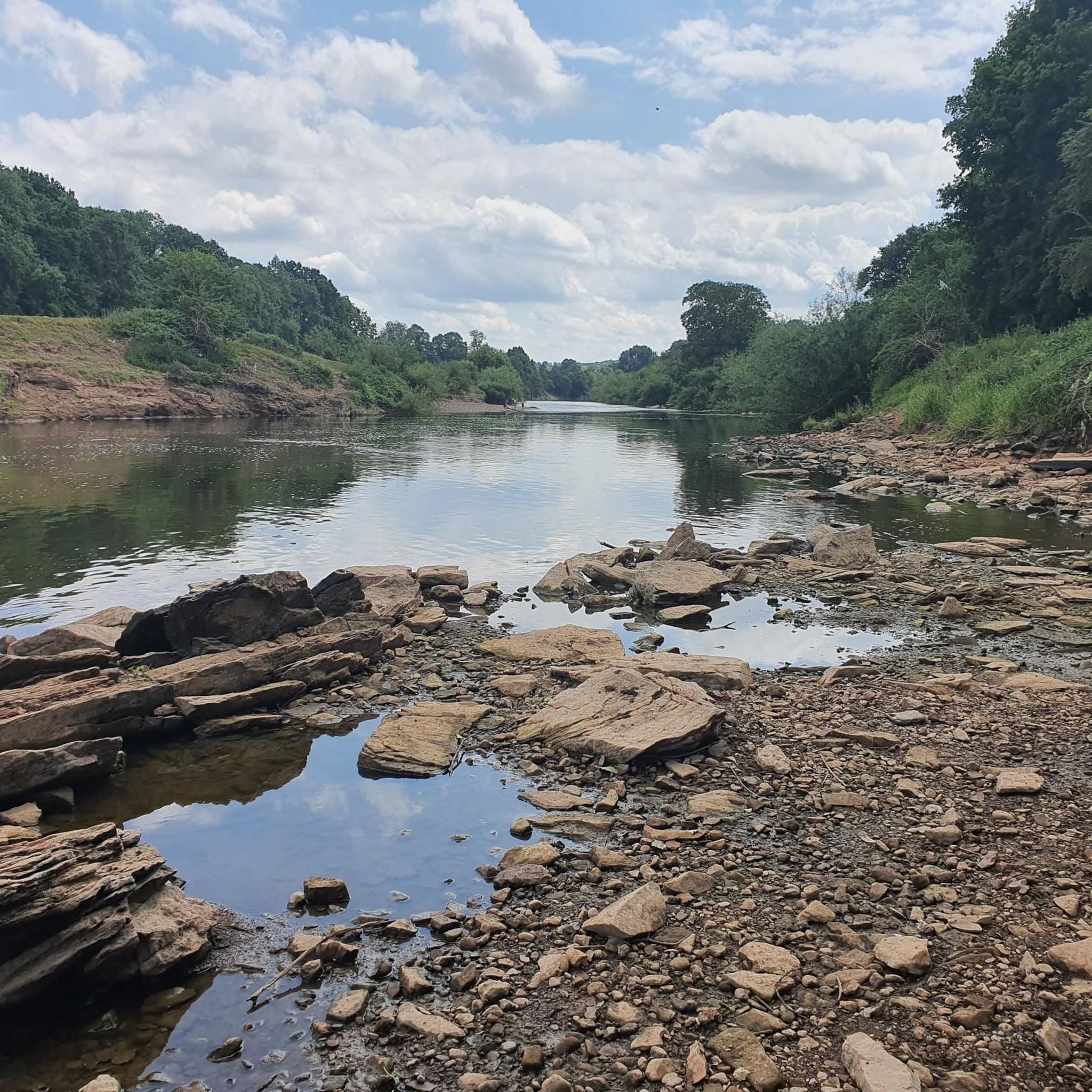
The River Severn flows past Chelmarsh, offering opportunities for activities like kayaking, canoeing, and riverside walks. For more detailed information about the river and its offerings, you can visit visitsevernvalley.uk.
Are there any natural areas near Chelmarsh that focus on conservation?
Yes, Chelmarsh Reservoir is managed by the Shropshire Wildlife Trust, which has created shallow pools particularly attractive to birds, highlighting a focus on conservation. Additionally, the Ruskin Land area within the Wyre Forest Site of Special Scientific Interest is managed by the Wyre Community Land Trust to support a mixture of high forest and heathland, valuable habitats for bats, birds, and other species, with efforts to improve habitat diversity and resilience.
Most popular attractions around Chelmarsh

Get inspired with the komoot mobile app


Explore more
Extend your search for the best caves by checking out these guides of the top ones around Chelmarsh:
