Top 6 Natural Monuments around St. Martin'S
Best natural monuments around St. Martin'S offer a diverse landscape, characterized by historical sites, river valleys, and impressive viewpoints. The region features a blend of natural geological formations and significant historical structures, providing varied exploration opportunities. Visitors can discover ancient hill forts, scenic river routes, and dramatic viewpoints across the terrain. This area is ideal for those seeking to combine outdoor activity with cultural and historical discovery.
Best natural monuments around St. Martin'S
- The most popular natural monuments is World's…
Last updated: July 1, 2026
World's End Road and Ford (Eglwyseg Valley)
Highlight (Segment) • Trail
Tip by

Chirk Castle
Highlight • Castle
Tip by

Sign up now to discover places like this
Get recommendations on the best single tracks, peaks, & plenty of other exciting outdoor places.
Sign up for free
Cup and Saucer Waterfall
Highlight • Waterfall
Tip by

Old Oswestry Hill Fort
Highlight • Viewpoint
Tip by

The Fallen Giant Bench
Highlight • Natural Monument
Tip by

Sign up for free to discover even more natural monuments around St. Martin'S.
Sign up for free
Already have an account?
Start today with a free account
Your next adventure awaits.
Login or Signup
Tips from the Community

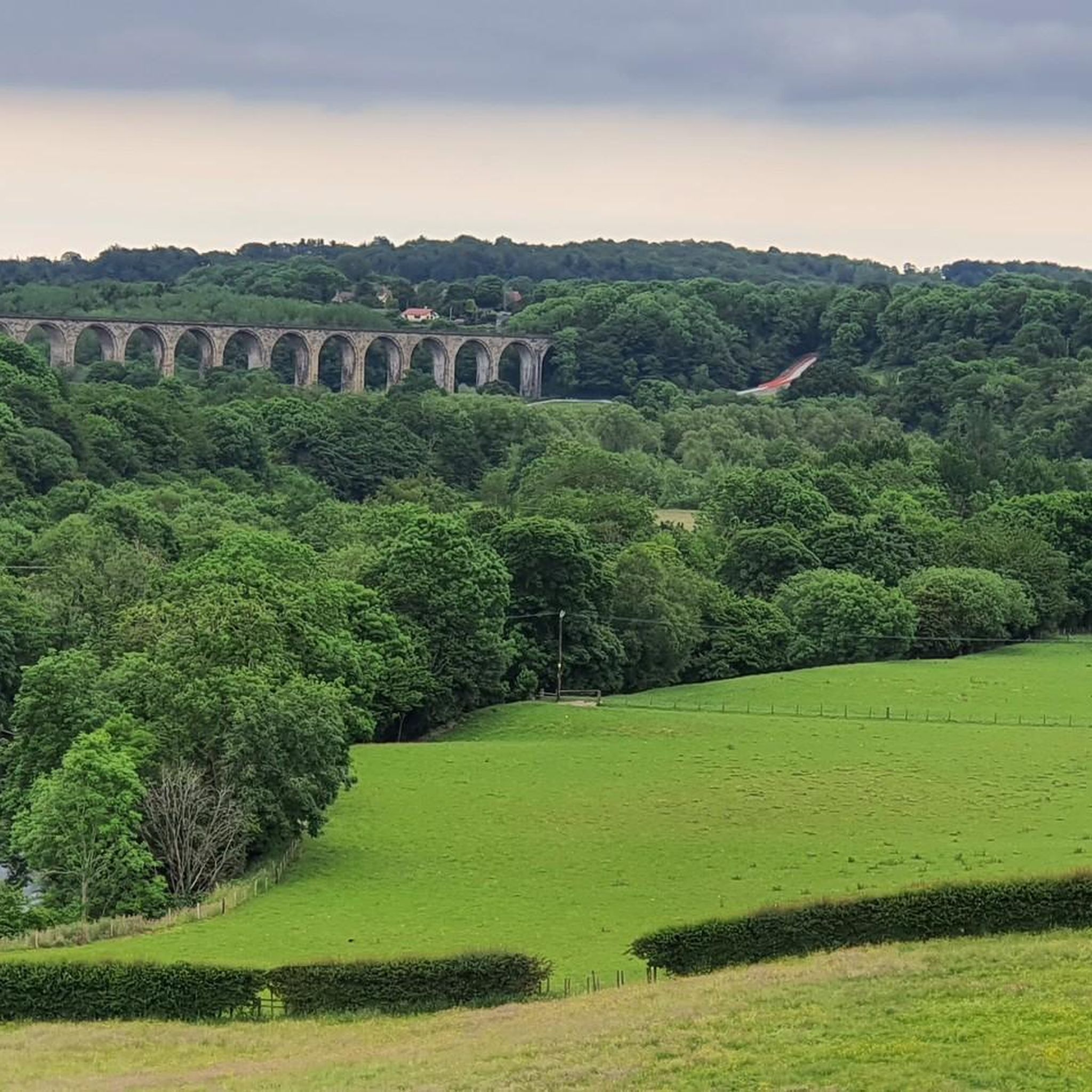
The castle was built in 1295 by Roger Mortimer de Chirk, uncle of Roger Mortimer, 1st Earl of March as part of King Edward I's chain of fortresses across the north of Wales, guarding the entrance to the Ceiriog Valley. It was the administrative centre for the Marcher Lordship of Chirkland. The castle was bought by Sir Thomas Myddelton in 1593 for £5,000 (approx. £18 million as of 2024). His son, Thomas Myddelton of Chirk Castle was a Parliamentarian during the English Civil War, but became a Royalist during the 'Cheshire rising' of 1659 led by George Booth, 1st Baron Delamer. Mullioned and transomed windows were inserted in the 16th and 17th centuries; the castle was partly demolished in the English Civil War and then rebuilt. Following the Restoration, his son became Sir Thomas Myddelton, 1st Baronet of Chirke. The castle passed down in the Myddelton family to Charlotte Myddelton (on the death of her father in 1796). Charlotte had married Robert Biddulph, who changed his name to Robert Myddelton-Biddulph, leaving the castle on his death to their son Robert. It then passed down in the Myddelton-Biddulph family.
5
0
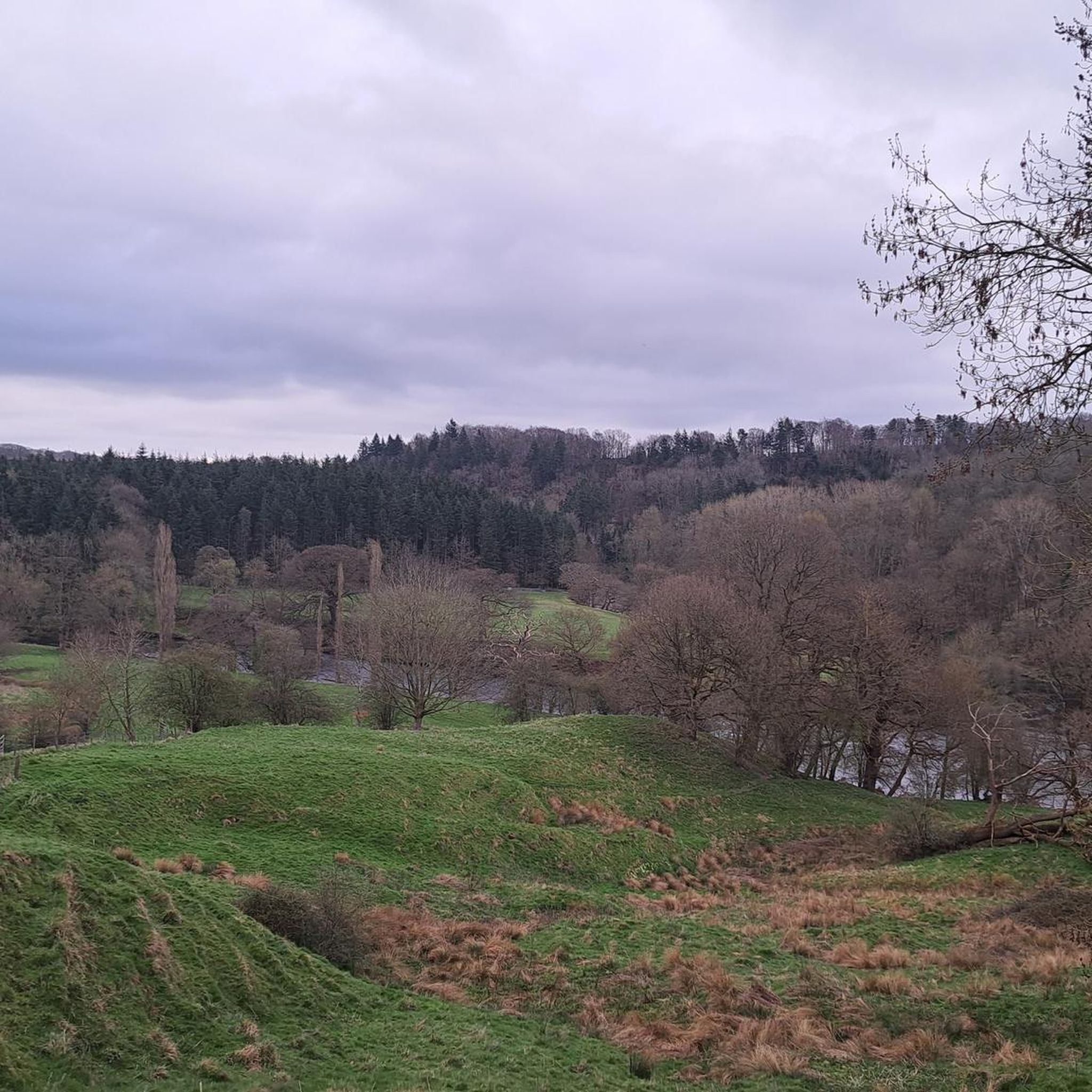
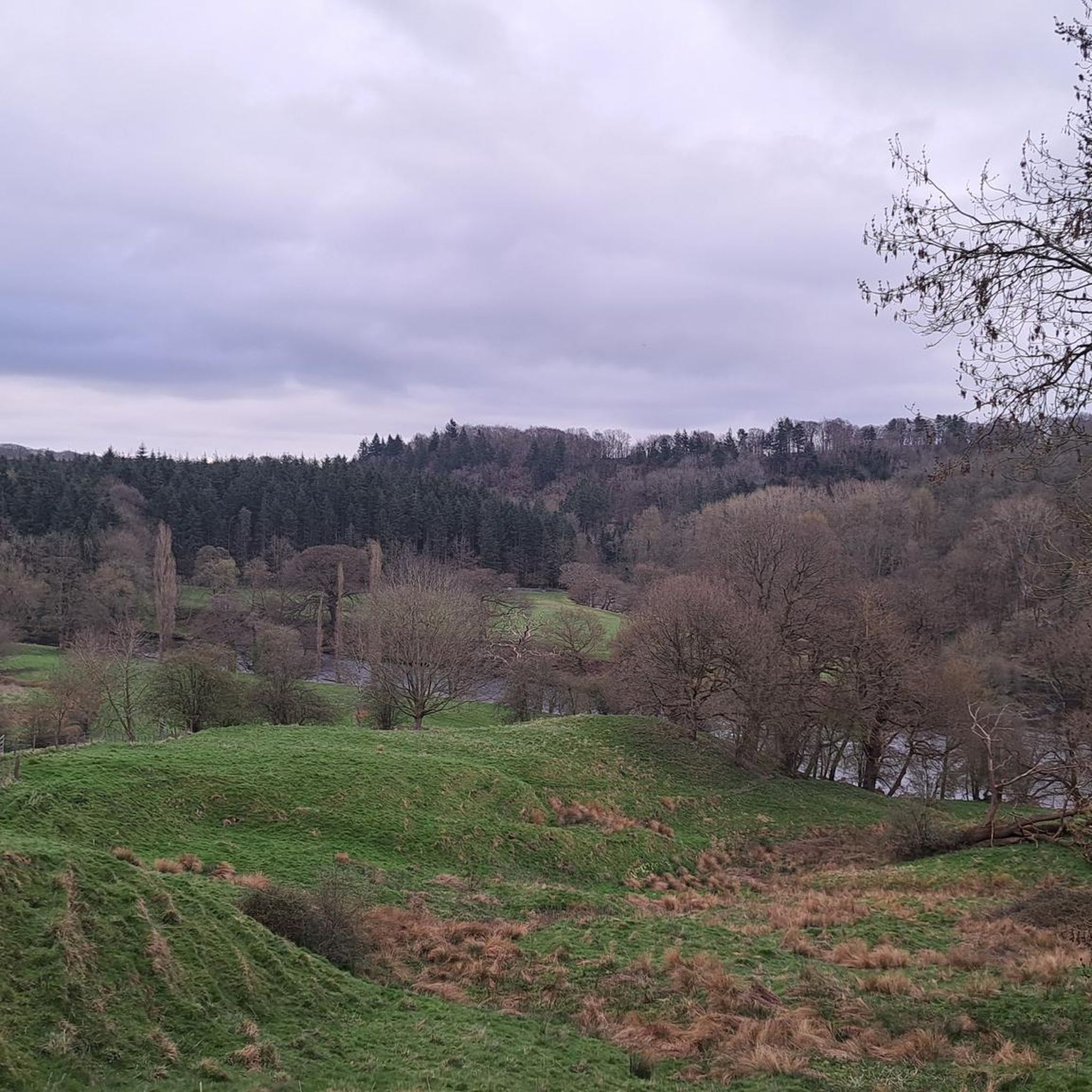
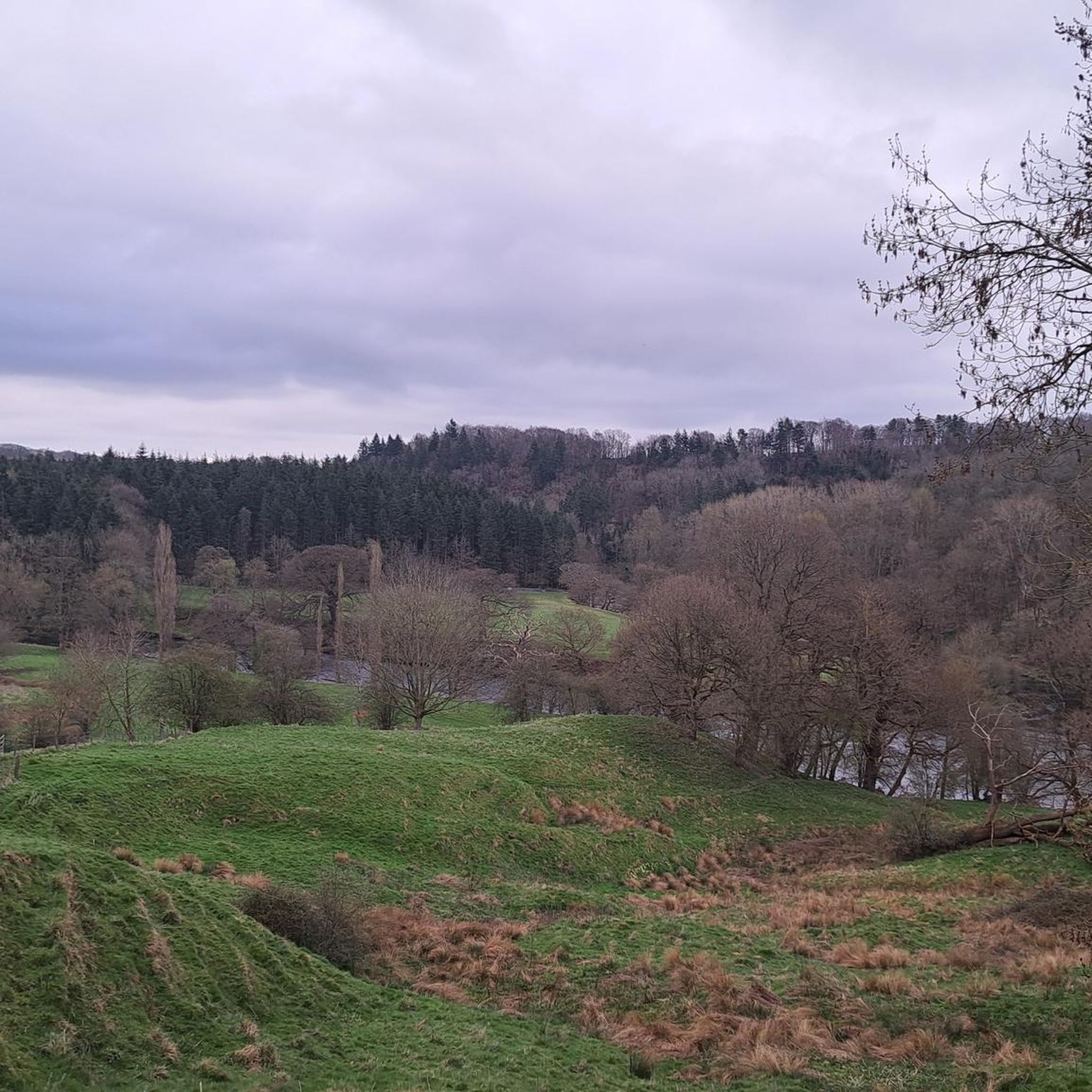
The area is popular with walkers, cyclists and tourists. The Offa's Dyke Path passes through World's End. World's End lies on a single track road from the small village of Minera near Wrexham, which crosses Esclusham Mountain and the Ruabon Moors to a public car park at the top of the Eglwyseg valley. The road crosses the Eglwyseg River by a ford, then goes on towards Pentre Dŵr, under the Horseshoe Pass, leading eventually to Llangollen or onto the Panorama in Trevor. Near World’s End is the manor house Plas Ucha yn Eglwyseg, built in 1563. It was for a time the home of John Jones Maesygarnedd, one of the signatories of the death warrant for Charles I of England. The building is said to stand on the site of a hunting lodge of Owain ap Cadwgan, prince of Powys, where Owain carried Nest (daughter of Rhys ap Tewdwr) when he stole her away from her husband Gerald de Windsor in 1109.
3
0

I really cant stress how slippy the ford is and wet and painful
1
0
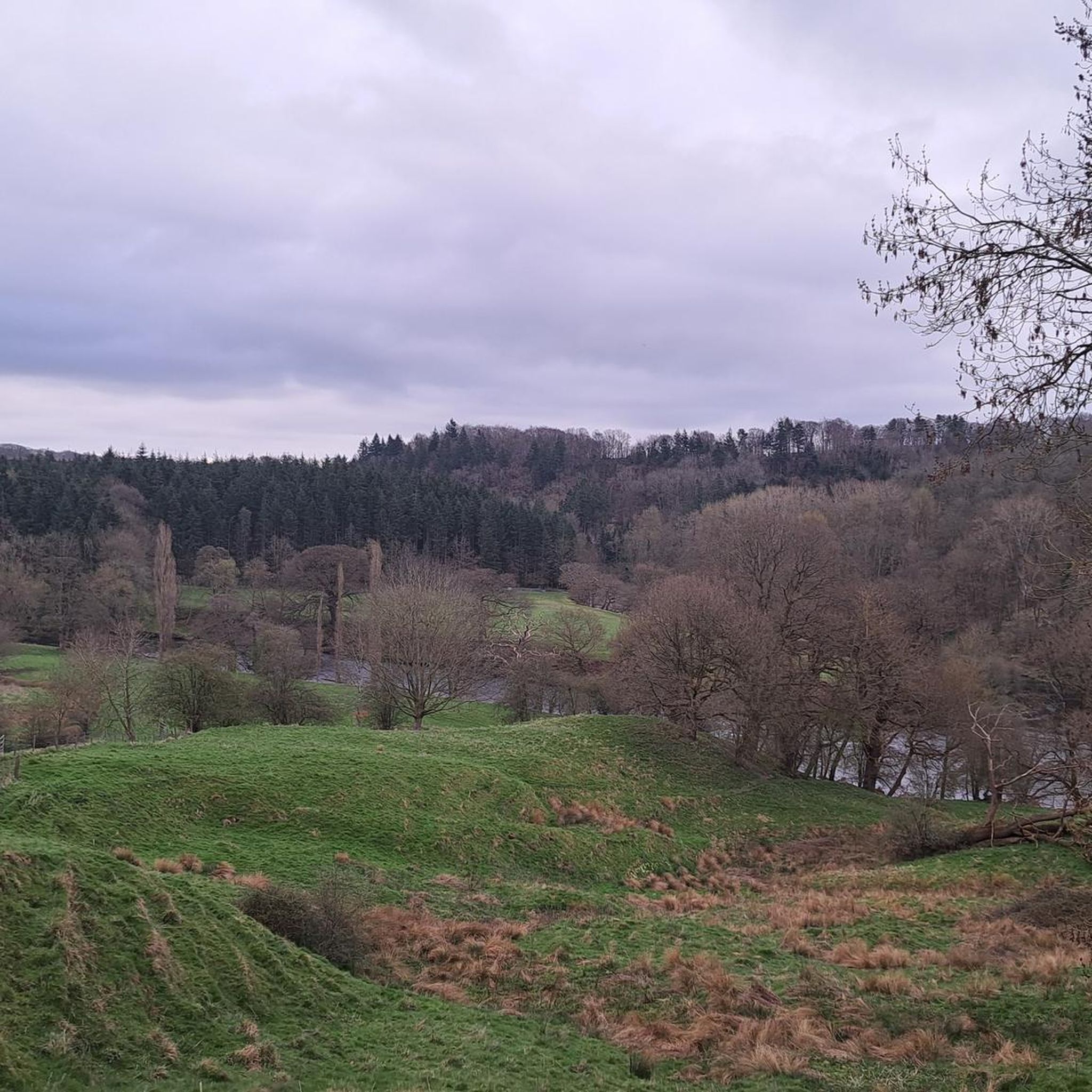
Linear earthwork that runs 176 miles that runs along the border of England and Wales. It was named after King Offa the 8th century ruler of the Kingdom of Mercia. Beautiful spot for photo, very pieceful and a great walk.
0
1
The castle was built in 1295 by Roger Mortimer de Chirk, uncle of Roger Mortimer, 1st Earl of March as part of King Edward I's chain of fortresses across the north of Wales. It guards the entrance to the Ceiriog Valley. It was the administrative centre for the Marcher Lordship of Chirkland.
3
1
Cup and Saucer waterfall Emes created gravelled walks throughout the large pleasure grounds, planted many trees which are still thriving today, and manipulated the flow of water across the park through a series of cascades and weirs. His most unique alteration to the Erddig landscape was the Cup and Saucer waterfall. This feature, which you can still see today, works by gathering water in a shallow circular stone basin with a cylindrical waterfall at its centre. The water falls through this cascade and then emerges from a tunnel several yards downstream.
4
0
With a diverse parkland, Erddig is brimming with grassland, lakes, ponds, rivers, veteran trees and woodland. Discover scenery that ranges from the Clywedog river and peaceful woodland landscape of Big Wood, to famous architectural features like the ‘cup and saucer’ and the dramatic escarpment that leads to Wat’s Dyke. Explore the remains of a Norman motte and bailey castle.
4
0

A great place to see an original part of the Offas Dyke path trench
1
0
Frequently Asked Questions
What are some of the most popular natural monuments to visit around St. Martin'S?
Among the most appreciated natural monuments in the area are World's End Road and Ford (Eglwyseg Valley), known for its fantastic views and challenging ford. Another favorite is the View of Pontcysyllte Aqueduct and Dee Valley, offering truly amazing vistas after a rewarding climb. Visitors also highly rate Old Oswestry Hill Fort, one of Britain's best-preserved Iron Age constructions.
Are there family-friendly natural monuments around St. Martin'S?
Yes, several natural monuments are suitable for families. Cup and Saucer Waterfall at Erddig is considered family-friendly, offering diverse parkland to explore. Additionally, Chirk Castle, while a historical site, is set within 480 acres of estate parkland, which is very accessible and home to wild ponies and sheep, making it a great family outing.
What unique geological features can I explore in the natural monuments of St. Martin'S?
The region offers several interesting geological features. The World's End Road and Ford features a natural ford that cyclists and walkers must negotiate, set within a nature reserve of woods and moorland. The dramatic escarpment leading to Wat’s Dyke near the Cup and Saucer Waterfall also showcases the area's varied landscape.
What cultural or historical sites are integrated with the natural monuments in St. Martin'S?
The area beautifully blends natural beauty with rich history. Old Oswestry Hill Fort is a prime example, an Iron Age construction dating back to around 1000 BC, offering a glimpse into ancient history with impressive earthworks. Chirk Castle, completed in 1310, is another significant historical site set within a natural estate, designated as a Site of Special Scientific Interest.
Are there good hiking opportunities near the natural monuments around St. Martin'S?
Absolutely. The region is excellent for hiking. For instance, the Offa's Dyke Path passes through the area around World's End Road. You can find various hiking routes, including moderate options like the Chirk Aqueduct – Llangollen Canal Lift Bridge loop or the Chirk Tunnel – Llangollen Canal Towpath loop. For more hiking options, explore the Hiking around St. Martin'S guide.
What outdoor activities, besides hiking, can I do near these natural monuments?
Beyond hiking, St. Martin'S offers diverse outdoor activities. Cycling is very popular, with routes like the Llangollen canal, Chirk castle and the Worlds End loop. You can also find running trails, such as the Chirk Aquaduct – Pontcysyllte Aqueduct loop. For more details on cycling, check the Road Cycling Routes around St. Martin'S guide, and for running, see the Running Trails around St. Martin'S guide.
What do visitors enjoy most about the natural monuments in St. Martin'S?
Visitors consistently praise the breathtaking views and the sense of historical immersion. The 'truly amazing views' from the View of Pontcysyllte Aqueduct and Dee Valley are frequently highlighted. The 'stunning display of earthworks' at Old Oswestry Hill Fort also leaves a strong impression, offering a unique blend of nature and ancient history.
Are there any circular walks or routes that incorporate the natural monuments?
Yes, there are several circular routes that allow you to experience the natural monuments. For instance, the World's End Road is part of a popular cycling loop that includes the Llangollen canal and Chirk castle. Many hiking and running routes in the area are also designed as loops, offering comprehensive exploration. You can find detailed circular routes in the Hiking around St. Martin'S guide.
How long does it typically take to explore some of the natural monuments?
The duration varies depending on the monument and your activity. A visit to Old Oswestry Hill Fort might take an hour or two to walk around and appreciate the earthworks. Hiking to the View of Pontcysyllte Aqueduct and Dee Valley involves a rewarding climb, which could be part of a longer half-day or full-day route. Shorter, easy hiking loops like the Chirk Tunnel – Chirk Aqueduct loop can be completed in under an hour.
What kind of natural landscapes can I expect to see around St. Martin'S?
The region of St. Martin'S offers a diverse landscape. You'll encounter river valleys, such as the Dee Valley, and impressive viewpoints overlooking these natural formations. There are also areas of woods and moorland, particularly around World's End Road, and parklands with veteran trees and woodland, like those surrounding the Cup and Saucer Waterfall at Erddig.
Is parking available near the natural monuments?
Yes, parking is generally available. For instance, there is a public car park at the top of the Eglwyseg valley, near World's End Road. At Chirk Castle, car parking is free and the grounds are very accessible.
Are there any hidden gems or less-known natural monuments worth discovering?
While the main highlights are well-known, exploring the wider areas around them can reveal hidden gems. The nature reserve around World's End Road, with its single lane passing through woods and moorland, offers a sense of secluded beauty. The diverse parkland of Erddig, home to the Cup and Saucer Waterfall, also holds many tranquil spots away from the main attractions.
Most popular routes around St. Martin'S
Most popular attractions around St. Martin'S

Get inspired with the komoot mobile app


Explore more
Extend your search for the best caves by checking out these guides of the top ones around St. Martin'S:
