Top 12 Natural Monuments around Whitwick
Best natural monuments around Whitwick are primarily shaped by the ancient Charnwood Forest landscape, featuring ancient volcanic rock formations, craggy hills, and extensive woodlands. The region's geological history, with Precambrian rocks and evidence of volcanic activity, defines many of its natural features. These sites offer diverse natural beauty and geological interest, making them notable destinations for exploration. Whitwick serves as a gateway to these varied landscapes, providing access to significant natural landmarks.
Best natural monuments around Whitwick
- The most popular…
Last updated: May 3, 2026
Deer Park at Calke Abbey
Highlight • Natural
Tip by

Beacon Hill Summit
Highlight • Natural Monument
Situated just 2 miles from …
Tip by

Sign up now to discover places like this
Get recommendations on the best single tracks, peaks, & plenty of other exciting outdoor places.
Sign up for free
Swithland Wood
Highlight • Natural Monument
Tip by

Bardon Hill Trig Point
Highlight • Volcano
Tip by

Groby Pool
Highlight • Lake
Tip by

Sign up for free to discover even more natural monuments around Whitwick.
Sign up for free
Already have an account?
Start today with a free account
Your next adventure awaits.
Login or Signup

Tips from the Community

beacon hill country park great views at the top looking over Loughborough, cafe ,park for children, horse riding ,maze,
1
0

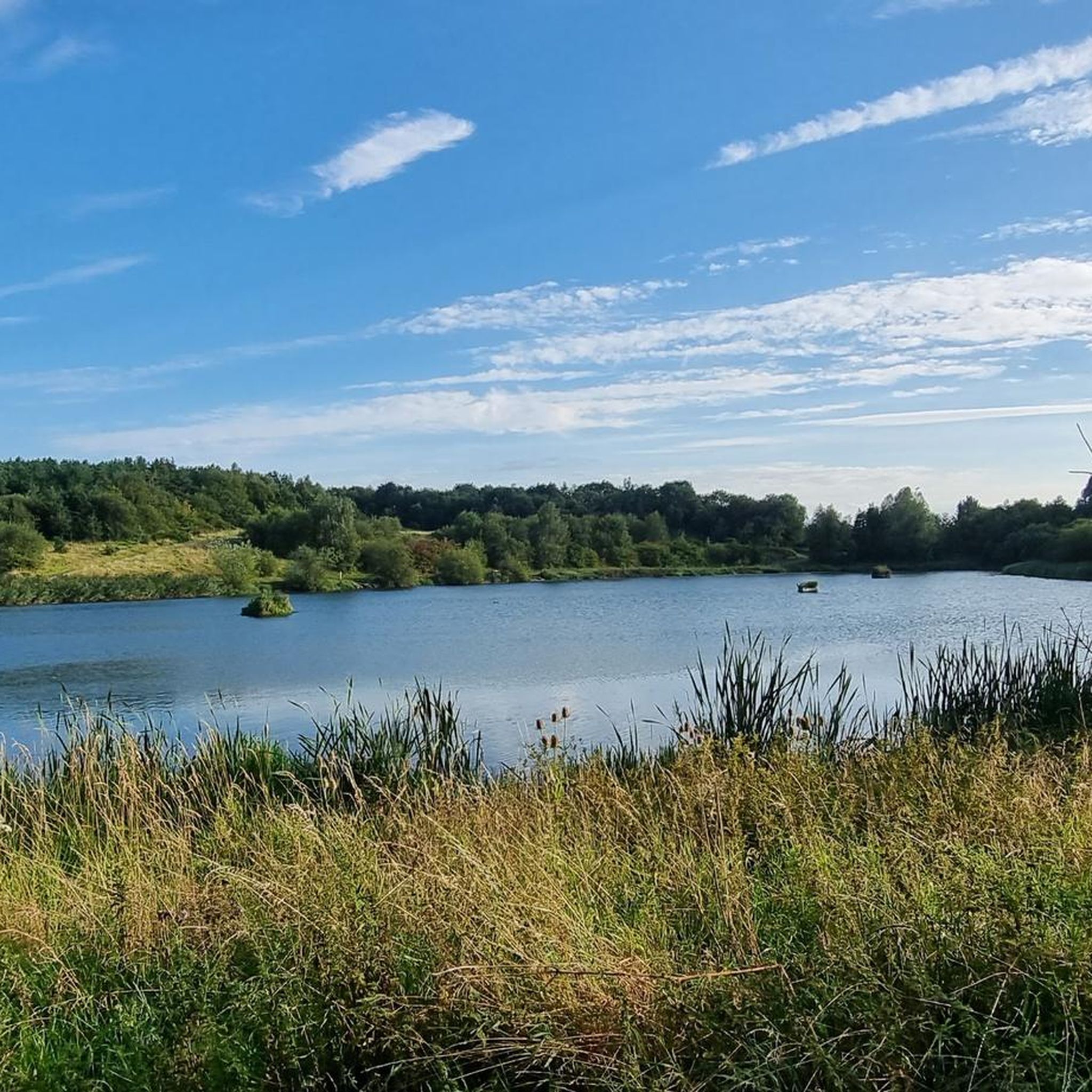
The building across the water, Pool House, is a Grade II listed building.
1
0
The first recorded reference to Groby Pool was in 1295, and there is evidence of a mill associated with Groby Pool from that time until the 1900s. The last was a saw mill in Sheet Hedges Wood.
1
0

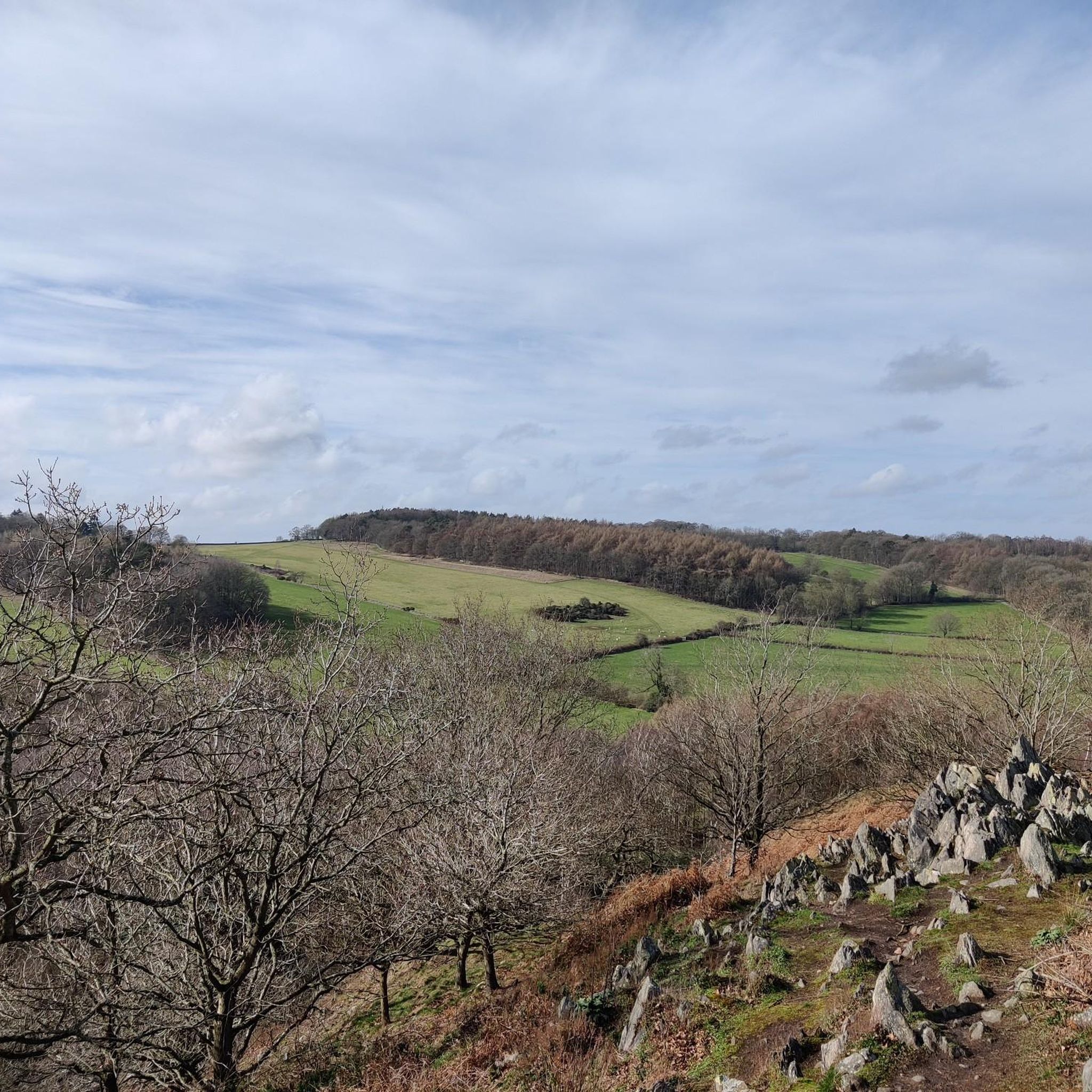
Beacon Hill is a tremendous viewpoint and the second highest peak in Leicestershire. It showcases spectacular views of Charnwood Forest, the Soar Valley and beyond. Situated just 2 miles from the M1 motorway and a stone's throw away from Loughborough, the peak offers superb accessibility for those seeking fabulous views with minimal effort.
2
0

Swithland Wood (situated directly across the road on the northern side of Bradgate Park) was one of the first disposals of the Bradgate Estate by the Grey family in 1921. It was purchased by a local timber merchant who felled much of the timber. To prevent the removal of further timber, and to conserve the Wood as one of the most wildlife rich and attractive woodlands in Leicestershire, The Rotary Club of Leicester launched an appeal for its purchase to ensure public access into the future.
0
0

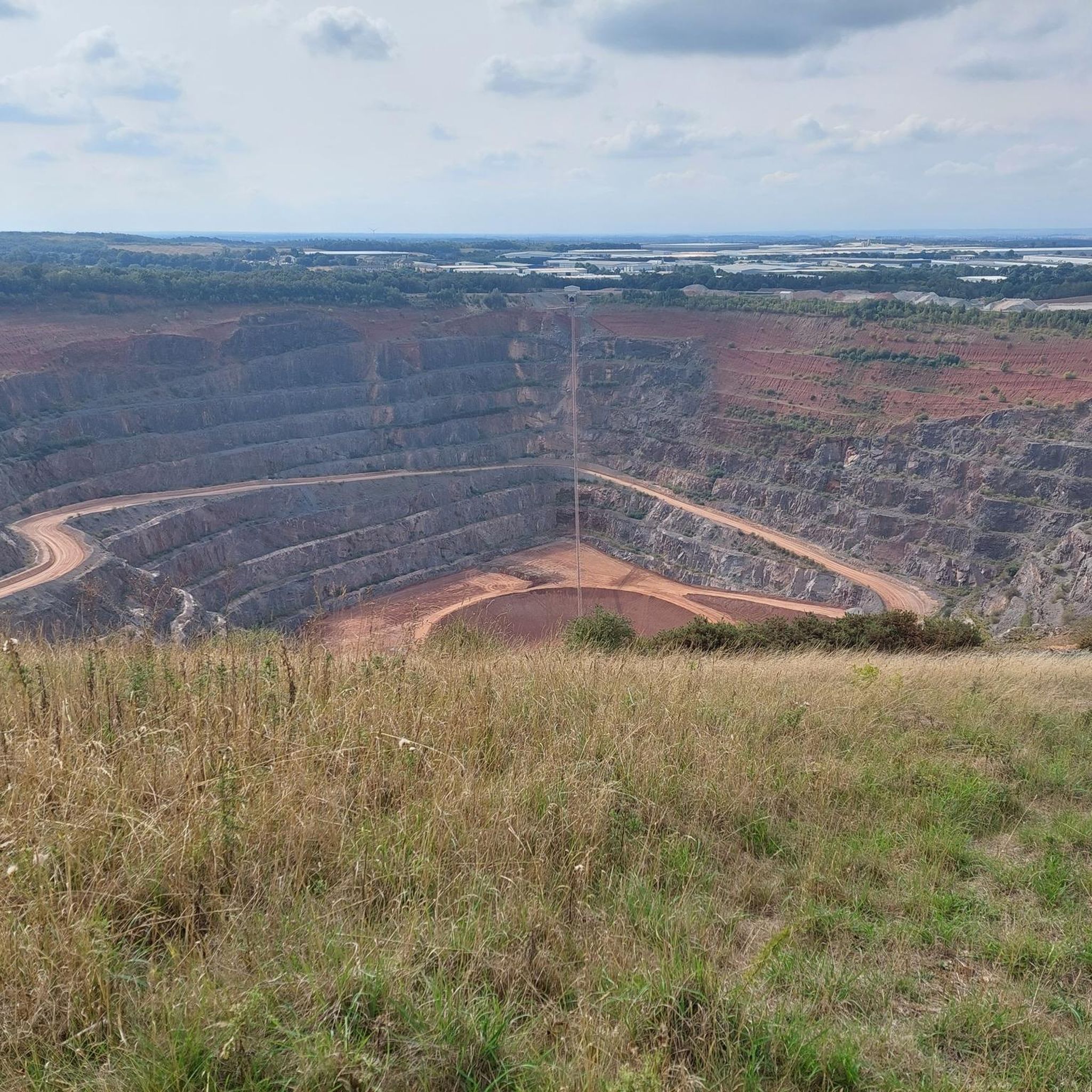
Bardon Hill is the highest point in Leicestershire (278m) and reputedly on a clear day the Malvern and Shropshire Hills (approx. 50–60 miles), summits in Derbyshire (approx. 30–40 miles) and Lincoln Cathedral (almost 50 miles away) can be seen. Excitingly, Bardon Hill is part of the eroded remains of a volcano. At its summit are a trig point and a radio mast.
1
0
Bardon quarry hill the highest trigger point in Leicestershire
1
0
Frequently Asked Questions
What are some family-friendly natural monuments to visit near Whitwick?
Several natural monuments around Whitwick are great for families. Beacon Hill Summit offers superb views with minimal effort and has a park and labyrinth. The Deer Park at Calke Abbey is ideal for walking and wildlife observation. Swithland Wood provides attractive woodlands for exploration, and Groby Pool, the largest natural expanse of open water in Leicestershire, is perfect for spotting waterfowl.
Where can I find the best viewpoints of the Charnwood Forest landscape?
For spectacular views, head to Beacon Hill Summit, the second-highest peak in Leicestershire, offering panoramic vistas of Charnwood Forest and the Soar Valley. Another excellent spot is Bardon Hill Trig Point, the highest point in Leicestershire, where on a clear day you can see for miles, including the Malvern and Shropshire Hills.
Are there any natural monuments with significant geological interest near Whitwick?
Yes, the region is rich in geological history. The Charnwood Forest landscape itself is characterized by ancient volcanic rock formations and Precambrian rocks. Whitwick Quarry is particularly notable for its diverse assembly of igneous rocks and detailed sections revealing the unconformity between Precambrian and Triassic rocks, including ancient 'wadis'.
What kind of wildlife can I expect to see at natural sites around Whitwick?
The natural monuments around Whitwick offer various opportunities for wildlife spotting. The Deer Park at Calke Abbey is home to deer and other creatures. Swithland Wood is known for its rich biodiversity. Holly Hayes Wood, a semi-ancient woodland, supports a wide range of species including jay and muntjac, and has a good record of moths. Groby Pool is excellent for observing various waterfowl.
Are there good hiking trails near the natural monuments around Whitwick?
Yes, the Charnwood Forest area, encompassing many natural monuments, offers a network of trails. You can find numerous routes for hiking, including those around Beacon Hill and through the ancient woodlands. For more detailed options, explore the running trails guide for Whitwick, which includes routes like the Charley Woods Nature Reserve – Holly Hayes Wood loop.
What cycling opportunities are available near Whitwick's natural monuments?
The area around Whitwick provides excellent cycling routes that pass by or near natural monuments. You can find various options, from easy to difficult, including routes like the 'Whitwick Station and Path – Snibston Discovery Trail loop' or the 'Swithland Reservoir – Cropston Reservoir loop'. For a comprehensive list, refer to the cycling guide for Whitwick.
What is the best time of year to visit the natural monuments in Whitwick?
The natural monuments around Whitwick can be enjoyed year-round, each season offering a different experience. Spring brings blooming wildflowers to woodlands like Swithland Wood and Holly Hayes Wood. Summer is ideal for long walks and enjoying the views from Beacon Hill. Autumn showcases vibrant foliage across Charnwood Forest, while winter offers crisp, clear views and tranquil walks, especially around sites like Groby Pool.
Are the natural monuments around Whitwick generally accessible?
Many natural monuments in the Whitwick area offer good accessibility. Beacon Hill Summit is noted for its superb accessibility, being close to major roads and offering impressive views with minimal effort. While specific wheelchair accessibility varies by site, many paths within areas like the Deer Park at Calke Abbey are generally well-maintained for walking.
Can I bring my dog to the natural monuments in the Whitwick area?
Many natural sites around Whitwick are dog-friendly, though it's always best to check specific site regulations for lead requirements. The Deer Park at Calke Abbey is a popular spot for dog walkers. Generally, the extensive network of trails throughout Charnwood Forest welcomes dogs, provided they are kept under control.
Are there any hidden natural gems or less-known spots worth exploring near Whitwick?
Holly Hayes Wood, located on the western edge of Charnwood Forest, is considered a 'hidden gem'. This semi-ancient woodland, traversed by the Ivanhoe Way footpath, is rich in wildlife and has a notable history, being listed in the Domesday Book. It offers a quieter, more secluded natural experience compared to some of the more popular sites.
What historical context is associated with the natural monuments in Whitwick?
The natural monuments in Whitwick are deeply rooted in history. The Charnwood Forest landscape itself is ancient, featuring Precambrian rocks that tell a story of volcanic activity millions of years ago. Holly Hayes Wood is historically significant, mentioned in the Domesday Book. Even Groby Pool has recorded references dating back to 1295, with evidence of a mill from that era.
How long do typical walks or hikes around Whitwick's natural features take?
The duration of walks around Whitwick's natural features varies greatly depending on the chosen route and your pace. Short, easy strolls around sites like Beacon Hill or Groby Pool can be as little as an hour. Longer hikes through Charnwood Forest or to Bardon Hill can range from 2-4 hours or more. Many routes are circular, allowing for flexible exploration.
Most popular routes around Whitwick
Most popular attractions around Whitwick

Get inspired with the komoot mobile app


Explore more
Extend your search for the best caves by checking out these guides of the top ones around Whitwick:
