Top 9 Natural Monuments around Farnhill
Best natural monuments around Farnhill include prominent viewpoints, expansive moorland, and unique geological features. This North Yorkshire village offers diverse natural landscapes, from hill summits to ancient rock carvings. The area provides opportunities for outdoor activities and exploration of its natural contours and historical landmarks.
Best natural monuments around Farnhill
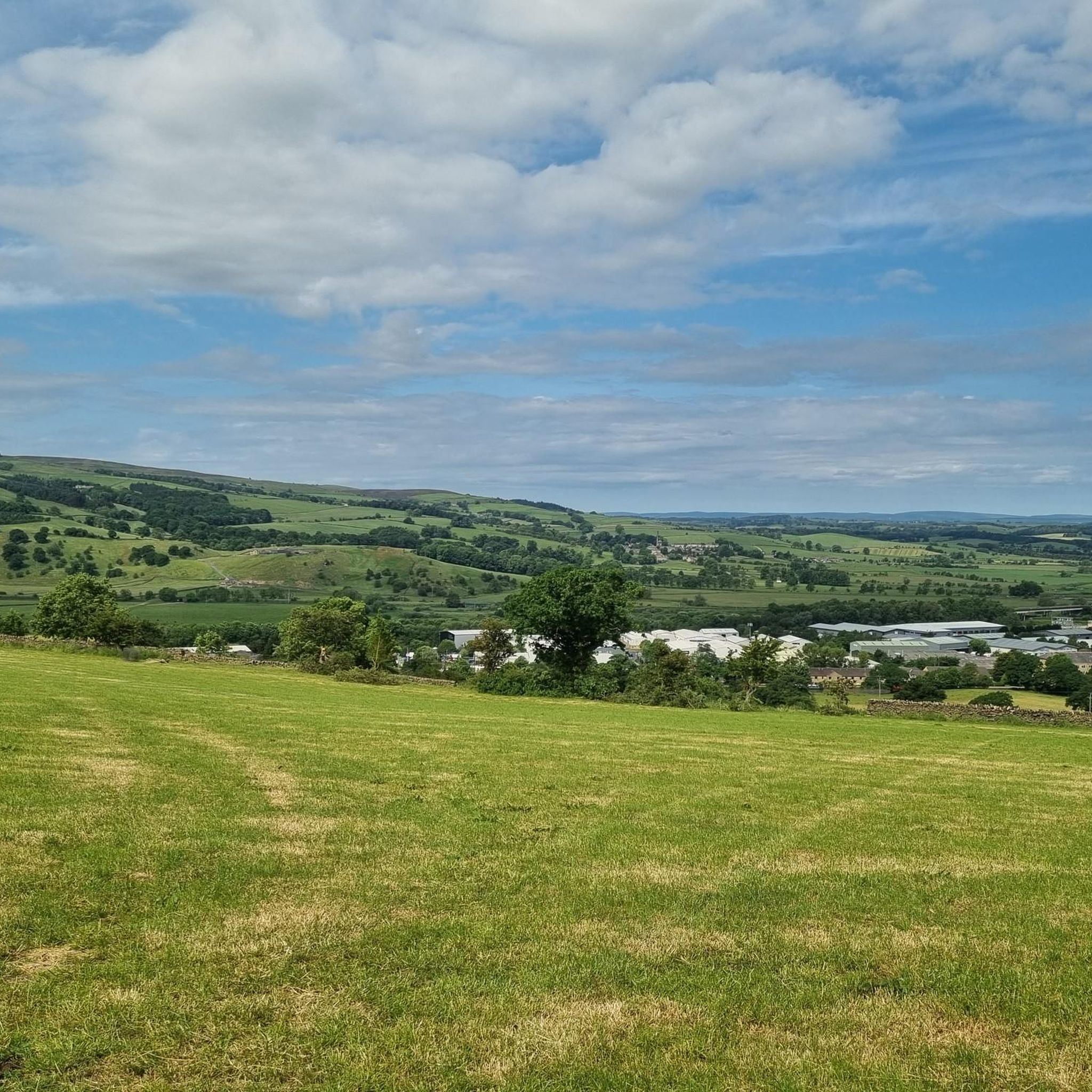
- The most popular natural monuments is Sharp Haw Summit, a viewpoint that is a 1,171-foot (357 m) hill along the Dales High Way. It offers extensive views of the…
Last updated: May 3, 2026
Sharp Haw Summit
Highlight • Viewpoint
Tip by

Crookrise Trig Point
Highlight • Summit
Tip by

Sign up now to discover places like this
Get recommendations on the best single tracks, peaks, & plenty of other exciting outdoor places.
Sign up for free
Swastika Stone
Highlight • Natural Monument
Tip by

Barden Moor Estate Track
Highlight (Segment) • Trail
Tip by

Lund's Tower on Earl's Crag
Highlight • Monument
Tip by

Sign up for free to discover even more natural monuments around Farnhill.
Sign up for free
Already have an account?
Start today with a free account
Your next adventure awaits.
Login or Signup

Tips from the Community

This stone can’t be missed as it is surrounded by a sturdy fence. The is some lichen growing on some of the stone that makes parts of the pattern difficult to see although it should discourage a visit given its historical significance
0
0


When hiking from the reservoir side, the trig pillar is located off the main path over the side of the wall accessed via a stile
0
0


Lund's Tower stands on top of Earl's Crag near Sutton in Craven, it is a turreted stone tower which was built as a folly in 1887.
0
0

There is a good moorland path that leads from Rylstone Cross right through to Embsay reservoir which makes for great fell running - it's rocky in parts, muddy in others and always up or down. The highlight and a great goal for a run is the trig point set in huge boulders on the summit of Crookrise
0
0
There's a good trail on the ground either from Flasby (the more interesting route) or Skipton side, and a rocky summit with a trig point - the perfect destination for a fell run
0
0

Frequently Asked Questions
What are some prominent natural viewpoints around Farnhill?
Farnhill and its surroundings offer several excellent natural viewpoints. Sharp Haw Summit provides extensive panoramic views of the Yorkshire Dales. From Crookrise Trig Point, you can enjoy miles of views, with the trig point set amidst impressive gritstone boulders. Even man-made follies like Wainman's Pinnacle and Lund's Tower on Earl's Crag are situated on elevated positions, offering impressive natural vistas.
Are there any unique geological features or ancient rock formations to explore near Farnhill?
Yes, Farnhill Moor is home to ancient cup-marked rocks, also known as petroglyphs. These prehistoric carvings are hidden amongst the gritstone rocks near the Jubilee Memorial. One notable rock features over forty distinct cup-marks, offering a unique glimpse into ancient art and local history. Additionally, the summit of Crookrise features huge gritstone boulders that create an impressive sense of scale.
What historical natural monuments can I visit in the Farnhill area?
While many features are natural, some landmarks blend history with their natural setting. The ancient cup-marked rocks on Farnhill Moor offer a historical perspective on prehistoric art. Structures like Wainman's Pinnacle (a folly commemorating the Napoleonic Wars) and Lund's Tower on Earl's Crag (built in 1887) are significant landmarks due to their integration with the natural landscape and the historical context of their construction.
What do visitors enjoy most about the natural monuments in Farnhill?
Visitors particularly enjoy the rewarding climbs to summits like Sharp Haw Summit for its panoramic vistas and the well-placed bench just below the top. The unique blend of natural beauty and historical intrigue, such as the ancient cup-marked rocks on Farnhill Moor, also captivates many. The expansive views from various viewpoints and the opportunities for challenging walks or fell runs are frequently highlighted.
What is the best time of year to visit the natural monuments around Farnhill?
The natural monuments around Farnhill are enjoyable throughout much of the year. Spring and summer offer lush greenery and generally milder weather, ideal for walking and enjoying the views. Autumn brings beautiful colors to the landscape. While winter can be colder, clear days can provide crisp views, though some paths might be muddy or icy. Always check local weather conditions before heading out.
Are there family-friendly natural monuments around Farnhill?
Many of the natural monuments around Farnhill can be enjoyed by families, depending on the children's age and fitness levels. Farnhill Moor offers expansive spaces for exploration, and the discovery of the ancient cup-marked rocks can be an engaging activity. Shorter, less strenuous walks to viewpoints with clear paths are generally suitable, but always check the specific trail difficulty before planning a family outing.
Are there dog-friendly trails near Farnhill's natural monuments?
Yes, many of the trails leading to natural monuments around Farnhill are dog-friendly, especially on Farnhill Moor, which is open access land. However, it's important to keep dogs under control, particularly around livestock and ground-nesting birds, and to adhere to any local signage regarding dog policies. Always carry waste bags and clean up after your pet.
What kind of terrain and difficulty can I expect on walks to these natural monuments?
The terrain around Farnhill's natural monuments varies. Walks to summits like Sharp Haw Summit and Crookrise Trig Point involve uphill climbs on moorland paths, which can be rocky in parts and muddy in others. These are generally considered intermediate difficulty. Farnhill Moor itself offers diverse landscapes with walking paths that can range from easy strolls to more challenging sections, especially when exploring off-path to find features like the cup-marked rocks.
What outdoor activities can I do near the natural monuments in Farnhill?
Beyond exploring the natural monuments themselves, the area around Farnhill is excellent for various outdoor activities. You can find numerous hiking trails, including those that lead to the summits and viewpoints. For cyclists, there are options for gravel biking, mountain biking, and road cycling routes that traverse the scenic landscape, often passing by or offering views of these natural features.
Are there specific hiking trails recommended for exploring these natural monuments?
Yes, there are several trails that incorporate these natural monuments. A good moorland path leads from Rylstone Cross to Crookrise Trig Point and on towards Embsay reservoir, which is popular for fell running and hiking. Sharp Haw Summit is also a prominent viewpoint along the Dales High Way. Many local circular walks on Farnhill Moor allow you to discover the cup-marked rocks and enjoy views over the Aire Valley.
Where can I find parking when visiting natural monuments near Farnhill?
Parking options vary depending on the specific natural monument you wish to visit. For Farnhill Moor and its features, there are often roadside parking spots or small lay-bys available in and around the village. For more remote summits, you might need to park in nearby villages or designated car parks and then walk to the trailhead. Always ensure you park responsibly and do not obstruct local access.
Most popular routes around Farnhill
Most popular attractions around Farnhill

Get inspired with the komoot mobile app


Explore more
Extend your search for the best caves by checking out these guides of the top ones around Farnhill:
