Top 8 Natural Monuments around Craster
Best natural monuments around Craster include a variety of coastal features and geological formations along the Northumberland coast. This picturesque fishing village offers access to dramatic landscapes and significant natural beauty. The area is characterized by its rugged coastline, sandy beaches, and unique rock formations. These natural features provide opportunities for exploring the region's geology and coastal environment.
Best natural monuments around Craster
- The most popular natural monuments is Low Newton Beach, a beach and natural monument. This location…
Last updated: July 1, 2026
Low Newton Beach
Highlight • Beach
Tip by

Long Heugh Limestone Escarpment
Highlight • Natural Monument
Tip by

Sign up now to discover places like this
Get recommendations on the best single tracks, peaks, & plenty of other exciting outdoor places.
Sign up for free
Greymare Rock
Highlight • Natural Monument
Comprised of a series of limestone beds extending into the …
Tip by

Howick Haven Rock Formations
Highlight • Viewpoint
Tip by
Howick Hall Gardens & Arboretum
Highlight • Historical Site
Tip by
Sign up for free to discover even more natural monuments around Craster.
Sign up for free
Already have an account?
Start today with a free account
Your next adventure awaits.
Login or Signup
Popular around Craster
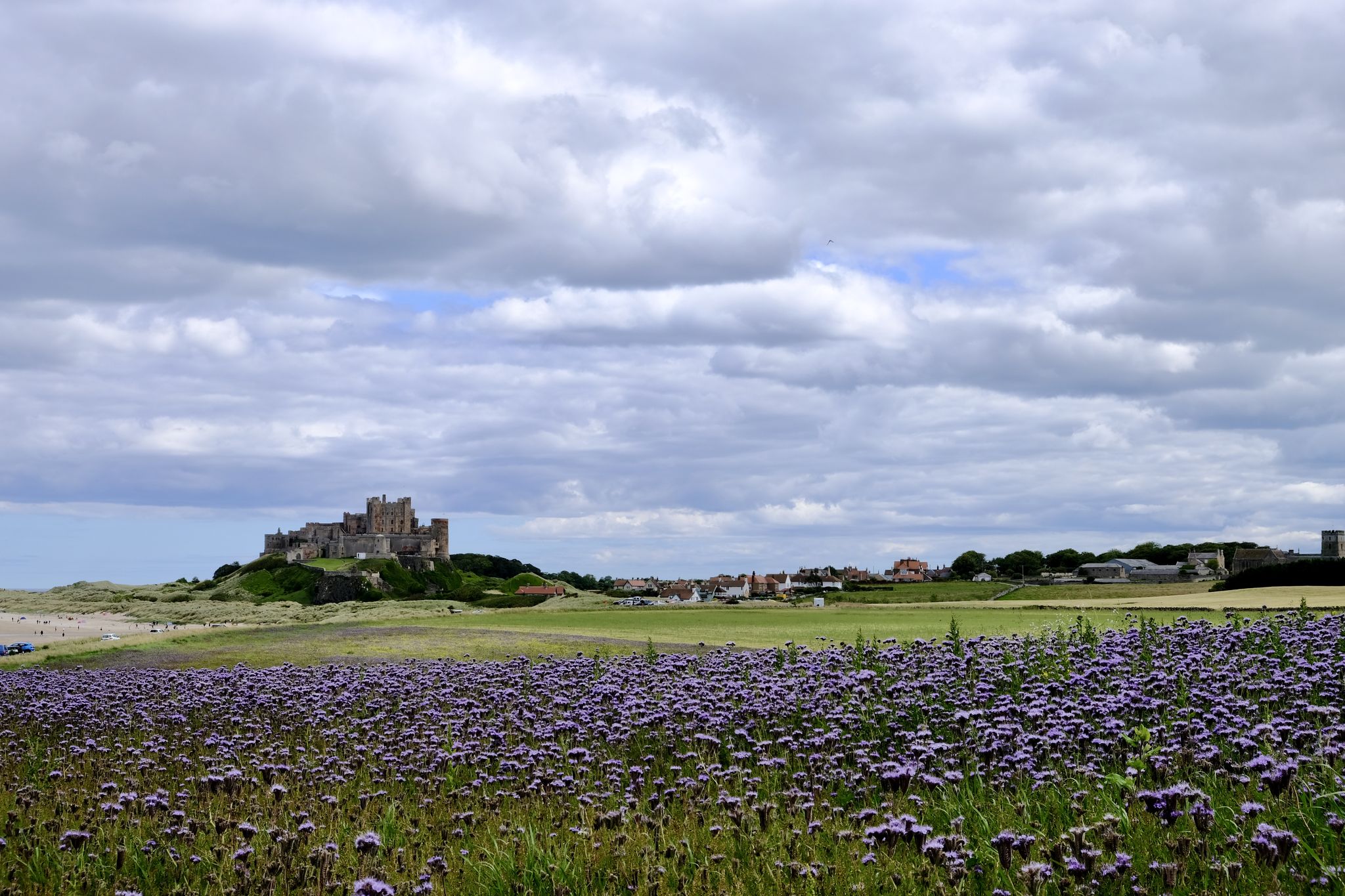
Hike the Northumberland Coast Path – Castles and coastlines
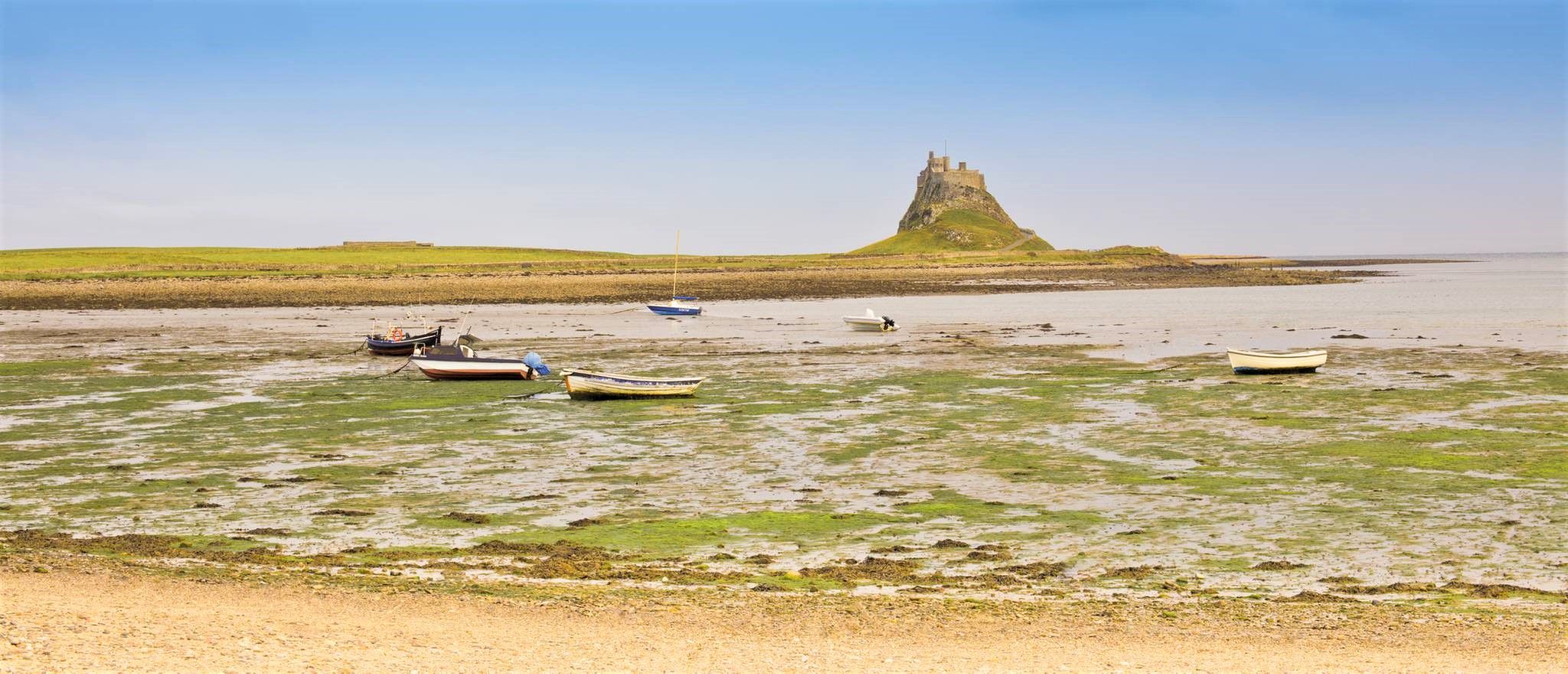
St Oswald's Way — Hike Northumberland's heavenly coast and wild heart
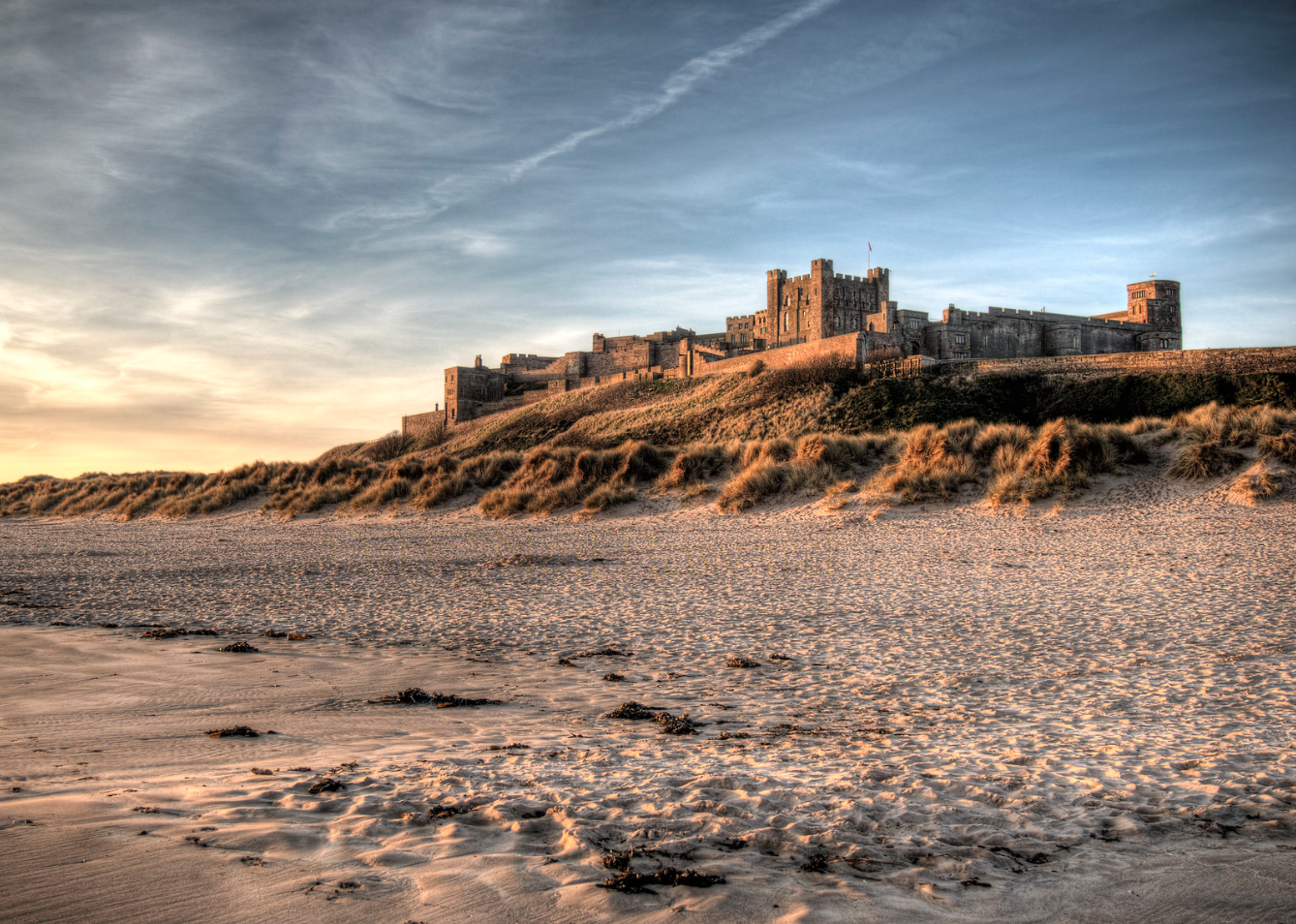
Coast and Castles – cycle in the footsteps of legends and kings
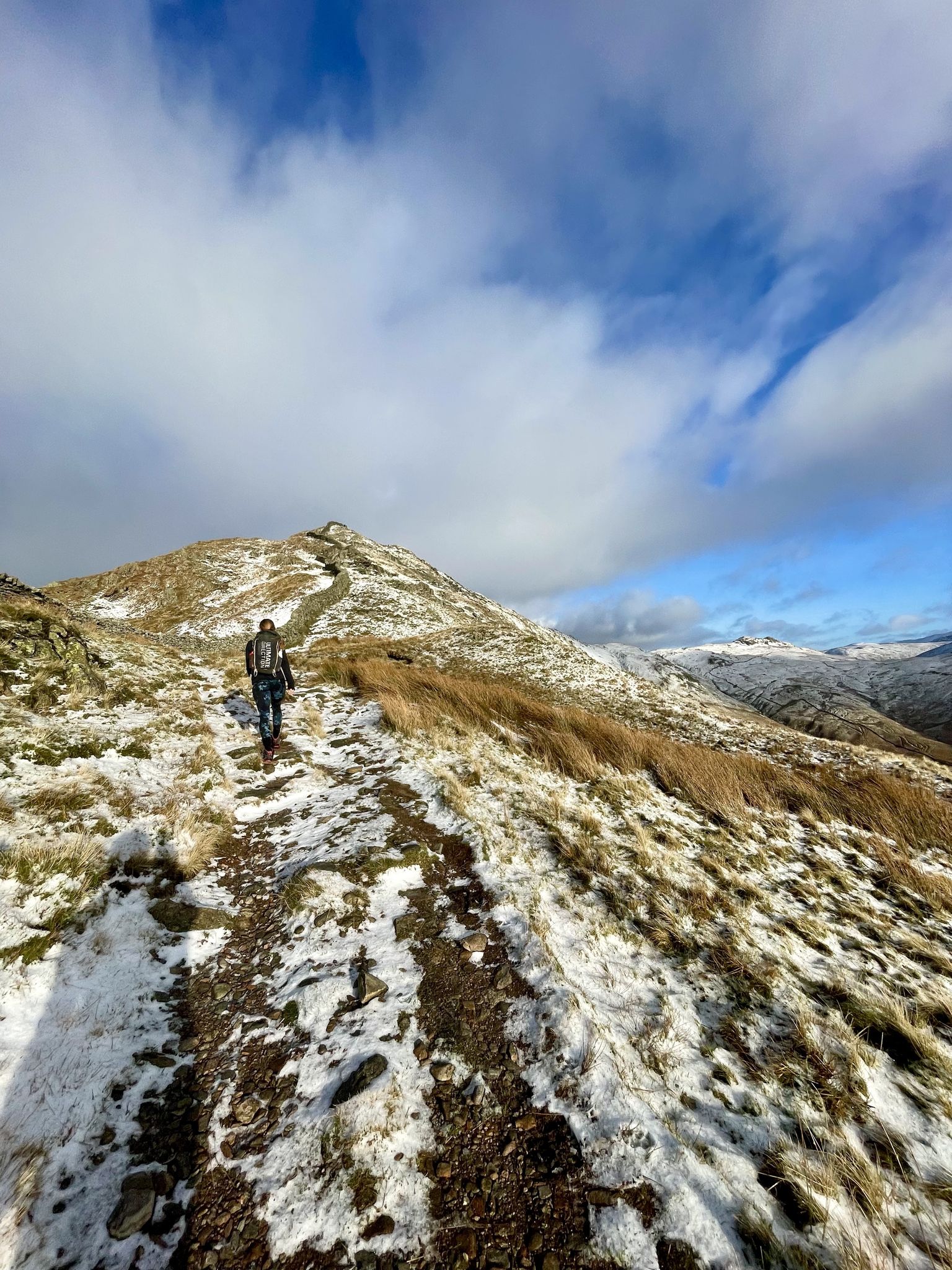
Walk Britain – 90 car-free adventures in England, Wales and Scotland
Hiking around Craster
Running Trails around Craster
Road Cycling Routes around Craster
Cycling around Craster
MTB Trails around Craster
Other adventures around Craster


Tips from the Community

Howick Hall, a Grade II listed building in the village of Howick, Northumberland, England, is the ancestral seat of the Earls Grey. It was the home of the Prime Minister Charles, 2nd Earl Grey (1764–1845), after whom Earl Grey tea is named. Howick Hall is the location of the Howick Hall Gardens & Arboretum
0
0

In the mid-13th century, Newton-by-the-Sea was part of the barony of Vesci, initially held by John Viscount for one knight's fee. Ownership passed through notable figures including Simon de Montfort and Edmund of Lancaster. By 1725, it became part of the Barony of Embleton and saw ownership by the Forster family, who built Newton Hall in the late 18th century for Joseph Forster. Low Newton, or Newton Seahouses, emerged in the early 19th century as a community for fishermen. The National Trust now manages some of these cottages, as well as the Coastguard Station, built around 1828. In the 19th century, Newton-by-the-Sea had around 250 residents. By 1895, it was a township of 1,211 acres with a population of 220. Today, the parish has about 135 dwellings, home to a mix of residents, holiday homeowners, and visitors. Many residents commute to nearby towns or Newcastle. The National Trust owns much of the coastal land and part of The Square at Low Newton.
0
0

The rocks on the North side of the haven reveal distinct layers of pale and black rock, formed in calm estuarine conditions. The black rock, made of shale or mudstone, settled in slow-moving water, while the paler rock, composed of fine-grained sandstone or siltstone, formed in slightly faster currents. Keep an eye out for remnants of a marine sandbank and a thin coal seam, offering glimpses into the area's past. As you continue, notice the tabular crossbedding in the sandstone, resembling patterns formed by flowing water around obstacles. These layers showcase the dynamic forces that have shaped this remarkable landscape. On the South side, a similar sequence can be observed, sans the coal. The sandstones, with their warm yellow to brown colors, owe their hues to ferric hydroxide, adding a touch of vibrancy to the scenery. Pay attention to the subtle differences in the rock layers' orientation. The varying strikes—around 50 degrees on the North side and 30 degrees on the South side—hint at a fault's presence, influencing the land and guiding the path of the Howick burn.
1
0
Discover Howick Hall Gardens & Arboretum, the historic residence of the Earls Grey since 1319. Learn about the fascinating life of the 2nd Earl, the inspiration behind the famous Earl Grey Tea. Explore the stunning gardens created by the 5th Earl Grey and his family, or venture into the expansive arboretum spanning 65 acres, showcasing a diverse collection of shrubs and trees from around the world. When you need a break, visit the Earl Grey Tea House for a delicious meal and a cup of Earl Grey Tea.
1
0

Strange formation of rock that looks bent and man made but it is natural
1
0
Just north of Dunstanburgh Castle, you'll find Greymare or Saddle Rock, a fascinating geological feature situated in a rocky bay. Comprised of a series of limestone beds extending into the sea amidst dolerite boulders, the rock's upper surface showcases a polished appearance due to wave action. This unique formation boasts a twisted, wave-like shape resulting from the heat and pressure generated during the creation of the nearby Whin Sill. Approximately 300 million years ago, a significant geological event occurred here, known as a Sill, where a horizontal sheet of magma, resembling a volcano's sideways flow, forcefully infiltrated between existing layers of rock strata. As you gaze upon the exposed rock, shaped like a wave, you may envision the grey mares or white horses described in folk tales, believed to gallop alongside breaking ocean waves or accompany the ancient pagan gods of the sea.
1
0
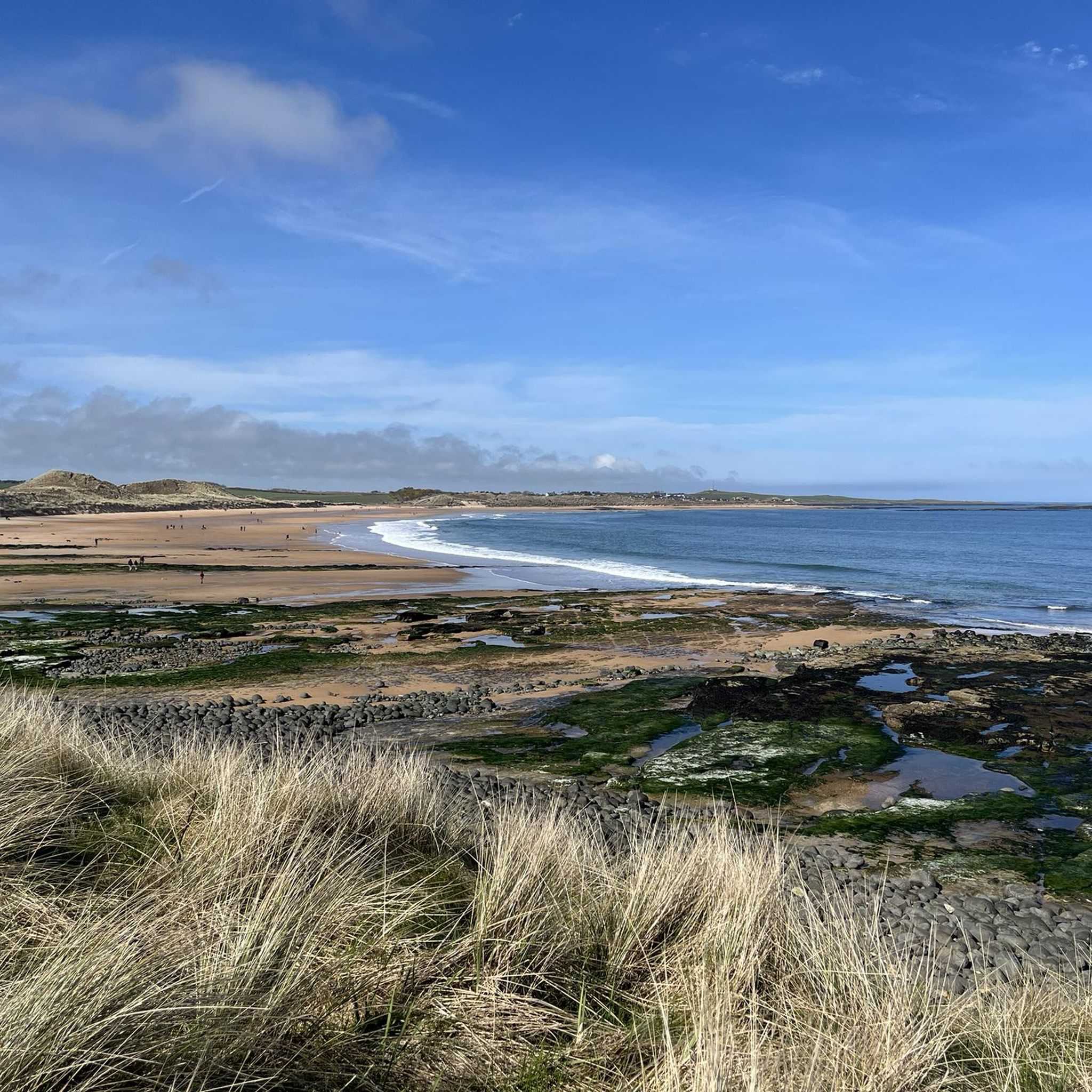
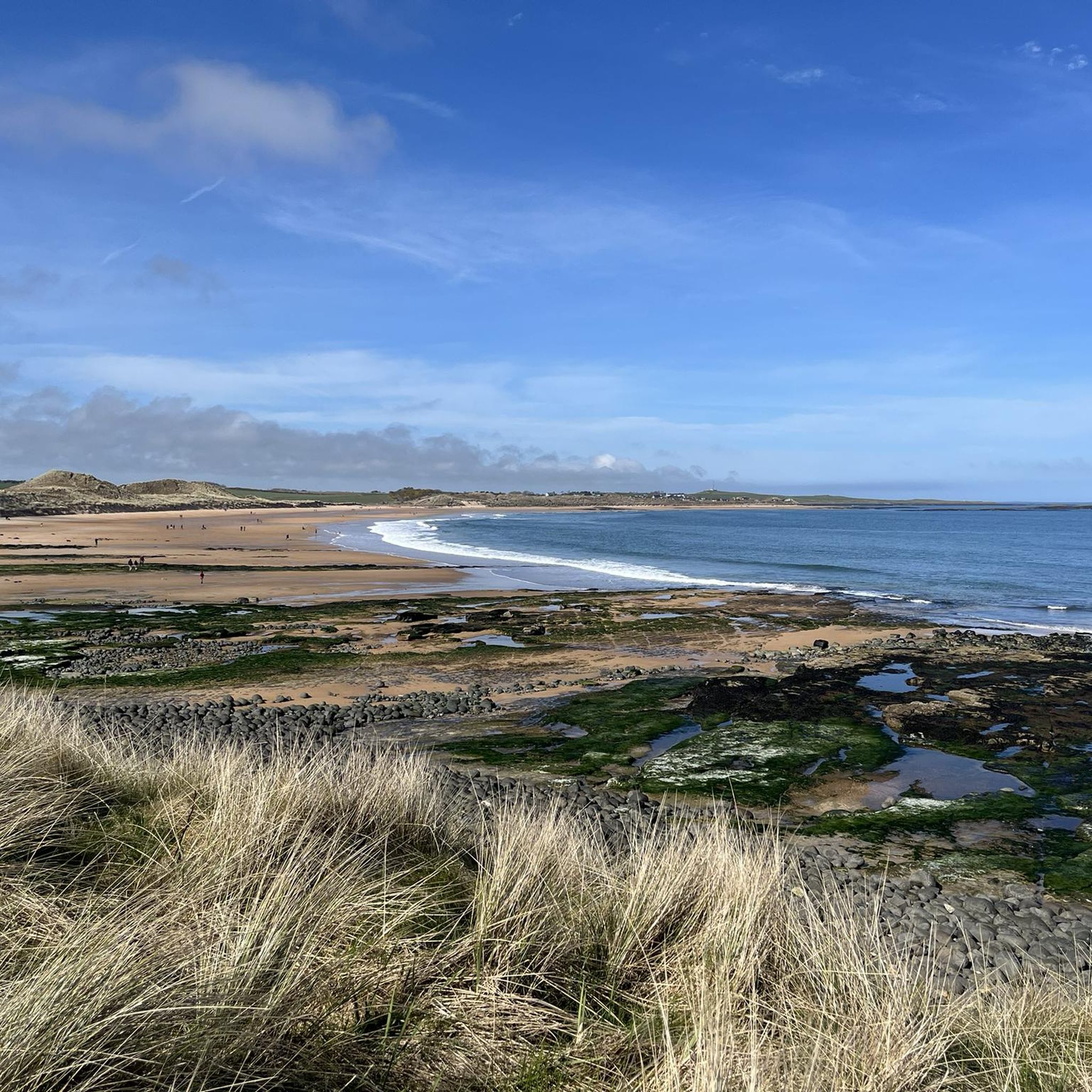
Lovely little village and beach which you can walk either on the beach to Embleton or through the nature reserve.
1
0
Frequently Asked Questions
What are some of the most popular natural monuments around Craster?
Visitors frequently enjoy Low Newton Beach, known for its tranquil atmosphere and opportunities for coastal exploration. Other popular spots include Long Heugh Limestone Escarpment with its towering rock faces, and Greymare Rock, a fascinating geological feature with a twisted, wave-like shape.
Are there family-friendly natural monuments around Craster?
Yes, Low Newton Beach is a great family-friendly option, offering space to walk along the sand or through a nature reserve. Additionally, Howick Hall Gardens & Arboretum, while a historical site, provides extensive gardens and an arboretum suitable for family visits.
What kind of wildlife can I see near Craster's natural monuments?
The region is rich in wildlife, especially birds. The Arnold Memorial Nature Reserve at the entrance to Craster village is an important habitat for migrant and breeding birds. Embleton Bay is a crucial breeding ground for seabirds, and Cullernose Point is particularly notable in spring for nesting kittiwakes.
What unique geological features can I explore around Craster?
You can explore several unique geological formations. Greymare Rock showcases limestone beds extending into the sea with a distinctive twisted, wave-like shape. At Howick Haven Rock Formations, you'll find distinct layers of pale and black rock, remnants of a marine sandbank, and even a thin coal seam, revealing the area's dynamic geological past.
Are there hiking trails near these natural monuments?
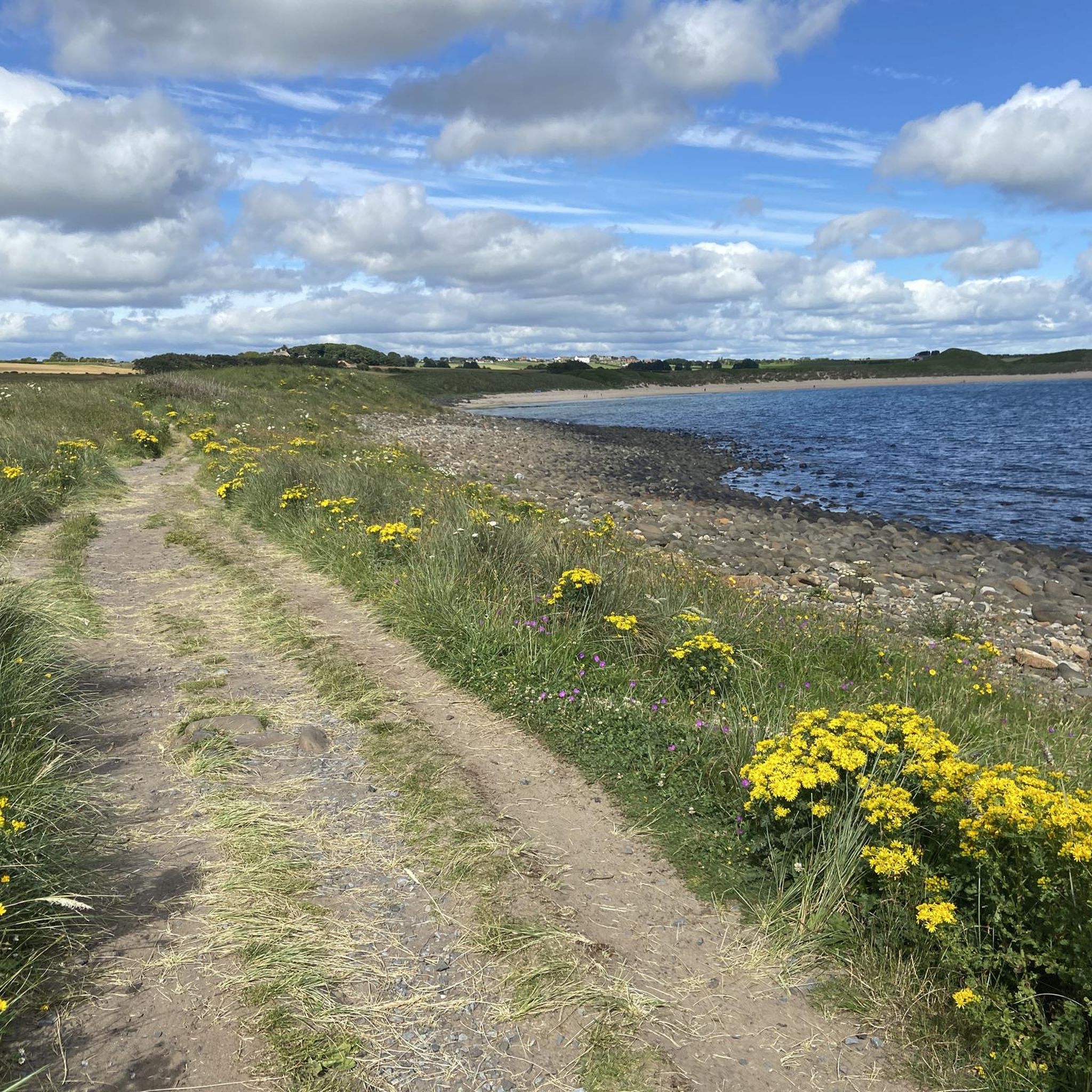
Yes, there are numerous hiking opportunities. The coastal path from Craster to Dunstanburgh Castle offers breathtaking sea views and showcases dramatic geological features. For more options, you can explore various easy hikes around Craster, including loops around Dunstanburgh Castle and Embleton Bay.
What outdoor activities can I do near Craster's natural monuments?
Beyond exploring the natural monuments themselves, you can enjoy various outdoor activities. There are many hiking trails, running trails, and MTB trails around Craster, offering diverse ways to experience the coastal landscape.
What is the best time to visit Craster's natural monuments?
The Northumberland coast can be 'bracing' in any season. Spring is particularly good for birdwatching, especially at Cullernose Point for nesting kittiwakes. The summer months offer milder weather for coastal walks and beach visits, while autumn can provide dramatic skies and fewer crowds.
Are there any hidden natural gems near Craster?
Rumbling Kern is a secluded, award-winning cove south of Craster. Historically known as a haunt for whisky smugglers, its secretive nature and beautiful setting make it a compelling spot for those looking to explore a quieter part of the coastline away from the main paths.
Can I find historical sites alongside natural monuments in Craster?
Yes, the region blends natural beauty with history. The walk along the rugged coastline from Craster to the imposing ruins of Dunstanburgh Castle is a prime example, where the historic structure is inextricably linked to its wild, remote headland setting. Howick Hall Gardens & Arboretum also offers a historical residence amidst beautiful natural and cultivated landscapes.
What are the terrain conditions like for walking near Craster's natural monuments?
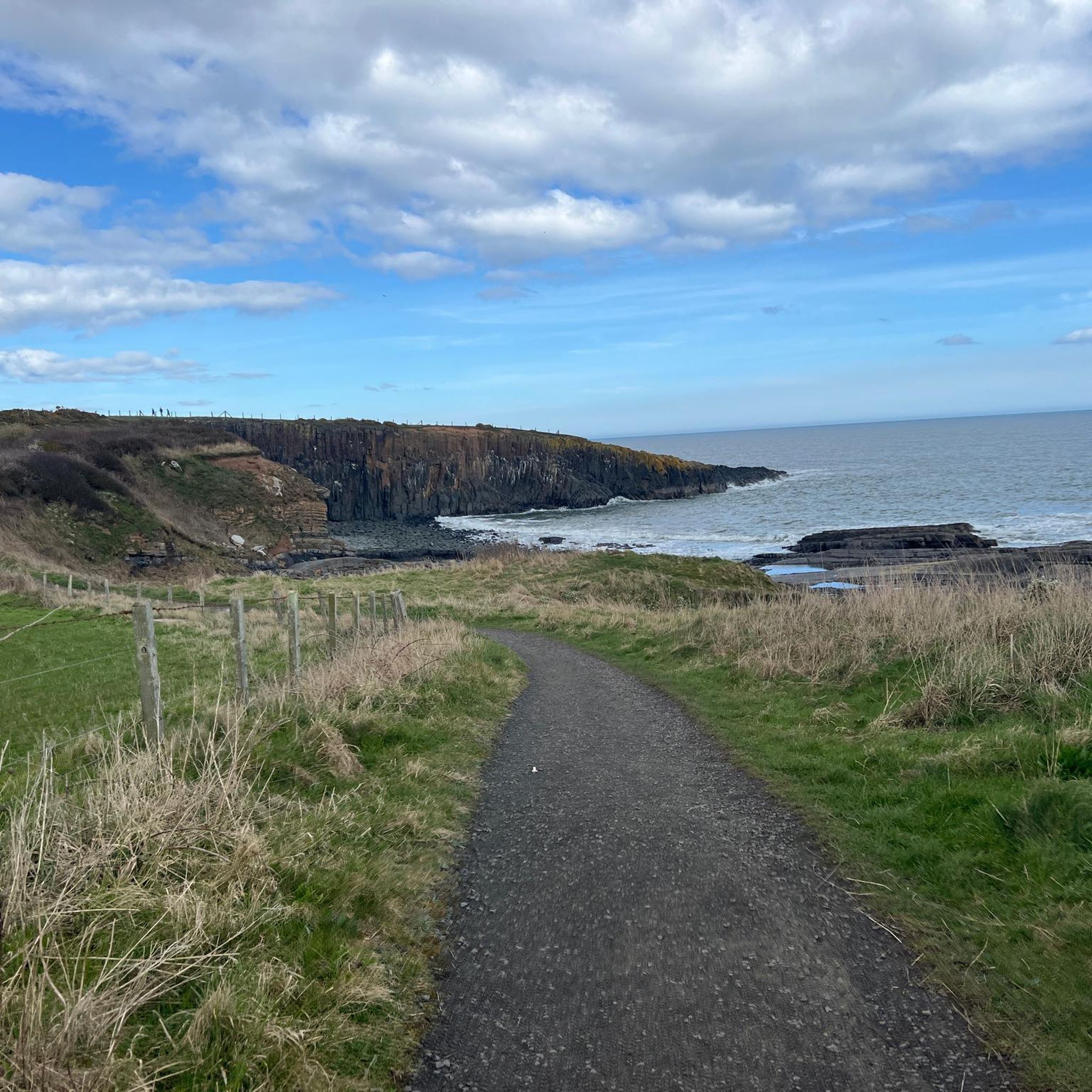
The terrain varies. Coastal paths, like the one to Dunstanburgh Castle, are generally rugged. Areas such as Long Heugh Limestone Escarpment can become muddy after rain, requiring careful navigation. Beaches like Embleton Bay offer pristine sandy stretches, while other areas may involve rocky bays and whinstone outcrops.
What do visitors enjoy most about the natural monuments around Craster?
Visitors frequently praise the stunning landscapes, diverse wildlife, and the opportunities for walking and birdwatching. The tranquil atmosphere of places like Low Newton Beach and the unique geological formations such as Greymare Rock are often highlighted. The dramatic coastal views and the sense of untamed beauty are also highly valued.
Are there any natural reserves or protected areas near Craster?
Yes, the Arnold Memorial Nature Reserve, owned by the Northumberland Wildlife Trust, is located at the entrance to Craster village. This old quarry within Craster Heugh is a significant habitat for birds and features diverse plant life, making it an important protected area for local flora and fauna.
Most popular routes around Craster
Most popular attractions around Craster

Get inspired with the komoot mobile app


Explore more
Extend your search for the best caves by checking out these guides of the top ones around Craster:
