Top 12 Natural Monuments around Llangoedmor
Best natural monuments around Llangoedmor, a village in Ceredigion, West Wales, are characterized by diverse geological features and rich biodiversity. The area features coastal and riverine landscapes, including unique sea caves, dramatic cliffs, and ancient woodlands. These sites offer opportunities to observe natural formations and local wildlife. The region's natural monuments are integral to its environmental character.
Best natural monuments around Llangoedmor
- The most popular natural monuments is Cemaes Head, an other natural feature that serves as the northernmost…
Last updated: October 4, 2026
Witches' Cauldron (Pwll-y-Wrach)
Highlight • Gorge
Tip by

Ceibwr Bay
Highlight • Viewpoint
Tip by

Sign up now to discover places like this
Get recommendations on the best single tracks, peaks, & plenty of other exciting outdoor places.
Pembrokeshire Coast Path: Moylgrove to Poppit Sands
Highlight • Trail
Some sections of the path along Cemaes Head …
Tip by

Cemaes Head
Highlight • Natural
Tip by
Ffynone Waterfall
Highlight • Viewpoint
Tip by

Sign up for free to discover even more natural monuments around Llangoedmor.
Already have an account?
Start today with a free account
Your next adventure awaits.
Tips from the Community

Steep but gorgeous views!
0
0


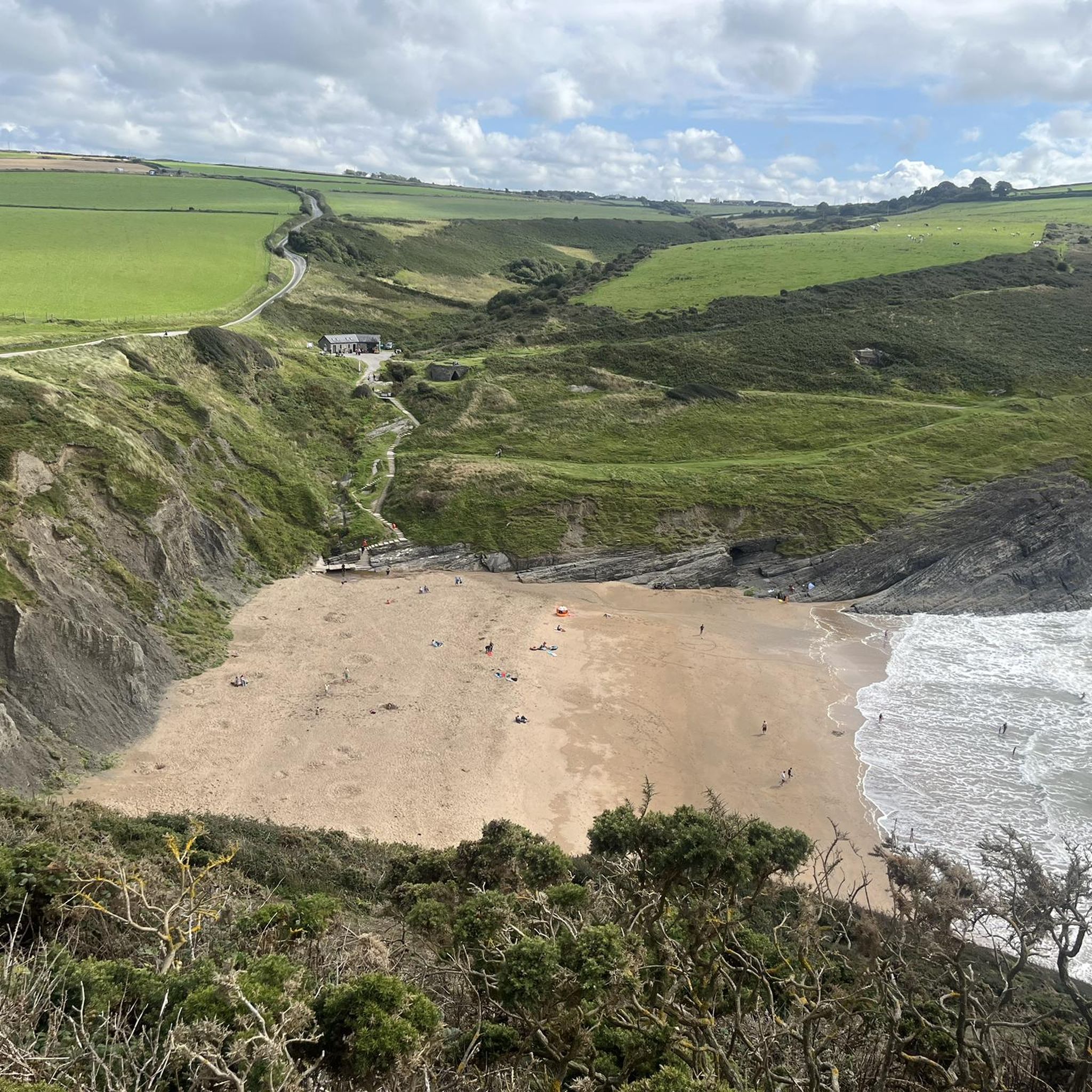
Ceibwr is a gorgeous little bay towards the northern end of the Pembrokeshire Coast Path. The rocky coastline around Ceibwr is wild and dramatic, with many instances of impressive rock scenery. The bay itself is steep sided and was carved in the last Ice Age by surging meltwater forcing its way through what is now the Cwm Trewyddel valley. It's a great spot for wildlife watching. Grey seals can be spotted close by, while porpoises are often sighted offshore.
0
1


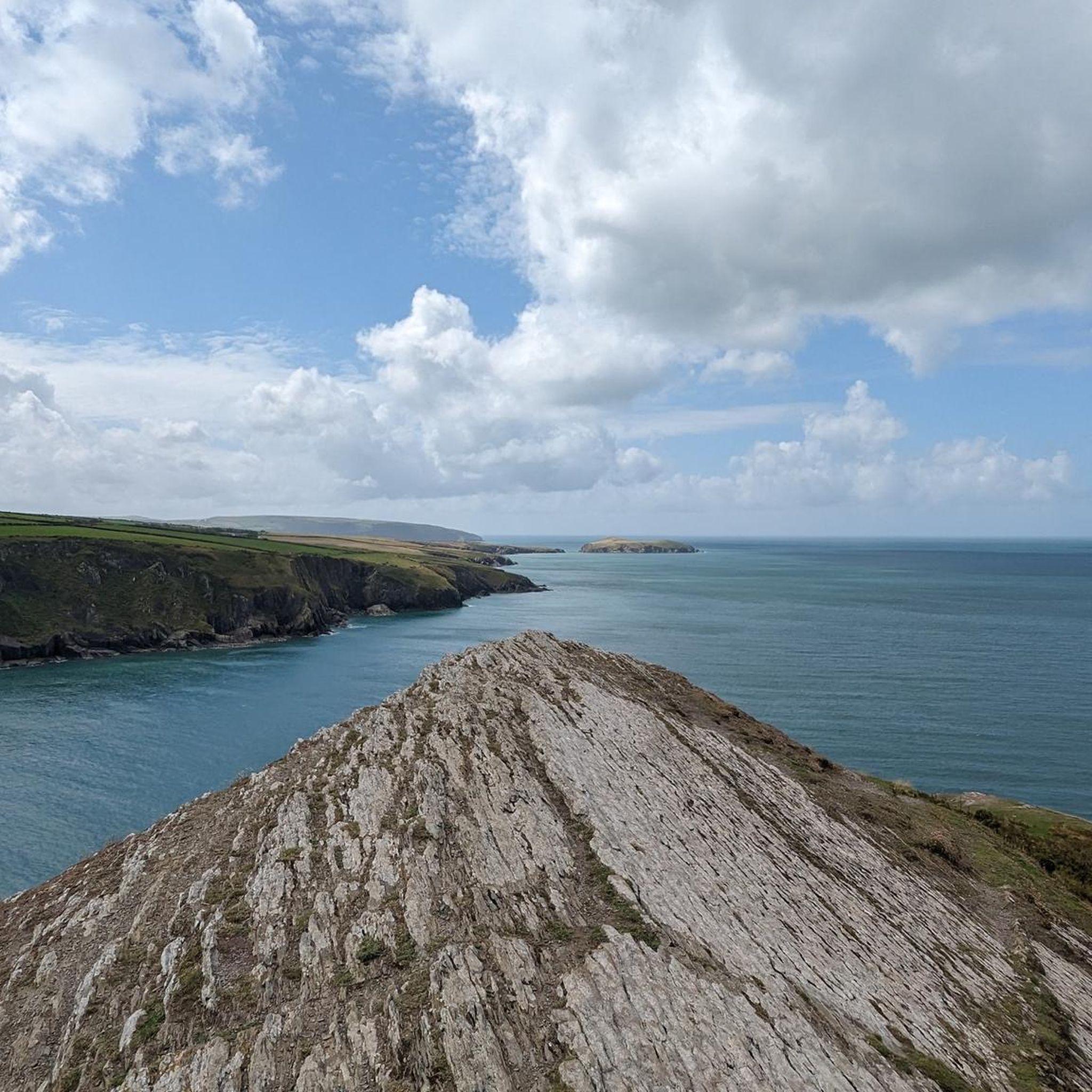
Cemaes Head is the northernmost headland on the Pembrokeshire coast. A designated nature reserve, the headland overlooks the mouth of the Teifi estuary. The headland boasts diverse grassland, maritime heath and cliff habitats. Within the varied reserve, you can spot animals such as ponies, rabbits and voles, plus lots of birdlife.
2
0

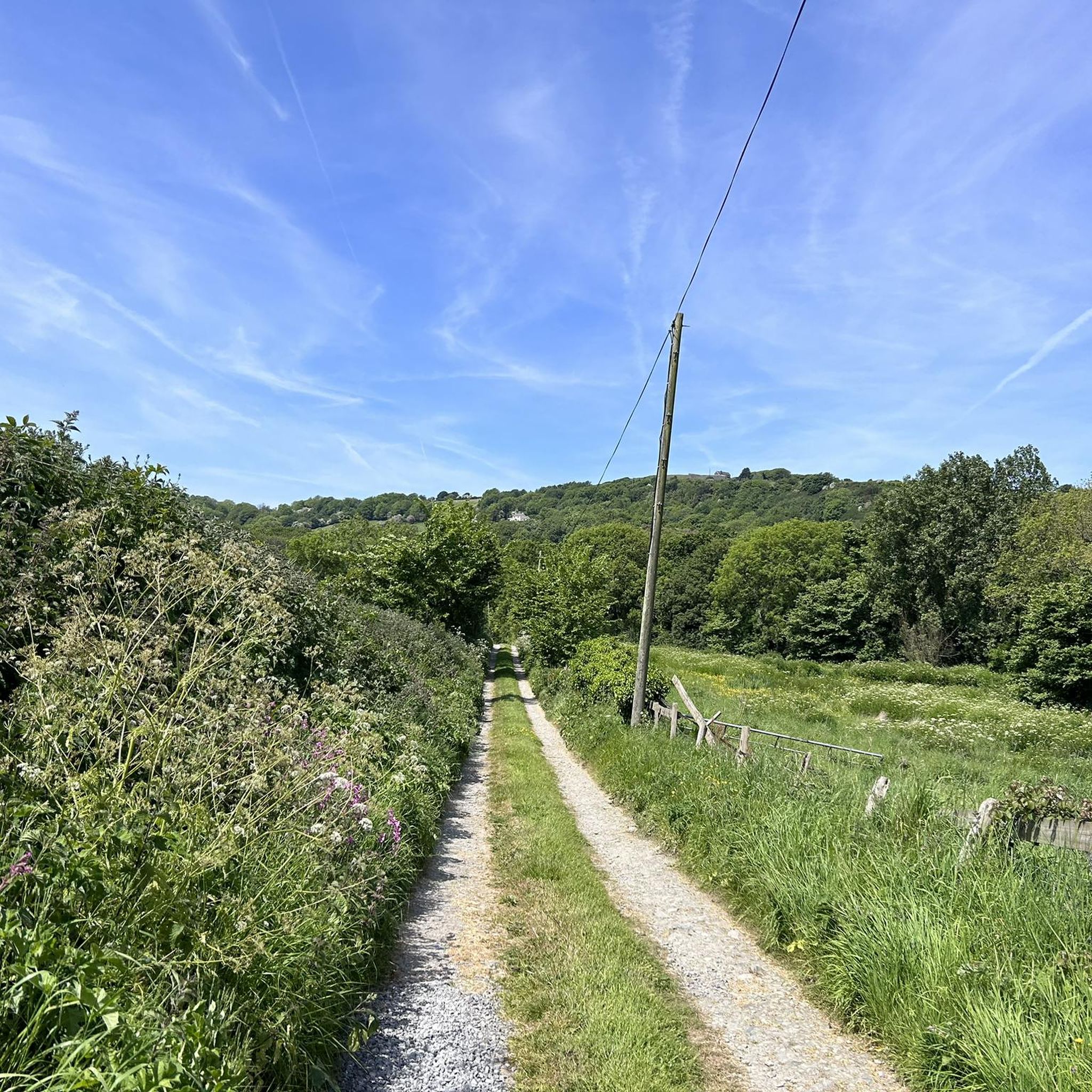
A stunning section of the Pembrokeshire Coast Path. Depending on your direction of travel, you're nearly at the end or just starting! Some sections of the path along Cemaes Head (north of here) are close to the cliff edge so you will need to be comfortable with this. Alternatively, there is an option to take a shortcut by heading directly West towards Penrhyn.
2
0

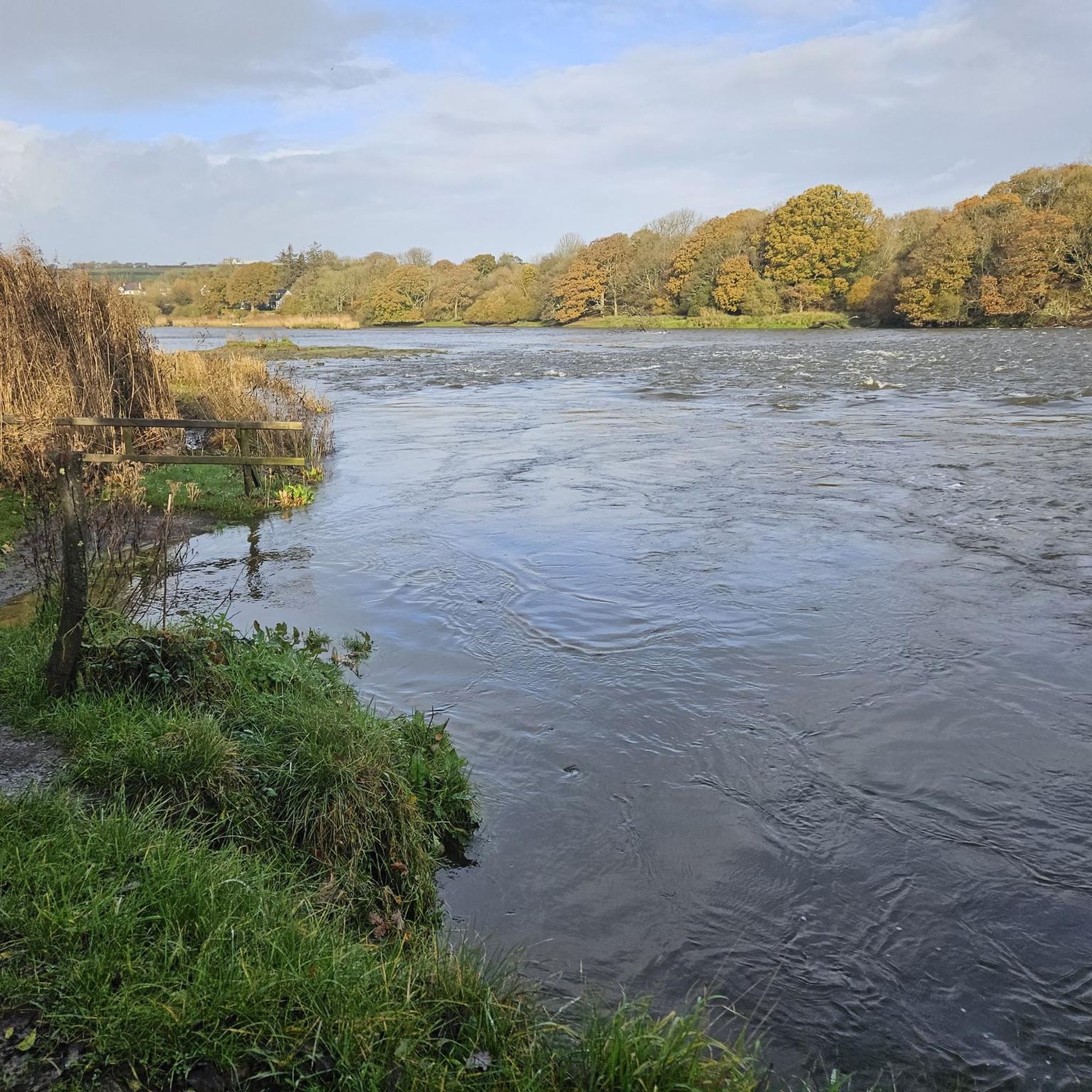
Beautiful hidden gem in the middle of Ffynone woods which is situated in West Wales, about 7 miles south of Cardigan, in North Pembrokeshire. Located in a secluded valley, the woodlands extend to 325 acres 10% ancient woodland. Ranging from fairly flat valley bottom to steep valley sides, the woods have four rivers and a waterfall, with the remnants of the ancient woodland - including veteran oaks - mainly located around the river system.
1
0

A brilliant walk along the cliffs to reach this place, do be mindful as some of the paths to get to it can get close to the cliff edges. However, once there we had the place to ourselves which gave us plenty of time to explore. Well worth a visit.
1
0
Frequently Asked Questions
What are some of the most popular natural monuments around Llangoedmor?
Visitors frequently enjoy the dramatic Witches' Cauldron (Pwll-y-Wrach), a unique cavernous pool with peculiar green water formed by a collapsed sea cave. Another favorite is Ceibwr Bay, known for its wild, rocky coastline and opportunities to spot seals and porpoises. Cemaes Head, the northernmost headland on the Pembrokeshire coast, is also highly regarded for its diverse habitats and views over the Teifi estuary.
What kind of natural features can I expect to see around Llangoedmor?
The area boasts a diverse range of natural features, from dramatic coastal formations like collapsed sea caves and steep-sided bays to tranquil riverine landscapes with waterfalls and ancient woodlands. You'll find impressive rock scenery, sandy beaches, and protected headlands offering panoramic views.
What is the best time of year to visit the natural monuments around Llangoedmor?
Many natural monuments are beautiful year-round. Autumn is particularly special for visiting Cenarth Falls, as salmon can be seen leaping upstream to spawn. Spring and summer offer vibrant wildflowers in places like Coedmor National Nature Reserve and increased chances of spotting dolphins and seals at coastal spots like Traeth Mwnt and Tresaith. Coastal walks are enjoyable in milder weather, but always be prepared for changing conditions.
Are there family-friendly natural monuments around Llangoedmor?
Yes, several natural monuments are suitable for families. Tresaith Waterfall, which cascades directly onto a sandy beach, offers a unique and picturesque experience, especially at low tide. Traeth Mwnt is another charming sandy beach with clear waters, perfect for relaxation and spotting marine wildlife. Cenarth Falls provides a beautiful, green setting to enjoy the sounds of the river and observe the salmon leap in autumn.
Are the natural monuments around Llangoedmor dog-friendly?
Many outdoor areas, including coastal paths and some nature reserves, welcome dogs, often on leads. For example, Coedmor National Nature Reserve allows delightful strolls along its paths. However, specific rules can vary, especially in protected areas or during nesting seasons. It's always best to check local signage or the Natural Resources Wales website for the most current dog policies for specific reserves.
What outdoor activities can I do near these natural monuments?
The region offers excellent opportunities for various outdoor activities. You can enjoy scenic running trails, such as the moderate 'Welsh Wildlife Centre – Cilgerran Castle loop' or more challenging routes like the 'Poppit Sands Beach loop'. Cycling is also popular, with options ranging from moderate touring bicycle routes like 'Cilgerran and Llechryd loop' to challenging road cycling adventures. For more details on routes, explore the Running Trails around Llangoedmor or Cycling around Llangoedmor guides.
Are there easy walking trails near Llangoedmor's natural monuments?
Yes, there are various walking options. While some coastal paths can be steep, places like Coedmor National Nature Reserve offer delightful strolls along its paths through ancient woodland. The walks around Cenarth Falls are generally gentle, allowing visitors to enjoy the river scenery. For coastal walks, checking tide times is advisable, especially for places like Tresaith beach.
What wildlife can I spot at these natural monuments?
The area is rich in wildlife. At Ceibwr Bay and Traeth Mwnt, you have excellent chances of spotting grey seals, porpoises, and dolphins, especially in summer. Coedmor National Nature Reserve is a haven for birds, including Redstarts, Pied Flycatchers, and Great Spotted Woodpeckers, with otters also present along the River Teifi. Cenarth Falls is famous for its salmon leap in autumn.
Where can I park when visiting the natural monuments around Llangoedmor?
Parking availability varies by location. Many popular sites like Ceibwr Bay, Cenarth Falls, Tresaith, and Traeth Mwnt have designated parking areas, though some may be small or require a fee. For more remote spots or sections of the Pembrokeshire Coast Path, roadside parking might be an option, but it's always recommended to park responsibly and check for any restrictions.
Are there any wheelchair accessible trails near Llangoedmor's natural monuments?
Accessibility can be challenging for some of the more rugged natural monuments, particularly those along the dramatic Pembrokeshire Coast Path which can be steep. However, some areas, especially around visitor centers or specific sections of nature reserves like parts of Coedmor National Nature Reserve, may offer more accessible paths. It's advisable to check specific site information for detailed accessibility details.
What should I wear when hiking near Llangoedmor's natural monuments, especially in autumn?
When hiking in autumn, it's best to dress in layers to adapt to changing weather. Waterproof and windproof outer layers are essential, as coastal areas can be exposed. Sturdy walking boots with good grip are highly recommended, especially for paths that can be steep or muddy, such as those leading to the Witches' Cauldron or along the Pembrokeshire Coast Path.
Are there any hidden natural gems in the Llangoedmor area?
While many natural monuments are well-known, the Ffynone Waterfall is often described as a beautiful hidden gem. Located in the secluded Ffynone woods, it offers a tranquil escape with ancient woodlands and a picturesque waterfall, providing a sense of discovery away from more frequented spots.
Most popular routes around Llangoedmor
Most popular attractions around Llangoedmor

Get inspired with the komoot mobile app


Explore more
Extend your search for the best caves by checking out these guides of the top ones around Llangoedmor:
