Top 8 Natural Monuments around Cwmamman
Best natural monuments around Cwmamman are characterized by a rich geological heritage and diverse natural features within the Amman Valley. The landscape showcases ancient rock formations, glacial valleys, and significant upland areas. Visitors can explore a variety of natural attractions, from historical quarries to prominent mountain summits. These sites offer insights into the region's deep geological past and its evolving ecosystems.
Best natural monuments around Cwmamman
- The most popular natural monuments is Carreg Cennen Castle, a castle and natural…
Last updated: October 4, 2026
Carreg Cennen Castle
Highlight • Castle
Tip by

Herbert's Quarry
Highlight • Historical Site
Tip by

Sign up now to discover places like this
Get recommendations on the best single tracks, peaks, & plenty of other exciting outdoor places.
Garn Goch Hill Forts
Highlight • Natural Monument
Tip by
Garreg Las Summit Cairns
Highlight • Natural Monument
Tip by
Garreg Lwyd Summit
Highlight • Natural Monument
Tip by
Sign up for free to discover even more natural monuments around Cwmamman.
Already have an account?
Start today with a free account
Your next adventure awaits.
Tips from the Community

The location of the castle above the valley of the Cennen is simply indescribably beautiful, especially when sun and clouds constantly change the lighting mood.
1
0

Interesting ruins of a time gone by, with spectacular views over the Carmarthen countryside
0
0

Wow just wow, didn’t expect the cave below the castle !!!
1
1

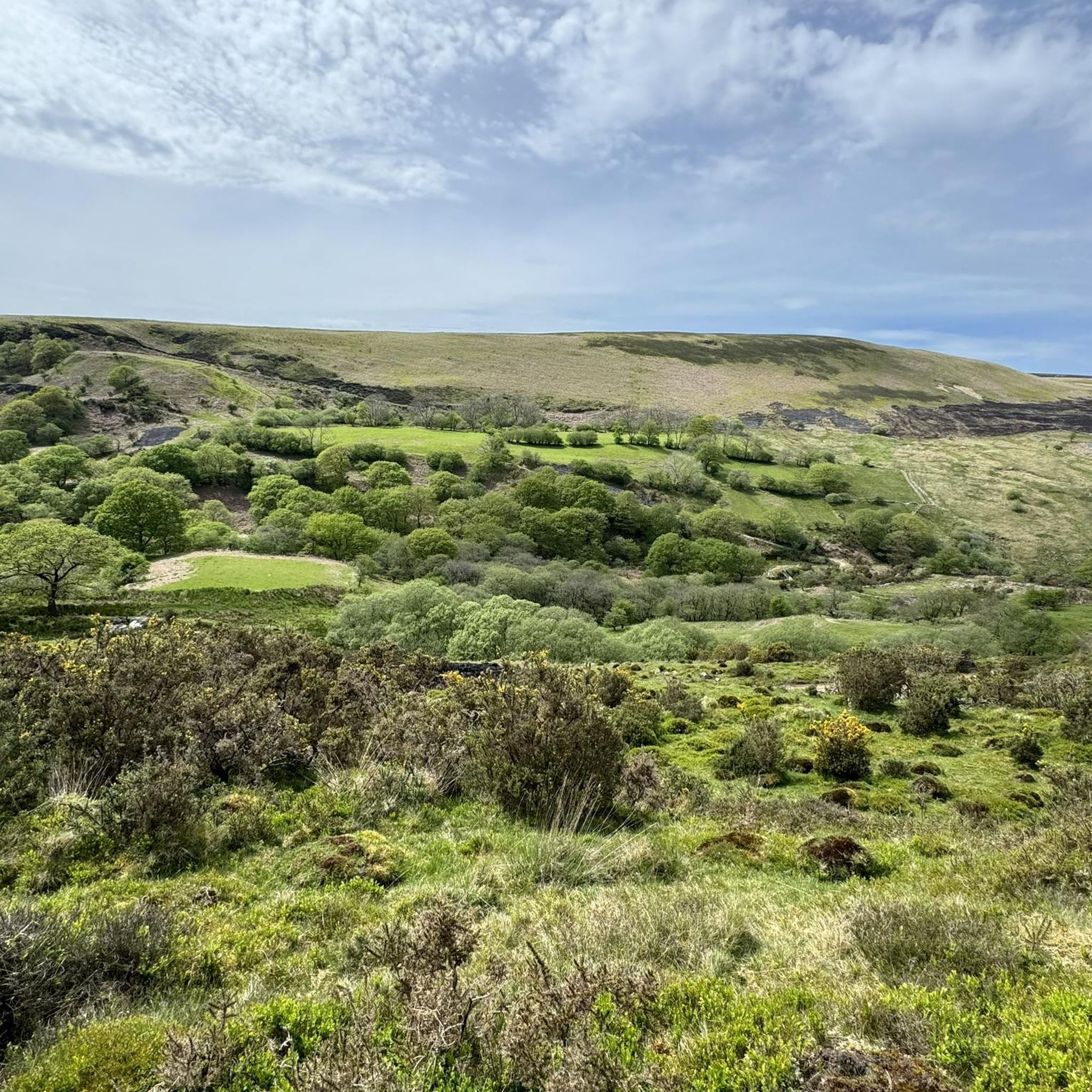
Garreg Las (Twyn-Swnd) is on the west side of the Black Mountain range, and it is visited far less often than many peaks in the Brecon Beacons. Its remoteness is its draw for me; rarely will you be unindated with a host of other walkers here. It is also hansomely topped by a pair of substansive, rocky ancient cairns. You can come across from the car park on the A4069 Brynaman Road or come up from Llanddeusant; both are equally as appealing, but the Llanddeusant route takes the top slot if you go back via Llyn y Fan Fach; this route has the best views. The views from the summit itself are like the location: raw and remote, but I love the place. It is a good area for a bit of navigation practice. At 635 metres high, it is a UK-listed Nuttall and Hewitt. Tip: Any Welsh place name with Llan in it means it has a church. In this case, Llanddeusant means the church with two saints.
1
0

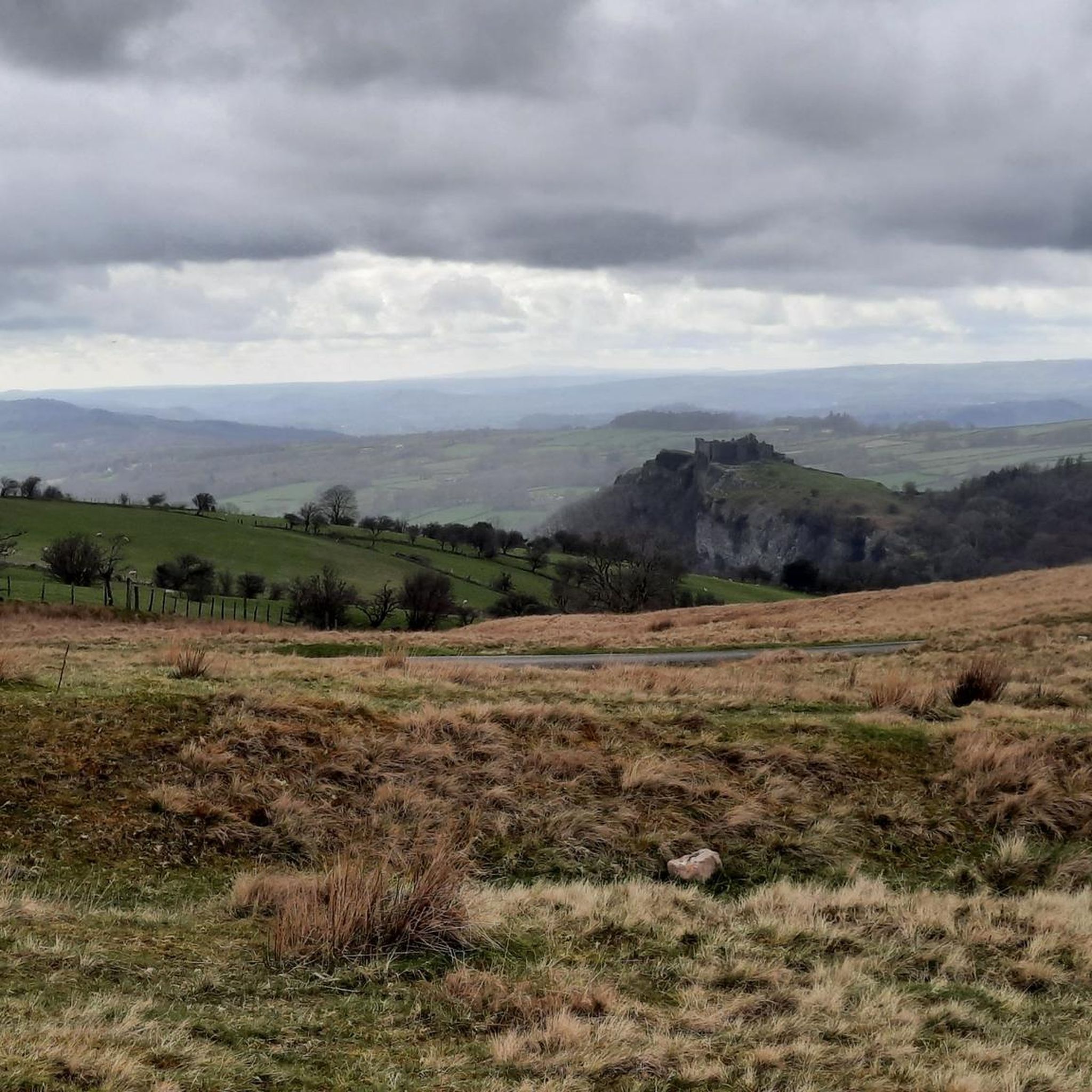
Carreg Cennen Castle is erected sometime after 1284 by Baron John Giffard and his son on the site of an earlier Welsh fortification. In 1462, Carreg Cennen flies the Lancastrian flag. Taken on behalf of the Yorkist king Edward IV, it is slighted by pick and crowbar, ending its life as a stronghold. Carreg Cennen castle is spectacularly located on a great limestone crag about 90m above the river Cennen, offering views miles around.
4
0
Garreg Lwyd, also known as Moel Gornach, is a peak in the Black Mountain of the Brecon Beacons, South Wales. It is a subsidiary summit of Fan Brycheiniog. It is the westernmost area over 2,000 feet above sea level in South Wales.
1
0
Herbert’s Quarry is part of the Black Mountain and Mynydd Myddfai Registered Landscape of Outstanding Historic Interest in Wales. Unlike in other lime producing areas where canals and tramroads could be built, the industry at Herbert’s Quarry was served solely by road transport. The lime trade was a factor in the development of Turnpike roads, and the network of tracks and roads over the mountain is closely associated with the activity at Herbert’s Quarry. As you walk through the site you are taking a journey through time, and walking in the footsteps of many hundreds and thousands of people before you, people whose hard work, sweat and drudgery shaped this landscape and left a rich industrial legacy.
2
0
This is a very undervalued area of the western Brecon Beacons. The walking here is raw and wild, which is one of the reasons why it is also a quieter part of the park, so it will appeal to many. Here you also will find some of the best examples of Iron Age hillforts you can ever hope to see anywhere. Y Garn Goch and Y Gaer Fach are some of the most impressive hill forts in Wales. At 11.2 and 1.5 hectares, respectively, these are impressive structures and in their day provided considerable defensive structures to the native inhabitants. The large stone defensive ramparts, which are large rubble banks today, once stood 10m high and 5m thick. You can access both forts from a small car park at the base of the hill.
1
0
Frequently Asked Questions
What unique geological features can I explore in Cwmamman?
Cwmamman is rich in geological history, sitting at the northern boundary of the South Wales Coalfield. You can observe ancient rock formations like the 300-million-year-old 'Farewell Rock' at Glynhir, which forms the base of the coal measures. The area also features significant geological structures such as the Ty-Llwyd Fault and Gardners Fault, offering a glimpse into the Earth's deep past.
Are there any historical natural monuments in the Cwmamman area?
Yes, Cwmamman has several historical natural monuments. You can visit Carreg Cennen Castle, which stands on a dramatic limestone crag and offers both historical significance and panoramic views. Another notable site is Herbert's Quarry, a former lime quarry whose ruins and spoil heaps tell the story of 200 years of industrial activity integrated into the natural landscape.
What kind of natural landscapes can I expect to see in the Amman Valley?
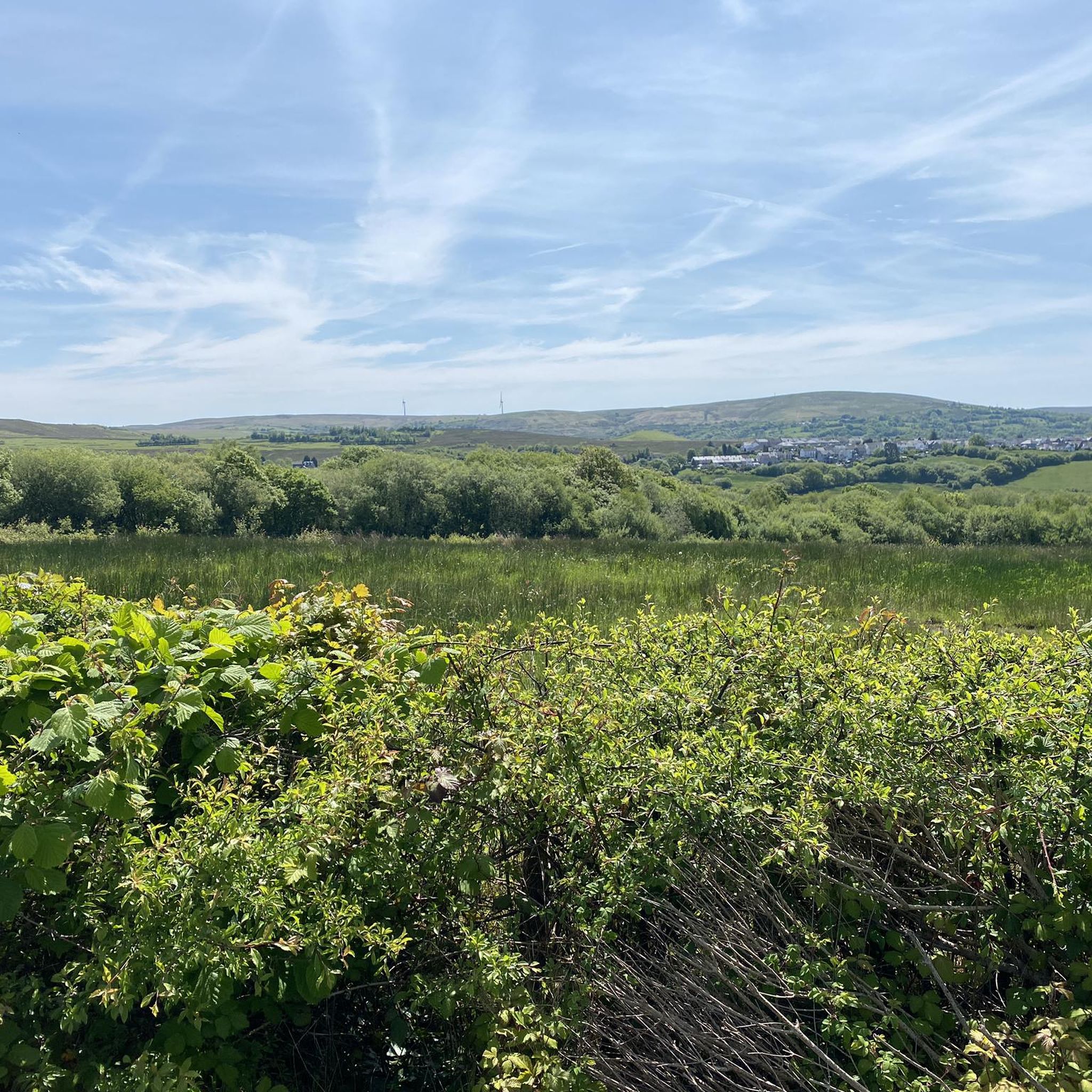
The Amman Valley itself is a broad glacial valley, shaped by the last ice age. The River Amman flows through it, creating a vibrant river ecosystem with deciduous woodlands and floodplain pastures. This area is perfect for scenic walks and observing tranquil riverine beauty.
Are there opportunities for hiking and exploring upland areas near Cwmamman?
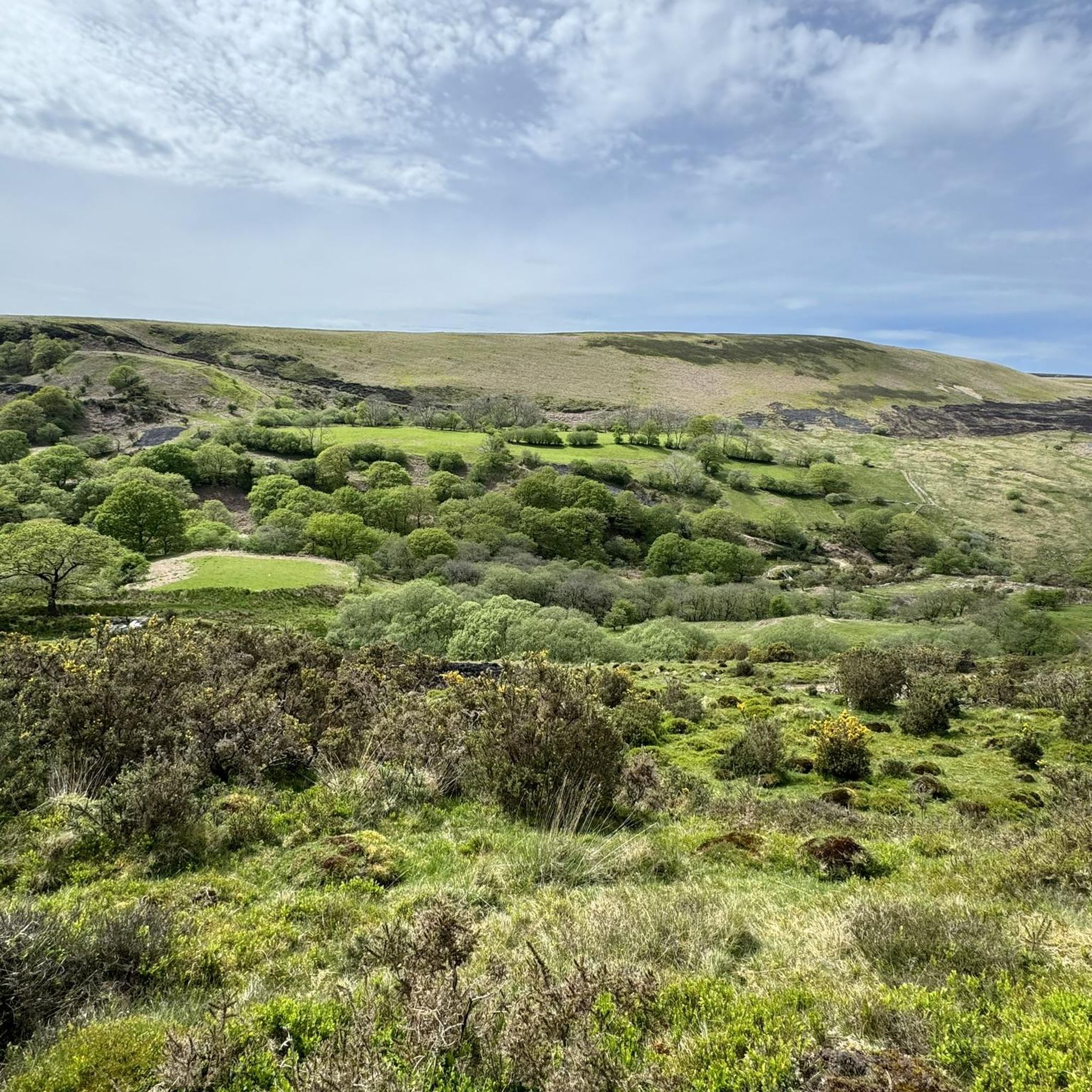
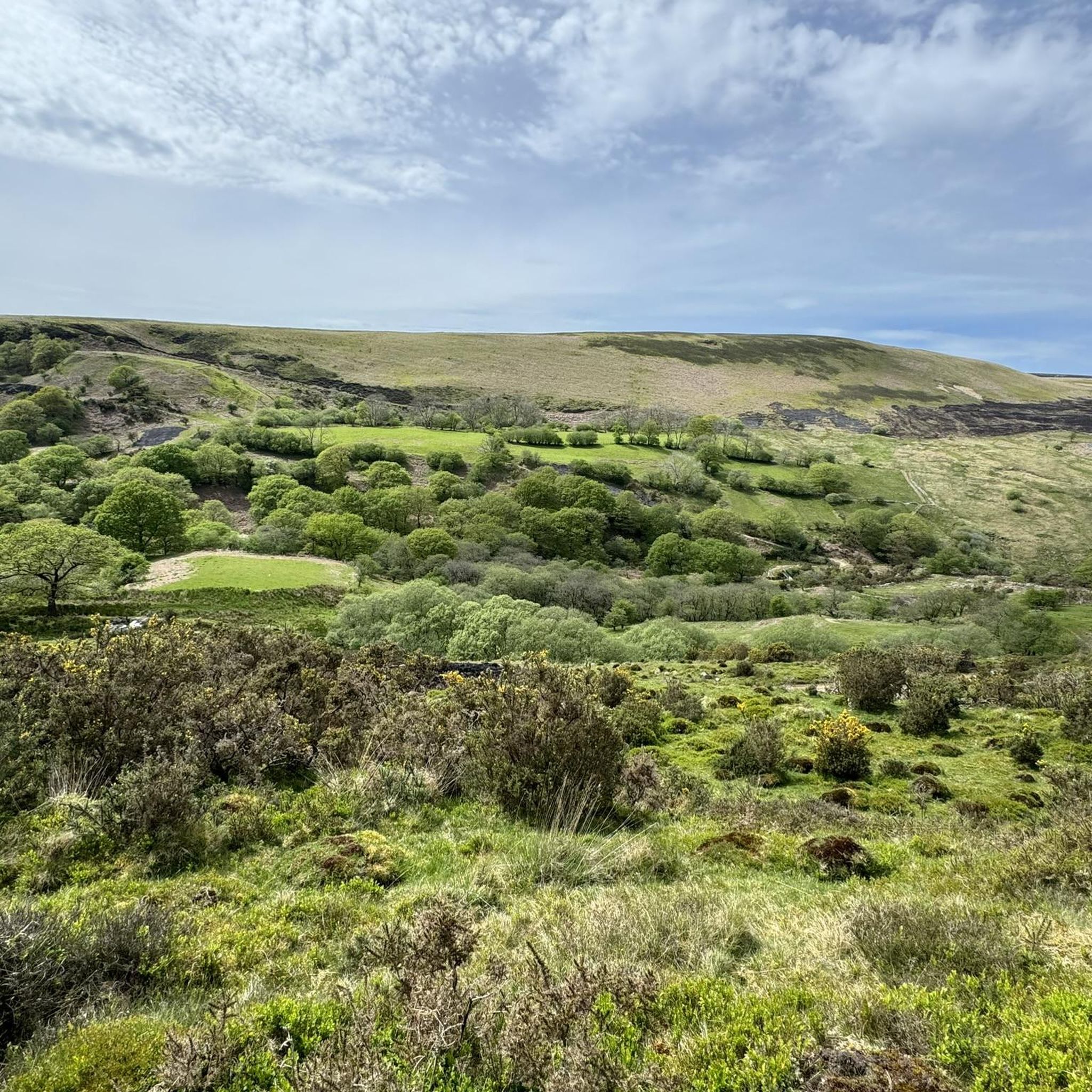
Absolutely. To the north of the Amman Valley lies the western end of the Black Mountain range, and Mynydd y Betws is to the south. These upland areas offer diverse habitats including acidic grasslands, heathland, and blanket bog. You can enjoy rustic walks and panoramic views from summits like Garreg Lwyd Summit, the westernmost 2,000-footer of the Black Mountain range. For specific routes, you can explore various hiking guides around Cwmamman.
Where can I find unique natural features like caves or river sources?
You can explore Llygad Llwchwr, also known as the 'eye of the Loughor,' where the River Loughor emerges from an underground lake in the Black Mountain. This magical spot is the source of the river and is connected to a 1.2 km-long cave system.
Are there any family-friendly natural sites or walks in Cwmamman?
Parc Golwg yr Amman is a great option for families. It features a species-rich wildflower meadow with a wavy path, offering an immersive nature experience. It's an excellent place to enjoy vibrant floral displays, observe insects, and appreciate local conservation efforts. For easy walks, check out the easy hikes around Cwmamman guide.
What kind of wildlife can I expect to see in Cwmamman's natural monuments?
Cwmamman's diverse habitats support a range of wildlife. In the river valleys and woodlands, you might spot various bird species and small mammals. The upland areas, with their heathland and marshy grasslands, are home to species like the Marsh Fritillary butterfly. Parc Golwg yr Amman's wildflower meadow also attracts numerous insects.
What are the best times of year to visit Cwmamman's natural monuments?
Spring and summer are ideal for experiencing the vibrant wildflower meadows at Parc Golwg yr Amman and enjoying the lush river valley. Autumn offers beautiful foliage in the deciduous woodlands. The upland areas can be explored year-round, though conditions can be more challenging in winter. Always check local weather forecasts before heading out.
Are there any natural monuments with historical significance beyond industrial heritage?
Yes, Garreg Las Summit Cairns, also known as Twyn Swnd, is a natural monument with historical significance. This 2,083-foot hill features two huge rocky cairns, once thought to be Bronze Age stone barrows, offering a connection to ancient human activity in the landscape.
Can I find mountain biking trails near Cwmamman's natural monuments?
Yes, there are mountain biking opportunities in the wider Cwmamman area. You can find various trails, including routes like the 'Black Mountain loop from Brynamman' or the 'Herbert's Quarry – View of Carreg Cennen Castle loop'. For more details and specific routes, refer to the MTB Trails around Cwmamman guide.
What do visitors enjoy most about the natural monuments in Cwmamman?
Visitors particularly enjoy the blend of dramatic natural scenery and rich historical context. The panoramic views from sites like Carreg Cennen Castle and the raw, remote beauty of the Black Mountain uplands are highly appreciated. The opportunity to explore ancient geological formations and industrial heritage sites like Herbert's Quarry also adds to the unique appeal.
Most popular attractions around Cwmamman

Get inspired with the komoot mobile app


Explore more
Extend your search for the best caves by checking out these guides of the top ones around Cwmamman:
