Top 4 Natural Monuments around Panteg
Best natural monuments around Panteg encompass a variety of landscapes, from prominent hills to expansive reservoirs. The region features significant natural areas characterized by woodlands, open grasslands, and water bodies. These locations provide diverse opportunities for outdoor exploration, including hiking, scenic views, and wildlife observation. The natural environment around Panteg offers a range of experiences for visitors.
Best natural monuments around Panteg
- The most popular natural monuments is Twmbarlwm Hill and Iron Age hillfort, a hill and Iron Age…
Last updated: October 4, 2026
Twmbarlwm Hill and Iron Age hillfort
Highlight • Historical Site
Tip by

Llandegfedd Reservoir
Highlight • Natural Monument
Please note that the majority of the trails are closed annually from 1st October to 1st …
Tip by

Sign up now to discover places like this
Get recommendations on the best single tracks, peaks, & plenty of other exciting outdoor places.
Trig point at Mynydd Twyn-glas summit
Highlight • Natural Monument
Tip by

Llanfrechfa Grange Park Tree
Highlight • Natural Monument
Tip by

St. Tudor's Mound
Highlight • Natural Monument
Tip by

Sign up for free to discover even more natural monuments around Panteg.
Already have an account?
Start today with a free account
Your next adventure awaits.
Tips from the Community

Twmbarlwm is a prominent hill and archaeological site located near the town of Cwmcarn in South Wales. It is part of the Caerphilly County Borough and is known for both its natural beauty and historical significance. Here are some key points about Twmbarlwm: Key Features: Hillfort: Twmbarlwm is home to the remains of an ancient hillfort, dating back to the Iron Age. The fortifications, which include earthworks and ramparts, suggest it was a significant settlement during that period. Celtic Connections: The name "Twmbarlwm" is thought to derive from Welsh, with "Twm" being a diminutive of "Tudur" and "barlwm" referring to a mound or hill. The site is associated with Celtic history and mythology. Natural Beauty: The hill offers stunning views of the surrounding landscape, including the nearby valleys and mountains. It is a popular destination for walkers, hikers, and outdoor enthusiasts. Archaeological Significance: Twmbarlwm has been the subject of various archaeological studies, which have revealed insights into ancient settlement patterns, defensive strategies, and daily life in prehistoric Wales. Access: The hill is accessible via footpaths, making it a popular spot for local residents and visitors. There are several trails that lead to the summit, offering a rewarding hike. Cultural Heritage: The site is connected to local folklore and legends, contributing to its cultural significance in the region. Visiting: If you plan to visit Twmbarlwm, it’s a good idea to check local resources or hiking guides for specific trails and information about the area. The site is a great way to experience the natural beauty and historical richness of South Wales.
1
0

Be aware that if you come down to the dam on the lake you can't escape through the valley, there's a gate on both of these minor roads coming down off the dam with some very threatening signs. You have to take on one of the bastard ramps, east or west doesn't matter, they're both brutal, though I can imagine eastward is worse.
1
0

A small summit above Risca. Known locally as the "Twmp" (the hump), the pimple or the nipple, due to the shape of the mound on the summit.
1
0

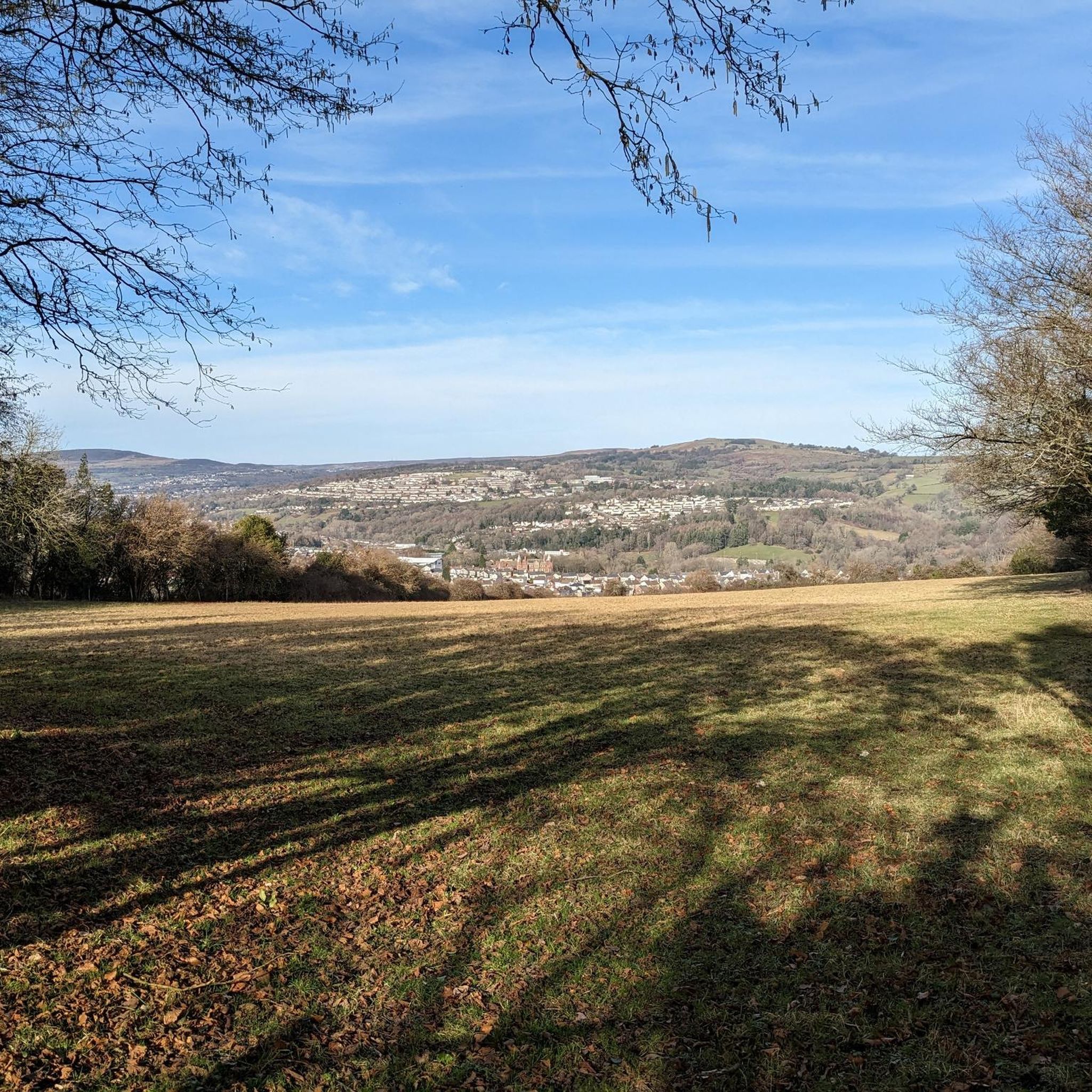
A lovely place with great views, with a variety of walking trails on offer. Please note that the majority of the trails are closed annually from 1st October to 1st March, this is to protect over-wintering wildfowl, for which the area has been designated an SSSI.
1
0

Cracking local walk, gain height for amazing views and walk over to twmbarlwm
0
0

Twmbarlwm is a 1,375 foot (419 m) hill that is rich in beauty, history and folklore. From the summit, you are afforded wonderful views of the Severn Estuary. There is an Iron Age hill fort on the summit, too.
2
0

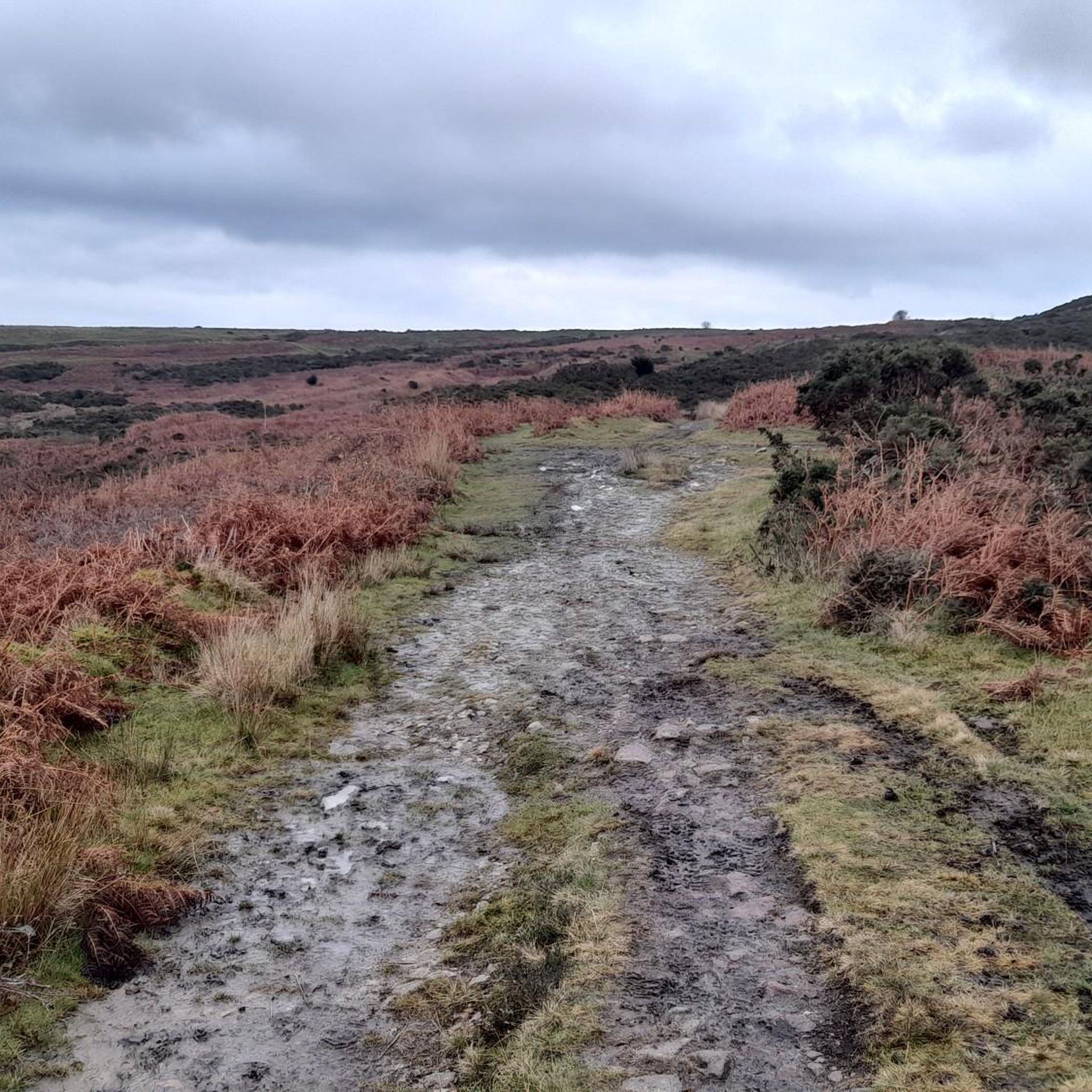
Mynydd Twyn-glas is a sprawling 472-metre-high mountain extending into Caerphilly and Torfaen county boroughs in South Wales. It lies southwest of Pontypool, west of Cwmbran and east of Newbridge and taking the form of a rolling plateau the margins of which are defined by steep slopes, many of which are cloaked with conifer plantations. A broad shoulder extending south from the summit is known as Mynydd Maen whilst to the north is Mynydd Llwyd. The thickly afforested northern slopes of the hill drop down steeply into Cwm y Glyn. It is a UK listed Marilyn.
3
0
Beautiful little walk to take in a trig point and a fantastic Iron Age fort. Twmbarlwm, known locally known as 'the Twmp' (translation: hump), 'the Nipple' or the Pimple because of the mound that lies at its summit, is a hill situated 2 km (1.2 mi) to the northeast of Risca in South Wales. It is often mistakenly referred to as a mountain but is actually a hill due to being under 600 m (2,000 ft). It is 419 m (1,375 ft) high and is a well-known landmark throughout the region. It commands extensive views across what is now the M4 corridor, over Newport and Cwmbran - with part of it coming into Cwmbran - and out over the Bristol Channel. For route details click here: https://www.komoot.com/tour/283732815
5
1
Frequently Asked Questions
What natural features can I explore around Panteg?
The area around Panteg offers a diverse range of natural features. You can find significant hills like Twmbarlwm Hill and Mynydd Twyn-glas, offering expansive views. There are also beautiful bodies of water such as Llandegfedd Reservoir, and extensive woodlands and grasslands in places like Cwmcarn Forest and Pontypool Park.
Are there family-friendly natural monuments around Panteg?
Yes, several natural areas are great for families. Llandegfedd Reservoir offers various walking trails, and Llanfrechfa Grange Park Tree is located within a pleasant park setting. Additionally, Pontypool Park provides open green spaces and woodland walks, while Cwmcarn Forest has a seven-mile forest drive with multiple stop-off points and trails suitable for different ages.
What outdoor activities can I do near these natural monuments?
You can enjoy a variety of outdoor activities. Hiking is popular, with options ranging from easy strolls to more challenging climbs, such as those found around Twmbarlwm Hill. Cwmcarn Forest is a popular destination for mountain biking with trails of varying difficulty. For more general cycling, there are routes around the region, including those near Pontypool. You can find more details on routes in guides like Easy hikes around Panteg, Gravel biking around Panteg, and Cycling around Panteg.
What is the best time to visit the natural monuments around Panteg?
The best time to visit depends on your interests. Spring and summer are ideal for enjoying the lush greenery and wildlife, such as butterflies in Cwmcarn Forest. However, note that some trails at Llandegfedd Reservoir are closed annually from October 1st to March 1st to protect overwintering wildfowl. Autumn offers beautiful foliage, and winter can provide crisp, clear views, especially from higher points like Twmbarlwm Hill.
Do any natural monuments have historical significance?
Yes, several sites blend natural beauty with history. Twmbarlwm Hill is home to an Iron Age hillfort at its summit. Pontypool Park, while a natural green space, also features historical structures like the Shell Grotto and Folly Tower, integrating human heritage with its natural landscape.
What kind of wildlife can I expect to see?
The natural areas around Panteg are rich in wildlife. In Cwmcarn Forest, you might spot common buzzards and a variety of butterflies during the summer months. Llandegfedd Reservoir is designated as a Site of Special Scientific Interest (SSSI) due to its importance for overwintering wildfowl, making it a great spot for birdwatching.
Are there accessible natural monuments for visitors with limited mobility?
Cwmcarn Forest offers a seven-mile-long forest drive with multiple stop-off points, providing accessible views of the natural landscape from your vehicle. Pontypool Park also features well-maintained grounds and paths that are generally suitable for leisurely strolls, offering a peaceful environment close to Panteg.
Where can I find panoramic views of the region?
For stunning panoramic views, head to Twmbarlwm Hill, where you can see across the M4 corridor, over Newport and Cwmbran, and out over the Bristol Channel. Mynydd Twyn-glas also offers amazing views from its summit. Cwmcarn Forest's forest drive has several viewpoints providing extensive vistas of the surrounding countryside.
Are the natural monuments around Panteg dog-friendly?
Most natural outdoor areas around Panteg, including Cwmcarn Forest and Pontypool Park, are generally dog-friendly. It's always recommended to keep dogs on a lead, especially in areas with wildlife or livestock, and to follow local signage regarding dog access and waste disposal. Specific rules may apply at certain managed sites like Llandegfedd Reservoir.
What are some notable trees or woodlands in the area?
Pontypool Park is home to extensive mixed woodland, including ancient sweet chestnut trees; one 400-year-old hollow tree was even voted Welsh Tree of the Year in 2019. Cwmcarn Forest also boasts significant forest areas, offering diverse habitats and opportunities for woodland walks.
What do visitors enjoy most about the natural monuments near Panteg?
Visitors frequently praise the beautiful views from summits like Twmbarlwm Hill and Llandegfedd Reservoir. The variety of walking trails, from easy strolls to more challenging routes, is also a highlight. Many appreciate the tranquility and natural beauty of places like Pontypool Park and the active outdoor experiences offered by Cwmcarn Forest.
Most popular attractions around Panteg

Get inspired with the komoot mobile app


Explore more
Extend your search for the best caves by checking out these guides of the top ones around Panteg:
