Top 20 Natural Monuments around Llanrhian
Best natural monuments around Llanrhian are found within the Pembrokeshire Coast National Park in West Wales. This region features a landscape shaped by ancient geological processes, including volcanic activity and the erosive power of the sea. The area is characterized by its dramatic coastal beauty, showcasing a heavily indented rocky coastline with majestic headlands and spectacular bays. These natural features provide opportunities to explore diverse ecosystems and ancient geological formations.
Best natural monuments around Llanrhian
- The most popular natural monuments…
Last updated: July 14, 2026
Carn Llidi Summit View
Highlight • Natural Monument
Tip by

Abereiddy Beach
Highlight • Parking
Tip by

Sign up now to discover places like this
Get recommendations on the best single tracks, peaks, & plenty of other exciting outdoor places.
Sign up for free
Carreg Samson Dolmen
Highlight • Historical Site
Tip by
Garn Fawr summit and trig point
Highlight • Viewpoint
Tip by
St Justinian Lifeboat Station
Highlight • Viewpoint
Tip by
Sign up for free to discover even more natural monuments around Llanrhian.
Sign up for free
Already have an account?
Start today with a free account
Your next adventure awaits.
Login or Signup
Popular around Llanrhian
St Davids Head to Abercastle – Pembrokeshire walks
Wheelchair-friendly walks in Pembrokeshire Coast National Park
Scenic short and half-day walks in Pembrokeshire Coast National Park
Explore Britain's only coastal national park – Pembrokeshire Coast
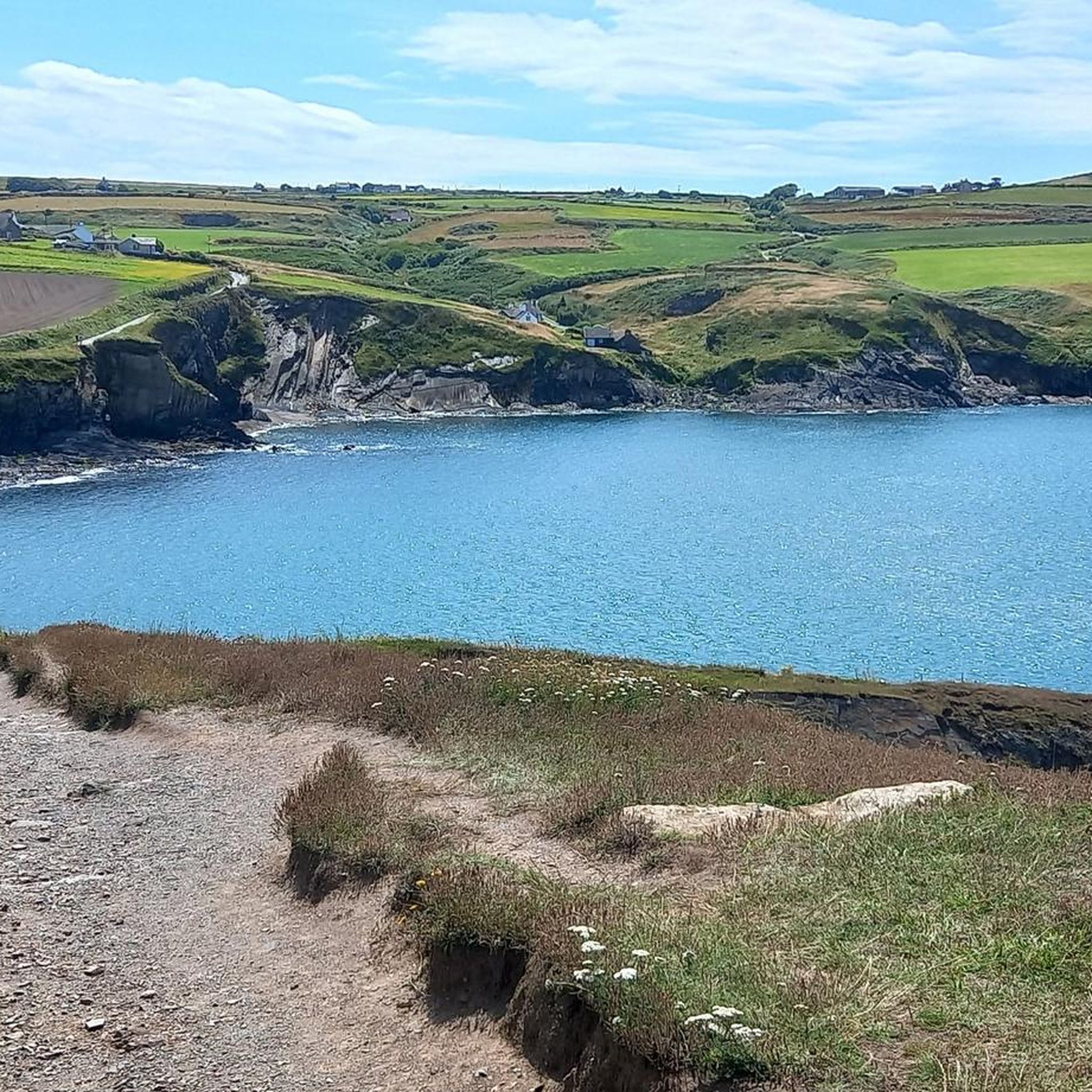
Hiking around Llanrhian
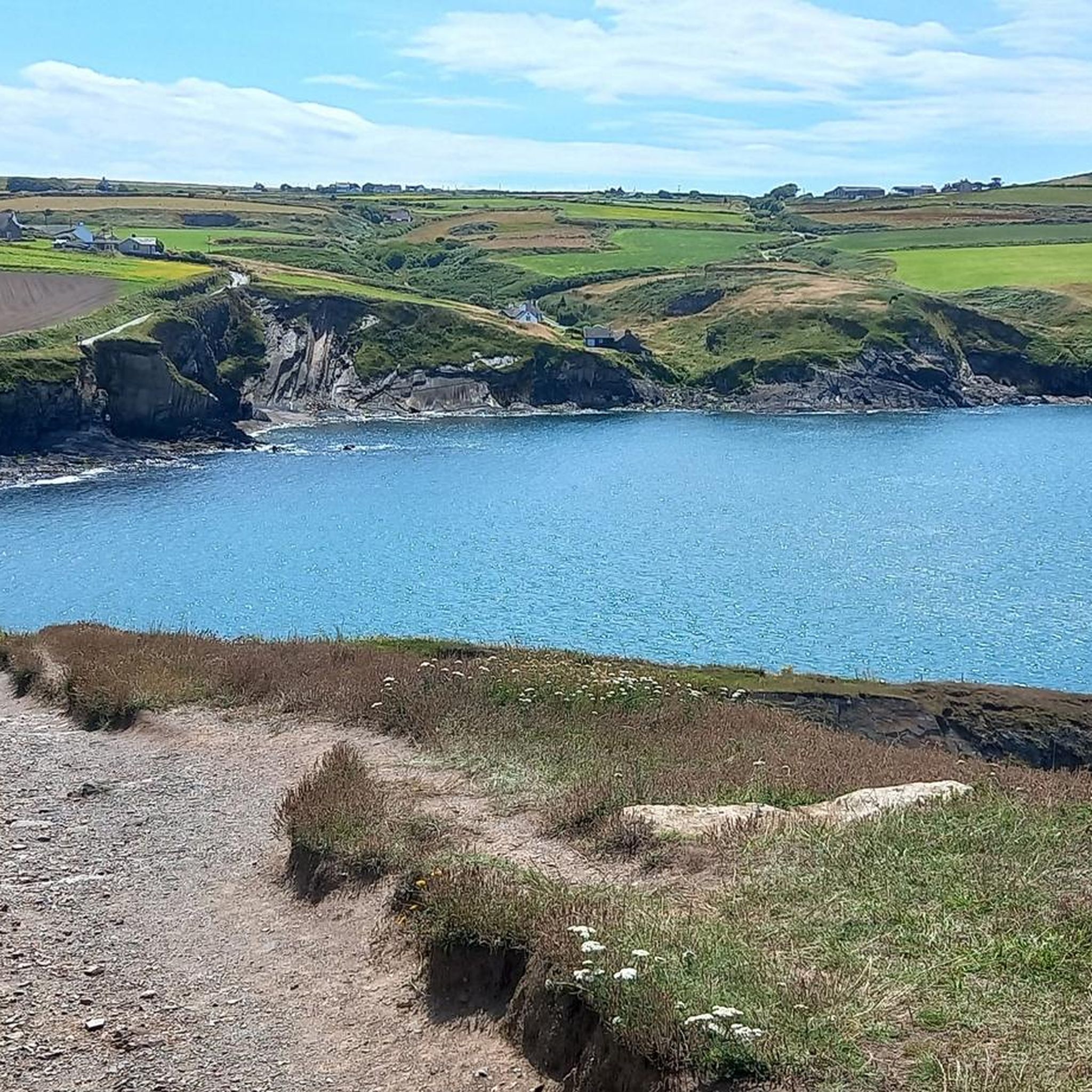
Cycling around Llanrhian
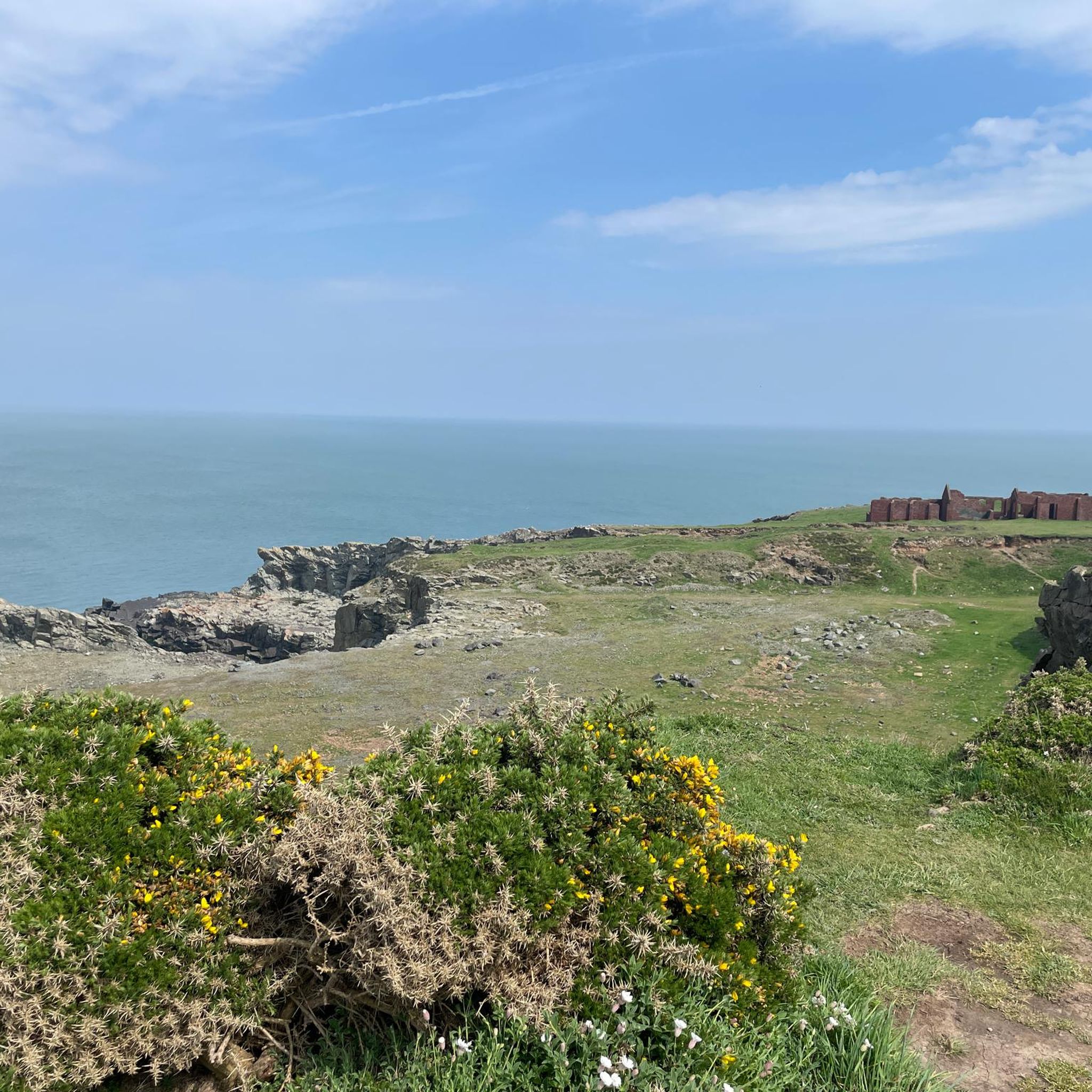
Road Cycling Routes around Llanrhian
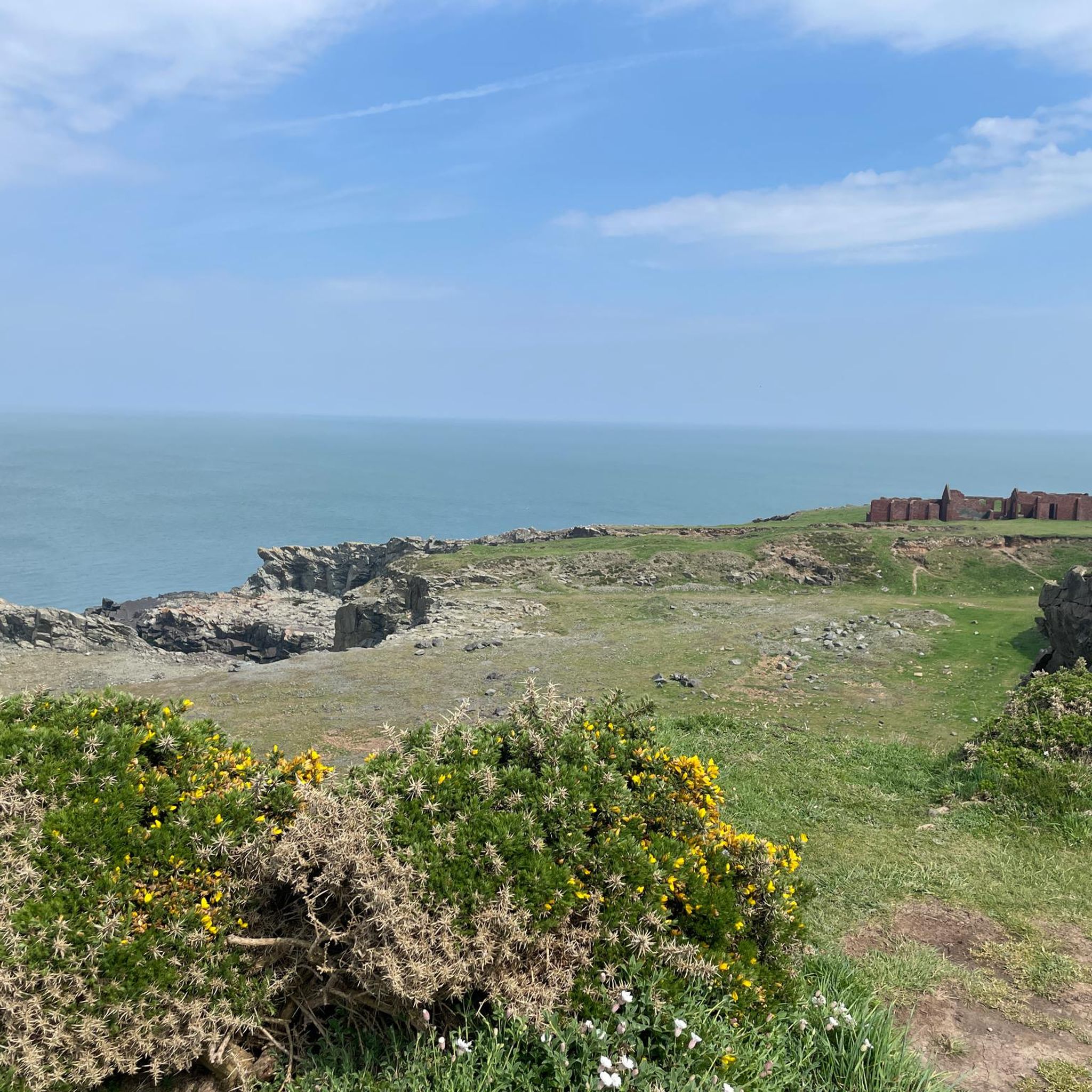
Running Trails around Llanrhian
MTB Trails around Llanrhian
Other adventures around Llanrhian


Tips from the Community

This is a beautiful little hill with a trig pointed summit, great views out over the Pembrokeshire coastline, and an Iron Age fort. There is also a great car park at the bottom of the hill and a good footpath to its rocky top. A 20 minute trip will see you up and down. It was cold today, but on a sunny day it would be a heavenly picnic spot.
2
0


Top spot, with a great view. The approach from the east side is adventurous as there is usually little or no path visible. With only the summit roughly in sight, we steadily fought our way up.
1
0

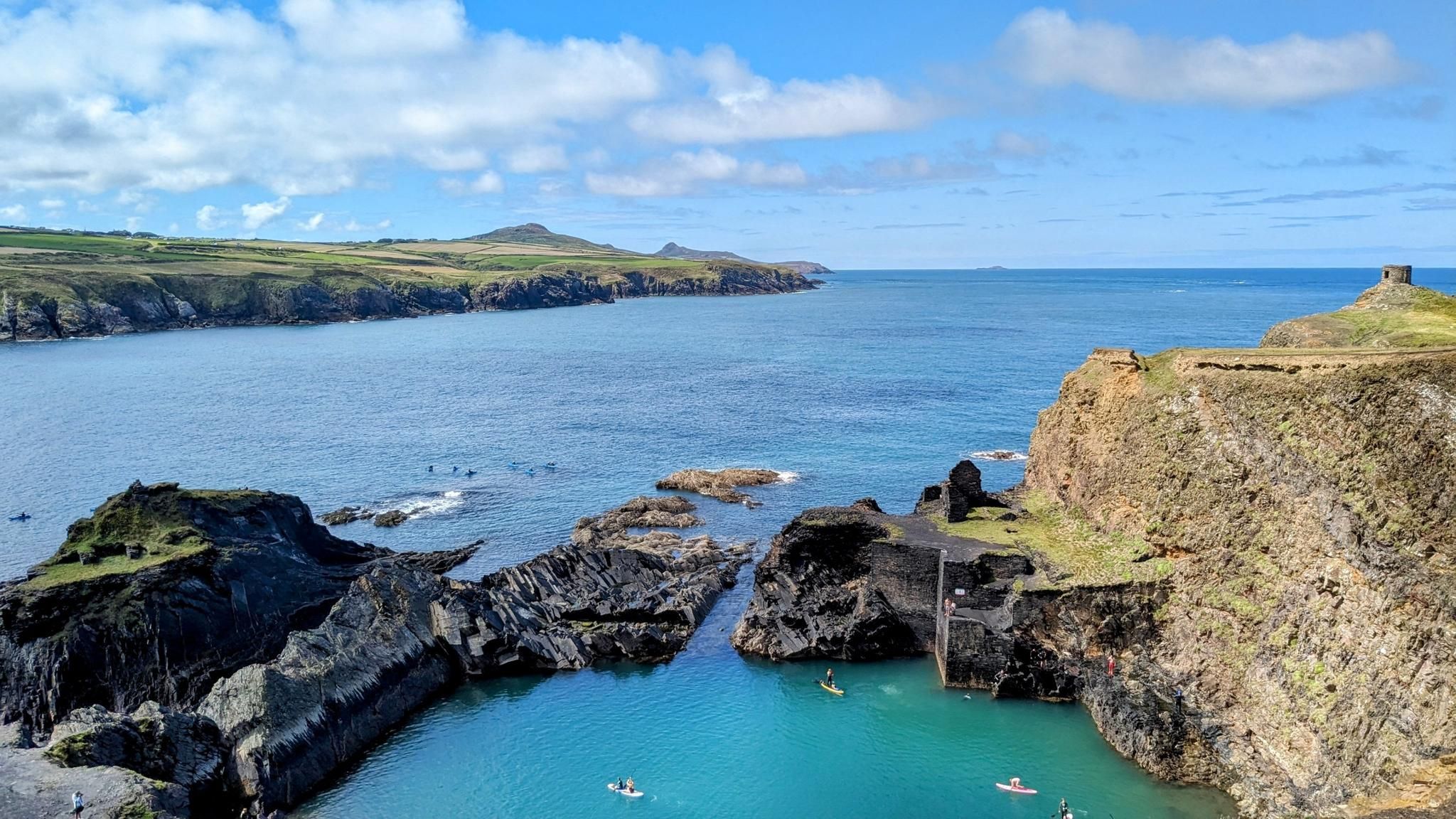
This beach is made up of pebbles and exceptionally dark sand made from crushed grey slate. The slate gives the water in the "Blue Lagoon" its bright deep blue colour. To the north of the beach is a lovely little harbour - an open-cut quarry that is also wheelchair accessible. Be careful: there are strong currents here.
2
1
Carreg Samson, a dolmen, lies over Abercastle Bay, near Fishguard. The capstone is approximately 4 1/2 m long and 2.7 m wide. It lies on three of the seven upright support stones. The dolmen was previously covered by a mound of earth or stone. At the beginning of the 20th century, the gaps between the stones were closed so that the dolmen could be used as a sheepfold. The Carreg Samson is a so-called Scheduled Monument.
1
0

A rugged hill with an Iron Age hill fort on top of it. This vantage point offers views over the north Pembrokeshire coastline to the south west as well as views over Strumble Head to the north.
1
0
The steep climb (at least coming from the coast is rewarded with a magnificent view! We could see our entire loop from there. Wonderful!
2
0
The monument includes the remains of two chamber tombs from the Neolithic period (ca. 4,400 BC - 2,900 BC). Chamber tombs were built and used by local farming communities over long periods of time. The two sub-megalithic burial chambers lie in rock-strewn open moorland on the sloping terrain northwest of Garn Llidi, at the westernmost point of the ridge.
2
0
Frequently Asked Questions
What are some of the most popular natural monuments to visit around Llanrhian?
Visitors frequently enjoy the panoramic views from Carn Llidi Summit View, which also features Neolithic chamber tombs. Another favorite is Garn Fawr summit and trig point, offering magnificent views and an Iron Age fort. The ancient Carreg Samson Dolmen, a Neolithic burial chamber with views across the Irish Sea, is also highly appreciated.
Are there natural monuments around Llanrhian that are suitable for families?
Yes, several natural monuments are family-friendly. Abereiddy Beach, with its unique black sand and proximity to the Blue Lagoon, is a great spot for families. The area around St Justinian Lifeboat Station is also considered family-friendly, offering beautiful coastal views and opportunities for seal spotting.
What kind of geological features can I expect to see in the Llanrhian area?
The Llanrhian area, part of the Pembrokeshire Coast National Park, is a geological hotspot. You'll encounter dramatic cliffs, headlands, and coves shaped by volcanic activity, sedimentary rock deposition, and the erosive power of ice ages and the sea. Notable features include the distinctive blue-green waters of the Abereiddy Blue Lagoon, a flooded former slate quarry, and the diverse rock formations visible along the Pembrokeshire Coast Path, dating back to the Ordovician period.
What historical natural monuments can be found near Llanrhian?
The region is rich in historical natural monuments. Carreg Samson Dolmen is an exposed Neolithic burial chamber, offering a glimpse into ancient history. Carn Llidi Summit View includes the remains of two Neolithic chamber tombs. Additionally, Garn Fawr summit and trig point features an Iron Age fort at its peak.
Are there good viewpoints to experience the natural beauty around Llanrhian?
Absolutely. Carn Llidi Summit View provides spectacular views along the Pembrokeshire coastline to Ramsey Island and across the Irish Sea. Garn Fawr summit and trig point also offers magnificent panoramic views over the Pembrokeshire coastline. The area around St Justinian Lifeboat Station is another stunning spot for coastal vistas.
What outdoor activities can I do near the natural monuments around Llanrhian?
The area offers a variety of outdoor activities. You can find numerous running trails, such as a running loop from Carreg Samson or a longer loop from Whitesands Beach to Carn Llidi Summit View. Mountain biking and road cycling routes are also available, with options like a MTB loop from Porthgain Harbour to St David's Cathedral, or road cycling routes passing the Blue Lagoon. For more details on these routes, explore the Running Trails around Llanrhian, MTB Trails around Llanrhian, and Road Cycling Routes around Llanrhian guides.
Are there any beaches or coastal features worth visiting near Llanrhian's natural monuments?
Yes, the coastline is a major draw. Abereiddy Beach is famous for its black sand and is a short walk from the striking Abereiddy Blue Lagoon, a flooded former slate quarry popular for coasteering. The entire Pembrokeshire Coast Path in this area provides continuous access to dramatic cliffs, headlands, and coves.
What is the best time of year to visit the natural monuments in Llanrhian?
The Pembrokeshire Coast National Park, including the Llanrhian area, is beautiful year-round. However, for the best weather conditions for hiking and outdoor activities, late spring to early autumn (May to September) is generally recommended. This period offers milder temperatures and longer daylight hours, ideal for exploring the coastal paths and monuments.
Is parking available at or near these natural monuments?
Parking is available at several locations. For instance, Abereiddy Beach has a car park, though charges apply during summer hours. Garn Fawr summit and trig point also has a car park conveniently located at the bottom of the hill, with a good footpath leading to the summit.
Can I spot wildlife near the natural monuments around Llanrhian?
The Pembrokeshire coastline is excellent for wildlife spotting. Along the Pembrokeshire Coast Path, you can observe diverse seabirds, seals, and even dolphins in the Irish Sea. The area around St Justinian Lifeboat Station is particularly noted for spotting seals.
What makes the Abereiddy Blue Lagoon a significant natural monument?
The Abereiddy Blue Lagoon is a distinctive natural monument due to its striking blue-green water, which is a result of the mineral content within this flooded former slate quarry. It's not only visually captivating but also a popular spot for adventure activities like coasteering and diving. The surrounding area is a Site of Special Scientific Interest, featuring slate material and hard granite headlands dating back to the Ordovician period.
Are there any easy walks to natural monuments near Llanrhian?
While many coastal paths involve some elevation, the walk up to Garn Fawr summit and trig point is relatively short, taking about 20 minutes up and down from the car park. The path to Carreg Samson Dolmen is also generally accessible, offering fantastic views without extreme difficulty.
Most popular routes around Llanrhian
Most popular attractions around Llanrhian

Get inspired with the komoot mobile app


Explore more
Extend your search for the best caves by checking out these guides of the top ones around Llanrhian:
