Top 19 Natural Monuments around Wye Valley
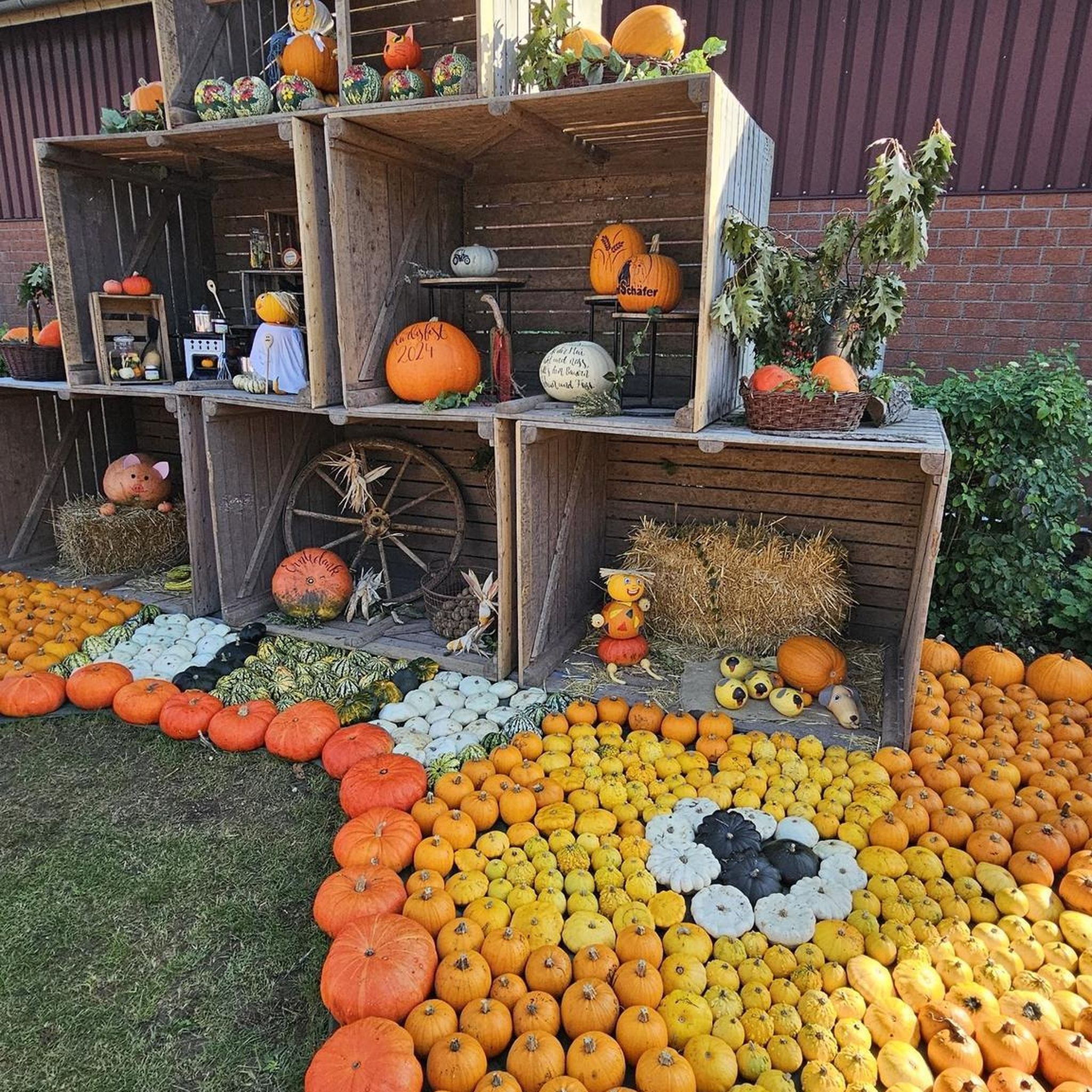
Best natural monuments around Wye Valley include a collection of sites characterized by dramatic limestone gorges, ancient woodlands, and panoramic viewpoints. This Area of Outstanding Natural Beauty (AONB) spans the border between England and Wales, shaped by geological processes and the meandering River Wye. These natural features offer diverse landscapes and ecological significance, making the region a notable destination for outdoor exploration.
Best natural monuments around Wye Valley
- The most popular natural monuments is Giant's Cave, Wye Valley, a…
Last updated: October 4, 2026
Giant's Cave, Wye Valley
Highlight • Cave
Tip by

River Wye
Highlight • Natural Monument
Tip by

Sign up now to discover places like this
Get recommendations on the best single tracks, peaks, & plenty of other exciting outdoor places.
Slade Brook Travertine Dams
Highlight • Natural Monument
Tip by

Puzzlewood
Highlight (Segment) • Natural Monument
Tip by

Devil's Pulpit — View of Tintern Abbey
Highlight • Viewpoint
Tip by

Sign up for free to discover even more natural monuments around Wye Valley.
Already have an account?
Start today with a free account
Your next adventure awaits.
Other adventures around Wye Valley

Tips from the Community

The Giant's Cave is a small pass through cave with a great view of the River Wye and Landscape
0
0

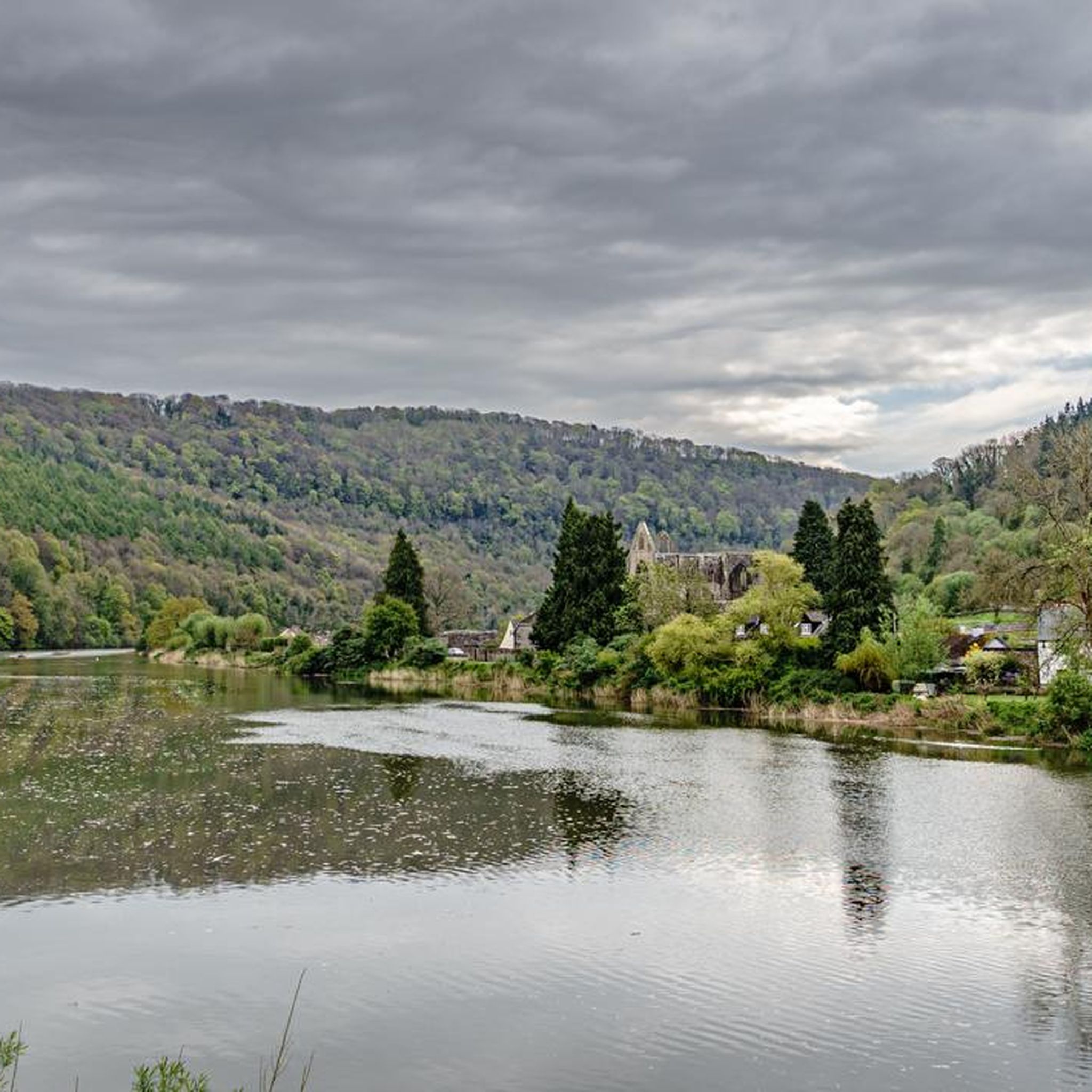
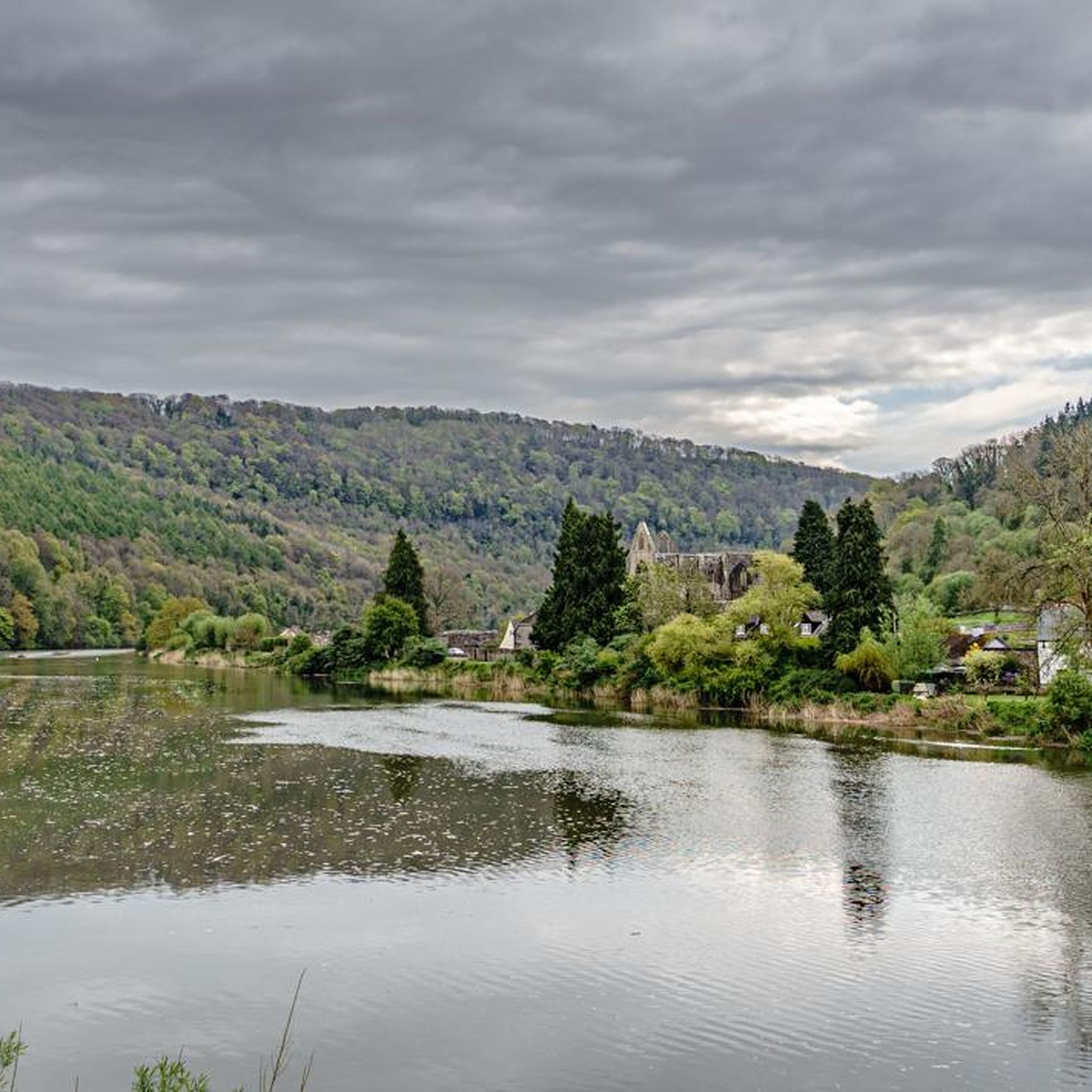
Stunning view onto Tintern Abbey naturally framed by the surrounding trees
1
0
There are a couple of caves in this area. The first (coming from Chepstow) is very shallow and raided above the path. The second "Giant Cave" has outstanding safe viewing platform outside it, and the cave actually opens into a secondary exit allowing passage through the rock. This is a natural formation it would appear. Highly recommended!
1
0

This striking feature is a curving tunnel that is cut into the rock-face through which Piercefield Walk passes via a large opening in the southern side, and a smaller rectangular portal in the northern. It is part natural feature, and part hand-made.
0
0
The Wye was voted the nation’s favourite river in 2010. It starts not far from my home town in Brecon in mid-Wales and trundles south for some 150 miles before meeting the Severn. I have forgotten how many times I have cycled it, run it and kayaked it. Simply my favourite place on earth!
0
0

The Devil's Pulpit is a viewpoint and limestone rock jutting out from the cliffs high above the River Wye along the Offa's Dyke Footpath. It offers spectacular views over Tintern Abbey and the village of Tintern along the River Wye below and the walk is through stunning woodland following the ancient Offa's Dyke. Legend has it the devil preached to the monks below, tempting them to desert their order.
4
1

The fourth-longest river in the UK, the Wye stretches 155 miles (250 km) from its source on Plynlimon in the Cambrian mountains to the Severn estuary. For much of its length, the Wye marks the border between England and Wales, with the lower section being designated an AONB. The Wye is important for nature conservation and recreation, but, particularly in recent years, is severely affected by pollution.
0
1

Puzzlewood (grid reference SO578092) is an ancient woodland site and tourist attraction, near Coleford in the Forest of Dean, Gloucestershire, England. The site, covering 14 acres (5.7 ha), shows evidence of open-cast iron ore mining dating from the Roman period, and possibly earlier. Over a mile of pathways were laid down in the early 19th century to provide access to the woods, and provide picturesque walks. The area contains strange rock formations, secret caves and ancient trees, with a confusing maze of paths. The site is listed as a regionally important geological site in the 'Forest of Dean Local Plan Review'. The geological features on show at Puzzlewood are known as scowles. Scowles originated through the erosion of natural cave systems formed in the Carboniferous Limestone many millions of years ago. Uplift and erosion caused the cave system to become exposed at the surface. This was then exploited by Iron Age settlers through to Roman times for the extraction of iron ore. It is usually impossible to date open-cast extraction precisely, although ores with a chemical signature consistent with those from the Forest of Dean were certainly used to make tools and weapons in the late prehistoric period. Over 3,000 Roman-era coins were found by workers in 1848. The coins were stored in three earthenware jars in a cavity in the rock formations. The origin of the coins is unknown. Puzzlewood has been used as a filming location for both film and television in recent years. Notable examples include: Films Harry Potter and the Deathly Hallows – Part 1 (2010) Jack the Giant Slayer (2013) Star Wars: The Force Awakens (2015) The Huntsman: Winter's War (2016) A Midsummer Night's Dream (2016) The Secret Garden (2020) Television Doctor Who (2005-present) Merlin (2008-2012) Wizards vs Aliens (2012-2014) Tree Fu Tom (2012-2016) Atlantis (2013-2015) Da Vinci's Demons (2013-2015) Hidden Kingdoms (2014) The Dark Crystal: Age of Resistance (2019) Cursed (2020-present)
1
0
Frequently Asked Questions
What are some of the most popular natural monuments to visit in the Wye Valley?
Visitors frequently enjoy the dramatic views from Devil's Pulpit — View of Tintern Abbey and the expansive panoramas from View from Eagles Nest. Another highly rated spot is Giant's Cave, Wye Valley, known for its unique pass-through experience and river views. These sites are appreciated by the komoot community, with over 140 upvotes and 45 photos shared.
Are there family-friendly natural monuments in the Wye Valley?
Yes, Puzzlewood is a fantastic family-friendly option. This ancient woodland features a confusing maze of paths, strange rock formations, and secret caves, making it an adventurous and engaging visit for all ages. Symonds Yat Rock also offers family-friendly woodland walks and bike trails.
Which natural monuments in the Wye Valley offer the best panoramic views?
For breathtaking panoramic views, Symonds Yat Rock is iconic, offering a spectacular bird's-eye panorama of the River Wye. View from Eagles Nest provides amazing 'eagle's eye views' over the Wye, and Wintour's Leap offers lovely views across the Lancaut peninsula. Coppett Hill is also notable, allowing visitors to gaze across up to six counties on a clear day.
What unique geological features can be found among the Wye Valley's natural monuments?
The Wye Valley is rich in unique geological formations. The Slade Brook Travertine Dams are a remarkable series of natural dams formed by lime-rich spring water. The region also features dramatic limestone gorges, sheer cliffs, and ancient woodlands, particularly downstream from Ross-on-Wye, showcasing a full sequence of Carboniferous Limestone Series.
Are there any natural monuments in the Wye Valley with historical significance?
Many natural monuments in the Wye Valley have historical ties. Symonds Yat Rock was once an Iron Age fort. Devil's Pulpit — View of Tintern Abbey is steeped in legend, with tales of the devil preaching to monks. Puzzlewood shows evidence of open-cast iron ore mining dating from the Roman period, and The Kymin (Monmouth) was a social hub visited by Lord Nelson in 1802.
What outdoor activities can I do near the natural monuments in the Wye Valley?
The Wye Valley offers a variety of outdoor activities. You can find numerous hiking routes, including moderate trails like the 'Devil's Pulpit & Brockweir loop from Tintern Abbey' or easier options such as the 'Brockweir Loop from Tintern Abbey'. There are also running trails available. For more details on hiking, visit the Hiking around Wye Valley guide, or for running, check the Running Trails around Wye Valley guide.
Are there accessible natural monuments for visitors with pushchairs or wheelchairs?
Symonds Yat Rock is noted as one of the most accessible viewpoints in the Wye Valley for pushchairs and wheelchairs, offering stunning views and facilities like a log cabin café and toilets.
What wildlife can I spot around the Wye Valley's natural monuments?
The Wye Valley is a haven for wildlife. Symonds Yat Rock is renowned as one of the best places in the UK to spot peregrine falcons, and you might also see goshawks, sparrowhawks, and ospreys during migration. The ancient woodlands, like Cadora Woods and Haugh Wood, are home to tawny owls, emperor dragonflies, various bats, beetles, and over 600 species of butterflies and moths.
What is the best time of year to visit the natural monuments in the Wye Valley?
The Wye Valley's natural monuments are beautiful year-round. Spring and autumn offer vibrant colors and pleasant temperatures for walking, with opportunities to spot migrating birds. Summer provides longer daylight hours for exploration, while winter can offer dramatic, crisp views, especially from viewpoints like Wintour's Leap, which is excellent for sunsets.
Are there any specific walking routes that connect multiple natural monuments?
Yes, the Piercefield Walk connects various viewpoints, including Lover's Leap and Giant's Cave, culminating at View from Eagles Nest. Additionally, the Offa's Dyke Footpath passes by Devil's Pulpit — View of Tintern Abbey, offering a scenic woodland walk with historical views.
What makes the Wye Valley's woodlands significant?
The Wye Valley's woodlands are extensive and ancient, featuring broadleaf species like oak, beech, and ash. They are fundamental to the valley's character and ecological significance, creating diverse habitats. Areas like Cadora Woods and Haugh Wood are recognized for their rich biodiversity, supporting numerous species of flora and fauna, and contributing to the Wye Valley's designation as a Special Area of Conservation (SAC).
Most popular routes around Wye Valley
Most popular attractions around Wye Valley

Get inspired with the komoot mobile app


Explore more
Extend your search for the best caves by checking out these guides of the top ones around Wye Valley:
