Top 5 Natural Monuments in Poroy
Natural monuments in Poroy offer a blend of Andean landscapes and culturally significant sites. This district, situated near Cusco, provides panoramic views of the surrounding mountains. It serves as a starting point for exploring the region's natural beauty and features sites where natural formations are integrated with historical and artistic elements. Poroy's natural attractions provide opportunities to connect with the Peruvian landscape and its rich heritage.
Best natural monuments in Poroy
- The most popular natural monuments is Tambomachay Water Temple…
Last updated: July 15, 2026
Tambomachay Water Temple
Highlight • Historical Site
Translated by Google •
Tip by

Inca Sacrificial Altar (Q'enqo)
Highlight • Historical Site
Translated by Google •
Tip by
Sign up now to discover places like this
Get recommendations on the best single tracks, peaks, & plenty of other exciting outdoor places.
Sign up for free
Temple of the Monkeys
Highlight • Historical Site
Translated by Google •
Tip by

Chinkana Labyrinths
Highlight • Cave
Translated by Google •
Tip by
Balcón del Diablo
Highlight • Natural Monument
Can be excellently combined with a circular hike and can be explored on your own.
Admission is free.
Translated by Google •
Tip by
Start today with a free account
Your next adventure awaits.
Login or Signup
Popular around Poroy
Tips from the Community

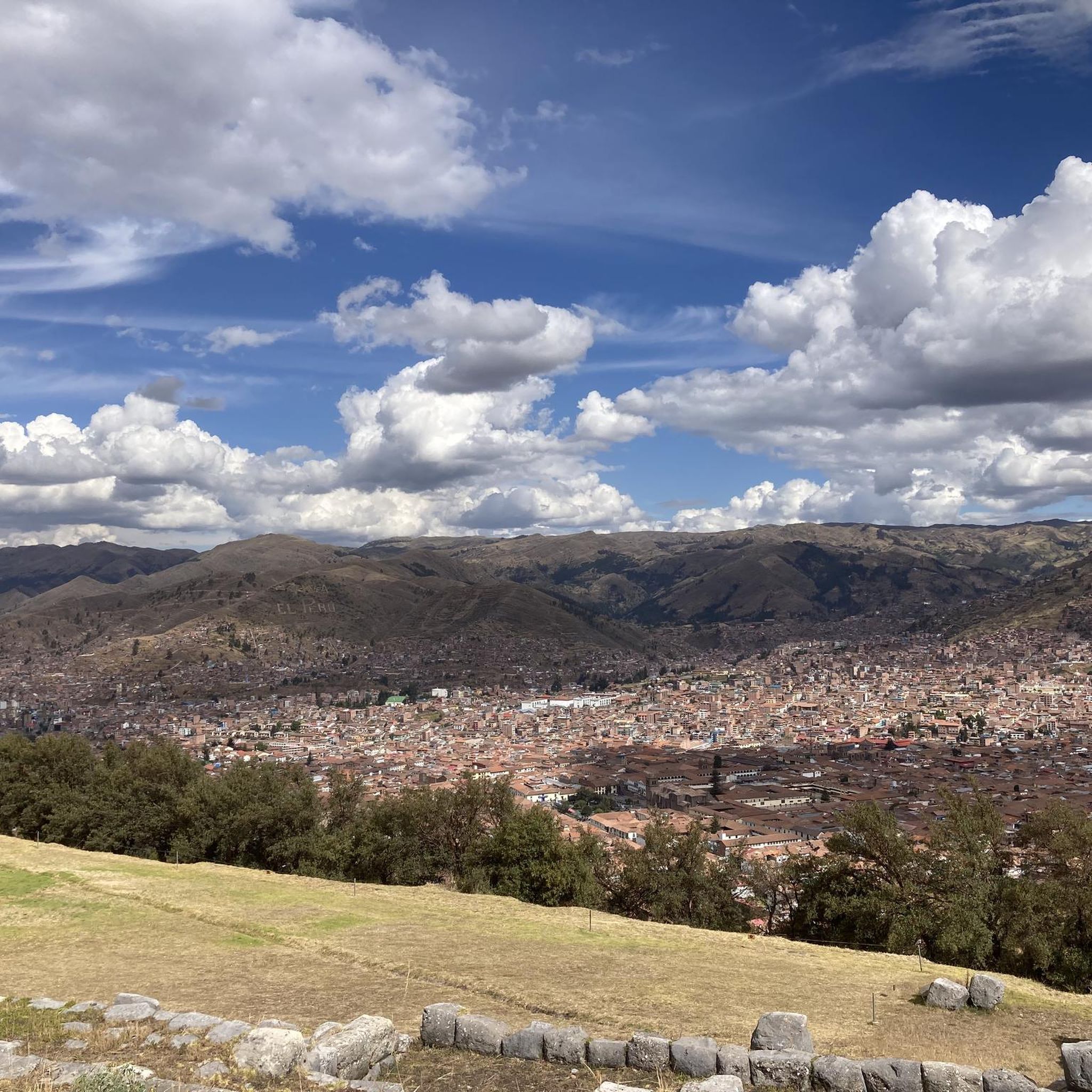
cusco is for sport people dealing with high altitude. from town you walk 3k into awesome area behind Christo blanco
1
0

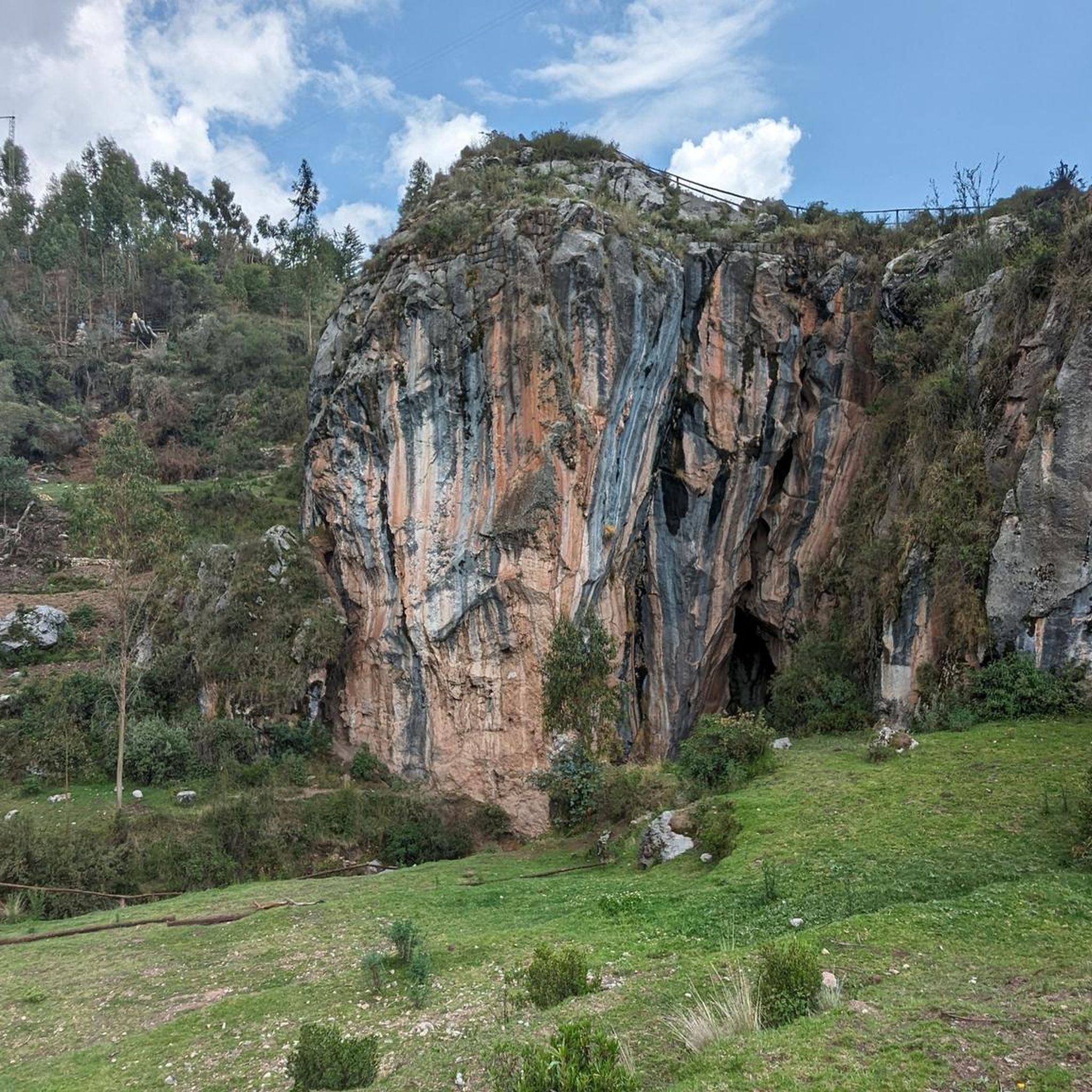
The Chinkanas (from Quechua "chinkana"; place where one gets lost) or also called labyrinths, are mysterious caves built on limestone; it is not known if the Incas or a previous civilization did this, or how or for what purpose it was built.
4
0
The archaeological site of Tambomachay was a place dedicated to water worship and served as a resting place for the Inca nobility. Even today, this archaeological site impresses all visitors with its complex hydraulic engineering.
3
0

A small but impressive facility.
1
0

A Quechua legend says about the effect of the three small watercourses: If you drink from the watercourse on the bottom right, you will become younger; if you drink from the watercourse on the bottom left, you will have twins; and the upper watercourse is said to have a blessing.
0
0

already crazy when you stand in front of it
1
0
This is one of the most remarkable points, it is an underground chamber where there is a single stone from which tables, walls and floors were carved, all made of the same stone and smooth. Finally, it was used to sacrifice people and animals and even embalm the corpses, that's not all, remains of ashes were also found, so it is believed that they were made into cults for ancestors.
3
0

Tambomachay is a water sanctuary about 8 kilometers north of Cusco. The former temple complex, located at an altitude of 3700 m, was an important water cult site in the Inca period, fed by an underground spring of unknown origin.
1
0
Frequently Asked Questions
What kind of natural monuments can I expect to find in the Poroy region?
The Poroy region, nestled in the Andes Mountains, offers a mix of stunning natural landscapes and sites where natural formations are intertwined with ancient cultural significance. You'll find historical sites built around natural springs, archaeological ruins integrated with rock formations, mysterious caves, and scenic viewpoints offering panoramic mountain vistas. It also serves as a gateway to more extensive natural explorations like the Sacred Valley and Rainbow Mountain.
Are there any historical or archaeological sites among the natural monuments?
Yes, many natural monuments in the Poroy region have significant historical and archaeological value. For instance, the Tambomachay Water Temple is an impressive archaeological site dedicated to water worship, featuring complex hydraulic engineering fed by an underground spring. Another example is the Inca Sacrificial Altar (Q'enqo), an underground chamber carved from a single stone, believed to have been used for rituals and embalming.
What are the Chinkana Labyrinths and what makes them unique?
The Chinkana Labyrinths are mysterious caves built into limestone formations. Their name, from Quechua, means 'place where one gets lost,' reflecting their intricate and confusing passages. The exact origins and purpose of these labyrinths, whether Inca or from an earlier civilization, remain a subject of debate, adding to their unique allure.
Can I visit the Temple of the Monkeys, and is there an entrance fee?
Yes, you can visit the Temple of the Monkeys, an archaeological site with many interesting rock formations. It's located about 2 kilometers from Cusco's city center and offers a unique atmosphere for exploration. There is no admission fee to enter this site, making it an accessible option for visitors.
Are there any viewpoints or scenic spots to enjoy the Andean landscape?
Absolutely. The Poroy region is known for its stunning Andean mountain views. A notable spot is the Balcón del Diablo, a beautiful rock formation near the Templo de la Luna, offering excellent opportunities to take in the surrounding natural beauty. Poroy itself provides panoramic views of the majestic Andes, serving as a peaceful escape.
What outdoor activities can I do near the natural monuments in Poroy?
The area around Poroy offers various outdoor activities, particularly hiking and running. You can explore trails that lead to many of the natural monuments. For hiking, consider routes like the 'Cusco Cathedral – Sacsayhuamán loop' or the 'Twelve-Angled Stone – San Francisco Square, Cusco loop.' For running, options include the 'Saqsaywaman – Cristo Blanco loop.' You can find more details on these and other routes in the Hiking in Poroy and Running Trails in Poroy guides.
Is Apukunaq Tianan (The Dwelling of the Gods) a natural monument?
Apukunaq Tianan, located in Sencca near Poroy, is a unique site that integrates artistic monuments with the natural landscape. While primarily an artistic creation featuring large lithic sculptures like a puma and a protective Apu, its themes and connection to Andean culture and mountain deities (Apu) make it a culturally significant site deeply rooted in the natural world. It offers a blend of art, culture, and nature.
What is the best time to visit the natural monuments in the Poroy region?
The best time to visit the Poroy region and its natural monuments, as well as other major attractions like Humantay Lake, Rainbow Mountain, and the Sacred Valley, is generally during the dry season, which runs from May to October. During these months, you can expect clearer skies, less rain, and more comfortable conditions for hiking and exploring the outdoor sites.
Are there any family-friendly natural monuments or activities in Poroy?
Many of the natural monuments in Poroy can be enjoyed by families. Sites like the Temple of the Monkeys and Balcón del Diablo are accessible and offer interesting formations to explore without extreme difficulty. The general tranquility and scenic beauty of Poroy also provide a pleasant environment for family outings, with opportunities for gentle walks and enjoying the Andean views.
What do visitors enjoy most about the natural monuments in Poroy?
Visitors particularly appreciate the unique blend of natural beauty and historical significance found in Poroy's natural monuments. The complex hydraulic engineering of the Tambomachay Water Temple, the mysterious atmosphere of the Chinkana Labyrinths, and the impressive rock formations at the Temple of the Monkeys are frequently highlighted. The opportunity to connect with ancient Inca culture amidst stunning Andean backdrops is a major draw.
Are there any easy hiking routes to explore the natural monuments in Poroy?
Yes, there are easy hiking options available. For example, the Balcón del Diablo can be combined with a circular hike and explored on your own, and it's only about 3 kilometers from Cusco. The Temple of the Monkeys is also easily accessible and can be explored independently. For a dedicated easy route, consider the 'Twelve-Angled Stone – San Francisco Square, Cusco loop' which is listed as an easy hike in the Hiking in Poroy guide.
Can I find amenities like cafes or restaurants in Poroy after visiting the natural monuments?
Poroy, while serving as a gateway to larger attractions, does offer some local amenities. You can find cafes, restaurants, and accommodation options within the district. These establishments provide convenient places to relax and refuel after exploring the natural monuments and enjoying the outdoor activities in the area.
Most popular routes in Poroy
Most popular attractions in Poroy

Get inspired with the komoot mobile app


Explore more
Extend your search for the best caves by checking out these guides of the top ones in Poroy:
