Top 20 Natural Monuments in Antofagasta
Natural monuments in Antofagasta showcase a diverse landscape where the arid Atacama Desert meets the Pacific Ocean. The region features unique geological formations, including coastal arches and high-altitude geyser fields. These areas preserve significant biodiversity, such as fog oases with endemic flora and fauna. Visitors can explore a range of environments from desert plains to coastal mountains.
Best natural monuments in Antofagasta
- The most popular natural monuments is Chaxa Lagoon, a lake where flamingos and other water birds can be observed. Parking spaces and toilets are available, with an entrance fee.
- Another must-see spot is El Tatio Geyser Field, a natural monument located at 4300 m. It is the highest geyser field in the world, with dozens of holes steaming and bubbling.
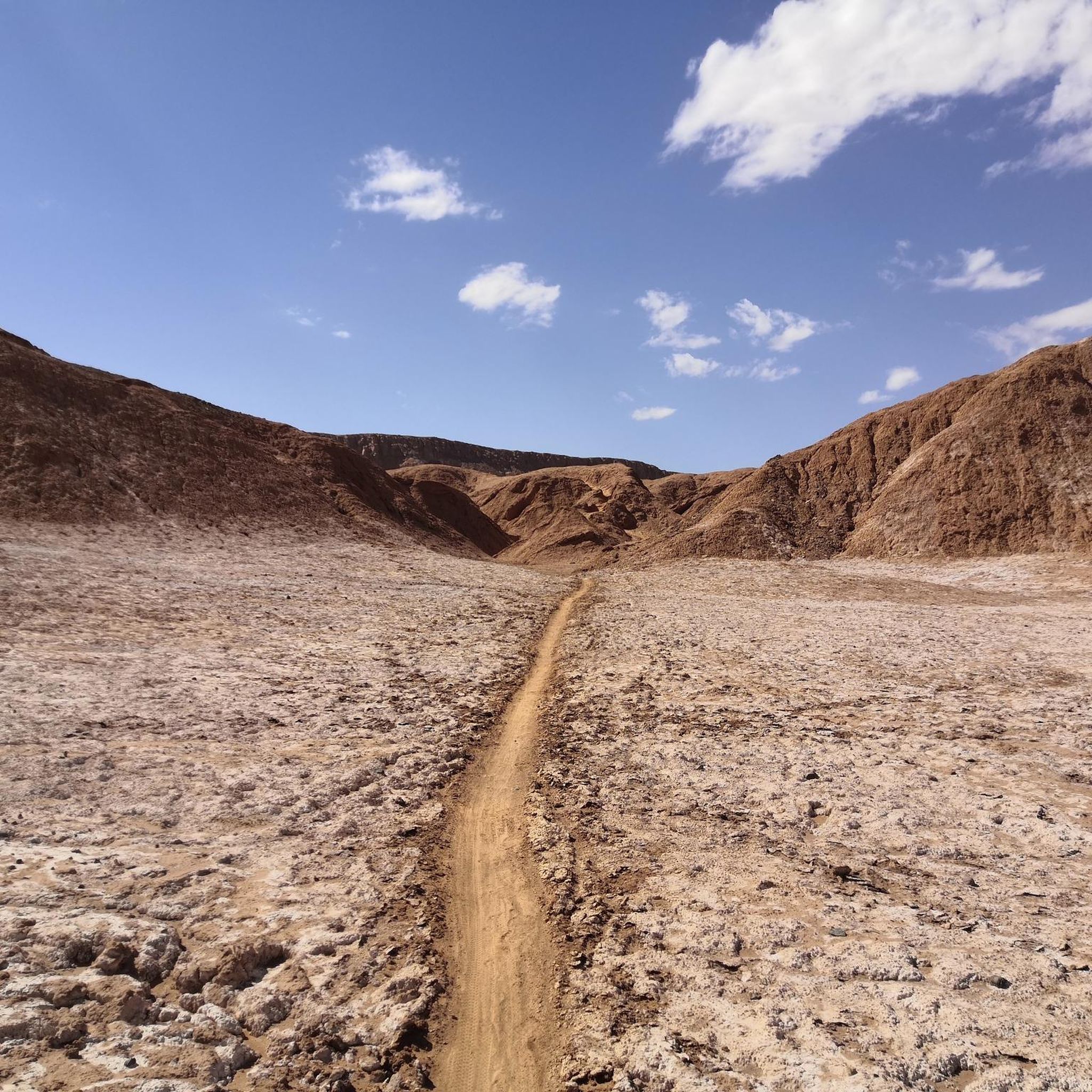
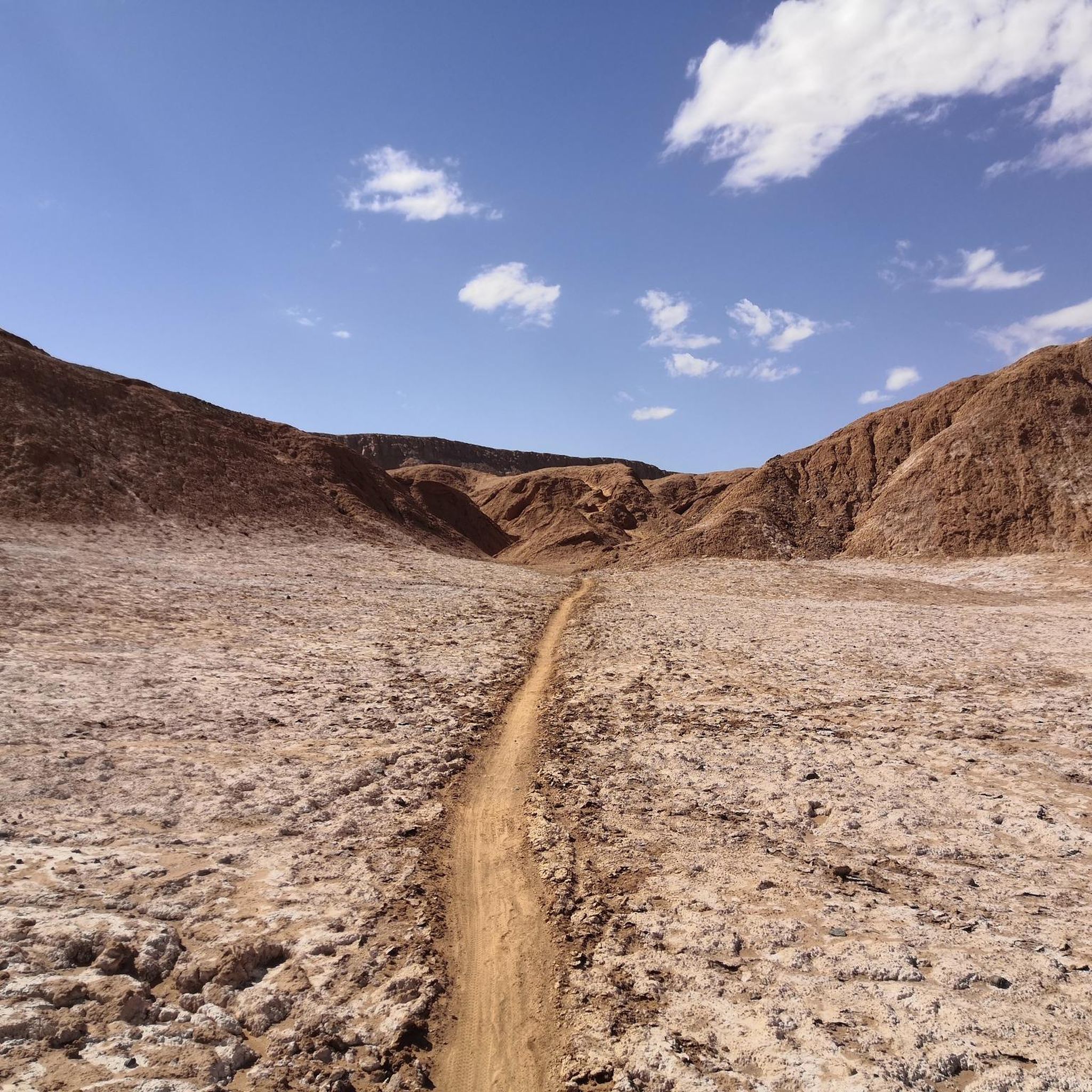
- Visitors also love Valley of Death, a canyon with impressive sand formations. This rocky valley near San Pedro de Atacama offers a unique desert experience.
- Antofagasta is known for its diverse natural monuments, including lagoons, geyser fields, and canyons. The region offers a variety of natural monuments to see and explore, from high-altitude wetlands to unique desert landscapes.
- The natural monuments in Antofagasta are appreciated by the komoot community, with 13 upvotes and 36 photos shared by visitors.
Last updated: July 15, 2026
El Tatio Geyser Field
Highlight • Natural Monument
We drove by rental car, the route is beautiful. Driven carefully and attentively, it is easily doable. We got there around 12pm and had the whole area to ourselves.
Translated by Google •
Tip by

Chaxa Lagoon
Highlight • Lake
Translated by Google •
Tip by
Sign up now to discover places like this
Get recommendations on the best single tracks, peaks, & plenty of other exciting outdoor places.
Sign up for free
Laguna Miñiques
Highlight • Lake
Translated by Google •
Tip by

Laguna de los Flamencos, Los Flamencos National Reserve
Highlight • Lake
Translated by Google •
Tip by
Valley of Death
Highlight • Canyon
Translated by Google •
Tip by

Tres Marías Rock Formation, Valle de la Luna
Highlight • Natural Monument
Translated by Google •
Tip by
Salt Crystals in Valle de la Luna
Highlight • Natural Monument
Translated by Google •
Tip by

Victoria Mine
Highlight • Structure
Translated by Google •
Tip by
Quebrada de Chulacao
Highlight • Canyon
Translated by Google •
Tip by

Laguna Miscanti
Highlight • Lake
Translated by Google •
Tip by

Sign up for free to discover even more natural monuments in Antofagasta.
Sign up for free
Already have an account?
Start today with a free account
Your next adventure awaits.
Login or Signup
Tips from the Community

Laguna Chaxa is located in the middle of the Salar de Atacama in an impressive protected area that is home to numerous flamingos. The visit is particularly worthwhile for bird lovers, as the flamingos that live here (especially the "Flamenco Chileno") can often be observed up close. In addition to the flamingos, there are also other water birds and occasionally small lizards to discover. The salt lake seems almost surreal with its white, glowing surface and the reflective lagoon offers breathtaking photo opportunities. The scenery with the volcanoes towering behind it also reinforces the feeling of being immersed in another world. The entrance fee is 5,000 pesos, which is definitely worth it, especially if you are also interested in the endangered wildlife. A clear tip: don't forget sun protection!
0
0
The Laguna Miñiques, in the middle of the Atacama Desert, is a place of fascinating, almost surreal beauty. The deep blue salt lake nestles against the barren slopes of the Miñiques volcano and, together with the neighboring Laguna Miscanti, forms a harmonious natural picture. A short path connects the two lagoons, and although the route is not long, it is advisable to equip yourself well with water and sun protection - the intensity of the sun at this altitude should not be underestimated. What makes the visit special is the untouched atmosphere. The silence of the surroundings, interrupted only by the wind and the occasional chirping of birds, allows you to completely switch off. The region's wildlife is also unique. If you're lucky, you might spot an Andean fox or flamingos in the distance, who also appreciate this area. Here, nature shows its rough but at the same time sublime side, far away from the hustle and bustle, and reminds us how diverse and impressive our world is.
0
0

The geothermal field extends over 30 square kilometers. It is the third largest geyser field in the world. The world's largest collection of geysers is found in Yellowstone National Park, followed by the Dolina Geiserow in Kamchatka, Russia. El Tatio is home to an estimated 8% of all geysers on earth. It is also the highest geyser field on earth. It is located at an average altitude of 4320 m. Due to the altitude and the resulting reduced air pressure, the water here boils at around 86 degrees Celsius. Most of the geothermal phenomena are concentrated in 3 areas. 67 geysers have been discovered, of which around 30 erupt regularly. Only a few geysers produce water fountains up to 10 m high, while the pressure in the others is just enough to spew water up to 1 m high. The activity is particularly spectacular at sunrise: due to the low morning temperatures - minus 20 degrees is not uncommon at this altitude - you can see it steaming heavily. In addition, the area is home to 85 fumaroles and solfataras, 62 hot springs, 5 mud volcanoes and extensive sinter terraces. The exact number of post-volcanic phenomena not only varies depending on the author, but is also subject to the dynamic processes of the hydrothermal system. Old springs dry up, and new ones emerge elsewhere. Attempts to install geothermal energy plants failed due to the remoteness of the area and a lack of infrastructure. So far, the geysers have remained largely intact and are a tourist attraction. Anyone who wants to visit the geysers has to pay an entrance fee. Source: https://www.vulkane.net/vulkane/tatio/el-tatio.html
3
0
The Valley of the Moon area was originally named “Las Salinas” due to the great amount of salt that allowed the development of a small salt mining operation and extraction. One of the mines is the Victoria Mine whose owner was Gabino Aguilar who named the mine after his wife Victoria Vilca. Source: https://valledelaluna.com/en/el-valle-de-la-luna/
1
0
It's worth taking a closer look and looking at the salt crystals. If there aren't any loud hordes around, you can really hear the cracking and crackling.
1
0
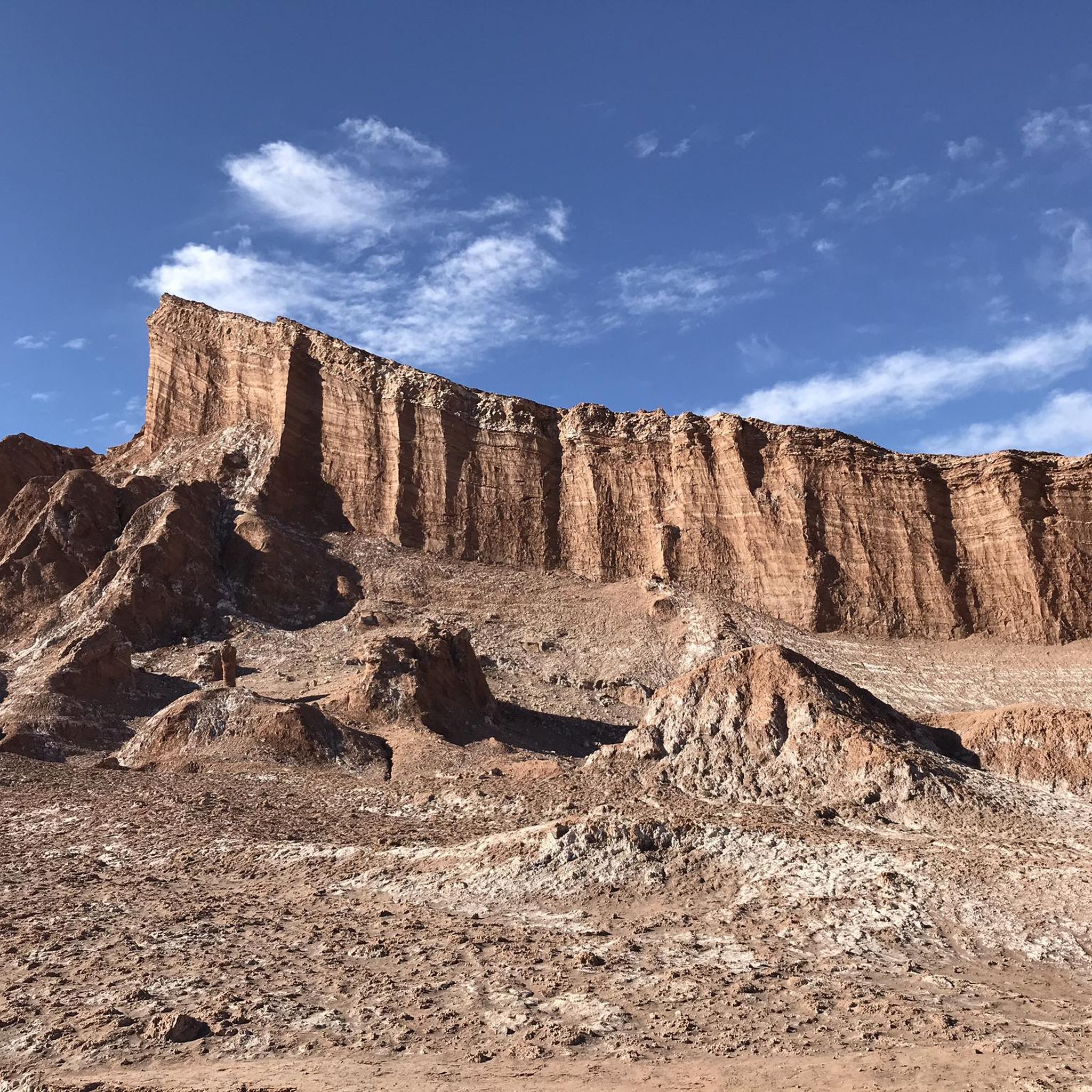
As far as I understand, there are only two of the "Three Marys" left - a tourist hugged the third one and a piece broke off. That's why the path is regulated and you're not allowed to go close to the rock formation.
0
0

Wonderful, colorful geyser field. Although it is most impressive in the morning due to the higher temperature difference between the water and the surrounding area, it is also the busiest. The on-site swimming pool is currently closed. I found the road from San Pedro to El Tatio easy to drive with the usual caution.
2
0
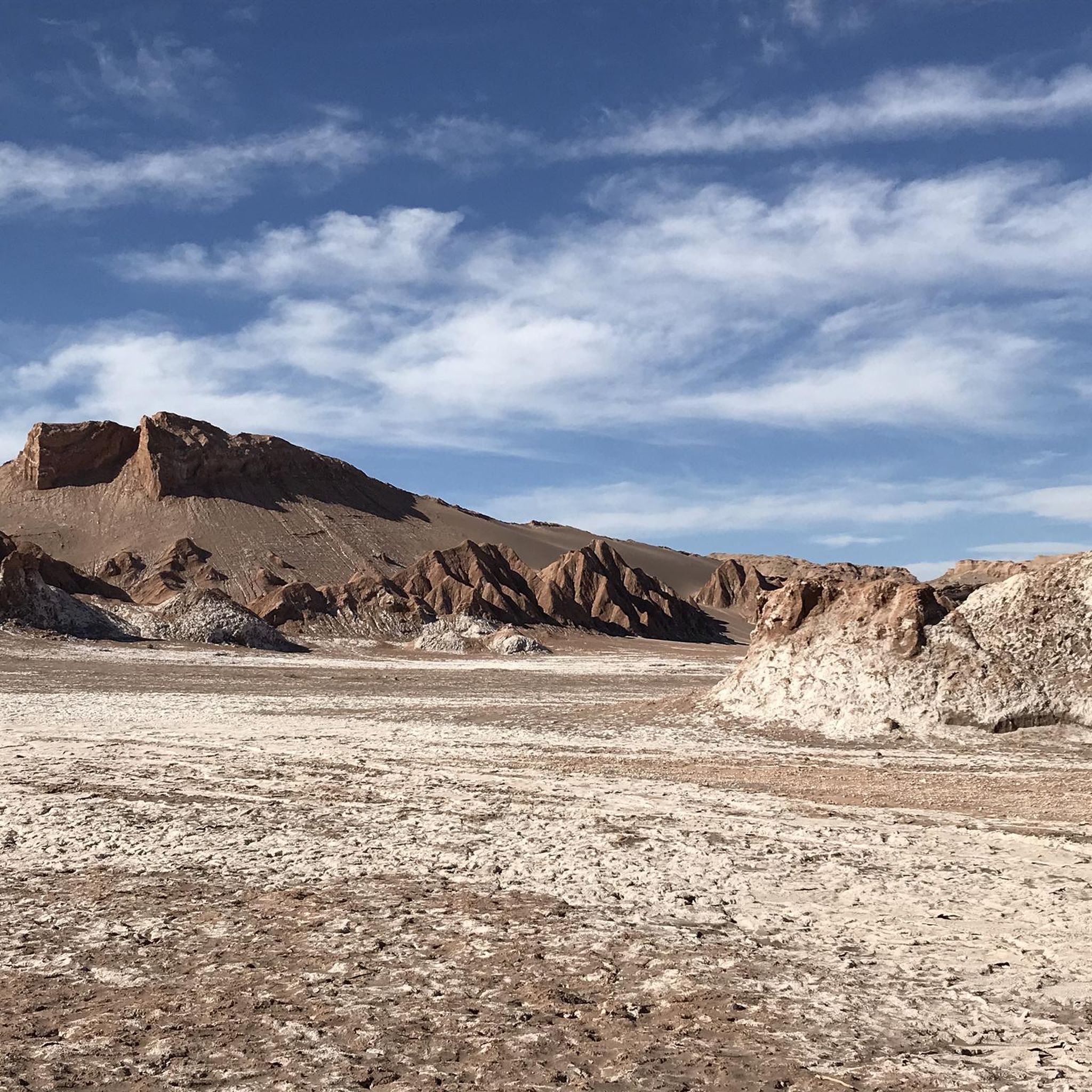
The salt crystals in Moon Valley take on very different shapes. The greatest diversity can be seen around the Victoria mine.
1
0
Frequently Asked Questions
What are some of the most unique natural monuments to visit in the Antofagasta Region?
The Antofagasta Region offers a diverse range of unique natural monuments. You can explore the iconic Chaxa Lagoon, known for its flamingos and other water birds. Another must-see is El Tatio Geyser Field, the highest geyser field in the world, where you can witness dozens of steaming and bubbling holes. Don't miss the impressive geological formations of the Valley of Death, a rocky canyon near San Pedro de Atacama.
Are there any natural monuments in Antofagasta that are particularly family-friendly?
Yes, several natural monuments in the Antofagasta Region are suitable for families. Chaxa Lagoon is a great option where children can observe flamingos and other wildlife. The Tres Marías Rock Formation in Valle de la Luna also offers an accessible and visually interesting experience for all ages.
What kind of geological features can I expect to see at the natural monuments in Antofagasta?
The region is rich in geological wonders. You can observe the unique volcanic base and ancient marine sedimentary rocks at La Portada Natural Monument, an impressive sea arch carved by millions of years of erosion. El Tatio Geyser Field showcases active geothermal phenomena with geysers, fumaroles, and hot springs. The Valley of Death features striking sand and rock formations, while Salt Crystals in Valle de la Luna offer another fascinating geological display.
Where can I observe wildlife in the natural monuments of Antofagasta?
Wildlife observation is a highlight in many areas. At Chaxa Lagoon, you can see flamingos and other water birds. La Portada Natural Monument is an important site for guano birds like the Peruvian booby and Inca terns, and you might even spot South American fur seals. Monumento Natural Paposo Norte is home to guanacos and the Chilla fox, while Pan de Azúcar National Park hosts a colony of Humboldt penguins, sea lions, and various bird species on Pan de Azúcar Island.
Are there hiking opportunities near the natural monuments in Antofagasta?
Yes, there are several hiking opportunities. For example, you can find routes like the 'Pukará de Quitor – Valley of Death loop' near San Pedro de Atacama, which offers moderate difficulty. For easier options, consider the 'Piedras Rojas (Red Rocks) loop' or the 'View of the Atacama Desert – Mirador Achachis loop'. You can find more details and routes for hiking in Antofagasta and easy hikes in Antofagasta.
What is the best time to visit the natural monuments in the Antofagasta Region?
The Antofagasta Region generally enjoys favorable weather year-round, making its natural monuments accessible for most of the year. For sites like El Tatio Geyser Field, it's advisable to arrive early in the morning, ideally around sunrise, to witness the geysers in their full splendor before temperatures rise and the steam becomes less visible. Pan de Azúcar National Park is also accessible year-round.
What makes Monumento Natural Paposo Norte a unique destination?
Monumento Natural Paposo Norte is unique due to its 'fog oasis' ecosystem. The coastal 'camanchacas' (fogs) create a dense layer that supports over 115 species of wild flora, with a high percentage being endemic to the area. This protected area offers a raw and untouched natural experience, ideal for those seeking solitude and pure nature observation, as it currently lacks services or internet connectivity.
Can I visit Pan de Azúcar National Park from the Antofagasta Region?
Yes, Pan de Azúcar National Park, while straddling the border of the Antofagasta and Atacama regions, is a significant natural monument accessible from Antofagasta. It offers a striking contrast where the arid Atacama Desert meets the Pacific Ocean, featuring desert plains, coastal mountains, and sandy beaches. A popular activity is taking boat trips to Pan de Azúcar Island to see Humboldt penguins and sea lions.
Are there any historical sites among the natural monuments?
While primarily focused on natural features, some sites may have historical significance. For instance, the Victoria Mine is listed as a natural monument with historical site attributes, offering a glimpse into the region's past alongside its natural beauty.
What do visitors enjoy most about the natural monuments in Antofagasta?
Visitors frequently praise the breathtaking views and unique natural phenomena. Many enjoy the opportunity to see flamingos up close at Chaxa Lagoon. The spectacular steaming and bubbling of El Tatio Geyser Field, especially at sunrise, is often highlighted. The impressive sand formations of the Valley of Death are also a favorite for their unique desert experience.
Is La Portada Natural Monument accessible, and what can I see there?
La Portada Natural Monument is easily accessible by land from the city of Antofagasta, and entrance is free. You can see the magnificent 43-meter-high natural arch, which is an iconic symbol of the region, offering spectacular views and photo opportunities from designated clifftop viewpoints. The arch's geological significance, with its volcanic base and layers of ancient shell fossils, is also a major draw. While beach access is restricted for safety, the views from above are captivating. For more information, you can visit visitchile.com or Wikipedia.
What other outdoor activities can I do near the natural monuments in Antofagasta?
Beyond hiking, the region offers various outdoor activities. In Pan de Azúcar National Park, popular activities include trekking, bicycle riding, swimming, sport fishing, and scuba diving. For running enthusiasts, there are numerous running trails in Antofagasta, such as loops around Balneario Municipal or near San Pedro de Atacama.
Most popular attractions in Antofagasta

Get inspired with the komoot mobile app


Didn’t find what you were looking for?
Find even more amazing natural monuments in Antofagasta by checking out the top Highlights region by region:
Explore more
Extend your search for the best caves by checking out these guides of the top ones in Antofagasta:
