Top 6 Natural Monuments in Morelos
Best natural monuments in Morelos include a diverse array of geological formations and ecological features. This south-central Mexican state features ancient volcanic terrain, extensive cave systems, and clear rivers. These sites offer varied experiences for those interested in nature and outdoor exploration. The region's natural protected areas contribute to its ecological significance and provide habitats for diverse flora and fauna.
Best natural monuments in Morelos
- The most popular natural monuments is View of Tepoztlán from the Cliffs, a viewpoint…
Last updated: July 1, 2026
View of Tepoztlán from the Cliffs
Highlight • Viewpoint
Translated by Google •
Tip by

Laguna Quila
Highlight (Segment) • Lake
Translated by Google •
Tip by

Sign up now to discover places like this
Get recommendations on the best single tracks, peaks, & plenty of other exciting outdoor places.
Sign up for free
Cañón de Lobos
Highlight (Segment) • Canyon
Translated by Google •
Tip by
Rock Formations of Tlayacapan
Highlight • Natural Monument
Translated by Google •
Tip by
Chichinautzin Ecological Zone
Highlight (Segment) • Natural Monument
Translated by Google •
Tip by

View of the Tonatzín, Las Mariposas, Ayotzin, and Tezontlala Hills
Highlight (Segment) • Viewpoint
Translated by Google •
Tip by
Start today with a free account
Your next adventure awaits.
Login or Signup
Tips from the Community

Good place, nature and good gradient.
0
0

The Quila Lagoon, located at 3010 m.a.s.l. (19°4.5', N 99°18.9' W), has an area of 5.2 ha, is situated in a steep valley, surrounded by a forest of Pinus montezumae, however, on the western slope the trees were cut down and currently this area is converted into pasture. The lagoon is fed naturally by two streams on the northern slope, it also has a sinkhole that controls the water table, which was formed when the infrastructure for water extraction was built. Both for the above reason, and due to the changes between the dry and rainy seasons, the water level in the lagoon varies considerably. In recent years, a progressive drying up has been observed due to water extraction, which directly affects the vegetation. The study area has a semi-cold subhumid climate, presents a summer rainfall regime (from April to October), the annual average temperature is in the order of 5° to 12° C. The substrate of Laguna Quila is made up of clay with a high percentage of organic matter. > Acta Botánica Mexicana ISSN: 0187-7151
3
0

The landscape is breathtaking
0
0
A nice short but intense climb! Kilometer and a half of a ramp of up to 18% inclination with a beautiful view of the Tonatzín, Las Mariposas, Ayotzin and Tezontlala hills with their peculiar shapes of the area. A good challenge to go up and reach the delicious TLacoyos de Doña Laura.
1
0
This little town is magical! From the mountain formations, the curves of the road, the weather to the food. In the town you will find food of all kinds, the typical ones of the Mexican town to sourdough pizzas, from gomichelas to traditional pulque, wines and water of all flavors. Getting there by bike is not easy, but the really difficult part of the route is returning to CDMX, whether you go up the Loma or through Tepoztlán, it will be a delicious challenge to train and enjoy cycling.
1
0
Full of greenery and curves. Going down or up is delicious and hot. There is a double lane there which is quite safe as long as there is no accident
3
0

At the gate to the temple you can "climb" on the rock with a guide for about 10 minutes. Unfortunately you can't see the temple, but you have a nice view of Tepoztlan and the rock formations (50 Pesos p.p.)
1
0

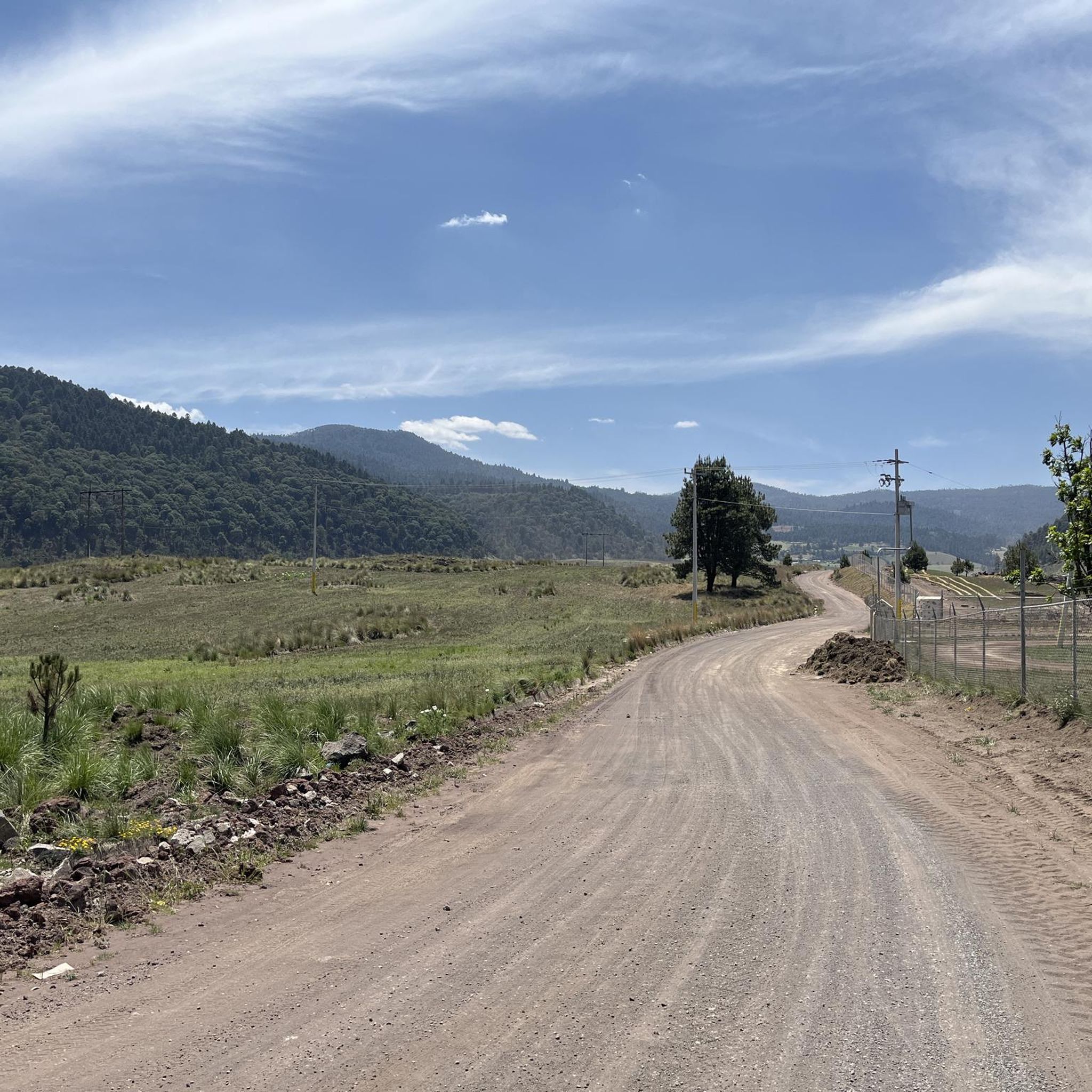
Altitude of 3000 msm, rocky landscape through pines and hare tracks. Volcanoes line the way to the Cuernavaca Valley! The track deteriorates and becomes pebbles and dust until Cuernavaca 45 km further. (MTB)
1
0
Frequently Asked Questions
What unique natural features can I explore in Morelos?
Morelos is known for its diverse natural features, including ancient volcanic terrain, extensive cave systems, and clear rivers. You can experience rugged mountain landscapes and steep cliffs at View of Tepoztlán from the Cliffs, or explore the impressive canyon at Cañón de Lobos. The state also features lush forests, picturesque lakes like Laguna Quila, and unique rock formations such as those found near Tlayacapan.
Are there any national parks or protected areas in Morelos that are worth visiting?
Yes, Morelos is home to several significant protected areas. The Parque Nacional El Tepozteco offers rugged mountain terrain, pine-oak forests, and is famous for the Tepozteco Pyramid. Another notable area is Chichinautzin Ecological Zone, part of the larger Chichinautzin biological corridor, characterized by rocky landscapes and volcanoes.
What kind of wildlife can I expect to see in Morelos's natural monuments?
Morelos's natural monuments support a variety of wildlife. In Parque Nacional El Tepozteco, you might spot white-tailed deer, lynxes, coatis, armadillos, and a rich diversity of bird species, including the elegant trogon and golden eagle. Lagunas de Zempoala National Park is home to deer, foxes, and is particularly important for the critically endangered axolotl. Cueva El Salitre is a crucial sanctuary for numerous bat species, vital for pollination and pest control.
Are there family-friendly natural monuments or activities in Morelos?
Yes, several natural monuments in Morelos offer family-friendly activities. Lagunas de Zempoala National Park is a popular spot for family day trips, offering activities like paddle boating and pony rides around its picturesque lagoons. Las Estacas Natural Park provides a vibrant setting for swimming, snorkeling, kayaking, and even has a dedicated children's lake, along with zip-lining and spa services.
What are the best places for hiking and outdoor activities near Morelos's natural monuments?
Many natural monuments in Morelos offer excellent opportunities for hiking and other outdoor activities. Parque Nacional El Tepozteco has numerous scenic hiking trails, including the challenging ascent to the Tepozteco Pyramid. Lagunas de Zempoala National Park is ideal for hiking, camping, and horseback riding. For more adventurous options, Grutas de Cacahuamilpa National Park offers rappelling and rock climbing in Limontitla Canyon. You can also find various MTB Trails, Road Cycling Routes, and Running Trails throughout the region.
Can I explore cave systems in Morelos?
Yes, Morelos is known for its impressive cave systems. The most renowned is Grutas de Cacahuamilpa National Park, which features one of the largest 'live' cave systems in the world with stunning stalactites and stalagmites. Guided tours are available to explore its magnificent, illuminated chambers. Additionally, Cueva El Salitre is a significant bat sanctuary with a three-chambered cave system.
What is the best time of year to visit the natural monuments in Morelos?
The dry season, generally from November to April, is often considered the best time to visit Morelos's natural monuments. During this period, the weather is typically mild and sunny, making outdoor activities like hiking and exploring caves more comfortable. For instance, exploring the subterranean waterways of the underground rivers at Grutas de Cacahuamilpa National Park is only possible during the dry season.
Are there any natural monuments in Morelos with historical or cultural significance?
Absolutely. Parque Nacional El Tepozteco is not only a natural wonder but also holds significant cultural history. It is famous for the Tepozteco Pyramid, an ancient Aztec temple dedicated to Tepoztecatl, the Aztec god of pulque. The hike to the pyramid offers breathtaking panoramic views and a connection to the region's rich past.
Where can I find clear rivers or aquatic activities in Morelos?
For crystal-clear rivers and aquatic activities, Las Estacas Natural Park in Tlaltizapán is an excellent choice. It features a turquoise freshwater river fed by underground springs, perfect for swimming, snorkeling, kayaking, paddleboarding, and even scuba diving. The park also offers beautiful natural landscapes and gardens.
What are some popular viewpoints to appreciate the natural landscapes of Morelos?
Morelos offers several stunning viewpoints. The View of Tepoztlán from the Cliffs provides panoramic vistas of the town and surrounding rock formations. Another great spot is the View of the Tonatzín, Las Mariposas, Ayotzin, and Tezontlala Hills, offering expansive natural scenery. The hike to the Tepozteco Pyramid in Parque Nacional El Tepozteco also rewards visitors with breathtaking views of the valleys.
What is the Chichinautzin Ecological Zone known for?
The Chichinautzin Ecological Zone is known for its rocky landscape, dense pine forests, and volcanic features. Situated at an altitude of around 3000 meters, it forms a vital part of the Chichinautzin biological corridor. This area is characterized by volcanoes that extend towards the Cuernavaca Valley, offering unique terrain for exploration.
Most popular attractions in Morelos

Get inspired with the komoot mobile app


Explore more
Extend your search for the best caves by checking out these guides of the top ones in Morelos:
