Top 8 Natural Monuments in Cotopaxi
Natural monuments in Cotopaxi National Park are characterized by towering volcanoes, high-altitude lakes, and diverse ecosystems within the Ecuadorian Andes. This region offers a range of natural features, from snow-capped peaks to serene lagoons. The landscape provides opportunities to observe unique geological formations and local wildlife. Visitors can explore various natural attractions that showcase the high-Andean environment.
Best natural monuments in Cotopaxi
- The most popular natural monuments is Quilotoa Lagoon, a lake that offers a circumnavigation trail around its…
Last updated: November 1, 2026
Quilotoa Lagoon
Highlight • Lake
Tip by

Limpiopungo Lagoon
Highlight • Lake
Translated by Google •
Tip by

Sign up now to discover places like this
Get recommendations on the best single tracks, peaks, & plenty of other exciting outdoor places.
Cotopaxi Summit
Highlight • Summit
Translated by Google •
Tip by

Wild horses in Cotopaxi National Park
Highlight • Natural
Translated by Google •
Tip by

Wildlife in Cotopaxi National Park
Highlight • Natural
Translated by Google •
Tip by

View of Cotopaxi Volcano from Refugio José Rivas
Highlight • Viewpoint
Translated by Google •
Tip by

The Seven Waterfalls of Zapanal
Highlight • Waterfall
The seven very different waterfalls, water pools and …
Translated by Google •
Tip by

La Pradera Grassland
Highlight • Natural
Translated by Google •
Tip by
Quilotoa Lake
Highlight • Lake
Translated by Google •
Tip by

Start today with a free account
Your next adventure awaits.


Tips from the Community

It's an excellent viewpoint, both for Limpiopungo Lagoon and for Rumiñahui and Cotopaxi Volcano. Because of the cold, you'll need to wear a coat.
0
0

A beautiful circular path leads around the lagoon and great animal sightings are possible.
0
0

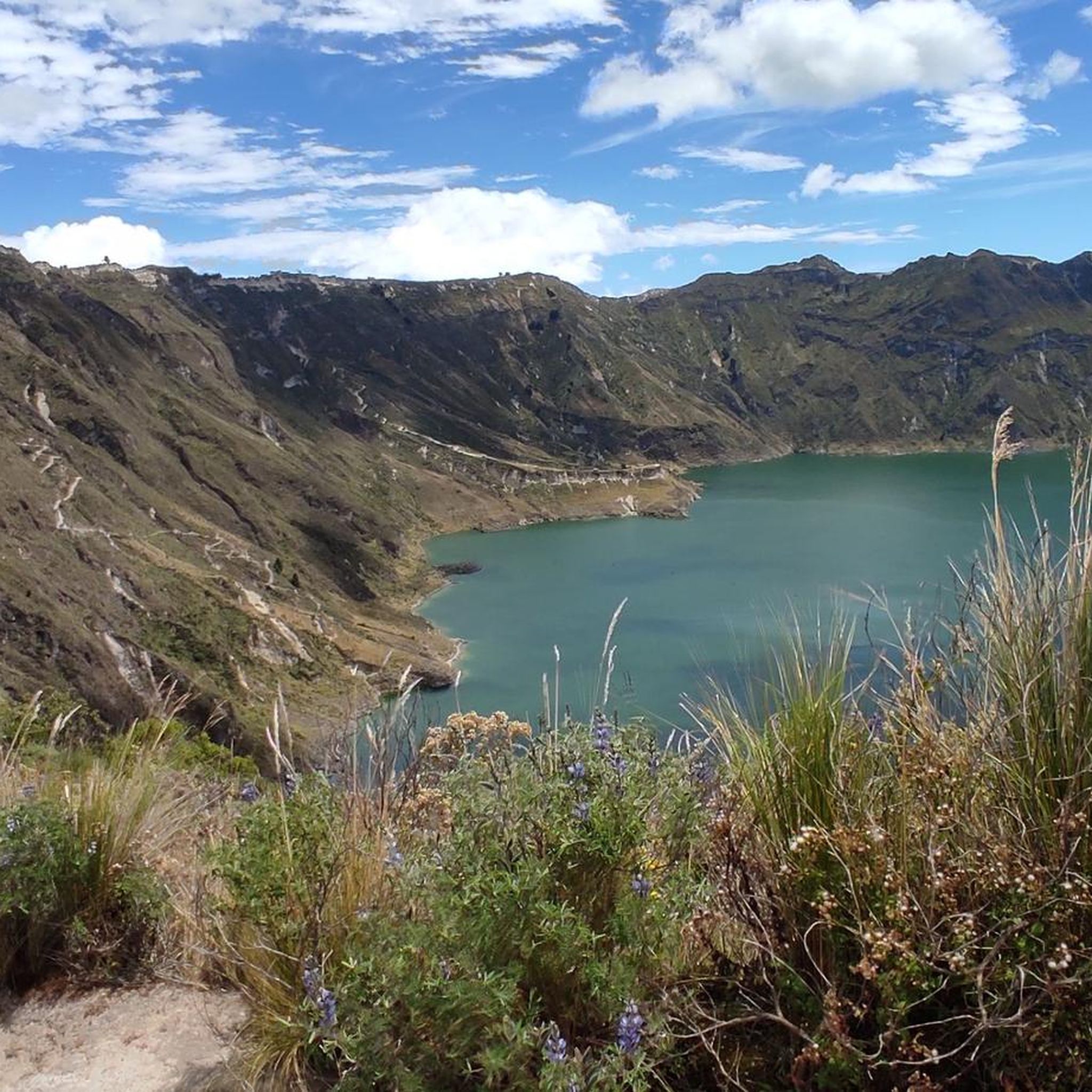
fantastic volcanic lagoon, perfect spot for wild camping surrounded by uncontaminated nature with breathtaking views
0
0

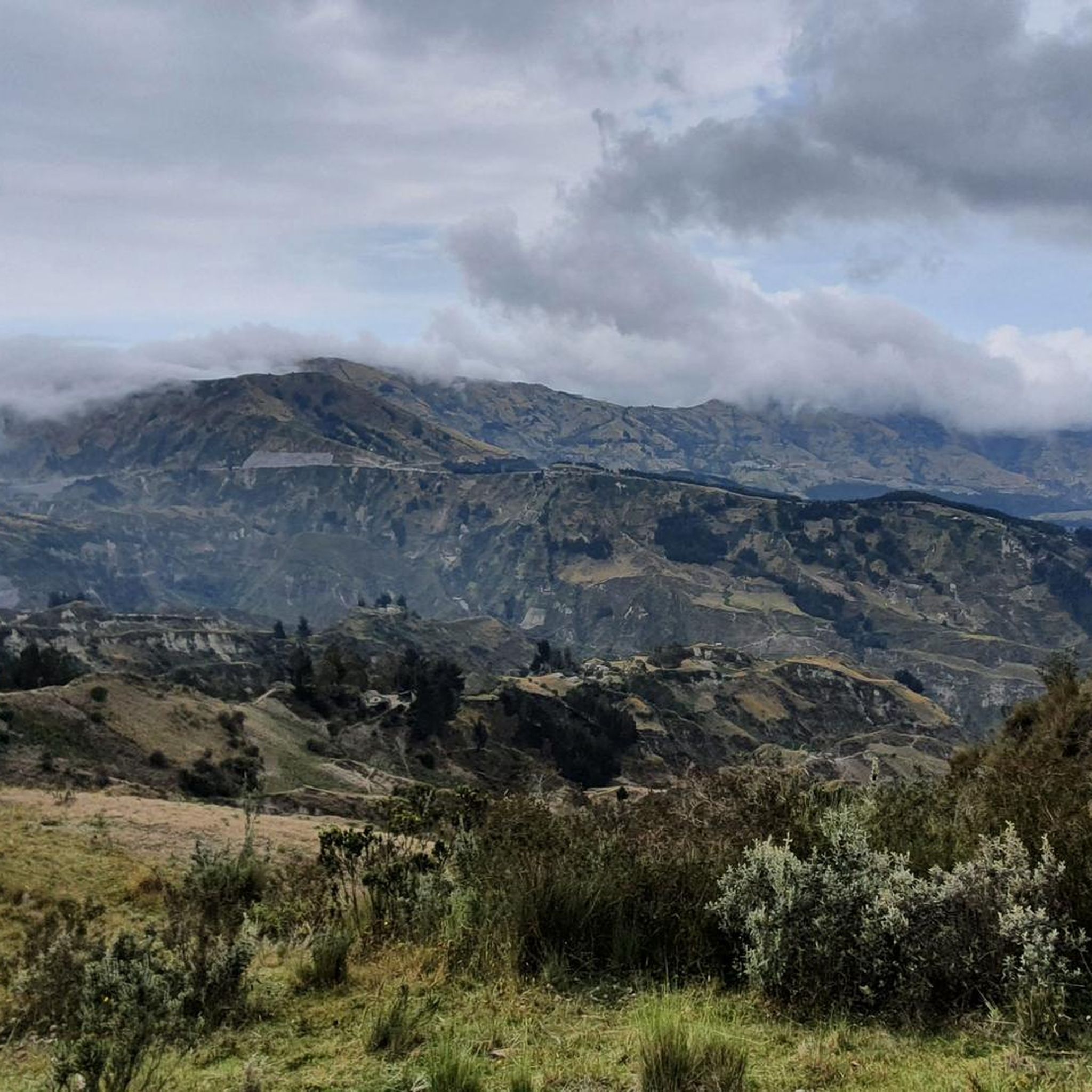
The vegetation changes with altitude. It's worth stopping in between for the beautiful flowers.
1
0
A beautiful lagoon that you can also walk around from the parking lot. When the weather is nice, you have a good view of the Cotopaxi.
2
0

Nice to look at. Especially the mare with her twins. Very very rare!
0
0

We were surprised that we found wild horses here.
0
0
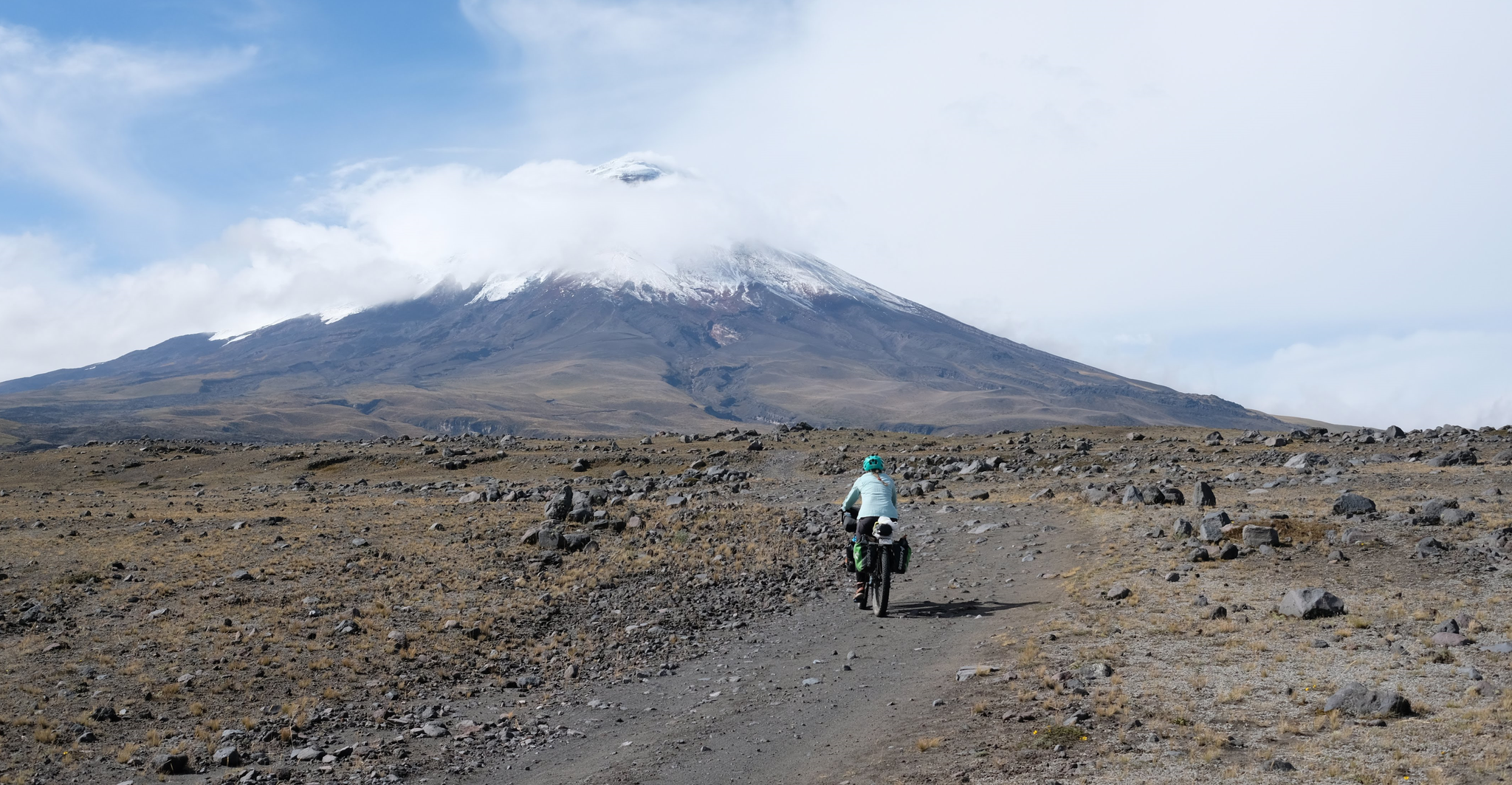
With a clear view you have wonderful views. With the knowledge that it is an active volcano and that the summit has also been closed since October 22, you see things with different eyes. Always with the thought that he can break out at any time!
0
0
Frequently Asked Questions
What are some unique natural monuments to explore in Cotopaxi?
Beyond the well-known sites, you can discover The Seven Waterfalls of Zapanal, a series of distinct waterfalls, pools, and natural water slides nestled in a tropical setting. Another interesting spot is La Pradera Grassland, offering expansive views of the high-Andean landscape.
Are there family-friendly natural monuments in Cotopaxi?
Yes, several natural monuments are suitable for families. Limpiopungo Lagoon offers an accessible, leisurely walking trail around its perimeter, perfect for all ages. Observing Wild horses in Cotopaxi National Park is also a unique and exciting experience for families.
What kind of wildlife can I expect to see in Cotopaxi National Park?
Cotopaxi National Park is rich in wildlife. At Limpiopungo Lagoon, you can enjoy birdwatching, spotting Andean gulls, coots, and various ducks. Throughout the park, keep an eye out for wild horses, falcons, llamas, and Andean foxes.
What are the hiking opportunities around Cotopaxi's natural monuments?
The region offers diverse hiking opportunities. You can take a circular walk around Quilotoa Lagoon, which typically takes 3-5 hours. For a less strenuous option, the trail around Limpiopungo Lagoon is about an hour. More challenging mountain hikes are available, such as ascents to Rumiñahui Volcano or the José Rivas Refuge on Cotopaxi. For more detailed routes, explore the Hiking in Cotopaxi guide.
Are there any circular walks around the natural monuments?
Yes, there are notable circular walks. The circumnavigation trail around Quilotoa Lagoon is a popular option, offering stunning views of the crater lake. Additionally, a beautiful circular path leads around Limpiopungo Lagoon, ideal for birdwatching and enjoying the scenery.
What are the difficulty levels of trails around Cotopaxi's natural monuments?
Trail difficulties vary. The walk around Limpiopungo Lagoon is generally easy and accessible. The circumnavigation of Quilotoa Lagoon is considered intermediate, taking 3-5 hours. For more challenging experiences, ascents to volcanoes like Rumiñahui or Sincholagua are moderately difficult, while climbing Cotopaxi itself is a difficult mountaineering endeavor. You can find more challenging routes in the Mountain Hikes in Cotopaxi guide.
What should I know about permits and entrance fees for Cotopaxi National Park?
Cotopaxi National Park generally requires an entrance permit. While specific fees can change, it's advisable to check the latest requirements before your visit. For official information regarding park entry, you can consult resources like the National Parks Association website for Ecuador.
Is there a best time to visit the natural monuments in Cotopaxi?
For places like Quilotoa Lagoon, it's often recommended to arrive before noon, as clouds tend to roll in during the afternoon. Generally, the dry season (June to September) offers clearer skies and better visibility for volcano views, though weather in the Andes can be unpredictable year-round.
What are the parking options and trailheads for these natural monuments?
Many natural monuments, such as Limpiopungo Lagoon, have designated parking lots directly at the trailhead, making them easily accessible. For Quilotoa Lagoon, parking is available in the nearby village of Quilotoa, which serves as the starting point for the crater rim trail.
What kind of geological features define the natural monuments in Cotopaxi?
The natural monuments in Cotopaxi are primarily defined by their volcanic origins and high-altitude Andean environment. Features include the almost perfectly symmetrical, snow-capped cone of Cotopaxi Volcano, the caldera lake of Quilotoa Lagoon, and the eroded stratovolcano Rumiñahui. These landscapes showcase layers of lava and ash, sculpted by ancient glaciers.
What should I bring for a visit to the natural monuments in Cotopaxi?
Given the high altitude and variable Andean weather, it's essential to bring layers of clothing, including warm jackets, hats, and gloves, even on sunny days. Good hiking shoes are crucial, especially for trails like Quilotoa Lagoon. Sunscreen, sunglasses, and plenty of water are also highly recommended.
Are dogs allowed on trails around Cotopaxi's natural monuments?
While specific regulations can vary, national parks often have restrictions on pets to protect wildlife and maintain natural habitats. It's best to check the current pet policy for Cotopaxi National Park directly before planning your visit with a dog.
Where can I find food or cafes near the natural monuments?
Within Cotopaxi National Park, options for food might be limited to small kiosks or visitor centers. However, nearby towns like Machachi and Latacunga offer a wider selection of cafes and restaurants where you can find meals before or after your exploration of the natural monuments.
How long should I plan for a visit to the natural monuments in Cotopaxi?
The duration depends on which monuments you plan to visit. A leisurely walk around Limpiopungo Lagoon takes about an hour. The circumnavigation of Quilotoa Lagoon can take 3-5 hours. For a more comprehensive experience including multiple sites or a challenging hike, a full day or even multiple days would be ideal.
What do visitors enjoy most about the natural monuments in Cotopaxi?
Visitors frequently highlight the breathtaking views of the volcanoes, especially when reflected in lakes like Limpiopungo Lagoon. The unique experience of observing wild horses and other wildlife, along with the challenging yet rewarding hikes, are also highly appreciated. The striking turquoise waters of Quilotoa Lagoon are a particular favorite.
Most popular attractions in Cotopaxi

Get inspired with the komoot mobile app


Didn’t find what you were looking for?
Find even more amazing natural monuments in Cotopaxi by checking out the top Highlights region by region:
Explore more
Extend your search for the best caves by checking out these guides of the top ones in Cotopaxi:
