Top 11 Natural Monuments in Grampians National Park
Best natural monuments in Grampians National Park (Gariwerd) are characterized by dramatic sandstone ranges, impressive rock formations, and ancient Aboriginal rock art sites. The park's distinctive landscape was formed over millions of years from sandy sediments, sculpted by weathering and erosion. This region offers a diverse array of natural features, including towering cliffs, gorges, and waterfalls. It is also recognized for its significant cultural heritage, with numerous Indigenous rock art sites.
Best natural monuments in Grampians National Park
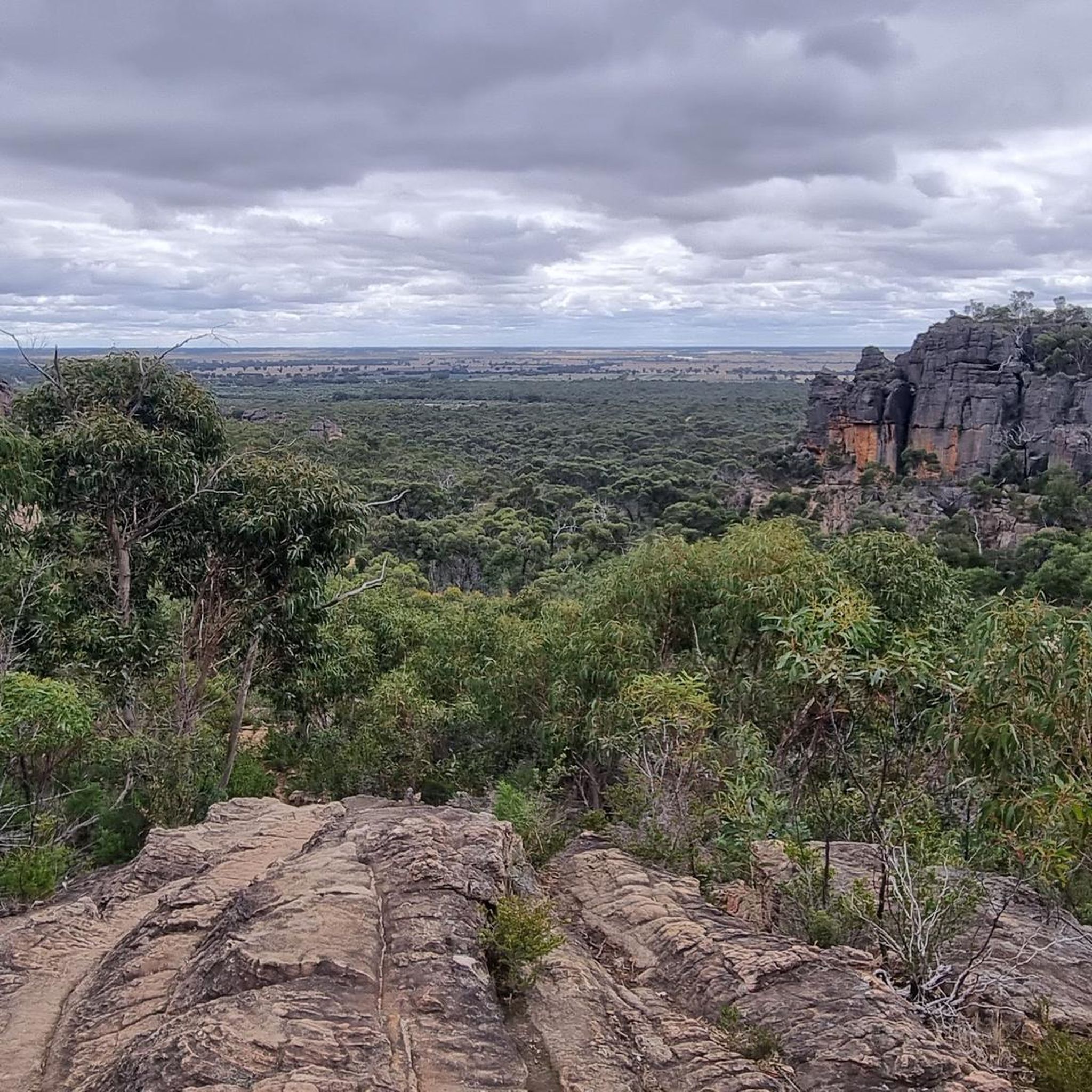
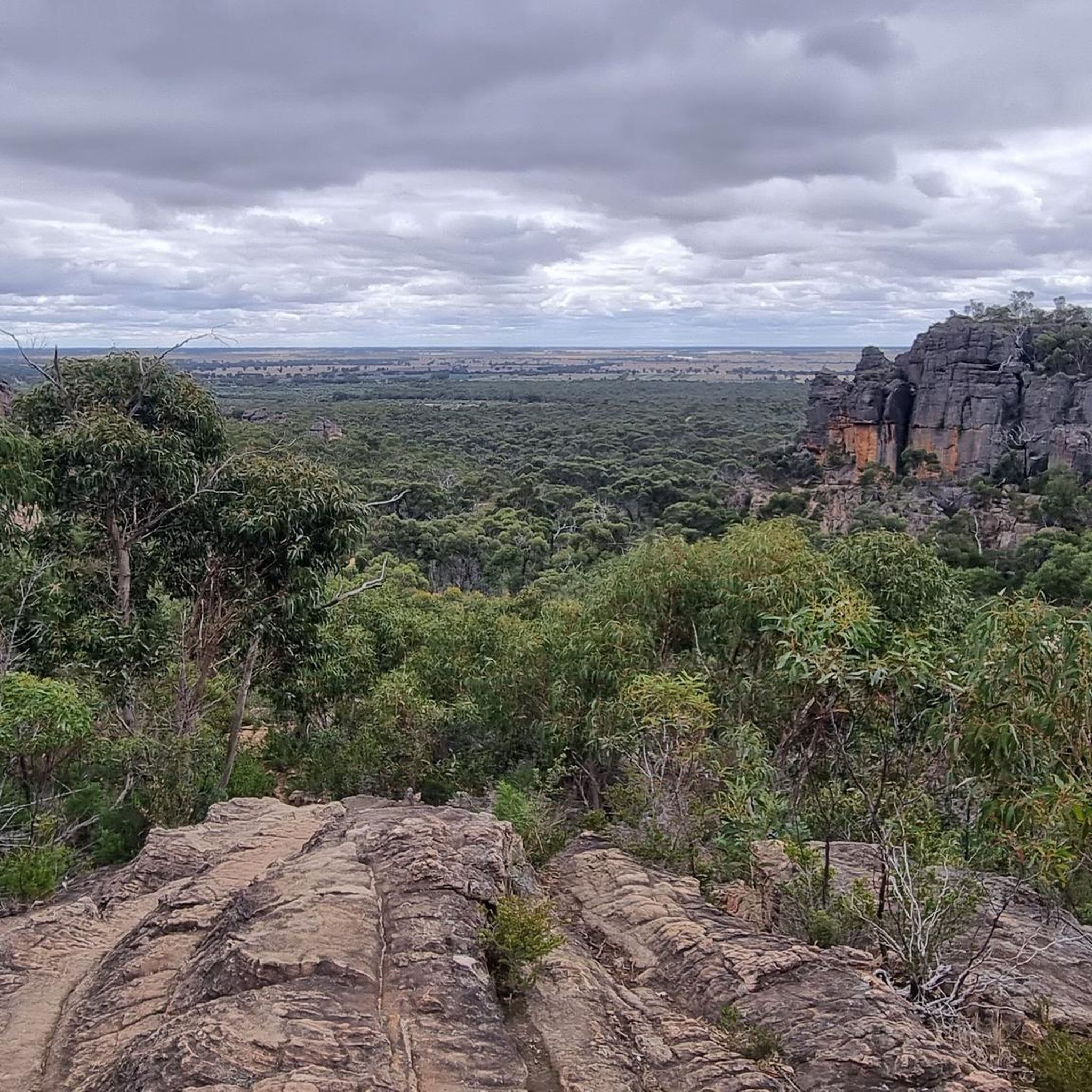
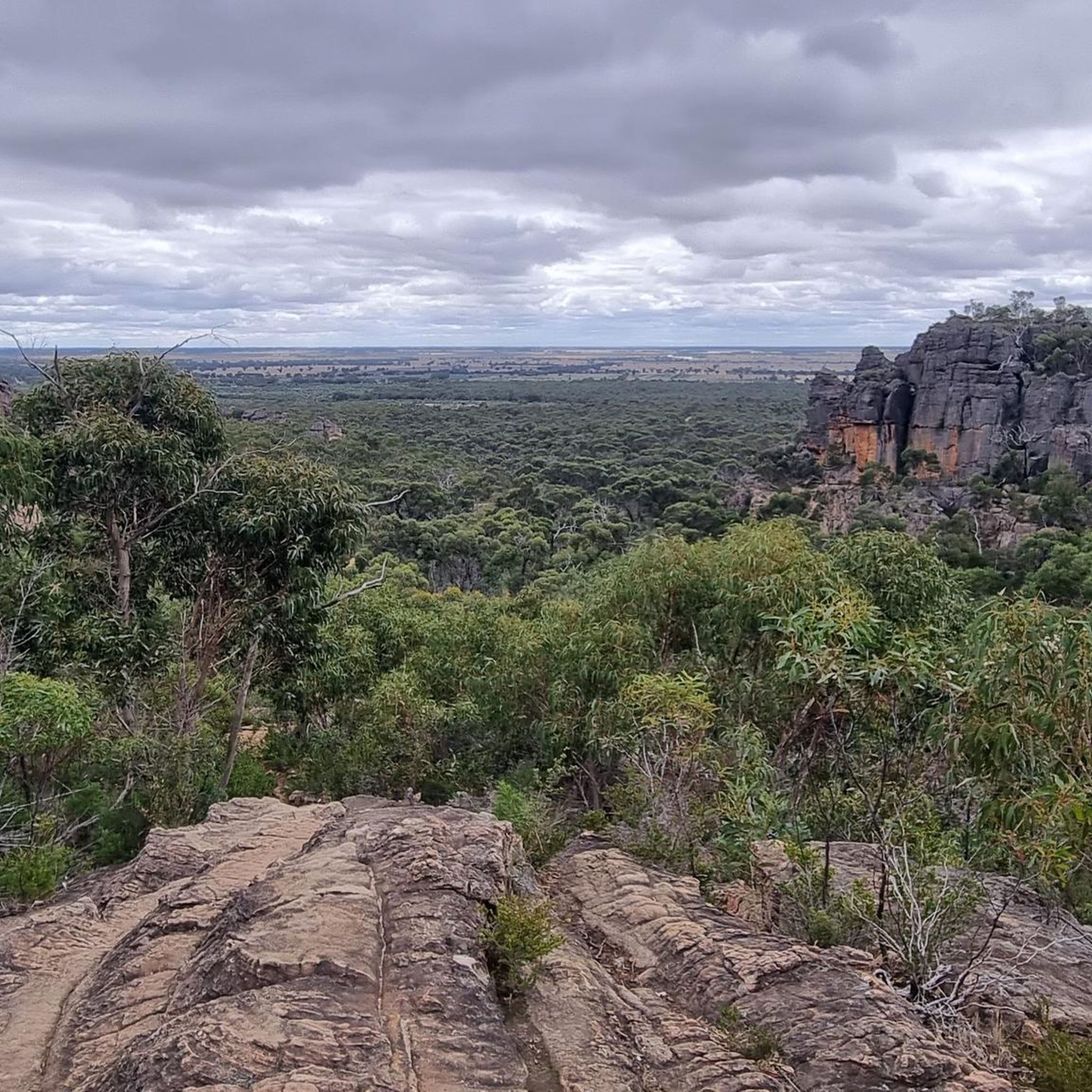
- The most popular natural monuments is Pinnacle Lookout, a viewpoint that offers panoramic views of rugged mountain ranges, valleys, and Halls Gap. This iconic lookout is reached via rocky steps and natural platforms, providing memorable photo opportunities across valleys, cliffs, and layered sandstone peaks.
- Another must-see spot is Grand Canyon, a rocky gorge in the Wonderland Range. Visitors can explore this impressive gorge as part of a loop walk or on the route to Pinnacle Lookout, experiencing its unique rock formations.
- Visitors also love Silent Street Gorge, a narrow gorge below The Pinnacle. This section of the hike from the Wonderland Carpark to The Pinnacle passes through a confined space between huge rocks, offering a distinct geological experience.
- Grampians National Park is known for its diverse lookouts, rock formations, and waterfalls. The park features a variety of natural monuments to see and explore, including iconic viewpoints, unique geological structures, and seasonal cascades.
- The natural monuments in Grampians National Park are appreciated by the komoot community, with 189 upvotes and 155 photos shared by visitors.
Last updated: July 17, 2026
Pinnacle Lookout
Highlight • Viewpoint
Tip by

Splitters Falls
Highlight • Waterfall
Alternatively, you can drive up to the Wonderland car park and follow the river down stream past to see the Splitters Falls.
The best time to see the falls is Spring, as the wildflowers that surround the falls are popping with colour. The Splitters Falls is seasonal and may dry up over summer.
visitgrampians.com.au/products/splitters-falls
Tip by

Sign up now to discover places like this
Get recommendations on the best single tracks, peaks, & plenty of other exciting outdoor places.
Sign up for free
Grand Canyon
Highlight • Gorge
parks.vic.gov.au/places-to-see/sites/grand-canyon-loop-walk
Tip by

Mount Rosea Summit
Highlight • Summit
There is a bit so easy loop (16.5 km; grade 3-4) starting from Sundial car park for a daytrip. Mt. Rosea is as well a part of stage 1 of the Grampians Peaks Trail, starting and ending at Halls Gap
Tip by
Silent Street Gorge
Highlight • Gorge
Tip by
Sign up for free to discover even more natural monuments in Grampians National Park.
Sign up for free
Already have an account?
Start today with a free account
Your next adventure awaits.
Login or Signup
Tips from the Community

The Pinnacle is an impressive rock lookout with sweeping views over Halls Gap and the surrounding ranges. Reached via rocky steps and natural platforms, it’s one of the most iconic viewpoints in the central Grampians, with plenty of opportunities to take memorable photos across valleys, cliffs, and layered sandstone peaks.
0
0

Nice to walk in the middle of the gorge and listen to the rushing water
0
0

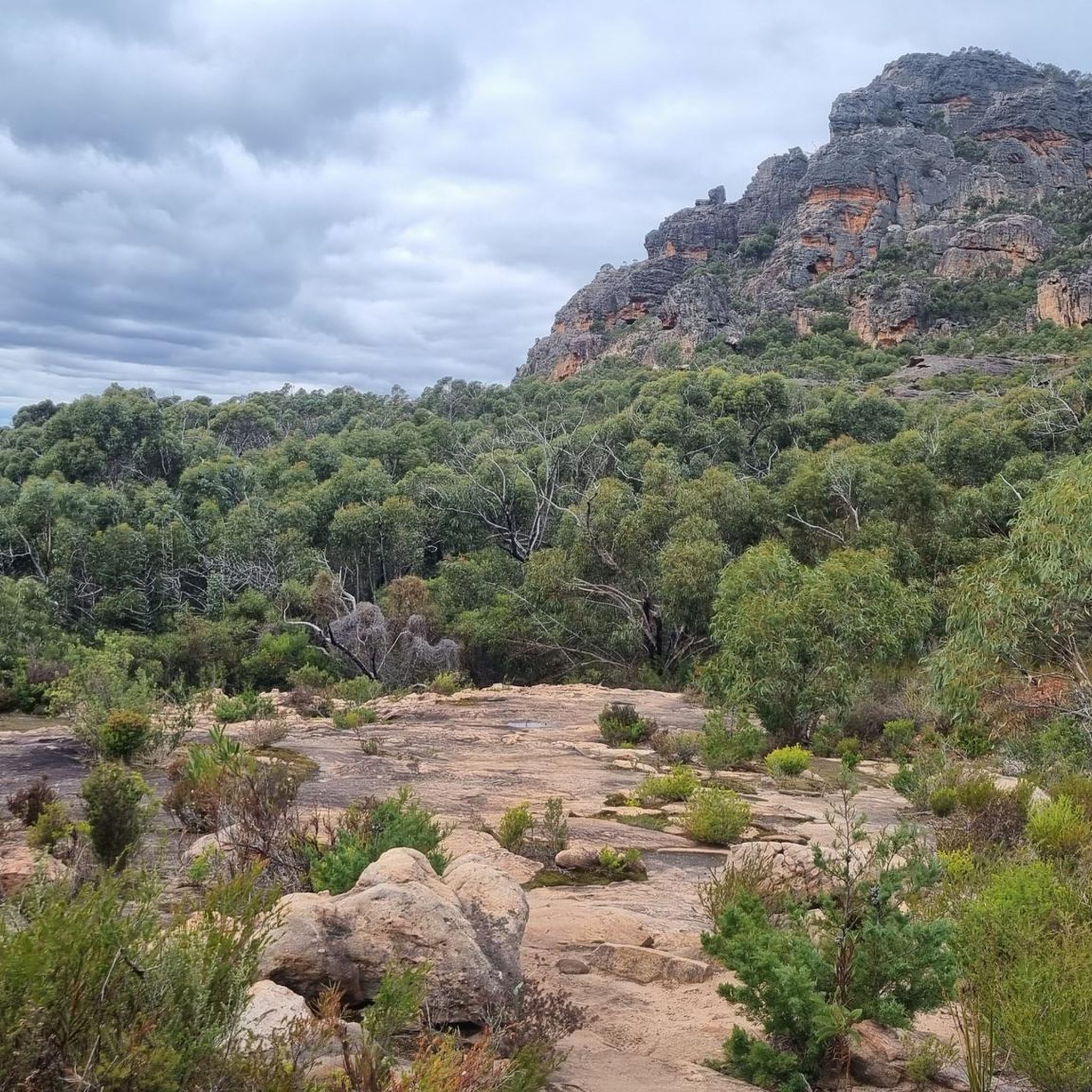
Mount Rosea (1,009 m) is a mountain in the Great Dividing Range in the Grampians. The Mount Rosea Track leads to the summit on a challenging path from the Rosea Carpark on the Silverband Road. The summit offers spectacular views over the Grampians. Mount Rosea is a mountain peak along the Grampians Peaks Trail. https://www.parks.vic.gov.au/places-to-see/sites/mount-rosea-walk
0
0
Silent Street is a section of the hike from the Wonderland Carpark to the Pinnacle. The route passes through a long, narrow gorge below The Pinnacle.
0
0
Grand Canyon is a rocky gorge in the Wonderland Range of the Grampians and is part of the walk from the Wonderland car park to the Pinnacle Lookout. The gorge can also be accessed on a short loop walk from this car park. https://www.parks.vic.gov.au/places-to-see/sites/grand-canyon-loop-walk
0
0

The 'average' waterfall can of course quickly take on a completely different appearance if it rains enough. As with so many waterfalls in Australia, it all depends a little on the timing of your visit.
1
0

Hiking Trail passing through a narrow gorge between huge rocks for several hundred meters. Be sure not to bring an oversized backpack ;-)
1
0

The ascent via the wonderland car park is very well attended. A nicer ascent is possible and recommended directly from halls gap to the pinnacle :)
1
0
Frequently Asked Questions
What are some of the most iconic natural monuments to visit in Grampians National Park?
Grampians National Park (Gariwerd) is home to many iconic natural monuments. Among the most popular are Pinnacle Lookout, offering panoramic views of rugged mountain ranges and Halls Gap, and the dramatic Grand Canyon, a rocky gorge with unique formations. Other notable sites include MacKenzie Falls, one of Victoria's most breathtaking waterfalls, and the striking rock formation known as The Balconies.
Are there any impressive waterfalls to see in Grampians National Park?
Yes, the Grampians are renowned for their majestic waterfalls. Splitters Falls is a lovely seasonal waterfall accessible via a short walk from Halls Gap. MacKenzie Falls is another iconic site, where water thunders 35 meters over rugged cliffs. Other beautiful waterfalls include Silverband Falls and Beehive Falls, both offering picturesque cascades.
What unique rock formations can I explore in the Grampians?
The Grampians boast a variety of unique rock formations. Beyond the well-known Grand Canyon, you can explore Silent Street Gorge, a narrow passage below The Pinnacle. Hollow Mountain (Wudjub-Guyan) at the northern end of the park features unusual cliff formations and fascinating caves, while The Balconies offers a striking appearance and incredible views.
Are there any Aboriginal rock art sites among the natural monuments?
Yes, Grampians National Park (Gariwerd) is one of the richest Indigenous rock art sites in southeastern Australia. Significant cultural heritage sites include Billimina (Glenisla shelter), known for its dense concentration of rock art paintings, and Manja Shelter, rich with hand stencils. Gulgurn Manja (Flat Rock) is another important site for its ancient Aboriginal rock art, reflecting thousands of years of occupation.
When is the best time to visit the natural monuments in Grampians National Park?
The best time to visit depends on your interests. Spring (September to November) is ideal for seeing the park's abundant wildflowers in bloom and enjoying pleasant hiking weather. Waterfalls like MacKenzie Falls flow year-round, but seasonal falls like Splitters Falls and Silverband Falls are most impressive after rainfall, typically in winter or spring. Summer can be hot, while winter offers cooler temperatures, especially at higher elevations like Mount William.
Are there family-friendly natural monuments or activities in Grampians National Park?
Absolutely. For a refreshing dip and easy walk, Venus Baths offers delightful natural rock pools formed by Stony Creek. Boroka Lookout is easily accessible by car, providing extensive views without a long hike. Many shorter walks to lookouts and waterfalls, such as the 1.6-kilometer return walk to Silverband Falls, are suitable for families.
What outdoor activities can I do near the natural monuments?
The Grampians offer a wide range of outdoor activities. You can find numerous hiking trails, from easy strolls to challenging climbs. For example, there are many easy hikes available, including routes to The Pinnacle. If you're interested in running, you can explore various running trails in Grampians National Park. Road cycling routes are also popular, with options like the Mount William – Lake Bellfield loop. For more details on routes, check out the Running Trails in Grampians National Park, Easy hikes in Grampians National Park, and Road Cycling Routes in Grampians National Park guides.
What kind of wildlife can I expect to see around the natural monuments?
Grampians National Park is celebrated for its diverse native animal and bird life. Visitors often encounter kangaroos, wallabies, and various bird species. If you're lucky, you might spot koalas, echidnas, or lizards. The park's varied habitats, from eucalypt forests to rocky outcrops, support a rich array of fauna.
Are there any easily accessible natural monuments for visitors with limited mobility?
Yes, Boroka Lookout is a highly accessible natural monument, reachable directly by car, offering extensive views over Halls Gap, Lake Bellfield, and the surrounding ranges. This makes it an excellent option for visitors seeking impressive vistas without extensive walking.
What geological history shaped the natural monuments of the Grampians?
The dramatic landscape of the Grampians was formed over millions of years. Around 400 million years ago, sandy sediments were deposited in ancient riverbeds or coastal areas. These layers were then uplifted, tilted, and sculpted by differential erosion, where softer layers erode more quickly. This process created the intricate patterns, towering cliffs, gorges like the Grand Canyon, and distinctive rock formations seen throughout the park today.
What do visitors enjoy most about the natural monuments in Grampians National Park?
Visitors frequently praise the breathtaking panoramic views from lookouts like Pinnacle Lookout and the unique geological experiences offered by sites such as the Grand Canyon and Silent Street Gorge. The opportunity to witness powerful waterfalls like MacKenzie Falls and explore ancient Aboriginal rock art sites also leaves a lasting impression. Many appreciate the diverse hiking opportunities and the chance to connect with nature.
Most popular routes in Grampians National Park
Most popular attractions in Grampians National Park

Get inspired with the komoot mobile app


Explore more
Extend your search for the best caves by checking out these guides of the top ones in Grampians National Park:
