Pegnitzau Zwischen Ranna Und Michelfeld
Pegnitzau Zwischen Ranna Und Michelfeld
Top 10 Natural Monuments in Pegnitzau Zwischen Ranna Und Michelfeld
Natural monuments in Pegnitzau Zwischen Ranna Und Michelfeld are found within a protected river valley in Bavaria, spanning parts of the Nürnberger Land, Amberg-Sulzbach, and Bayreuth districts. This region is characterized by its largely natural river course, extensive wet meadows, and distinctive Jurakarst formations. The area offers unique geological features and diverse landscapes, making it a notable location for natural exploration.
Best natural monuments in Pegnitzau Zwischen Ranna Und Michelfeld
- The most popular natural monuments is Kammerweiher Ponds, a…
Last updated: May 7, 2026
Kammerweiher Ponds
Highlight • Lake
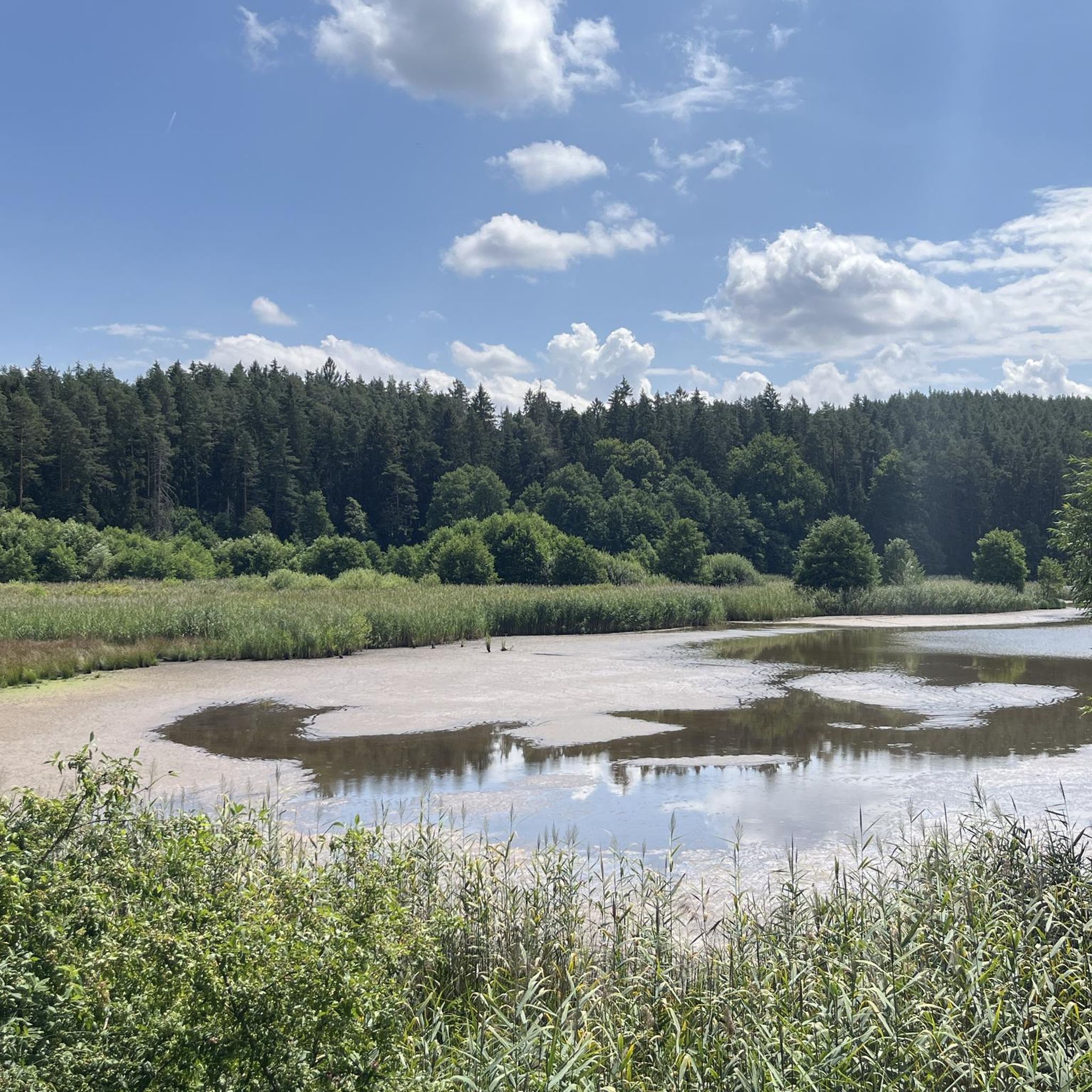
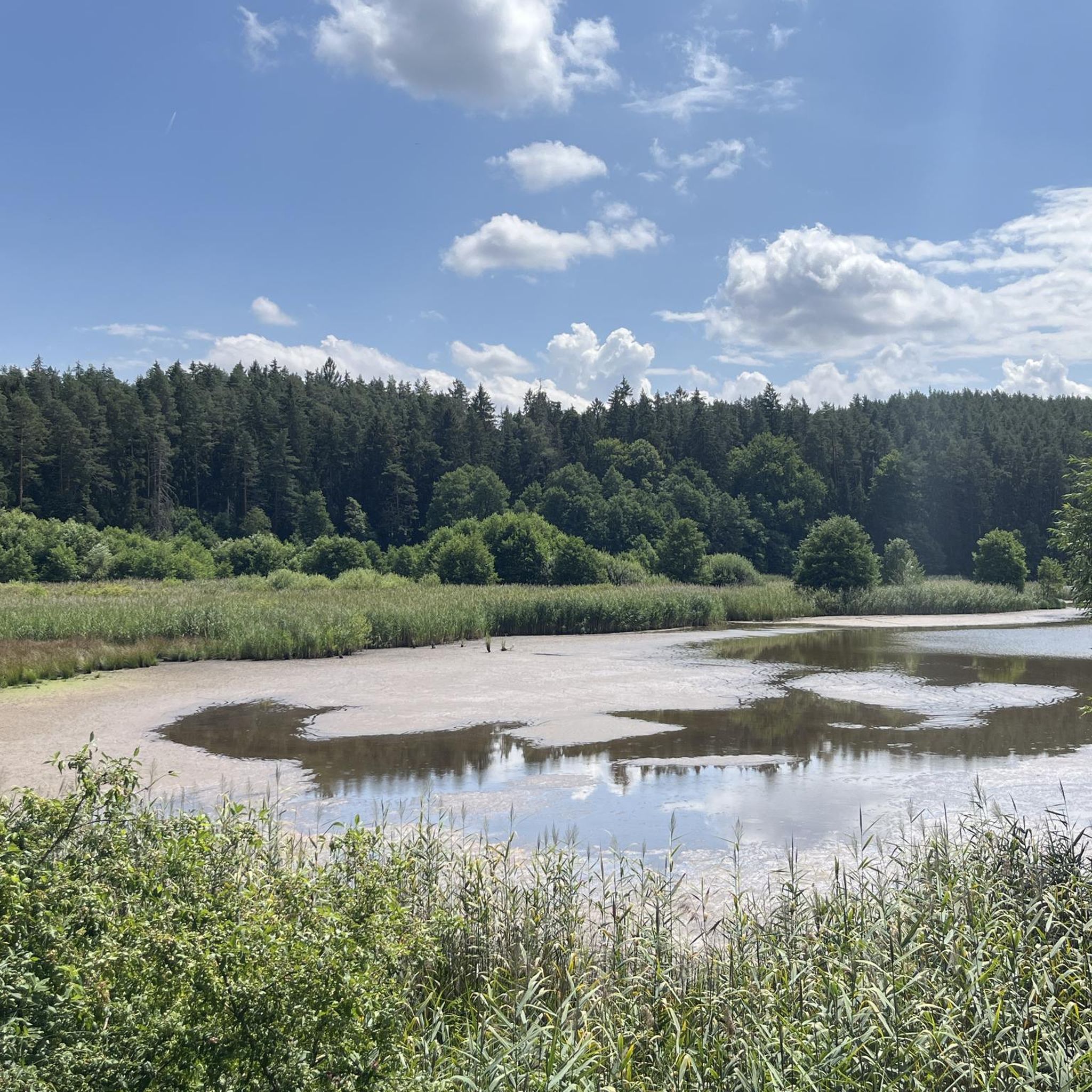
The BN looks after the Kammerweiher at Auerbach since 1980. They are located in the nature reserve "Pegnitzaue between Ranna and Michelfeld."
Importance of the chamber pond for the protection of species
Translated by Google •
Tip by

Old Iron Bridge over the Pegnitz River
Highlight • Bridge
Translated by Google •
Tip by

Sign up now to discover places like this
Get recommendations on the best single tracks, peaks, & plenty of other exciting outdoor places.
Sign up for free
Silberloch Cliffs and Silberloch Cave
Highlight • Cave
Translated by Google •
Tip by

Kammerweiher in the Pegnitzaue Nature Reserve
Highlight • Lake
Translated by Google •
Tip by
Rock with Eulenloch
Highlight • Cave
Translated by Google •
Tip by
Sign up for free to discover even more natural monuments in Pegnitzau Zwischen Ranna Und Michelfeld.
Sign up for free
Already have an account?
Start today with a free account
Your next adventure awaits.
Login or Signup
Popular around Pegnitzau Zwischen Ranna Und Michelfeld
Hiking in Pegnitzau Zwischen Ranna Und Michelfeld
Cycling in Pegnitzau Zwischen Ranna Und Michelfeld
Road Cycling Routes in Pegnitzau Zwischen Ranna Und Michelfeld
MTB Trails in Pegnitzau Zwischen Ranna Und Michelfeld
Running Trails in Pegnitzau Zwischen Ranna Und Michelfeld
Gravel biking in Pegnitzau Zwischen Ranna Und Michelfeld
Tips from the Community

Simply pure natural idyll 🦆
0
0

It is very beautiful here
2
0

On the old bridge you can see the Pegnitz from both sides, no matter what time of year, it is always interesting to see how nature changes
0
0

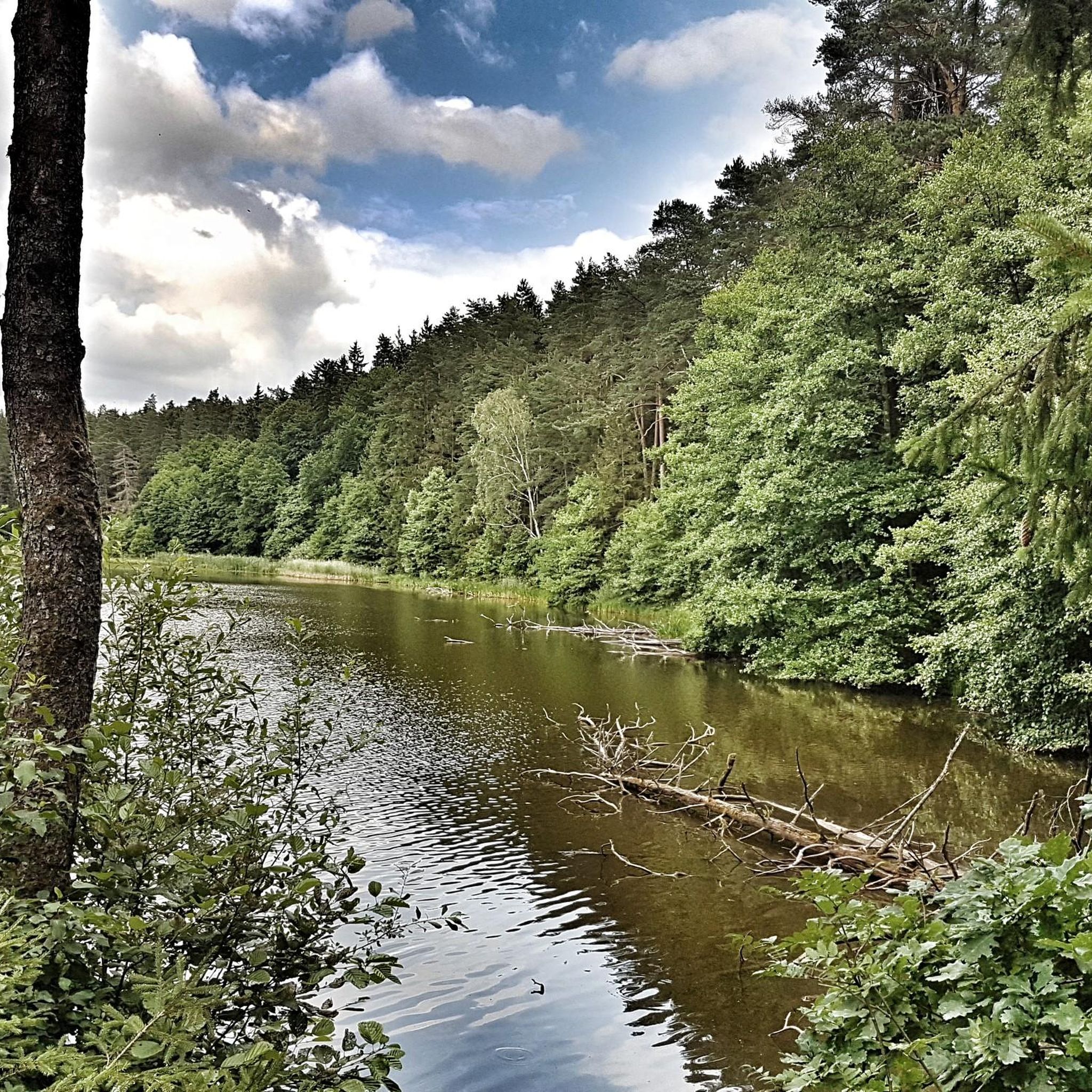
There is a beautiful view of the Pegnitz from the old iron bridge
0
0

Silberloch rocks and Silberloch cave Geotope: 472R135
1
0

with a small observation tower to observe all types of water birds in their habitat. The pond actually only has a few open spaces, which was completely ok for us since the verse. Animals have their natural retreat.
1
0
Massive rock formation directly on the bike path / forest path
1
0

The Pegnitz The name of the river Pegnitz goes back to the name "Paginza" mentioned in 889. In 1119, when the town of Pegnitz was first mentioned in a document, it can be found as "Begenze" and in 1196 as "Begnitz", before the current name was mentioned in 1329. In Franconia it is also often called "Bengertz". The source of the Pegnitz is in the town of Pegnitz on the eastern slope of the Schloßberg (543 m above sea level): the water of the Pegnitz flows through the town of Pegnitz from a karst spring on this mountain at a height of 425 m. However, the majority of the Pegnitz water there does not come from this source, but rather arises in the Lindenhardt forest as Fichtenohe, which flows in the direction of Pegnitz and flows into the short stream from the Pegnitz spring in the city area. The Pegnitz flows in southerly directions via Neuhaus and Velden through the Franconian Switzerland-Veldensteiner Forest Nature Park and then through Hersbrucker Schweiz via Hersbruck. It then runs in a westerly direction via Lauf and Nuremberg to Fürth. North of the city center of Fürth, the Pegnitz joins the Rednitz to form the Regnitz after a run of almost 113 km. The Pegnitz drains the part of the Franconian Jura that borders Franconian Switzerland to the south-east. The total of 1230 km² orographic catchment area also includes karst plateaux with dry valleys with no or only periodic surface runoff. The eastern boundary of the catchment coincides with the main European watershed. Source: excerpts from Wikipedia
1
0
Frequently Asked Questions
What are some of the most popular natural monuments in Pegnitzau Zwischen Ranna Und Michelfeld?
Among the most appreciated natural monuments are the Kammerweiher Ponds, known for their importance in species conservation and birdwatching opportunities. Another popular spot is the Rock with Eulenloch, a significant karst cave and geotope. Visitors also enjoy the Old Iron Bridge over the Pegnitz River, which offers scenic views of the river.
What geological features can I explore in Pegnitzau Zwischen Ranna Und Michelfeld?
The region is rich in distinctive Jurakarst formations. You can explore karst caves like the Eulenloch and the Silberloch Cave, which are recognized geotopes. The Pegnitz River has also carved impressive craggy Jura cliffs, which are important for both geology enthusiasts and cliff-nesting birds.
What makes the Pegnitz River special within the nature reserve?
The Pegnitz River within the reserve flows largely naturally for about eight kilometers, featuring varied currents and cool, oxygen-rich water. This section is a crucial habitat for numerous plants and animals, including kingfishers, dippers, brown trout, and grayling, indicating excellent water quality. Its deep carving into the Jurassic rock has also created significant cliffs.
Are there family-friendly natural monuments to visit in Pegnitzau Zwischen Ranna Und Michelfeld?
Yes, several natural monuments are suitable for families. The Kammerweiher in the Pegnitzaue Nature Reserve is a great option, offering opportunities for birdwatching from an observation tower. The Old Iron Bridge over the Pegnitz River also provides an accessible viewpoint for enjoying the river scenery.
What is the best time of year to visit the natural monuments in Pegnitzau Zwischen Ranna Und Michelfeld?
The region is beautiful year-round, but late spring to early autumn (May to October) is generally ideal for hiking, birdwatching, and enjoying the outdoor activities. In late summer, the water levels of the Kammerweiher Ponds are periodically lowered to create mudflats, which is an excellent time for observing wading birds.
What outdoor activities can I do near the natural monuments in Pegnitzau Zwischen Ranna Und Michelfeld?
The area offers various outdoor activities. You can enjoy hiking along the scenic river valley and through adjacent pine forests. Canoeing is also popular on the Pegnitz River, with specific rules in place to ensure nature-friendly water sports. For more detailed routes, you can explore options for cycling, road cycling, and mountain biking in the wider Pegnitzau region.
Are there hiking trails suitable for different difficulty levels near the natural monuments?
Yes, the Pegnitzau region offers a range of hiking trails. You can find easy walks around the Kammerweiher Ponds and along the Pegnitz River, as well as more challenging routes that explore the craggy Jura cliffs and forest areas. For specific routes and their difficulty, refer to the hiking guides for the area.
Are there any observation points for wildlife in the Pegnitzau nature reserve?
Yes, an observation tower is located between the Kammerweiher Ponds. This tower allows visitors to engage in birdwatching and observe the diverse wildlife, including numerous dragonfly and amphibian species, and over 60 bird species that use the ponds as a resting and feeding ground.
What kind of biodiversity can be found around the Kammerweiher Ponds?
The Kammerweiher Ponds are crucial for species conservation, providing a vital habitat for numerous dragonfly and amphibian species, including newts, toads, and the rare agile frog. They are also a significant resting and feeding ground for over 60 bird species, with at least 16 endangered species identified.
Are there any specific regulations or permits needed for activities like climbing or canoeing in the Pegnitzau nature reserve?
The Pegnitzau is a designated nature reserve, and specific rules are in place to ensure nature-friendly water sports like canoeing. The craggy Jura cliffs are part of globally significant climbing areas, and regulations for climbing in the Hersbrucker Alb should be observed. Information panels are available in the area, particularly around the Kammerweiher ponds, which may detail specific rules.
What do visitors enjoy most about the natural monuments in Pegnitzau Zwischen Ranna Und Michelfeld?
Visitors particularly enjoy the serene beauty of the protected river landscape, the unique geological formations like karst caves and cliffs, and the rich biodiversity, especially around the Kammerweiher Ponds. The opportunities for hiking, birdwatching, and experiencing a largely natural river course are also highly valued by the komoot community.
Can I bring my dog to the natural monuments in Pegnitzau Zwischen Ranna Und Michelfeld?
While the nature reserve welcomes visitors, it's important to keep dogs on a leash to protect the sensitive wildlife and habitats, especially around areas like the Kammerweiher Ponds which are vital for species conservation. Always follow local signage and regulations regarding pets.
Most popular routes in Pegnitzau Zwischen Ranna Und Michelfeld
Most popular attractions in Pegnitzau Zwischen Ranna Und Michelfeld

Get inspired with the komoot mobile app


Explore more
Extend your search for the best caves by checking out these guides of the top ones in Pegnitzau Zwischen Ranna Und Michelfeld:
