Top 5 Natural Monuments in Oberes Rhinluch
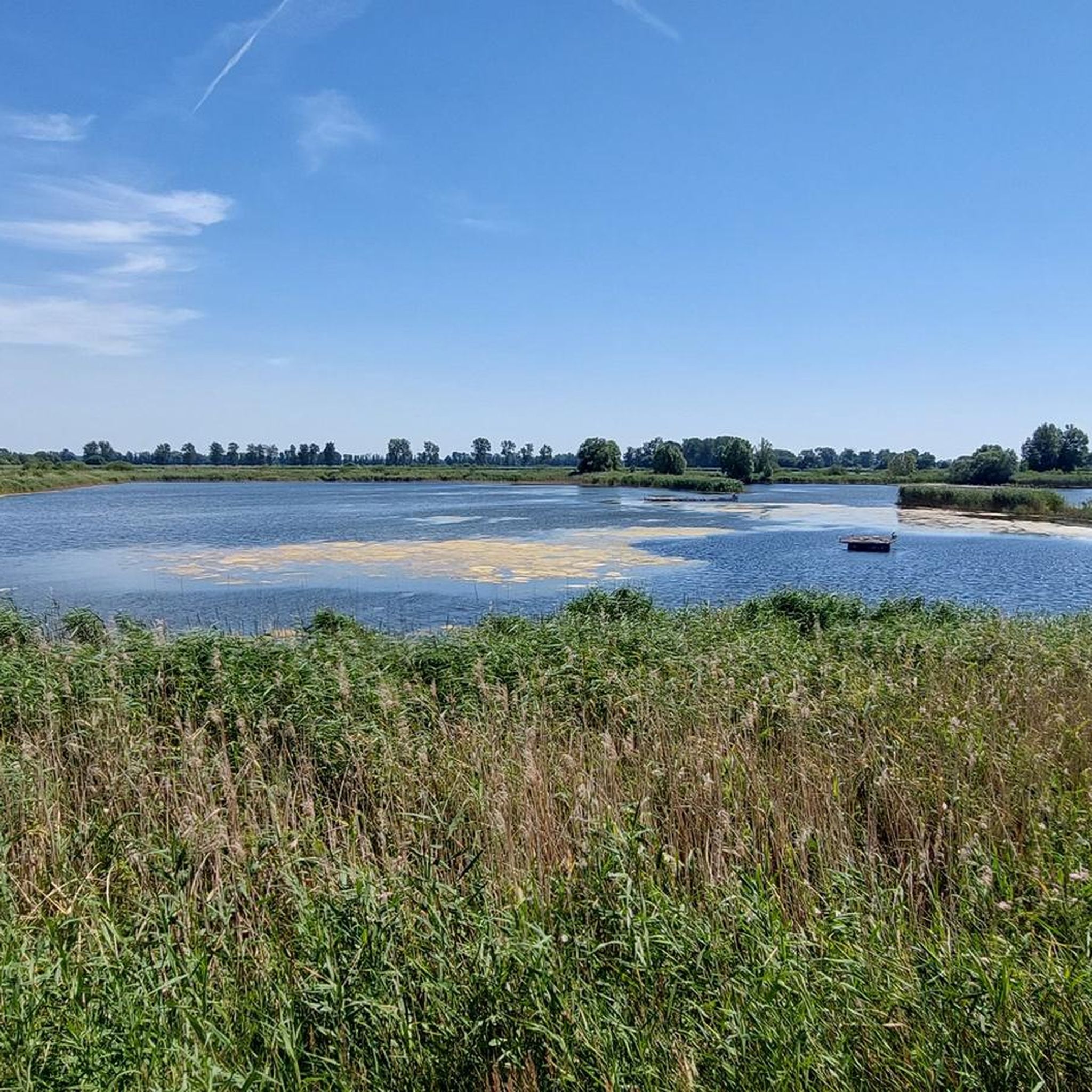
Best natural monuments in Oberes Rhinluch are characterized by extensive moor landscapes and diverse wetland ecosystems. This protected area, spanning over 2700 hectares, is recognized for its ecological value as a European Bird Sanctuary and Fauna-Flora-Habitat area. The region is a vital habitat for numerous bird species, including cranes, and supports populations of protected species like the Elbe beaver and otter. Visitors can experience a variety of natural landscapes, including meadows, forests, and extensive reed beds.
Best natural monuments in…
Last updated: July 5, 2026
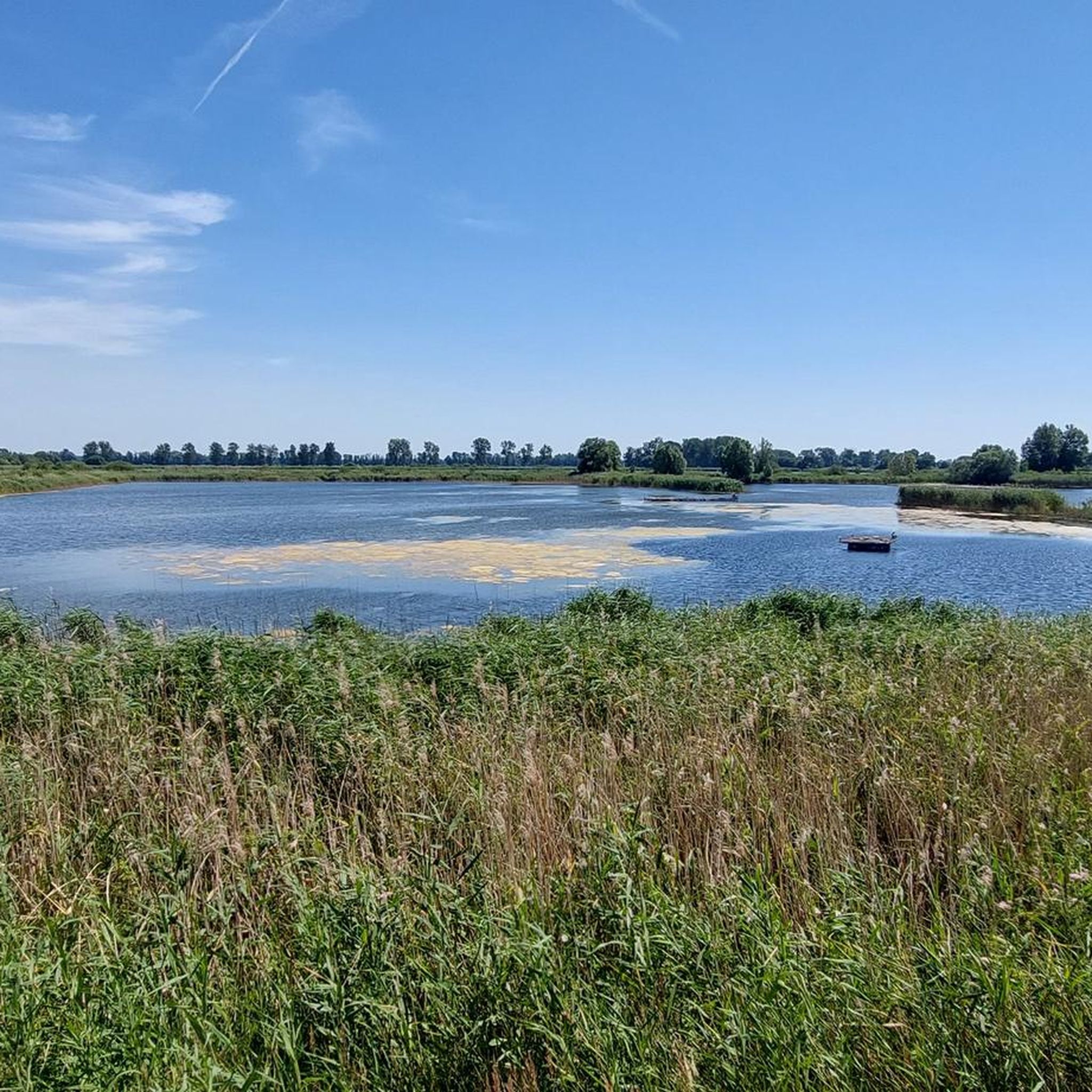
Linum Ponds (Fehrbellin)
Highlight • Lake
Translated by Google •
Tip by

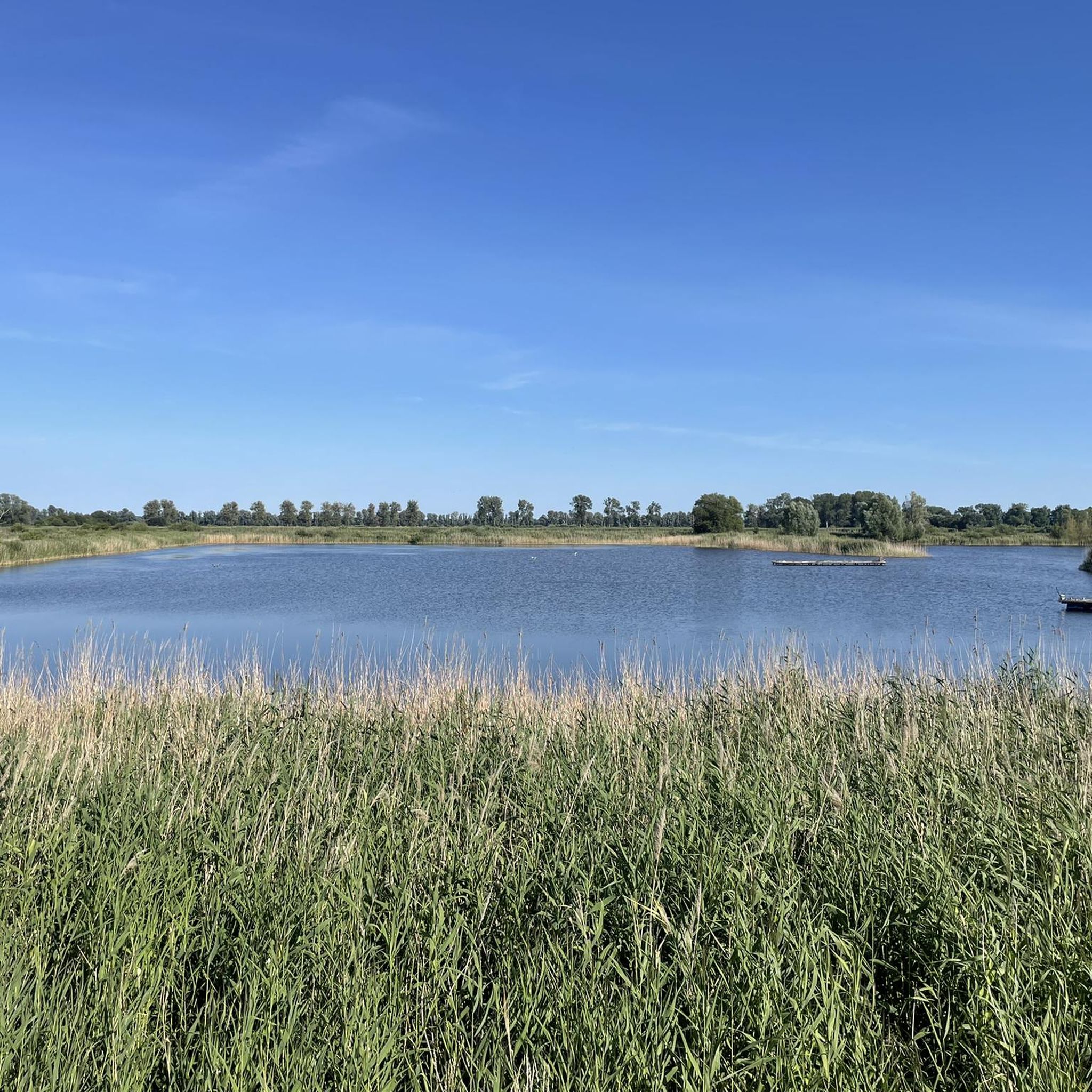
Crane Observation Tower Oberes Rhinluch
Highlight • Viewpoint
Translated by Google •
Tip by

Sign up now to discover places like this
Get recommendations on the best single tracks, peaks, & plenty of other exciting outdoor places.
Sign up for free
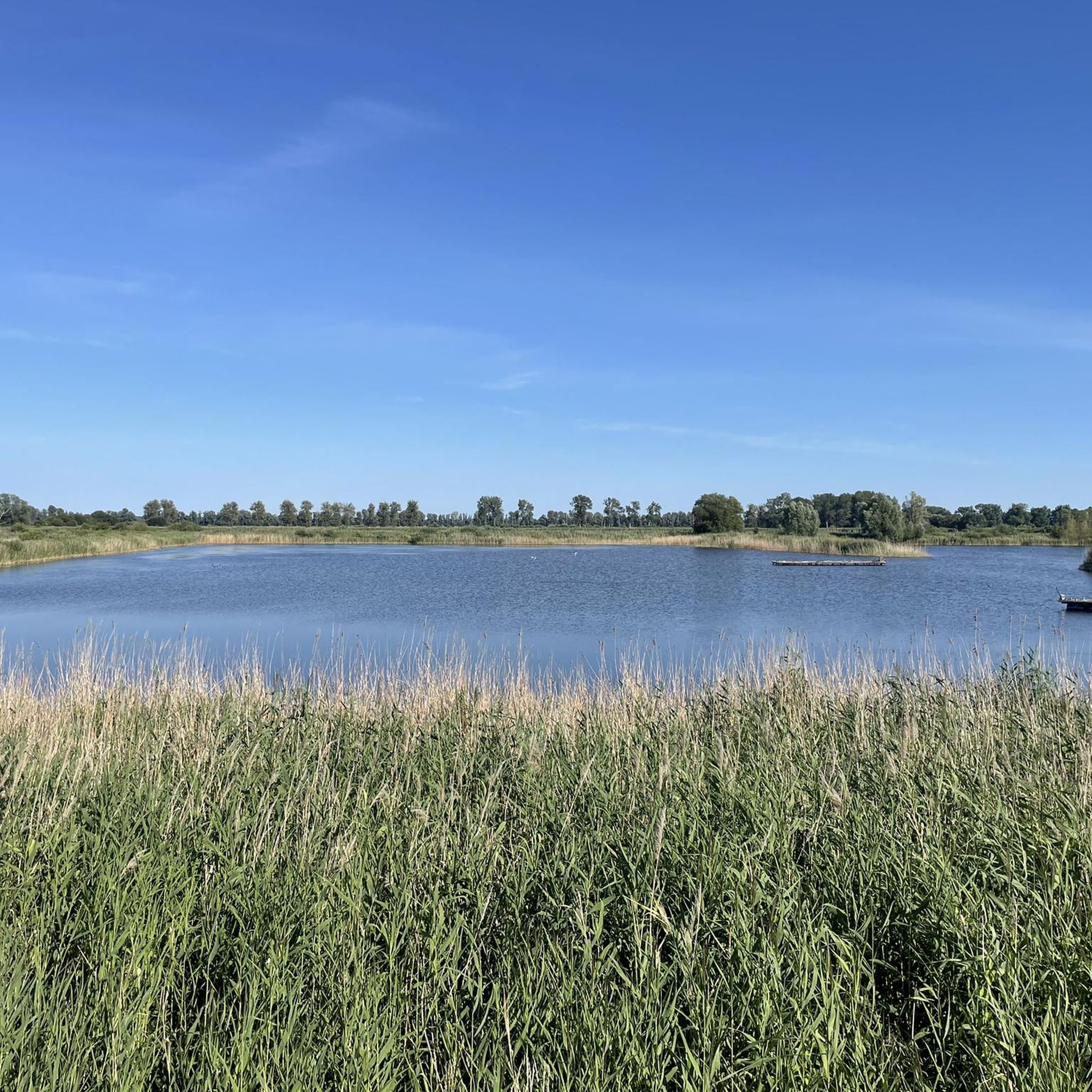
Oberes Rhinluch Nature Reserve
Highlight • Natural Monument
Translated by Google •
Tip by

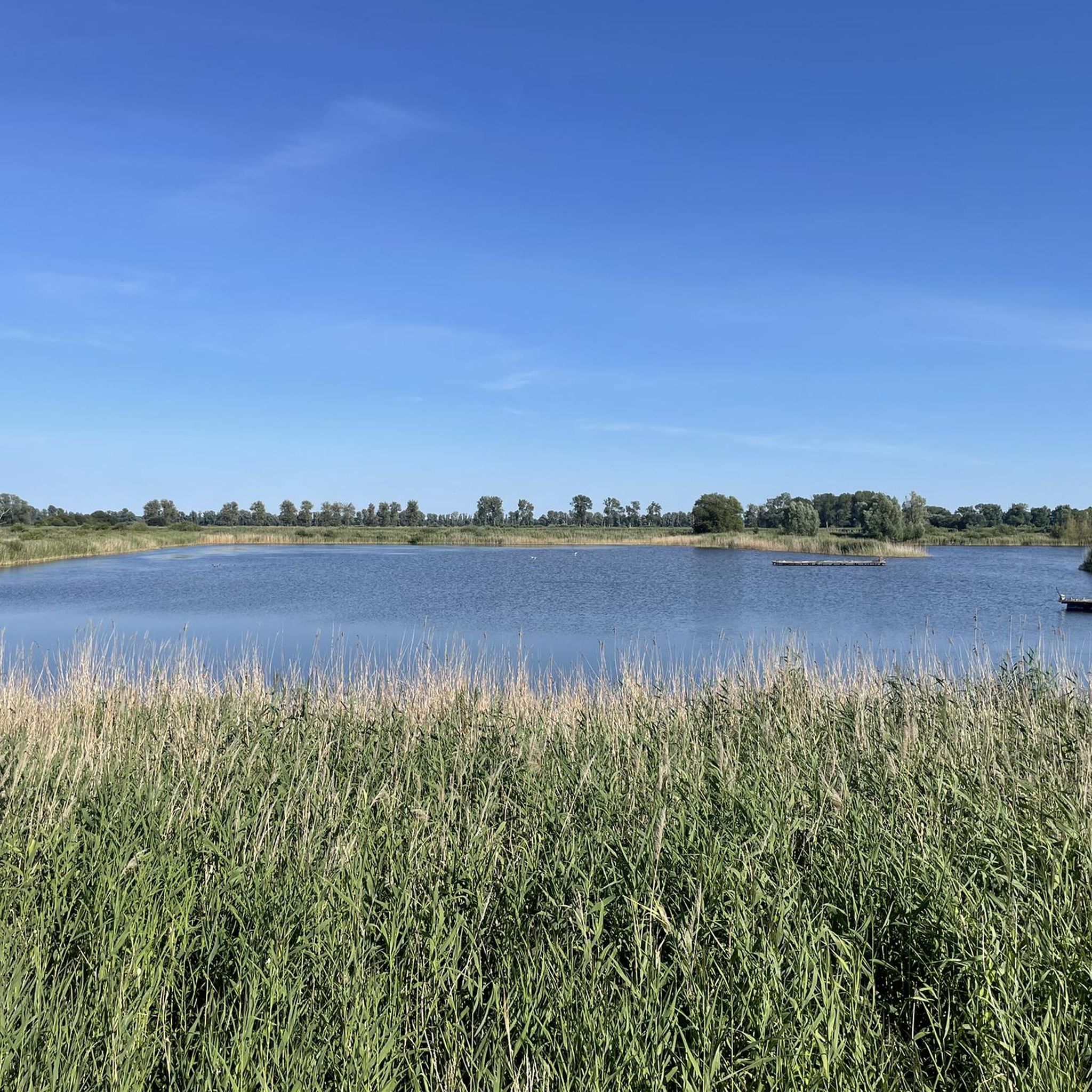
Kranich-Schlafplatz Linum Observation Tower
Highlight • Viewpoint
Translated by Google •
Tip by

Crane Migration at Linum
Highlight • Natural
Translated by Google •
Tip by

Start today with a free account
Your next adventure awaits.
Login or Signup
Tips from the Community

Very nice observation towers and pulpits
0
0

Difficult to reach by bike, the path is uneven (ravaged by wild boars) and a bit muddy
0
0

Attention, risk of accidents due to the sometimes high edges of the paving stones on the country lanes. But no reason to avoid the otherwise great tour.
0
0

Friends made us aware of this. In fact, thousands of these shy migratory birds gather here every autumn to sleep and fortify themselves during the day in the area for the long journey south. It is said that there are around 80,000 cranes in October, which then set out on the long journey at the end of October and beginning of November.
3
0

At the edge of this circular hiking trail there is mostly tall reeds, so that you only have a clear view from the observation towers and huts. Now in September, many geese pass over us, then land on a pond where they can only be heard and not seen. It is still too early for the cranes. Only very few flies in the sky.
0
0

I was surprised. Spontaneously went to Linum, actually only because of the storks, but the nature reserve with the observation huts, great! The church, great! The guided tour with Sister Anneliese is particularly recommended here! Top!!
0
0

The towers are all in very good condition, I also think it's good that you can close the windows.
2
1

Pasture with cows
0
0
Frequently Asked Questions
What are the main natural features to explore in Oberes Rhinluch?
Oberes Rhinluch is characterized by its extensive moor landscapes and diverse wetland ecosystems. You'll find a mosaic of small-scale moor and floodplain forests, reed beds, and large sedge meadows. The Rhin river flows through the area, and significant features include the Linum Ponds (Fehrbellin), known for their importance to water and marsh birds, and the Kremmener Luch, Brandenburg's largest continuous, near-natural moorland.
Where can I best observe wildlife, especially birds, in Oberes Rhinluch?
The region is a prime destination for birdwatching. Key spots include the Crane Observation Tower Oberes Rhinluch and the Kranich-Schlafplatz Linum Observation Tower, both offering excellent views. The Linum Ponds (Fehrbellin) are particularly renowned as a habitat for numerous water and marsh birds, and during autumn, they become a significant resting place for tens of thousands of cranes.
When is the best time to visit Oberes Rhinluch for wildlife viewing?
Autumn is an exceptional time to visit, particularly for witnessing the spectacular crane migration. The Crane Migration at Linum is a world-class natural event, with tens of thousands of cranes gathering before their journey south. Throughout the year, the area supports diverse bird species, beavers, and otters, making it interesting in any season for nature enthusiasts.
Are there family-friendly natural monuments or activities in Oberes Rhinluch?
Yes, several natural monuments are suitable for families. The Linum Ponds (Fehrbellin) and the Crane Migration at Linum are excellent for all ages, especially during the migration season. Observation towers like the Crane Observation Tower Oberes Rhinluch provide easy access to expansive views and wildlife spotting opportunities for the whole family.
What kind of hiking trails can I find near the natural monuments in Oberes Rhinluch?
You'll find a variety of hiking trails, many of which are easy and suitable for beginners. For example, there are easy loops around the Linum Ponds (Fehrbellin), such as the 'Linum Ponds (Fehrbellin) – Neogothic village church in Linum loop'. You can explore more options in the Easy hikes in Oberes Rhinluch guide or the general Hiking in Oberes Rhinluch guide.
Are there cycling routes available through the natural monuments of Oberes Rhinluch?
Yes, the region offers cycling opportunities. While some paths within the nature reserves can be quite natural and uneven, there are road cycling routes that allow you to experience the wider area. For instance, you can find routes like 'Stork Nests in Linum – Bike path to Nauen loop'. Check the Road Cycling Routes in Oberes Rhinluch guide for detailed options.
What are the best viewpoints for experiencing the natural beauty of Oberes Rhinluch?
The region offers several excellent viewpoints. The Crane Observation Tower Oberes Rhinluch provides expansive views of the surrounding wetlands. Another popular spot is the Kranich-Schlafplatz Linum Observation Tower, especially during the crane migration, offering opportunities to watch large gatherings of birds.
What makes the Oberes Rhinluch Nature Reserve significant?
The Oberes Rhinluch Nature Reserve is a significant natural monument established in 2013, spanning over 2700 hectares. It's recognized for its extensive moor landscapes, diverse ecosystems, and rich biodiversity. It's part of the European Natura 2000 network as both a European Bird Sanctuary (SPA) and a Fauna-Flora-Habitat (FFH) area, highlighting its immense ecological value for numerous rare and endangered species.
What do visitors enjoy most about the natural monuments in Oberes Rhinluch?
Visitors frequently highlight the exceptional birdwatching opportunities, especially the crane migration at Linum, as a world-class natural spectacle. The diverse and pristine nature, including the vast moorlands and wetlands, is also highly appreciated. Many enjoy the peaceful atmosphere and the chance to observe wildlife like beavers and otters in their natural habitat.
Are there any specific considerations for visiting the natural monuments, such as permits or accessibility?
The Oberes Rhinluch is a designated nature reserve, so it's important to respect local regulations, such as staying on marked paths and not disturbing wildlife. Generally, no specific permits are required for public access to the natural monuments. While some areas are easily accessible, be aware that paths within the reserve can be natural and uneven, as noted by visitors, particularly for cyclists. Always check local signage for specific access rules.
Can I find places to eat or stay near the natural monuments in Oberes Rhinluch?
While the focus of Oberes Rhinluch is on its natural environment, the nearby villages and towns offer options for dining and accommodation. Linum, for example, is a popular village known for its crane observation and may have local eateries. It's advisable to check in advance for specific cafes, restaurants, or guesthouses in the surrounding areas to plan your visit.
What kind of biodiversity can I expect to see beyond birds in Oberes Rhinluch?
Beyond its rich avian life, Oberes Rhinluch supports significant populations of protected species such as the Elbe beaver and otter. The area is also home to various amphibians, including the European fire-bellied toad and moor frog, and fish species like the spined loach. Rare snails and bats, such as the pond bat, also inhabit the diverse wetland ecosystems.
Most popular routes in Oberes Rhinluch
Most popular attractions in Oberes Rhinluch

Get inspired with the komoot mobile app


Explore more
Extend your search for the best caves by checking out these guides of the top ones in Oberes Rhinluch:
