Top 6 Natural Monuments in Müggelspreeniederung Köpenick
Natural monuments in Müggelspreeniederung Köpenick are part of Berlin's largest nature reserve, an expansive wetland complex recognized for its diverse ecosystems. This area plays a crucial role in conservation, featuring wet meadows, alder carrs, and moor areas. Visitors can explore 6 natural monuments that showcase the region's unique landscape and biodiversity. The entire area is part of the NATURA 2000 network, highlighting its importance for natural habitats.
Best natural monuments in Müggelspreeniederung Köpenick
- The most popular natural monuments is Krumme…
Last updated: May 8, 2026
Krumme Laake
Highlight • Lake
Translated by Google •
Tip by

Gosener Wiesen Nature Reserve
Highlight • Natural Monument
Translated by Google •
Tip by

Sign up now to discover places like this
Get recommendations on the best single tracks, peaks, & plenty of other exciting outdoor places.
Sign up for free
Kaniswall
Highlight • Natural Monument
Translated by Google •
Tip by

Beaver Activity at Kaniswall
Highlight (Segment) • Natural
Translated by Google •
Tip by
Kaniswallgraben Beaver Habitat
Highlight • Natural
Translated by Google •
Tip by

Start today with a free account
Your next adventure awaits.
Login or Signup
Popular around Müggelspreeniederung Köpenick

Tips from the Community

Beavers and chainsaws were at work here
0
0

Sweet little swimming area (s). Sometimes not easy to get to by bike.
0
0

Demanding trails around and around the lake.
0
0

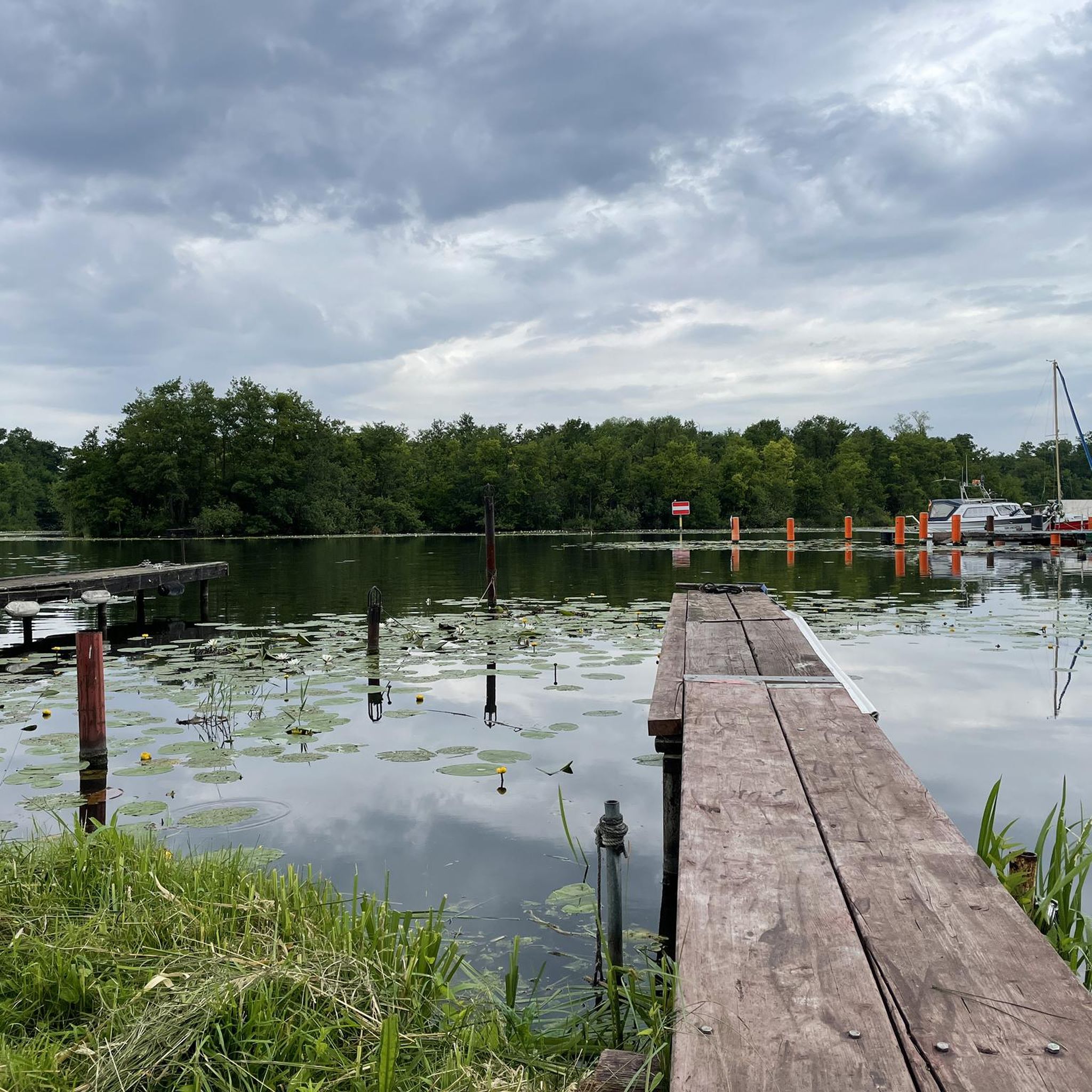
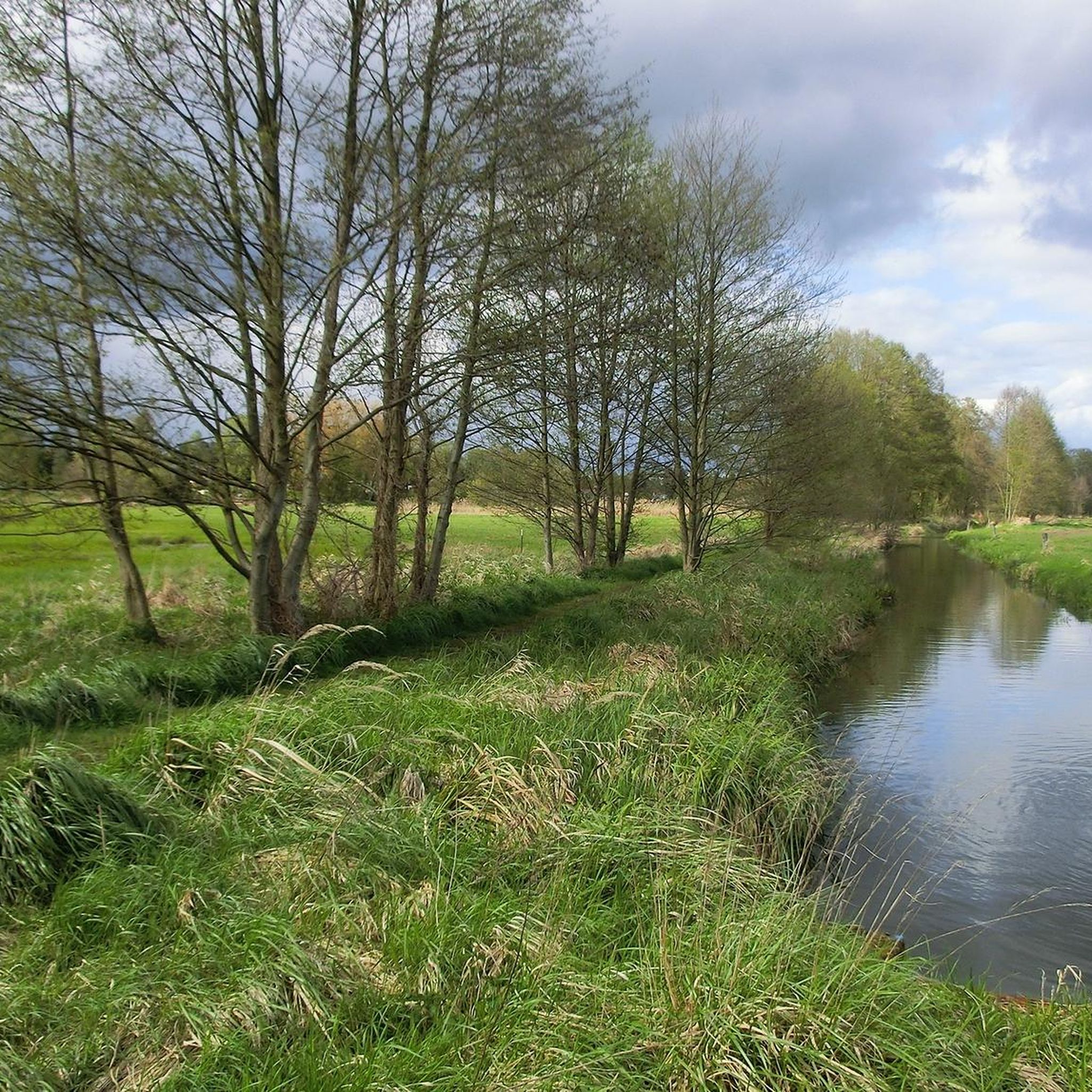
The Krumme Laake is a marshland with residual lake in a bog channel of the Berlin glacial valley. The Krumme Laake originally had a connection to the Müggelspree river system, which was later silted up. Together with the neighboring Pelzlaake it formed a nature reserve established in 1927 with the lake called Krumme Lake. The nature reserve Krumme Laake / Pelzlaake belongs to the European bird sanctuary Müggelspree.
3
2

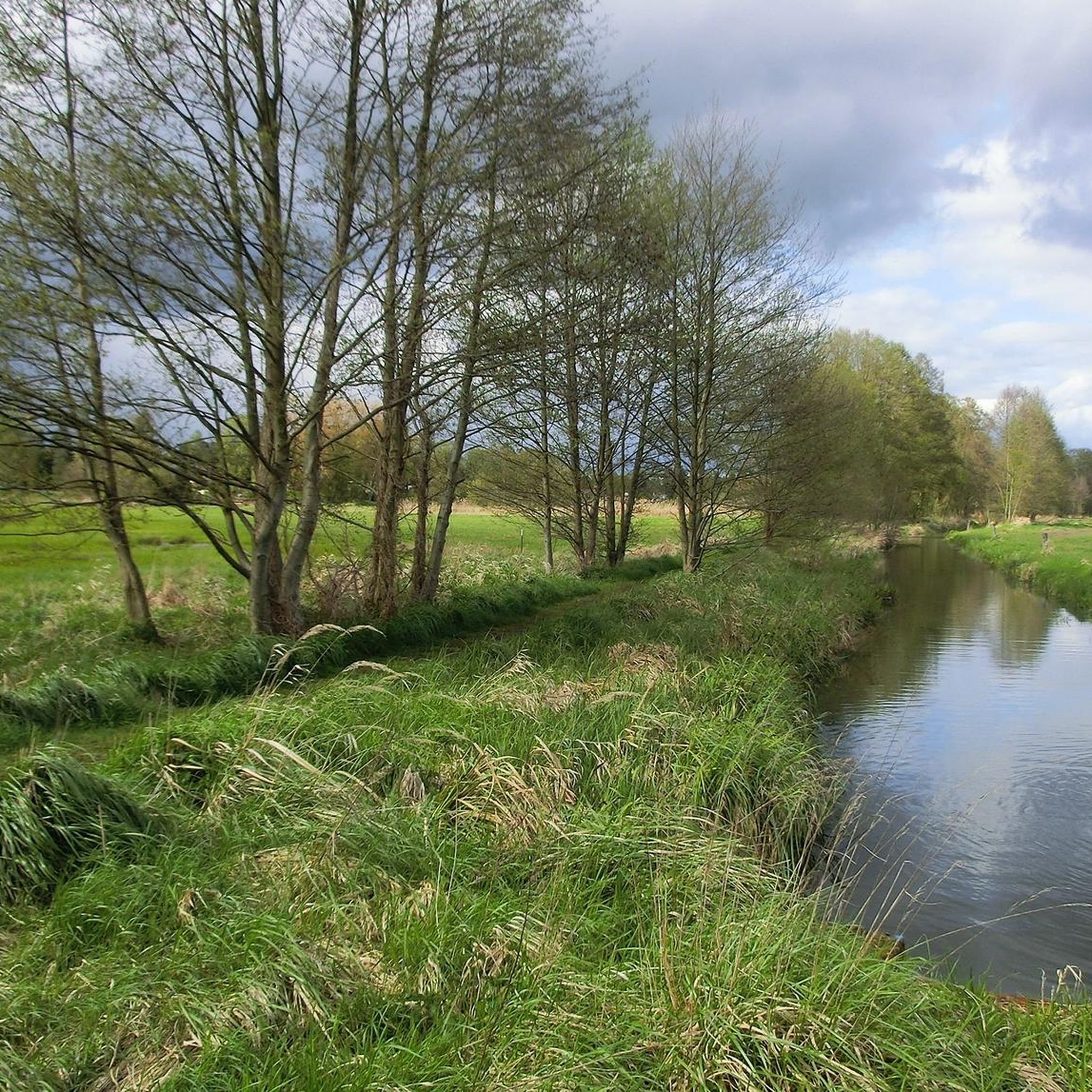
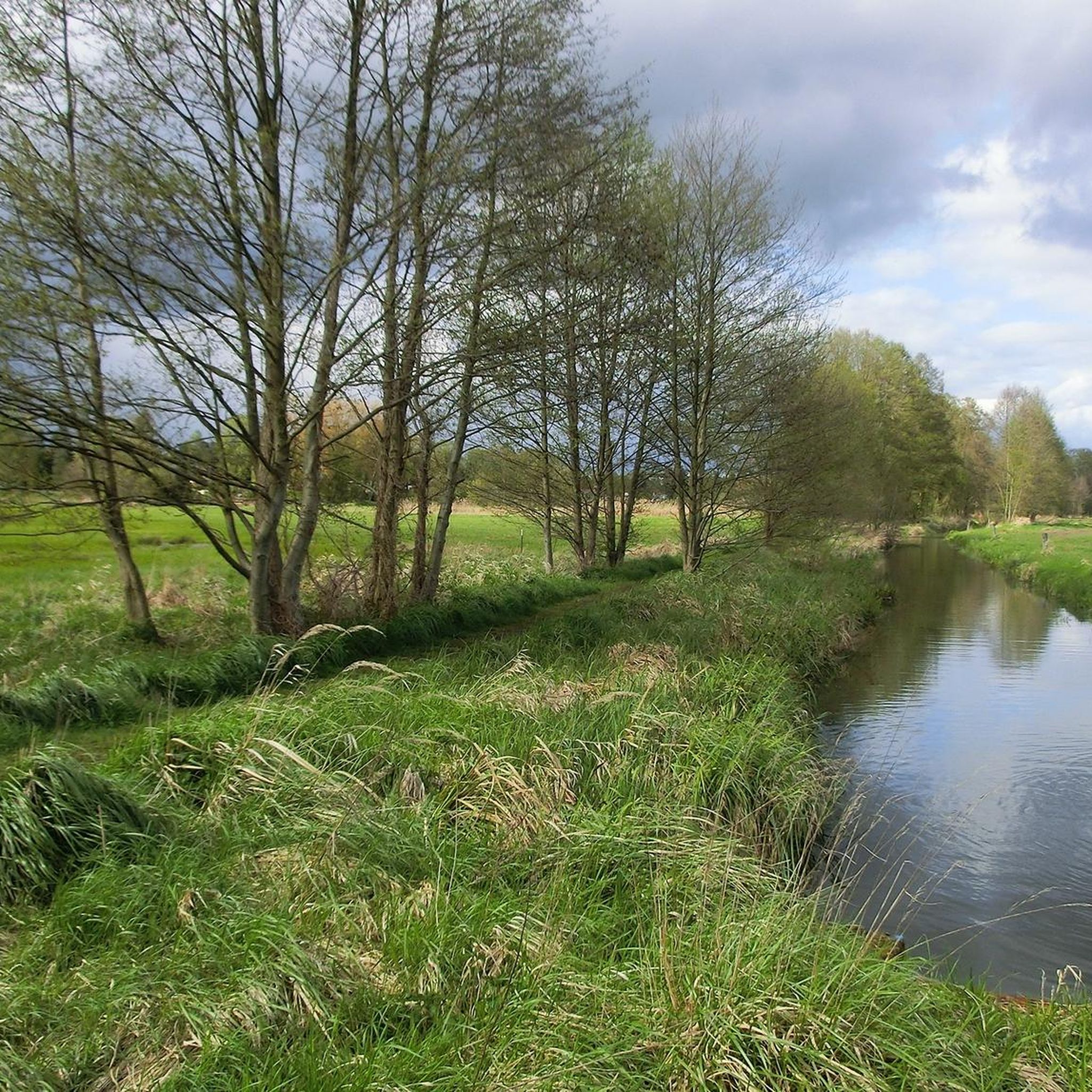
A real insider tip, even for Berliners. The Gosener Wiesen lie in the middle of the Müggelspreeniederung Köpenick nature reserve. During the walk you can enjoy the biodiversity and learn which animals are native here. In autumn you can also observe some migratory birds on their stopover and in spring one or the other swan family.
3
0

Gem and idyllic location. Forest path with roots. Nice swimming area. More information: https://de.wikipedia.org/wiki/Krumme_Laake
1
0


The riverside path or path around the crooked Laake is highly recommended.
2
1
Frequently Asked Questions
What natural features define the Müggelspreeniederung Köpenick region?
The Müggelspreeniederung Köpenick is Berlin's largest nature reserve, characterized by an expansive wetland complex. It features diverse ecosystems including wet meadows, alder carrs, and significant moor areas like the Krumme Laake and Pelzlaake. You'll also find wooded sand hills, such as Kaniswall, offering varied landscapes.
Are there specific natural monuments worth visiting in the Müggelspreeniederung Köpenick?
Yes, the region offers several notable natural monuments. The Krumme Laake is a picturesque marshland with a residual lake, known for its tranquil swimming area. The Gosener Wiesen Nature Reserve is another highlight, featuring species-rich wet meadows and alder carrs. Additionally, Kaniswall, a wooded sand hill, provides views of the Gosener meadows.
What kind of wildlife can I expect to see in Müggelspreeniederung Köpenick?
The Müggelspreeniederung Köpenick is rich in biodiversity. In the Gosener Wiesen Nature Reserve, you can observe various native animals, migratory birds during autumn, and swan families in spring. The area is home to endangered fish species like chub and asp, and breeding birds such as kingfishers, cranes, and black terns. Beavers are also active, with traces visible around areas like Beaver Activity at Kaniswall and Kaniswallgraben Beaver Habitat.
Are there family-friendly natural monuments or activities in Müggelspreeniederung Köpenick?
Many areas within Müggelspreeniederung Köpenick are suitable for families. The Krumme Laake offers an idyllic swimming area. The Gosener Wiesen Nature Reserve is great for observing wildlife. Kaniswall, Beaver Activity at Kaniswall, and Kaniswallgraben Beaver Habitat are also marked as family-friendly, providing opportunities for nature exploration and spotting animal traces.
Can I go hiking near the natural monuments in Müggelspreeniederung Köpenick?
Yes, there are several easy hiking trails available. For example, you can explore routes like the 'Sunbathing lawn at Seddinsee – Path Between Two Lakes loop' or the 'Triglaw Bridge – Gosener Canal Riverside Path loop'. These trails allow you to experience the diverse landscapes of the region. You can find more options on the Easy hikes in Müggelspreeniederung Köpenick guide.
Are there cycling opportunities in Müggelspreeniederung Köpenick?
Absolutely. The region offers various cycling routes suitable for different skill levels. You can enjoy easy rides like the 'Bridge over the Alter Spreearm – Forest trail in Müggelspree loop' or the 'Müggelsee at Rübezahl – Road to Müggelhort loop'. For more options, check out the Cycling in Müggelspreeniederung Köpenick guide.
What is the best time of year to visit Müggelspreeniederung Köpenick?
The Müggelspreeniederung Köpenick offers unique experiences throughout the year. Spring is ideal for observing swan families and blooming rare plant species like Ragged-Robin. Autumn is excellent for spotting migratory birds during their stopover in areas like the Gosener Wiesen Nature Reserve. Summer allows for swimming in places like Krumme Laake, while winter offers quiet, solitary walks.
Where can I find viewpoints to appreciate the landscape?
Several spots offer good views of the natural landscape. The Kaniswall, a wooded sand hill, provides excellent views of the Gosener meadows. The Gosener Wiesen Nature Reserve itself offers expansive vistas of its wet meadows. Additionally, the bays of the Moorsee Krumme Laake, nestled in dense forest, provide picturesque views.
What makes the Gosener Wiesen Nature Reserve unique?
The Gosener Wiesen Nature Reserve is unique for its largely undisturbed landscape of wet meadows, alder carrs, and species-rich former litter meadows. It is considered one of the last low-impact natural areas in Berlin, boasting rare biotope types like peat moss bogs and sedge moors. It's a vital habitat for endangered plant and animal species, including various birds and fish.
What is the significance of Krumme Laake?
The Krumme Laake is a significant marshland with a residual lake, originating from an old Spree arm. It's part of a nature reserve established in 1927 and belongs to the European bird sanctuary Müggelspree. This eutrophic lake with floating-leaf vegetation is crucial for ecosystem services, providing habitat for rare species and storing carbon dioxide in its peat, making its preservation vital for climate protection.
Are there any historical elements or remnants to discover in the area?
Yes, around the Kaniswall, a wooded sand hill formed during the last ice age, you can find remnants of an old Lorenbahn track. This track was likely used to transport goods from the Spree further inland, offering a glimpse into the region's past industrial activities within its natural setting.
Are dogs allowed on trails and in the natural monuments area?
While the Müggelspreeniederung Köpenick is a nature reserve, many trails are dog-friendly. However, it's crucial to keep dogs on a leash to protect the sensitive ecosystems and wildlife, especially in areas like the Gosener Wiesen Nature Reserve where ground-nesting birds and other animals reside. Always check local signage for specific regulations.
What should I wear when visiting Müggelspreeniederung Köpenick?
Given the wetland nature of the Müggelspreeniederung Köpenick, sturdy, waterproof footwear is highly recommended, especially after rain or during wetter seasons. Layered clothing is advisable to adapt to changing weather conditions. For exploring areas like the Gosener Wiesen Nature Reserve, long trousers might be beneficial to protect against tall grasses and insects.
Most popular routes in Müggelspreeniederung Köpenick
Most popular attractions in Müggelspreeniederung Köpenick

Get inspired with the komoot mobile app


Explore more
Extend your search for the best caves by checking out these guides of the top ones in Müggelspreeniederung Köpenick:
