Top 12 Natural Monuments in Springendal & Dal Van De Mosbeek
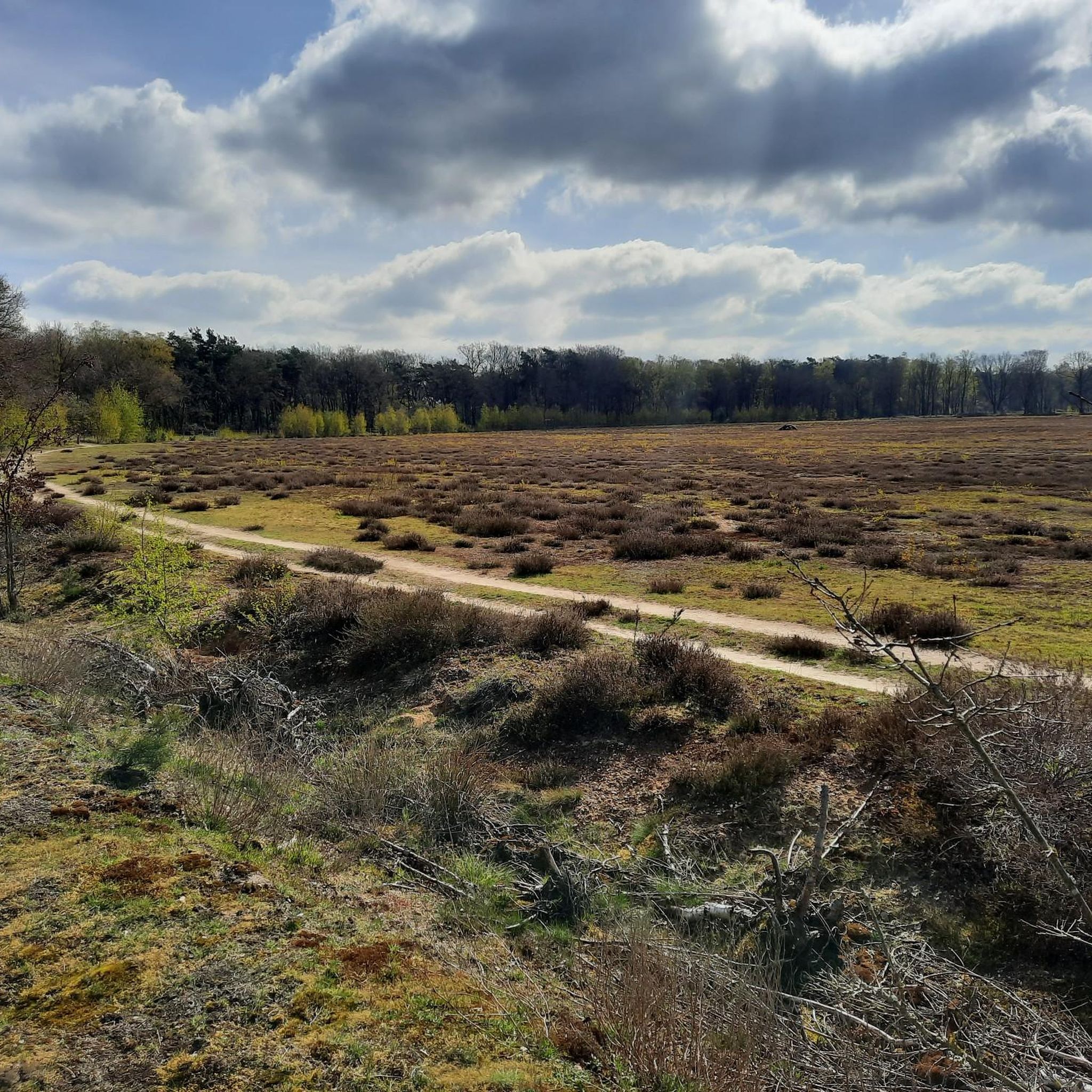
Best natural monuments in Springendal & Dal Van De Mosbeek are characterized by a unique geological landscape shaped by ice ages, featuring an ice-pushed ridge and erosional valleys. The area is defined by numerous springs yielding calcareous water, which supports diverse ecosystems and rare flora and fauna. This geological foundation fosters a rich array of habitats, including spring forests, wet grasslands, and heathlands. Visitors can explore a landscape that combines significant natural value with historical elements.
Best natural monuments in Springendal & Dal Van De Mosbeek
- The most popular natural monuments is The Springs, Springendal, a lake that offers a tranquil spot for relaxation. This area is known for its clear spring water and is family-friendly.
- Another must-see spot is Springs and Boardwalk Trail, Springendal & Mosbeek Valley, a trail featuring natural springs and a forest environment. Visitors can experience the origin of the stream and observe unique plant communities.
- Visitors also love Large Spring Pond, a lake idyllically situated within the forest. This pond is one of several spring-fed bodies of water with unique natural values in the Springendal.
- Springendal & Dal Van De Mosbeek is known for its unique springs, diverse spring forests, and expansive heathlands. The area offers a variety of natural monuments to see and explore, from water features to ancient burial sites.
- The natural monuments in Springendal & Dal Van De De Mosbeek are appreciated by the komoot community, with 949 upvotes and 434 photos shared by visitors.
Last updated: July 5, 2026
Springs and Boardwalk Trail, Springendal & Mosbeek Valley
Highlight • Trail
Translated by Google •
Tip by

The Springs, Springendal
Highlight • Lake
The adjacent café serves typical Dutch snacks and cakes.
Translated by Google •
Tip by

Sign up now to discover places like this
Get recommendations on the best single tracks, peaks, & plenty of other exciting outdoor places.
Sign up for free
Mander Hunebed and Burial Mound
Highlight • Historical Site
Translated by Google •
Tip by

Springs and Streams of Springendal
Highlight (Segment) • River
Translated by Google •
Tip by

Large Spring Pond
Highlight • Lake
Translated by Google •
Tip by

Sign up for free to discover even more natural monuments in Springendal & Dal Van De Mosbeek.
Sign up for free
Already have an account?
Start today with a free account
Your next adventure awaits.
Login or Signup
Popular around Springendal & Dal Van De Mosbeek

Tips from the Community


Beautiful route, highly recommended!
0
0

PLEASE NOTE: The Vlonderpad has been removed!
3
1

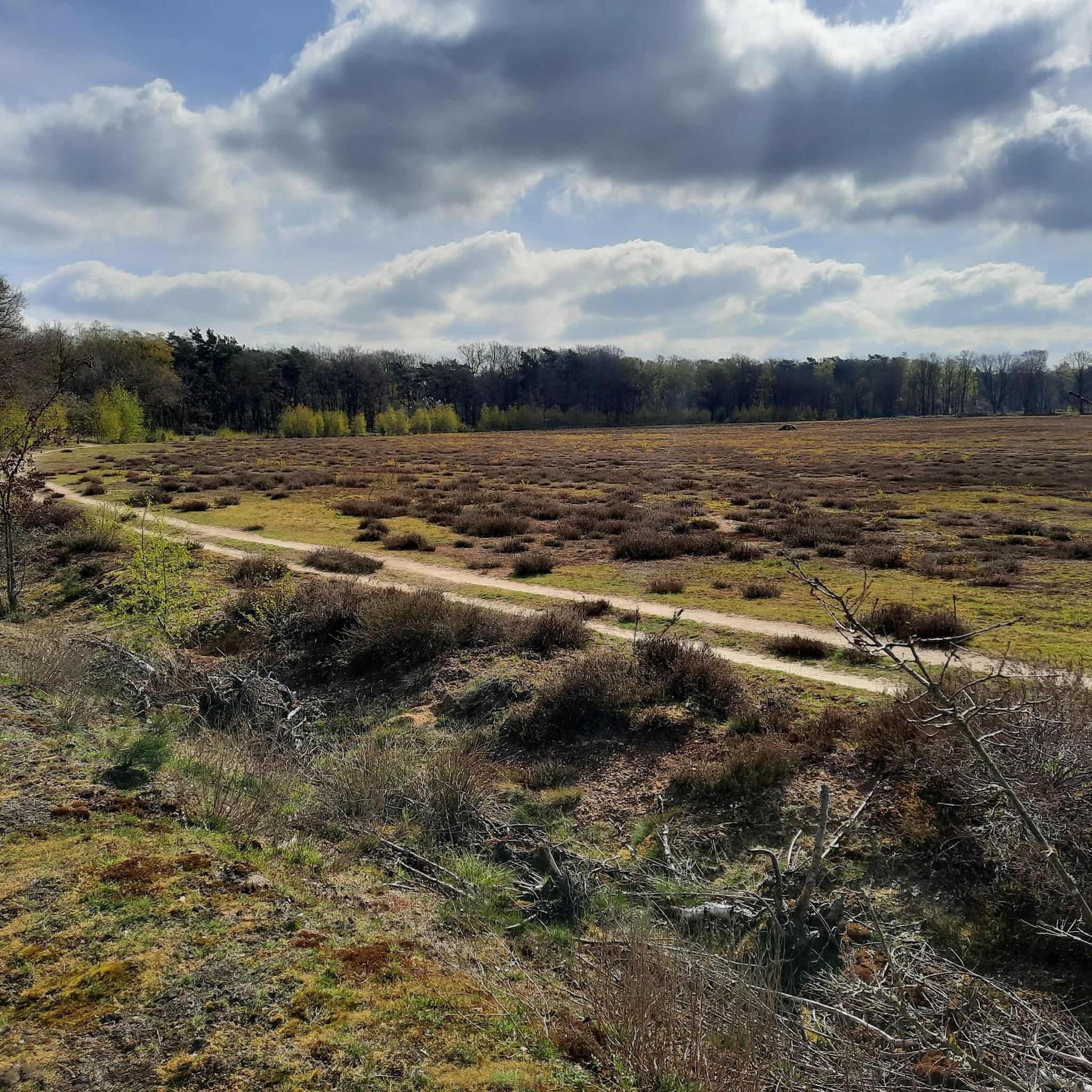
Hills, meadows, lakes, hayfields, heathland and historic farms complete the picture. Around 1920, Springendal was purchased by the Enschede textile baron Jannink. He gave the centuries-old agricultural area the appearance of an estate with many English features. The medieval essen (bolakkers that grew higher and higher due to fertilization) are, friendly bordered by trees, incorporated into the whole. There are also a number of fantastic Twente farms. Springendal has a structure of lanes and water. In addition to the monumental Mosbeeklaan, on which a number of side lanes end, the character of the estate is determined by springs and streams. Bubbling water forms three ponds, which in turn feed the Springendalsebeek.
2
0

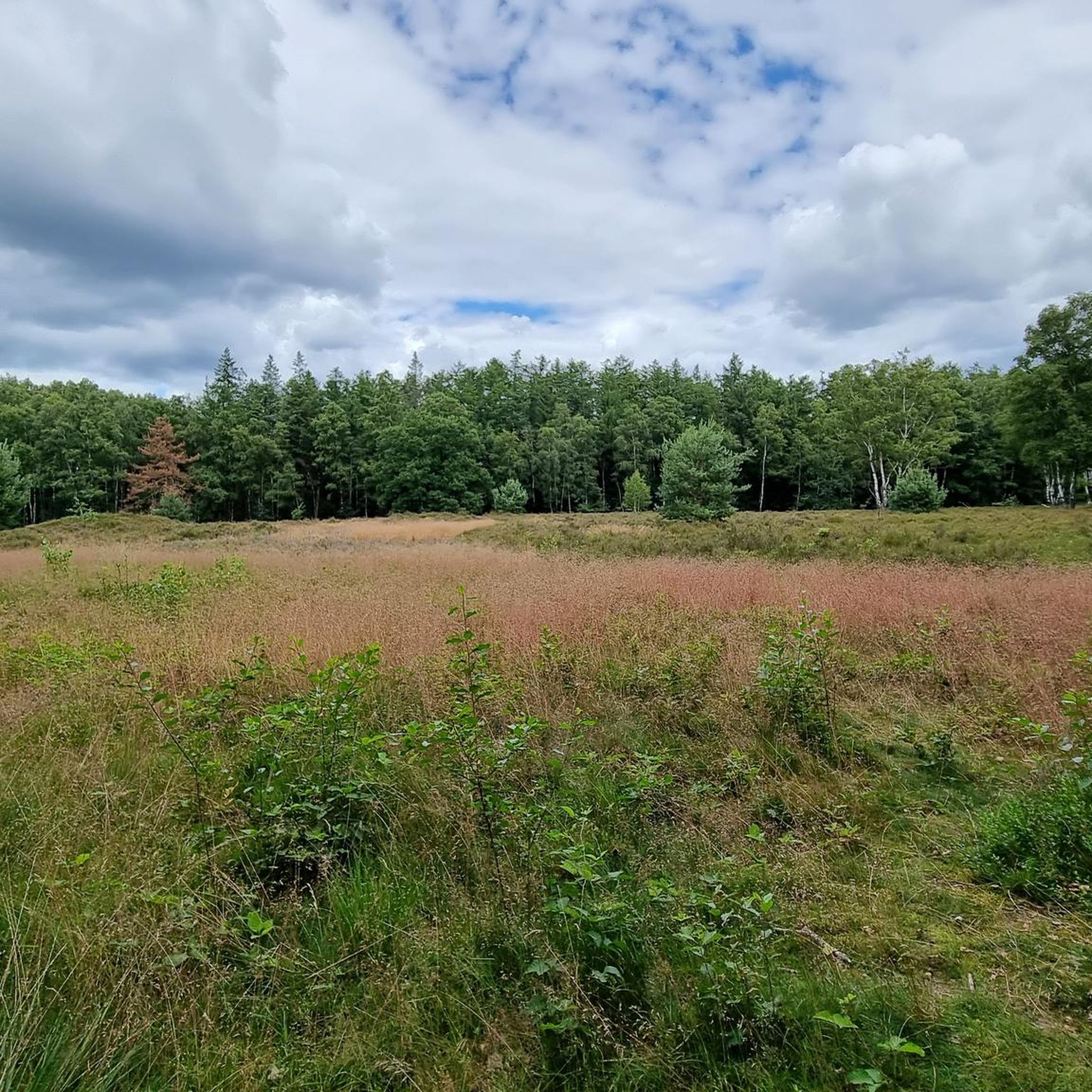
Very idyllically situated in the middle of the forest area.
2
0
Forest, water and meadows in an ideal mix for relaxing walks.
1
0

Actually a reconstruction of the dolmen, which had completely disappeared. In 1957, the remains of the disappeared dolmen 02 were excavated near Mander under the direction of C.C.W.J. Hijszeler, the then director of the Rijksmuseum Twente. During excavations in 1958, the 'Mander Man' was found in one of the burial mounds of Mander, in the form of a corpse silhouette. This means that almost all bone remains had disappeared and only a 'shadow' of the body was visible. The 'Mander Man' lived about 4000 years ago, in the Bronze Age. This man was missing his feet. It is believed that the feet of a dead person were cut off to prevent him from rising again and taking the living with him to the realm of the dead.
1
1
Frequently Asked Questions
What unique geological features define the natural monuments in Springendal & Dal Van De Mosbeek?
The region is characterized by its unique geological landscape, shaped by two ice ages. You'll find an ice-pushed ridge (stuwwal) and erosional valleys, which create varied relief. A defining feature is the presence of numerous springs yielding calcareous water, vital for the diverse ecosystems. This geological foundation supports a rich array of habitats.
Where can I experience the unique springs and water features of the region?
The Mosbeek and its springs are central to the valley, originating from numerous calcareous springs. You can visit The Springs, Springendal, a tranquil spot known for its clear spring water. Another excellent option is the Springs and Boardwalk Trail, Springendal & Mosbeek Valley, which allows you to experience the origin of the stream and observe unique plant communities. Don't miss the Large Spring Pond, idyllically situated within the forest, which is one of several spring-fed bodies of water.
What types of ecosystems and plant life can I expect to see in Springendal & Dal Van De Mosbeek?
The area boasts diverse ecosystems including spring forests with undergrowth featuring bitter cress and various sedge species. You'll also find wet meager grasslands rich in orchids, rush-hay meadows, and small sedge communities. Additionally, there are dry and wet heathlands like Manderheide, Vasserheide, and Paardenslenkte, and distinctive juniper thickets, all contributing to the region's botanical diversity.
Are there any historical or archaeological sites among the natural monuments?
Yes, the region combines natural beauty with historical elements. You can visit the Mander Hunebed and Burial Mound, which is a reconstruction of a dolmen where significant archaeological finds were made. The Mandergrafveld and Vassergrafveld are also ancient burial sites with tumuli from the Stone Age and urn fields from the Iron Age, set amidst heathland.
What kind of hiking trails are available near the natural monuments?
There are numerous hiking opportunities. For a general overview of trails, you can explore the Hiking in Springendal & Dal Van De Mosbeek guide. Popular routes include 'Silent Springendal – walk in silence' and 'The Bronnen Lakes – The Springs, Springendal loop from Halle'.
Are there easy walking routes suitable for families or those seeking a relaxed stroll?
Yes, several easy routes are available. The Easy hikes in Springendal & Dal Van De Mosbeek guide features options like 'The Springs, Springendal – Large Spring Pond loop from Halle' (7.3 km) and 'Bels Watermill – Frans Watermill loop from Vasse' (3.2 km), which are perfect for a leisurely walk.
Can I go gravel biking or cycling in the area around the natural monuments?
Absolutely. The region offers excellent gravel biking opportunities. Check out the Gravel biking in Springendal & Dal Van De Mosbeek guide for routes such as 'Heathland at Grenzweg – Singraven Watermill loop from Ootmarsum' or 'Jannink Circles – Lönsberg West Side Climb loop from Halle'.
What is the best time of year to visit Springendal & Dal Van De Mosbeek to see the natural beauty?
The area is beautiful year-round, but spring and summer are ideal for seeing the diverse plant life, including orchids in the wet grasslands, and enjoying the lush spring forests. Autumn offers vibrant foliage, and even winter walks can be serene, especially around the springs and streams.
Are there any specific areas known for wildlife spotting, particularly birds?
The calcareous springs and the Mosbeek itself create unique habitats. The grey wagtail, for instance, breeds along the Mosbeek and near the historic watermills like Molen van Frans and Molen van Bels. The diverse ecosystems, including spring forests and wet grasslands, also support a variety of other bird species and aquatic life.
What do visitors enjoy most about the natural monuments in Springendal & Dal Van De Mosbeek?
Visitors frequently appreciate the tranquil atmosphere and the clear spring water at places like The Springs, Springendal. The idyllic setting of the Large Spring Pond within the forest is also highly rated. Many enjoy the blend of natural beauty with historical insights, such as at the Mander Hunebed and Burial Mound.
Are there any watermills that are part of the natural monument experience?
Yes, the historic Molen van Frans and Molen van Bels watermills are intrinsically linked to the natural flow of the Mosbeek. While partly cultural monuments, they are important ecological spots and offer a blend of heritage and nature. The Molen van Frans also serves as an information center.
Are the natural monuments in Springendal & Dal Van De Mosbeek family-friendly?
Many of the natural monuments are indeed family-friendly. For example, The Springs, Springendal is noted as a tranquil and family-friendly spot. The Springs and Boardwalk Trail, Springendal & Mosbeek Valley and the Large Spring Pond also offer accessible natural experiences for families.
Most popular routes in Springendal & Dal Van De Mosbeek
Most popular attractions in Springendal & Dal Van De Mosbeek

Get inspired with the komoot mobile app


Explore more
Extend your search for the best caves by checking out these guides of the top ones in Springendal & Dal Van De Mosbeek:
