Top 6 Natural Monuments in Holler Moor
Best natural monuments in Holler Moor are found within the Holler- und Wittemoor nature reserve, a significant high moor landscape located northwest of Hude in Lower Saxony, Germany. This protected area spans approximately 377 hectares and is recognized for its ecological importance as a regenerating high moor. Once altered by drainage and peat extraction, the area now showcases successful rewetting efforts. Visitors can explore diverse landscapes, including moor forests and grasslands, offering a connection with nature.
Best natural monuments in…
Last updated: October 8, 2026
Observation Platform at Holler- und Wittemoor
Highlight • Viewpoint
Three designated hiking trails lead you through the …
Translated by Google •
Tip by

Moorland in the Wildeshauser Geest Nature Park
Highlight (Segment) • Natural
However, it is difficult to ride a touring bike or, as others would say, very demanding.
Translated by Google •
Tip by

Sign up now to discover places like this
Get recommendations on the best single tracks, peaks, & plenty of other exciting outdoor places.
Biele and Wittenmoor Nature Experience
Highlight • Natural
Translated by Google •
Tip by

Hand-cut peat pit in Witte Moor
Highlight • Natural Monument
Translated by Google •
Tip by
Start today with a free account
Your next adventure awaits.
Tips from the Community

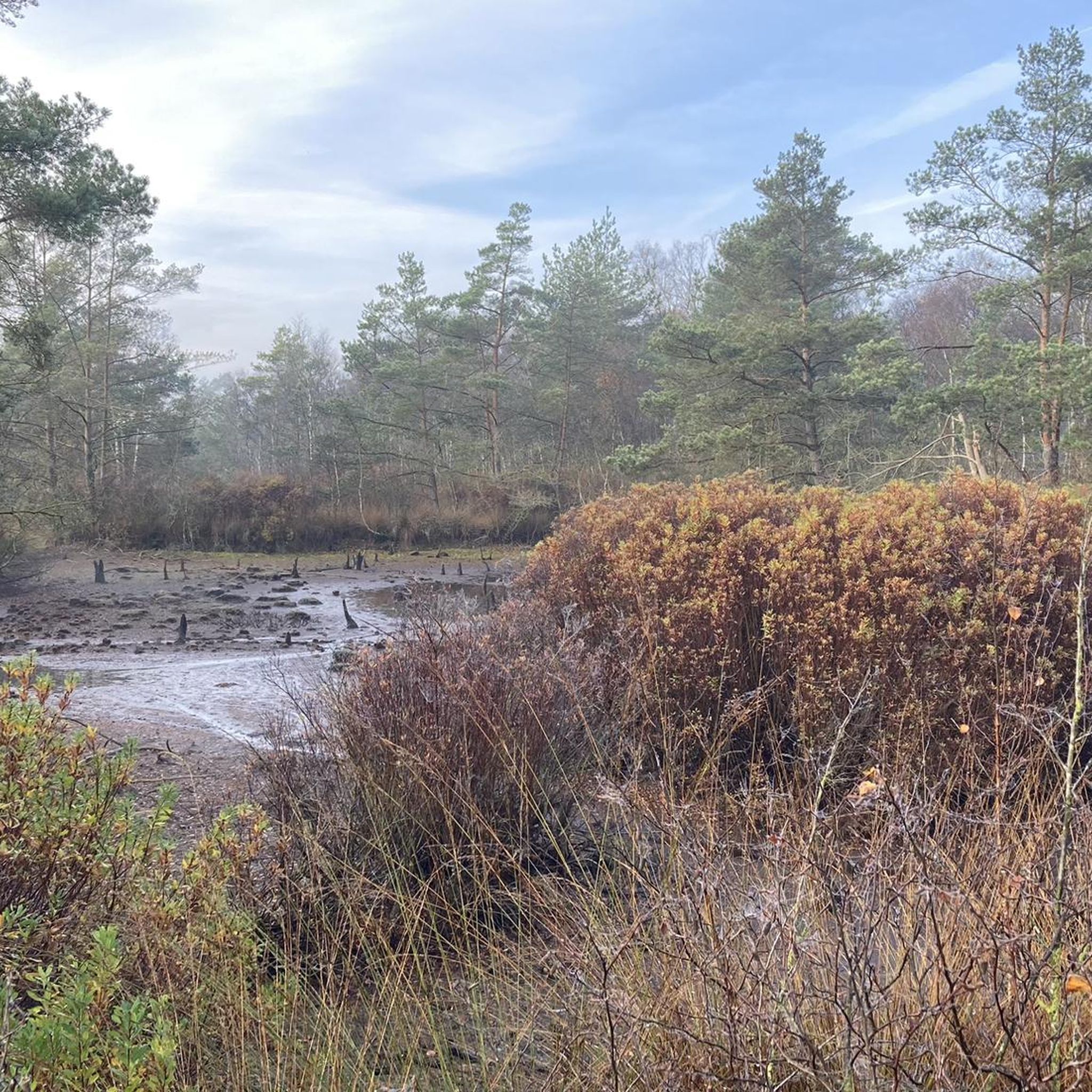
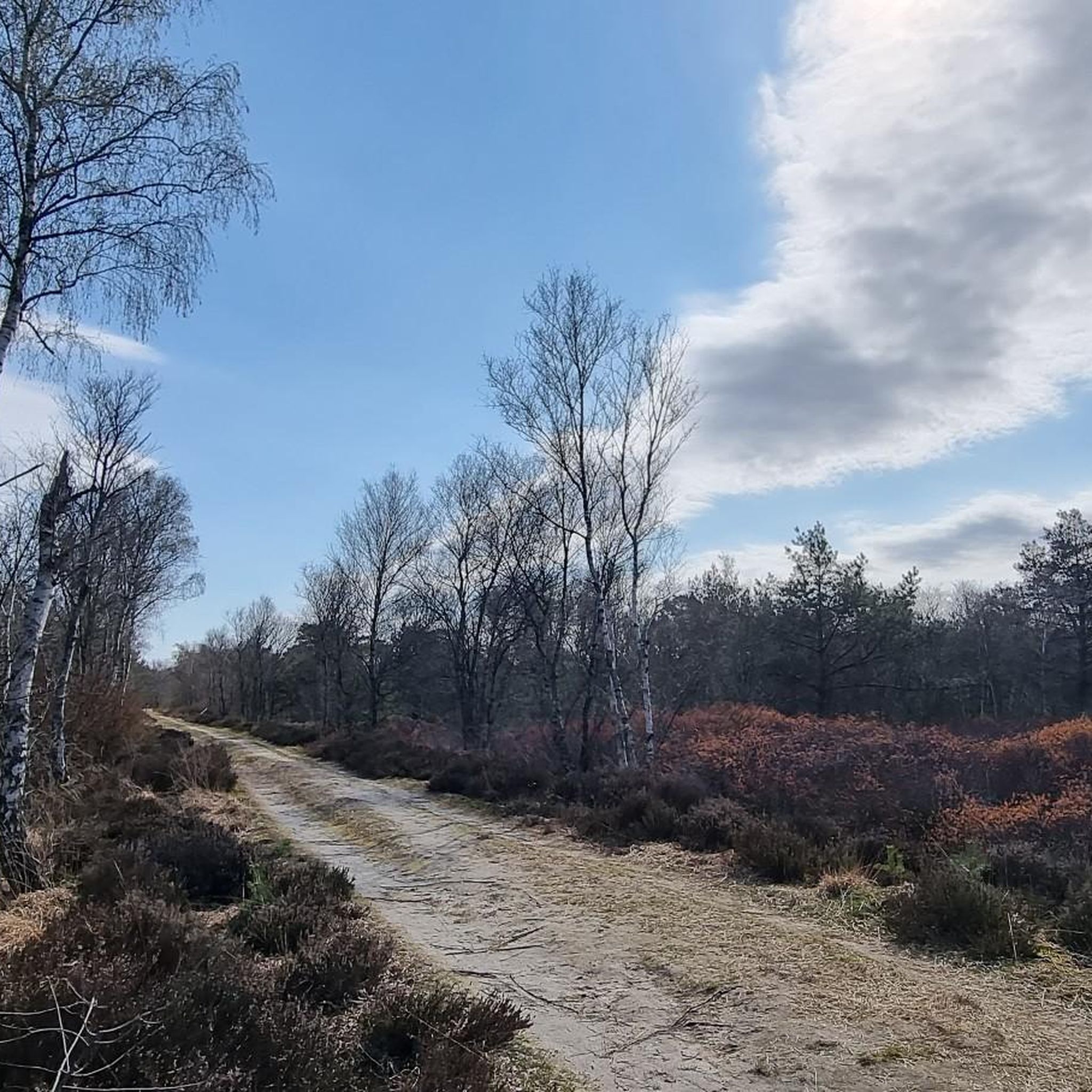
Great moor with three marked hiking trails. A bit difficult for cycling and only advisable and permitted on the main path. There is a viewing platform that offers a great view over the moor. Information boards also give an overview of life in the moor.
1
0

A special experience can be had here in April/May, when the bog myrtle blooms.
2
0

I always enjoy coming here. This peace and nature, today I saw lots of dragonflies dancing over the water. Flowering cotton grass.....🥰
1
0

The rural population used to get their fuel from such hand peat cuttings.
4
0

Along the way out of the moor you can find many old hand peat cuttings. People there used to get fuel.
5
0
The Holler Moor borders directly on the Witte Moor. A nice re-wetted murder area. This means it once again offers a habitat for many animals and plants.
4
0
The observation tower only slightly improves the view. It was difficult to get to the tower today. There is still a lot of water in the moor.
5
0

The high moor formerly used for peat cutting, part of which lies in the municipality of Hude, was renatured in the 1980s. Three designated hiking trails lead you through the nature reserve, on a replica of a historical boardwalk and to a lookout tower from which you can explore the moor world. Typical moor plants such as cotton grass and animals such as the red-backed shrike feel at home here today thanks to rewetting. https://www.wildegeest.de/wandern/rundwanderwege/rundwanderweghollerundwittemoor/
5
0
Frequently Asked Questions
What unique natural features can I observe in the Holler Moor area?
The Holler Moor area is known for its regenerating high moor landscape. You can observe typical moor plants like cotton grass and peat mosses, as well as heather and bog myrtle. The area also provides a habitat for animals such as the red-backed shrike. The Observation Platform at Holler- und Wittemoor offers elevated views over this unique ecosystem.
Are there family-friendly natural monuments or activities in Holler Moor?
Yes, several natural monuments in Holler Moor are considered family-friendly. The Observation Platform at Holler- und Wittemoor, Holler Moor itself, and the Biele and Wittenmoor Nature Experience are all suitable for families. These areas often feature easy trails and informative panels that can engage visitors of all ages.
What kind of hiking trails are available around the natural monuments in Holler Moor?
The Holler- und Wittemoor nature reserve offers three designated hiking trails, ranging from 4.5 to 7.5 kilometers. These paths guide visitors through varied landscapes of regenerating moor, moor forests, and grasslands. You can also explore a replica of a historical boardwalk, which adds a unique element to the hiking experience. For more hiking options, you can explore routes in the Natural Monuments in Holler Moor guide.
What historical elements can be found among the natural monuments?
The area offers insights into both natural and human history. You can find reconstructed historical boardwalks, reminiscent of ancient paths used to traverse the wetlands. Additionally, the Hand-cut peat pit in Witte Moor provides a glimpse into past peat extraction practices, where the rural population once sourced fuel.
What is the best time of year to visit the natural monuments in Holler Moor?
The moor has its charm in every season, offering different experiences throughout the year. Spring and summer allow for observation of typical moor plants like cotton grass and bog myrtle in bloom, and wildlife spotting. Autumn brings unique colors to the landscape. Even winter hiking can be an option, though some areas might have more water, as noted by visitors.
Are there any viewpoints to get a good overview of the Holler Moor landscape?
Yes, the Observation Platform at Holler- und Wittemoor is a prominent lookout tower, approximately 4 meters high, offering elevated views over the renatured high moor landscape. It provides a distinctive vantage point to appreciate the vastness and ecological efforts in the area.
What outdoor activities, besides hiking, can I do near the natural monuments?
Beyond hiking, the Holler Moor region offers various cycling opportunities. You can find routes for gravel biking, MTB trails, and road cycling. These guides provide options for different skill levels and distances, allowing you to explore the wider region around the natural monuments.
Is the Moorland in the Wildeshauser Geest Nature Park suitable for all types of bikes?
The Moorland in the Wildeshauser Geest Nature Park features a great and wild moor landscape. While beautiful, some sections are described as single trails with many heavy tree roots, making it challenging for touring bikes and more demanding for cyclists in general.
What do visitors typically enjoy most about the natural monuments in Holler Moor?
Visitors frequently appreciate the quiet and relaxing atmosphere for walks, the opportunity to observe typical moor plants and wildlife, and the educational experience provided by informative panels. The successful rewetting efforts and the distinct moorland scenery, offering a refreshing contrast to urban life, are also highly valued.
Are there information boards available to learn more about the area?
Yes, informative panels are placed along the trails and near the observation tower within the Holler- und Wittemoor nature reserve. These panels provide details about both the natural and human history of the unique landscape, enhancing the visitor's understanding and appreciation of the moor.
How long does it typically take to explore the natural monuments in Holler Moor?
The designated hiking trails within the Holler- und Wittemoor nature reserve range from 4.5 to 7.5 kilometers. Depending on your pace and how much time you spend at viewpoints or reading information boards, a visit could take anywhere from 1.5 to 3 hours for a single trail. Exploring multiple areas or combining trails would extend your visit.
Most popular routes in Holler Moor
Most popular attractions in Holler Moor

Get inspired with the komoot mobile app


Explore more
Extend your search for the best caves by checking out these guides of the top ones in Holler Moor:
