Wümmeniederung Mit Rodau, Wiedau Und Trochelbach
Wümmeniederung Mit Rodau, Wiedau Und Trochelbach
Top 20 Natural Monuments in Wümmeniederung Mit Rodau, Wiedau Und Trochelbach
Best natural monuments in Wümmeniederung Mit Rodau, Wiedau Und Trochelbach are found within an extensive nature reserve, encompassing the floodplains of the Wümme River and its tributaries. This area is characterized by naturally meandering rivers, diverse habitats, and sand heath complexes on inland dunes. It serves as a significant natural monument, preserving unique ecosystems and providing a habitat for various flora and fauna. The region offers opportunities to experience unspoiled river landscapes and observe rare species in their natural environment.
…Last updated: October 8, 2026
Vossberge (Everinghausen Shifting Dunes)
Highlight • Natural Monument
Translated by Google •
Tip by

Vossberge Inland Dunes
Highlight • Natural Monument
Translated by Google •
Tip by
Sign up now to discover places like this
Get recommendations on the best single tracks, peaks, & plenty of other exciting outdoor places.
Vareler Heath
Highlight • Natural
Translated by Google •
Tip by

Corkscrew Tree in the Wümme Lowlands
Highlight • Natural Monument
Translated by Google •
Tip by

Wooden bridge over the Wümme
Highlight • Bridge
Translated by Google •
Tip by

Sign up for free to discover even more natural monuments in Wümmeniederung Mit Rodau, Wiedau Und Trochelbach.
Already have an account?
Start today with a free account
Your next adventure awaits.
Popular around Wümmeniederung Mit Rodau, Wiedau Und Trochelbach
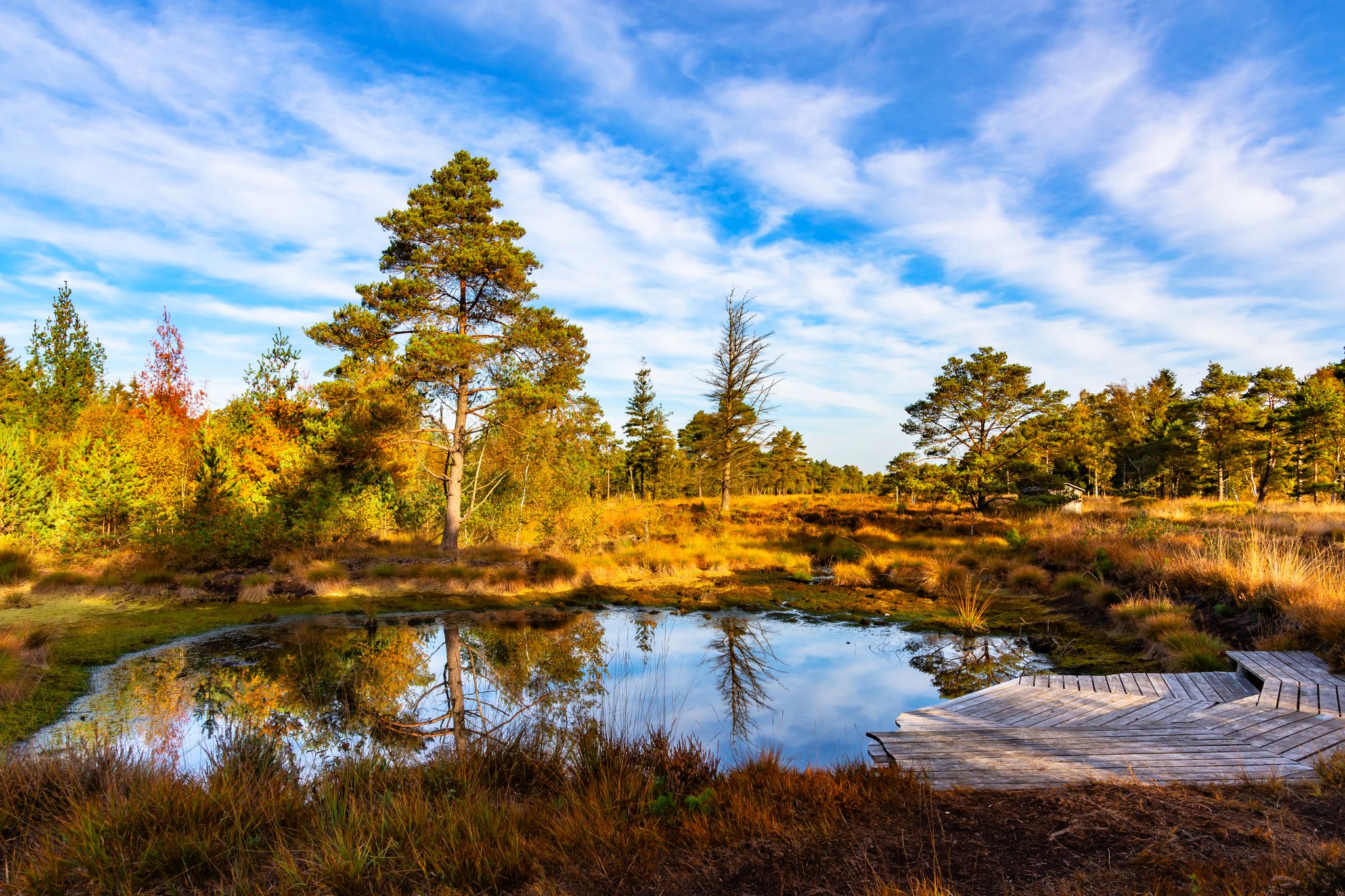
NORDPFADE – flat, wide, unique!
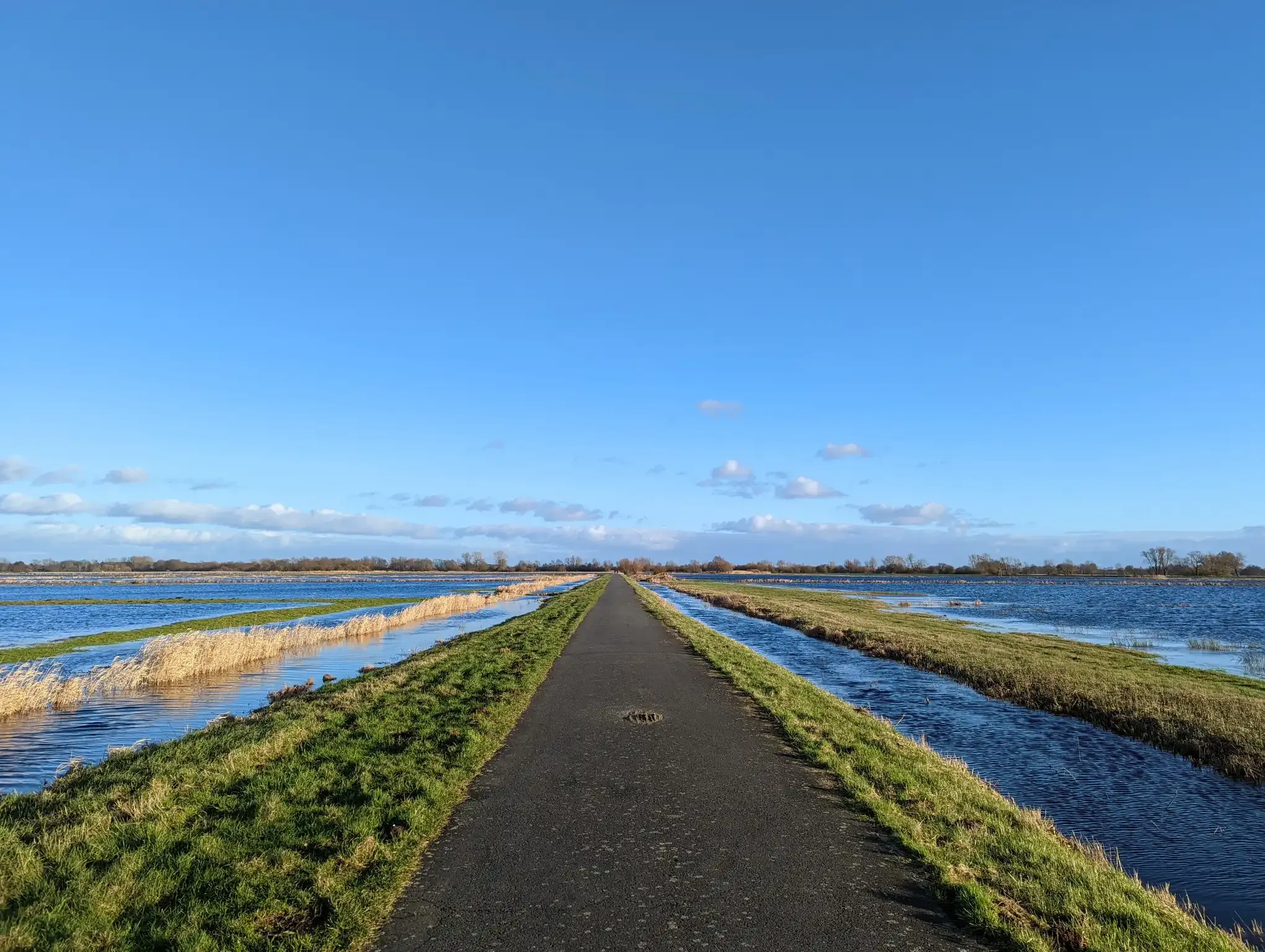
Through open meadows on the Wümme Cycle Route
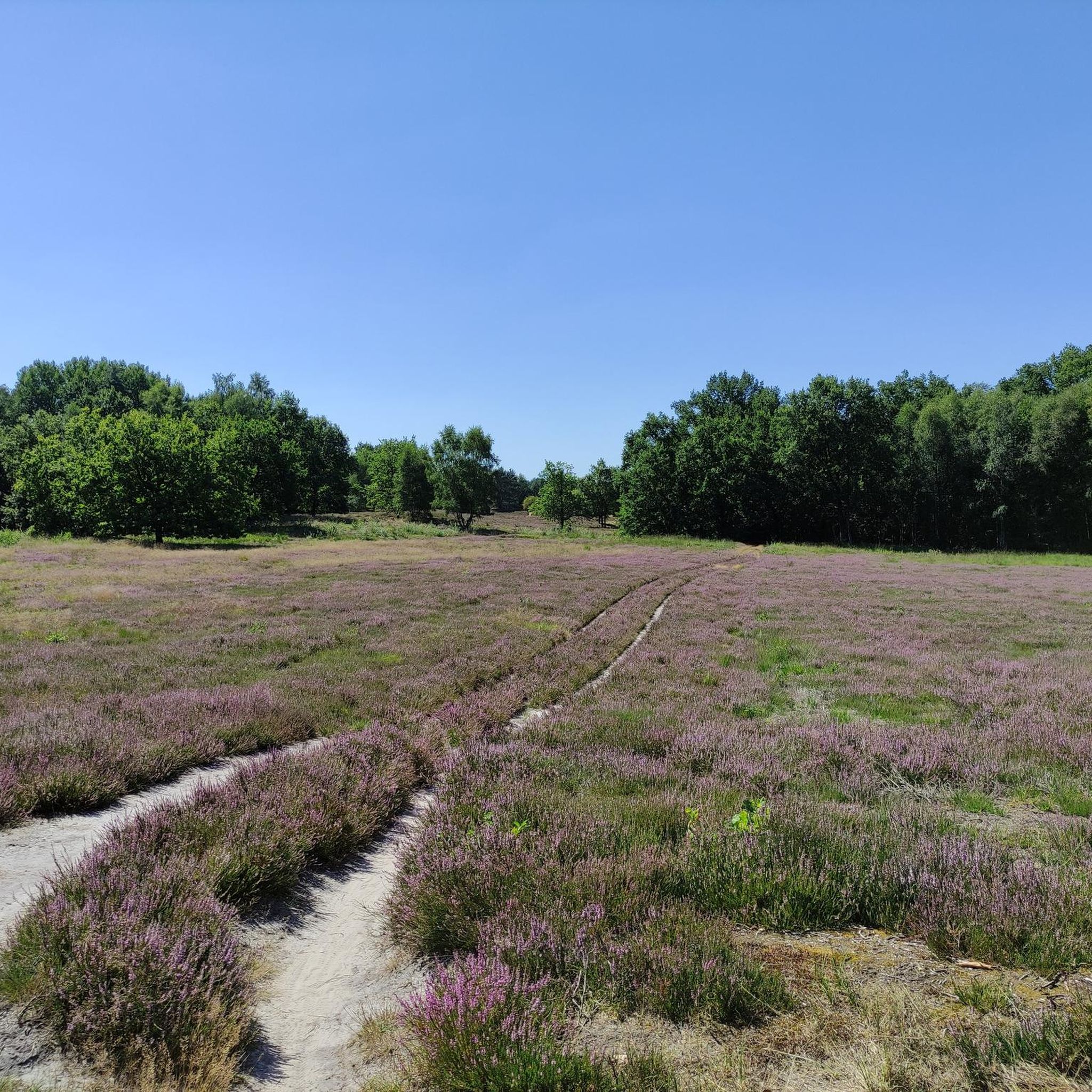
Hiking in Wümmeniederung Mit Rodau, Wiedau Und Trochelbach
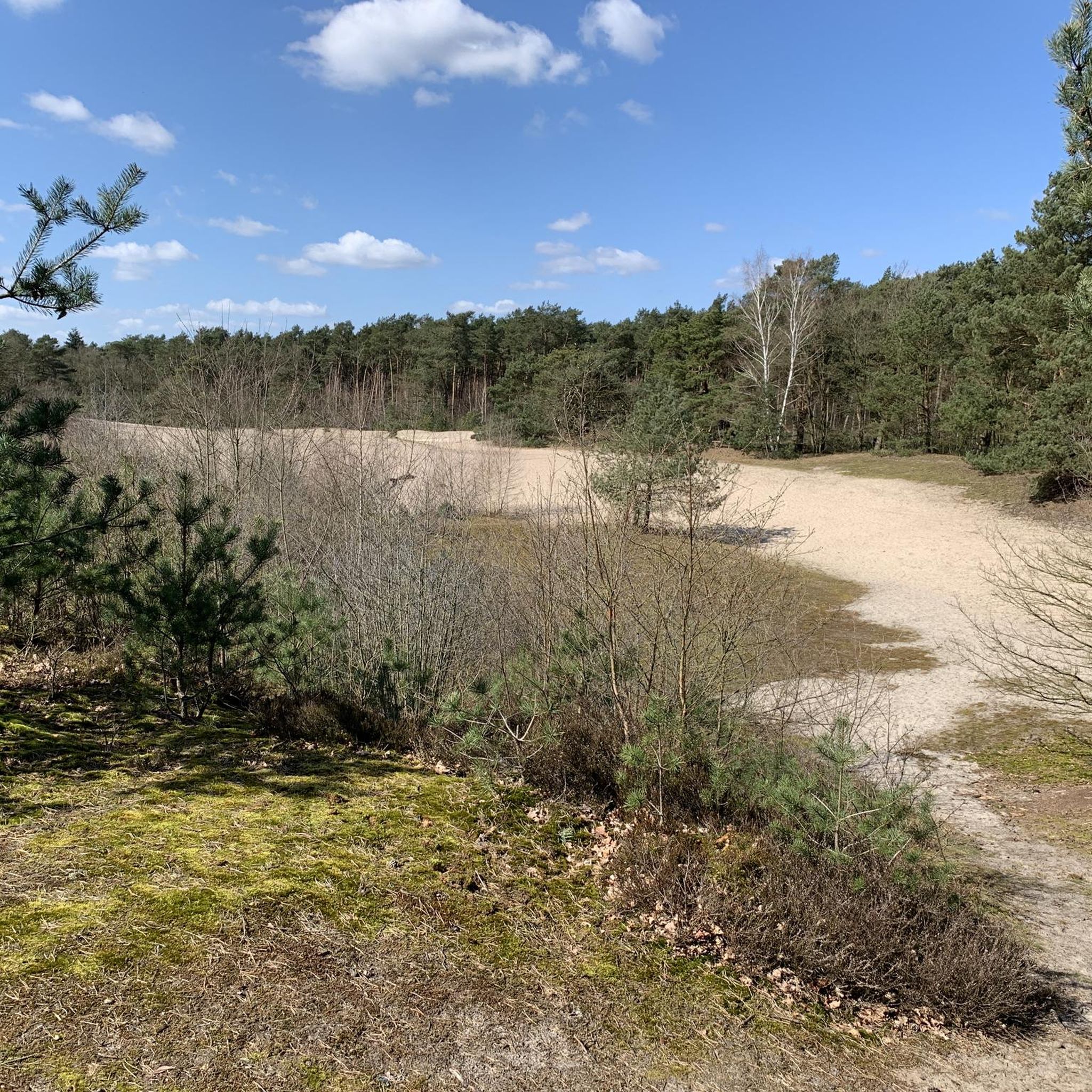
Road Cycling Routes in Wümmeniederung Mit Rodau, Wiedau Und Trochelbach
Cycling in Wümmeniederung Mit Rodau, Wiedau Und Trochelbach
MTB Trails in Wümmeniederung Mit Rodau, Wiedau Und Trochelbach
Gravel biking in Wümmeniederung Mit Rodau, Wiedau Und Trochelbach
Running Trails in Wümmeniederung Mit Rodau, Wiedau Und Trochelbach
Other adventures in Wümmeniederung Mit Rodau, Wiedau Und Trochelbach


Tips from the Community

The NORDPFAD Wümmeniederung also runs along here. All information about the path can be found at https://www.nordwaerts.de/aktiv-entspannt/tour/nordpfad-wuemmeniederung-100258948/ (as of June 29, 2024).
0
0

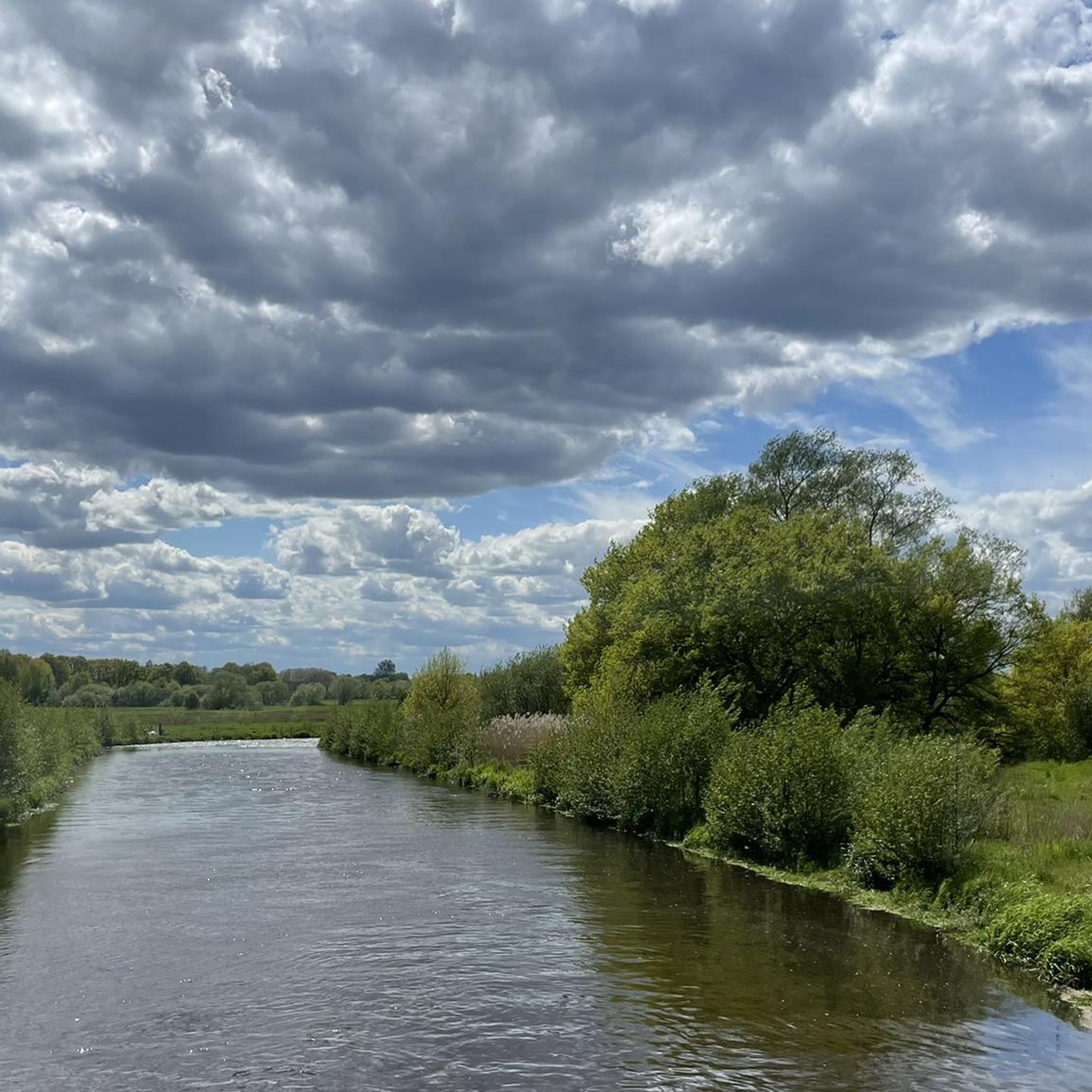
Here the Wümme is lined with willows
0
0

What a strange tree formation. He probably didn't really know what he wanted :-)
1
0

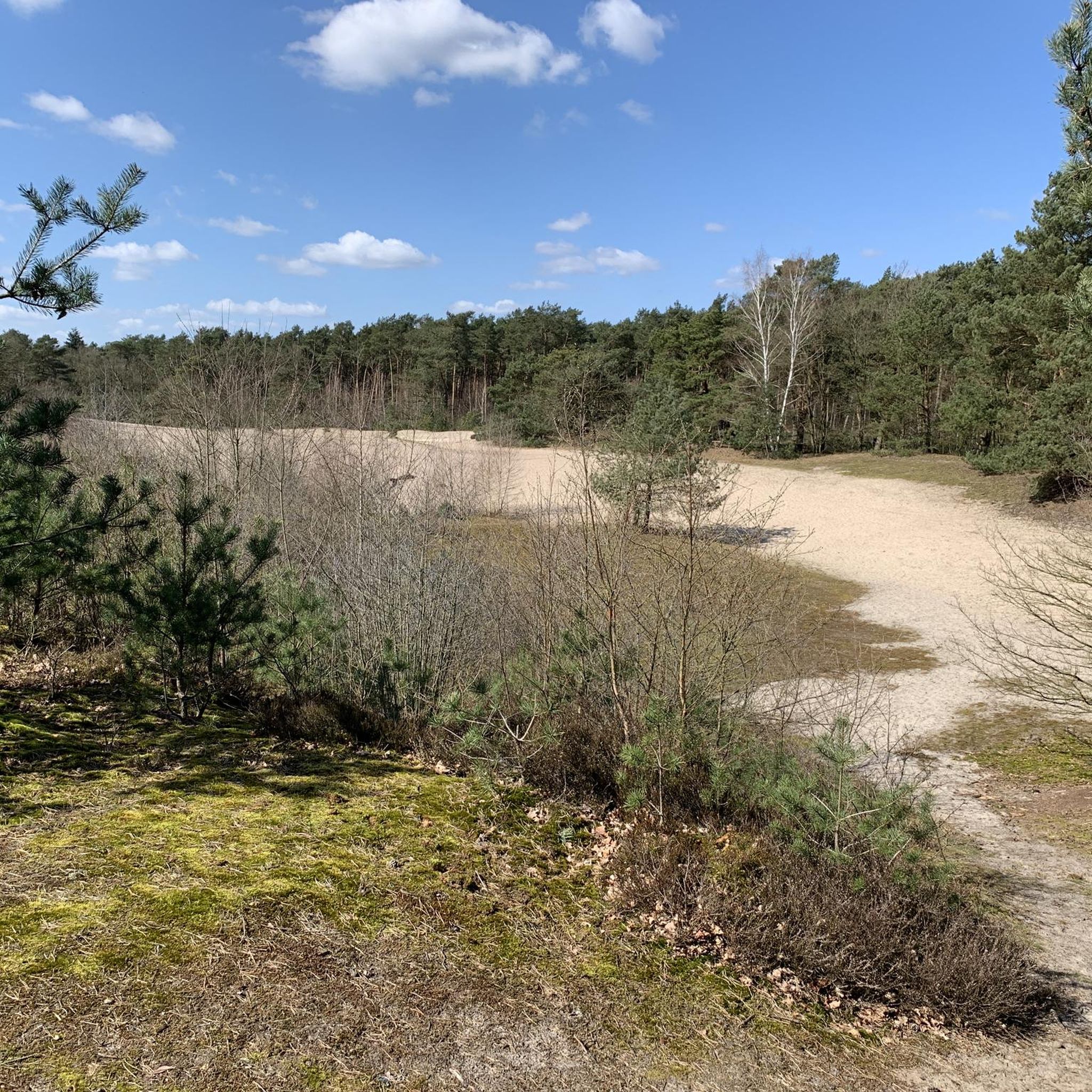
now the dunes don't move anymore. But they offer an impressive landscape and great photo opportunities
7
1

Forest path along the Wümme
0
0

Idyllic landscape with sandy paths and juniper bushes.
6
0

Coming from three different directions always welcome.
2
0

At the beautiful wooden bridge there is also a good explanation for the dismantling of lock V on the Wümme.
1
0
Frequently Asked Questions
What unique natural features can I explore in Wümmeniederung Mit Rodau, Wiedau Und Trochelbach?
The region is characterized by naturally meandering rivers like the Wümme and its tributaries, extensive floodplains, and diverse habitats including grasslands, moorlands, and riparian forests. You can also discover unique sand heath complexes on inland dunes, such as the impressive Vossberge Inland Dunes, which are Ice Age quartz sand elevations.
Are there any family-friendly natural monuments in the area?
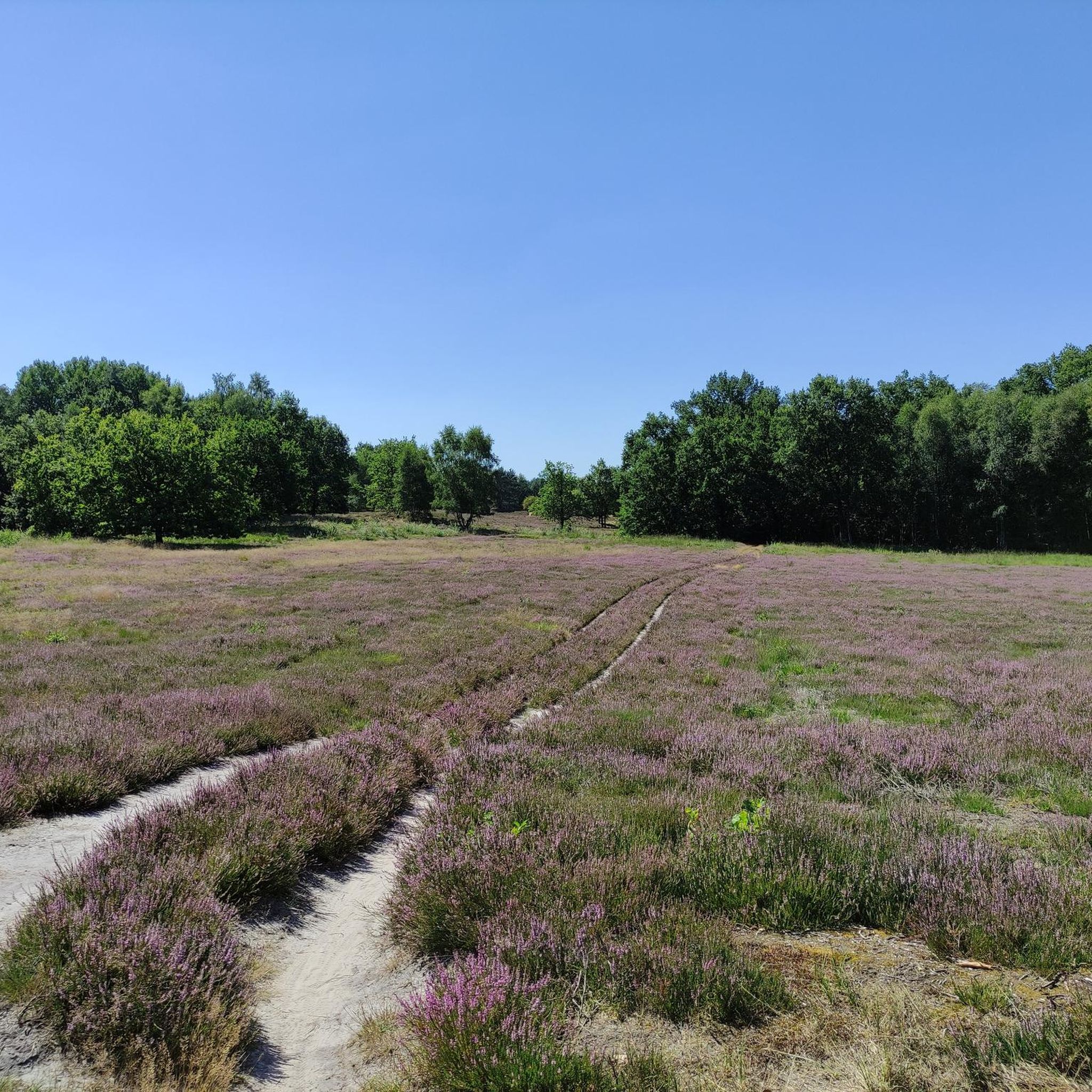
Yes, several natural monuments are suitable for families. For instance, Vareler Heath offers a beautiful path through a diverse landscape with opportunities to take a break. The Wooden bridge over the Wümme also provides lovely views and a small sunbathing area with water access, perfect for a family outing.
What kind of wildlife can I expect to see in Wümmeniederung Mit Rodau, Wiedau Und Trochelbach?
The Wümmeniederung is a haven for diverse wildlife. It's a recognized bird protection area, so you can observe a wide variety of bird species, including migratory birds. The rivers are vital for fish species protection, hosting otters, river and sea lampreys, and sea trout. Other protected species like the green clubtail dragonfly, corncrake, and lapwing also thrive here.
What outdoor activities can I do near these natural monuments?
The region offers various outdoor activities. You can explore numerous hiking trails, including those that pass through the Vossberge (Everinghausen Shifting Dunes). For cycling enthusiasts, there are many road cycling routes, such as the 'King’s loop from Rotenburg', and gravel biking options like the 'Scenic Forest Road – Ahauser Mill loop'. Mountain biking trails are also available, including the 'Vareler Heath – Bartelsdorfer Kirchsteg loop'. You can find more details on these activities in the respective guides for road cycling, gravel biking, and MTB trails.
What is the best time of year to visit the natural monuments?
The Wümmeniederung is beautiful year-round, but specific seasons offer different experiences. Spring and autumn are ideal for birdwatching due to migratory birds. Winter flooding creates unique habitats and picturesque scenery. The sand heath complexes, like Vareler Heath, are particularly vibrant when heather is in bloom, typically in late summer.
Are there any unique trees or botanical features to look out for?
Yes, the region boasts diverse vegetation, including oak and beech mixed forests, reeds, sedge beds, and tall herbaceous vegetation. A particularly unique sight is the Corkscrew Tree in the Wümme Lowlands, a very interestingly grown tree that stands out as an eye-catcher right by the roadside.
What makes the Wümme River and its tributaries significant?
The Wümme, Rodau, Wiedau, and Trochelbach rivers are crucial for the region's ecological balance, retaining much of their natural, meandering courses. These river landscapes, formed since the Ice Age, offer picturesque scenery and are essential for various aquatic species. The regular winter flooding of the Wümme meadows creates ideal habitats and serves as a vital resting area for numerous migratory birds.
What do visitors enjoy most about the natural monuments in this region?
Visitors frequently appreciate the unspoiled river landscapes, the diverse ecosystems, and the opportunity to observe rare flora and fauna in their natural environment. Many enjoy the peaceful paths through varied scenery, such as the wavy dune landscape with broom heath and juniper found at Vareler Heath, and the impressive geological formations like the shifting dunes at Vossberge.
Are there good viewpoints to appreciate the landscape?
Yes, the region offers several spots with great views. The Wooden bridge over the Wümme provides beautiful vistas of the diverse Wümmeniederung. Additionally, areas like the Vossberge Inland Dunes, though now overgrown, form an impressive landscape bordering the Wümme lowlands, offering unique perspectives.
What is the overall character of the Wümmeniederung Mit Rodau, Wiedau Und Trochelbach region?
The region is primarily recognized as an extensive nature reserve (Naturschutzgebiet – NSG LÜ 355), encompassing the floodplains of the Wümme River and its tributaries. It's an integral part of the European Natura 2000 network, dedicated to protecting its diverse ecosystems, naturally meandering rivers, sand heath complexes, and rare species. It's a prime example of successful conservation efforts for floodplains and heathlands in Lower Saxony.
Are there any historical or geological points of interest related to the natural monuments?
Yes, the region holds significant geological history. The inland dunes, such as the Vossberge (Everinghausen Shifting Dunes) and Vossberge Inland Dunes, are notable geological features created after the Ice Ages. These formations reveal former wandering dunes, providing a glimpse into the landscape's ancient past.
Most popular routes in Wümmeniederung Mit Rodau, Wiedau Und Trochelbach
Most popular attractions in Wümmeniederung Mit Rodau, Wiedau Und Trochelbach

Get inspired with the komoot mobile app


Explore more
Extend your search for the best caves by checking out these guides of the top ones in Wümmeniederung Mit Rodau, Wiedau Und Trochelbach:
