Top 20 Natural Monuments in Meißner
Natural monuments in Meißner are primarily found within the Hoher Meißner mountain massif, a region characterized by unique geological features and cultural significance. This landscape features distinctive basalt formations, which are the result of ancient volcanic activity and lignite deposits. The area is also associated with local folklore, particularly the legends of Frau Holle. Visitors can explore a variety of natural sites that showcase the region's geological history and natural beauty.
Best natural monuments in Meißner
- The most popular natural…
Last updated: October 8, 2026
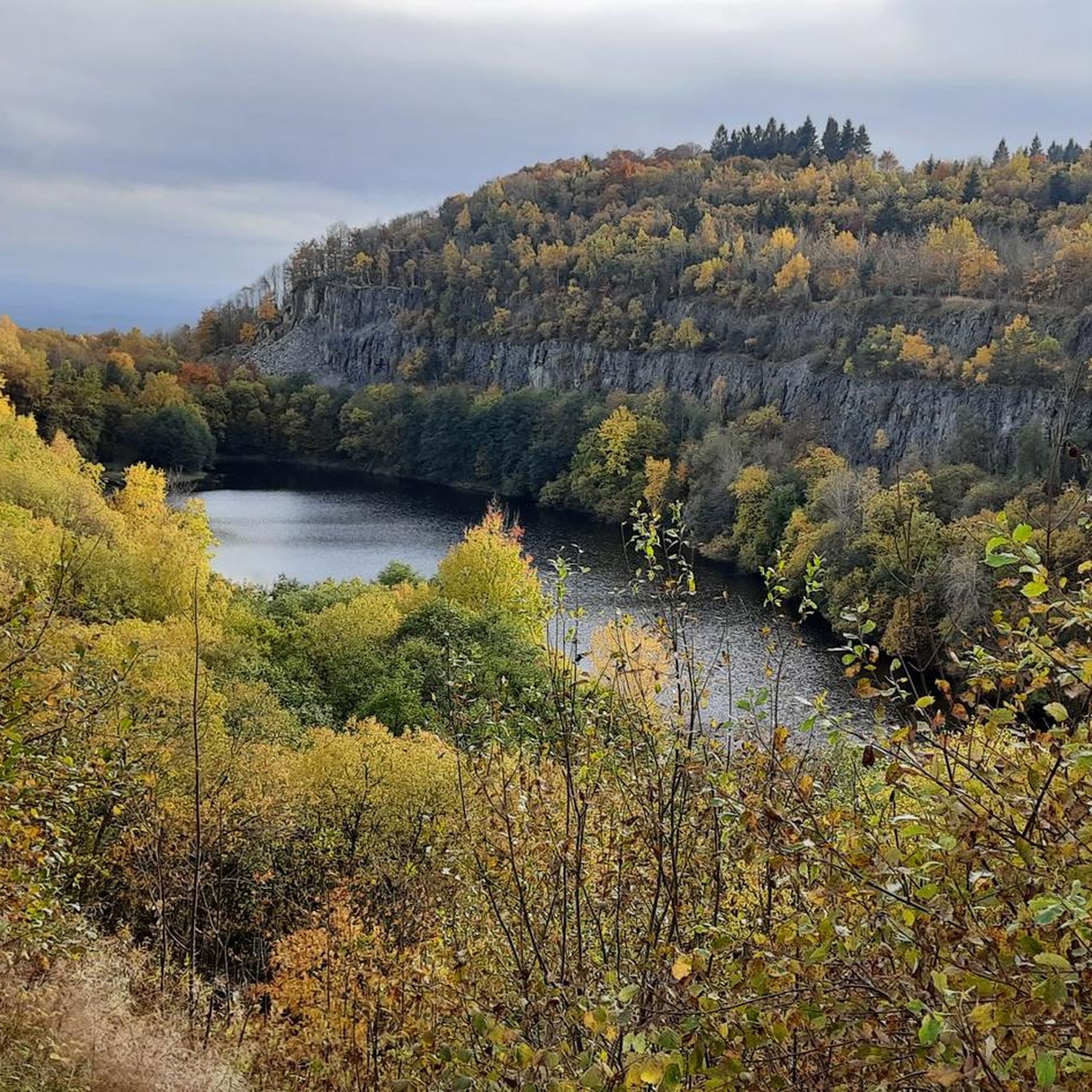
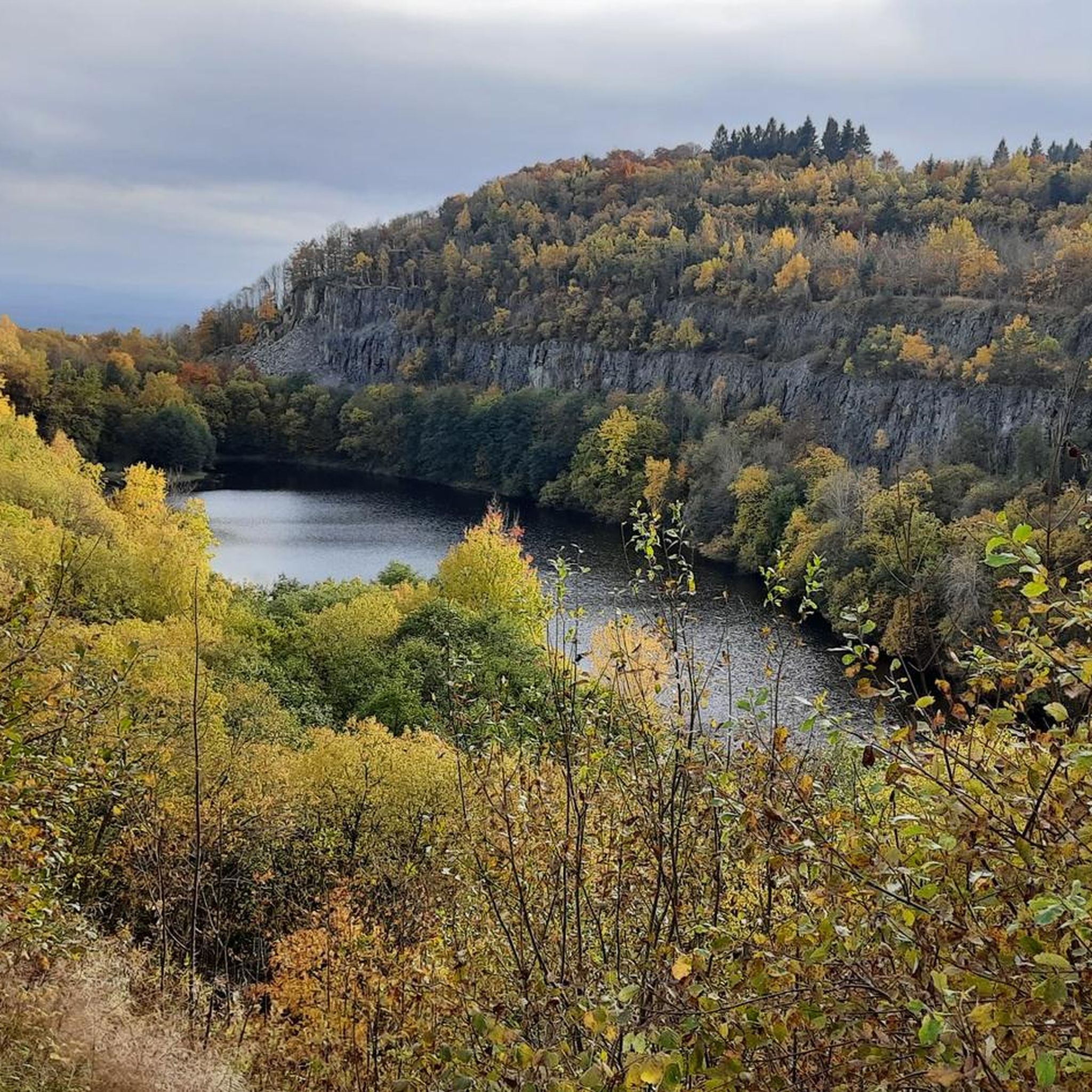
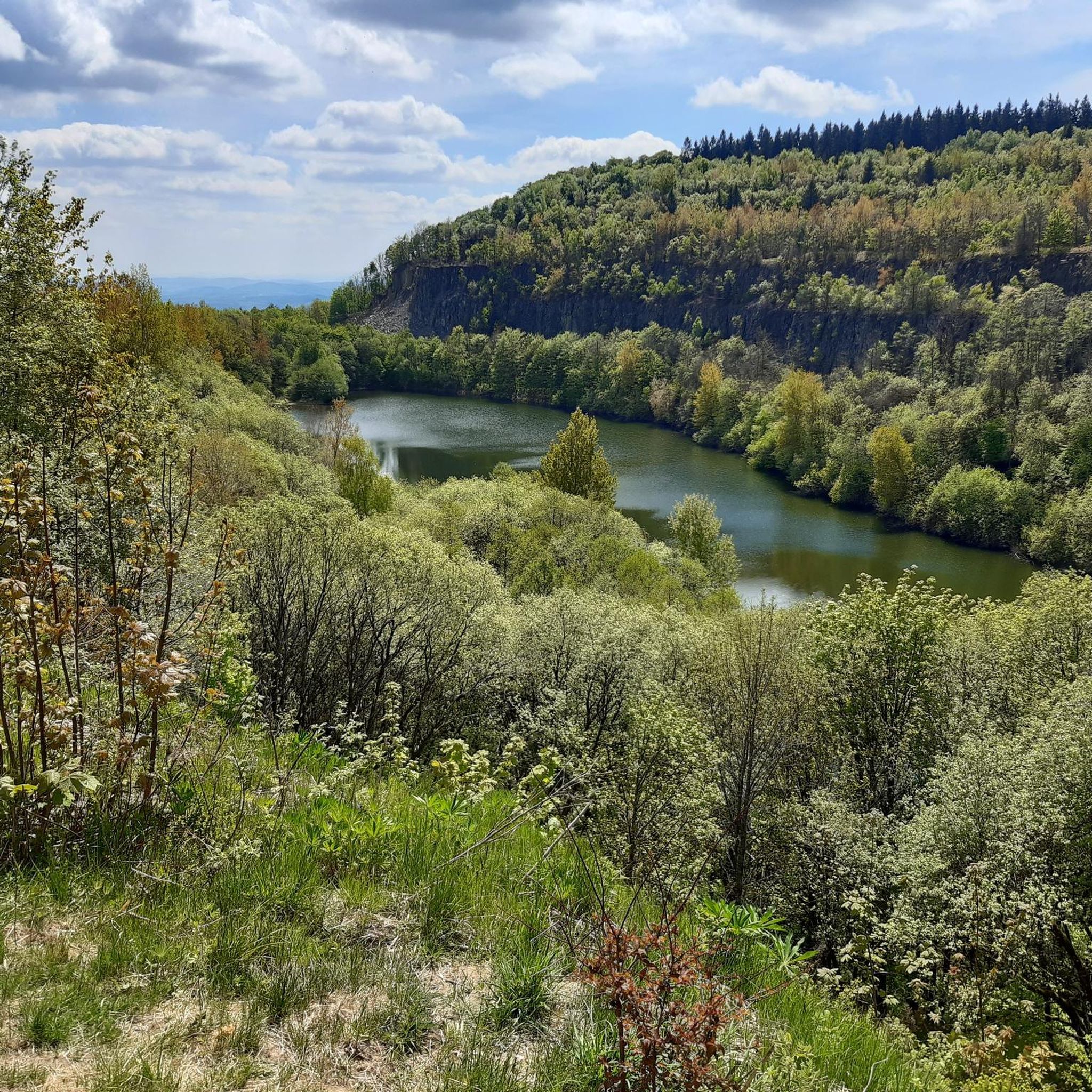
Lake Kalbe
Highlight • Lake
Translated by Google •
Tip by

Seesteine Natural Monument
Highlight • Natural Monument
Translated by Google •
Tip by

Sign up now to discover places like this
Get recommendations on the best single tracks, peaks, & plenty of other exciting outdoor places.
Frau Holle Pond and Frau Holle Sculpture
Highlight • Lake
Translated by Google •
Tip by

View from the Kalbe summit (Hoher Meißner)
Highlight • Viewpoint
Translated by Google •
Tip by

Kitzkammer Basalt Cave
Highlight • Cave
Translated by Google •
Tip by

Sign up for free to discover even more natural monuments in Meißner.
Already have an account?
Start today with a free account
Your next adventure awaits.


Tips from the Community

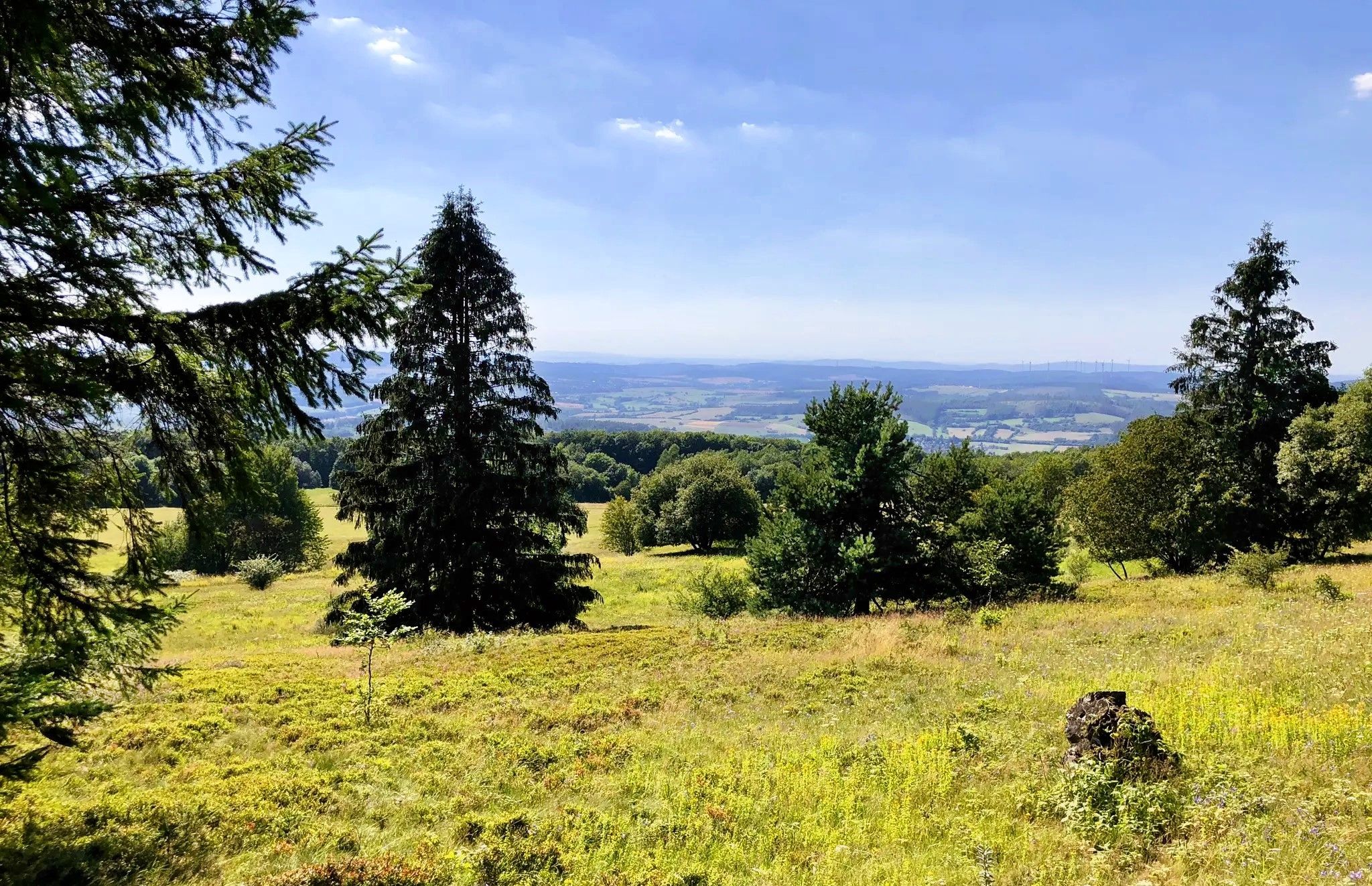
From the Kalbe summit, the path continues to a boulder field. From there, the panoramic view is even more extensive than from the surrounding vantage points. While there are no benches or shade, this spot is still ideal for a scenic break. I would have liked to mark this spot on the map, but Komoot prohibits it. For whatever reason.
4
0

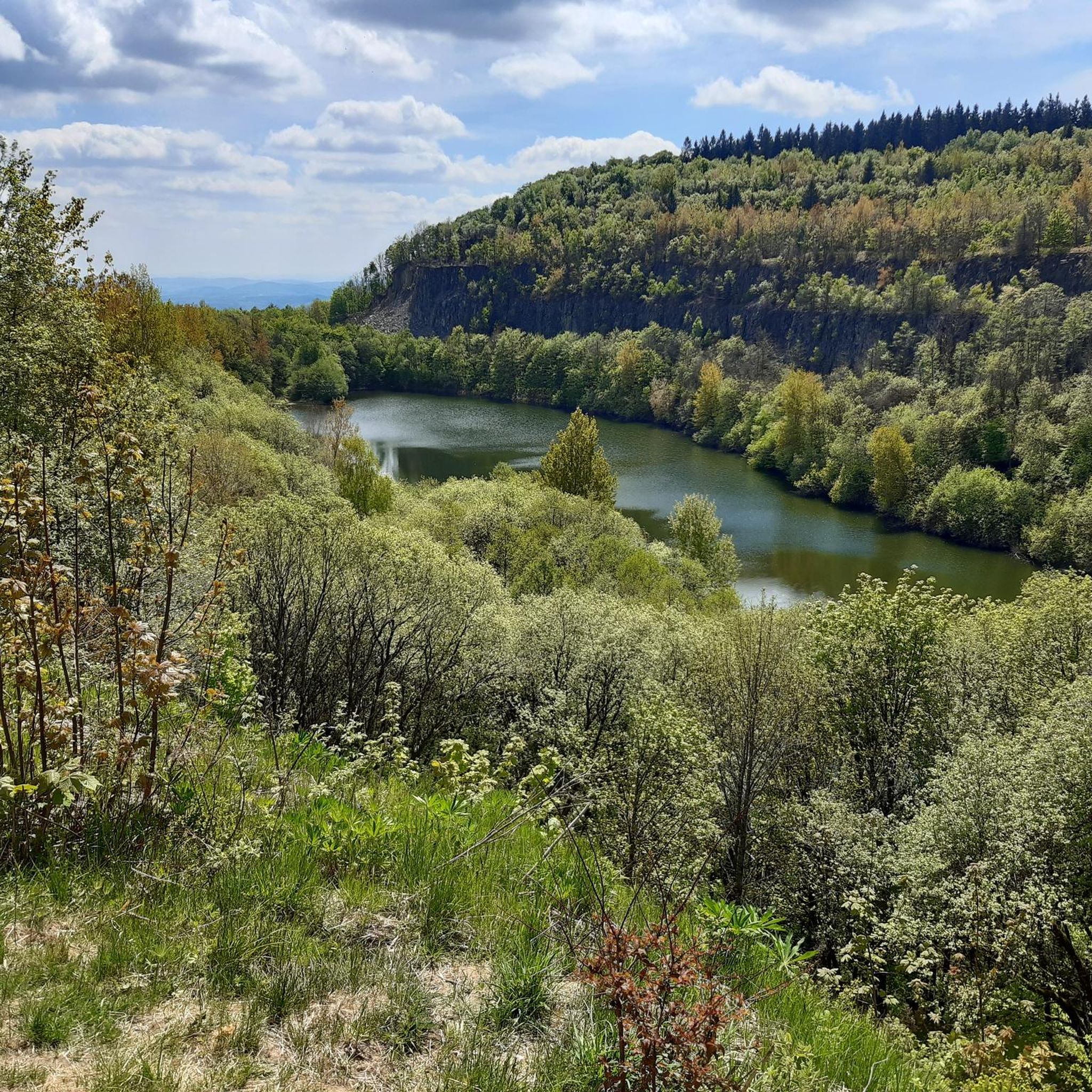
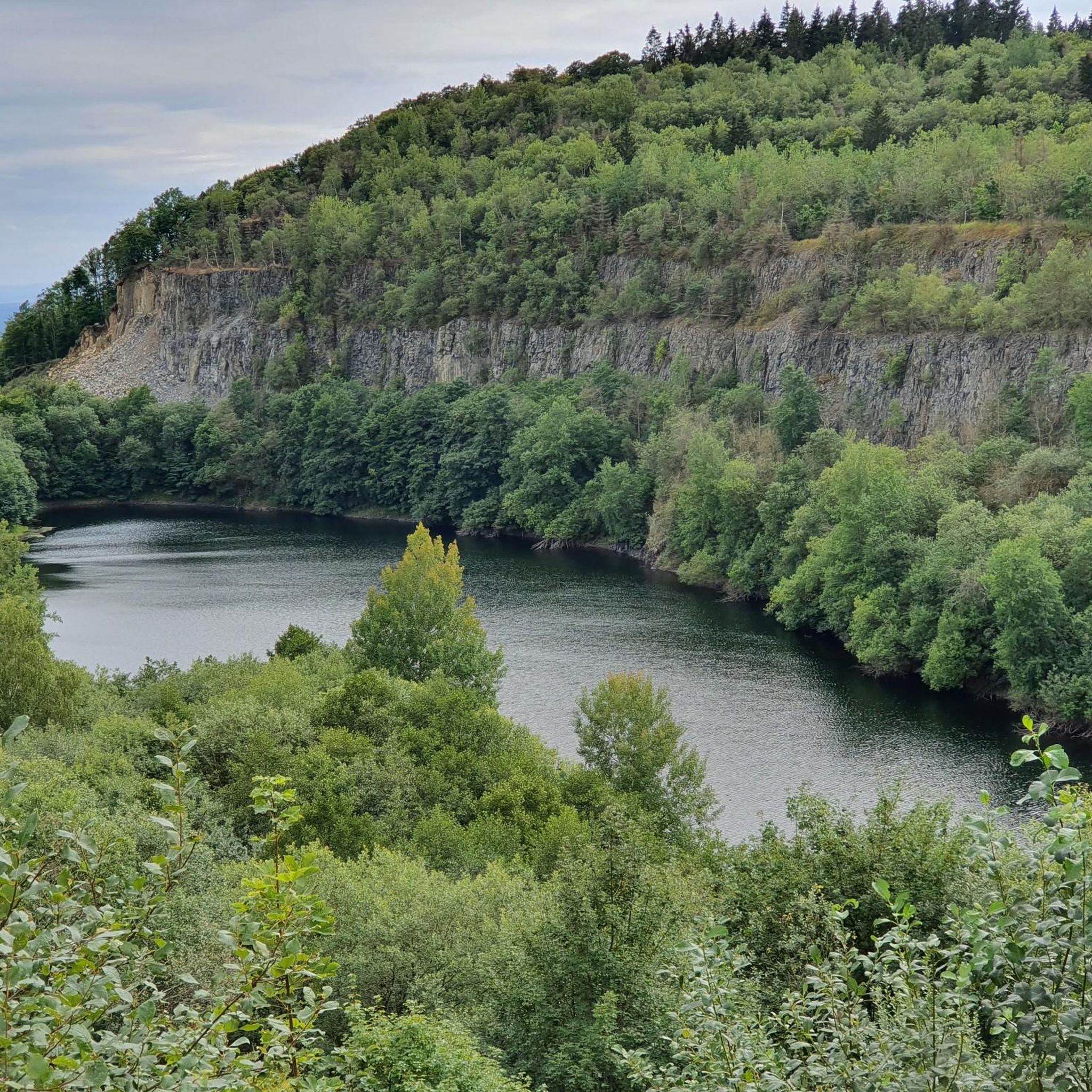
In Carl-Christoph Schmieder's Frau Holle stories, Frau Holle transforms drunken young men into calves and then lets them graze on the "Kalbe" (calf). Before the open-cast lignite mining, there really was a large meadow there. The name "Kalbe" can be explained geologically: the mountain calves, meaning large boulders of basalt broke off from the plateau and piled up on the slope. Or quite simply: bare spot. The viewpoint at 720 m above sea level can only be reached on foot from the Frau Holle Pond via the Kalbe Trail or the Eulenstieg Trail. It is also located on the P1 Hoher Meißner premium trail. Source: https://www.naturparkfrauholle.land/frau-holle/sagen-mythen/sagenorte-der-frau-holle/kalbe
4
0

According to legend, Mother Holle imprisoned young girls here and turned them into kittens.
11
1
The name "Kalbe" can be explained geologically: the mountain calves, i.e. large basalt chunks break off from the plateau and pile up on the slope. Or quite simply: bare spot,
9
2

And based on the folk tale of the Meißnerberge by Karl Christoph Schmieder (1819): "Mrs. Holle especially took care of the poor girls who were left unfaithfully by their fiancés. Many of them were vain and addicted to cleaning. Each wanted to be the most beautiful, and there was much envy and strife among them. When Mother Holle came home one day and noticed the quarrels, she got angry. She shook her magic bell and immediately the girls were transformed into cats. They were banished to a rocky cave on the evening side of the Meißner. The cave is now called the Kitzkammer. From there the cats had to spread all over the mountain and serve Mother Holle. They had to show the good wanderers the way, but lead the bad ones astray.”
10
2
Legend of the Frau Holle pond: The lake forms the entrance to Frau Holle's subterranean realm. At the bottom lies her castle of pure silver, surrounded by lush gardens full of flowers, fruit and vegetables. Every noon the beautiful young woman appears at her lake to take her bath in the middle of the pond. That's why this place is also called 'Bathroom of Frau Holle'. As the light earth mother and goddess of fertility, Mother Holle gave people rich harvests. She brought the rain that brought growth to the fields, and when she shook out their beds, the snow that covered everything. If they were angered, they brought misfortune and misery to the land.
13
1

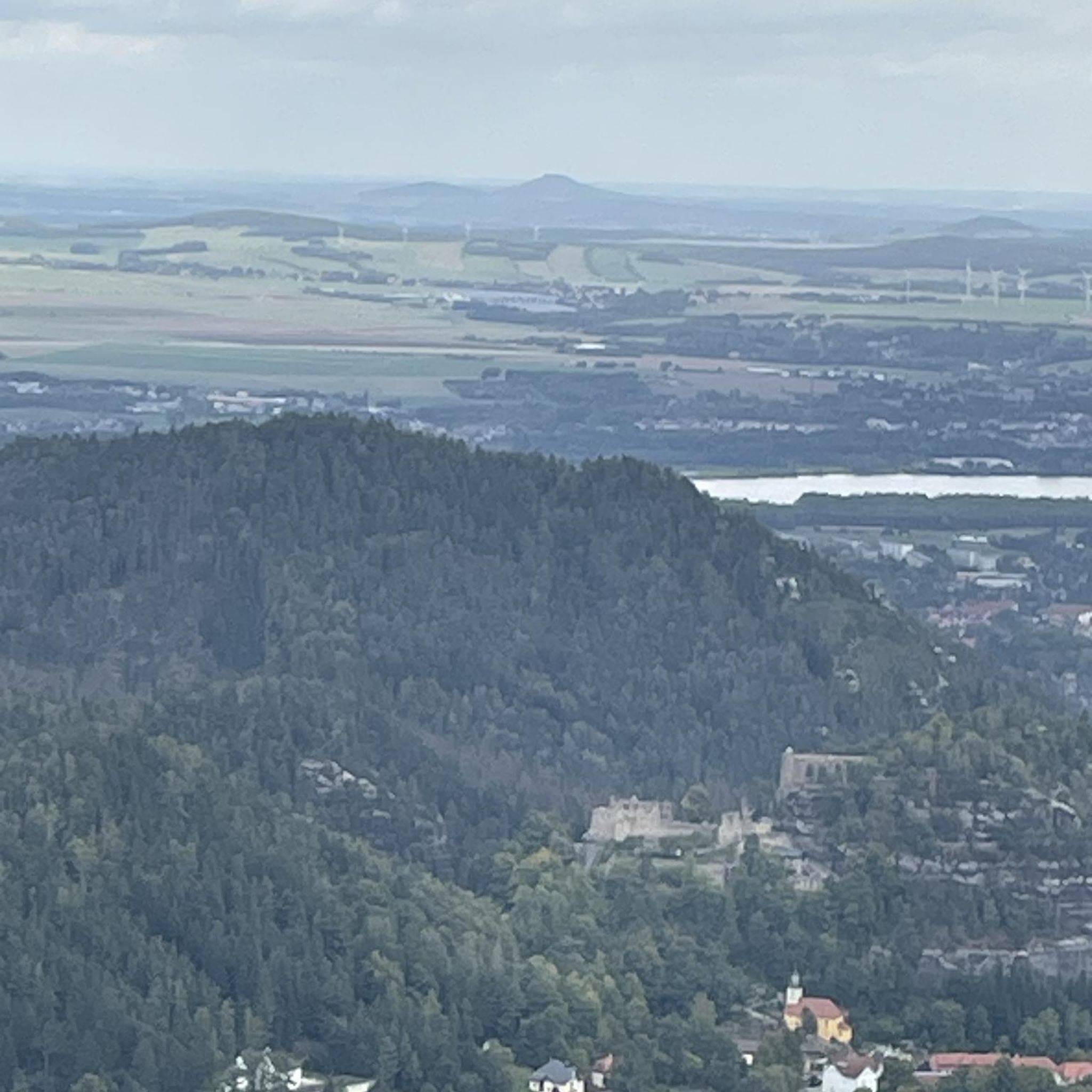
A nice view to the northeast.
4
0

The Kitzkammer got its name from a fairy tale about Mother Holle - Kitz does not stand for fawn, but for cats. In winter you should take every step carefully, because it can get very slippery.
14
1
Frequently Asked Questions
What are the most popular natural monuments in Meißner?
Visitors to Meißner particularly enjoy the unique natural monuments within the Hoher Meißner mountain massif. Among the most popular are Lake Kalbe, which offers panoramic views and insights into the region's mining history, and the Seesteine Natural Monument, known for its impressive basalt rock formations and narrow paths. Another cherished spot is Frau Holle Pond and Frau Holle Sculpture, steeped in local folklore.
Are there family-friendly natural monuments in Meißner?
Yes, several natural monuments in Meißner are suitable for families. The Frau Holle Pond and Frau Holle Sculpture is a great option, offering a magical atmosphere tied to local legends. Its surroundings provide easy walking paths. Lake Kalbe is also considered family-friendly, providing beautiful views and educational insights into the area's history.
What kind of geological features can I explore in Meißner?
Meißner is rich in geological wonders, primarily centered around the Hoher Meißner mountain massif. You can observe distinctive basalt formations, which are remnants of ancient volcanic activity. The region also features lignite deposits from forests that existed millions of years ago. A prime example is the Kitzkammer Basalt Cave, a natural rock niche showcasing impressive transverse columnar basalt.
What cultural or historical significance do the natural monuments in Meißner hold?
The natural monuments in Meißner are deeply intertwined with local culture and history. The Hoher Meißner is considered a 'holy mountain' and is famously associated with the Brothers Grimm fairy tale character Frau Holle. The Frau Holle Pond is believed to be the entrance to her underground realm. Additionally, sites like the Stinksteinwand and Schwalbenthal on the Hoher Meißner bear evidence of centuries of lignite mining, offering a glimpse into the region's industrial past.
Where can I find the best panoramic views in the Meißner region?
For exceptional panoramic views, head to the Hoher Meißner. The View from the Kalbe summit, a basalt knoll at 719 meters, offers grandiose vistas towards Berkatal-Frankershausen and extends for miles on clear days. From here, you can often see the Werra Valley, the Eichsfeld-Hainich-Werratal nature park, the Harz Mountains, the Thuringian Forest, and the Rhön Mountains.
What outdoor activities can I do near the natural monuments in Meißner?
The Meißner region offers a variety of outdoor activities. You can explore numerous hiking trails, including those around the Hoher Meißner. For cycling enthusiasts, there are options for gravel biking and road cycling. For example, you can find routes like the 'View of Hoher Meißner – Gelstertal Viaduct Uengsterode loop' for gravel biking or the 'Meißner Ascent – View from Schwalbenthal loop' for road cycling. Mountain biking trails are also available, such as the 'Seesteine Rock Formation – Schwalbenthal Viewpoint loop'. You can find more details on these activities in the Gravel biking in Meißner, Road Cycling Routes in Meißner, and MTB Trails in Meißner guides.
Are there specific hiking trails around the natural monuments?
Yes, there are many hiking trails that allow you to experience the natural monuments up close. For instance, paths around the Seesteine Natural Monument provide a unique geological experience. The area around the Frau Holle Pond also features great, well-signposted hiking trails. Many routes on the Hoher Meißner lead to viewpoints like the Kalbe summit.
What do visitors enjoy most about the natural monuments in Meißner?
Visitors frequently highlight the stunning panoramic views, especially from spots like the Kalbe summit. The unique geological formations, such as the basalt rocks at the Seesteine Natural Monument, are also highly appreciated. Many are captivated by the cultural and mythological significance, particularly the legends surrounding Frau Holle at the Frau Holle Pond, which adds a magical dimension to their visit.
Is there parking available near the natural monuments?
Yes, parking is generally available near popular natural monuments. For example, you can park your car directly at the Frau Holle Pond and access various well-signposted paths from there. Specific parking information for other sites can often be found on local signage or detailed route descriptions.
What is the best time of year to visit the natural monuments in Meißner?
The natural monuments in Meißner offer beauty throughout the year. Spring and autumn are ideal for hiking, with pleasant temperatures and vibrant foliage. Summer provides lush green landscapes, while winter can transform the area into a magical, snow-covered wonderland, especially around the Frau Holle Pond. However, in winter, some paths, like those around the Kitzkammer Basalt Cave, can be slippery due to ice and leaves, so caution is advised.
Are there any other notable natural water bodies besides Frau Holle Pond?
Beyond the legendary Frau Holle Pond, the Meißner region features other significant water bodies. Lake Kalbe is a prominent natural monument offering scenic views and historical context related to open-cast mining. Additionally, the larger Werratal Lake, located at the foot of the Eschwege Leuchtberge, provides extensive leisure opportunities and views extending towards the Hoher Meißner.
Most popular routes in Meißner
Most popular attractions in Meißner

Get inspired with the komoot mobile app


Explore more
Extend your search for the best caves by checking out these guides of the top ones in Meißner:
