Top 4 Natural Monuments in Hainberg
Natural monuments in Hainberg offer diverse landscapes, from extensive sandy dry grasslands to historical sites. This region, primarily referring to the Hainberg Nature Reserve near Nuremberg, Germany, features unique ecosystems and significant historical connections. Visitors can explore a variety of natural attractions, including riverine environments and protected habitats for rare flora and fauna. The area provides opportunities for outdoor activities amidst its distinct geological and ecological features.
Best natural monuments in Hainberg
- The most popular natural monuments is Hainberg Nature…
Last updated: July 5, 2026
Hainberg nature reserve
Highlight • Forest
Translated by Google •
Tip by

Rednitz Whitewater Course
Highlight • Structure
We are a fun group - diverse.
We have young and old, big and small, …
Translated by Google •
Tip by

Sign up now to discover places like this
Get recommendations on the best single tracks, peaks, & plenty of other exciting outdoor places.
Sign up for free
Hainberg Nature Reserve
Highlight • Natural Monument
Translated by Google •
Tip by

Riverside Spot on the Rednitz Near Hainberg
Highlight • River
Translated by Google •
Tip by
Wallenstein's 1632 Camp in the Hainberg Nature Reserve
Highlight • Historical Site
Translated by Google •
Tip by
Start today with a free account
Your next adventure awaits.
Login or Signup
Tips from the Community

It's just interesting to watch the canoeists training here.
7
1

Bieber territory
0
0

Wallenstein left Prague on June 4, 1632. On the way to Neustadt an der Waldnaab he united with the Electoral Bavarian army, reached what is now the city limits of Fürth on July 17th and left in the area of today's nature reserve at Hainberg and the district towns of Zirndorf, Oberasbach and Stein (there to the district of Unterweihersbuch). build a huge warehouse. The 16 kilometer fortress landscape with forts, redoubts and battery positions that Wallenstein had built was enormous: around 13,000 trees were felled for around 40,000 poles and 24,000 crossbars, earth huts (for the infantry) and wooden houses (for the cavalry) were built, and huge amounts of earth were piled up for the entrenchments.[2] 31,000 infantrymen, 12,000 horsemen and an entourage of unknown size, but in total around 60,000 people and (initially) 15,000 horses, camped there for 70 days. This was the largest military camp in world history.[3][4] Wallenstein realized that, despite his numerical superiority, it was not advisable to attack Gustavus Adolf in his “fortifications” around Nuremberg. However, he managed to create a blockade ring around Gustav Adolf's army, so that it ran into supply difficulties. The previously undefeated king was detained for six weeks and condemned to inaction. Source: Wikipedia
1
0

Civic association Gebersdorf, beautiful pond
0
1

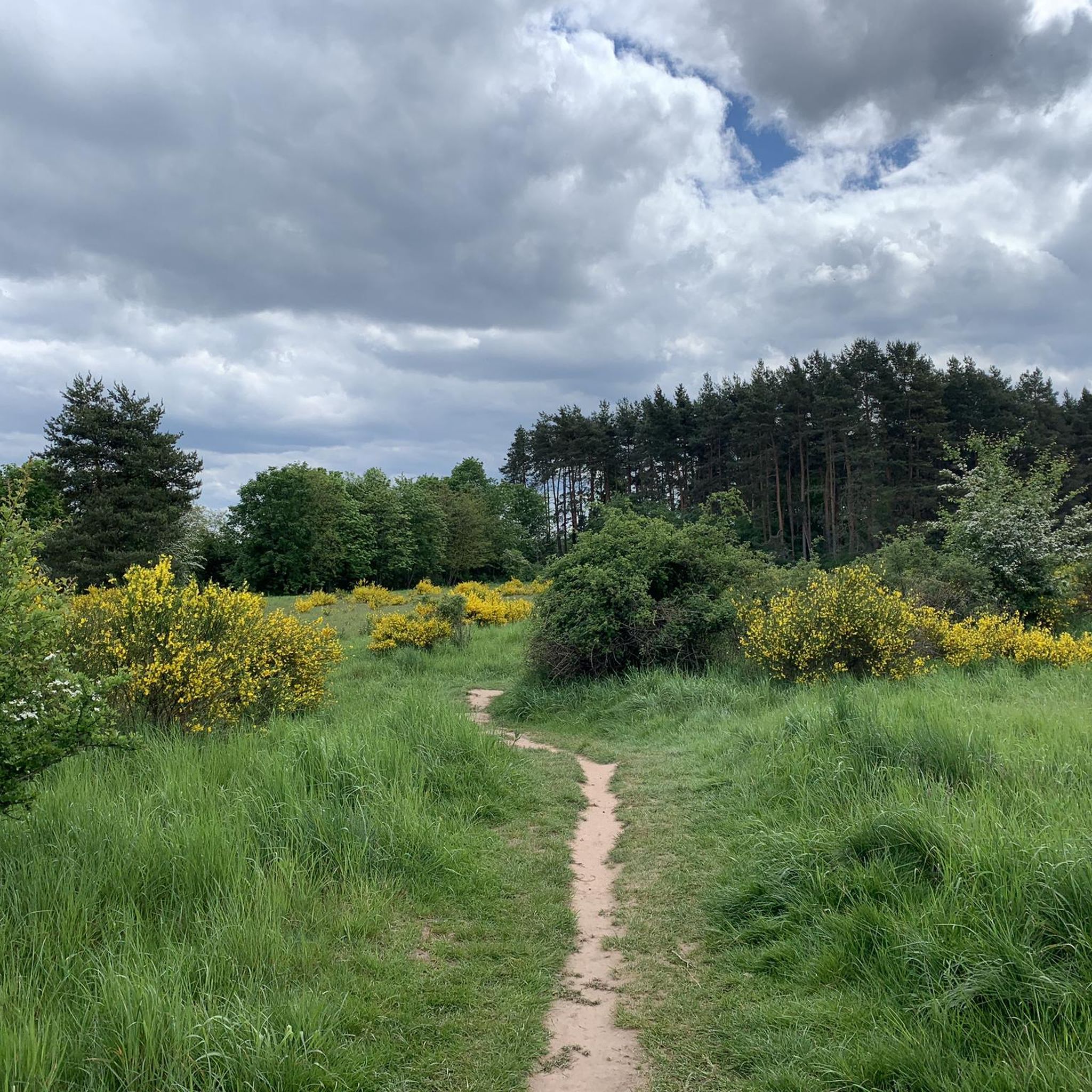
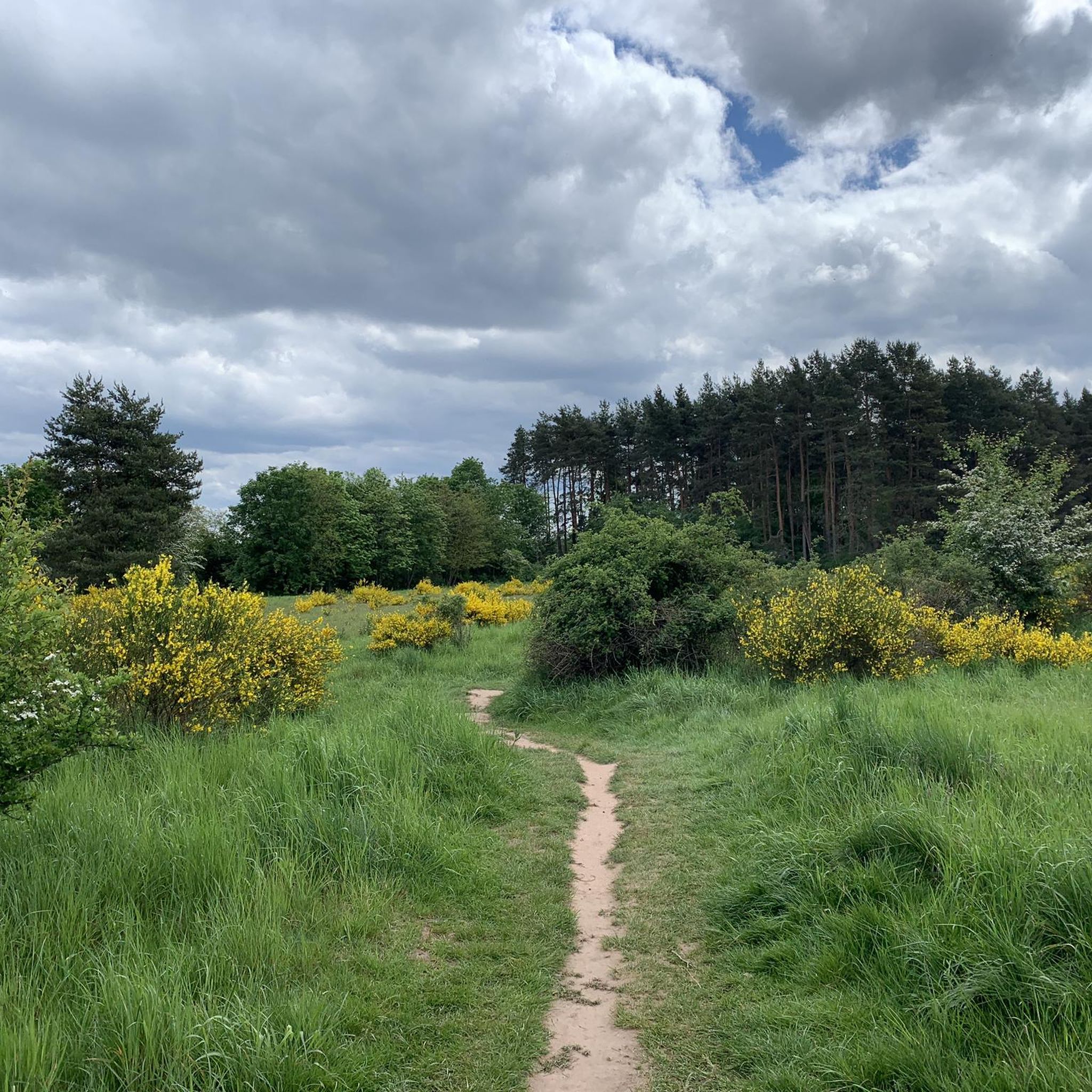
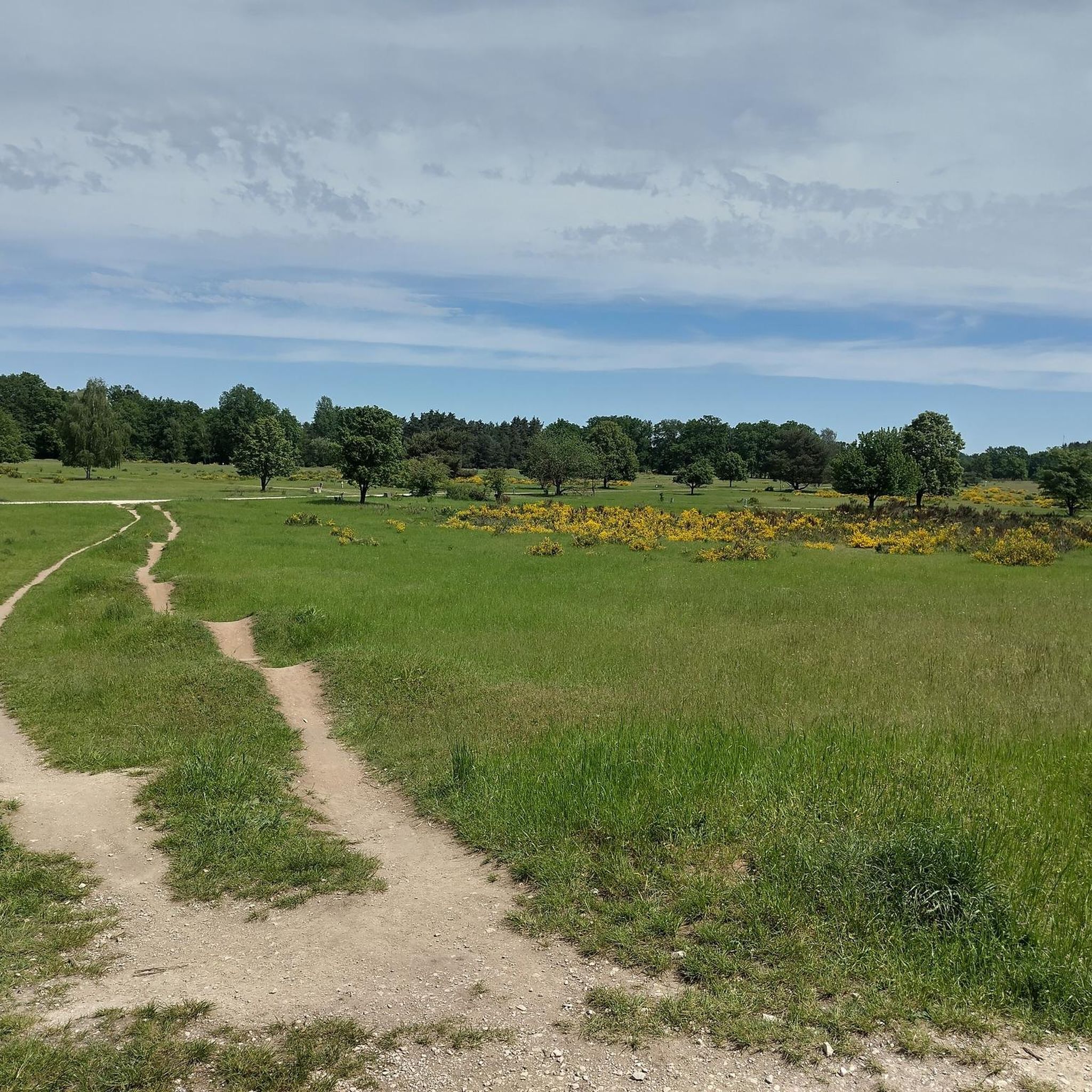
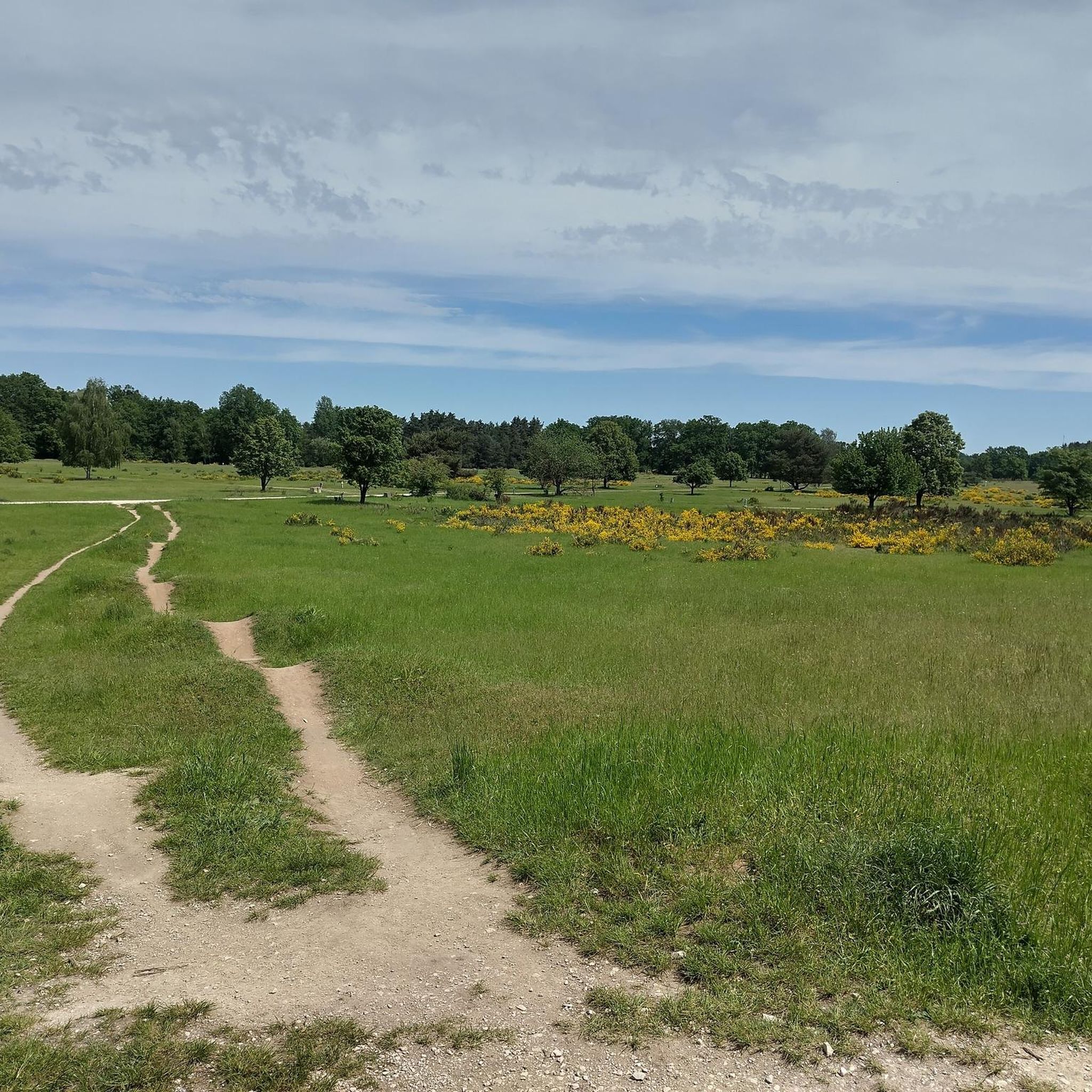
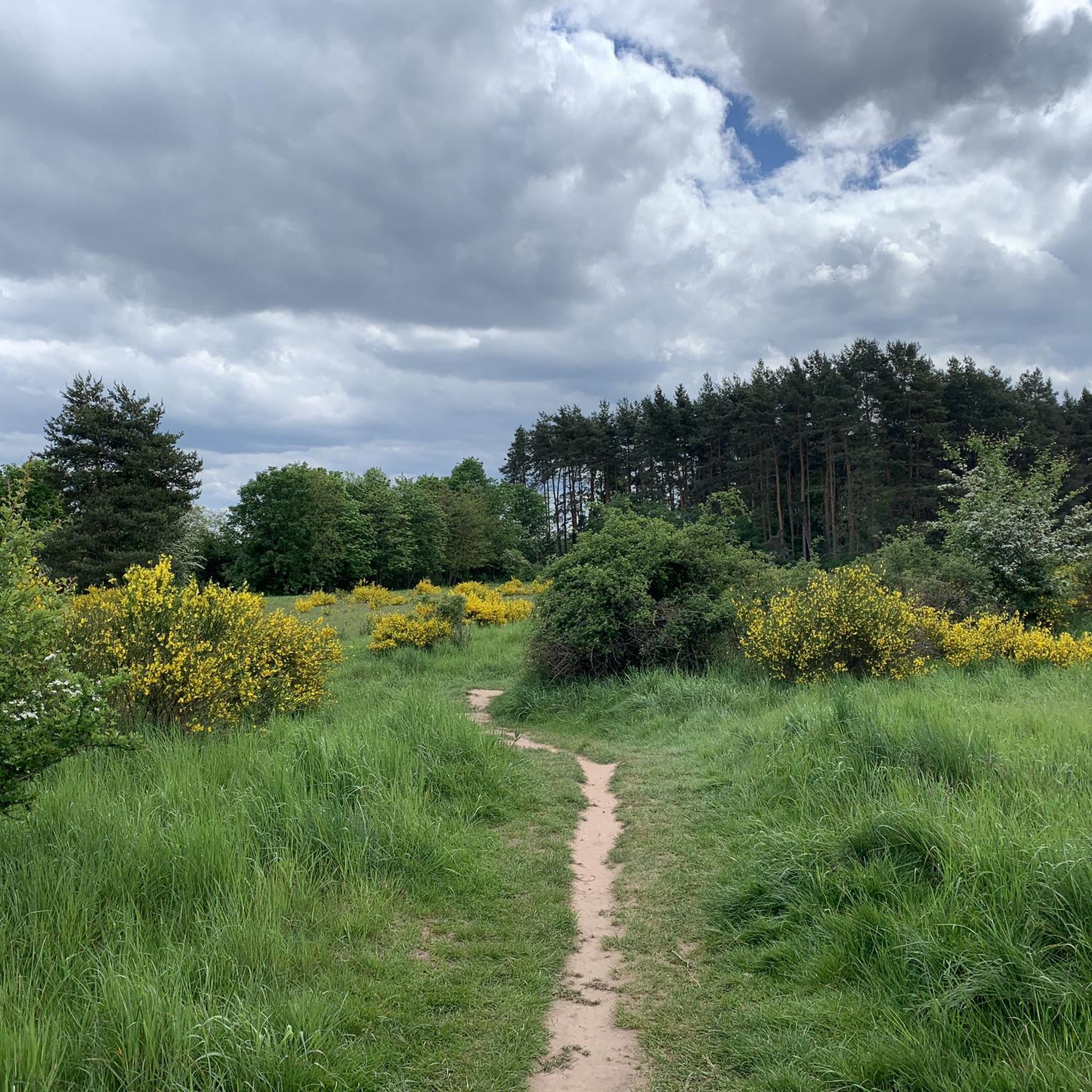
The area includes the largest sandy grassland in Northern Bavaria. Typical of this landscape form are the low water storage capacity, the low nutrient content of the soil and the extreme temperature differences compared to other biotopes in Central Europe. The loose vegetation, often interrupted by sandy areas, consists of grasses and low-growing herbs. What is special about the vegetation of the Hainberg is the light, brownish coloring of the lawns (Wikipedia).
2
0
Unexpectedly beautiful area near Nuremberg.
3
1

Very nice nature reserve. Especially in summer you often meet the shepherd with his sheep and goats. They then live on the Hainberg for almost the entire summer.
2
0

Riding a bike is sometimes really difficult, not for everyone
1
0
Frequently Asked Questions
What unique natural features can I explore in the Hainberg Nature Reserve?
The Hainberg Nature Reserve is home to the largest contiguous sandy dry grassland in northern Bavaria. You can also find the Kreuzbach stream, which forms a distinctive pear-shaped pond within the reserve. This area is recognized for its unique dry grassland ecosystem and the specialized flora and fauna adapted to sandy soils.
Are there any historical sites within the natural monuments of Hainberg?
Yes, the Hainberg area has significant historical connections. Within the Hainberg Nature Reserve, you can find the site of Wallenstein's 1632 Camp. This was once the largest military camp in world history, featuring a 16-kilometer fortress landscape built during the Thirty Years' War.
What kind of wildlife and plants can be found in the Hainberg Nature Reserve?
The Hainberg Nature Reserve is a vital habitat and refuge for many endangered plants and animals. You might encounter rare plants like sand pink, heather pink, and sand thyme. The insect fauna includes sand bees and the blue-winged grasshopper, while amphibians like the natterjack toad and spadefoot toad also reside here. Rare bird species such as the golden oriole and kingfisher have also been observed.
Are there family-friendly natural monuments or activities in Hainberg?
Yes, several natural monuments in Hainberg are considered family-friendly. The Hainberg Nature Reserve itself offers many beautiful paths suitable for walks. Additionally, the Riverside Spot on the Rednitz Near Hainberg provides a tranquil setting with a small sandy beach, perfect for families to enjoy the river environment.
What outdoor activities can I do near the natural monuments in Hainberg?
The Hainberg area offers various outdoor activities. You can find numerous running trails, road cycling routes, and hiking paths. For detailed routes and guides, you can explore Running Trails in Hainberg, Road Cycling Routes in Hainberg, and Hiking in Hainberg.
Are there good spots for river views or access in Hainberg?
Absolutely. The Riverside Spot on the Rednitz Near Hainberg is a popular river viewpoint that offers direct access to the Hainberg nature reserve via a small bridge over the Rednitz. It's a tranquil setting where you can enjoy the river and even find a small sandy beach.
What is the difficulty level of hiking trails around Hainberg's natural monuments?
Hiking trails around Hainberg's natural monuments range from easy to moderate. For example, the 'Dry grasslands on the Hainberg – Hainberg Nature Reserve loop from Altenberg' is an easy 6.2 km route, while the 'Hainberg Nature Reserve – Hainberg Nature Reserve loop from Hainberg' is a moderate 11.7 km trail. You can find more options and details in the Hiking in Hainberg guide.
What do visitors enjoy most about the natural monuments in Hainberg?
Visitors particularly appreciate the diverse landscapes, from the extensive sandy dry grasslands to the tranquil riverine environments. The blend of natural beauty with significant historical sites, like Wallenstein's camp, also adds to the appeal. Many enjoy the peaceful walks and the opportunity to observe rare flora and fauna in a protected setting.
Is there a place for water sports or canoeing near Hainberg's natural monuments?
Yes, the Rednitz Whitewater Course is a notable spot for canoeing. It's a popular location for enthusiastic canoeists and has even been a training ground for world and Olympic champions. Spectators can watch the athletes from nearby bridges.
How large is the Hainberg Nature Reserve?
The Hainberg Nature Reserve, located near Oberasbach and Stein, covers approximately 213 hectares. A significant portion, 195 hectares, is managed by DBU Naturerbe as a natural heritage area, reflecting its ecological importance.
Are there any viewpoints in the Hainberg natural monuments area?
Yes, the Hainberg Nature Reserve itself offers various viewpoints, allowing visitors to appreciate the expansive sandy dry grasslands and the surrounding natural beauty. The Riverside Spot on the Rednitz Near Hainberg also serves as a tranquil river viewpoint.
What is the significance of the Hainberg Nature Reserve in terms of conservation?
The Hainberg Nature Reserve is a crucial area for conservation, being part of the Sandachse Franken nature conservation project. It protects the largest contiguous sandy dry grassland in northern Bavaria and serves as a habitat for many endangered plant and animal species, including rare insects, amphibians, and birds.
Most popular routes in Hainberg
Most popular attractions in Hainberg

Get inspired with the komoot mobile app


Explore more
Extend your search for the best caves by checking out these guides of the top ones in Hainberg:
