Weschnitz-Insel Von Lorsch
Weschnitz-Insel Von Lorsch
Top 6 Natural Monuments in Weschnitz-Insel Von Lorsch
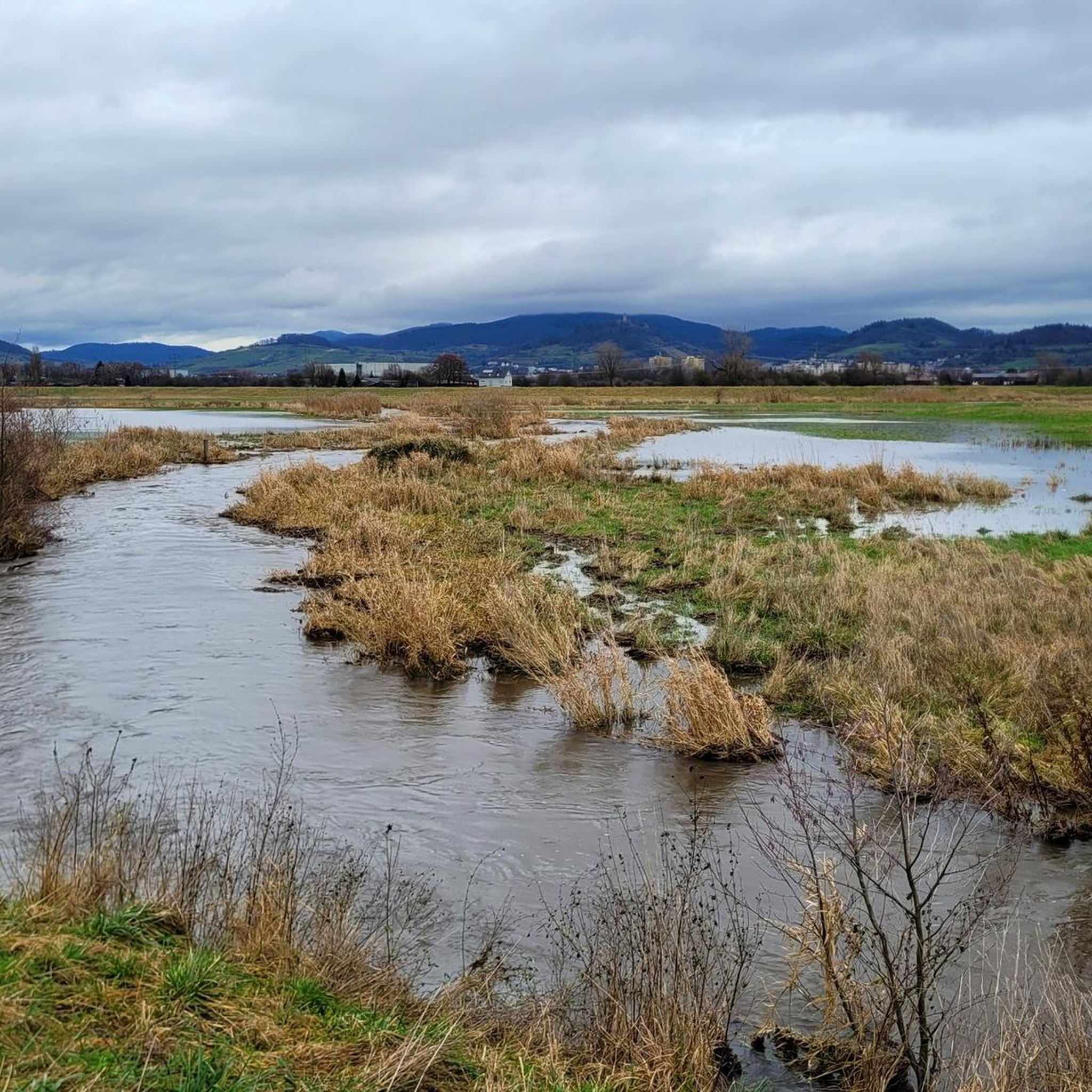
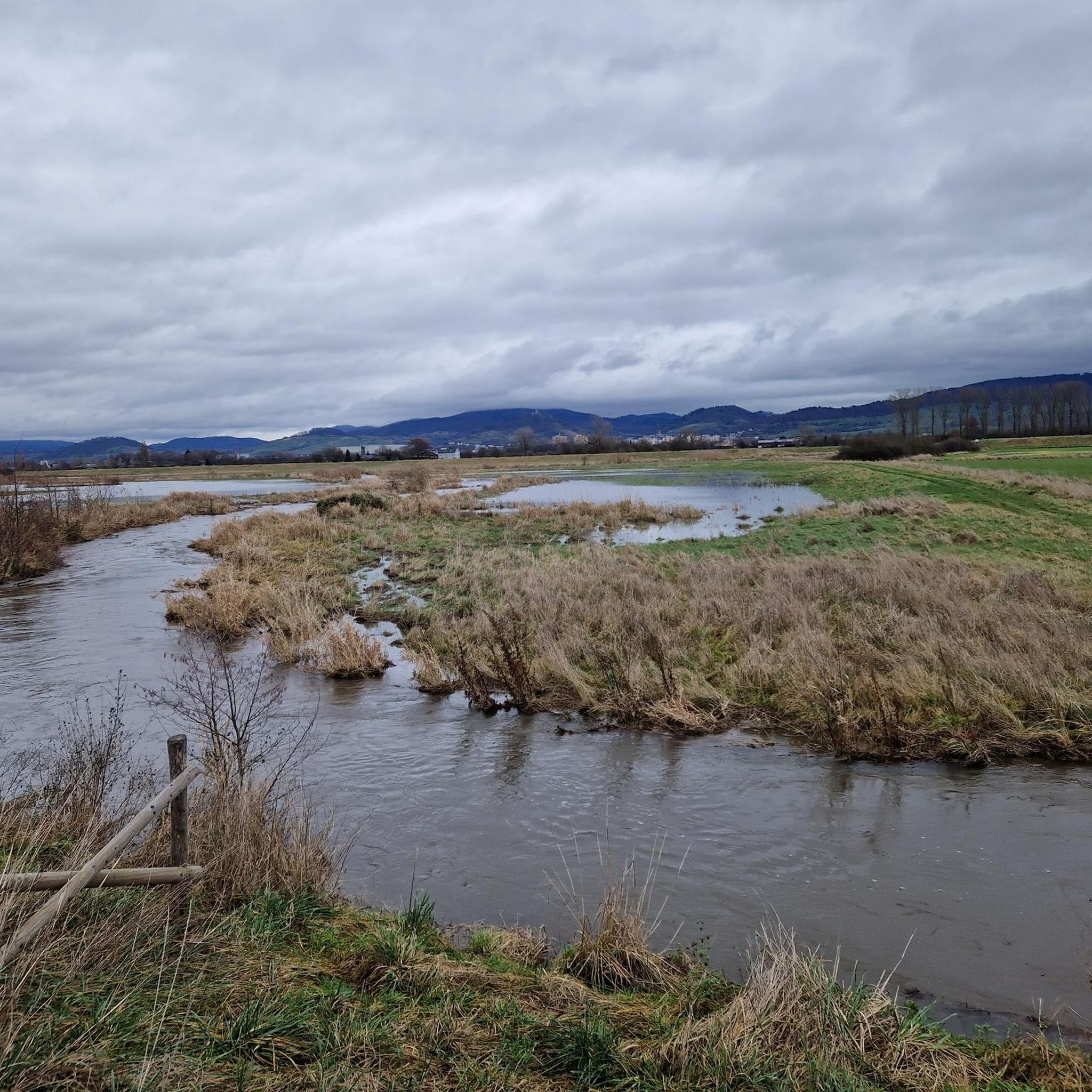
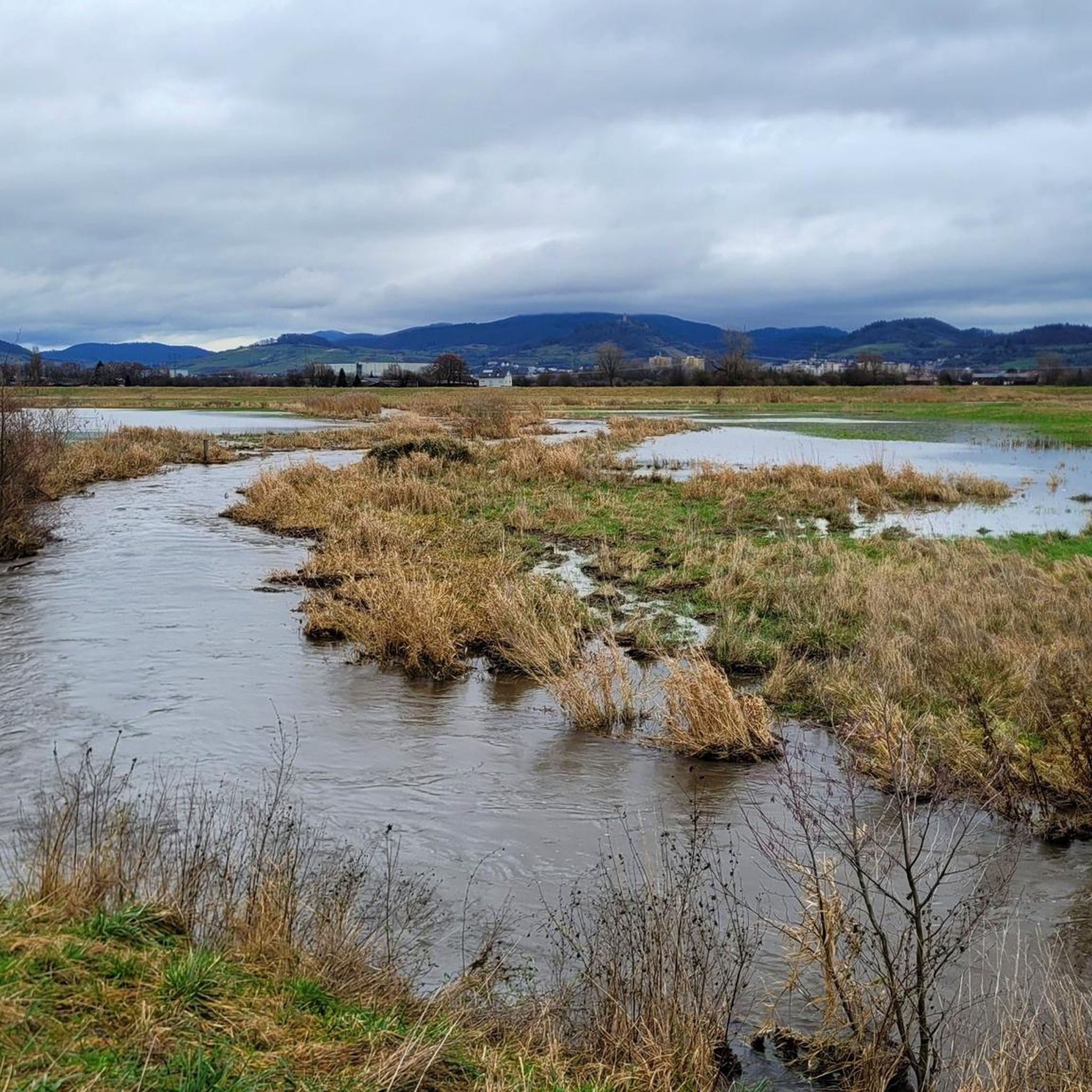
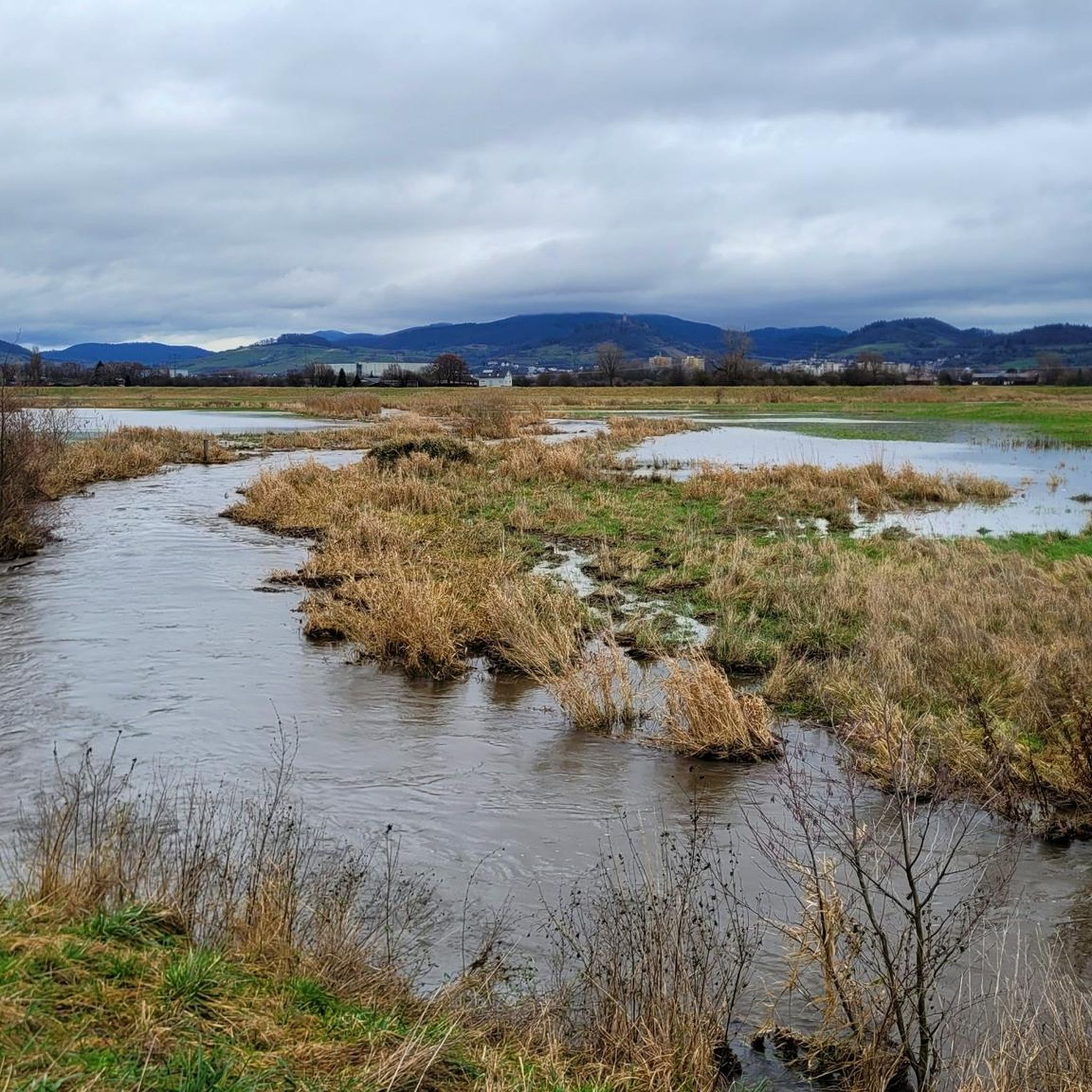
Best natural monuments in Weschnitz-Insel Von Lorsch are found within a designated nature reserve and Flora-Fauna-Habitat (FFH) area. This region represents the last large, continuous stretch of grassland between the Rhine-Main and Rhine-Neckar areas. It serves as a crucial stepping-stone biotope for migratory birds and a breeding ground for rare meadow birds. The renatured Weschnitz river and its floodplains enhance the wetland habitats, supporting diverse flora and fauna.
Best natural monuments in Weschnitz-Insel Von Lorsch
- The most popular natural monuments…
Last updated: May 8, 2026
Weschnitzinsel Nature Reserve and Weir
Highlight • River
Translated by Google •
Tip by

Herren Bridge
Highlight • Bridge
Translated by Google •
Tip by

Sign up now to discover places like this
Get recommendations on the best single tracks, peaks, & plenty of other exciting outdoor places.
Sign up for free
Hans-Ludwig Tower
Highlight • Viewpoint
Translated by Google •
Tip by

World Heritage Cycle Route: Lorsch - Hüttenfeld
Highlight (Segment) • Cycleway
Translated by Google •
Tip by

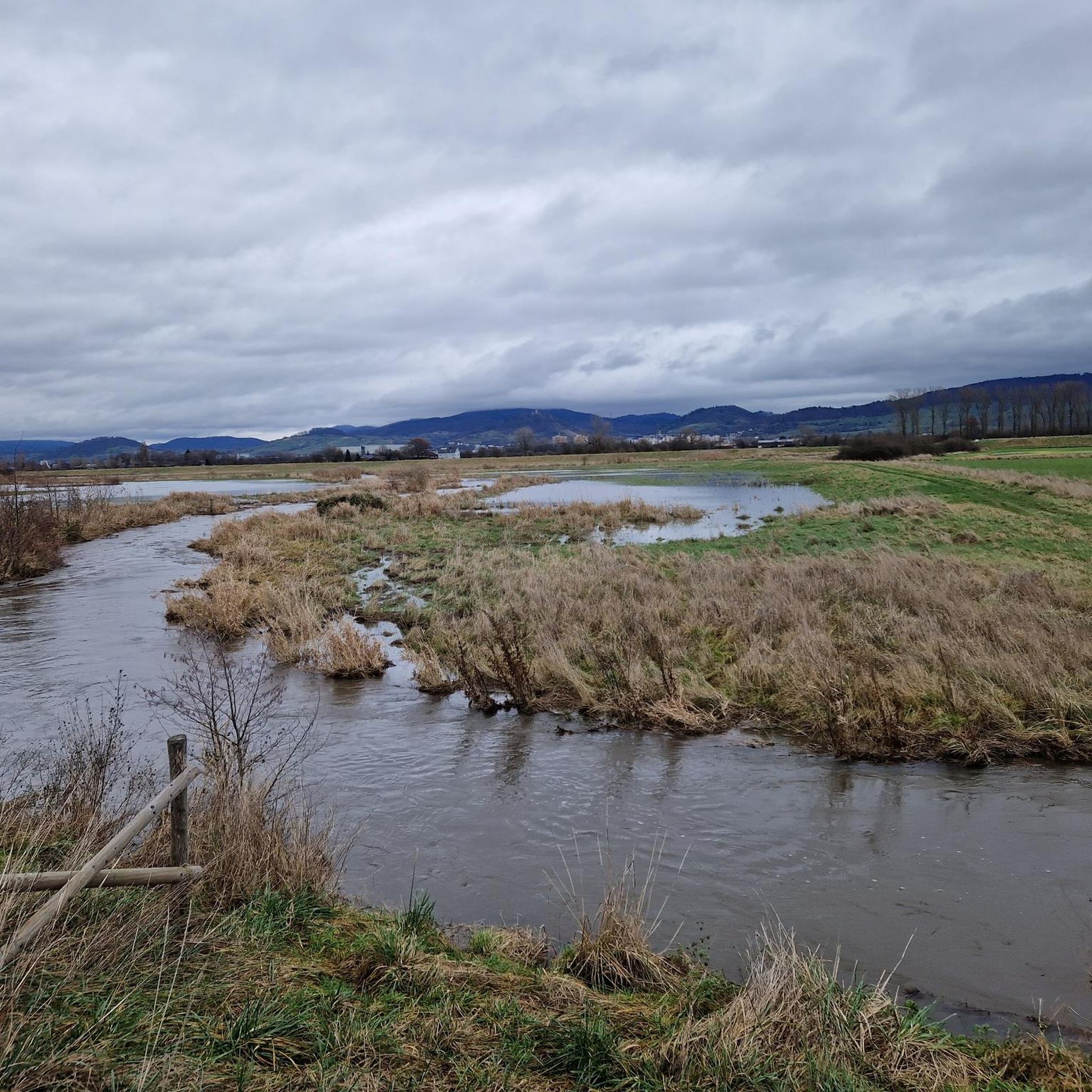
Renatured Weschnitz in the Weschnitzinsel Nature Reserve
Highlight • River
Information at: weschnitzinsel.de
Translated by Google •
Tip by

Sign up for free to discover even more natural monuments in Weschnitz-Insel Von Lorsch.
Sign up for free
Already have an account?
Start today with a free account
Your next adventure awaits.
Login or Signup
Popular around Weschnitz-Insel Von Lorsch
Tips from the Community

Great cycling paths and a great opportunity to enjoy the beautiful nature in the area!
0
0

View over the nature reserve and there is always something to see!!
0
0

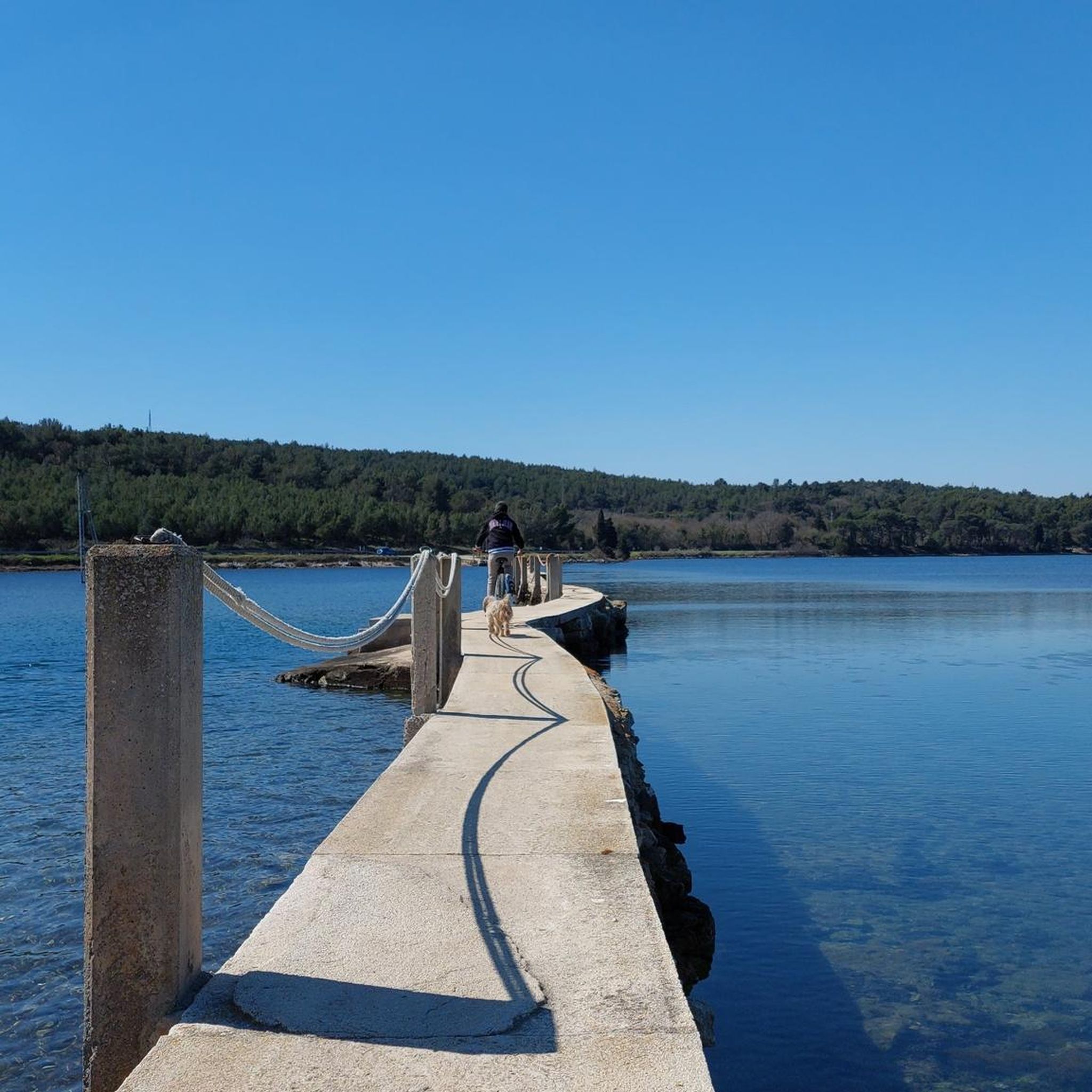
An ordinary stretch of well-maintained country lane, nothing special
0
0

From here you have a really great view
0
0

The 10 meter high tower stands on the Weschnitzinsel, an important nature and bird sanctuary near Lorsch. From the top there are beautiful views across the Ried to the Bergstrasse. Interesting bird and animal sightings are possible. The reunification of the Weschnitz arms “Alte- und Neue Weschnitz” and the renaturation of the large meadow areas in the nature and bird sanctuary “Weschnitzinsel von Lorsch” are important nature conservation measures in the Lorsch area. The artificial river arms of the Old and New Weschnitz are to be merged and meander freely through their floodplain again in their old bed. This is intended to improve the watercourse situation, the water meadows, the living conditions for the many breeding and resting birds and all other inhabitants of the open floodplain landscapes. Many birds rest on the Weschnitzinsel on their way home and away. After the long flights, they can rest and eat there. Depending on the weather, cranes, lapwings, golden plovers, snipes, herons and birds of prey can be observed. Numerous Nordic duck species can be found on the water surfaces. The Hans-Ludwig-Turm offers a good view of the resting birds. Bring binoculars! The tower was named after Hans Ludwig, ornithologist, distinguished conservationist and honorary ring bearer of the city of Lorsch. Source: https://www.bergstrasse-odenwald.de/detail/id=62f36a9b3ec642215fa11a9c
3
0

All about nature conservation
10
0
Very interesting story about the bridge
6
0

Very nice vantage point from the tower. In the past, you could walk and drive on the Weschnitz area, but this has now given way to nature conservation. Humans obviously do not belong in nature???
0
0
Frequently Asked Questions
What are the main natural features to explore in Weschnitz-Insel Von Lorsch?
The Weschnitz-Insel Von Lorsch is primarily known for its diverse wetland and grassland habitats, centered around the renatured Weschnitz river. You can explore areas like the Weschnitzinsel Nature Reserve and Weir, where the river's course was naturally restored, and observe the unique ecosystem it supports. The region is a crucial stepping-stone biotope for migratory birds and a breeding ground for rare meadow birds.
Are there good spots for birdwatching in Weschnitz-Insel Von Lorsch?
Yes, Weschnitz-Insel Von Lorsch is an excellent location for birdwatching, recognized as a European bird sanctuary. The Hans-Ludwig Tower is a dedicated observation tower offering wide views over the bird sanctuary, making it ideal for spotting species like cranes, lapwings, and snipes, especially during migration seasons. Bringing binoculars is highly recommended for the best experience.
What kind of wildlife can I expect to see in the Weschnitz-Insel Von Lorsch natural monuments?
Beyond a rich variety of birds, including migratory and rare meadow species, the renatured Weschnitz river and its floodplains create a diverse ecosystem. This environment supports various other animals and insects typical of wetland and grassland habitats. Keep an eye out for different duck species on the water and other small wildlife in the meadows.
Are the natural monuments in Weschnitz-Insel Von Lorsch suitable for families?
Absolutely. Many areas within the Weschnitz-Insel Von Lorsch are family-friendly. Highlights such as the Weschnitzinsel Nature Reserve and Weir, the Herren Bridge, and the Hans-Ludwig Tower are accessible and offer engaging experiences for all ages, from observing nature to enjoying the views. The marked walking paths are generally easy to navigate.
What is the best time of year to visit the natural monuments in Weschnitz-Insel Von Lorsch?
The best time to visit largely depends on your interests. For birdwatching, spring and autumn are ideal due to migratory bird activity. The renatured Weschnitz river and surrounding grasslands offer beautiful scenery throughout spring, summer, and early autumn. During these seasons, the weather is generally pleasant for walking and cycling.
Are there any cycling routes near the natural monuments?
Yes, the area around Weschnitz-Insel Von Lorsch offers several cycling opportunities. For example, the World Heritage Cycle Route: Lorsch - Hüttenfeld passes through the region, offering a pleasant ride. You can find more cycling routes, including road cycling and mountain biking trails, in the dedicated guides for Road Cycling Routes in Weschnitz-Insel Von Lorsch and MTB Trails in Weschnitz-Insel Von Lorsch.
Can I find easy hiking trails around the natural monuments?
Yes, there are several easy hiking trails available. The marked walking paths within the nature reserve are generally flat and suitable for leisurely strolls. For more options, you can explore the Easy hikes in Weschnitz-Insel Von Lorsch guide, which features routes like the Froschkanzelsee loop or paths connecting to the Hans-Ludwig Tower.
What is the significance of the renatured Weschnitz river?
The renaturation of the Weschnitz river, particularly the section known as Renatured Weschnitz in the Weschnitzinsel Nature Reserve, is a significant conservation measure. It involved reconnecting the river to its floodplains, allowing it to flow freely and meander naturally. This restoration has greatly improved the watercourse situation, enhanced wetland habitats, and created better living conditions for the diverse flora and fauna, especially for breeding and resting birds.
Are there any historical sites or structures within the natural monument area?
While primarily a natural reserve, the area does feature some structures with historical context. The Herren Bridge, for instance, has an interesting story and is part of the local heritage. The Weschnitzinsel Nature Reserve and Weir also includes a weir system, which is a man-made structure integrated into the natural landscape.
What do visitors enjoy most about Weschnitz-Insel Von Lorsch?
Visitors frequently appreciate the tranquility and natural beauty of the area. Many enjoy the opportunities for bird and animal watching, especially from observation points like the Hans-Ludwig Tower. The well-maintained paths for walking and cycling, along with the scenic views of the renatured river and expansive grasslands, also receive positive feedback.
Is there parking available near the natural monuments?
While specific parking locations are not detailed in the guide, natural reserves and popular outdoor areas typically have designated parking facilities nearby. It is advisable to check local signage or online maps for parking options when planning your visit to the Weschnitz-Insel Von Lorsch.
Are the paths in Weschnitz-Insel Von Lorsch suitable for dogs?
The marked walking paths throughout the Weschnitz-Insel Von Lorsch are generally suitable for dogs. However, as it is a nature reserve and bird sanctuary, it is crucial to keep dogs on a leash at all times to protect the wildlife and ensure a pleasant experience for all visitors. Please respect local regulations regarding pets.
Most popular routes in Weschnitz-Insel Von Lorsch
Most popular attractions in Weschnitz-Insel Von Lorsch

Get inspired with the komoot mobile app


Explore more
Extend your search for the best caves by checking out these guides of the top ones in Weschnitz-Insel Von Lorsch:
