Sandheiden Und Dünen Bei Sandweier Und Iffezheim
Sandheiden Und Dünen Bei Sandweier Und Iffezheim
Top 6 Natural Monuments in Sandheiden Und Dünen Bei Sandweier Und Iffezheim
Best natural monuments in Sandheiden Und Dünen Bei Sandweier Und Iffezheim feature a unique landscape of inland dunes and sand heaths. This area is recognized for its distinctive geological formations, which include some of Baden-Württemberg's highest inland dunes, formed at the end of the last Ice Age. The nutrient-poor, sandy soils support a specialized ecosystem, home to rare plant and insect species. Conservation efforts, including natural landscape management with grazing animals, help preserve these valuable habitats.
Best natural monuments in…
Last updated: October 8, 2026
Sandheiden und Dünen bei Sandweier und Iffezheim Nature Reserve
Highlight • Natural Monument
Showing Translation
Tip by

Bird observation point on the Sandglöckchenweg
Highlight • Viewpoint
Translated by Google •
Tip by

Sign up now to discover places like this
Get recommendations on the best single tracks, peaks, & plenty of other exciting outdoor places.
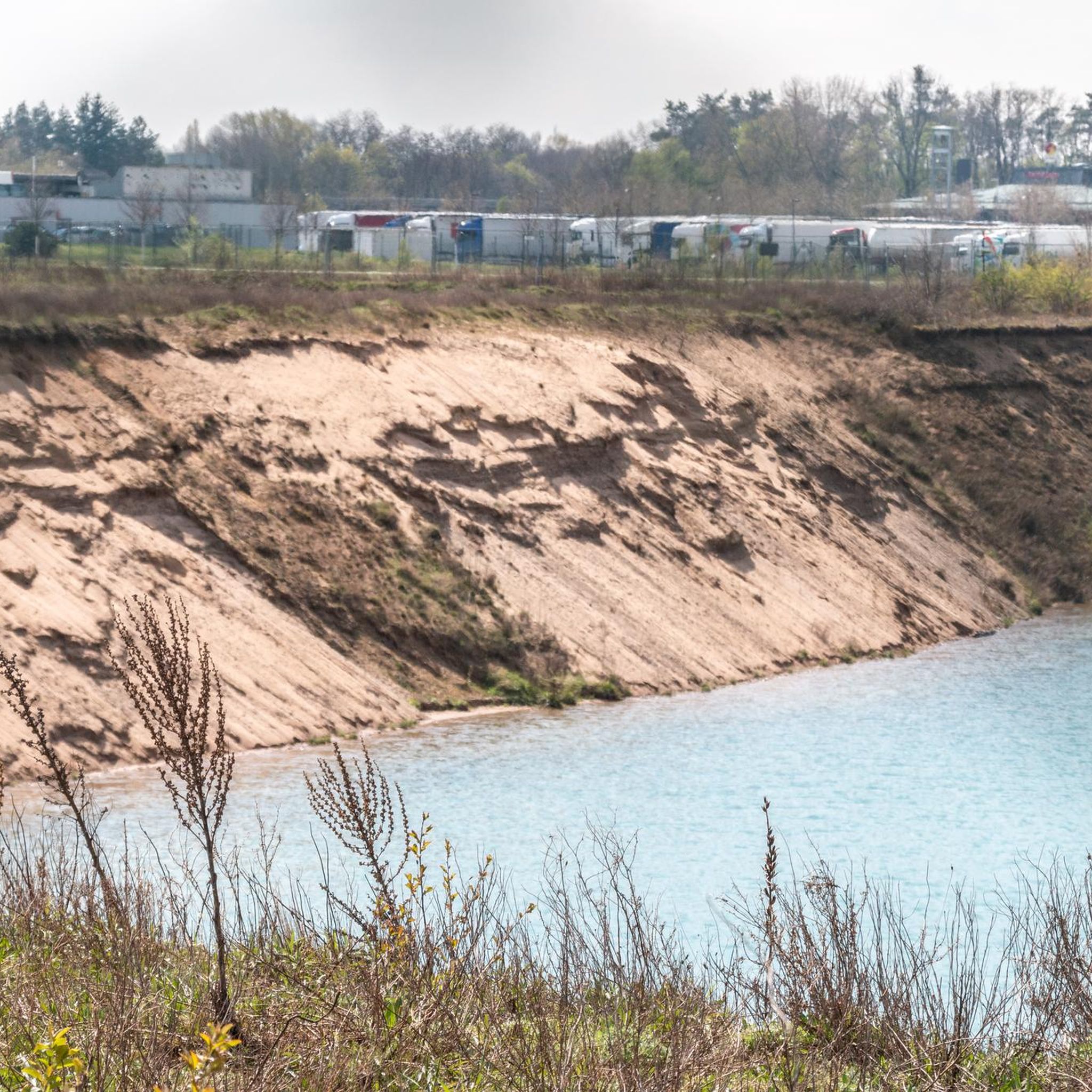
Stürmling Former Gravel Pit Lake
Highlight • Lake
Showing Translation
Tip by
Sand Heaths near Sandweier
Highlight • Natural Monument
Translated by Google •
Tip by

Sandheide Nature Reserve and Dunes near Sandweier and Hügelsheim
Highlight • Natural Monument
Translated by Google •
Tip by

Sign up for free to discover even more natural monuments in Sandheiden Und Dünen Bei Sandweier Und Iffezheim.
Already have an account?
Start today with a free account
Your next adventure awaits.
Popular around Sandheiden Und Dünen Bei Sandweier Und Iffezheim
Road Cycling Routes in Sandheiden Und Dünen Bei Sandweier Und Iffezheim
Running Trails in Sandheiden Und Dünen Bei Sandweier Und Iffezheim
Hiking in Sandheiden Und Dünen Bei Sandweier Und Iffezheim
MTB Trails in Sandheiden Und Dünen Bei Sandweier Und Iffezheim
Cycling in Sandheiden Und Dünen Bei Sandweier Und Iffezheim
Gravel biking in Sandheiden Und Dünen Bei Sandweier Und Iffezheim
Tips from the Community

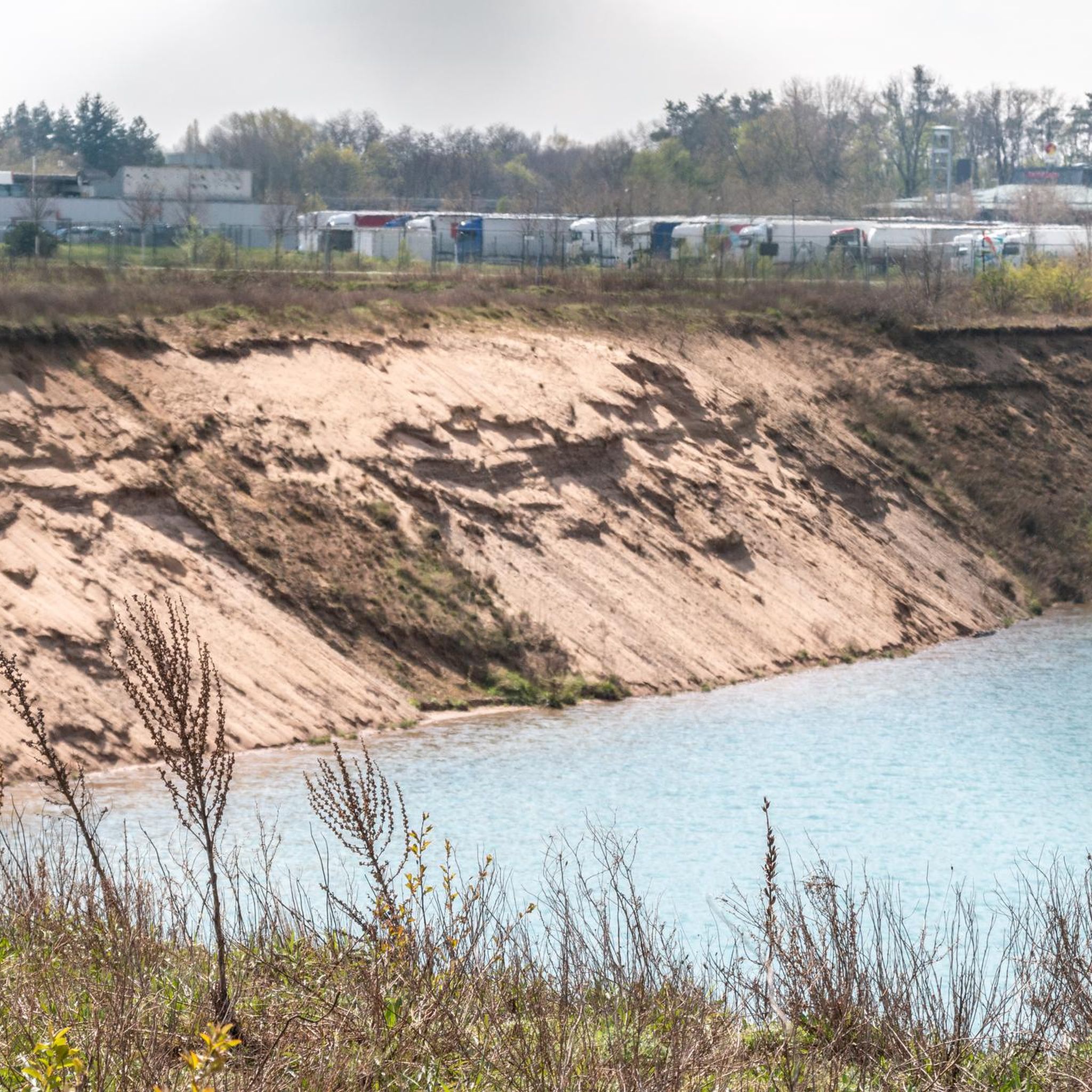
Large area with sand heaths and dunes and many rare animal and plant species, protected since 2011. Goats and sheep are used to preserve the natural area. Previously, this was a French military area.
7
0
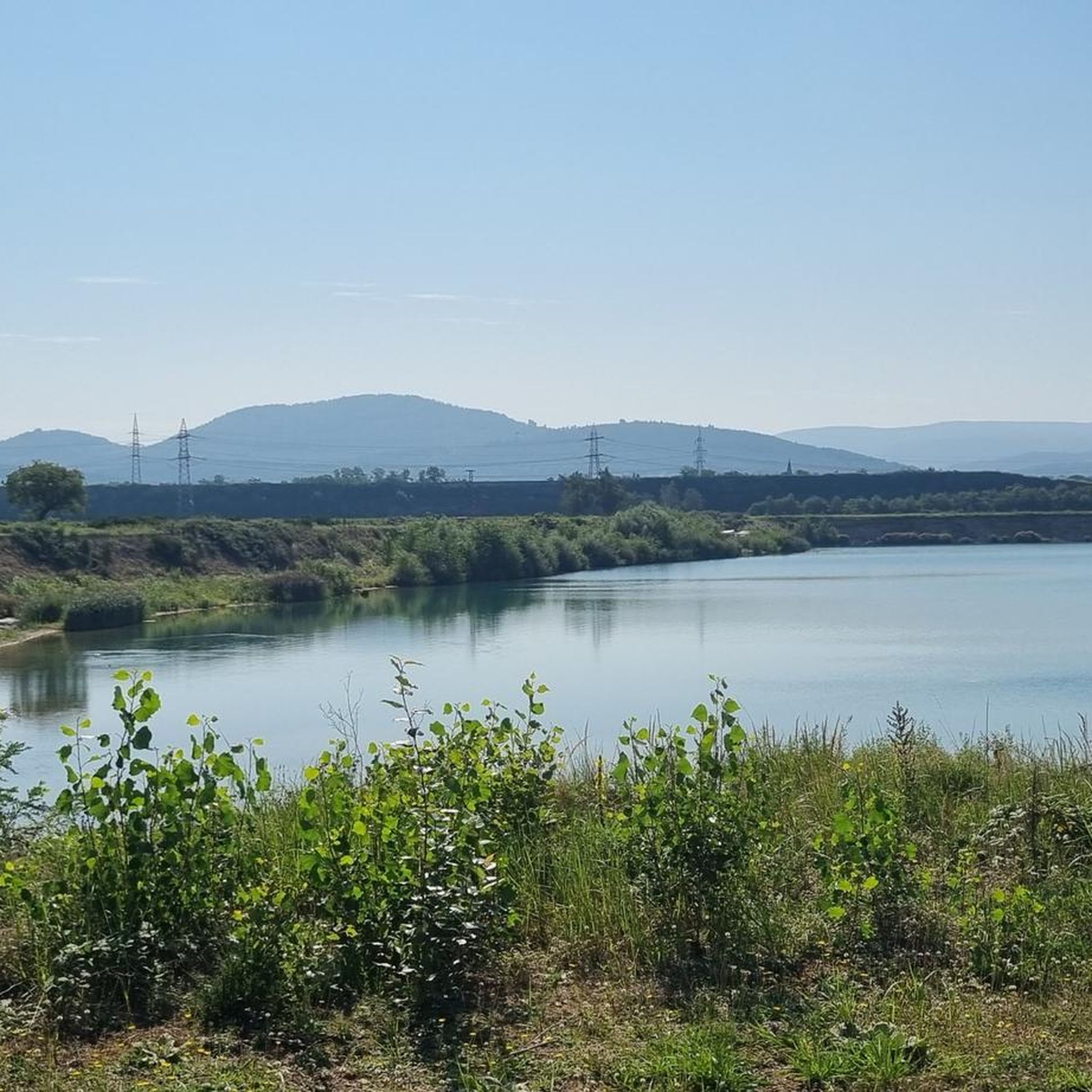
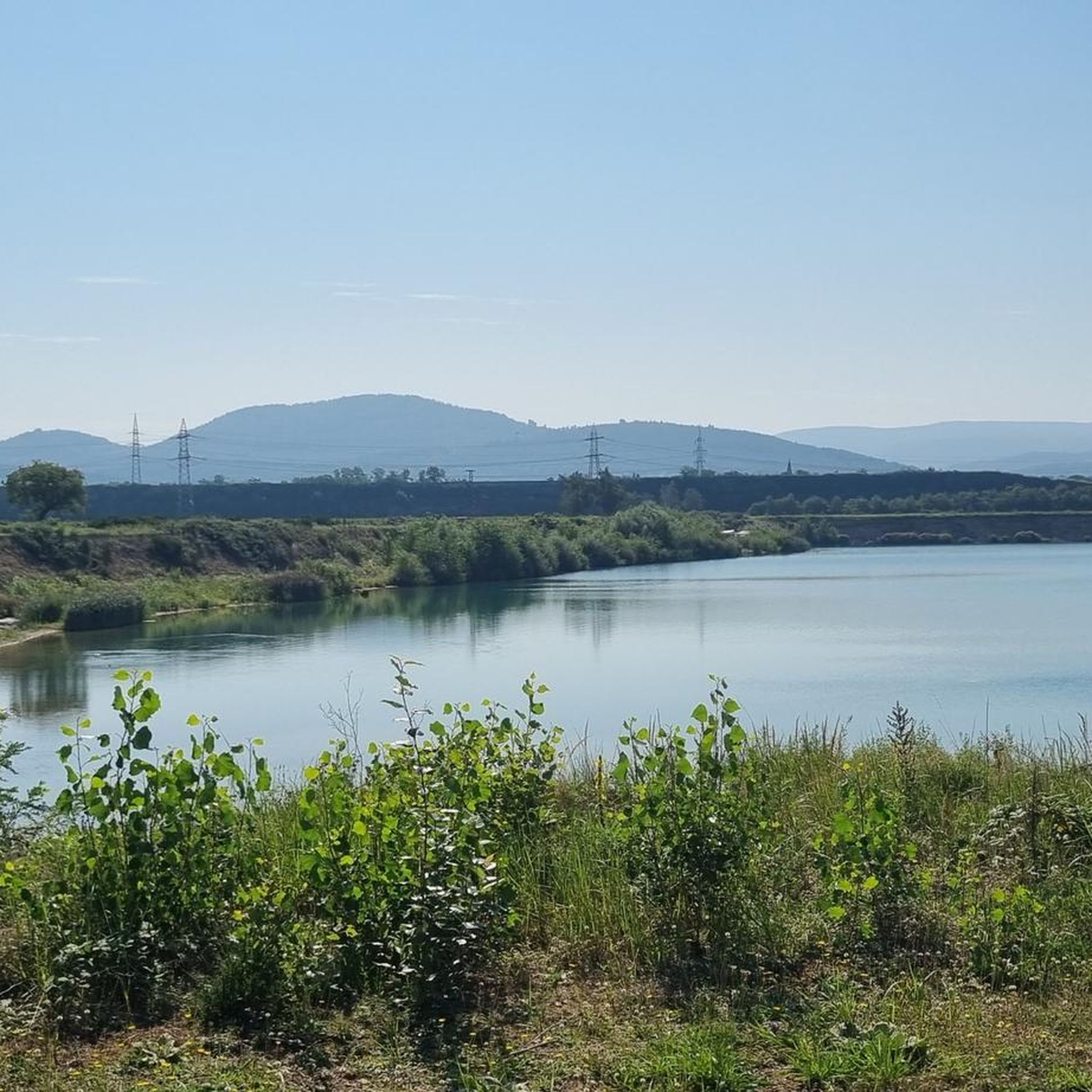
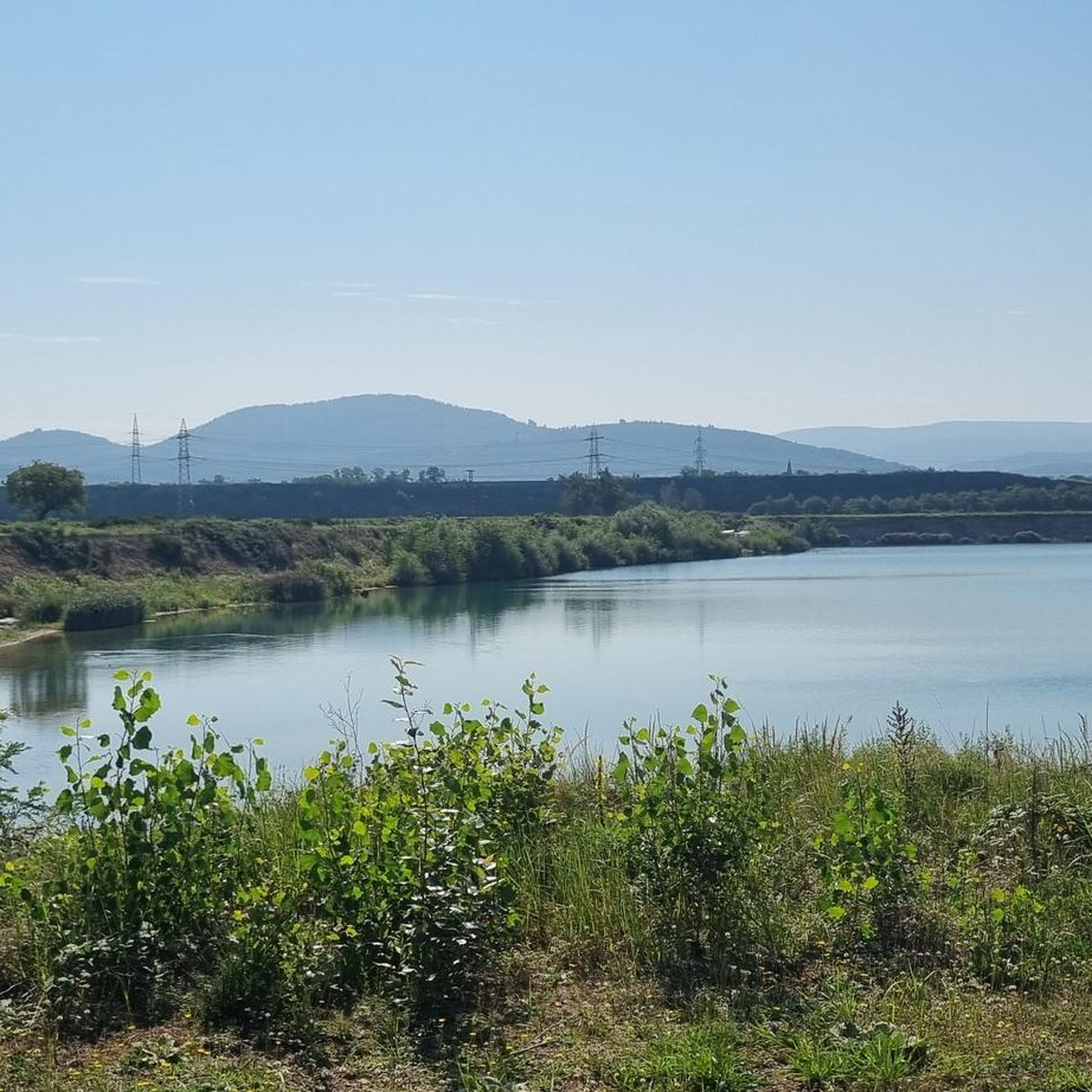
Beautiful small forest lake in the nature reserve. Gravel was formerly extracted here.
6
0

Fascinating inland dunes with interesting fauna and flora
0
0

Beautiful nature, hike through forest and sand dunes. Higher dune with beautiful views
0
0

The sandy heaths and dunes near Sandweier have been protected since 2011. The nature reserve is 240.7 hectares in size. At 21 m high, one of the highest dunes in Baden can be seen in the nature reserve.
0
0

There are beautiful shady forest paths, a shooting wall and the Münchfeldsee to see here. Unfortunately, the lake is fenced off and only accessible to members of the fishing club.
0
0

With a detailed description
0
0

With a small bench on the hill and an explanatory board for bird watching, tip: binoculars are helpful
0
1
Frequently Asked Questions
What makes the natural monuments in Sandheiden Und Dünen Bei Sandweier Und Iffezheim unique?
The region is home to a rare landscape of inland dunes and sand heaths, formed at the end of the last Ice Age. These include some of Baden-Württemberg's highest dunes, reaching over 20 meters. This distinctive geology creates a specialized ecosystem, making it a unique natural monument in the area. The primary example is the Sandheiden und Dünen bei Sandweier und Iffezheim Nature Reserve.
What kind of wildlife and plants can I expect to see in the nature reserve?
The nutrient-poor, sandy soils support a specialized ecosystem with rare and endangered plant and animal species. You can find low-growing plants like sand bells, thyme, and silver grass. The area is particularly known for its diverse insect population, including 119 wasp species and 160 species of wild bees and solitary wasps, such as the sand bee and dune fur bee.
Are there family-friendly activities or trails available?
Yes, the area offers several family-friendly hiking trails, such as the 'Dünen-Rundweg' and the 'Sandglöckchenweg'. These trails often feature nature experience stations with educational information and engaging questions for children about the local landscape, flora, and fauna. The Bird observation point on the Sandglöckchenweg is also a great spot for families to observe local wildlife.
What are the best ways to explore the natural monuments?
Hiking is an excellent way to experience the unique landscape. There are well-marked trails like the 'Dünen-Rundweg' and 'Sandglöckchenweg'. You can also find various routes for outdoor activities. For hiking, explore options in the Hiking in Sandheiden Und Dünen Bei Sandweier Und Iffezheim guide.
What is the best time of year to visit the natural monuments?
The spring and summer months are ideal for observing the diverse flora and insect life, as the specialized plants are in bloom and many rare insects are active. The unique landscape can be appreciated year-round, but warmer months offer the best opportunities for wildlife spotting.
Are there any specific viewpoints for observing the landscape or wildlife?
Yes, the Bird observation point on the Sandglöckchenweg is specifically designed for observing local birdlife and offers a bench and an explanatory board. Visitors have noted that binoculars are helpful here. The area also features impressive dunes, like those near Sand Heaths near Sandweier, which offer scenic views.
What kind of conservation efforts are in place for these natural monuments?
The area is part of the Natura 2000 European protected area network. To preserve the valuable sand grasslands and prevent shrub encroachment, natural landscape management techniques are employed, including the use of grazing goats and sheep. These efforts help maintain the low-growing vegetation crucial for the specialized ecosystem.
Can I find any lakes or water features within the natural monument area?
Yes, the region includes former gravel pit lakes. One notable example is the Stürmling Former Gravel Pit Lake, which is a beautiful forest lake that remained after the dismantling of the Stürmlinger gravel works.
What do visitors enjoy most about the natural monuments in this region?
Visitors frequently appreciate the unique landscape of inland dunes, the opportunity to observe rare plant and insect species, and the well-maintained trails. Many enjoy the peaceful atmosphere and the educational aspects provided by nature experience stations. The presence of grazing goats and sheep is also a popular sight.
Are there opportunities for cycling or mountain biking near the natural monuments?
Yes, the broader region offers routes for cycling. For gravel biking, you can find options in the Gravel biking in Sandheiden Und Dünen Bei Sandweier Und Iffezheim guide. For mountain biking, check out the MTB Trails in Sandheiden Und Dünen Bei Sandweier Und Iffezheim guide.
How can I get to the Sandheiden Und Dünen Bei Sandweier Und Iffezheim Nature Reserve?
The nature reserve is located between the Baden-Baden district of Sandweier, Iffezheim, and Rastatt. While specific public transport details are not provided, it is generally accessible by car, with parking likely available near trailheads. It's advisable to check local transport options for the specific entry points you plan to use.
Most popular routes in Sandheiden Und Dünen Bei Sandweier Und Iffezheim
Most popular attractions in Sandheiden Und Dünen Bei Sandweier Und Iffezheim

Get inspired with the komoot mobile app


