Naturschutzgebiet Seekar Und Bärental
Naturschutzgebiet Seekar Und Bärental
Top 3 Natural Monuments in Naturschutzgebiet Seekar Und Bärental
Best natural monuments in Naturschutzgebiet Seekar Und Bärental are found within the Koralpe mountains of Styria, Austria. This protected area is characterized by its alpine landscape, diverse ecosystems, and prominent mountain peaks, with the highest point reaching 2117 meters above sea level. The reserve encompasses source regions for several streams and a rich variety of vegetation across montane, subalpine, and alpine zones. Visitors can explore varied terrain, from lower forest-covered slopes to high alpine areas, offering opportunities for hiking and…
Last updated: September 25, 2026
Loskogel Summit Cross
Highlight • Summit
Translated by Google •
Tip by

Source of the Pomsbach
Highlight • River
Showing Translation
Tip by

Sign up now to discover places like this
Get recommendations on the best single tracks, peaks, & plenty of other exciting outdoor places.
Summit cross on Moschkogel
Highlight • Summit
Translated by Google •
Tip by

Hühnerstütze
Highlight • Summit
Translated by Google •
Tip by

View of Loskogel, Steinmandl, and Hühnerstütze
Highlight • Viewpoint
From Steinmandl it is just over 2.5 kilometers to the large Speikkogel.
From Hühnerstützen it is also just over 2 kilometers to the large Speikkogel.
Translated by Google •
Tip by

Start today with a free account
Your next adventure awaits.
Popular around Naturschutzgebiet Seekar Und Bärental
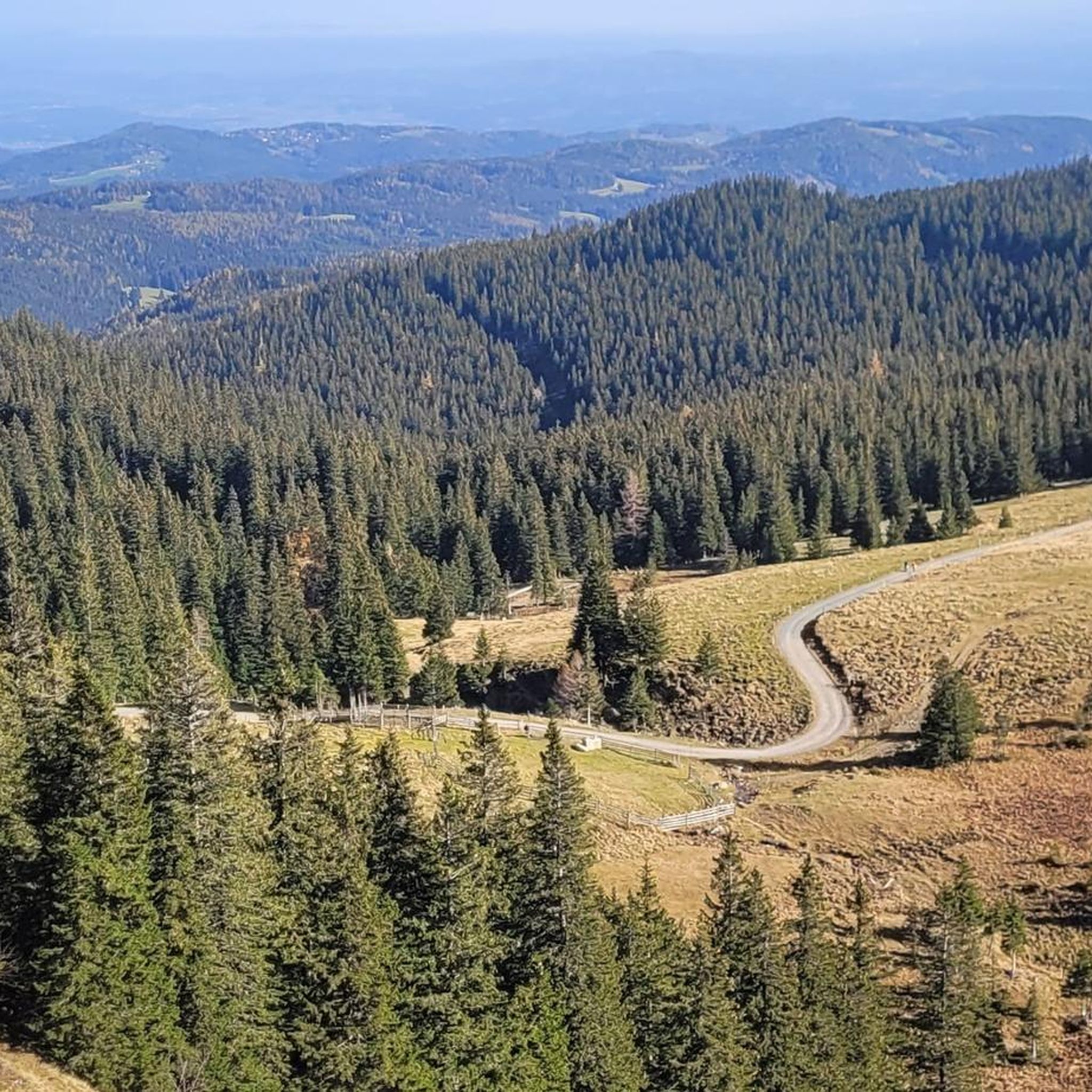
Hiking in Naturschutzgebiet Seekar Und Bärental
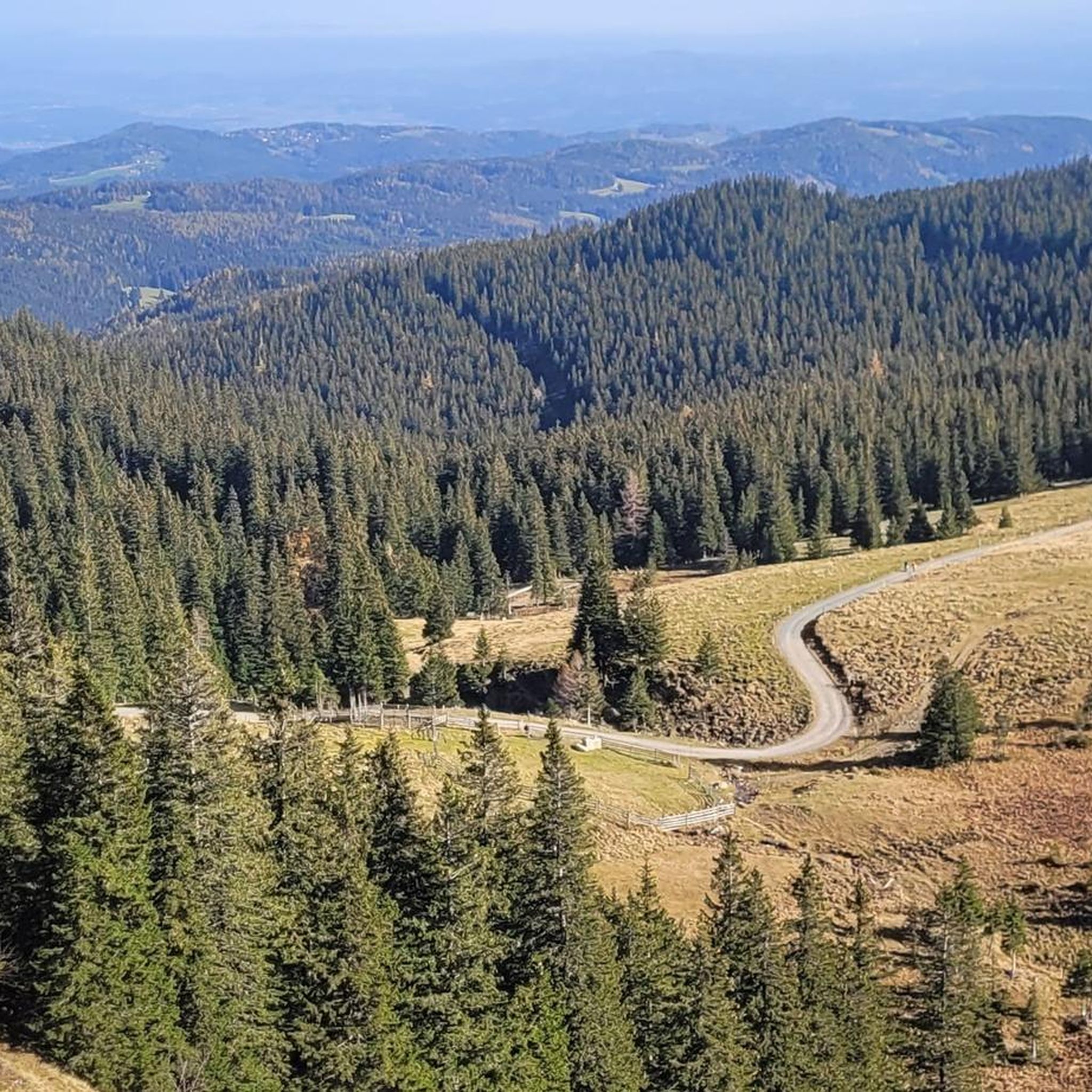
MTB Trails in Naturschutzgebiet Seekar Und Bärental
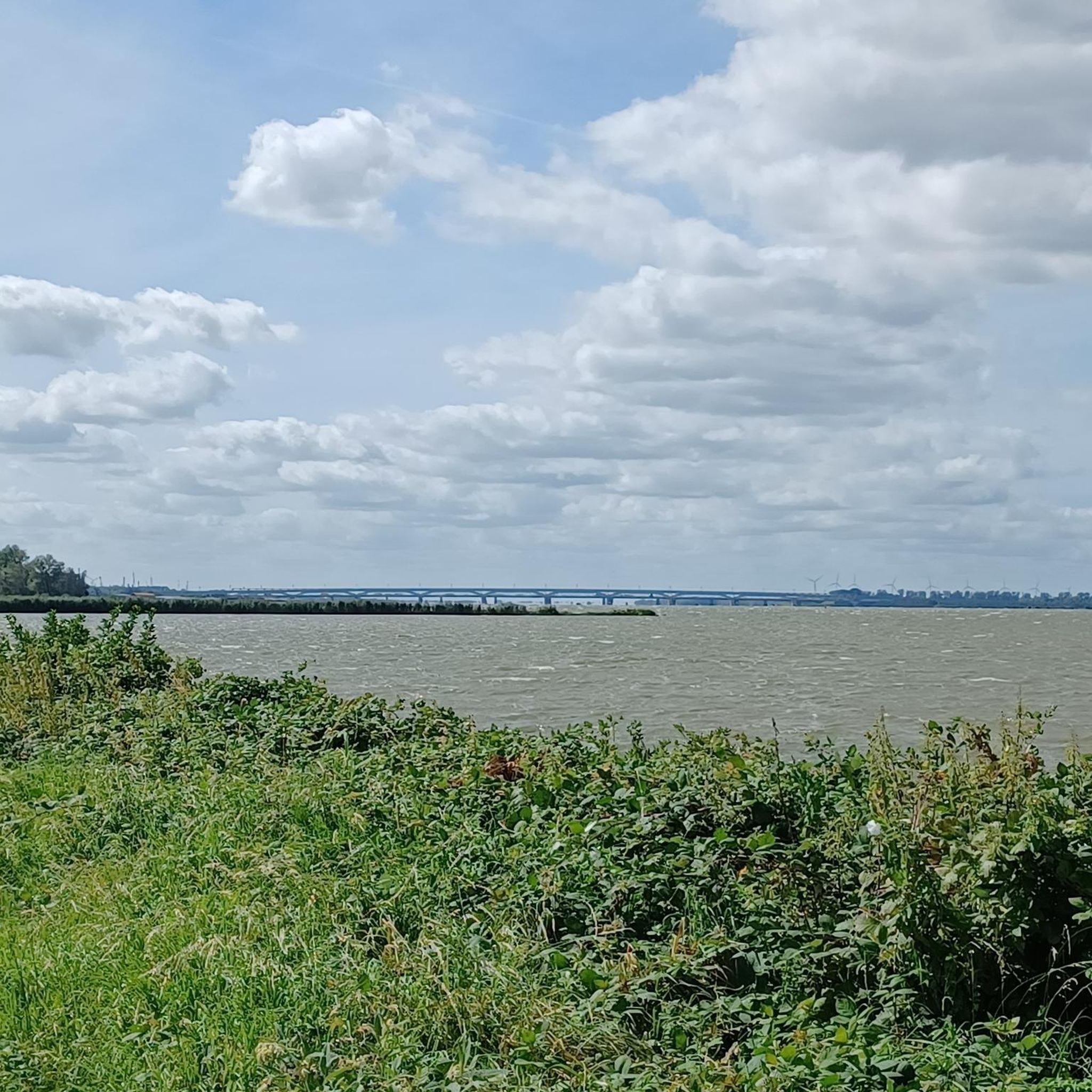
Mountain Hikes in Naturschutzgebiet Seekar Und Bärental
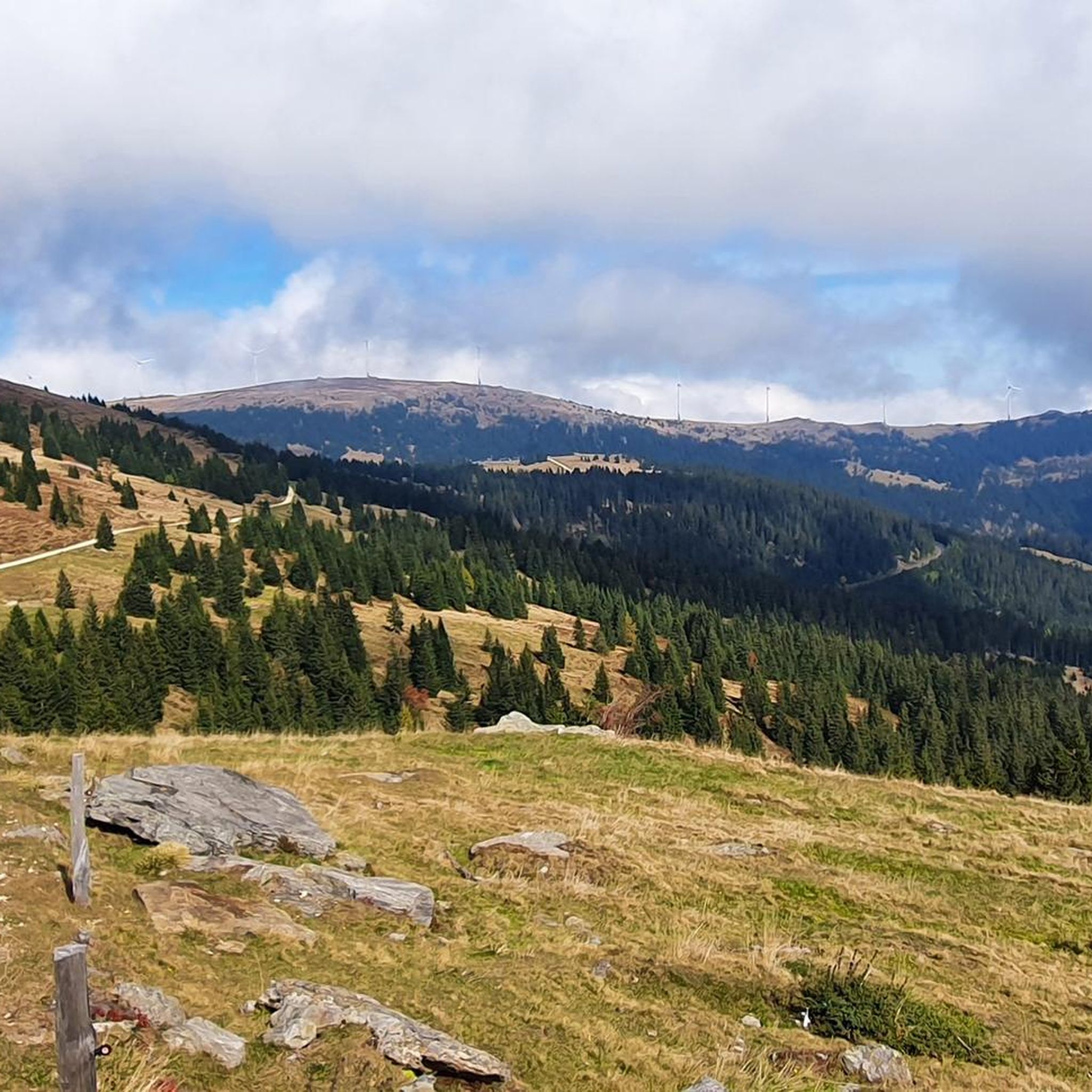
Running Trails in Naturschutzgebiet Seekar Und Bärental
Cycling in Naturschutzgebiet Seekar Und Bärental
Road Cycling Routes in Naturschutzgebiet Seekar Und Bärental
Tips from the Community

"Is it always something special for you?" asks presenter Werner Schmidbauer, as he reaches the summit cross crowning the Rabenkopf mountain with Munich pastor Rainer Maria Schießler in an episode of the Bavarian Television series "Gipfeltreffen." I would like to offer his short but succinct answer for the consideration of all who linger before this small, sacred monument: "For me, the cross has always been a symbol of encouragement, hope, new beginnings, and life. That's how my parents taught it to me..."
0
0


Nice view, an easy to reach summit. It is actually a grassy summit and there is a small collection of rocks at the top near the summit cross.
0
0

From here it is not far to the Loskogel, Steinmandl or Hühnerstützen. From Steinmandl it is just over 2.5 kilometers to the large Speikkogel. From Hühnerstützen it is also just over 2 kilometers to the large Speikkogel.
10
0

a strenuous climb, but you will be rewarded with a beautiful view
1
0

The Pomsbach rises in the Großer Kar, falls 15 m in several cascades and thus forms the natural monument Poms waterfall.
1
0
sweaty ascent from the Grillitschhütte to Speikkogel
1
0

Below the hiking trail, the Pomsbach stream rises here in the Großes Kar. In the middle of the Großes Kar, you will discover a wide wet meadow with small ponds and pools, from where the narrow stream flows into the valley.
1
0
Frequently Asked Questions
What are some prominent natural features or viewpoints in Naturschutzgebiet Seekar Und Bärental?
The region is rich in alpine scenery and offers several notable points. You can visit the Loskogel Summit Cross, which offers a special view and is considered a symbol of hope. Another significant natural feature is the Source of the Pomsbach, where the stream originates in the Großer Kar, forming small ponds and cascades. For panoramic vistas, the Summit cross on Moschkogel provides a great view from an easily accessible grassy peak.
What kind of vegetation and ecosystems can I expect to see in Naturschutzgebiet Seekar Und Bärental?
Naturschutzgebiet Seekar Und Bärental boasts diverse alpine vegetation across montane, subalpine, and alpine zones. You'll find spruce forests, subalpine meadows, dwarf shrub heaths, and specialized flora like the rare Gießbach Gemswurz (Doronicum cataractarum). The area also features valuable habitats such as larch-pine forests, tall herbaceous vegetation, and silicate rocks with crevice vegetation.
Are there challenging natural monuments to visit in the region?
Yes, several natural monuments in the area involve challenging ascents. For example, reaching Hühnerstütze involves a strenuous climb, particularly from the Grillitschhütte to Speikkogel, but rewards visitors with beautiful views. The Loskogel Summit Cross and Summit cross on Moschkogel are also categorized as intermediate to challenging.
Are there family-friendly options for exploring the natural monuments?
While many routes in the high alpine areas can be challenging, some sections and approaches to natural features might be suitable for families. For easier walks, consider exploring the lower parts of the valleys where streams originate, like the area around the Source of the Pomsbach, which features wet meadows and small ponds. Always check specific trail difficulties before heading out with children.
Can I bring my dog when visiting the natural monuments?
Generally, dogs are allowed on trails in Naturschutzgebiet Seekar Und Bärental, but they must be kept on a leash to protect wildlife and other visitors. As a protected area, it's crucial to respect all local regulations regarding pets. Always carry waste bags and ensure your dog does not disturb the natural environment.
What is the best time of year to visit the natural monuments in Naturschutzgebiet Seekar Und Bärental?
The best time to visit is typically during the warmer months, from late spring to early autumn (May to October). During this period, the alpine meadows are in bloom, the weather is generally more stable for hiking, and the higher peaks are free of snow. Winter visits are possible for experienced hikers with appropriate gear, but conditions can be challenging due to snow and ice.
Are there hiking trails that lead to these natural monuments?
Yes, the Naturschutzgebiet Seekar Und Bärental is a popular hiking area with numerous trails leading to its natural features. You can find various hiking routes, including those from bus stations or focusing on waterfalls. For example, there are routes like the "Bridge Over the Rassingbach – Poms Waterfall loop" or the "Poms Waterfall – Grillitsch Hut loop." You can explore more options in the Hikes from bus stations in Naturschutzgebiet Seekar Und Bärental guide or the Waterfall hikes in Naturschutzgebiet Seekar Und Bärental guide.
What makes the Naturschutzgebiet Seekar Und Bärental unique as a natural protected area?
The Naturschutzgebiet Seekar Und Bärental is unique due to its pristine alpine landscape, diverse ecosystems, and significant ecological importance within the Koralpe mountains. It encompasses the source regions of several streams, features a rich variety of vegetation across three altitudinal zones, and is home to rare plant species like the Gießbach Gemswurz. Its dramatic peaks and untouched nature provide a tranquil experience.
Where can I find parking or access the natural monuments by public transport?
Specific parking areas are available at common trailheads and starting points for hikes within or near the Naturschutzgebiet Seekar Und Bärental, such as around Schizentrum Koralpe. Public transport options might be limited, but some hiking routes are designed to start from bus stations. It's advisable to check local transport schedules and parking availability for your specific starting point before your visit.
What regulations or permits are needed to visit Naturschutzgebiet Seekar Und Bärental?
As a designated Naturschutzgebiet (nature reserve), specific regulations are in place to protect its delicate ecosystem. These typically include staying on marked trails, not disturbing wildlife or plants, and taking all waste with you. While no special permits are generally required for hiking, it's always good practice to check for any updated local rules or seasonal restrictions, especially concerning protected areas.
Are there opportunities for cycling near the natural monuments?
Yes, the broader region around Naturschutzgebiet Seekar Und Bärental offers cycling opportunities. While the high alpine terrain directly around the natural monuments might be more suited for hiking, you can find various cycling routes in the surrounding areas. For example, the Cycling in Naturschutzgebiet Seekar Und Bärental guide lists routes like the "St. Paul's Abbey – Lavamünd Town Bridge loop" which explore the wider landscape.
Most popular routes in Naturschutzgebiet Seekar Und Bärental
Most popular attractions in Naturschutzgebiet Seekar Und Bärental

Get inspired with the komoot mobile app


Explore more
Extend your search for the best caves by checking out these guides of the top ones in Naturschutzgebiet Seekar Und Bärental:
