Top 6 Natural Monuments in Riserva Naturale Di Ponza
Natural monuments in Riserva Naturale Di Ponza showcase the island's volcanic origins and marine erosion, creating unique geological formations. The largest of the Pontine Islands, Ponza features towering cliffs, sea arches, and natural pools. These sites offer a blend of geological interest and scenic coastal landscapes. The area is characterized by its clear waters and diverse rock formations.
Best natural monuments in Riserva Naturale Di Ponza
- The most popular natural monuments is Chiaia di Luna viewpoint, a viewpoint that…
Last updated: October 8, 2026
Chiaia di Luna viewpoint
Highlight • Viewpoint
Translated by Google •
Tip by

Natural Pools
Highlight • Natural Monument
Translated by Google •
Tip by
Sign up now to discover places like this
Get recommendations on the best single tracks, peaks, & plenty of other exciting outdoor places.
Lucia Rosa Beach and Capo Bianco Point
Highlight • Beach
Translated by Google •
Tip by

Bagno Vecchio (La Parata) Beach
Highlight • Beach
Translated by Google •
Tip by

Faraglioni di Lucia Rosa
Highlight • Natural Monument
Translated by Google •
Tip by
Sign up for free to discover even more natural monuments in Riserva Naturale Di Ponza.
Already have an account?
Start today with a free account
Your next adventure awaits.
Popular around Riserva Naturale Di Ponza
Other adventures in Riserva Naturale Di Ponza

Tips from the Community

The Panoramica route is very beautiful, but you cannot complete the loop. Once you reach the beach “frontone” you can not go any longer as the road is closed due to it being private and rocks have fallen on the road so it is very dangerous (and many snakes). Nevertheless, there is a small boat that goes from the beach back to pier, which you can take.
0
1

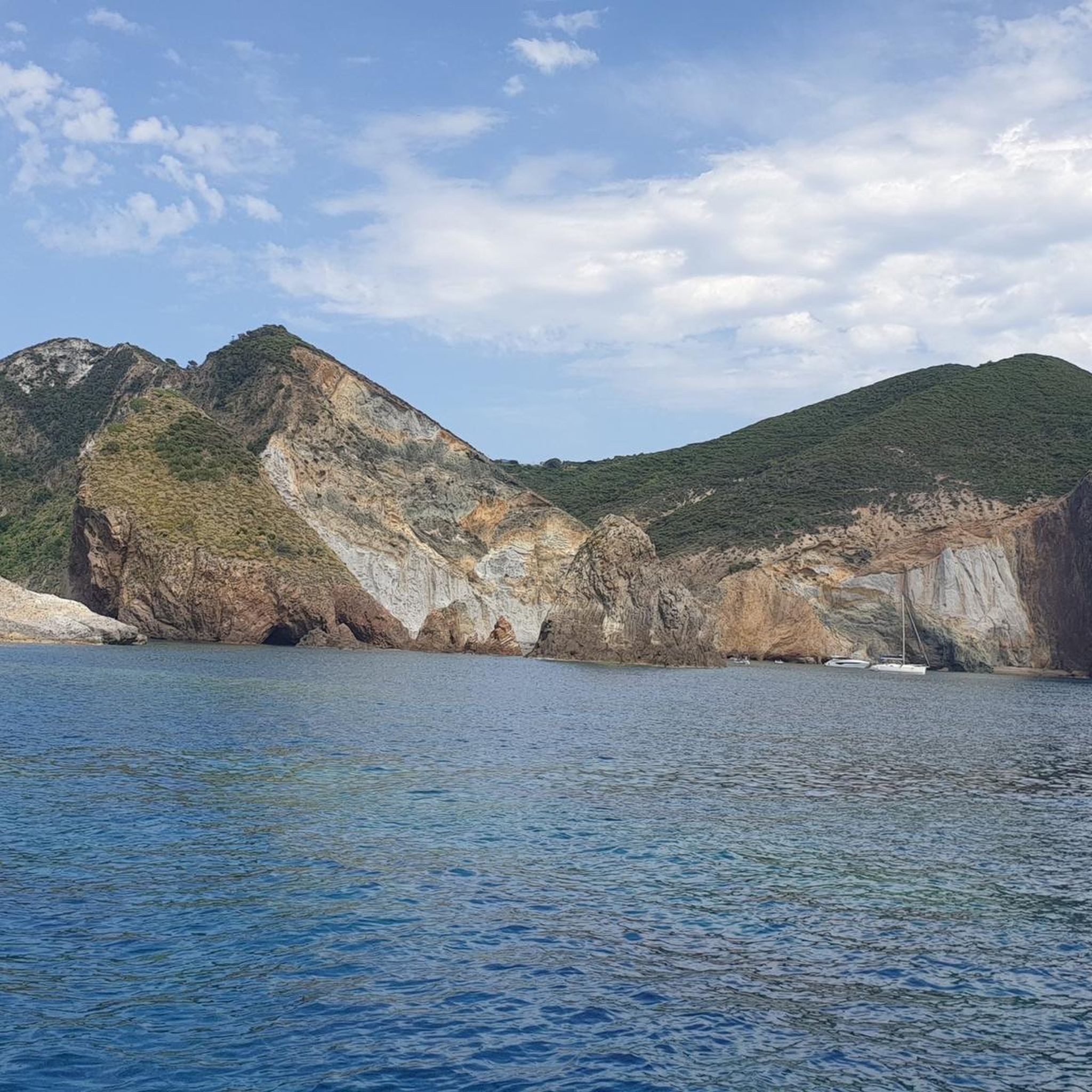
The Faraglioni di Lucia Rosa are one of the most suggestive natural wonders of the island of Ponza, located along the western coast in the area of Le Forna. These imposing stacks, sculpted by the sea and the wind, emerge from a cliff of variegated colors and are surrounded by clear waters and seabeds rich in tunnels and small caves. Some caves host tiny pebble beaches, accessible only from the sea.
0
0
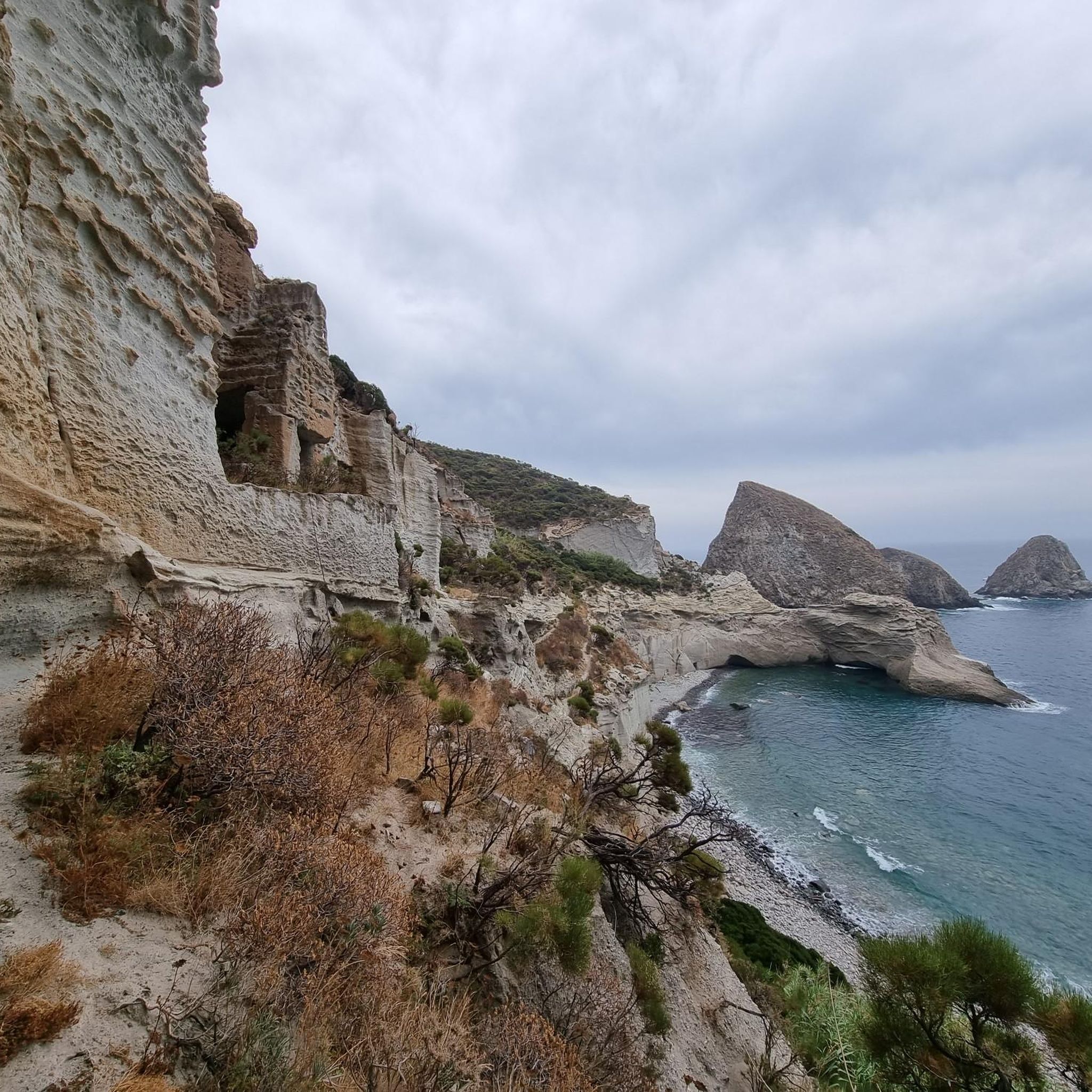
The name comes from a tragic 19th-century love story: Lucia Rosa, a young local girl, threw herself off the cliff after her father forbade her to marry the boy she loved, a simple farmer. The stacks in front of the cove bear her name in memory of this legend. Lucia Rosa Beach, located on the western coast of the island of Ponza, is one of the most evocative and fascinating coves of the Pontine archipelago. It is an inlet characterized by spectacular cliffs with multi-colored colors, imposing stacks and numerous caves with small pebble beaches inside them. Off shore is the “Secca dei Mattoni”, where in 1985 a Roman wreck was found with amphorae dating back to the 1st century BC. Punta di Capo Bianco is located between the beach of Chiaia di Luna and the Faraglioni di Lucia Rosa, also on the western side of the island. It is a spectacular rock face of a surreal white that plunges sheer into a turquoise sea. The area is famous for the purity of the cliff color and for the presence of numerous caves, which can only be visited by small boats. The peregrine falcon nests on the rocks, which can be observed during canoe or rowboat excursions.
0
0

Two basins of salt water, fed by the sea, which were formed by the volcanic activity of the island. The most direct path from the provincial road consists of about 300 steps carved into the rock. The water is crystal clear and the landscape is enchanting.
1
0
View of one of the most renowned and suggestive beaches of the island of Ponza, crescent-shaped, surrounded by yellow and white tuff cliffs. It is accessed through a Roman tunnel that crosses the mountain.
0
0

Bagno Vecchio, also known as La Parata, is a white pebble beach. Here you can see the remains of a Roman necropolis, reachable via a path with steps. Due to landslides, the beach may not be accessible in some periods.
1
1
Frequently Asked Questions
What are some of the most unique geological formations to explore in Riserva Naturale Di Ponza?
The region is rich in unique geological features. You can explore the dramatic white and yellow tuff cliffs of Chiaia di Luna viewpoint, the impressive limestone arch known as Arco Naturale (Spaccapolpi) which is only accessible by sea, or the naturally formed sea pools at Natural Pools, a result of the island's volcanic activity.
Are there any natural monuments in Riserva Naturale Di Ponza with historical significance?
Yes, several natural monuments have historical ties. Chiaia di Luna viewpoint, for instance, was historically used as a natural harbor by Etruscans and Romans. Additionally, Bagno Vecchio (La Parata) Beach features remains of a Roman necropolis, accessible via a path with steps.
What are the best ways to experience the sea caves and grottoes in Riserva Naturale Di Ponza?
The numerous sea caves and grottoes, such as the enchanting Grotta Azzurra within Lucia Rosa Beach and Capo Bianco Point, are best explored by boat. This allows you to marvel at their sculpted rock formations, the vibrant hues of the water, and the unique light plays inside.
Are there hiking opportunities to viewpoints of natural monuments in Riserva Naturale Di Ponza?
Yes, hiking is a great way to reach stunning viewpoints. For panoramic views of the island and surrounding archipelago, you can hike to Monte Guardia, the highest point on Ponza. There are also easy hikes available, such as the 'Monte Guardia – Isola di Ponza' route, which you can find more about in the Easy hikes in Riserva Naturale Di Ponza guide.
What natural monuments are suitable for swimming and snorkeling?
The Natural Pools in the Le Forna area are cherished for their clear waters and are a popular spot for swimming. The crystal-clear waters surrounding the Arco Naturale (Spaccapolpi) are also perfect for snorkeling, revealing rich marine biodiversity. Additionally, the waters near Lucia Rosa Beach and Capo Bianco Point are excellent for snorkeling and diving.
Are there any natural monuments that are particularly picturesque at sunset?
The Faraglioni di Lucia Rosa are famed for their dramatic beauty and offer a picturesque setting, particularly at sunset. The cliffs of Chiaia di Luna are also said to reflect lunar light onto the water at sunset, making it a breathtaking view from above or by boat.
What kind of wildlife can be observed near the natural monuments?
The cliffs of Lucia Rosa Beach and Capo Bianco Point serve as an ideal habitat for peregrine falcons, which can sometimes be observed during canoe or rowboat excursions. The clear waters around many of the natural formations also host diverse marine life, making them great for snorkeling and diving.
What are some family-friendly natural monuments or activities in Riserva Naturale Di Ponza?
The Natural Pools offer a unique and safe swimming experience in naturally formed basins, which can be enjoyable for families. While beach access to Chiaia di Luna viewpoint is restricted, admiring its beauty from viewpoints or by boat can be a memorable family activity.
What are the access considerations for visiting the natural monuments?
Access varies. Some sites like the Arco Naturale (Spaccapolpi) and Faraglioni di Lucia Rosa are exclusively accessible by sea, often requiring boat excursions. Others, like the Natural Pools, are accessible by path, though it may involve steps. For Chiaia di Luna viewpoint, direct beach access is often restricted due to rockfall concerns, but it can be admired from viewpoints above or by boat.
Are there any challenging routes or natural monuments for experienced adventurers?
Yes, some areas present more challenging access. Bagno Vecchio (La Parata) Beach is categorized as challenging due to its path with steps and potential landslides. The Faraglioni di Lucia Rosa are also categorized as challenging, primarily due to their sea-only access and rugged surroundings.
What is the best season to explore the natural monuments in Riserva Naturale Di Ponza?
The natural monuments, with their emphasis on coastal beauty, clear waters, and marine activities, are best enjoyed during the warmer months, typically from late spring to early autumn. This period offers ideal conditions for boat excursions, swimming, snorkeling, and hiking, allowing visitors to fully appreciate the island's outdoor offerings.
Can I find information about running trails near the natural monuments?
Yes, there are several running trails in the area. For example, you can find routes like the 'Natural Pools – Beach at the Cliffs loop from Isola di Ponza' or the 'Monte Core – La marinella dei morti loop from Ponza'. More details on these and other running trails are available in the Running Trails in Riserva Naturale Di Ponza guide.
Most popular routes in Riserva Naturale Di Ponza
Most popular attractions in Riserva Naturale Di Ponza

Get inspired with the komoot mobile app


Explore more
Extend your search for the best caves by checking out these guides of the top ones in Riserva Naturale Di Ponza:
