Top 5 Natural Monuments in Lic Ojo Guareña
Best natural monuments in Lic Ojo Guareña are characterized by an extensive karst complex, featuring one of the largest cave systems globally. This region in Burgos, Spain, is known for its geological formations, rich archaeological heritage, and diverse ecosystems. The area offers a unique opportunity to explore intricate underground worlds and sites of historical human presence. It is a doubly protected space, recognized for its exceptional natural and cultural value.
Best natural monuments in Lic Ojo Guareña
- The most popular…
Last updated: July 5, 2026
Hermitage of San Bernabé of Ojo Guareña
Highlight • Religious Site
Translated by Google •
Tip by

Salceda Waterfall
Highlight • Waterfall
Translated by Google •
Tip by

Sign up now to discover places like this
Get recommendations on the best single tracks, peaks, & plenty of other exciting outdoor places.
Sign up for free
Ojo Guareña Natural Monument
Highlight • Natural Monument
Translated by Google •
Tip by

Pico del Cuerno
Highlight • Viewpoint
Translated by Google •
Tip by
San Tirso and San Bernabé Caves
Highlight • Cave
Translated by Google •
Tip by

Sign up for free to discover even more natural monuments in Lic Ojo Guareña.
Sign up for free
Already have an account?
Start today with a free account
Your next adventure awaits.
Login or Signup

Tips from the Community

The Hermitage of San Bernabé is located at the main entrance to the Ojo Guareña Karst Complex and is part of the caves. It is located in the municipality of Cueva de Sotoscueva. The date of its construction is unknown; some place it between the 8th and 9th centuries, but it is also believed to date back to the 13th century. It was originally dedicated to San Tirso.
1
0
The hermitage of San Bernabé is located at the main entrance of the Ojo Guareña Karst Complex and is part of the caves. Located in the municipality of Cueva de Sotoscueva. The date of its construction is unknown, some place it between the 8th and 9th centuries, but it is also believed to be from the 13th century.
0
0

The Salceda waterfall is formed in the Sotoscueva valley, in the course of the San Miguel River as it passes through the municipality of Quisicedo. It has a 30 meter drop, although in some points the slope is so gentle that it causes the water, rather than falling, to slide over the stones. It is worth leaving the path for a few meters to admire this spectacular and hidden corner.
0
0

In the Merindades region to the north of Burgos is the Cueva Ermita de San Bernabé, located at the main entrance of the karstic complex of the Ojo Guareña Natural Monument, a hermitage that was previously dedicated to San Tirso and later San Bernabé
0
0
This impressive 30-meter waterfall, formed by the waters of the San Miguel stream, remains hidden in the Sotoscueva Valley and is the culmination of a set of waterfalls that plunge down the slopes of Los Montes de Somo.
1
0
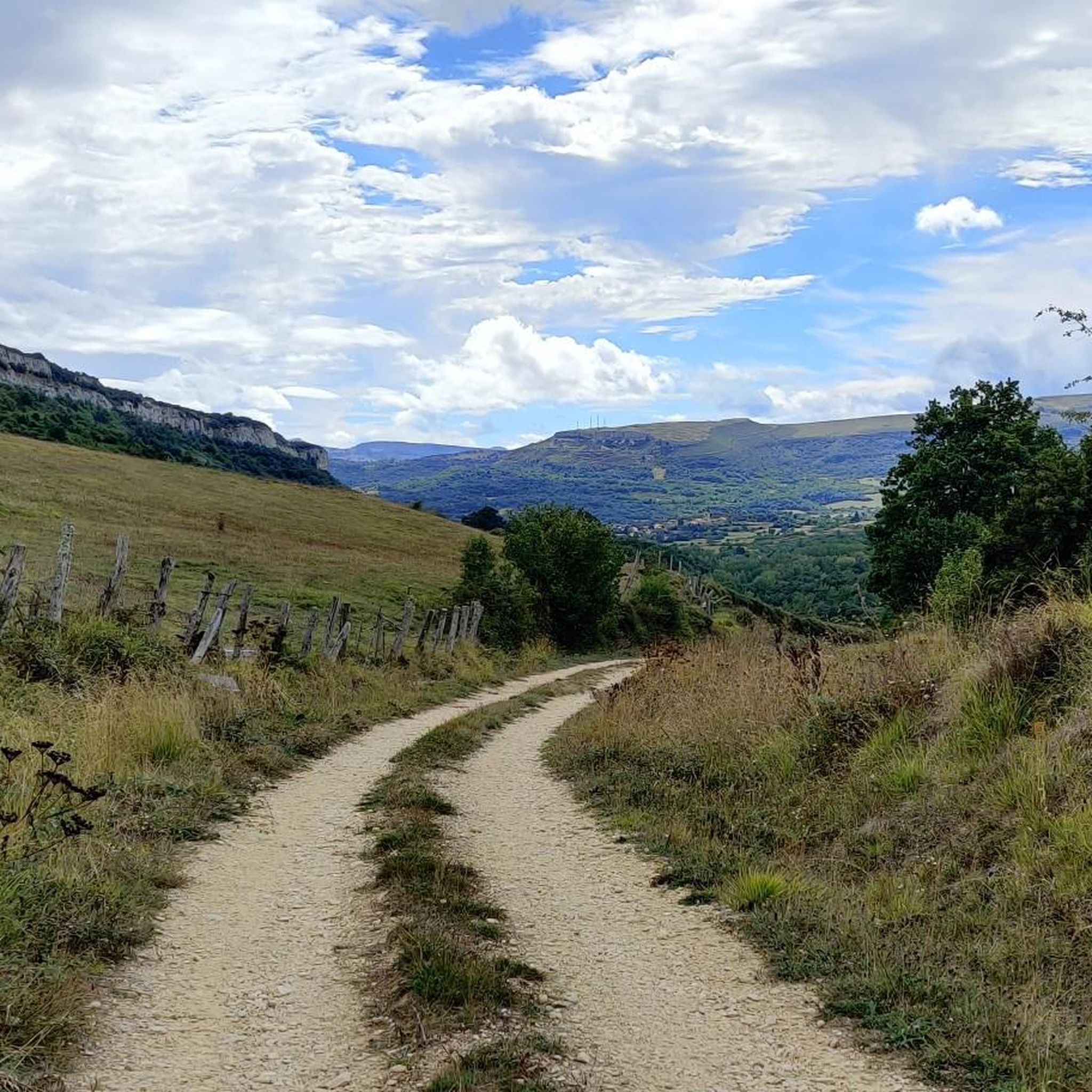
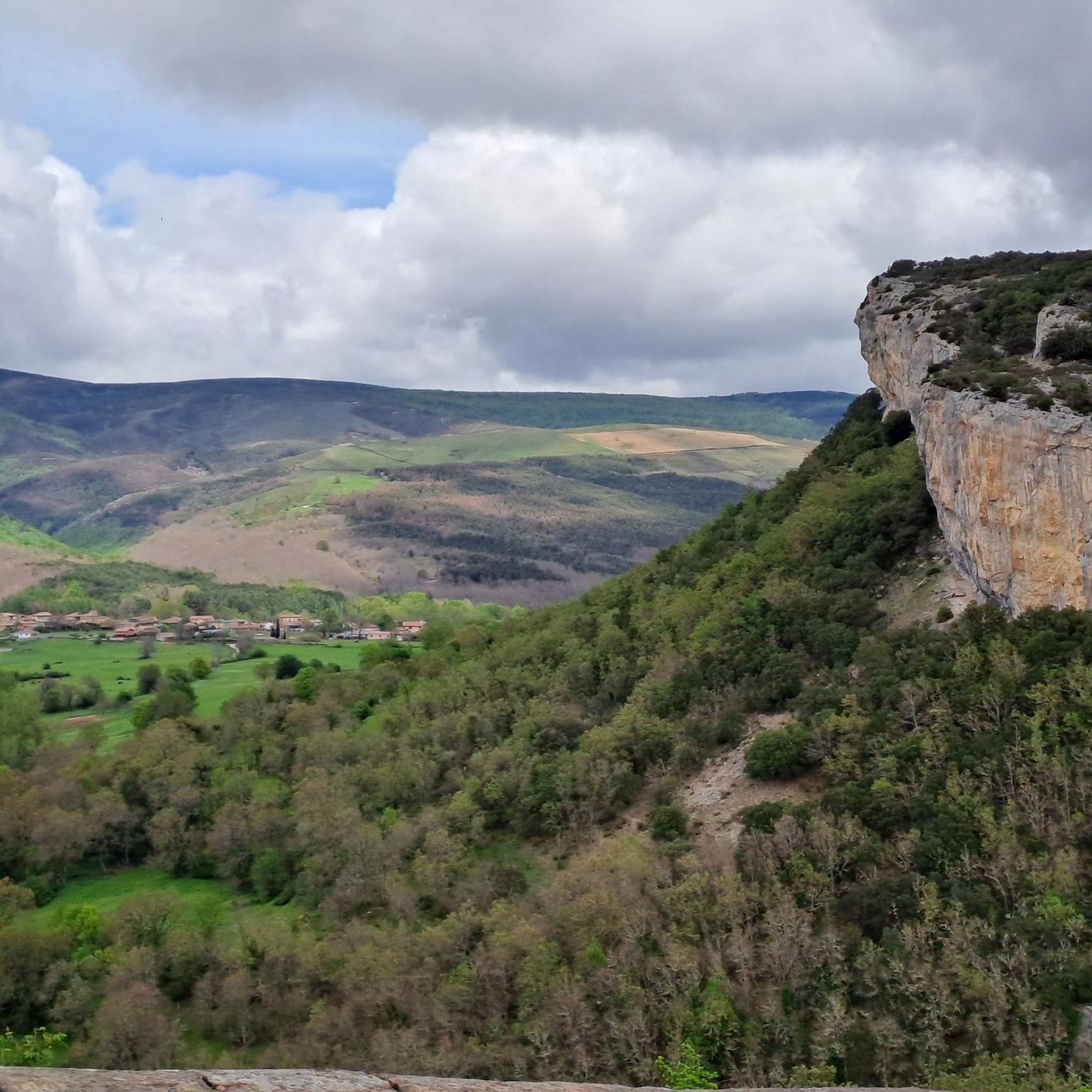
In the Valle de Sotoscueva there is this peak that reaches almost eight hundred meters and that one of the usual routes of ascent is via Cueva
1
0

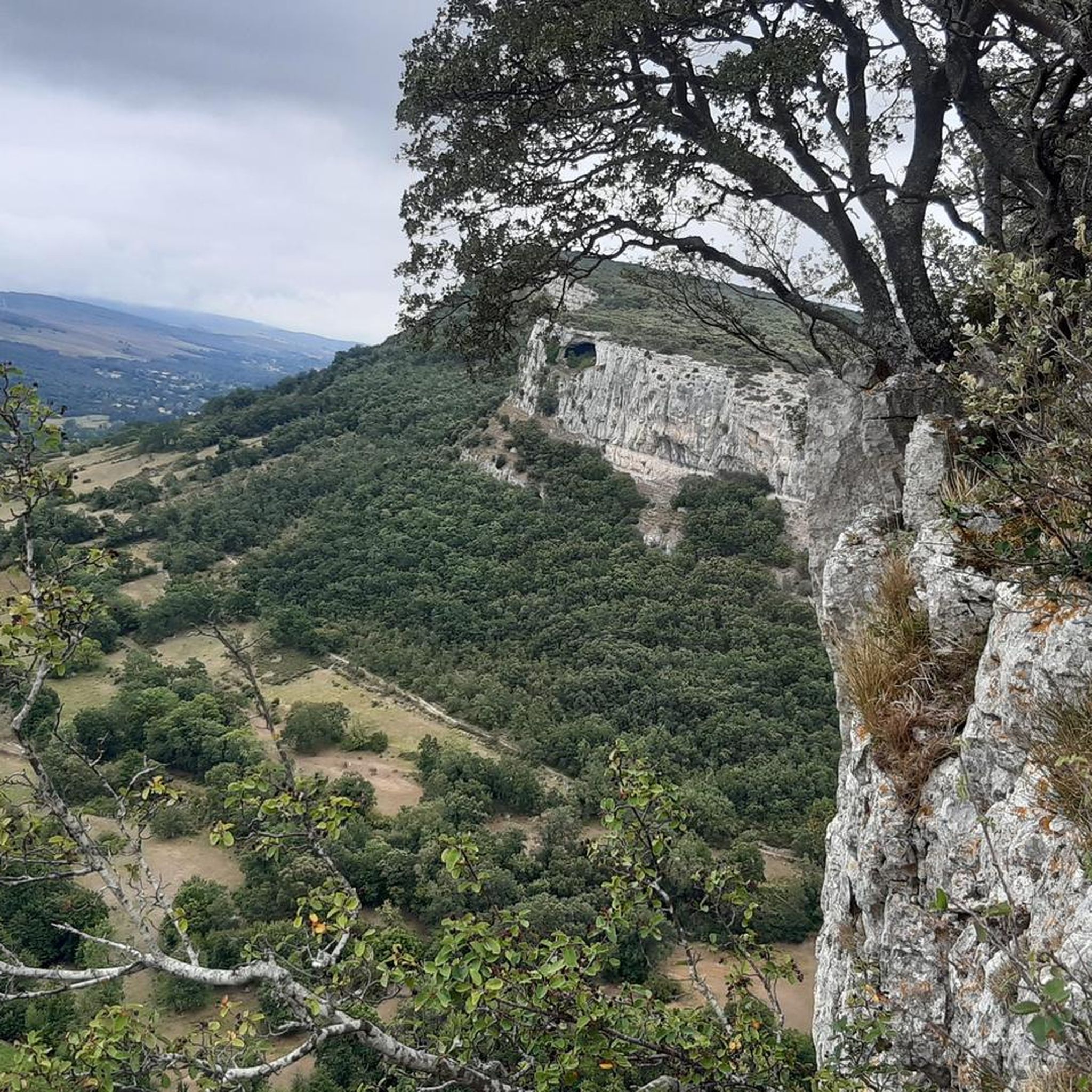
Ojo Guareña is a karstic complex formed by more than 110 km of galleries. The second largest karstic system in the Iberian Peninsula (the first is Sistema del Mortillano).
3
0

Ojo Guareña is a special place, a visit is highly recommended because it does not disappoint (including a visit inside the hermitage of San Cosme and San Bernabé).
4
0
Frequently Asked Questions
What are the main natural features to explore in the Ojo Guareña Natural Monument?
The Ojo Guareña Natural Monument is primarily known for its extensive karst complex, one of the largest cave systems in Spain and among the ten largest worldwide. You can explore a labyrinthine network of over 110 kilometers of interconnected galleries, shaped by the Guareña and Trema rivers. Beyond the caves, the area features diverse ecosystems including beech forests and rivers, home to various wildlife.
What historical and cultural sites can I visit within the Ojo Guareña Natural Monument?
The region is rich in history. A must-visit is the Hermitage of San Bernabé of Ojo Guareña, a religious building carved into a cave entrance, featuring 18th and 19th-century murals. The entire cave system is also an extremely important archaeological site, with evidence of human occupation from the Middle Paleolithic era to the Middle Ages, including cave paintings, engravings, and ancient footprints.
Are there any notable viewpoints in the Ojo Guareña area?
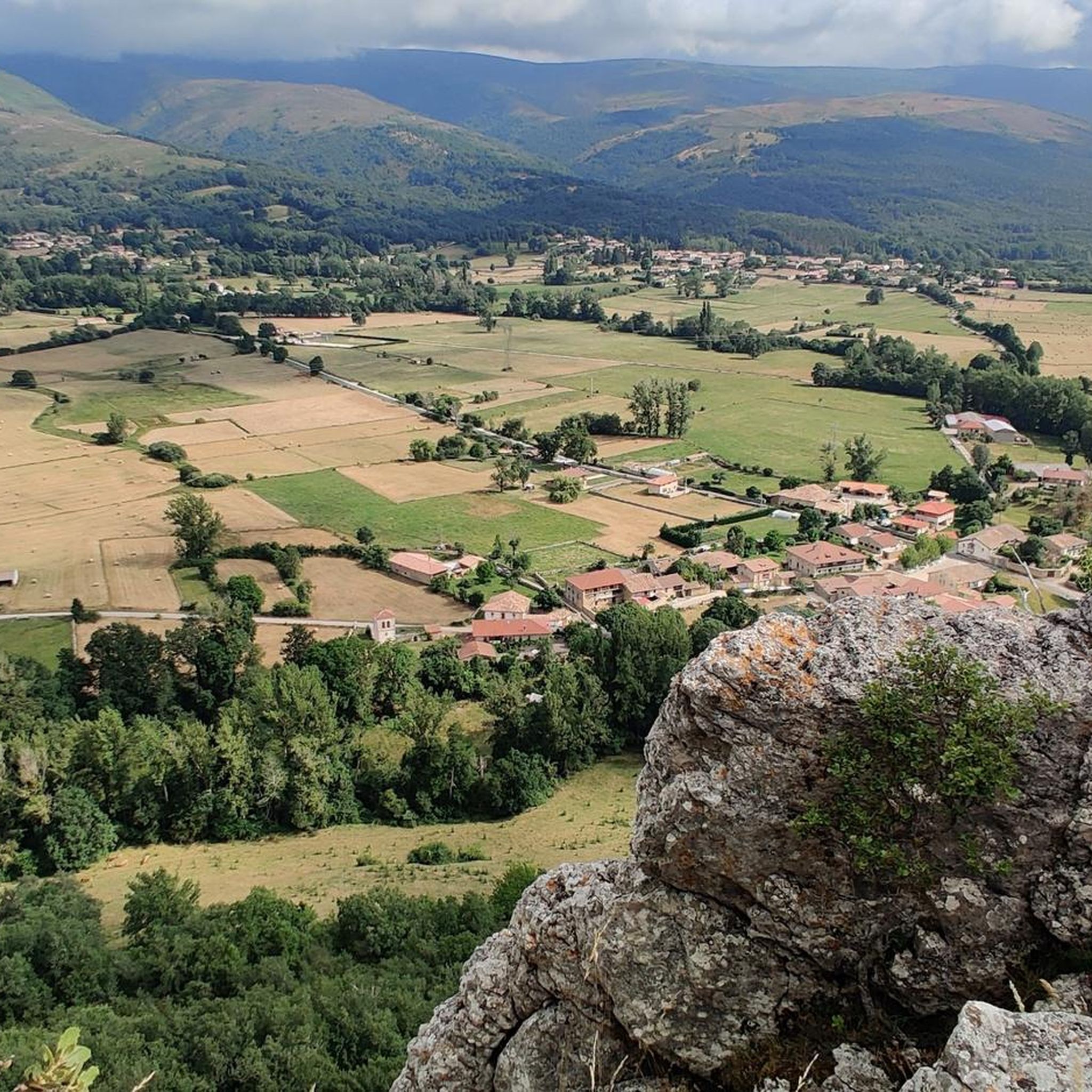
Yes, for spectacular panoramic views of the Sotoscueva area, you should visit Pico del Cuerno. This summit reaches almost eight hundred meters and offers a rewarding experience for visitors looking to take in the landscape.
What makes the Ojo Guareña cave system so significant?
The Ojo Guareña cave system is significant for several reasons: its immense size (over 110 km of galleries), its geological grandeur as a karst complex, its rich archaeological heritage with evidence of human presence spanning millennia, and its exceptional biodiversity, including 115 species of subterranean invertebrates, 16 of which are endemic to Ojo Guareña.
Are there unique natural monuments beyond the main cave system?
Yes, beyond the extensive cave network, you can also find unique natural features like the Roblón de Ulemas, a singular ancient oak tree in the province. Next to it, there's a rock shelter known as the Coastal Cave, which historically served as a refuge for shepherds.
Is Ojo Guareña suitable for families with children?
Yes, parts of Ojo Guareña are suitable for families. The Hermitage of San Bernabé of Ojo Guareña offers accessible guided tours of approximately 400 meters of galleries. Palomera Cave also offers tours, though some longer, more adventurous routes might have restrictions for younger children. It's advisable to check specific tour requirements beforehand.
When is the best time of year to visit Ojo Guareña?
The Ojo Guareña Natural Monument can be visited year-round, but the best time often depends on your preferred activities. Spring and autumn offer pleasant temperatures for exploring the outdoor areas and trails. During summer, the cooler temperatures inside the caves can be a welcome escape from the heat. Winter visits are also possible, though some services or access might be limited.
Are there guided tours available for the caves?
Yes, guided tours are available for key parts of the cave system, such as the Hermitage of San Bernabé of Ojo Guareña and Palomera Cave. These tours provide an immersive experience and insights into the geological formations, history, and biodiversity of the complex. It's recommended to book tours in advance, especially during peak season.
What outdoor activities can I do near the natural monuments in Lic Ojo Guareña?
The region offers a variety of outdoor activities. You can find numerous routes for mountain biking, touring cycling, and road cycling. For example, there are challenging MTB trails like the Transcantábrica Trail, and scenic road cycling routes such as the 'Puentedey – Natural Rock Arch of Puentedey loop'. You can explore more options on the MTB Trails in Lic Ojo Guareña, Cycling in Lic Ojo Guareña, and Road Cycling Routes in Lic Ojo Guareña guide pages.
What kind of wildlife can be observed in the Ojo Guareña Natural Monument?
Ojo Guareña is a biodiversity hotspot. Inside the caves, you'll find a significant number of cave-dwelling invertebrate species, many of which are endemic or new to science. Outside, the natural monument supports diverse ecosystems, including beech forests where goshawks, martens, and wildcats reside. The rivers are home to otters, and the area also hosts various birds of prey, wild boar, and other mammals.
What do visitors enjoy most about the Ojo Guareña Natural Monument?
Visitors consistently highlight the unique blend of natural wonder and historical significance. Many find the Hermitage of San Bernabé of Ojo Guareña to be a special and highly recommended experience, especially the visit inside the hermitage. The spectacular panoramic views from spots like Pico del Cuerno are also a favorite, offering a rewarding stop for many.
Are there any specific permits or booking requirements for visiting the caves?
Yes, due to the delicate nature and protected status of the Ojo Guareña cave system, access to certain areas, especially the more extensive parts of the caves, is often restricted and requires guided tours. It is highly recommended to check the official visitor center's website or contact them directly for information on specific permits, booking requirements, and tour availability to ensure a smooth visit.
Most popular routes in Lic Ojo Guareña
Most popular attractions in Lic Ojo Guareña

Get inspired with the komoot mobile app


Explore more
Extend your search for the best caves by checking out these guides of the top ones in Lic Ojo Guareña:
