Wrangell-Saint Elias National Preserve
Wrangell-Saint Elias National Preserve
Top 8 Natural Monuments in Wrangell-Saint Elias National Preserve
Best natural monuments in Wrangell-Saint Elias National Preserve include a vast wilderness characterized by its towering mountain ranges, immense glaciers, and diverse ecosystems. This preserve is home to four major mountain ranges and nine of the sixteen highest peaks in the United States, including Mount St. Elias, the highest point within the park at 18,008 feet. Over 33% of the park is covered in glacial ice, featuring more than 150 glaciers. The landscape supports varied ecosystems and abundant wildlife, making…
Last updated: May 8, 2026
Root Glacier Trail and Erie Mine Trail Junction
Highlight • Trail
Tip by

View of Kennicott Glacier from Kennicott Mine
Highlight • Viewpoint
Translated by Google •
Tip by

Sign up now to discover places like this
Get recommendations on the best single tracks, peaks, & plenty of other exciting outdoor places.
Sign up for free
View of Stairway Icefall
Highlight • Viewpoint
Tip by
View of Root Glacier
Highlight • Viewpoint
Tip by
View of Root Glacier
Highlight • Viewpoint
Tip by
Start today with a free account
Your next adventure awaits.
Login or Signup
Popular around Wrangell-Saint Elias National Preserve
Other adventures in Wrangell-Saint Elias National Preserve

Tips from the Community

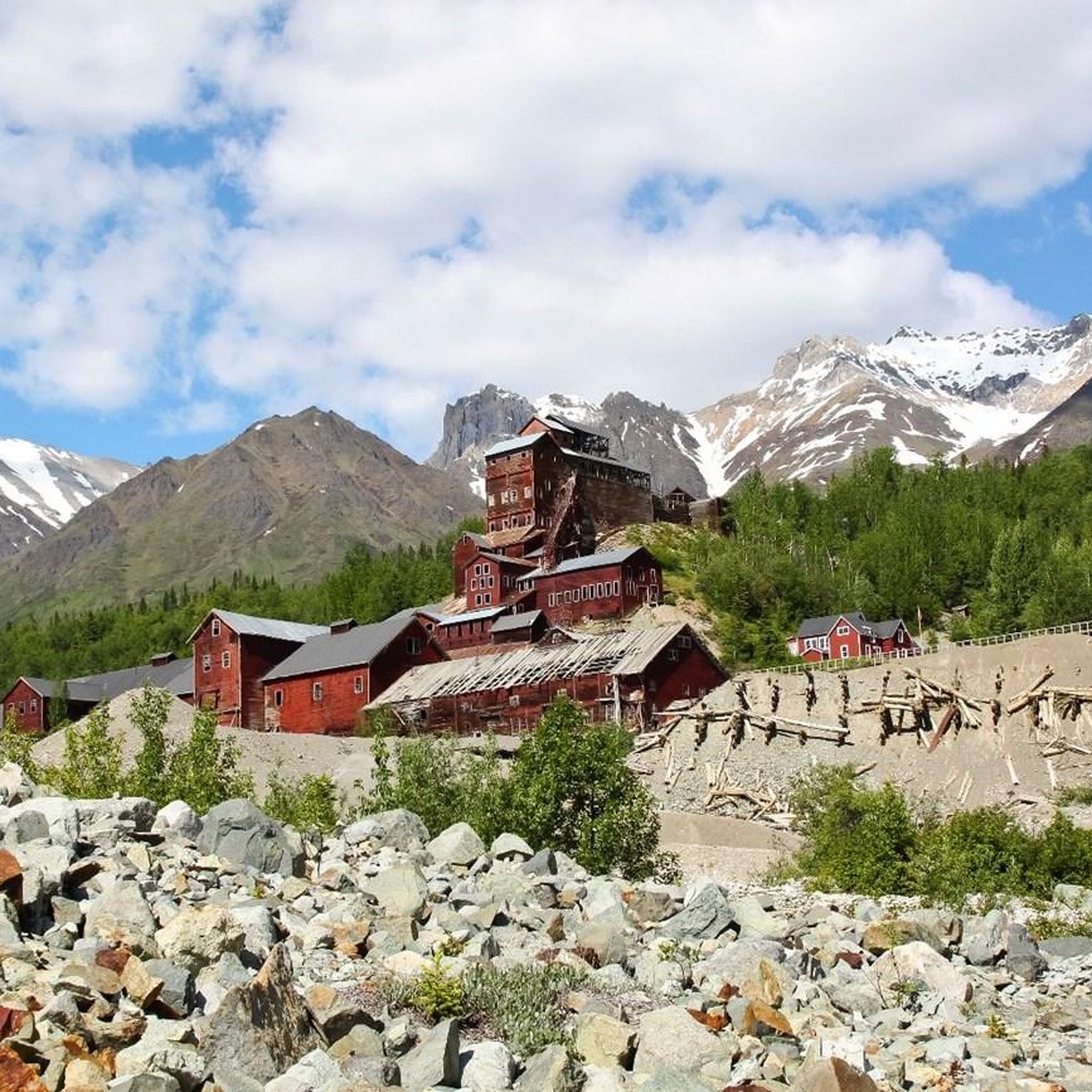
The Kennicott Mine can be visited in the summer after the mine has melted. There are guided tours and mountain tours as well as glacier tours on the nearby Kennicott Glacier. Important: the car can only be driven as far as McCarthy.
0
0

The Erie Mine Trail runs parallel to the eastern edge of Root Glacier. Though it is separated from the glacier by the moraine and some elevation, good views of the glacier are frequent. The trail is also sometimes used by bears, so know proper safety and stay alert!
0
0
The Erie Mine Trail ends here, approximately 3,000 feet below the remains of the Erie Mine and bunkhouse. Expansive views of Root Glacier are possible. Also viewable, weather permitting: Stairway Icefall, a relatively fast-moving portion of the glacier, at the top of the valley.
1
0
The Erie Mine Trail runs parallel to the eastern edge of Root Glacier. Though it is separated from the glacier by the moraine and some elevation, good views of the glacier are frequent.
0
0
The trail provides access to Root Glacier as well as primitive campsites with food lockers. Depending on the season, a river crossing may be necessary to reach the glacier. The NPS advises those intending to walk on the glacier to practice extreme caution and use crampons or other traction devices.
0
0

A nice trail, also used by bears!
0
0
end of the trail with a great view on the glacier
0
0

The main street in Kennicott turns into a well-maintained, 4-mile-long hiking trail. This trail winds alongside the Kennicott and Root Glaciers, a great opportunity to experience the grandeur of the Wrangell Mountains and see more of the valley for a few hours or a multi-day glacier and mountain adventure. Great mountain and glacier views, and have the chance to spot bears cruising on the lateral moraine below you. For an easy hike, head to Jumbo Creek; it's an easy three-mile round-trip from Kennicott and is a good destination for relaxing. The turnoff to the toe of the Root Glacier is about 15 minutes past Jumbo Creek and clearly marked. You can also pass the glacier turn-off trail and continue hiking all the way "around the bend" of the Root Glacier to get an up-close look at the Stairway Icefall that spills 6,000 feet off Mt. Regal. Along the way you'll get great views down onto the Root Glacier, where you can see and hear bizarre glacial features. http://www.alaska.org/detail/root-glacier-trail To hike here, follow https://www.komoot.de/tour/5472809
0
0
Frequently Asked Questions
What are the most prominent natural features in Wrangell-St. Elias National Preserve?
Wrangell-St. Elias National Preserve is renowned for its immense scale, featuring four major mountain ranges and nine of the sixteen highest peaks in the United States, including Mount St. Elias and the active volcano Mount Wrangell. It also boasts the greatest concentration of glaciers in North America, with over 150 glaciers covering 33% of the park, such as the vast Malaspina Glacier and the lengthy Nabesna Glacier.
Which natural monuments are most popular with visitors in Wrangell-St. Elias National Preserve?
Visitors frequently explore the area around Root Glacier Trail and Erie Mine Trail Junction, which provides access to the Root Glacier. Another favorite is the View of Kennicott Glacier from Kennicott Mine, offering stunning perspectives of the glacier. The View of Stairway Icefall, located at the end of the Erie Mine Trail, is also highly appreciated for its expansive views of Root Glacier and the dramatic icefall.
What kind of wildlife can I expect to see near the natural monuments?
The diverse ecosystems of Wrangell-St. Elias support abundant wildlife. You might spot Dall sheep and mountain goats on craggy peaks, caribou in the Wrangell Mountains, and moose in lower elevations. Bears are also present throughout the park. Coastal areas may offer sightings of marine mammals like sea lions and harbor seals.
Are there opportunities for glacier exploration in the preserve?
Yes, the preserve offers incredible opportunities for glacier exploration. The Root Glacier is relatively accessible from Kennecott, providing options for guided ice hiking and exploring crevasses and ice caves. Flightseeing tours are also popular for unparalleled aerial views of the massive glacial formations like the Malaspina Glacier and the Stairway Icefall.
What is the best time of year to visit the natural monuments in Wrangell-St. Elias National Preserve?
The best time to visit is generally during the summer months, from late May to early September, when temperatures are milder, and most facilities and roads (like McCarthy Road and Nabesna Road) are open. During this period, the Kennicott Mine area is accessible, and conditions are more favorable for hiking, glacier tours, and flightseeing.
What types of outdoor activities can I do near these natural monuments?
Beyond exploring the monuments themselves, the preserve offers a wide range of outdoor activities. You can find numerous hiking trails, including easy options like the Root Glacier Trail and more challenging routes like the Bonanza Mine Trail. Running trails are also available, such as the Erie Mine Trail. Rafting and packrafting are popular activities on the park's glacial rivers.
Are there any easy hikes to natural monuments for beginners or families?
Yes, the Root Glacier Trail is considered an easy hike, providing access to the glacier's base. The West Kennecott Glacier Trail and the Boreal Forest Trail are also good options for those seeking less strenuous routes.
What should I know about accessing the natural monuments, especially regarding roads and permits?
Access to many natural monuments is limited due to the preserve's remote nature. While some areas are accessible via McCarthy Road and Nabesna Road, many wonders require backcountry expeditions or flightseeing tours. For any backcountry travel, permits are required. It's advisable to check the official NPS website for current regulations and permit requirements before your visit: nps.gov/wrst.
What geological features make Wrangell-St. Elias National Preserve unique?
The preserve is a geological marvel, characterized by the convergence of four major mountain ranges and the presence of active volcanoes like Mount Wrangell. It also hosts North America's largest subpolar icefield, the Bagley Icefield, and numerous dynamic glaciers, including piedmont and valley glaciers. These features showcase ongoing geological processes and immense natural forces.
Can I visit historical sites in conjunction with natural monuments?
Yes, the preserve offers a blend of natural and historical attractions. For instance, the Kennicott Mine, a historical copper mining town, is located near the Kennicott Glacier and offers guided tours during the summer. The Erie Mine Trail also leads to the remains of the Erie Mine and bunkhouse, providing a historical context to the natural landscape.
What are some tips for hiking on or near glaciers in the preserve?
When hiking on or near glaciers like the Root Glacier, extreme caution is advised. The National Park Service recommends using crampons or other traction devices if you intend to walk on the ice. Be aware that river crossings may be necessary depending on the season. Always stay alert for wildlife, especially bears, as trails can be used by them. Consider hiring a guided tour for glacier exploration for safety and insight.
What makes the Root Glacier area a significant natural monument?
The Root Glacier is significant because it's one of the most accessible glaciers in the preserve, allowing visitors to experience a massive ice formation firsthand. It offers opportunities for guided ice hiking and exploring unique glacial features. The nearby Stairway Icefall, a fast-moving portion of the glacier, adds to its dramatic appeal.
Most popular routes in Wrangell-Saint Elias National Preserve
Most popular attractions in Wrangell-Saint Elias National Preserve

Get inspired with the komoot mobile app


Explore more
Extend your search for the best caves by checking out these guides of the top ones in Wrangell-Saint Elias National Preserve:
