Top 20 Natural Monuments in High Weald Aonb
Best natural monuments in High Weald Aonb are characterized by a landscape of ancient woodlands, sandstone outcrops, and deeply incised gill streams. This protected area spans parts of Kent, Surrey, and Sussex, preserving one of the best-preserved medieval landscapes in Northwest Europe. The region's geology of sandstones and clays forms distinctive ridged terrain, contributing to its ecological and scenic value. These natural features offer diverse environments for exploration.
Best natural monuments in High Weald Aonb
- The most popular natural monuments…
Last updated: July 6, 2026
Bewl Water
Highlight • Lake
It's …
Tip by

King's Standing Clump
Highlight • Viewpoint
Tip by

Sign up now to discover places like this
Get recommendations on the best single tracks, peaks, & plenty of other exciting outdoor places.
Sign up for free
Chiding Stone
Highlight • Natural Monument
Tip by

Harrison's Rocks
Highlight • Climb
For many …
Tip by

Sheffield Park and Garden Lakes
Highlight • Lake
Translated by Google •
Tip by

Sign up for free to discover even more natural monuments in High Weald Aonb.
Sign up for free
Already have an account?
Start today with a free account
Your next adventure awaits.
Login or Signup
Popular around High Weald Aonb
Sussex Ouse Valley Way — From the High Weald to the South Downs
E9 Plymouth to Dover — An epic exploration of England's south coast
Vanguard Way – Hike some of the finest countryside in the South East
Wealdway — Hike up hill and down dale in rural South East England
High Weald Landscape Trail — Hike the medieval heart of the South East
Sussex Border Path — A historic hike through medieval landscapes
Downs and Weald Way – From London to the sea, a great adventure

Avenue Verte – Cycling a beautiful adventure from London to Paris
Conquering the High Weald – Battle of Hastings Tour

Around the edge in 80 days — cycling the coastline of Britain
Other adventures in High Weald Aonb


Tips from the Community

A popular theory is that the village gets its name from a large sandstone rock formation on the outskirts of the village called the Chiding Stone. Chidingstone was an earlier spelling used for the village. The National Trust considers it more likely that the name is derived from the homestead of Cidda's family "Chidding tun". It was recorded as "Cidingstane" in the twelfth century. The stone may have been used as a place to demonstrate arrogant local wives, a druidic ritual site, or an Anglo-Saxon boundary marker.
0
0

A very beautiful park with many old trees and beautiful plantings. The lakes form the center of the park. Old redwoods and sequoias are found here.
0
0


Four lakes form the heart of the garden and at the end of the line of sight the Gothic castle rises on a hill. While you can explore all the paths in the garden and the adjacent parkland, the house is privately owned and cannot be visited. The design of the park and the expansion of the house were initiated by John Holroyd at the end of the 19th century. He and his wife spent a fortune to design the property according to their ideas. The park and garden were further designed according to the original plans by subsequent owners. Finally, the National Trust acquired the site and now looks after it. The current opening times and further information can be found here: https://www.nationaltrust.org.uk/visit/sussex/sheffield-park-and-garden.
2
0

Harrison's Rocks are a superb example of the sandstone outcrops which are found across the High Weald. There is evidence that Stone Age people sheltered amongst these rocks. For many years, there has been a strong climbing tradition in this area.
0
0
Harrison's Rocks are a superb example of the sandstone outcrops which are found across the High Weald. There is evidence that Stone Age people sheltered amongst these rocks. For many years, there has been a strong climbing tradition in this area.
0
0

Parking is £7 per car for a full day. No other options for shorter periods. Cafe, toilets, bike hire, laser tag and water sport activities on site. Plenty of space to park on weekends. Great views of the reservoir and access to walking trails.
0
0

Harrison's Rocks has a history of being a climbing area dating back to the 1920s. It is named after William Harrison who was a farmer and also the manufacturer of firearms at Harrisons until 1750
0
0
Frequently Asked Questions
What natural features define the High Weald AONB?
The High Weald Area of Outstanding Natural Beauty is characterized by its ancient woodlands, deeply incised gill streams, and distinctive sandstone outcrops. Expansive heathland, particularly in areas like Ashdown Forest, also contributes to its unique natural landscape.
Are there family-friendly natural monuments in High Weald AONB?
Yes, several natural monuments are suitable for families. For instance, Gills Lap Clump (The Enchanted Place) is a popular viewpoint with literary connections to Winnie the Pooh. Bewl Water offers various facilities and activities, including a water bus, bike hire, and a children's play area, alongside lovely walks. St Leonard's Forest also provides peaceful walking opportunities for all ages.
Where can I experience the Winnie the Pooh connection in the High Weald?
You can visit Gills Lap Clump (The Enchanted Place), a clearing surrounded by fir trees that appears in the Winnie the Pooh books as "Galleons Lap" or "the Enchanted Place." This area is part of the wider Ashdown Forest, which was the inspiration for A.A. Milne's Hundred Acre Wood.
What kind of outdoor activities can I do near these natural monuments?
The High Weald AONB offers a wide range of outdoor activities. You can enjoy cycling on routes like the 'Sweetness Trail' or 'Forest Way Cycle Path', or explore running trails such as the 'Bewel Water loop' or 'St Leonard's Forest loop'. For more details on routes, you can explore the Cycling in High Weald Aonb or Running Trails in High Weald Aonb guides.
Are there opportunities for rock climbing in the High Weald AONB?
Yes, the High Weald AONB is known for its striking sandstone outcrops, which provide excellent opportunities for climbing and bouldering. Harrison's Rocks is a superb example of these formations and has a strong climbing tradition dating back to the 1920s.
What is the significance of the ancient woodlands and gill streams in the High Weald?
The High Weald is one of the most densely wooded landscapes in England, with a significant portion classified as ancient woodland. These woodlands, often managed as coppice, support diverse flora and are intertwined with 'gill streams' – deeply incised valleys that create unique microclimates. They offer serene walking experiences, particularly in spring, and provide a tangible connection to the region's medieval past and historic iron industry.
What are some notable viewpoints in the High Weald AONB?
Several locations offer impressive views across the High Weald. Gills Lap Clump (The Enchanted Place) provides nice views of the surrounding area. King's Standing Clump, the highest point in Ashdown Forest, also offers panoramic vistas and has historical significance as a royal deer hunting lookout.
Can I find historical sites among the natural monuments?
Yes, the High Weald AONB is a well-preserved medieval landscape, and many natural monuments have historical connections. St Leonard's Forest has a legend of a 6th-century hermit and dragon. King's Standing Clump was once a royal deer hunting lookout. Evidence of the region's historic iron industry, such as hammer ponds, can also be found within the ancient woodlands.
What wildlife can I expect to see in the High Weald AONB?
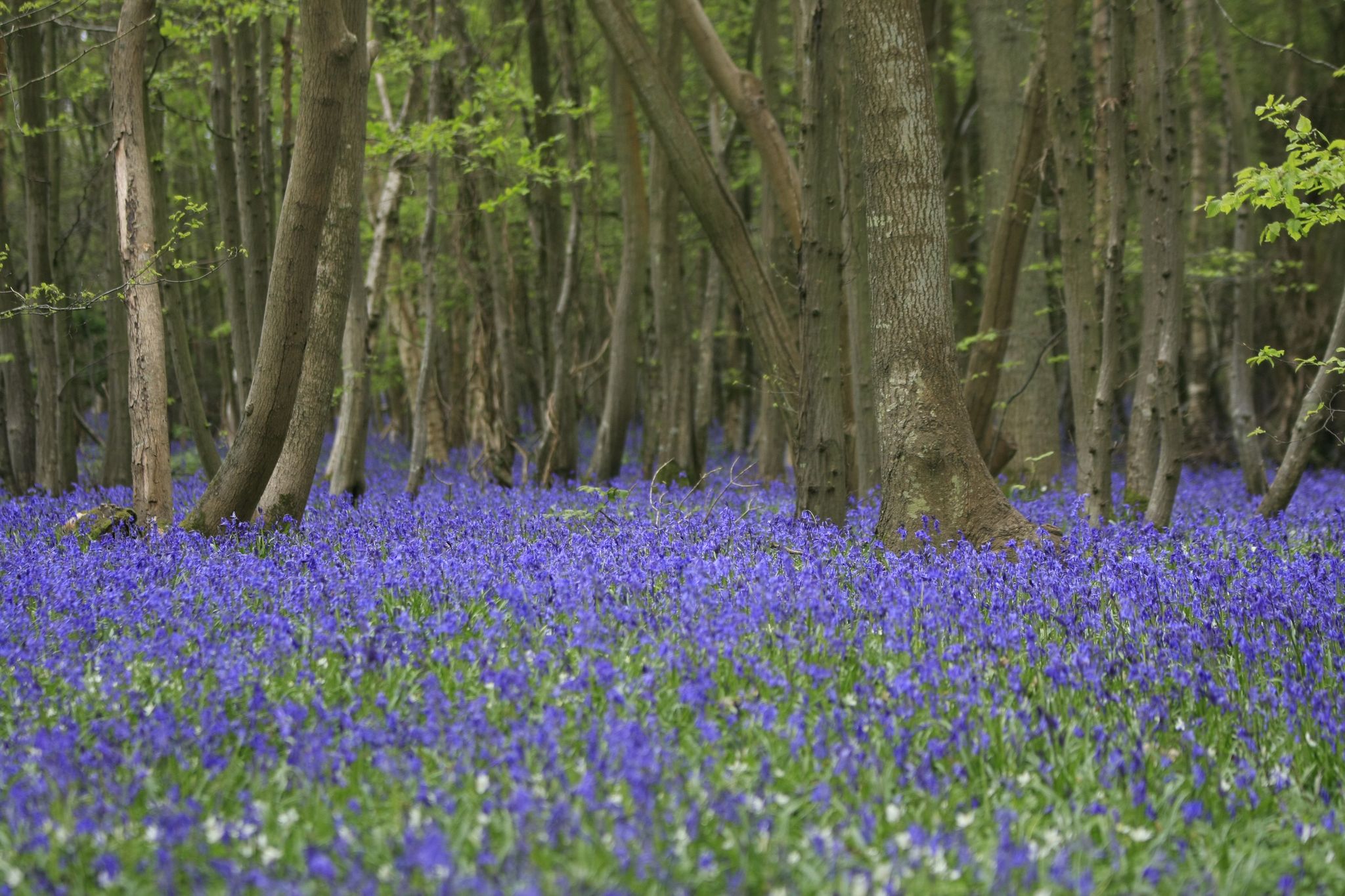
The diverse habitats of the High Weald AONB support a variety of wildlife. Ashdown Forest, for example, is a Special Protection Area for its significant populations of Dartford warbler and nightjar. The ancient woodlands are home to diverse flora, including bluebells and wood anemones in spring, and the gill streams create unique habitats for various species.
Are there any large bodies of water or lakes to visit?
Yes, Bewl Water is the largest body of inland water in southeast England. This reservoir offers opportunities for walking, cycling, and water-based activities, and is home to a large variety of wildlife.
What is the best time of year to visit the natural monuments in High Weald AONB?
Spring is particularly beautiful for visiting the ancient woodlands when wildflowers like bluebells and wood anemones are in bloom. The varied terrain and natural features can be enjoyed year-round, but autumn also offers stunning foliage. Summer is ideal for activities like cycling and water sports at Bewl Water.
What makes Ashdown Forest a significant natural monument?
Ashdown Forest is internationally recognized as the inspiration for A.A. Milne's Winnie-the-Pooh's Hundred Acre Wood. Beyond its literary fame, it is a Special Protection Area and Special Area of Conservation due to its expansive heathland, ancient woodlands, and significant populations of rare bird species like the Dartford warbler and nightjar. It offers extensive opportunities for walking and wildlife spotting.
Are there specific trails for running or cycling near these natural monuments?
Yes, the High Weald AONB features numerous trails for both running and cycling. For running, popular routes include the 'Bewel Water loop' and the 'St Leonard's Forest loop'. Cyclists can explore options like the 'Sweetness Trail' in Bedgebury Forest or various routes along the 'Forest Way Cycle Path'. You can find detailed guides for these activities in the Cycling in High Weald Aonb and Running Trails in High Weald Aonb sections.
Most popular routes in High Weald Aonb
Most popular attractions in High Weald Aonb

Get inspired with the komoot mobile app


Explore more
Extend your search for the best caves by checking out these guides of the top ones in High Weald Aonb:
