Top 19 Natural Monuments around Cranham
Best natural monuments around Cranham encompass a range of significant natural spaces, offering diverse wildlife and habitats. The region features protected nature reserves and prominent geological formations recognized for their ecological and scenic importance. These sites provide opportunities for experiencing nature within a varied landscape of woodlands, meadows, and escarpments.
Best natural monuments around Cranham
- The most popular natural monuments is Haresfield Beacon, a viewpoint that offers views over the Severn Estuary, the City of Gloucester, and the Forest…
Last updated: September 26, 2026
Haresfield Beacon
Highlight • Viewpoint
Tip by

Painswick Beacon
Highlight • Natural Monument
Tip by
Sign up now to discover places like this
Get recommendations on the best single tracks, peaks, & plenty of other exciting outdoor places.
Devil's Chimney, Leckhampton Hill
Highlight • Monument
Tip by
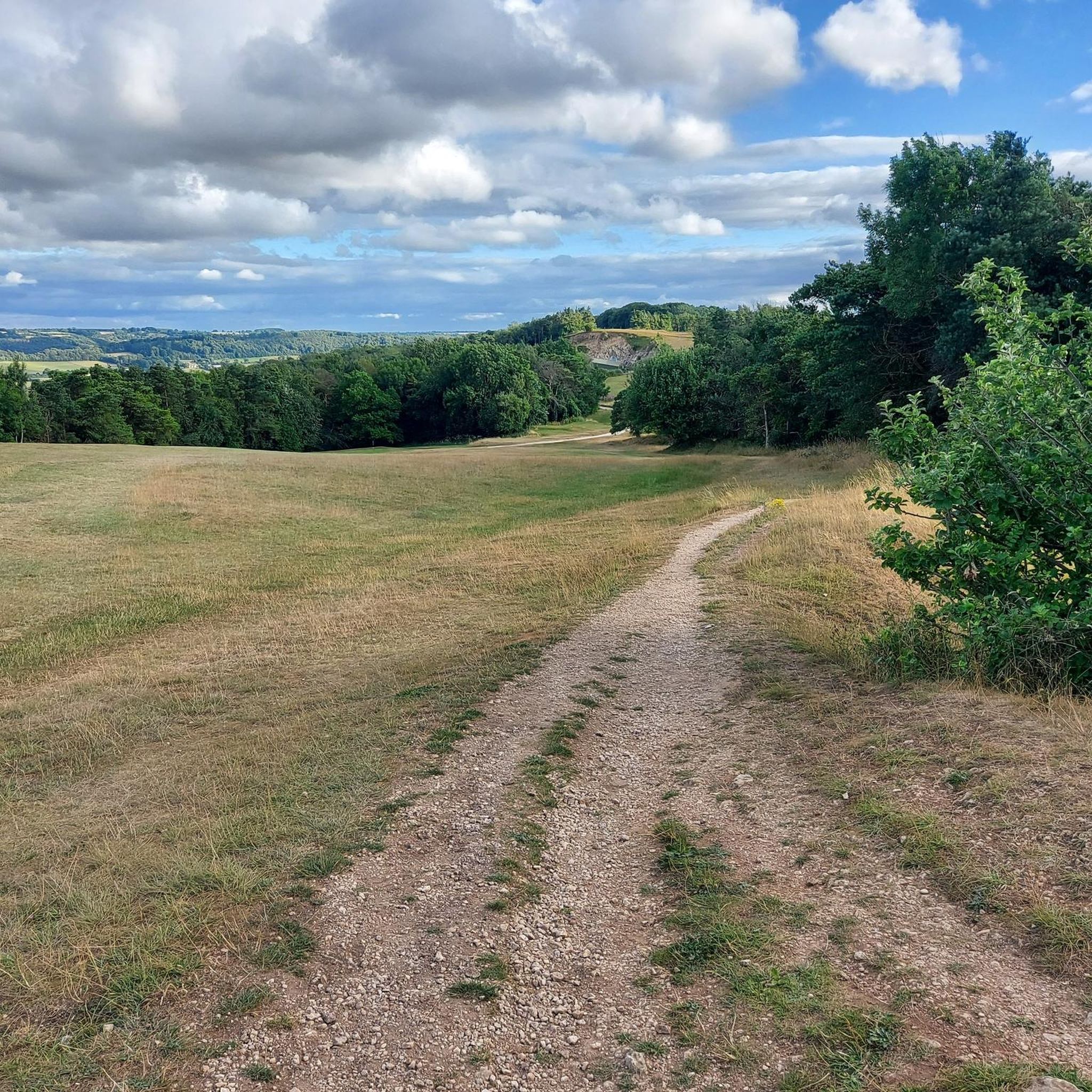
Daglingworth Gravel Track
Highlight (Segment) • Natural
Tip by

Crickley Hill
Highlight • Natural Monument
Tip by

Sign up for free to discover even more natural monuments around Cranham.
Already have an account?
Start today with a free account
Your next adventure awaits.
Tips from the Community

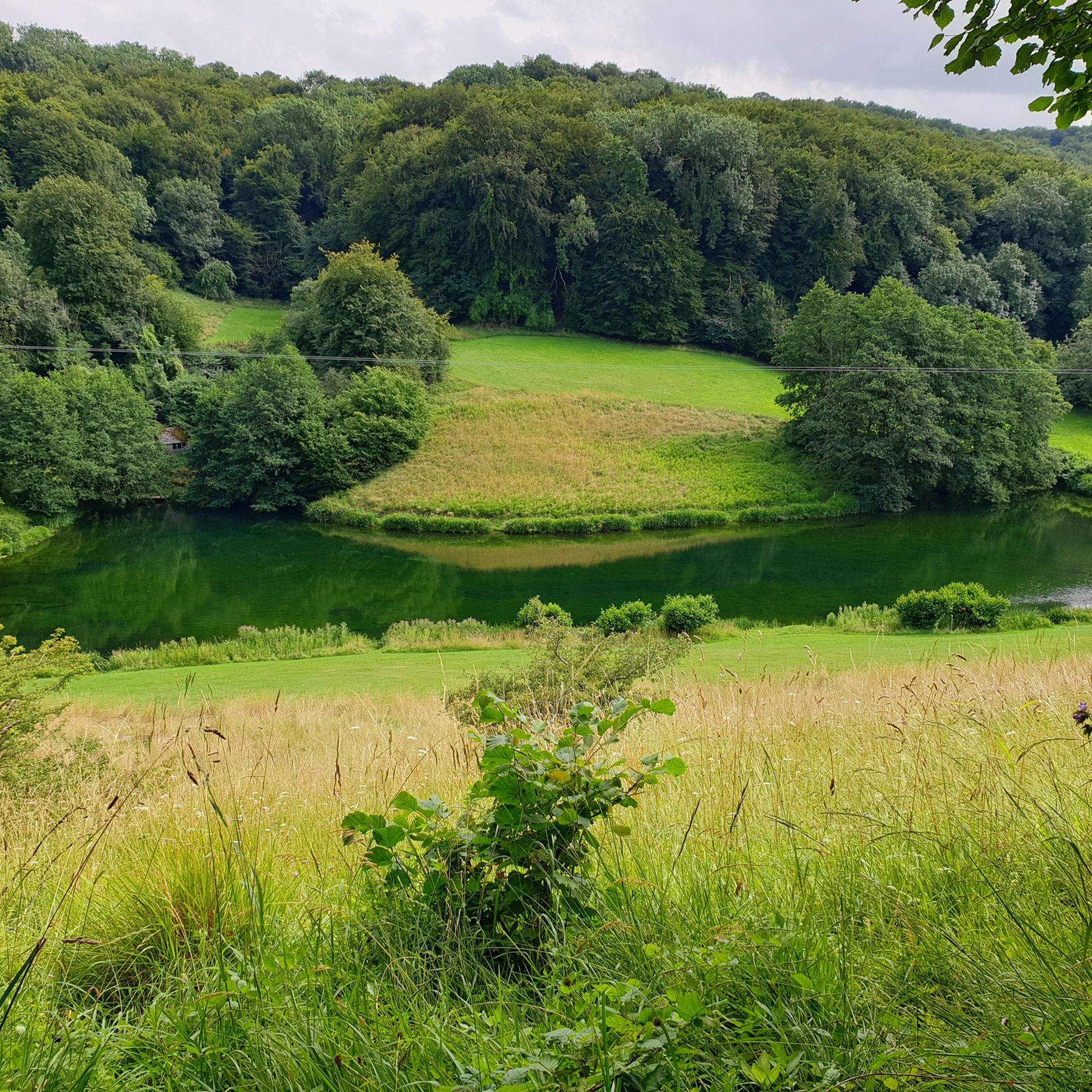
A fine promontory on the south side of Haresfield Hill giving panoramic views south across Gloucestershire and the Severn Estuary.
0
0
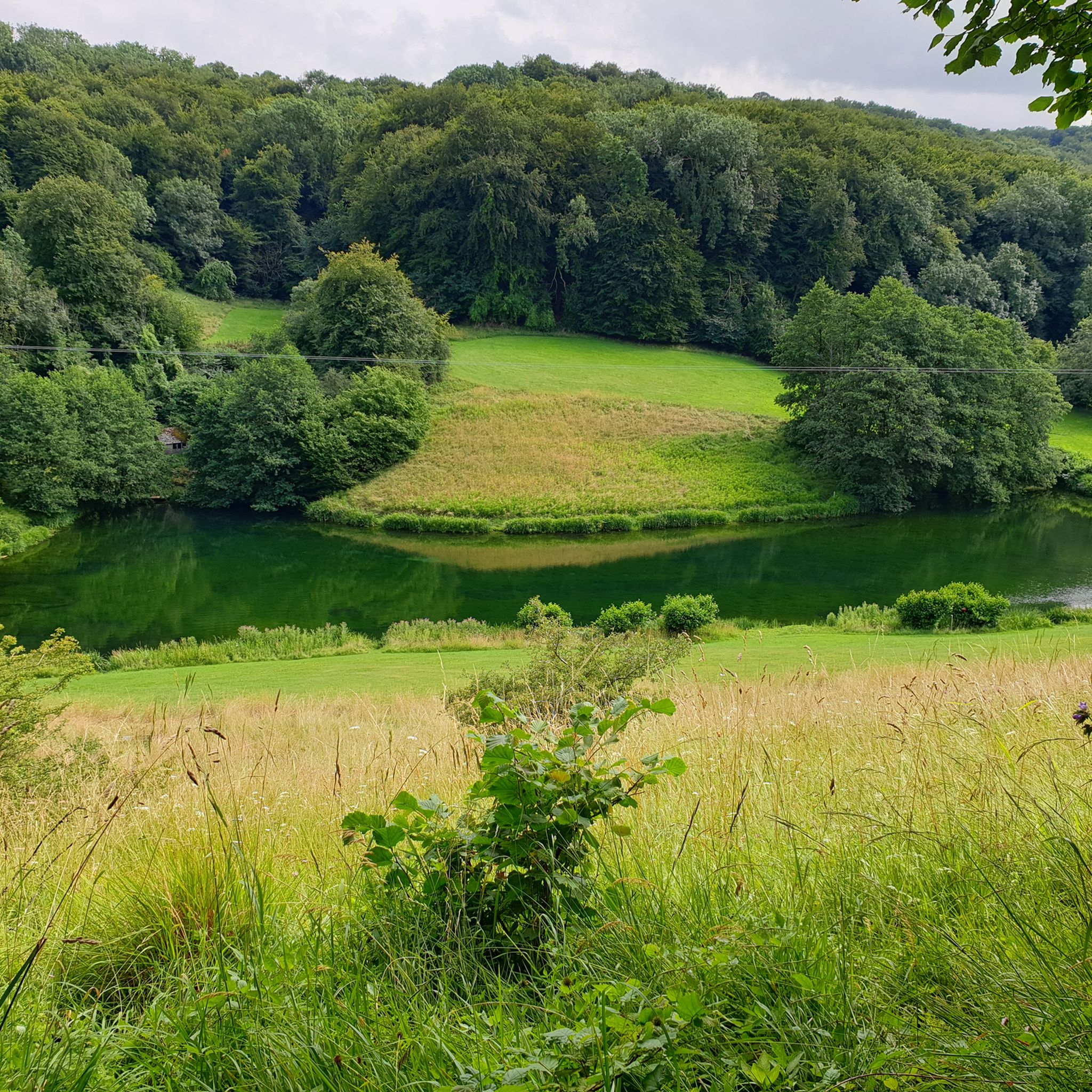
Painswick Beacon sits at the highest point of the Iron Age hill fort Kimsbury Camp. It is also in Painswick Golf Club, and some of the holes are very unusual!
0
0

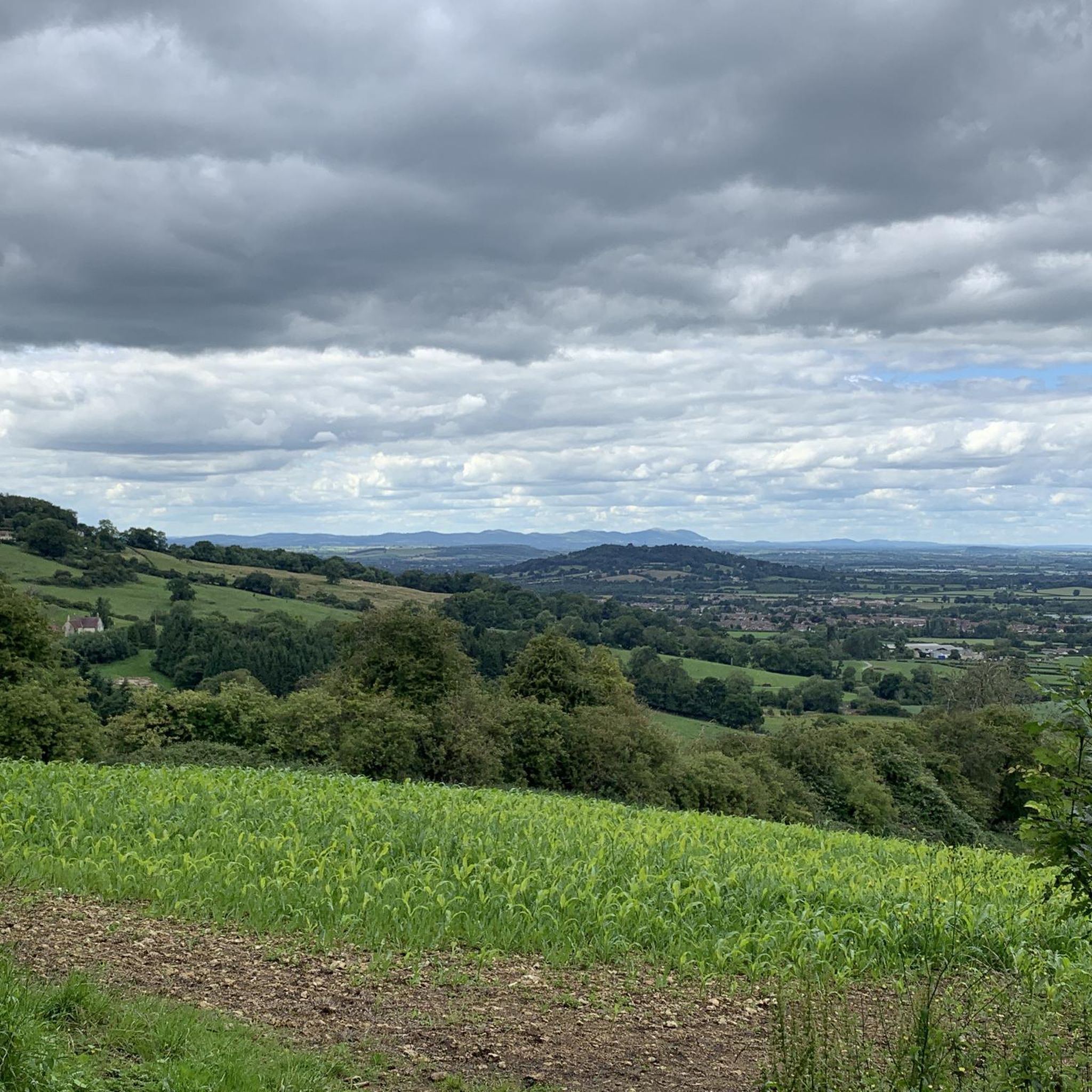
Beautiful views over the Severn and lower parts of Gloucestershire, and of course Wales on the horizon. It is a fresh spot on windy days.
1
0
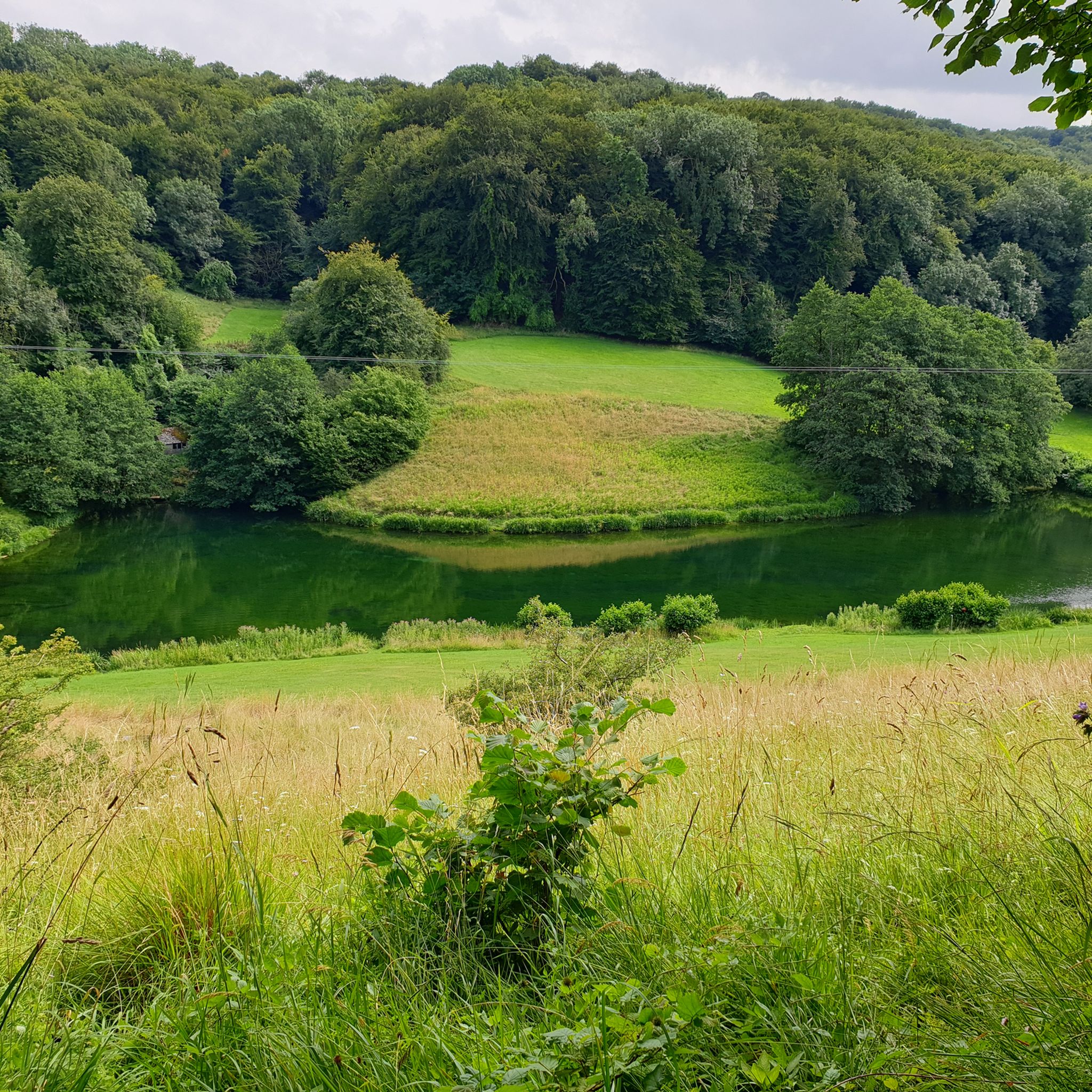
The natural looking but manmade rock tower is certainly impressive!
0
0


Careful on the golf course, stay to the edges. Fantastic views over Gloucester and stroud. If you want an express route down take Stockley and enjoy rocketing into Upton st. Leonards.
0
0

Parking at Daisy bank Road at the bottom is a good place to start. Be aware of MTB trails in the woods!
0
0

Fascinating archaeology, geology and nature combine at Haresfield Beacon. This spectacular viewpoint, which was once a strategically positioned hillfort on the Cotswold limestone escarpment, affords views across the England/Wales border and into the Brecon Beacons. All around is a mixed landscape of woodland and chalk grassland, home to a wide variety of flora and fauna.
0
0
Frequently Asked Questions
What kind of wildlife can I expect to see at Cranham's natural monuments?
Cranham's natural monuments are rich in biodiversity. At Cranham Brickfields Nature Reserve, you might spot slow worms, common lizards, stag beetles, great crested newts, and various butterflies and birds. Cranham Marsh Nature Reserve is home to 23 butterfly species, water voles, and a rare bee, along with hunting kestrels and sparrowhawks. Cranham Common boasts over half of England's butterfly species, including the small blue and chalkhill blue, as well as unique insects like the rugged oil beetle and glow-worm.
Are there specific natural monuments known for their plant life around Cranham?
Yes, several sites are notable for their flora. Cranham Brickfields Nature Reserve features rare plants like dyer's greenweed and pepper saxifrage in its wildflower meadows. Cranham Marsh Nature Reserve's wetland areas are particularly rich in locally uncommon plants such as the southern marsh-orchid, fine-leaved water-dropwort, and fen bedstraw. Cranham Common is a Site of Special Scientific Interest (SSSI) known for its approximately 180 species of wildflowers, including various orchids like common spotted, pyramidal, and fly orchids.
Do any natural monuments around Cranham have historical significance?
Absolutely. Haresfield Beacon was once a strategically positioned hillfort. The peculiar Devil's Chimney, Leckhampton Hill, is a limestone formation above a disused quarry, with local legends suggesting it was either formed by weathering or quarry workers. The Daglingworth Gravel Track passes by Daglingworth Quarry, which has been in use since 1905 and is known for its fossils, including rare plant fragments and dinosaur footprints. Additionally, Painswick Rococo Garden is a historical site with unique garden architecture.
Are there family-friendly natural monuments around Cranham?
Yes, there are options for families. Painswick Rococo Garden offers stunning gardens, follies, and mazes, along with a cafe and play area. Cranham Brickfields Nature Reserve provides opportunities for recreation, including a children's play site with inclusive equipment, alongside peaceful strolls and wildlife spotting.
What outdoor activities can I do near these natural monuments?
The area around Cranham offers a variety of outdoor activities. You can explore numerous MTB trails, including the challenging Cotswold's Commons or the moderate Buckholt Woods Singletrack. For gravel biking, routes like the Lower Purton Swing Bridge loop offer scenic rides. Road cyclists can enjoy routes such as the Gloucester Old Spot Pub loop or the Slad Valley Climb. You can find more details on these activities in the MTB Trails around Cranham, Gravel biking around Cranham, and Road Cycling Routes around Cranham guides.
What are the best times to visit Cranham's natural monuments for nature observation?
Spring and summer are ideal for birdwatching and observing wildflowers. During these seasons, meadows are in bloom, and scrub areas attract a variety of migrant birds and butterflies. For example, Cranham Brickfields Nature Reserve is excellent for birdwatching in spring and summer, while Cranham Common showcases its abundant wildflowers and butterflies during these warmer months.
Are there any natural monuments with impressive views around Cranham?
Yes, Cranham is known for its viewpoints. Haresfield Beacon offers glorious views stretching over the Severn Estuary, the City of Gloucester, and the Forest of Dean. Painswick Beacon provides panoramic views from its summit, also extending over the Severn estuary. Additionally, Cranham Common offers extensive views over the North Wessex Downs.
What makes Cranham Marsh Nature Reserve a unique natural monument?
Cranham Marsh Nature Reserve is unique for its blend of woodland, wet meadow, and marsh, notably containing one of the few remaining fen areas in the region. It's considered a 'woodland oasis' that represents a relic marshland, offering a glimpse into the countryside before urban development. The reserve is also home to ancient woodland and rare flora like the southern marsh-orchid.
Can I bring my dog to the natural monuments in Cranham?
Many natural spaces in Cranham, such as Cranham Brickfields Nature Reserve, are suitable for dog walking. However, it's always recommended to check specific reserve guidelines or local signage for any restrictions, especially concerning wildlife protection or livestock, and to keep dogs under control.
What are the geological points of interest near Cranham?
Geological points of interest include Haresfield Beacon, which is a site of special scientific interest due to its Jurassic rocks. The Devil's Chimney, Leckhampton Hill, is an unusual limestone rock formation. The Daglingworth Gravel Track passes Daglingworth Quarry, where a wide variety of fossils, including oysters, scallops, sea urchins, rare plant fragments, and even dinosaur footprints, have been found within its limestone and Hampen Formations.
What is special about Cranham Common?
Cranham Common is part of the larger Cotswold Commons and Beechwoods National Nature Reserve (NNR) and its core grassland is a Site of Special Scientific Interest (SSSI). It is particularly special for its rich biodiversity, featuring approximately 180 species of wildflowers, including various orchids. It's also a haven for butterflies, with more than half of England's species recorded here, alongside unique insects like the rugged oil beetle and glow-worm. The common also offers extensive views over the North Wessex Downs.
Are there facilities available at the natural monuments?
Facilities vary by location. Painswick Rococo Garden offers a cafe, gift shop, and toilet facilities. Cranham Brickfields Nature Reserve includes a children's play site with inclusive equipment. For other natural monuments, facilities may be limited to parking areas or informal pathways, so it's advisable to plan accordingly.
Most popular routes around Cranham
Most popular attractions around Cranham

Get inspired with the komoot mobile app


Explore more
Extend your search for the best caves by checking out these guides of the top ones around Cranham:
