Top 20 Natural Monuments in the Deister
Best natural monuments in the Deister encompass a forested mountain range southwest of Hanover, shaped by millions of years of geological processes. The Deister is primarily composed of limestone, marl, and sandstone from the Lower Cretaceous period, uplifted by tectonic movements. This landscape, further sculpted by glacial periods, offers varied rock types and topography. Exploring these natural landmarks provides insight into ancient geological forces and diverse natural features.
Best natural monuments in the Deister
- The most popular natural monuments is…
Last updated: July 6, 2026
Wennigsen Waterwheels
Highlight • Structure
Translated by Google •
Tip by

Blanketeich
Highlight • Lake
Translated by Google •
Tip by

Sign up now to discover places like this
Get recommendations on the best single tracks, peaks, & plenty of other exciting outdoor places.
Sign up for free
Quarry at Ebersberg
Highlight • Natural Monument
Although it is nowhere near as deep as in the neighboring quarry, (komoot.de/highlight/396054) you should still be careful.
Translated by Google •
Tip by

Old Baptismal Font
Highlight • Natural Monument
Translated by Google •
Tip by

Kreuzbuche Memorial and Shelter
Highlight • Monument
Translated by Google •
Tip by

Walterbach Valley Nature Reserve
Highlight (Segment) • Natural Monument
Translated by Google •
Tip by

Deister Trout Pond
Highlight • Lake
The stamp office is located outside the shelter - there are also the Wanderpaesse.
Translated by Google •
Tip by

Window to the Primeval Forest (Steinbrink, Deister)
Highlight • Viewpoint
Translated by Google •
Tip by

Ziegenbuche
Highlight • Natural Monument
Translated by Google •
Tip by

Böss Spring and Shelter
Highlight • Natural Monument
Translated by Google •
Tip by
Sign up for free to discover even more natural monuments in the Deister.
Sign up for free
Already have an account?
Start today with a free account
Your next adventure awaits.
Login or Signup
Popular around Deister
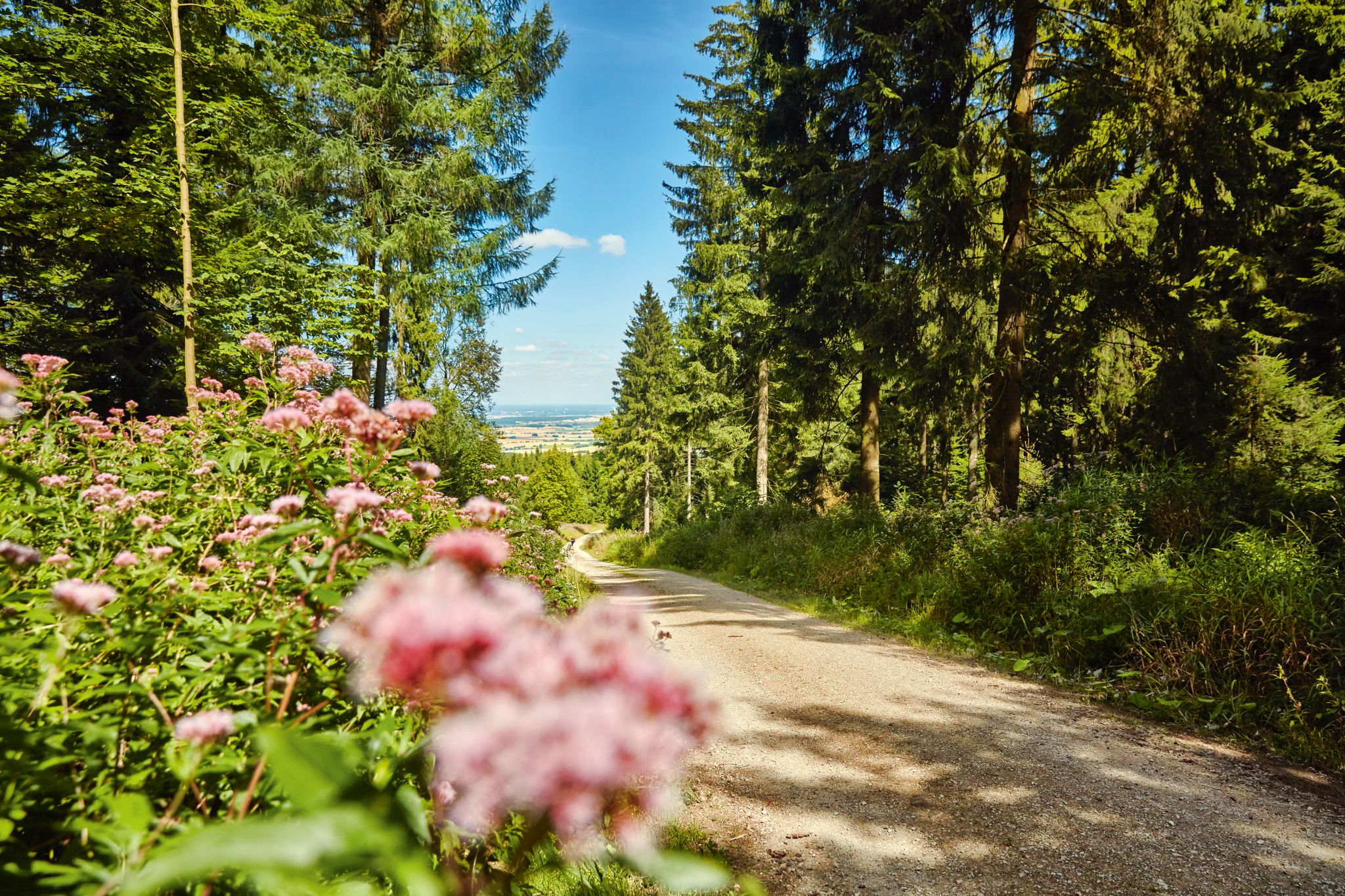
Hanover trails – hiking between Steinhuder Meer and Deister
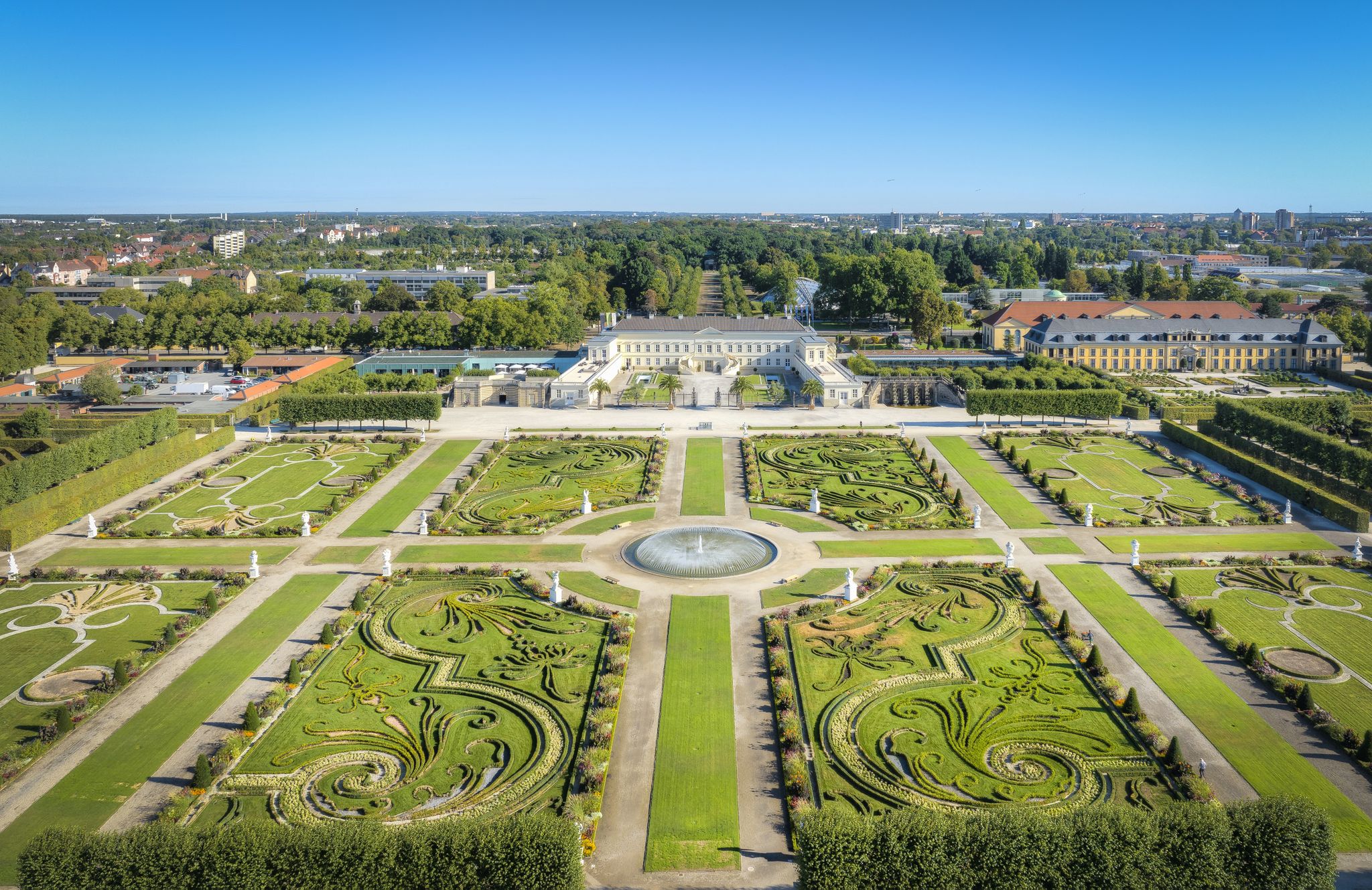
Hannover holiday region – varied cycling experiences in culture and nature
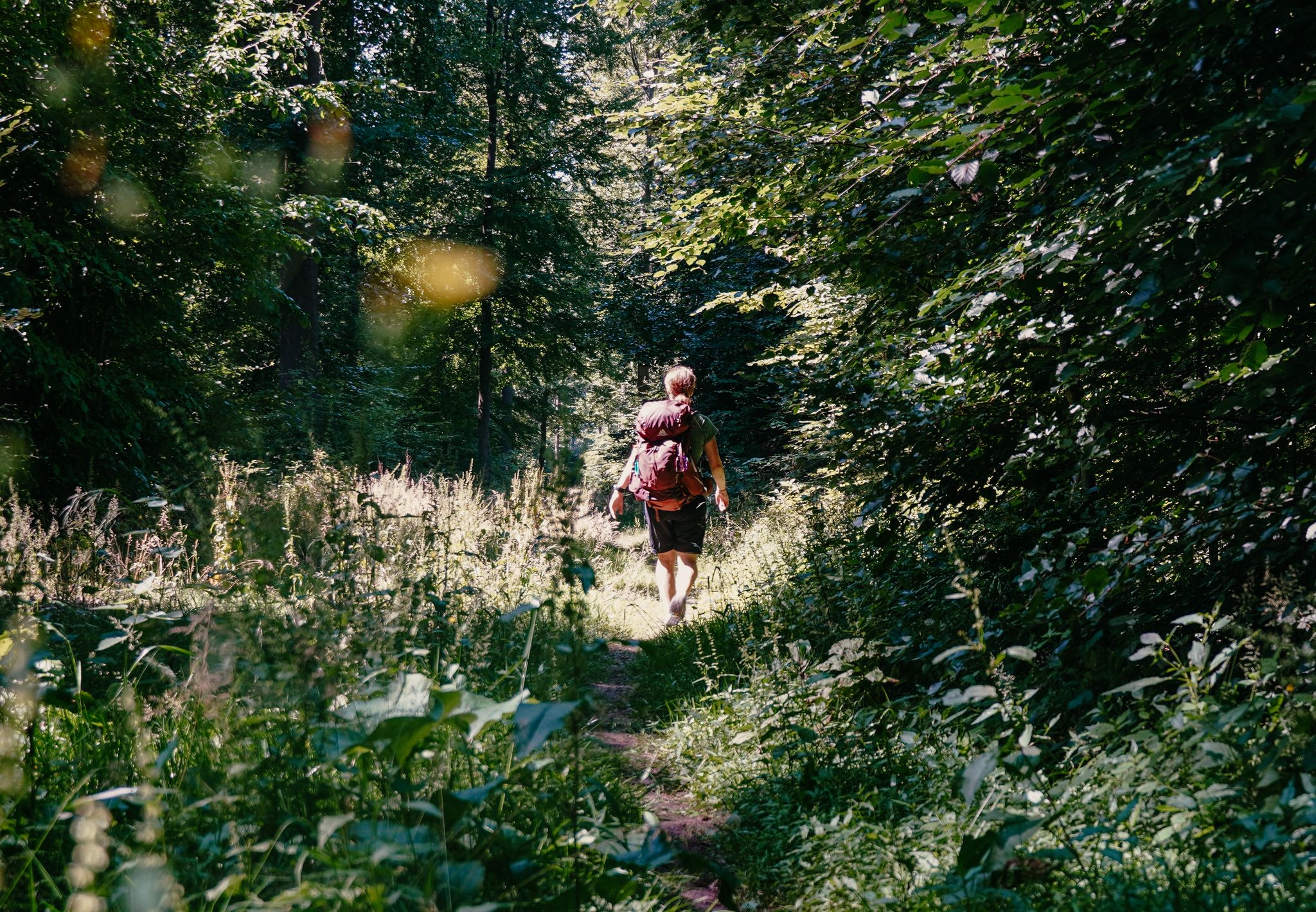
Experience nature with all your senses in the Weserbergland
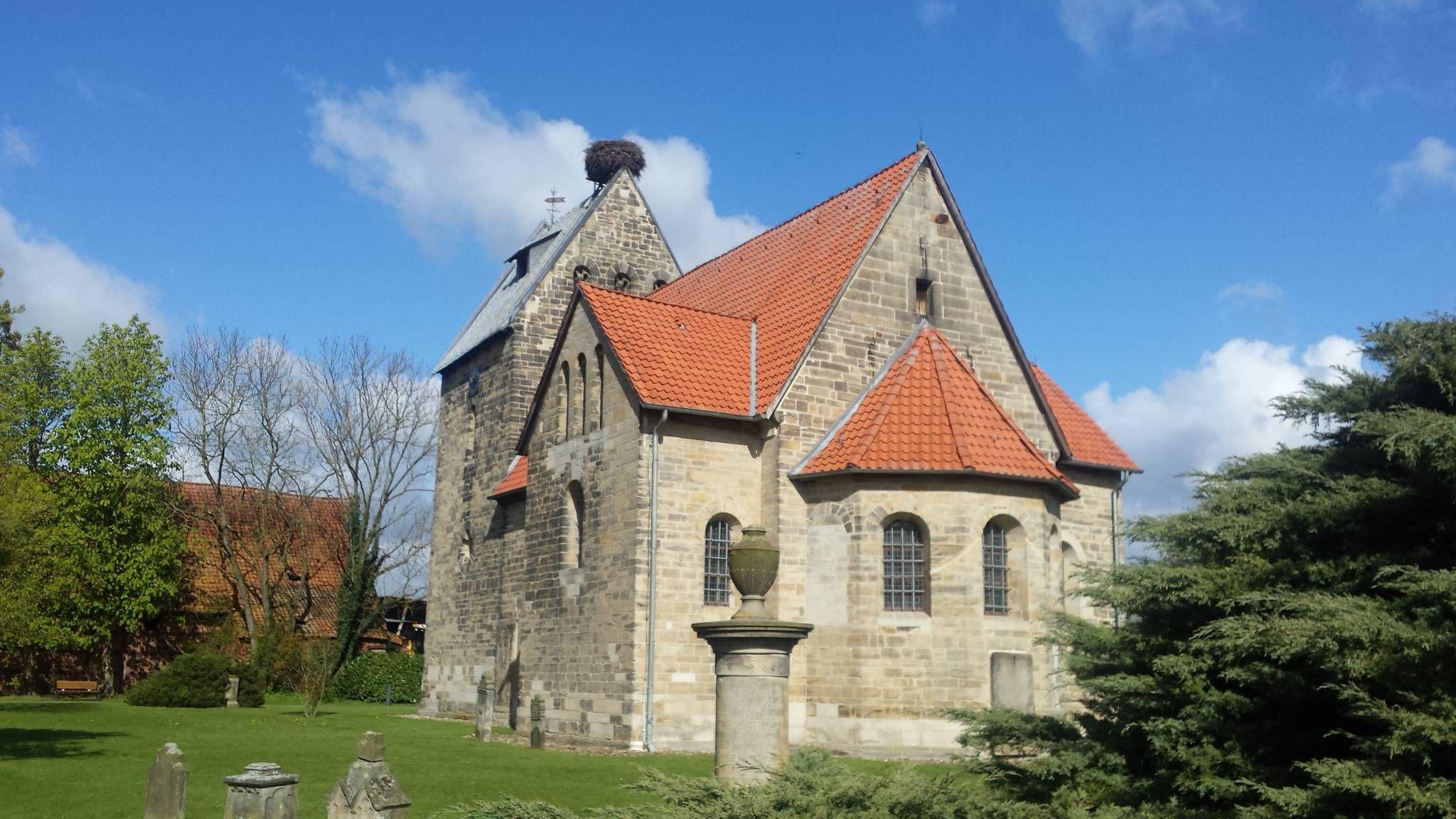
A 10-day pilgrimage in Lower Saxony – Sigwardsweg
33 MTB trails through German forests
Hiking in the Deister
Cycling in the Deister
MTB Trails in the Deister
Road Cycling Routes in the Deister
Running Trails in the Deister
Other adventures in the Deister


Tips from the Community

A shelter and fresh spring water invite you to rest. A memorial stone commemorates the 10th Pioneer Battalion. A water intake point was built in 1937/38. It was named Böss-Quelle, probably after the forester Bössenroth who worked here.
3
0

A nice idea to draw attention to the piece of untouched nature.
1
0
Hikers can get fresh spring water from the Bösquelle. The water flows from the source through the Fuchsbachtal water catchment area north to the valley.
1
0

Just the right place for a break.
1
0

Stamping points for the Deister hiking pass ~ No. 1 trout pond (stamp was permanently removed due to vandalism. As a replacement, you will find a code outside the refuge that you can enter in the pass instead of the stamp)
0
0

Beautiful single trail along the Walterbach.
6
1
The old baptism is the subject of a local legend, which takes place at the time of Christianization. The stone's name may derive from the embellished idea that it was used as a baptismal font after the advent of Christianity. Forced baptisms are conceivable, but just as little documented as pagan human sacrifices in prehistoric times. Nonetheless, the idea of human sacrifice in the ancient baptism is considered as one of several explanations of the idiom "walking over the Deister." The idiom means "disappear" and possibly "die" - similar to "cross the Jordan" and "cross the Wupper". Other explanations of phraseologism do not draw on the sagas associated with the ancient baptism. Source: https://de.wikipedia.org/wiki/Alte_Taufe
4
0
Large eight at the trout pond draws attention to the carbon dioxide binding of the forest: In the course of advancing climate change, the forest with its important functions as a carbon dioxide absorber, oxygen producer and as a water store and filter is increasingly coming into focus. Constantin von Waldthausen, operations manager of the monastery forests, and Stefanie Crevelhörster, the new district forester of the monastery forests for the area near Barsinghausen, draw attention to the fact that eight tons of carbon dioxide are bound each year on one hectare of managed forest. In addition, the forest causes a reduction in carbon dioxide in the order of 14 percent. As part of a nationwide information campaign by the forest owners and the family businesses Land und Forst, the monastery foresters of the monastery chamber in Hanover have now set up a total of 13 eights equipped with information boards to draw the attention of both rural and urban residents to the ecological function of the local forest. In view of the enormous damage that climate change has caused in the forests in recent years, Von Waldthausen advocates that the achievements of forest managers should be recognized and rewarded more financially. Area managers Stefanie Crevelhörster and Von Waldthausen emphasize that damaged areas are also being reforested in the vicinity of the trout pond near Barsinghausen. It would also be taken into account that there is less and less precipitation in the warm season. The monastery foresters therefore intensified the reforestation with mixed forests, with more tree species such as larch, Douglas fir, pine and chestnuts being planted. The spruce and beech stands are particularly affected by climate change. The dynamics of the damage to the forest have clearly shown that one needs to invest more in the conversion of the forest than before, so financial support from society would be desirable, especially for small and medium-sized forest owners. Source: https://deister-echo.de/grosse-acht-beim-forellenteich-macht-auf-die-kohlendioxidverbindungen-des-waldes-aufmerksam/
1
0
Frequently Asked Questions
What are some of the most unique natural monuments to visit in the Deister?
The Deister offers several unique natural monuments. Don't miss the Süntel Beech Avenue in the spa park of Bad Nenndorf, known for its rare, twisted Süntel beech trees. Another fascinating spot is the Quarry at Ebersberg, which provides a direct insight into the region's geological formations. For a blend of nature and human creativity, the Wennigsen Waterwheels are a charming, family-friendly destination.
Are there any natural monuments in the Deister with historical significance?
Yes, the Old Baptismal Font is an impressive natural monument with historical tales. This 3x3 meter cube-shaped sandstone block is surrounded by legends, with some suggesting it served as a sacrificial stone in ancient times or as a baptismal font for an early church.
What kind of geological features can I explore in the Deister?
The Deister mountain range itself is a testament to millions of years of geological processes. It's primarily composed of limestone, marl, and sandstone from the Lower Cretaceous period. You can observe these formations directly at sites like the Quarry at Ebersberg, which offers a clear perspective on the area's geological history and the effects of tectonic movements and glacial periods.
Are there family-friendly natural monuments or activities in the Deister?
Absolutely! The Wennigsen Waterwheels are a popular and lovingly designed destination, perfect for families. The Blanke Pond also offers a serene, family-friendly setting within the forest. Many natural monuments, including the Süntel Beech Avenue, are easily accessible and enjoyable for all ages.
What outdoor activities can I do near the natural monuments in the Deister?
The Deister is excellent for various outdoor activities. You can find numerous routes for cycling, mountain biking, and gravel biking. For detailed routes and guides, explore options like Cycling in the Deister, MTB Trails in the Deister, and Gravel biking in the Deister.
Are there specific hiking trails that lead to natural monuments?
Yes, many natural monuments are integrated into hiking trails. For instance, the Walterbach Valley Nature Reserve features a beautiful path that is a highlight, especially during autumn foliage or when early spring flowers bloom. The area around the Old Baptismal Font is also a worthwhile excursion in a scenic location.
Where can I find unique tree species in the Deister?
The Deister is home to the rare Süntel beech trees, known for their distinctive twisted and contorted growth forms. The largest concentration can be found at the Süntel Beech Avenue in the spa park of Bad Nenndorf, which features over 100 trees, some over a century old. You might also spot them near the barbecue area Lauenau-Feggendorf.
Are there any viewpoints offering panoramic views of the Deister's natural landscape?
While not natural monuments themselves, observation towers like the Nordmannsturm and Annaturm provide magnificent panoramic views of the Deister's natural grandeur and the surrounding Calenberger Land. These offer breathtaking perspectives of the forested slopes and valleys, highlighting the scale and beauty of the natural environment. Additionally, the Window to the Primeval Forest (Steinbrink, Deister) is a notable viewpoint.
What do visitors particularly enjoy about the natural monuments in the Deister?
Visitors frequently praise the unique natural beauty and the sense of tranquility. The Wennigsen Waterwheels are often highlighted as a 'beautiful excursion destination for the whole family.' The Walterbach Valley Nature Reserve is cherished for its 'beautiful path' and 'colorful autumn leaves,' while the Süntel Beech Avenue amazes both children and adults with its 'crooked things' and 'bizarre tree shapes'.
Are there any natural springs or water features to visit?
Yes, the Böss Spring and Shelter is a notable natural monument featuring a spring, offering a peaceful spot for visitors. The Walterbach Valley Nature Reserve also features a brook where Märzenbecher bloom in March.
When is the best time to visit the natural monuments in the Deister?
The Deister is beautiful year-round, but specific times offer unique experiences. Spring brings early flowers, particularly in areas like the Walterbach Valley Nature Reserve. Autumn is spectacular for its colorful foliage, making it an ideal time for scenic walks. The Süntel beech trees are captivating in any season, showcasing their unique forms.
Are there facilities like cafes or shelters near the natural monuments?
Some natural monuments offer nearby facilities. For example, the Ziegenbuche includes a restaurant, cafe, and hut. The Böss Spring and Shelter and the Kreuzbuche Memorial and Shelter also provide shelters, offering convenient resting spots for visitors.
Most popular routes in the Deister
Most popular attractions in the Deister

Get inspired with the komoot mobile app


Explore more
Extend your search for the best caves by checking out these guides of the top ones in the Deister:
