Top 20 Natural Monuments in Dortmund
Natural monuments in Dortmund offer diverse landscapes, from expansive parks to historical sites overlooking rivers. The city, known for its industrial heritage, also provides numerous green spaces for outdoor activities. These areas feature varied flora, panoramic views, and tranquil environments. They serve as significant natural landmarks within the urban setting.
Best natural monuments in Dortmund
- The most popular natural monuments is Hohensyburg castle ruins, a castle that offers views over Hagen and the Hengsteysee. The site includes remains of…
Last updated: October 10, 2026
Hohensyburg castle ruins
Highlight • Castle
Translated by Google •
Tip by

Kaiser Wilhelm Monument, Hohensyburg
Highlight • Monument
Translated by Google •
Tip by
Sign up now to discover places like this
Get recommendations on the best single tracks, peaks, & plenty of other exciting outdoor places.
Confluence of the Ruhr and the Lenne
Highlight • River
Translated by Google •
Tip by

Restored Emscher
Highlight (Segment) • River
Showing Translation
Tip by

Bick auf die Renaturierte Emscher
Highlight • River
Translated by Google •
Tip by

Renatured Emscher section at Deusenberg
Highlight (Segment) • River
Showing Translation
Tip by

Bruno Lake
Highlight • Lake
Translated by Google •
Tip by

South shore of Hallerey Lake in Hallerey Nature Reserve
Highlight • Lake
Translated by Google •
Tip by

Renatured Emscher River and Wetlands
Highlight (Segment) • River
Very beautiful paths have been created for people, where you can cycle and hike wonderfully.
Showing Translation
Tip by

View of the Ruhr, the Hengsteysee and Hagen
Highlight • Viewpoint
Translated by Google •
Tip by

Sign up for free to discover even more natural monuments in Dortmund.
Already have an account?
Start today with a free account
Your next adventure awaits.
Popular around Dortmund
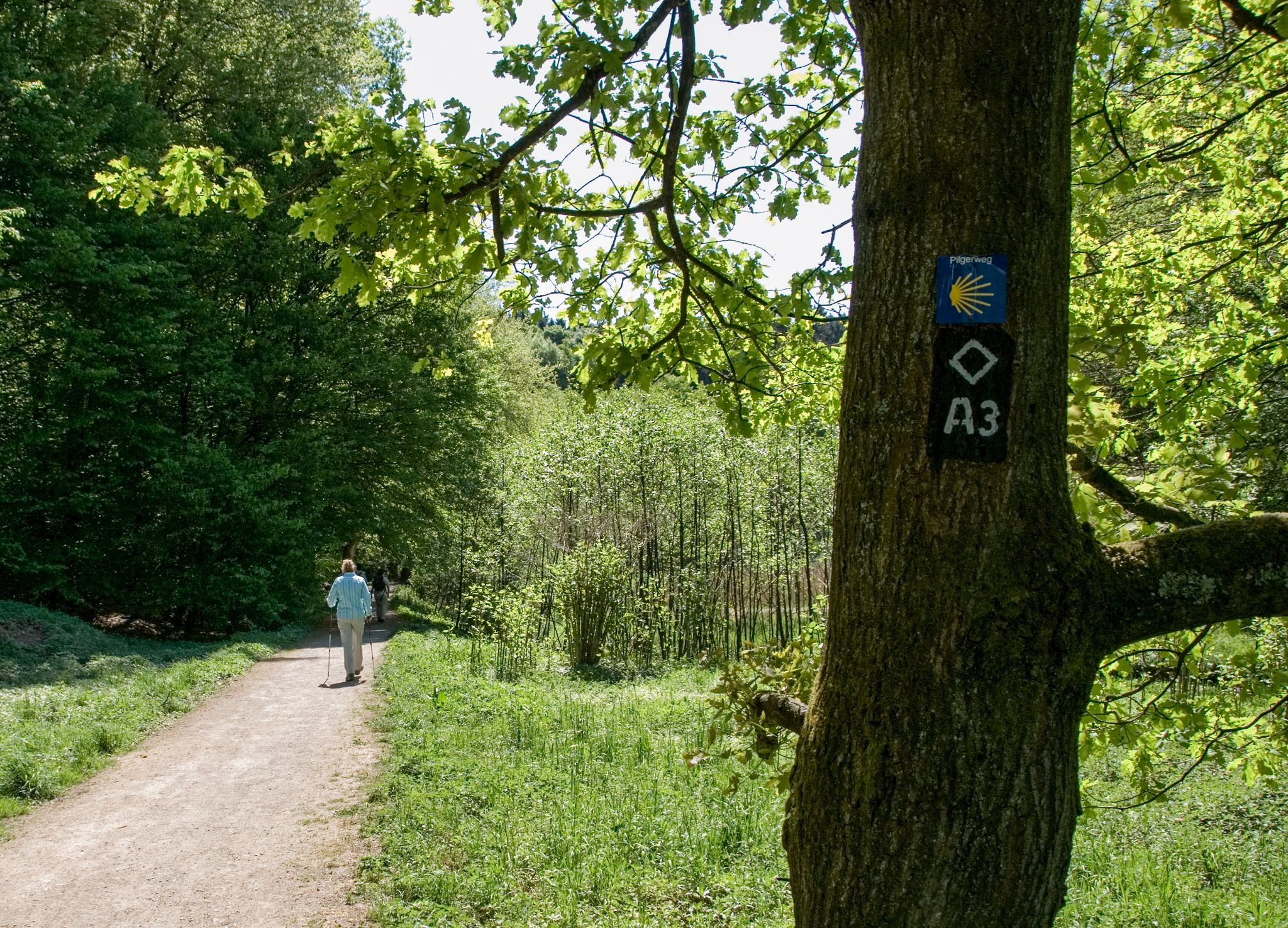
Westphalian Way of St. James – 9 days
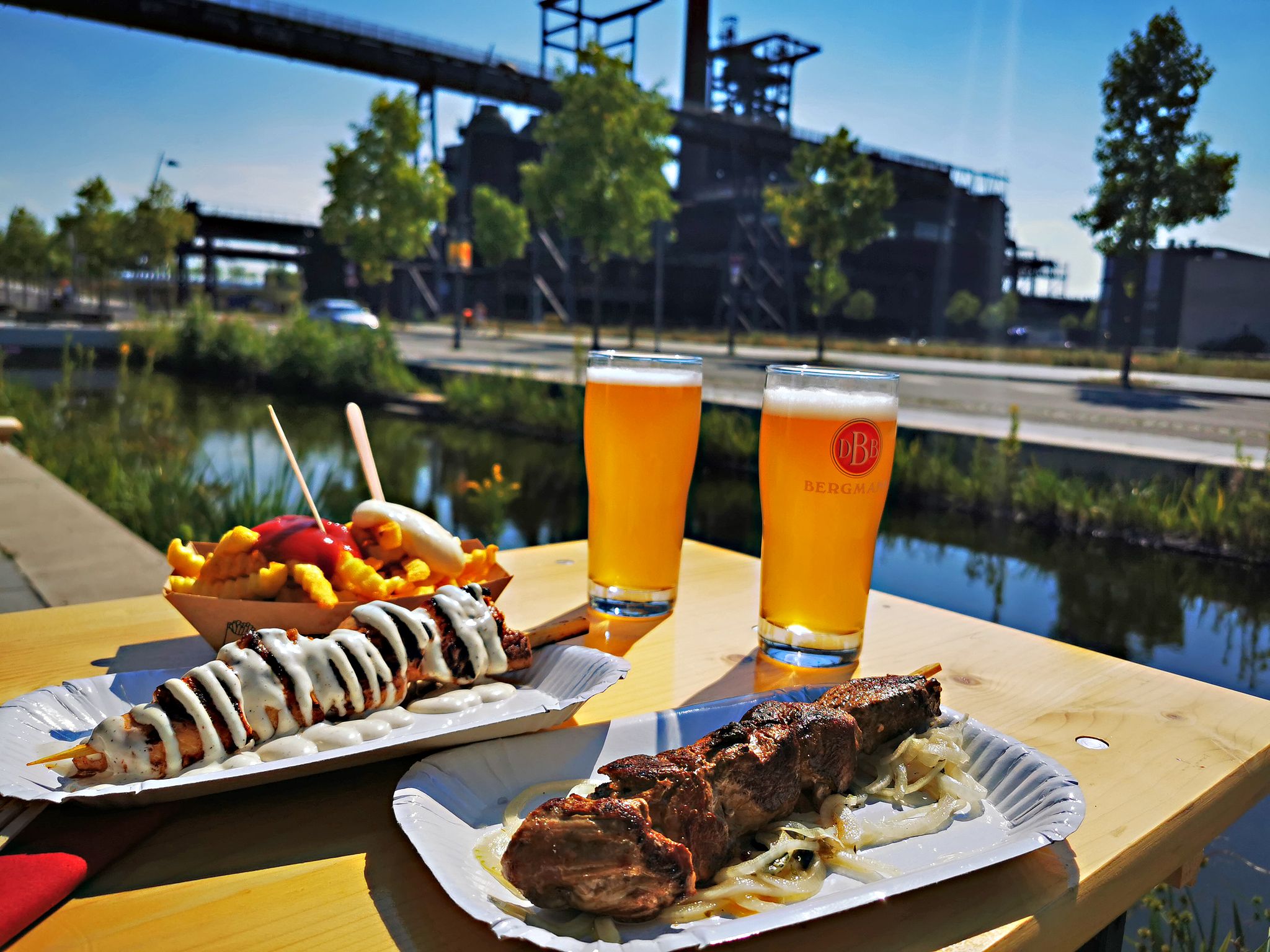
Long live the break – bike tours with beer gardens & culinary delights
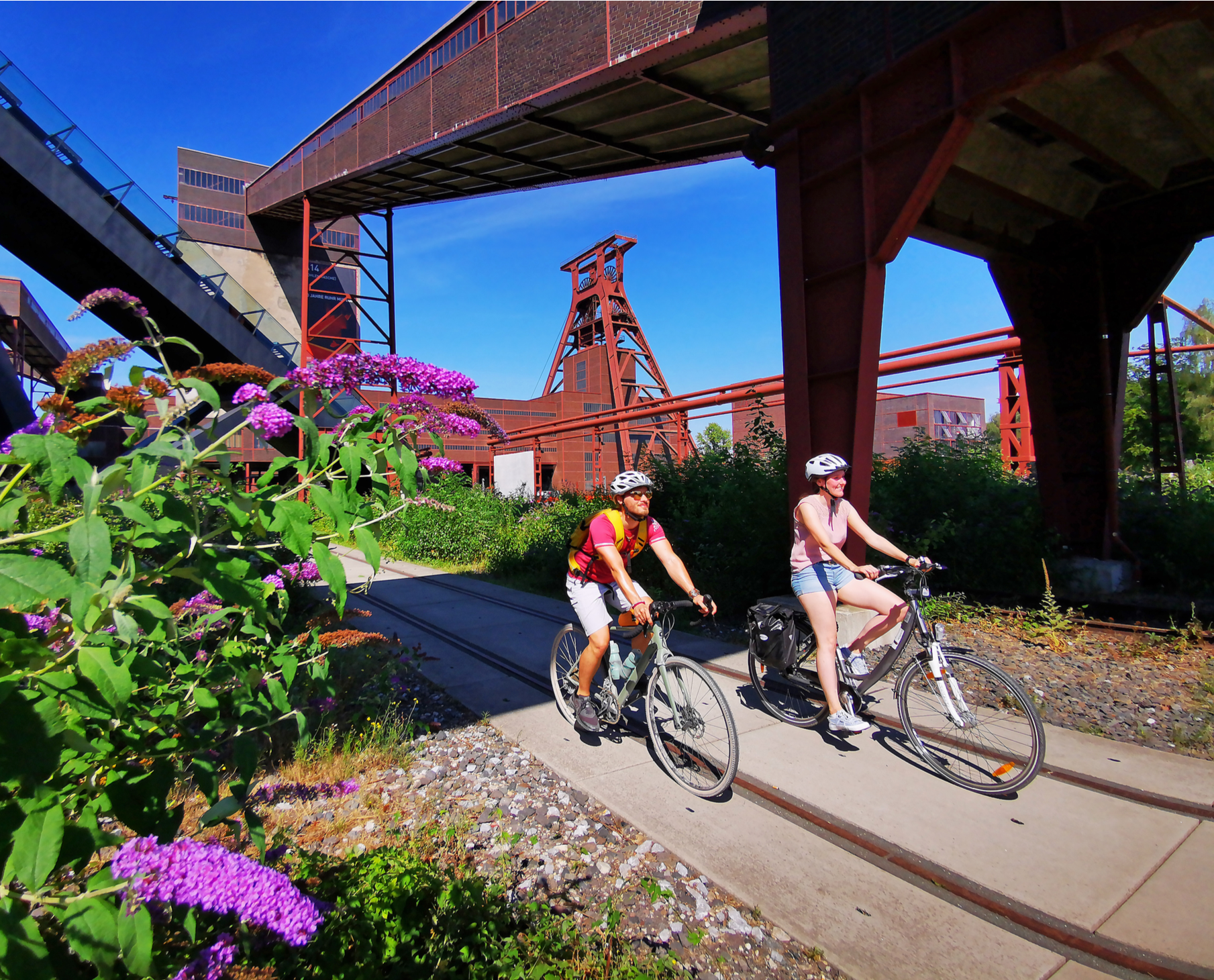
Railway cycling and industrial heritage in the Ruhr area – RevierRouten
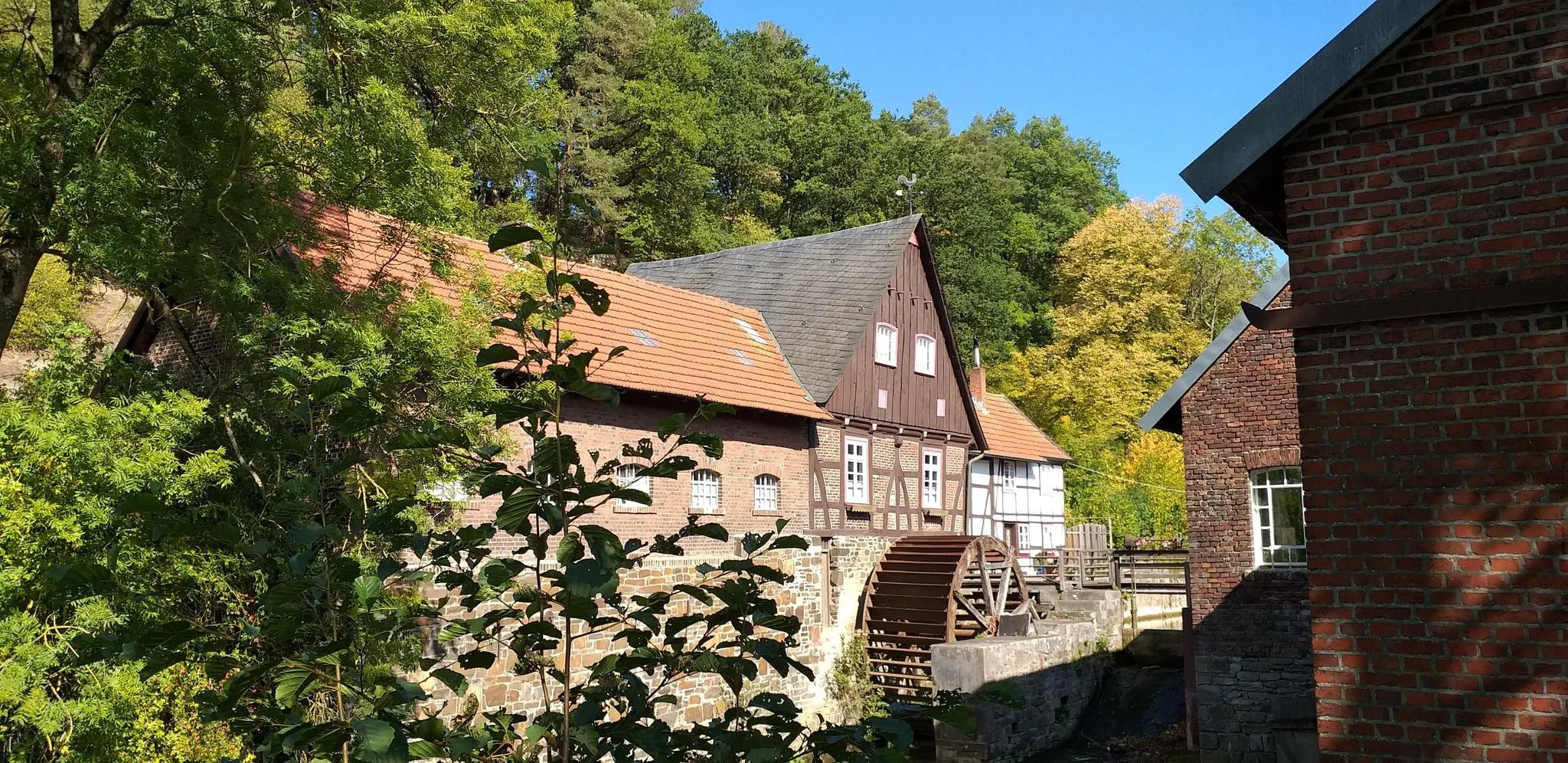
Hike through history in Germany’s Ruhr area – WestfalenWanderWeg
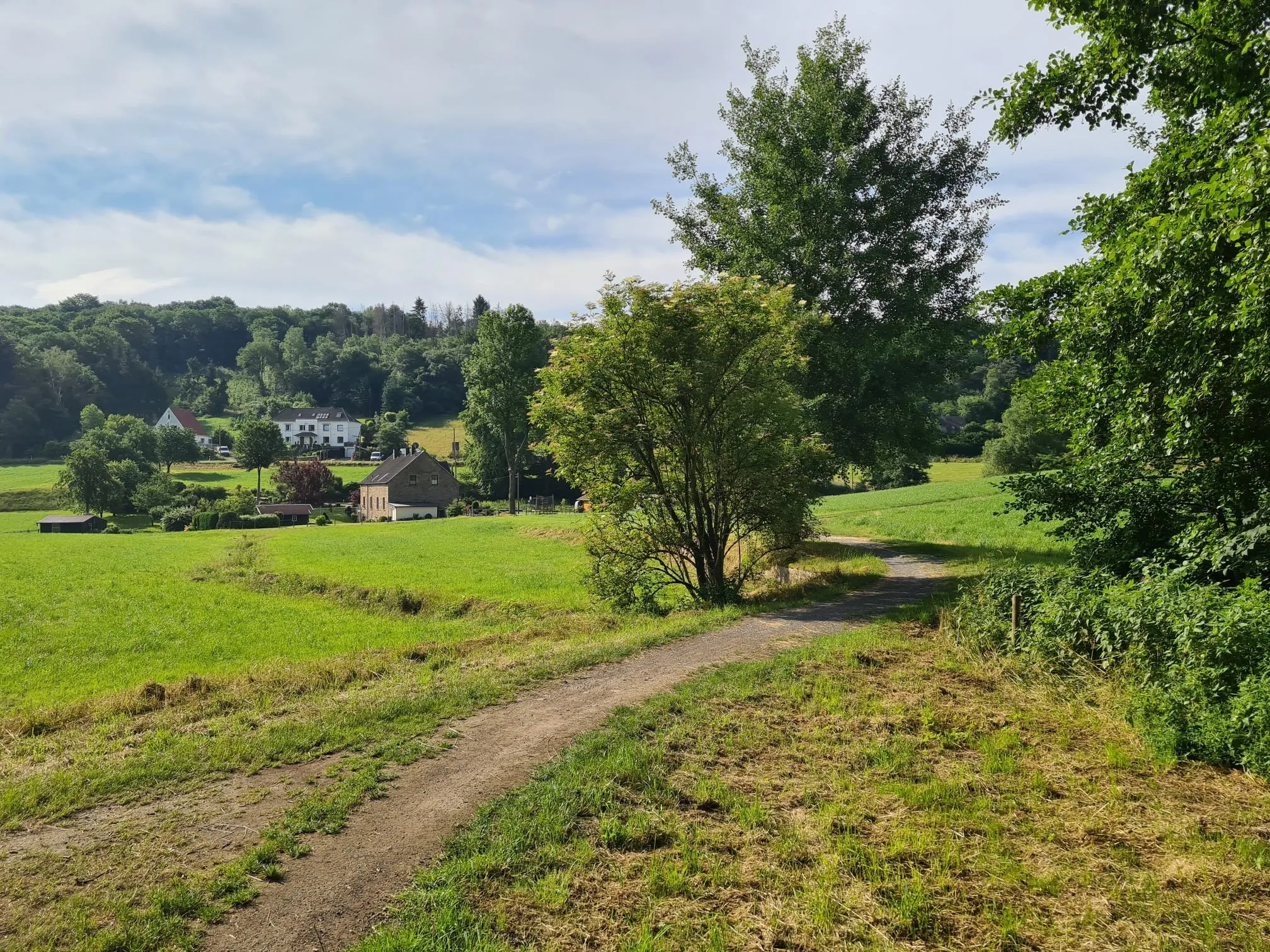
Trail running south of Dortmund – around the Hohensyburg
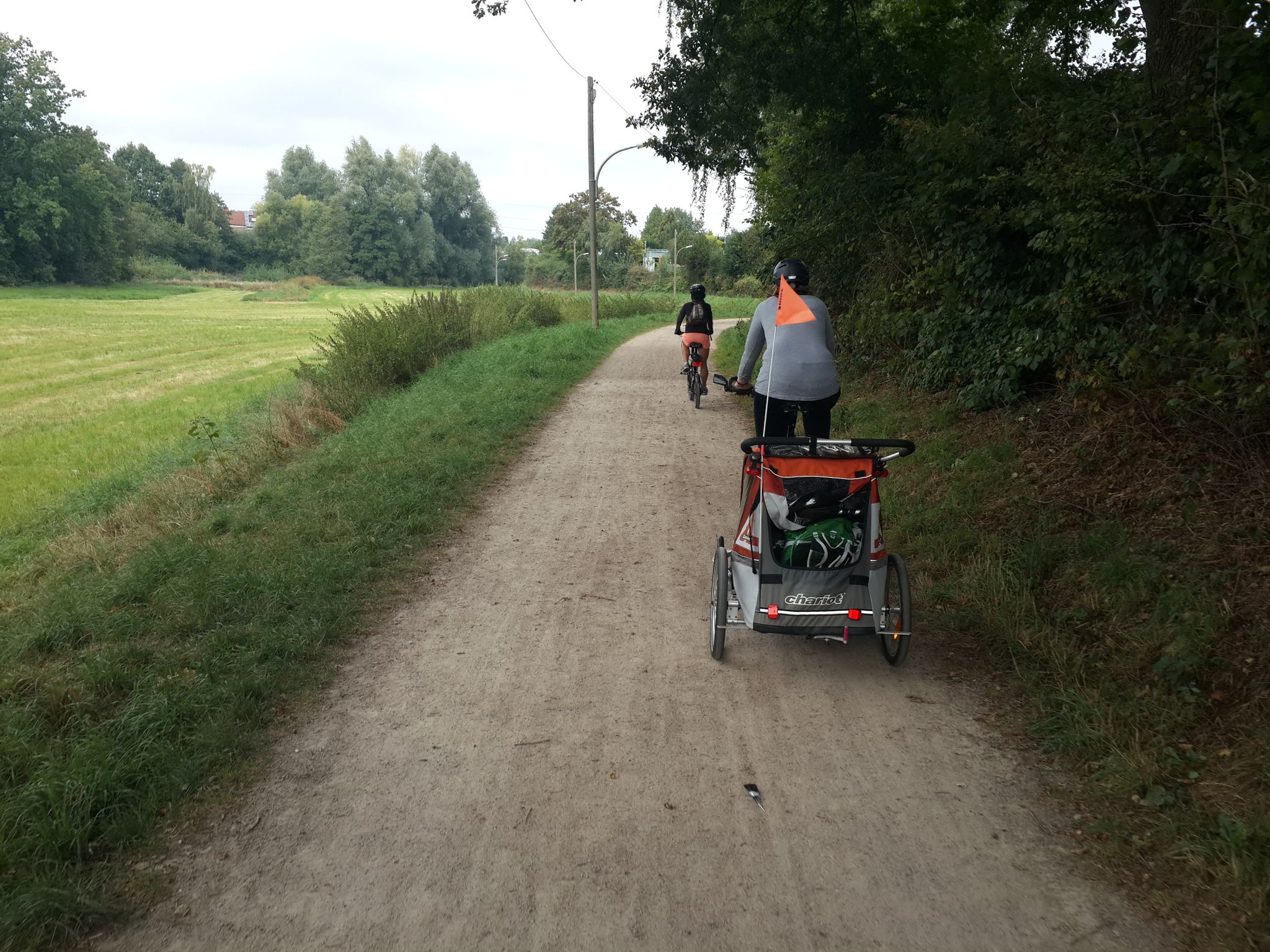
Cycling tours in the cardinal directions in Dortmund
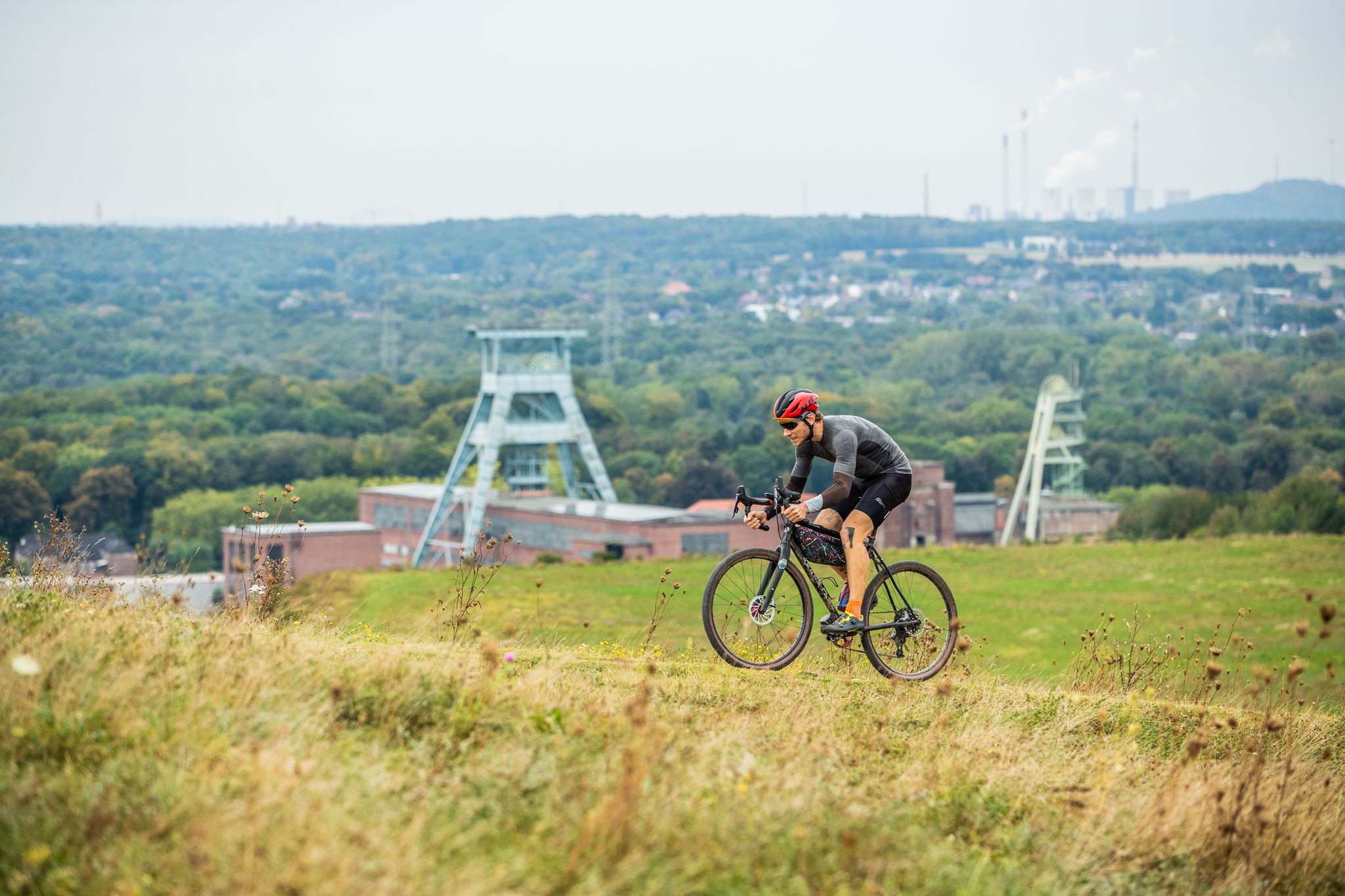
To the colliery by gravel bike — riding in Germany's Ruhr region
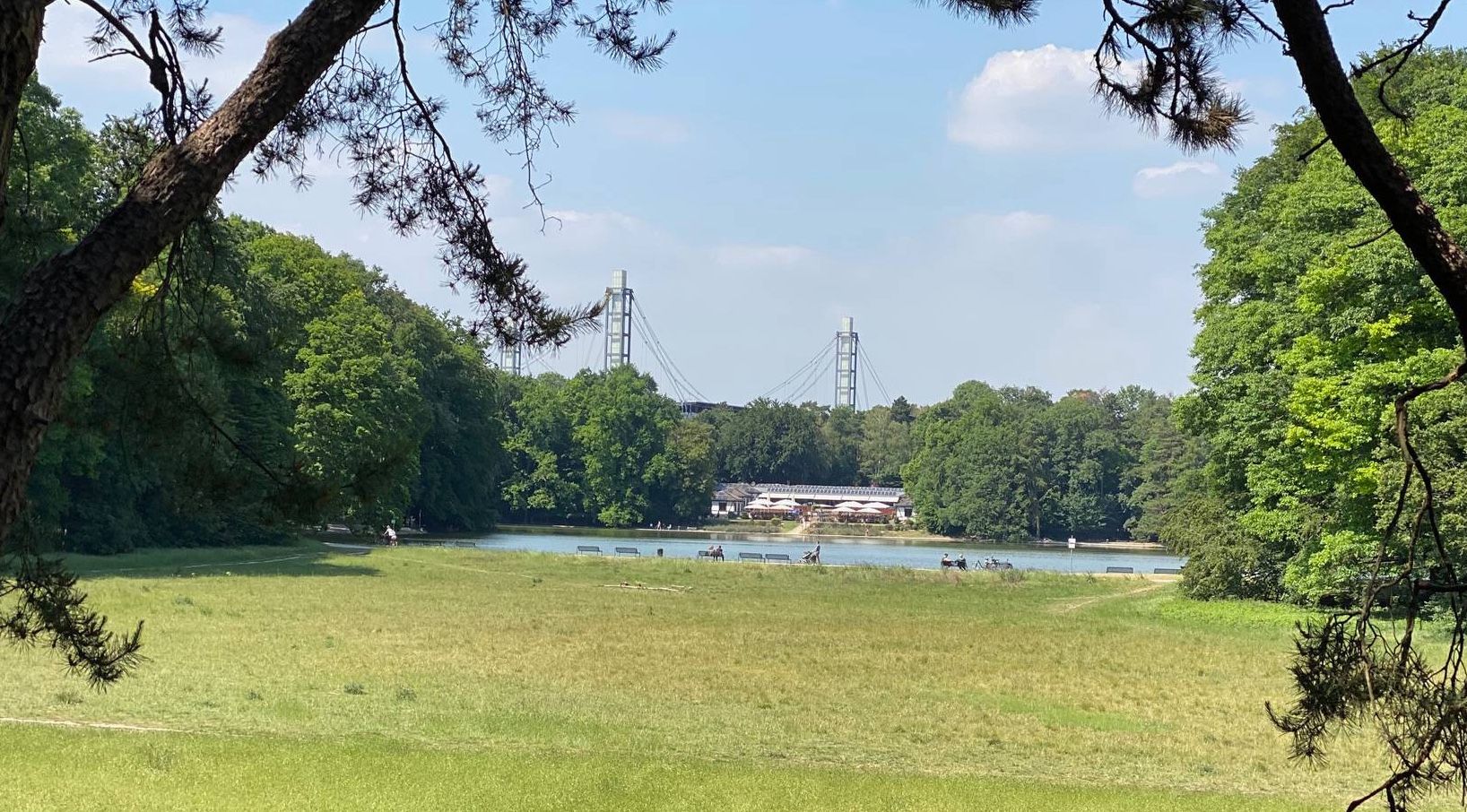
German Football Route NRW — history meets modernity
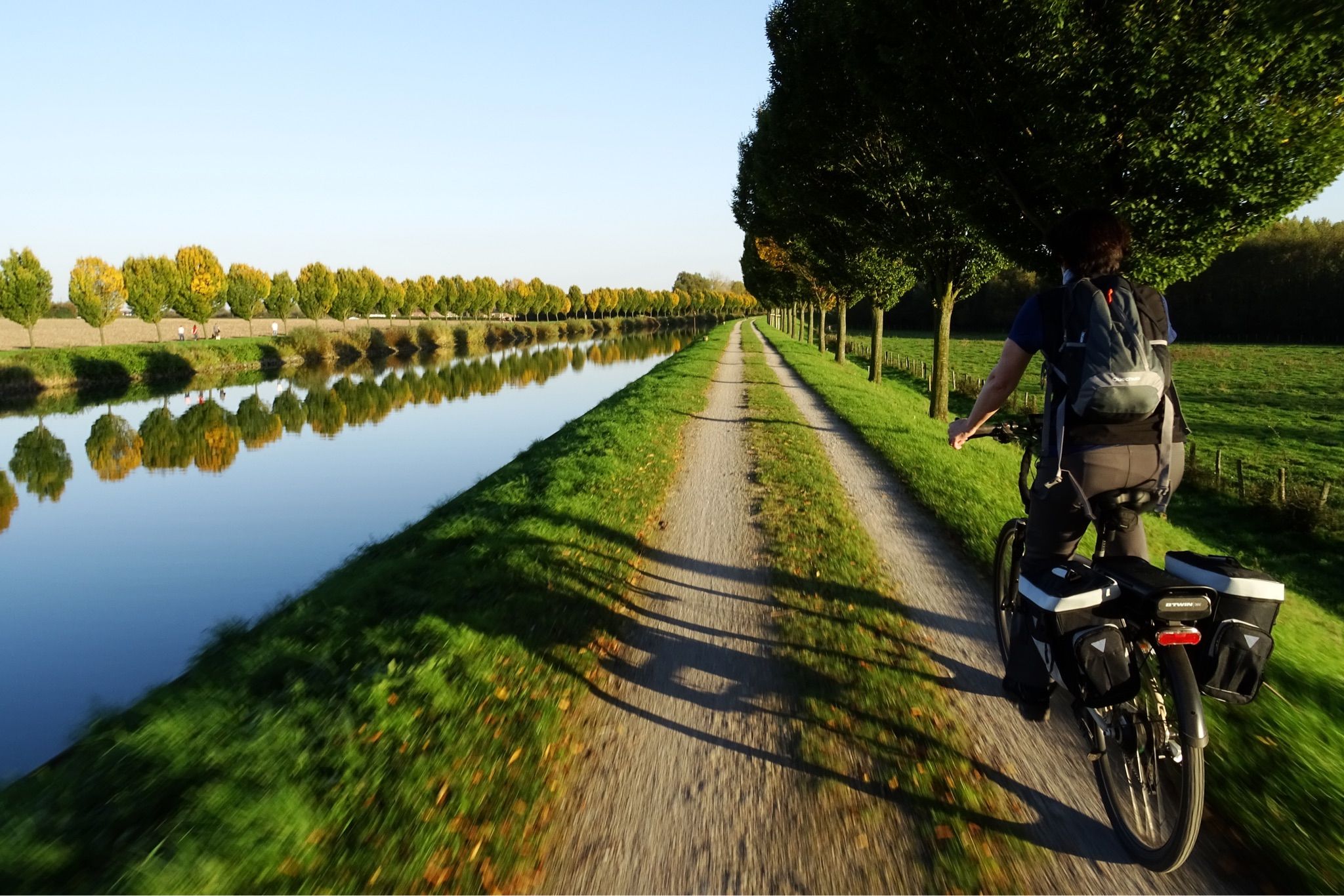
On to the mud flats – the Dortmund-Ems Canal Cycle Route
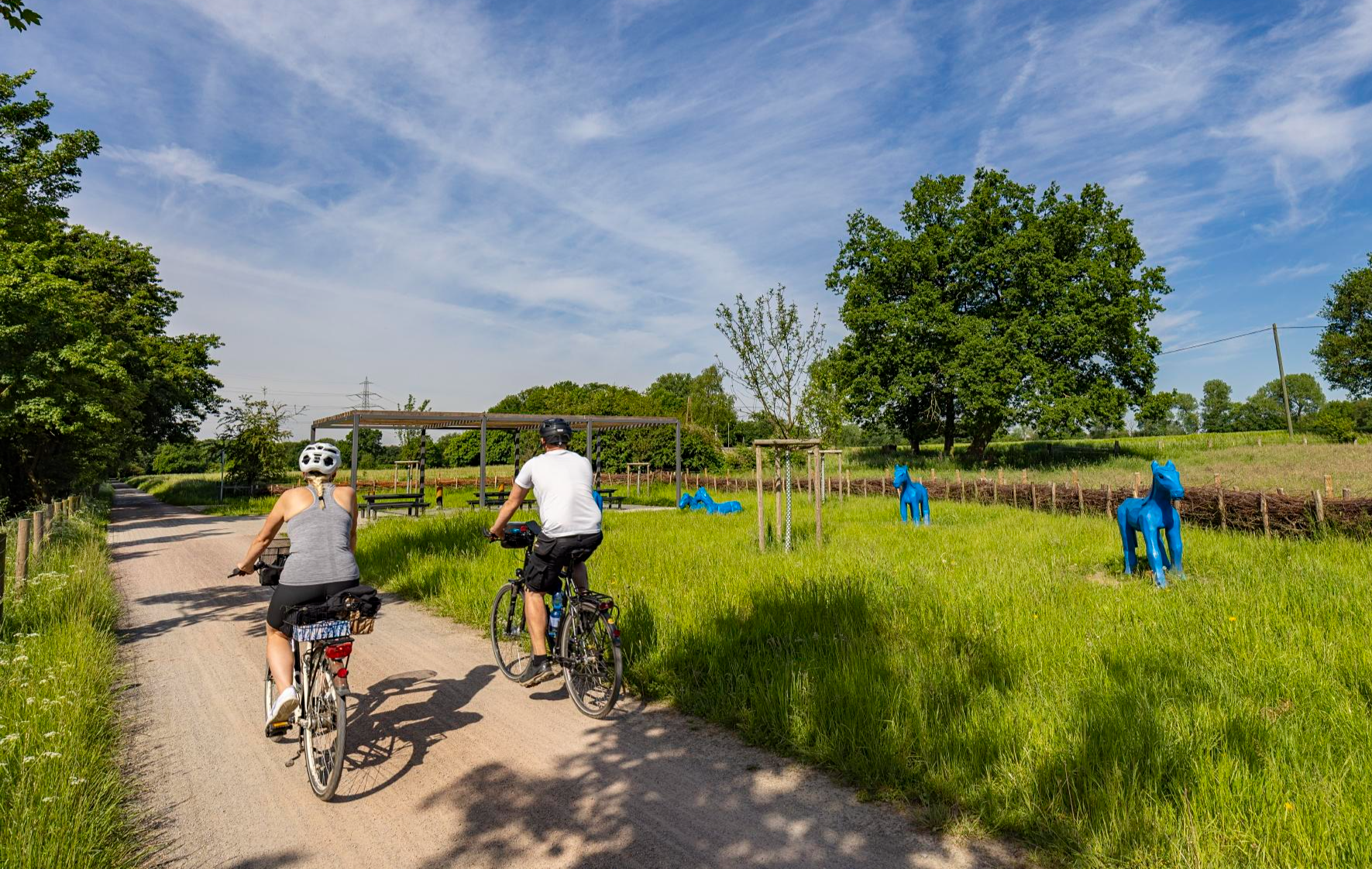
Healthy cycling on Germany’s Emscher River
Other adventures in Dortmund


Tips from the Community

In this area, the Emscher river, which once flowed in a straight concrete channel, has been renatured and spacious retention basins have been created. From the newly constructed, elevated Emscher cycle path here, you have a beautiful view of the Emscher, which now meanders. It is amazing how quickly nature is reclaiming the terrain. At the beginning of the work, it was still grey and muddy, but now you look out onto a green river landscape with grasses, reeds, purple loosestrife, butterflies, and dragonflies. The numerous herons suggest a good fish population here.
2
0

These Emscher floodplains/retention basins and the renaturalized Emscher River are truly a wonderful achievement. A paradise for animals of all kinds, and there's always something to observe. Excellent hiking and cycling trails have been created for people outside.
4
0
The new river course has been wonderfully successful and is a true paradise for animals. Very beautiful paths have been created for people, where you can cycle and hike wonderfully.
8
0

The Emscher cycle path between Deusenberg and Gut Königsmühle is finally open. A beautiful section with lots of nature.
1
0

The new section along the biotope is now open! It has become beautiful and we liked it extraordinarily. The contrast with the "Alte Emscher" - if you take the cycle path along the river towards Nette - is extreme. A real highlight!
7
1

Komoot didn't actually want to take me this route - good thing I came here anyway. A great new cycle path along two Emscher basins, where countless birds have settled. The path is worth it - definitely put it on your list if you use the Emscher cycle path.
3
0

The new section of the Emscher cycle path at the flood retention basin in Ellinghausen is now open. Beautiful gravel path
4
0

The Emscher Cooperative speaks cautiously about "nature-friendly conversion" so as not to support the illusion that nature can be restored.
3
0
Frequently Asked Questions
What types of natural features can I explore in Dortmund's natural monuments?
Dortmund's natural monuments offer a diverse range of features. You can find expansive parks with landscaped gardens like Westfalenpark, extensive botanical collections at Rombergpark Botanical Garden, and significant river systems such as the Confluence of the Ruhr and the Lenne. There are also renatured rivers like the Restored Emscher, serene lakes such as Bruno Lake, and vast forested areas like Bittermark and the Kurler Busch Nature Reserve.
Are there natural monuments in Dortmund that offer panoramic views?
Yes, several natural monuments provide stunning panoramic views. Hohensyburg castle ruins and the nearby Kaiser Wilhelm Monument offer breathtaking vistas over the Ruhr Valley, the Hengsteysee lake, and the city of Hagen. The Florian Tower in Westfalenpark also provides excellent city views from its observation decks.
Which natural monuments are suitable for families with children?
Many natural monuments in Dortmund are family-friendly. Westfalenpark is ideal with playgrounds, a bird enclosure, and boat rentals. Rombergpark Botanical Garden offers educational value and tranquil paths. The Hohensyburg castle ruins and Kaiser Wilhelm Monument are great for combining history with outdoor exploration. Lakeside areas like Phoenix See and the South shore of Hallerey Lake are perfect for strolls and picnics.
Can I bring my dog to Dortmund's natural monuments?
Yes, many natural monuments in Dortmund are dog-friendly, especially those with extensive trails and open spaces. For example, the Dellwiger Bach in the Dellwiger Bachtal Nature Reserve is noted as dog-friendly, offering plenty of space for walks. Always ensure dogs are kept on a leash where required and follow local regulations.
What historical sites are integrated with Dortmund's natural monuments?
Dortmund uniquely blends natural beauty with historical significance. The Hohensyburg castle ruins, perched on a hill, combine medieval history with panoramic natural views. Nearby, the Kaiser Wilhelm Monument is a significant man-made monument offering historical context alongside natural vistas. The area around Hohensyburg also features relics of modern mining, as seen in the Syburg Bergbauweg.
What outdoor activities can I do near these natural monuments?
Dortmund's natural monuments are excellent starting points for various outdoor activities. You can find numerous hiking trails, such as those around Hohensyburg, or explore the extensive forested areas of Bittermark. For cycling, Phoenix See offers scenic routes along the waterfront. You can find detailed routes for hiking in Dortmund on the Hiking in Dortmund guide, including easy options on the Easy hikes in Dortmund guide, and running trails on the Running Trails in Dortmund guide.
Are there any nature reserves focusing on wildlife in Dortmund?
Yes, the Dellwiger Bach in the Dellwiger Bachtal Nature Reserve is particularly notable for its diverse wildlife. It's home to a variety of amphibians and birds, including rare species like fire salamanders, buzzards, and tawny owls. In early summer, it's also known for its firefly spectacle. The Kurler Busch Nature Reserve also provides a protected habitat for local flora and fauna.
What is the best time of year to visit Dortmund's natural monuments?
The best time to visit depends on your preferences. Spring and summer (May to September) are ideal for enjoying the vibrant flora, such as the rose varieties in Westfalenpark and the cherry blossoms in Rombergpark Botanical Garden. Autumn offers beautiful foliage, especially in forested areas like Bittermark. Even winter can be charming, with snow-covered landscapes providing a tranquil experience, particularly in Rombergpark.
How accessible are Dortmund's natural monuments by public transport?
Many of Dortmund's natural monuments are well-connected by public transport. Westfalenpark and Rombergpark Botanical Garden are easily reachable within the city. For sites like Hohensyburg, while slightly further out, public transport options are available to get you close, often requiring a short walk to the main attractions. Phoenix See is also integrated into the urban transport network.
Are there any unique ecological restoration projects among Dortmund's natural monuments?
Yes, the Restored Emscher and Renatured Emscher represent a significant ecological restoration project. This initiative transformed the Emscher river, which was once an industrial sewer, into a more natural waterway. The project involves diverting wastewater into underground pipes and ecologically improving the river's course, showcasing a remarkable return to nature.
Where can I find tranquil spots for relaxation and nature immersion?
For tranquility, Rombergpark Botanical Garden offers expansive greenery and serene walking paths, perfect for a peaceful retreat. Bittermark, as Dortmund's largest forested area, provides a sense of being far from the city with its untouched character. Phoenix See also offers a calm and relaxing environment along its waterfront promenades, ideal for quiet strolls.
What kind of geological features can be observed in Dortmund's natural monuments?
While Dortmund is not primarily known for dramatic geological formations, the region offers interesting features related to its river systems and historical landscape changes. The Confluence of the Ruhr and the Lenne highlights the meeting of two significant rivers originating in the Sauerland. The Ruhr escarpments near Hohensyburg are also a recognized and protected nature reserve, showcasing the natural topography shaped by the river.
Most popular routes in Dortmund
Most popular attractions in Dortmund

Get inspired with the komoot mobile app


Didn’t find what you were looking for?
Find even more amazing natural monuments in Dortmund by checking out the top Highlights region by region:
Explore more
Extend your search for the best caves by checking out these guides of the top ones in Dortmund:
