Top 20 Natural Monuments in Glarus
Best natural monuments in Glarus include a range of geological features and alpine landscapes. The canton of Glarus is characterized by its mountains, lakes, and unique geological formations, such as the Glarus Thrust. These sites offer insights into mountain building processes and provide diverse natural environments. The region features numerous natural landmarks, including rock windows, waterfalls, and mountain lakes.
Best natural monuments in Glarus
- The most popular natural monuments is Lake Klöntal, a lake that is popular for hiking, mountain biking, and swimming. It is known for its fjord-like landscape and camping opportunities.
- Another must-see spot is Talalpsee, a natural mountain lake with a path around it. Visitors can find spots for barbecuing and swimming in the water.
- Visitors also love Obersee East Shore, a lake located at 983 meters above sea level. The path around the lake allows views of the surrounding mountains.
- Glarus is known for its lakes, waterfalls, and significant geological sites. The region offers a variety of natural monuments to explore, from mountain summits to unique rock formations.
- The natural monuments in Glarus are appreciated by the komoot community, with more than 880 upvotes and over 270 photos shared across the highlights.
Last updated: September 26, 2026
Klöntalersee
Highlight • Lake
Translated by Google •
Tip by

Obersee East Shore
Highlight • Lake
Translated by Google •
Tip by

Sign up now to discover places like this
Get recommendations on the best single tracks, peaks, & plenty of other exciting outdoor places.
Talalpsee
Highlight • Lake
Translated by Google •
Tip by

Kistenstöckli
Highlight • Summit
Translated by Google •
Tip by
Oberblegisee
Highlight • Lake
Translated by Google •
Tip by

Ochsenstäfeli
Highlight • Lake
Translated by Google •
Tip by

Kärpfbrücke Natural Bridge
Highlight • Natural Monument
Sardona Tectonic Arena UNESCO World Heritage Site
Highlight • Natural Monument
Translated by Google •
Tip by

Waterfall at Lake Klöntal
Highlight • Waterfall
Translated by Google •
Tip by
Berglistüber Waterfall
Highlight • Waterfall
More information: braunwald.ch
Translated by Google •
Tip by

Sign up for free to discover even more natural monuments in Glarus.
Already have an account?
Start today with a free account
Your next adventure awaits.
Popular around Glarus
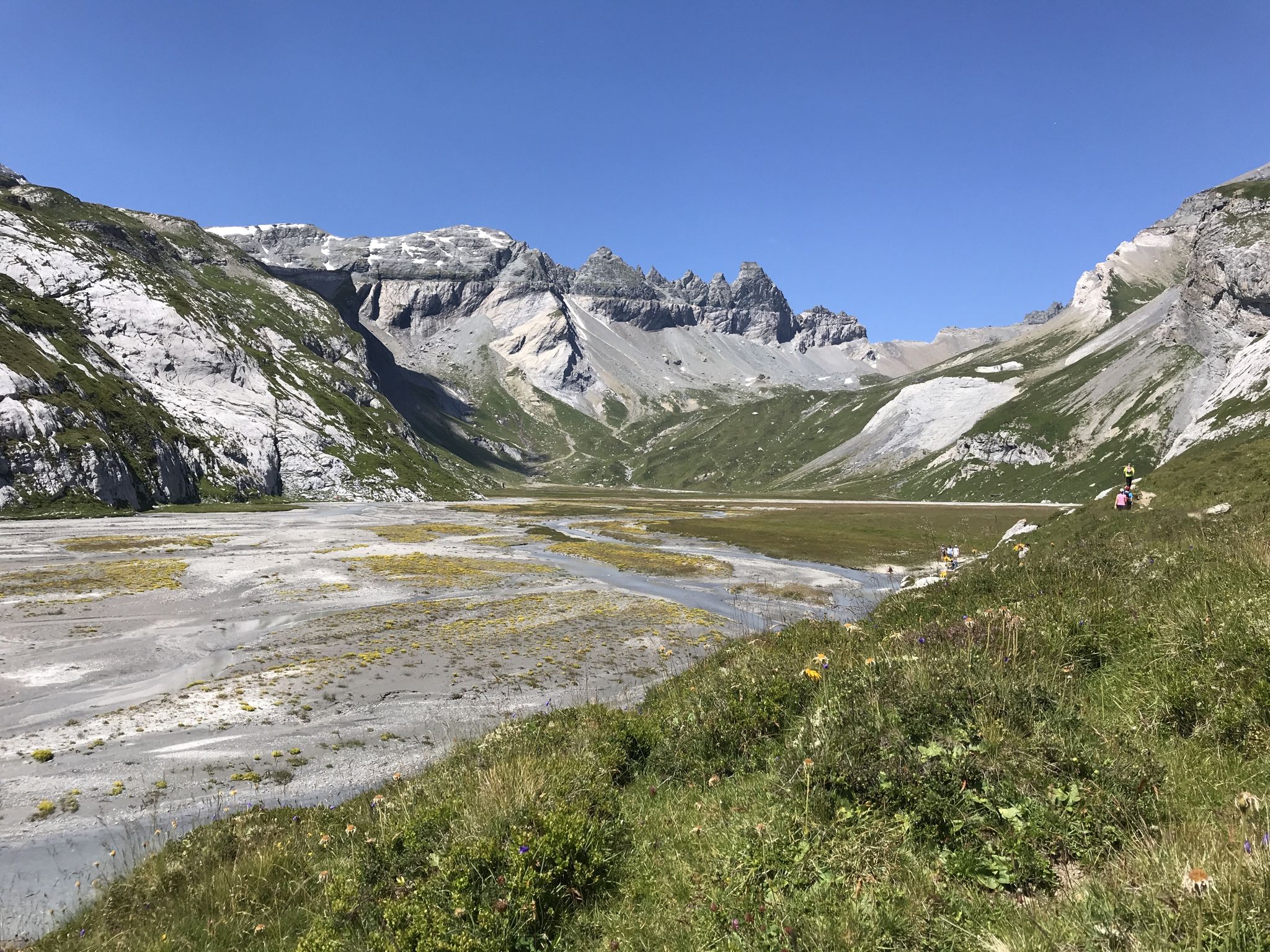
Sardona World Heritage Trail – Where the Alps once formed
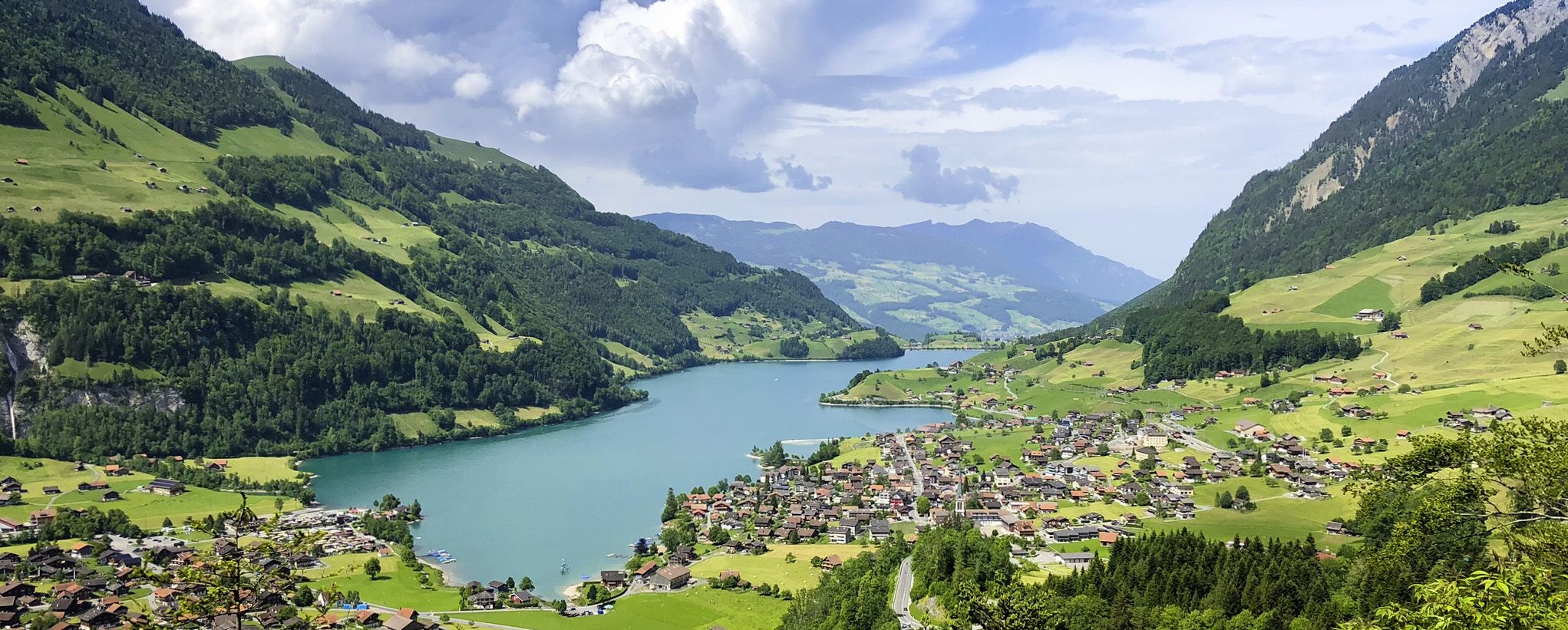
The Lakes Route – Picture-postcard views in the Swiss alpine foothills
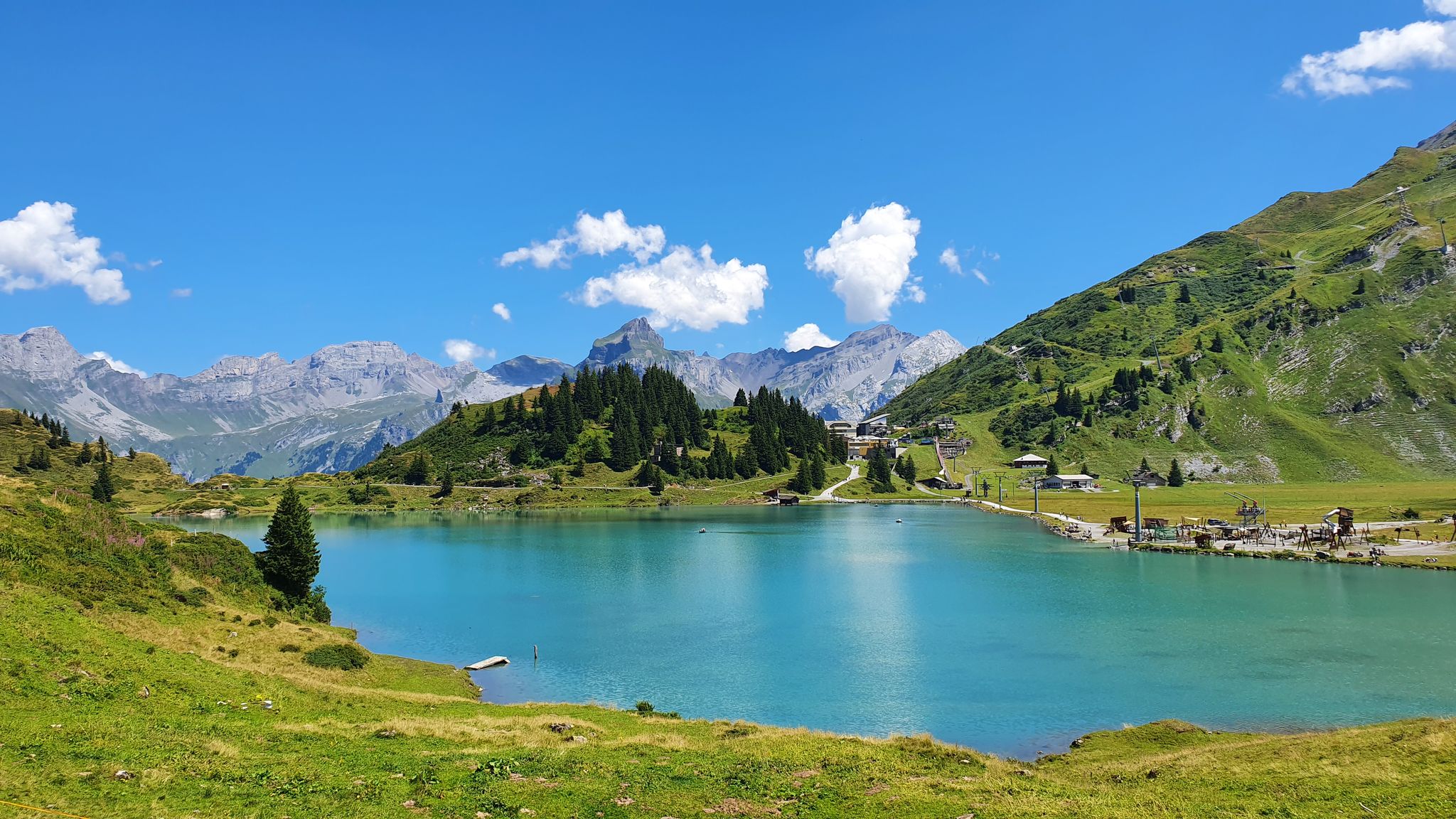
Via Alpina – The 15 stages of the Green Route
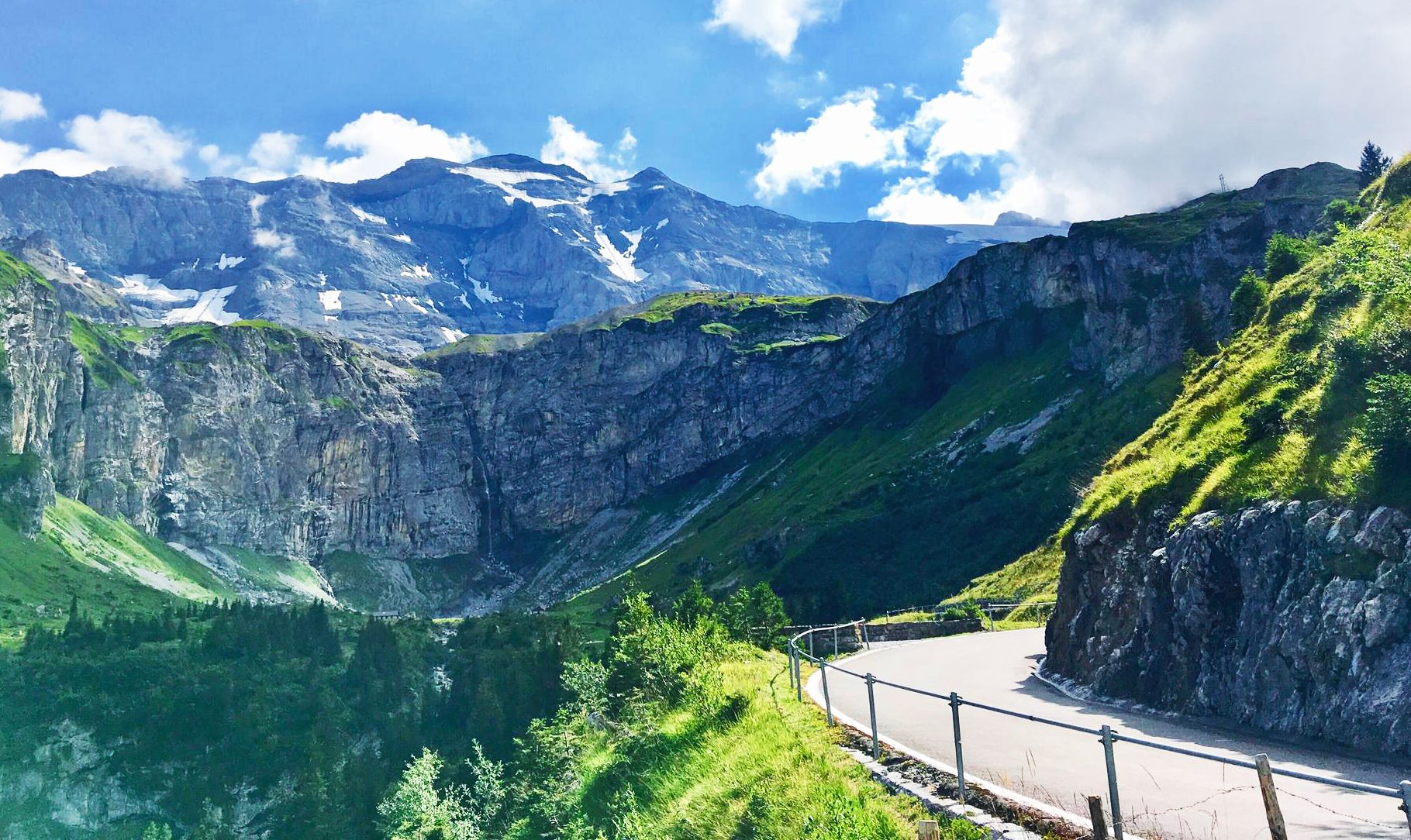
Alpine Panorama Route — 8 stages through the foothills of the Alps
Family fun on two wheels – cycling routes with children around Zürich
From Lake Constance to Lake Geneva
Züri Escape Challenge
Hiking in the Swiss Tectonic Arena Sardona – Segnes Trek
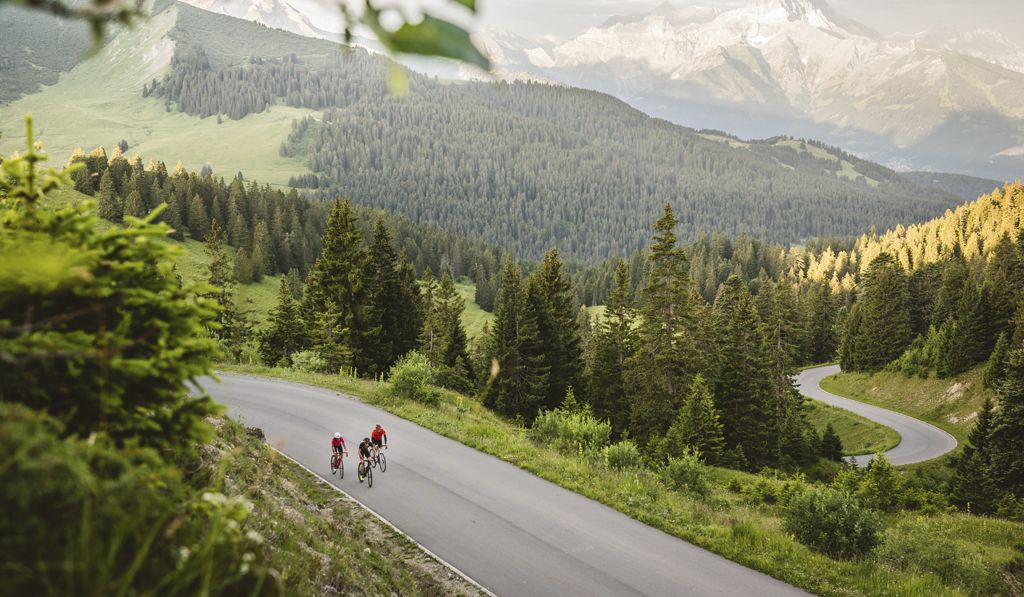
"Coop Ride the Alps"— a spectacular cycling experience
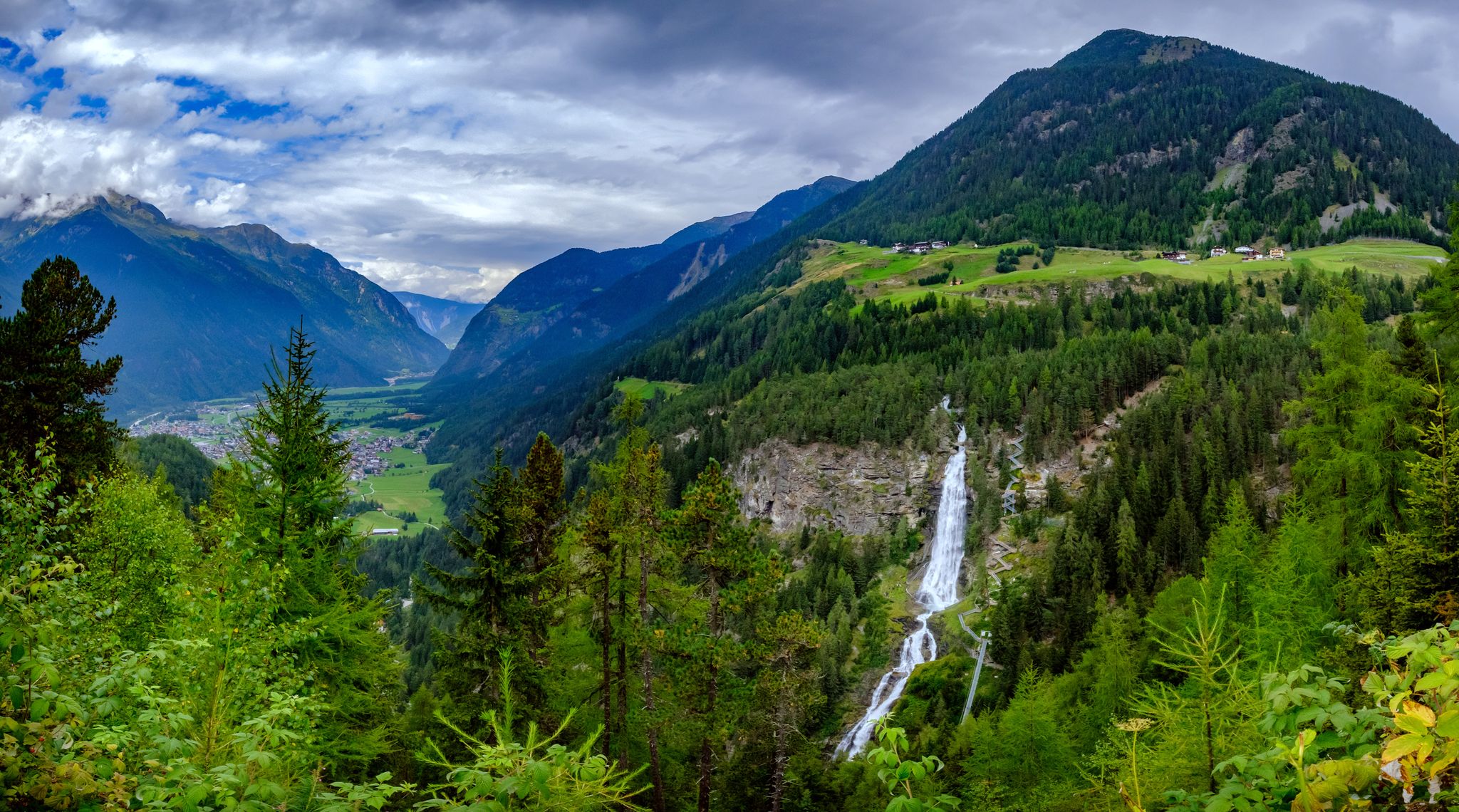
The most beautiful waterfalls of the Alps
Other adventures in Glarus


Tips from the Community


Beautiful waterfall and a trail in very good condition. Only in this section there is no marked trail and you have to jump between rocks.
1
0


The Muttsee (formerly Mutten See, Muttensee) is a reservoir on the Muttenalp in the southernmost part of the municipality of Glarus South in the canton of Glarus in Switzerland.
2
0
In 1957, the newly founded Kraftwerke Linth-Limmern AG (KLL) began to realize the power plants that had been planned since the beginning of the 1940s by the Nordostschweizerische Kraftwerke (NOK), into which the Muttensee was to be integrated.
2
0
Until 1917, the official name was "Mutten See", then the spelling "Muttensee" appeared. From 1963, the spelling "Muttsee" appeared. The Hühnerbühl is now known in dialect as Hüenderbüel.[3] The kidney-shaped mountain lake was about 1000 meters long and 400 to 500 meters wide. On the Muttenalp plateau known as Hühnerbühl, it covered an area of about 42 hectares. The height of the lake surface was given as 2442 m until 1899, and 2448 m from 1900 to 1962. In the southeast, the lake was drained by a stream, which after a few hundred meters, at about 2400 m, disappeared into the Muttsee cave in the karst subsoil of the Muttenalp.[6] A little to the south, from about 2450 m, the Muttenbach collected the snow water from the Latten via various small tributaries.[5] It led this into the Limmernbach via the Mörthal and the Ochsenblanken.
2
1
The lake is registered in the cantonal landscape register as a landscape of regional importance.[4] In the karst area of the Muttenalp there are - in addition to the Muttsee cave and the Muttsee hut - various other small lakes, most of them distributed southwest of the Muttsee over the Hüenderbüel. The largest neighbor, the Ober See, lies north of the Muttsee at 2474 m. It is the only lake on the Muttenalp that is connected to the Muttsee via its outflow.
2
0
Frequently Asked Questions
What are some of the most popular natural monuments in Glarus?
Glarus is home to several highly-rated natural monuments. Among the most popular are Klöntalersee, known for its fjord-like landscape and camping, and Talalpsee, a beautiful mountain lake with barbecue spots and swimming opportunities. Visitors also frequently enjoy the Obersee East Shore, offering stunning views of the surrounding mountains.
Are there family-friendly natural monuments in Glarus?
Yes, several natural monuments in Glarus are well-suited for families. Klöntalersee and Obersee East Shore are both categorized as family-friendly, offering easy access and scenic surroundings for walks and relaxation. The Berglistüber Waterfall is also considered family-friendly and easily accessible, allowing you to walk behind the impressive cascade.
What unique geological features can I explore in Glarus?
Glarus is renowned for its exceptional geological features, particularly the Sardona Tectonic Arena UNESCO World Heritage Site. This area showcases the Glarus Thrust, where older rock layers were pushed over much younger ones. A prominent example is the Martinsloch, a triangular rock window in the Tschingelhörner mountain chain, famous for a celestial phenomenon where the sun shines directly through it onto the village of Elm twice a year.
What outdoor activities can I do near the natural monuments in Glarus?
The natural monuments in Glarus are excellent starting points for various outdoor activities. You can find numerous running trails, such as the 'Klöntal Lake Loop Trail', and road cycling routes like the 'Klöntalersee – Pragel Pass loop'. For hikers, there are many options, including waterfall hikes like the 'Berglistüber Waterfall loop'. You can explore more routes and activities in the Running Trails in Glarus, Road Cycling Routes in Glarus, and Waterfall hikes in Glarus guides.
Are there any natural bridges or unique rock formations to see?
Yes, Glarus features unique rock formations. The Kärpfbrücke Natural Bridge is a notable natural monument, offering an impressive sight. Additionally, the Martinsloch, a large rock window in the Tschingelhörner, is a spectacular natural formation resulting from the region's unique geology.
What is the best time of year to visit the natural monuments in Glarus?
The best time to visit Glarus largely depends on the activity. For hiking and enjoying the lakes, late spring to early autumn (May to October) generally offers the most pleasant weather. The Martinsloch celestial phenomenon occurs around March 12th-13th and September 30th-October 1st. During winter, some higher-altitude areas might be covered in snow, offering opportunities for winter hiking or snowshoeing, but accessibility can vary.
How can I reach the natural monuments in Glarus using public transport?
Many natural monuments in Glarus are accessible by public transport. For instance, Klöntalersee is easily reached by a 30-minute bus ride from the town of Glarus. Obersee can also be reached by train and bus, or by a two-hour hike from public transport stops. It's advisable to check local bus and train schedules for specific destinations.
Are there opportunities for wild swimming or relaxing by the water?
Absolutely. Glarus is known for its beautiful lakes that are perfect for swimming and relaxation. Klöntalersee and Talalpsee both offer spots for swimming in their cool, clear waters. Oberblegisee is another beautiful and quiet mountain lake ideal for relaxing and cooling off.
What do visitors enjoy most about the natural monuments in Glarus?
Visitors frequently praise the stunning natural beauty and tranquility of Glarus. Many highlight the impressive mountain lakes like Klöntalersee for its fjord-like landscape and the opportunity to swim. The unique geological formations and the sense of being immersed in pristine nature are also highly valued, with many appreciating the well-maintained trails and scenic viewpoints.
Are there any natural monuments that offer panoramic viewpoints?
Yes, many natural monuments in Glarus provide spectacular panoramic views. The Kistenstöckli summit offers an excellent viewpoint. Additionally, the areas around the mountain lakes like Obersee East Shore and Klöntalersee are known for their scenic vistas of the surrounding alpine landscape.
Can I find places to eat or stay near the natural monuments?
While specific cafes and restaurants vary by location, many popular natural monuments have amenities nearby. For example, the Berghotel Obersee is located directly on Obersee. Areas around Klöntalersee are popular for camping, and you can often find mountain huts or guesthouses in the valleys and villages surrounding the natural attractions.
What is the significance of the Tschingelhörner mountain chain?
The Tschingelhörner mountain chain is highly significant both geologically and visually. It is an integral part of the UNESCO World Heritage Site, the Glarus Thrust, showcasing where older rock layers were pushed over younger ones. The chain is also home to the famous Martinsloch, a natural rock window, making it a prime example of the dramatic tectonic forces that shaped the Alps.
Most popular routes in Glarus
Most popular attractions in Glarus

Get inspired with the komoot mobile app


Didn’t find what you were looking for?
Find even more amazing natural monuments in Glarus by checking out the top Highlights region by region:
Explore more
Extend your search for the best caves by checking out these guides of the top ones in Glarus:
